10 Herbal Pet Care Tips for Daily Wellness (Simple, Safe & Pinterest-Perfect)

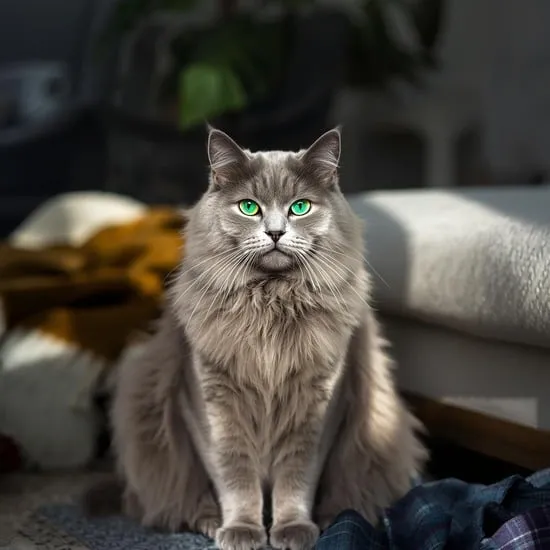
I used to think herbs were just for my own tea. Then my rescue dog, Pepper, started getting stiff after long walks, and my cat, Miso, had the worst breath. I wanted gentle, everyday support without turning my kitchen into a pharmacy. That’s when I started exploring herbal pet care.
Here’s the thing: herbs can be wonderful for daily wellness, but they’re not magic, and they’re not automatically safe. Some plants that help humans can hurt our pets. So I always run new ideas past my vet first.
Below are the 10 herbal habits I actually use, keep simple, and adjust for each pet. They’re Pinterest-friendly, budget-friendly, and easy to weave into your day.
1. Always Start With a Vet Chat and a Pet-Safe Herb List
Before I give my pets anything new, I text my vet a photo of the herb and ask, “Is this okay for a 12-pound cat and a 40-pound dog?” It takes two minutes and saves a lot of worry.
I keep a note on my phone called “Pet-Safe Herbs.” Right now it includes chamomile, parsley, ginger, fennel, turmeric, calendula, and rosemary. I also keep a “Never Give” list: garlic, onion, tea tree, eucalyptus, pennyroyal, and comfrey.
Every pet is different. A herb that helps my dog’s tummy might upset my cat’s liver. So the first tip is always: ask, then start tiny.
2. Calming Chamomile Tea for Anxious Moments
When fireworks season hits, I brew a weak chamomile tea, let it cool completely, and add a tablespoon to my dog’s water bowl. For my cat, I dip a cotton ball in the cooled tea and swipe it near her bedding—never on her fur.
Chamomile smells like a hug, and it seems to take the edge off. I use it for vet visits, car rides, and thunderstorm nights.
A little goes a long way. Too much can cause stomach upset, and cats are extra sensitive. I never force it, and I always have a backup plan like a favorite toy or a quiet room.

3. Fresh Parsley for Fresh Breath and Happy Tummies
Miso’s fish breath used to clear a room. Now I chop one tiny leaf of flat-leaf parsley into her dinner twice a week. For Pepper, I add a pinch to his bowl. It’s like a natural breath mint that also supports digestion.
Parsley is rich in chlorophyll, which helps neutralize odors. It’s also a gentle diuretic, so it can support kidney flushing—but that means more pee breaks.
Skip parsley if your pet is pregnant, has kidney disease, or is on diuretics. And never use parsley if you’re not sure it’s flat-leaf or curly—both are fine, but avoid the ornamental kind.

4. Turmeric Golden Paste for Joint Comfort
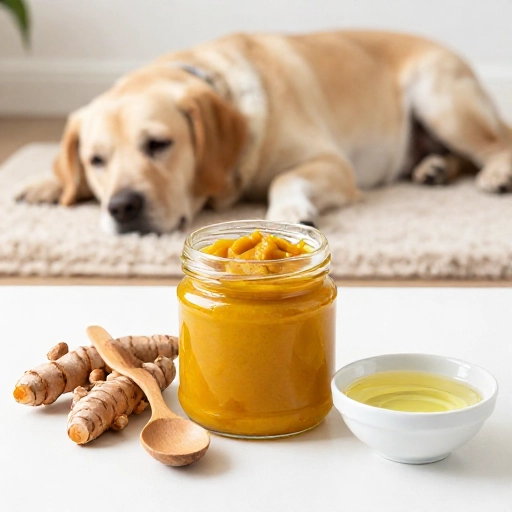
Pepper’s back legs get creaky after hikes. I make a small batch of golden paste: turmeric powder, a pinch of black pepper, and coconut oil. I warm it gently, stir into a paste, and store it in the fridge.
I give him a pea-sized amount with dinner. The black pepper helps his body absorb the turmeric, and the coconut oil makes it easy to mix. He licks the bowl clean.
Turmeric can stain light-colored fur and countertops, so I use a dedicated spoon. It’s not a painkiller—it’s a daily support. If your pet is on blood thinners or has gallbladder issues, ask your vet first.
5. Ginger and Fennel for Gentle Digestion
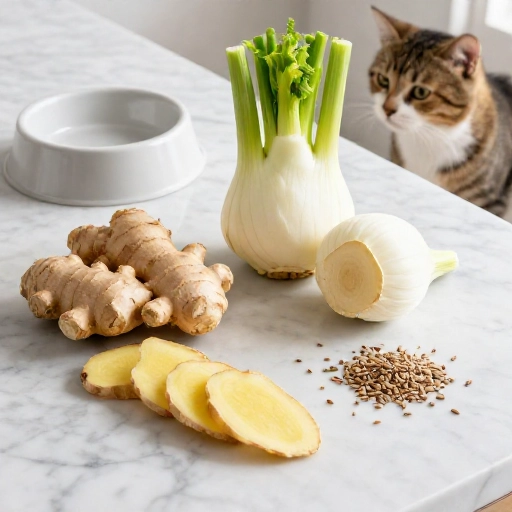
Car rides used to mean drool and doom. Now I give Pepper a tiny sliver of fresh ginger (about the size of a grain of rice) 30 minutes before we leave. It settles his stomach naturally.
For gas, I brew a weak fennel tea, cool it, and add a spoonful to Miso’s water. Fennel is a classic tummy soother. I watch her closely—if she turns up her nose, I don’t push it.
Ginger is strong, so less is more. Fennel is gentler, but still not for every pet. Start with one tiny dose and wait 24 hours to see how they respond.
6. Calendula and Oatmeal for Itchy Skin and Shiny Coats
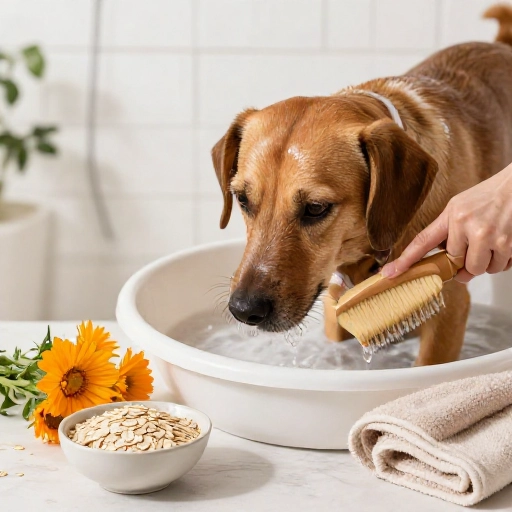
When Pepper gets seasonal itchies, I make a calendula rinse. I steep dried calendula petals in hot water, cool it, and pour it over him in the tub after shampoo. It calms redness and leaves his coat soft.
For a full-body soak, I grind plain oats into a powder, mix with warm water, and let him stand in it for five minutes. Oatmeal is like a hug for irritated skin.
I always rinse well and dry thoroughly, especially between toes. If itching doesn’t improve in a few days, I call the vet—skin issues can be tricky.
7. DIY Herbal Paw Balm for Cracked Pads
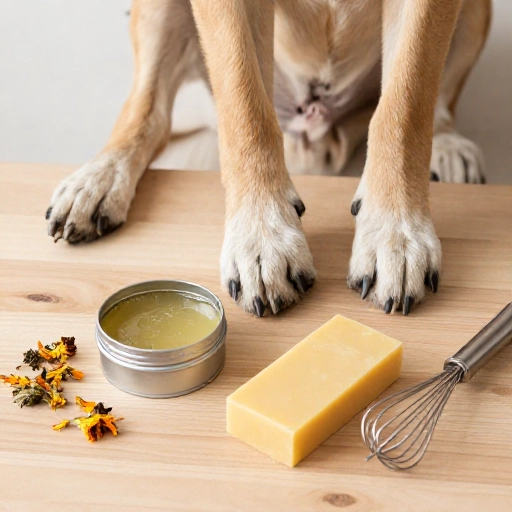
Winter salt and summer hot pavement wreck paw pads. I melt equal parts coconut oil and shea butter with a spoonful of calendula-infused oil. I pour it into a small tin and let it set.
After walks, I rub a tiny amount on Pepper’s pads. It’s safe if he licks it, but I still distract him with a treat for a minute. His pads stay soft and less cracked.
For cats, I use a smaller amount—Miso gets a whisper-thin layer only when needed. Never use essential oils in paw balm. They can absorb fast and cause big problems.
8. Rosemary and Lavender for Natural Pest Defense
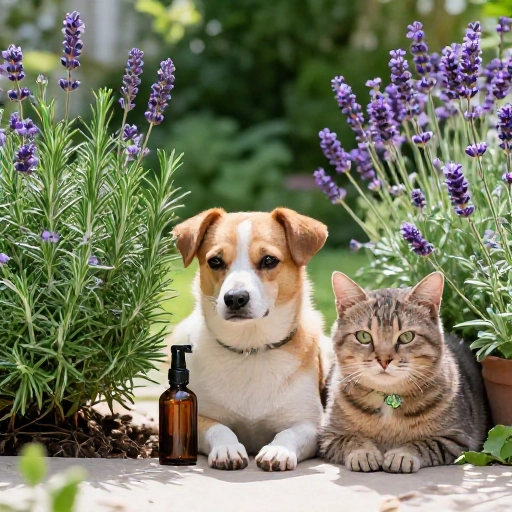
I don’t put essential oils on my pets—ever. Instead, I fill small cloth sachets with dried rosemary and lavender and tuck them near their beds and in the car. The scent may help repel fleas and ticks a little.
I also add a sprig of fresh rosemary to their water bowl once a week, then remove it before they drink. It’s more of a ritual than a cure, but it smells amazing.
Remember: natural doesn’t mean risk-free. Lavender can be toxic to cats if ingested, and rosemary can upset sensitive stomachs. Sachets near bedding are safer than direct contact.
9. Herbal Water Bowls for Hydration & Wellness
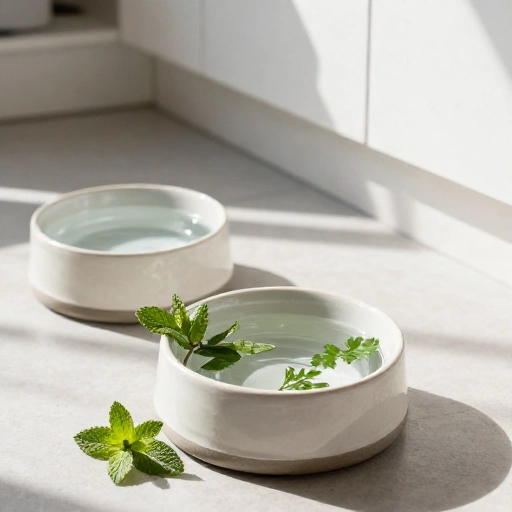
Pepper is a picky drinker. I started adding a fresh mint leaf or a tiny piece of parsley to his water bowl. Suddenly, he drinks more. Hydration is the foundation of daily wellness.
I change the water twice a day and scrub the bowl with hot water—no soap residue. Herbs sit in the water for no more than a few hours.
Never add sweeteners, honey, or concentrated herbal drops. A single leaf or a light tea is plenty. If your pet stops drinking, remove the herb and offer plain water.
10. Build a Simple Daily Herbal Routine
My routine looks like this: Monday and Thursday, a pinch of parsley in dinner. Tuesday, a tiny bit of golden paste. Saturday, a chamomile tea night. Sunday is a rest day—just plain water and cuddles.
I rotate herbs so no one gets too much of anything. I also keep a tiny notebook with dates and any changes in energy, poop, or mood. That log has saved me from guessing more than once.
Start with just one herb for two weeks. Watch. Adjust. If your pet seems off—tired, itchy, vomiting—stop and call your vet. Herbs are helpers, not heroes.
Final Thoughts: Small Herbs, Big Wellness
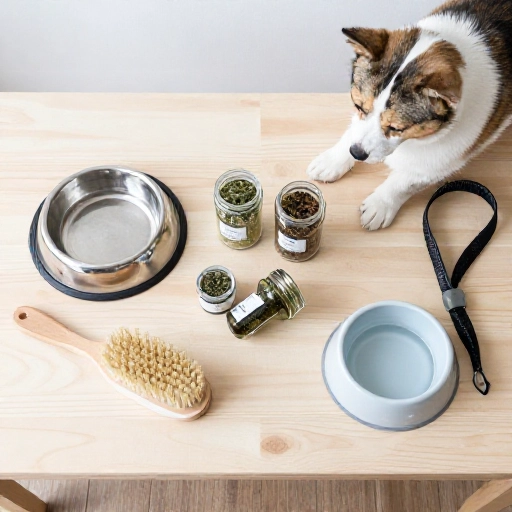
Herbal pet care isn’t about replacing your vet. It’s about adding gentle, daily moments of care. A leaf of parsley, a cool chamomile tea, a homemade paw balm—these little rituals add up.
My pets still get regular checkups, quality food, and plenty of love. The herbs are just a sprinkle on top. Start slow, stay curious, and always trust your gut if something feels wrong.
Frequently Asked Questions About Herbal Pet Care
Q: Are herbs safe for all pets?
A: No. Dogs, cats, birds, and rabbits process herbs differently. Some herbs that help dogs can harm cats. Always ask your vet before trying anything new.
Q: Can I use essential oils on my pet?
A: I don’t. Essential oils are highly concentrated and can be toxic, especially to cats. Even diffusers can cause breathing issues. Skip them unless your vet specifically approves.
Q: How much herb should I give?
A: Less than you think. For small pets, a pinch or a single leaf. For larger dogs, maybe a teaspoon of cooled tea. Start tiny and watch for reactions.
Q: Can herbs replace vet care?
A: Never. Herbs are complementary. They support daily wellness, but they don’t treat infections, broken bones, or serious illness. Your vet comes first.
Q: What if my pet has a bad reaction?
A: Stop the herb immediately. Note the symptoms and time. Call your vet or an animal poison control hotline. Don’t wait to see if it passes.