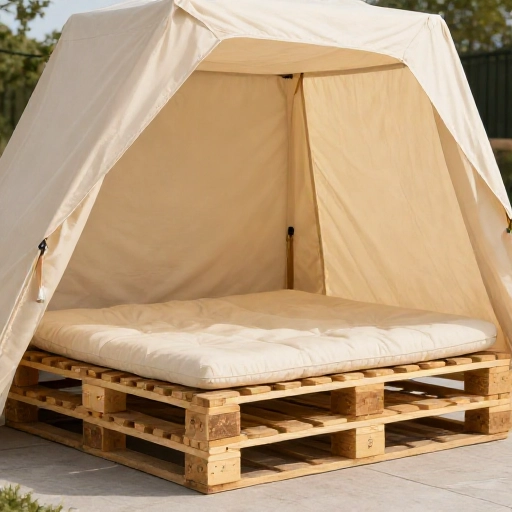
15 Indoor Cat Enrichment Ideas That Will Make Your Feline Friend Happier
If you have a cat who spends all their time indoors, you might notice them getting a little bored. I see it all the time—my own cat started knocking things off shelves just to get my attention. That’s when I realized that indoor cats need enrichment just as much as outdoor ones. Without it, they can get restless or even develop bad habits.
The good news is that making your home more exciting for your cat doesn’t have to be expensive or complicated. I’ve tried a bunch of ideas over the years, and these 15 are the ones that really work. They’re simple, practical, and your cat will thank you for them. Let’s jump in.
1. Set Up a Window Perch
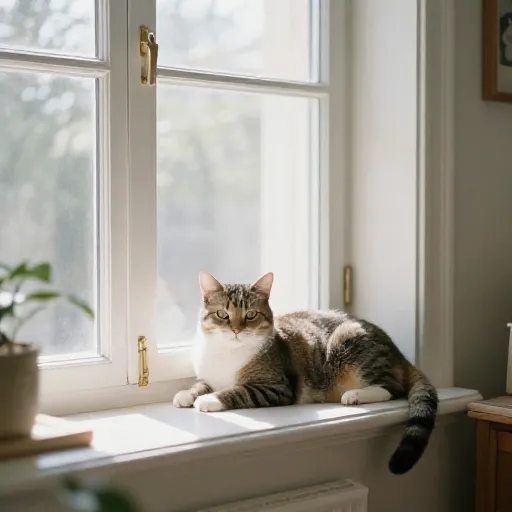
Cats love watching the world go by. A simple window perch gives them a front-row seat to birds, squirrels, and passing cars. You can buy a suction cup bed or just clear a spot on a windowsill with a soft blanket.
I put one in my living room, and my cat spends hours there every morning. It’s like her own personal TV show. Just make sure the window is secure and the perch can hold their weight.
If you have multiple windows, try rotating which one they use. A new view can be just as exciting as a new toy.
2. Create a DIY Treat Puzzle
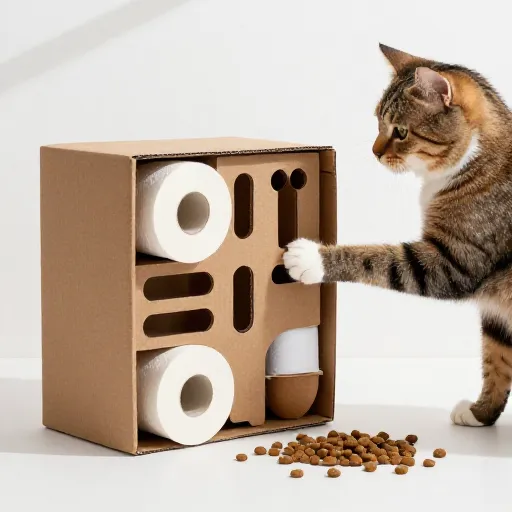
You don’t need to buy fancy puzzle toys. Grab an empty toilet paper roll, fold the ends in, and drop a few treats inside. Your cat will have to bat it around to get the goodies out.
Another easy idea is to hide treats under a plastic cup and let them figure out how to knock it over. It keeps their brain busy and satisfies their hunting instincts.
Start with easy puzzles and make them harder as your cat gets the hang of it. My cat figured out the toilet roll trick in about two minutes, but she still loves it.
3. Build a Cardboard Castle
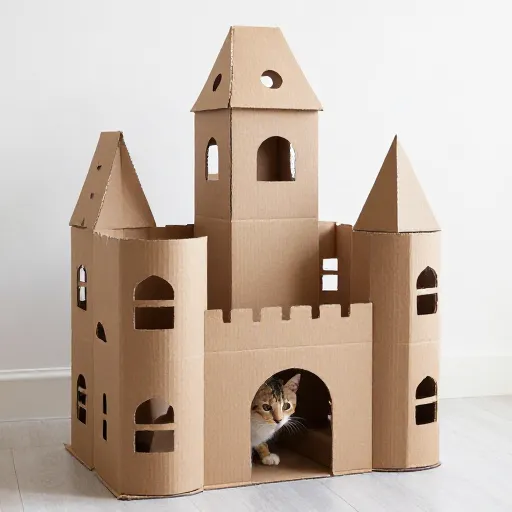
Cats are obsessed with cardboard boxes. Why not turn a few into a little castle? Tape two or three boxes together, cut out doorways, and add a few holes for peeking through.
You can leave it plain or decorate it with some non-toxic markers. My cat loves hiding in hers and pouncing out when I walk by. It’s cheap, easy, and endlessly entertaining.
When the box gets worn out, just recycle it and build a new one. Your cat won’t mind the upgrade.
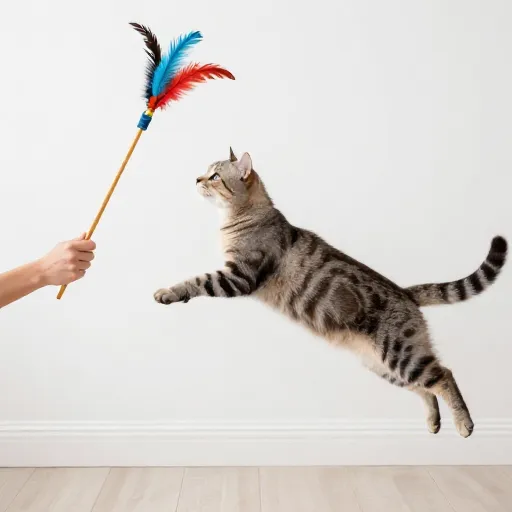
4. Try a Wand Toy Session
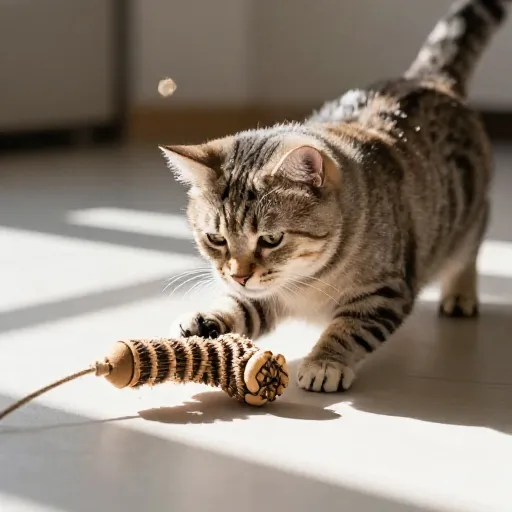
Interactive play with a wand toy is one of the best ways to bond with your cat. Move it like a bird or a mouse—fast and slow, high and low. Let them catch it every few minutes to keep them interested.
I do this for about 10 minutes twice a day, and it makes a huge difference in my cat’s energy levels. She sleeps better at night and doesn’t wake me up at 4 AM.
Just remember to put the wand away after playtime so they don’t chew on the strings unsupervised.
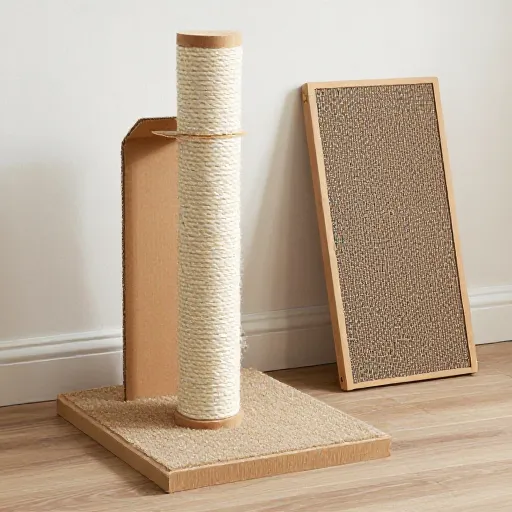
5. Offer a Variety of Scratching Surfaces
Cats need to scratch—it’s natural. Give them options like a cardboard scratcher, a sisal rope post, and a carpet-covered board. Place them near where your cat likes to nap or stretch.
I have a scratching post in the living room and a cardboard one in the hallway. My cat uses both, and she’s stopped going after my couch. If they ignore one, try sprinkling a little catnip on it.
Different textures keep their claws healthy and save your furniture.
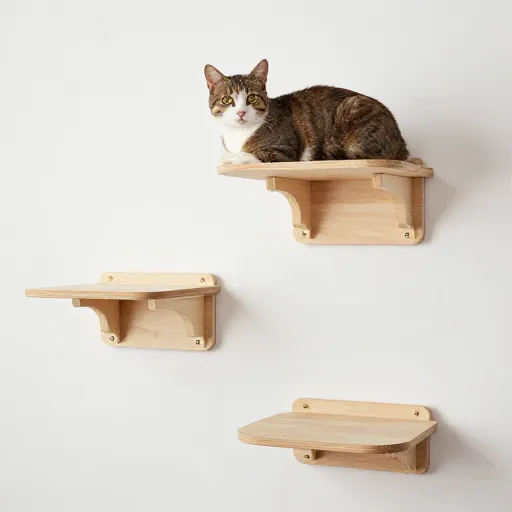
6. Set Up a Cat Shelf Wall
If you have some wall space, install a few floating shelves. Cats love to climb and survey their territory from above. Space them out so they have to jump from one to another.
I put a shelf above my bookshelf, and it’s my cat’s favorite napping spot. You don’t need a whole system—just two or three shelves can make a big difference.
Make sure they’re securely anchored. Safety first.
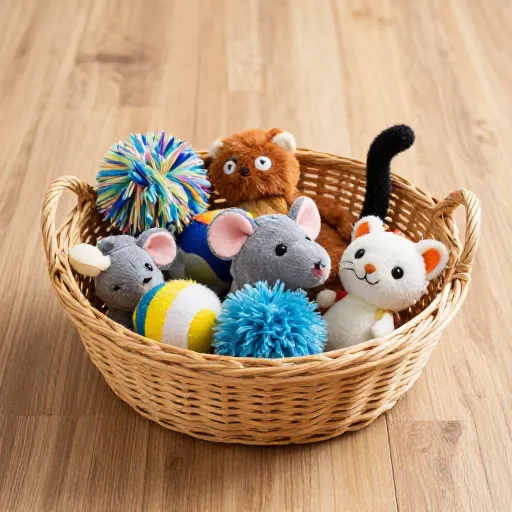
7. Rotate Toys Weekly
Cats get bored with the same toys every day. Instead of leaving all of them out, put some away and swap them out every week. Old toys feel new again.
I keep a small bin under the bed with toys my cat hasn’t seen in a while. When I bring out a “new” one, she goes crazy. It’s like magic.
This trick works especially well with crinkle balls, feather toys, and little mice.
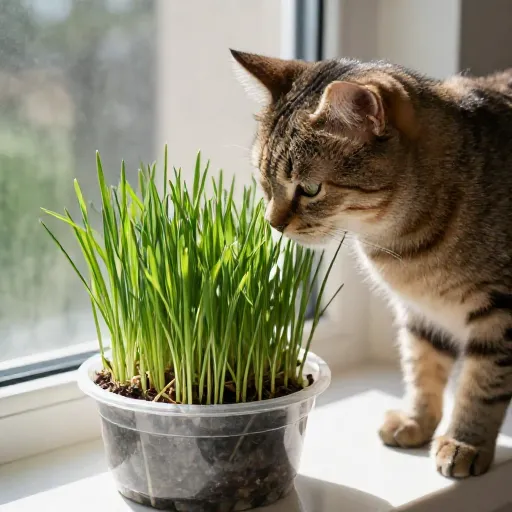
8. Grow Some Cat Grass
Cat grass is easy to grow and great for indoor cats. It gives them something to nibble on, which can help with digestion. Plus, it adds a little green to your home.
You can buy a kit or just plant some wheatgrass seeds in a small pot. Place it where your cat can reach it easily. Mine loves to take a few bites and then roll around next to it.
Just avoid toxic plants like lilies or tulips.
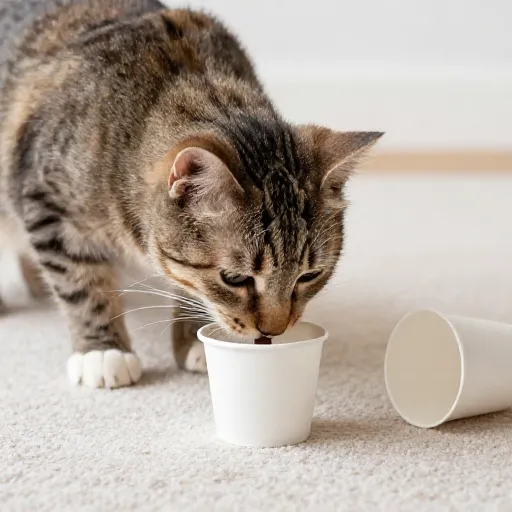
9. Play Hide and Seek with Treats
Hide small treats around the house—under a rug, behind a chair leg, or on a low shelf. Let your cat sniff them out. It taps into their natural foraging instincts.
I do this when I’m about to leave the house. It keeps my cat busy for a good 15 minutes. Start with easy spots and make them harder over time.
Use soft treats so they’re easy to find and eat.
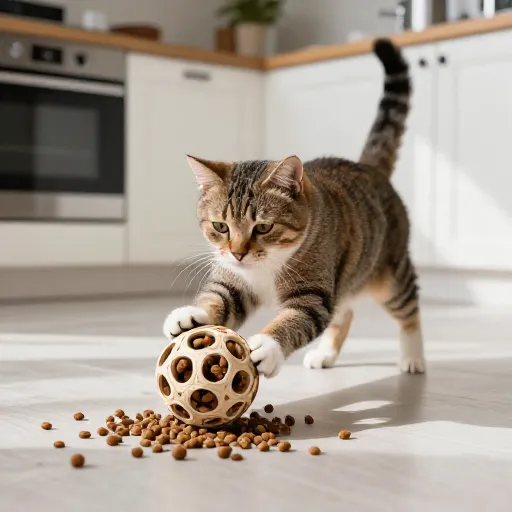
10. Introduce a Food Puzzle Ball
Instead of feeding your cat from a bowl, put their kibble in a puzzle ball. They have to roll it around to get the food out. It slows down eating and adds mental stimulation.
I use one for my cat’s breakfast, and she loves chasing it around the kitchen. It’s also great for cats who eat too fast.
You can find these at most pet stores, or make your own with a plastic bottle and a few holes.
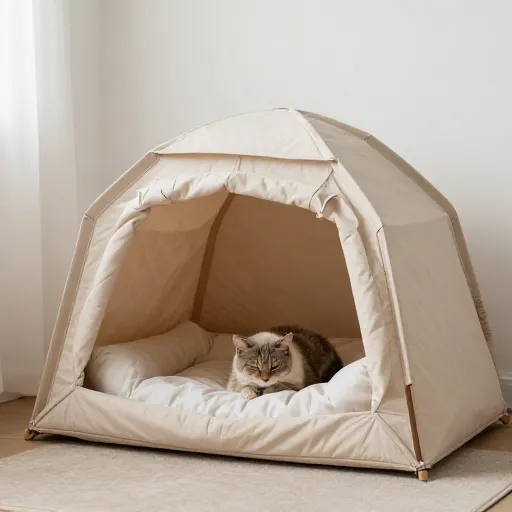
11. Create a Cozy Hideaway
Cats need a safe space where they can retreat. A covered cat bed, a fabric tunnel, or even a paper bag on its side works perfectly. Put it in a quiet corner away from foot traffic.
My cat has a little cave bed under my desk. Whenever she feels overwhelmed, she goes in there and falls asleep. It’s her personal sanctuary.
Make sure the hideaway has soft bedding and is easy to clean.
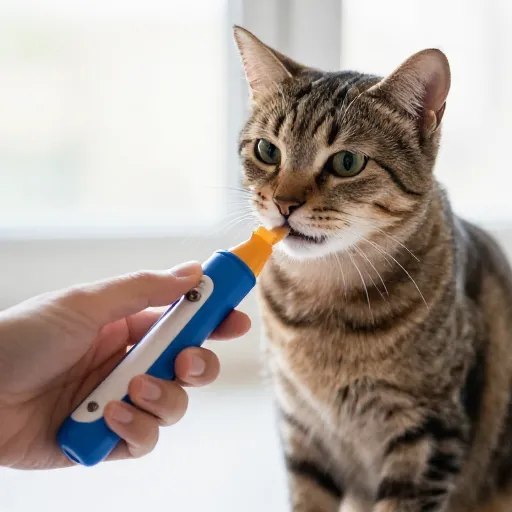
12. Try Clicker Training
Yes, you can train a cat! Use a clicker and some tiny treats to teach simple tricks like “sit” or “high five.” It’s a great mental workout and strengthens your bond.
I taught my cat to touch her nose to a target stick in just a few days. She gets so excited when she sees the clicker now. Keep sessions short—five minutes max.
Be patient and always end on a positive note.
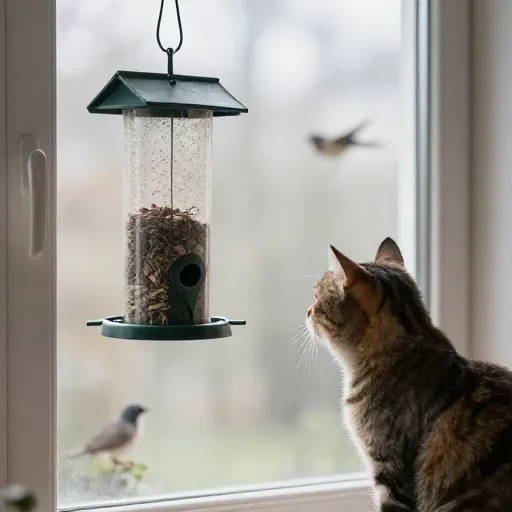
13. Set Up a Bird Feeder Outside
If you have a window, put a bird feeder right outside. Your cat will have hours of live entertainment. Even just watching birds can reduce stress and boredom.
I hung a small feeder on a tree near my living room window. My cat sits there chirping at the birds every afternoon. It’s adorable and keeps her occupied.
Clean the feeder regularly to keep the birds healthy.
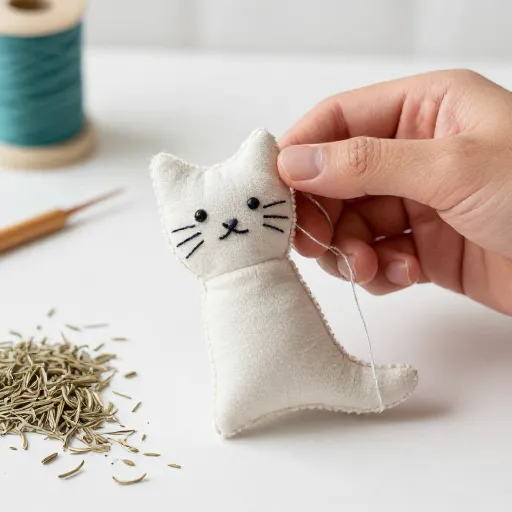
14. Make a DIY Catnip Toy
Sew a small fabric pouch, fill it with dried catnip, and stitch it closed. It’s simple, safe, and your cat will go nuts. You can also use an old sock if you don’t have fabric.
I make a few at a time and keep them in a sealed bag. When I bring one out, my cat rolls around and purrs like crazy. It’s her favorite thing.
Store catnip toys in the freezer to keep them fresh longer.
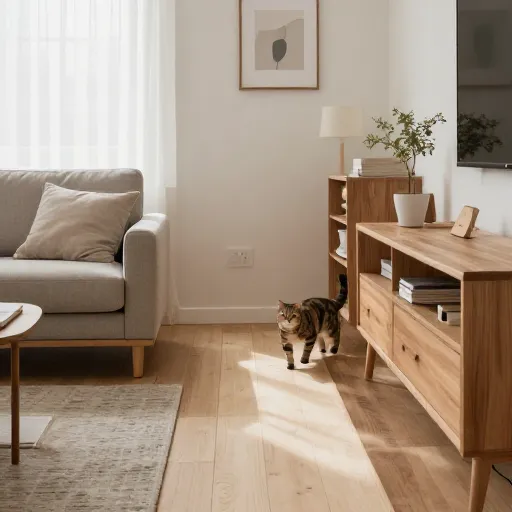
15. Rearrange the Furniture
Sometimes a small change is all it takes. Move a chair to a new spot, flip a rug, or put a different blanket on the couch. Cats are curious creatures, and a new layout sparks their interest.
I rearranged my living room last month, and my cat spent an hour exploring every corner. It’s a zero-cost way to refresh their environment.
Don’t go overboard—just a few changes can make a big difference.
Conclusion
Indoor cats can live happy, fulfilled lives with a little creativity. You don’t have to do all 15 ideas at once. Pick a few that fit your space and your cat’s personality. Over time, you’ll see a calmer, more playful feline friend.
I’ve seen huge changes in my own cat since I started adding enrichment to her daily routine. She’s more relaxed, less destructive, and we have more fun together. Give these ideas a try, and let your cat’s personality shine.
Frequently Asked Questions
How much enrichment does my indoor cat need each day?
About 10 to 15 minutes of interactive play twice a day is a good start. Plus, leave out puzzle toys and scratching surfaces so they can entertain themselves when you’re busy.
What if my cat ignores all enrichment toys?
Try different textures and movements. Some cats prefer crinkly toys, others like soft plush ones. Also, add a bit of catnip or try playing at a different time of day when they’re more active.
Are DIY enrichment ideas safe for cats?
Most are safe, but always supervise your cat with new items. Avoid small parts they could swallow, and use non-toxic materials. Check cardboard boxes for staples or tape that could come loose.
Can I use food from my kitchen for treat puzzles?
Yes, but stick to cat-safe foods like plain cooked chicken, small bits of cheese, or commercial cat treats. Avoid onions, garlic, grapes, and chocolate. Always use tiny portions to avoid overfeeding.
How do I know if my cat is bored?
Common signs include excessive meowing, scratching furniture, over-grooming, sleeping too much, or being destructive. If you see these, try adding one or two enrichment ideas from this list.