How to Stop Cat Scratching Furniture (Without Losing Your Mind)
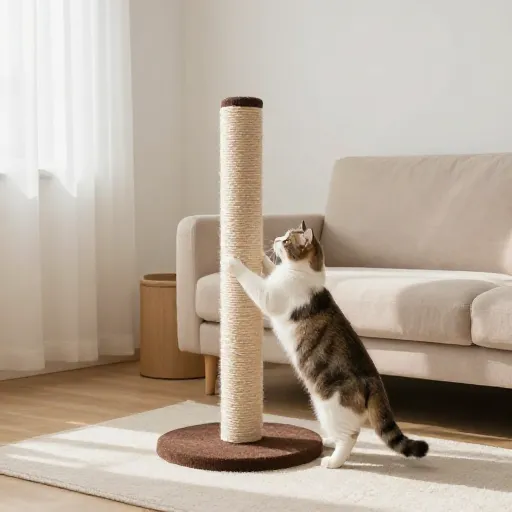
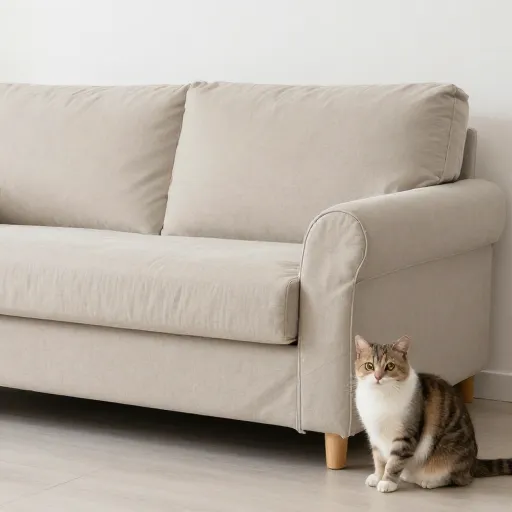
I remember the day I found my new sofa looking like a shredded wheat cereal box. My cat, Mittens, sat nearby with that innocent “who, me?” expression. I was frustrated, but I knew deep down she wasn’t trying to ruin my day. Cats scratch. It’s in their DNA. But your furniture doesn’t have to be the victim.
After years of trial and error, I’ve learned that stopping cat scratching isn’t about punishment. It’s about understanding why they do it and giving them better options. You can have a happy cat and a living room that doesn’t look like a craft project gone wrong. Here’s exactly how I did it.
1. Understand Why Your Cat Scratches
Before you can fix the problem, you need to get inside your cat’s head. Scratching isn’t just a bad habit. It’s a form of communication, exercise, and grooming all rolled into one.
Your cat scratches to mark territory with scent glands in their paws. They also do it to stretch their muscles and shed old claw sheaths. Knowing this helped me stop being angry and start being strategic. Your cat isn’t being spiteful. They’re just being a cat.
2. Place Scratching Posts Right Where It Hurts
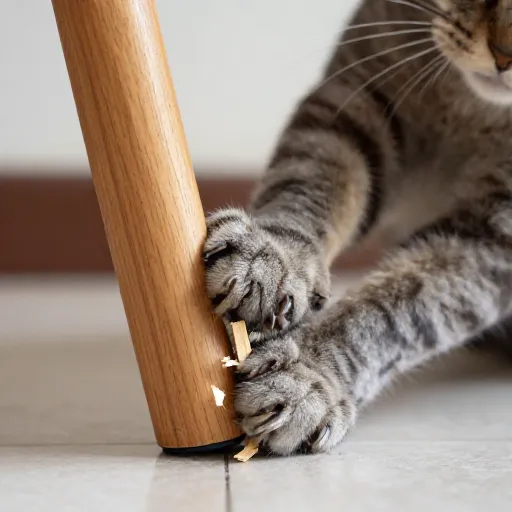
One mistake I made was hiding the scratching post in a corner. Cats don’t care about your interior design plan. They scratch where they want to scratch.
Place a scratching post right next to the furniture your cat loves to attack. If they go for the couch corner, put a post there. If the armchair is their target, put one beside it. After a few weeks, you can slowly move the post to a better spot. This trick worked like magic for me.
3. Choose the Right Texture and Material
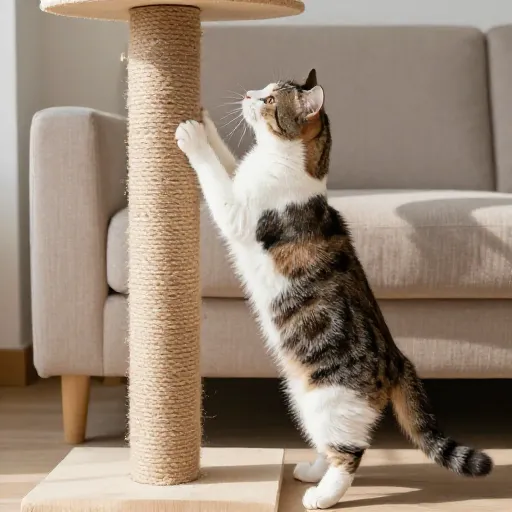
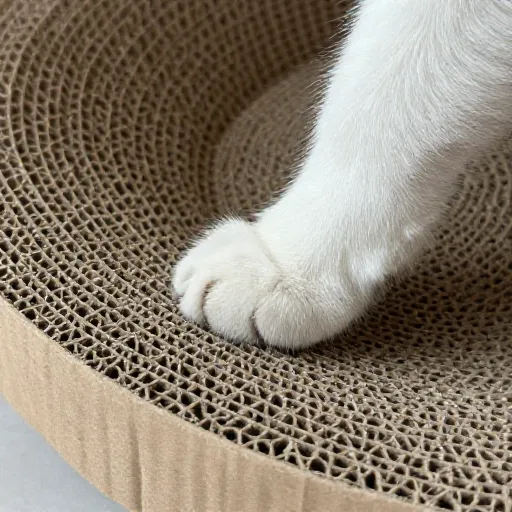
Not all scratching posts are created equal. Some cats love sisal rope. Others prefer cardboard or carpet. My cat turned up her nose at a fancy sisal post but went crazy for a simple cardboard scratcher.
Try a few different materials to see what your cat likes. Watch their scratching behavior on furniture. Do they dig into a woven fabric? Go for something rough. Do they prefer soft surfaces? Try carpet-covered posts. Matching the texture is half the battle.
4. Make Your Furniture Less Appealing
While you’re teaching new habits, you can make the old spots less tempting. Double-sided tape is my secret weapon. Cats hate the sticky feeling on their paws. Place it on the corners of your sofa or chairs for a few weeks.
You can also use foil or plastic carpet runners with the nubby side up. These temporary deterrents break the habit without hurting your cat. Just remove them once your cat starts using their post consistently.
5. Reward Good Scratching Behavior
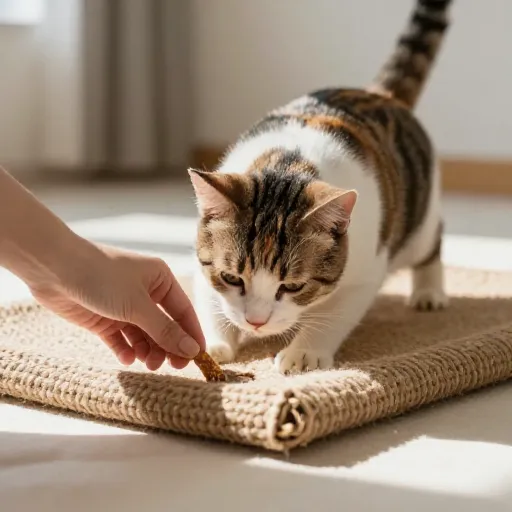
Cats respond much better to rewards than punishment. When I saw Mittens using her scratching post, I gave her a treat and some praise. She learned that the post equals good things.
Keep treats near the scratching areas. Every time you catch your cat using the right spot, reward them immediately. Over time, they’ll choose the post because it feels good and gets them treats. Positive reinforcement is powerful.
6. Keep Your Cat’s Nails Trimmed
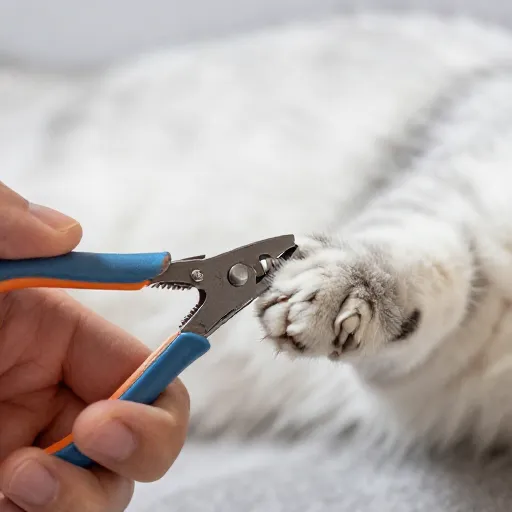
Short nails do less damage. I started trimming Mittens’ claws every two weeks. It’s not hard once you get the hang of it. Use cat-specific nail clippers and just snip the sharp tip.
If your cat hates nail trims, try doing it while they’re sleepy or after a meal. Go slow and give treats. Even if you only get one paw done, that’s progress. Less sharp claws mean less destruction if they do scratch furniture.
7. Use Catnip and Toys to Draw Them In
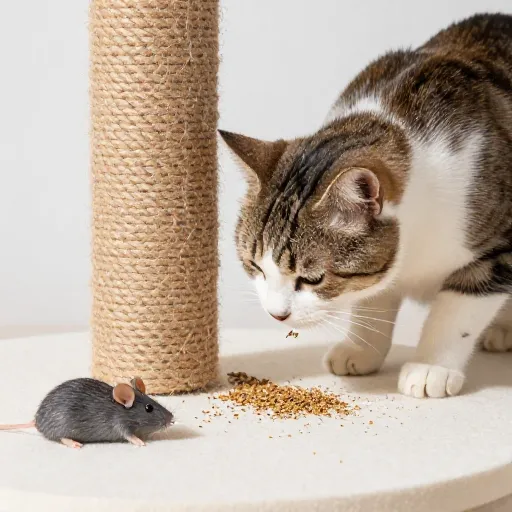
Scratching posts can be boring on their own. I sprinkled catnip on Mittens’ post and dangled toys near it. This turned the post into a fun destination.
You can also rub catnip into the sisal or cardboard. Some cats respond more to silver vine or valerian root. Experiment to see what gets your cat excited. A post that smells like playtime is way more interesting than a couch.
8. Cover Furniture with Slipcovers or Throws
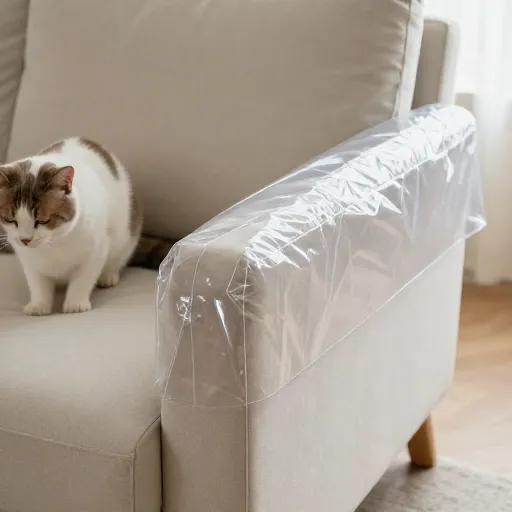
Sometimes you need a quick fix. I bought a few inexpensive throws and draped them over the spots Mittens liked to scratch. This protected the furniture while I worked on training.
Slipcovers are also great because they’re washable. If your cat has scratched a spot, covering it with a smooth fabric can discourage them. Cats prefer to scratch textured surfaces. A smooth throw is less satisfying than a scratching post.
9. Provide Variety and Rotation
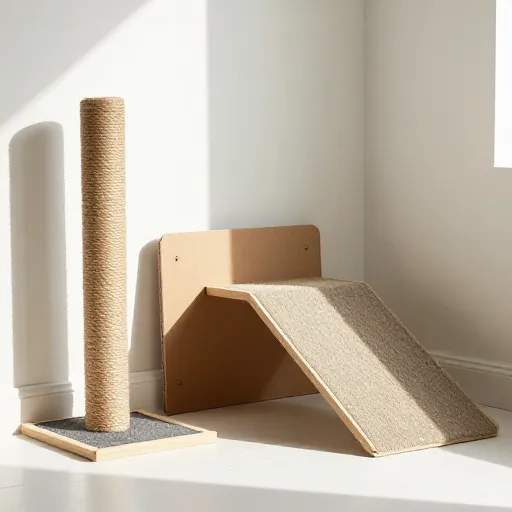
Cats get bored. I learned to have a few different scratching options around the house. A vertical sisal post, a flat cardboard scratcher, and a angled ramp gave Mittens choices.
Rotate the scratchers every few weeks. Move them to different rooms. If your cat starts ignoring one, swap it out for a new style. Keeping things fresh keeps their interest alive. Bored cats find creative ways to entertain themselves, usually on your furniture.
10. Be Patient and Consistent
This is the hardest part, but it’s the most important. Training a cat takes time. Some cats learn in a week. Others take a month or more. I had to remind myself that Mittens wasn’t trying to be difficult.
Stay consistent with placement, rewards, and deterrents. Don’t give up if your cat backslides. Every cat can learn new habits. You just have to be more patient than they are persistent. It worked for me, and it can work for you too.

Conclusion
Stopping your cat from scratching furniture isn’t about breaking their spirit. It’s about redirecting their natural instincts to places you both can live with. You don’t have to choose between a happy cat and a nice home. With a little understanding and a few simple changes, you can have both.
Give these tips a try. Start with one or two that feel easiest for you. Your cat will thank you, and so will your sofa.
Frequently Asked Questions
Why does my cat only scratch one specific piece of furniture?
Your cat likely loves the texture and location of that piece. It might be near where you sit or a window they watch. Place a scratching post right next to it and see if that helps redirect them.
Is it okay to spray my cat with water for scratching?
I don’t recommend it. Spraying your cat can make them scared of you and stressed. Stress can lead to more unwanted behaviors. Stick to positive training and gentle deterrents instead.
How many scratching posts does my cat need?
Most cats do well with at least two or three posts placed in different rooms. One near their favorite sleeping spot and one near a main activity area is a good start.
Will declawing stop my cat from scratching furniture?
Declawing is a painful surgery that removes part of the toe bone. It can lead to lifelong health and behavior problems. I strongly recommend against it. There are many humane alternatives that work just as well.
How long does it take to train a cat to stop scratching furniture?
Every cat is different. Some learn in a few days, while others take several weeks. The key is consistency and patience. Keep up with the training, and you will see results.