10 Calm & Cozy Tips to Reduce Stress in Your Cat

If your cat is hiding more, over-grooming, or seems on edge, they might be telling you they’re stressed. As a cat owner, I’ve learned that our feline friends feel stress just like we do, but they show it in quieter ways. It’s our job to be detectives and create a peaceful home where they feel safe.
Creating a low-stress environment isn’t about one big change; it’s about layering small, comforting habits. From their favorite sunny spot to the rhythm of their day, every detail matters. Let’s explore ten simple, effective ways to help your cat find their chill.
1. Create Safe Vertical Spaces
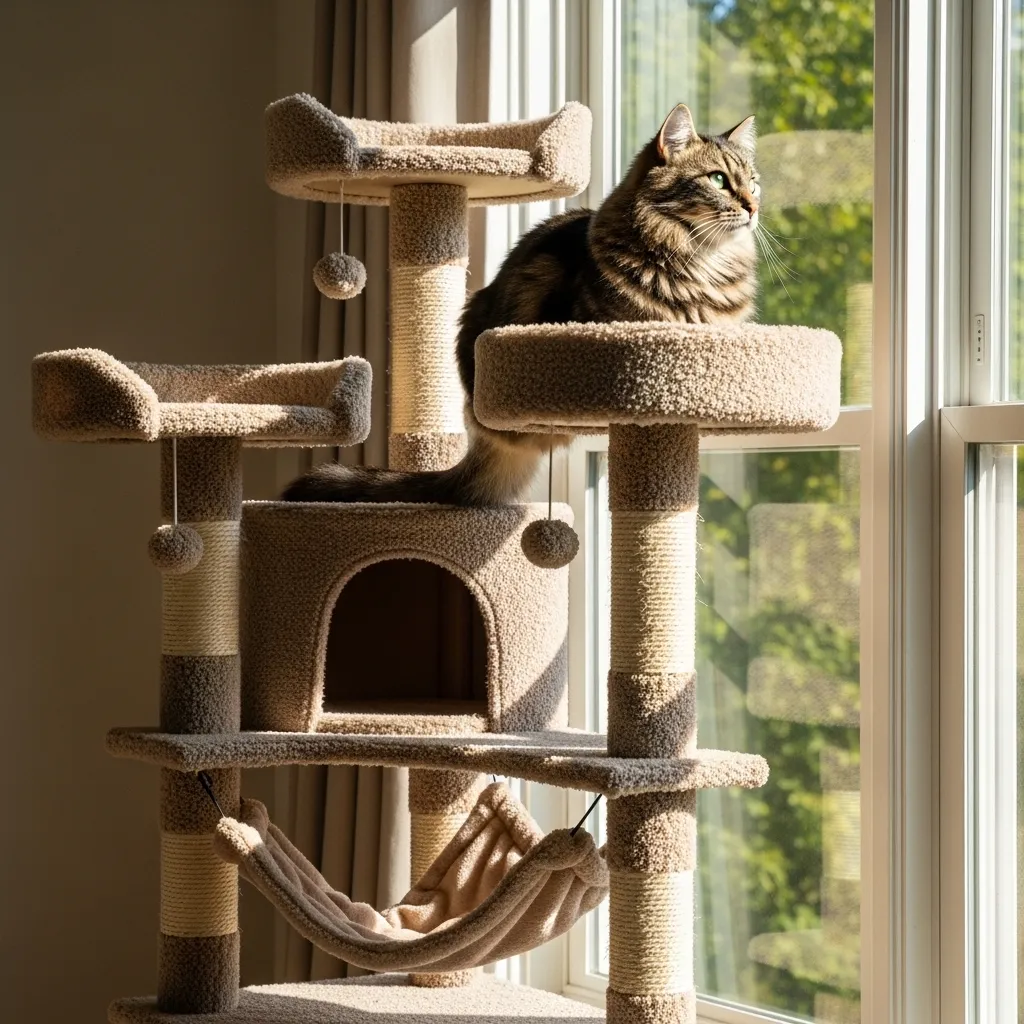
Cats feel secure when they can survey their kingdom from above. A stressed cat often seeks height to escape perceived threats. I always make sure my cat has options to climb and perch.
Think beyond a simple cat tree. Wall shelves, window perches, or even the top of a sturdy bookcase can become a cherished safe haven. Having multiple high-up spots in different rooms gives them confidence and control over their environment.
2. Stick to a Predictable Routine
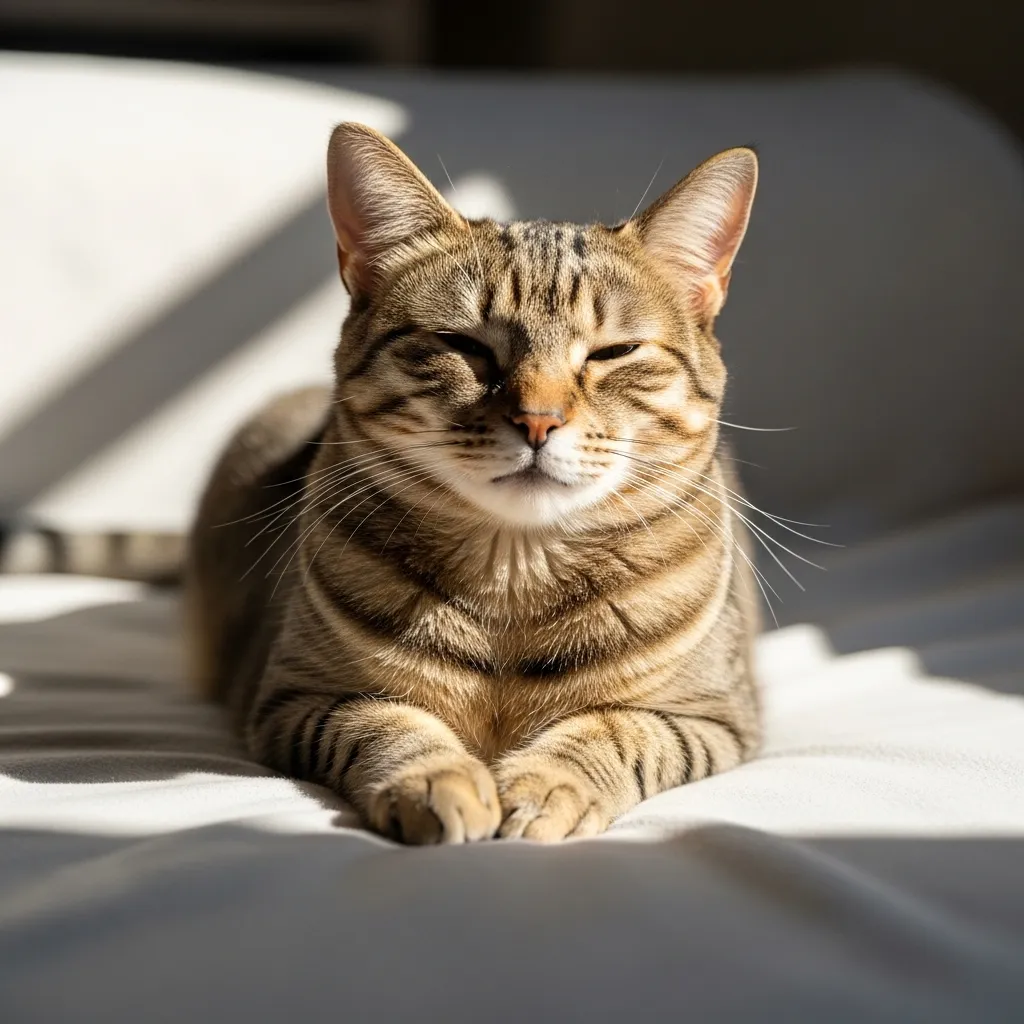
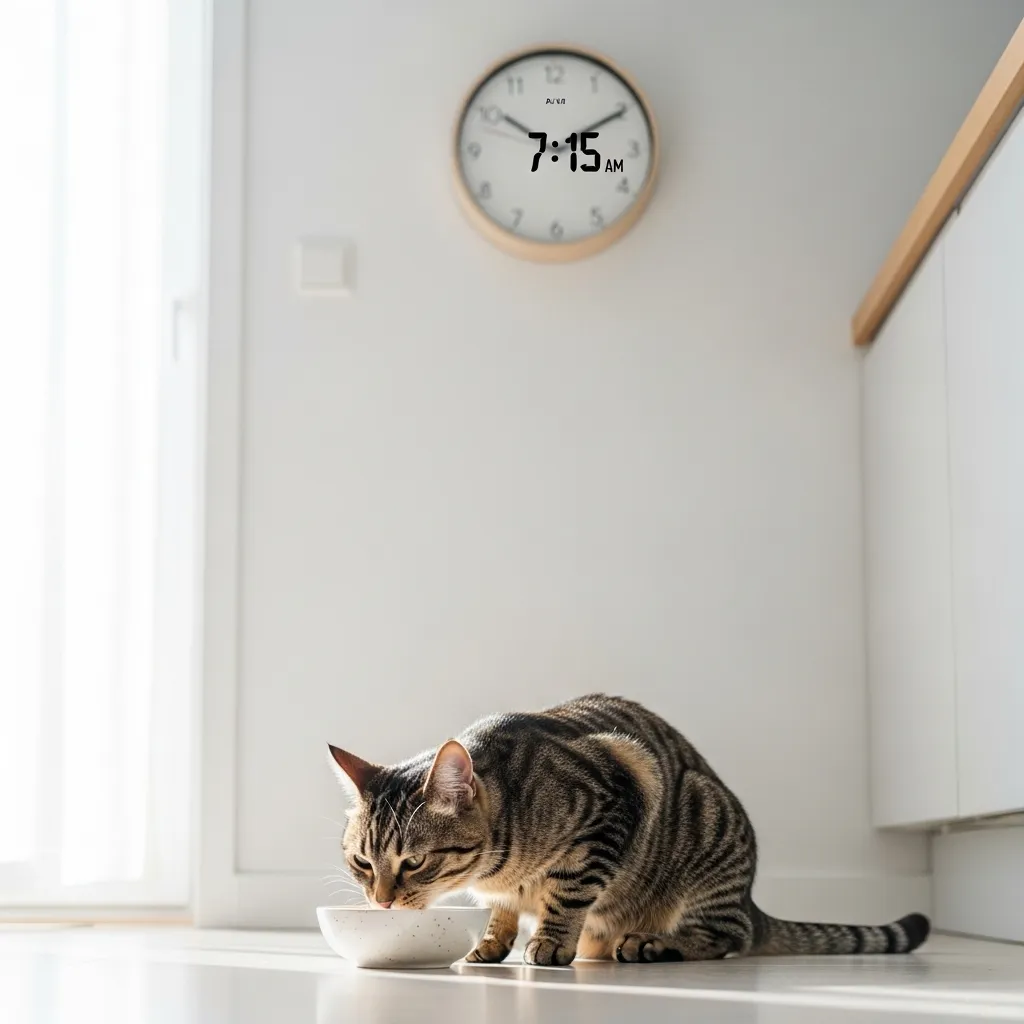
Cats are creatures of profound habit. Sudden changes in their schedule can be a major stress trigger. I’ve found that consistency is a powerful calming tool.
- Feed them at the same times each day.
- Keep play sessions on a rough schedule.
- Even cleaning the litter box at a predictable time adds to their sense of security.
This predictability tells their brain that the world is a stable, safe place.
3. Provide Multiple Hiding Spots
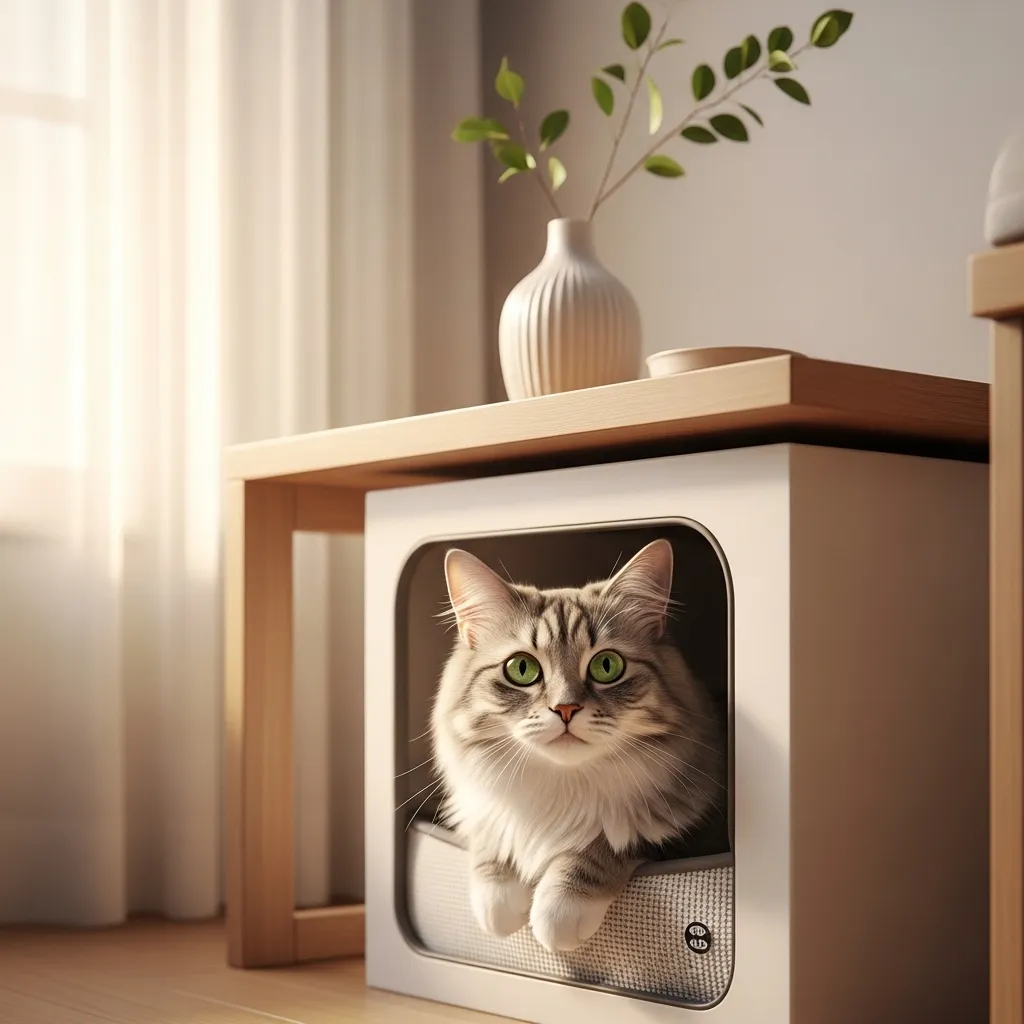
Sometimes, a cat needs to disappear completely. Forcing interaction when they’re scared can make stress worse. I provide cozy, enclosed hiding places around my home.
A cardboard box with a soft blanket, a covered cat bed, or even a designated cupboard (left slightly ajar) can be the perfect retreat. The key is that the spot is theirs alone, where they won’t be disturbed until they’re ready to come out.
4. Use Calming Pheromone Diffusers
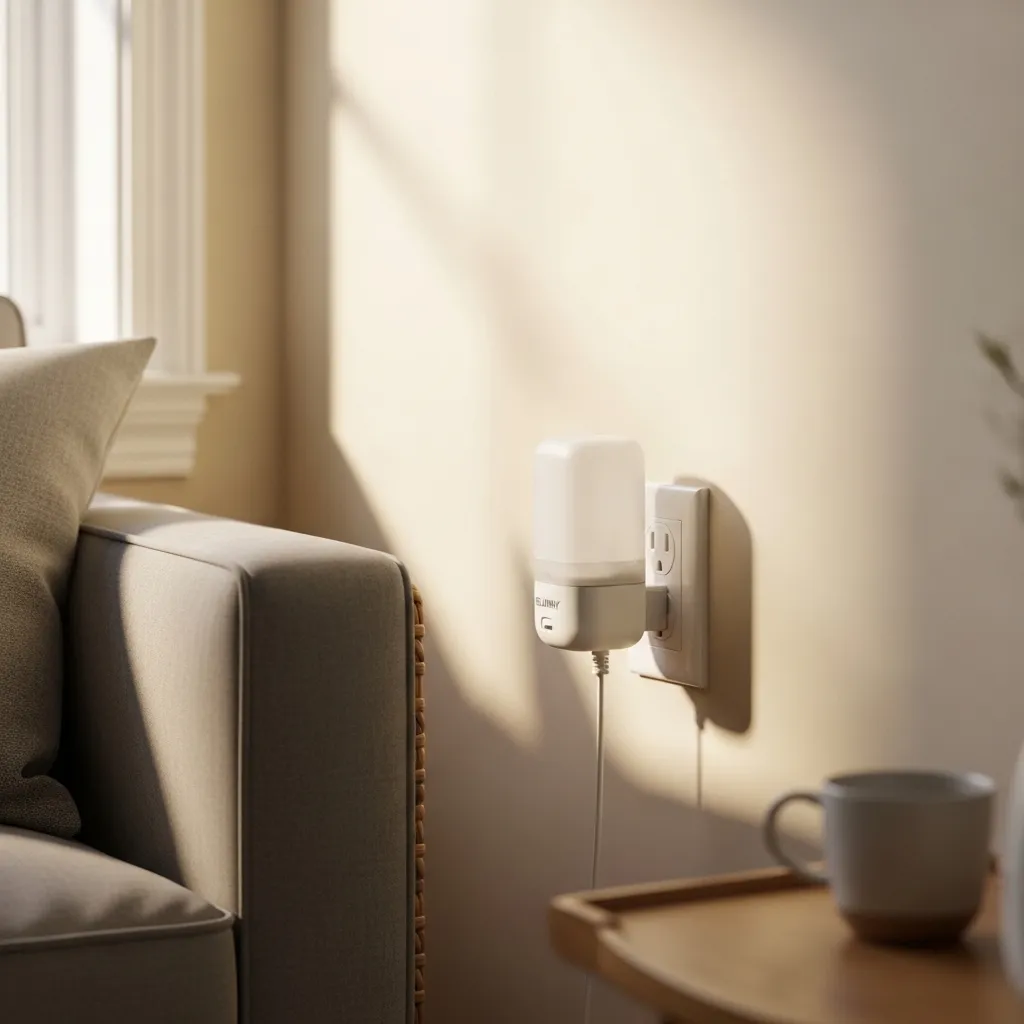
These are my secret weapon for creating instant ambiance. Synthetic pheromone diffusers, like Feliway, mimic the “happy” facial pheromones cats naturally produce. They send a chemical message that says “this space is safe.”
I plug one in the room where my cat spends the most time. It’s not a magic cure-all, but it works subtly in the background to take the edge off environmental anxiety, especially helpful during moves or when introducing new pets.
5. Engage in Daily Interactive Play
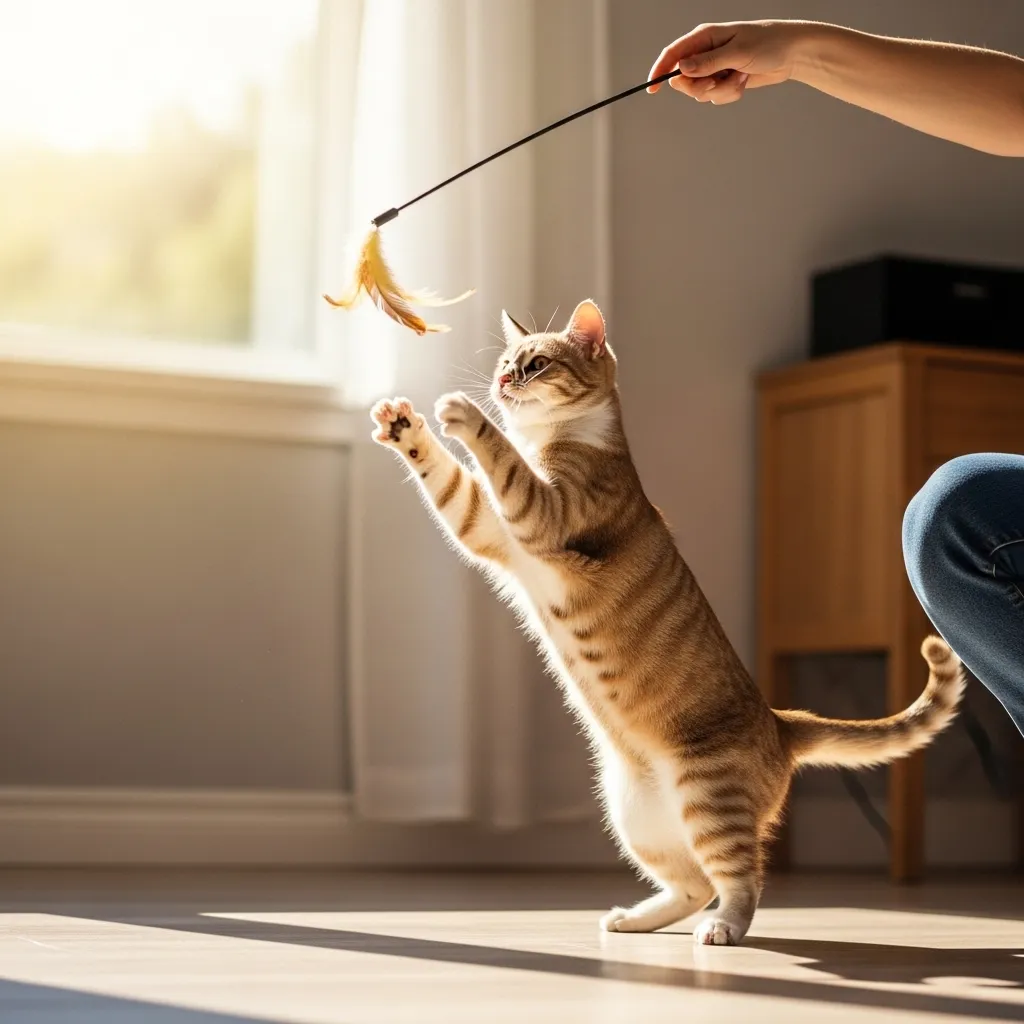
Play isn’t just exercise; it’s stress relief. It allows your cat to act out their natural hunting sequence in a safe way, which releases pent-up energy and anxiety. I dedicate 10-15 minutes twice a day to wand toys that mimic prey.
Let them stalk, chase, pounce, and finally “capture” the toy. Ending the session with a small treat mimics a successful hunt, leaving them satisfied and calm, not frustrated.
6. Offer Separate Resources in Multi-Cat Homes
Competition is a huge stressor. The golden rule is one per cat, plus one extra. This applies to litter boxes, food bowls, water stations, and sleeping areas.
I place these resources in different, low-traffic areas so no cat feels trapped or ambushed. This simple step eliminates the tension of guarding and waiting, giving each cat peaceful access to their essentials.
7. Introduce New Things Slowly & Positively
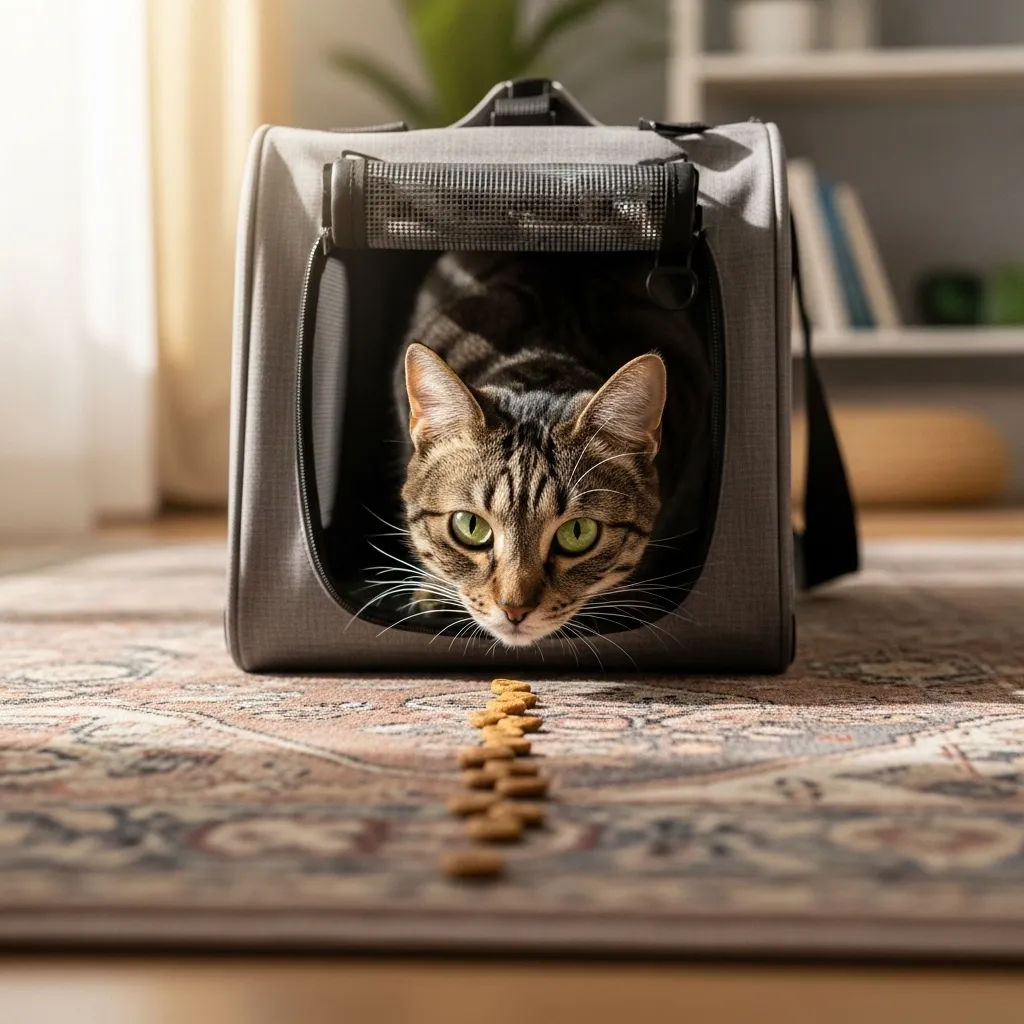
A new piece of furniture, a visitor, or even a grocery bag on the floor can be scary. I never force my cat to confront something new. Instead, I let them investigate on their terms.
I place new items at a distance and use treats, catnip, or gentle praise to create positive associations. Slow introductions build curiosity instead of fear, preventing stress from taking root.

8. Keep Litter Boxes Immaculate
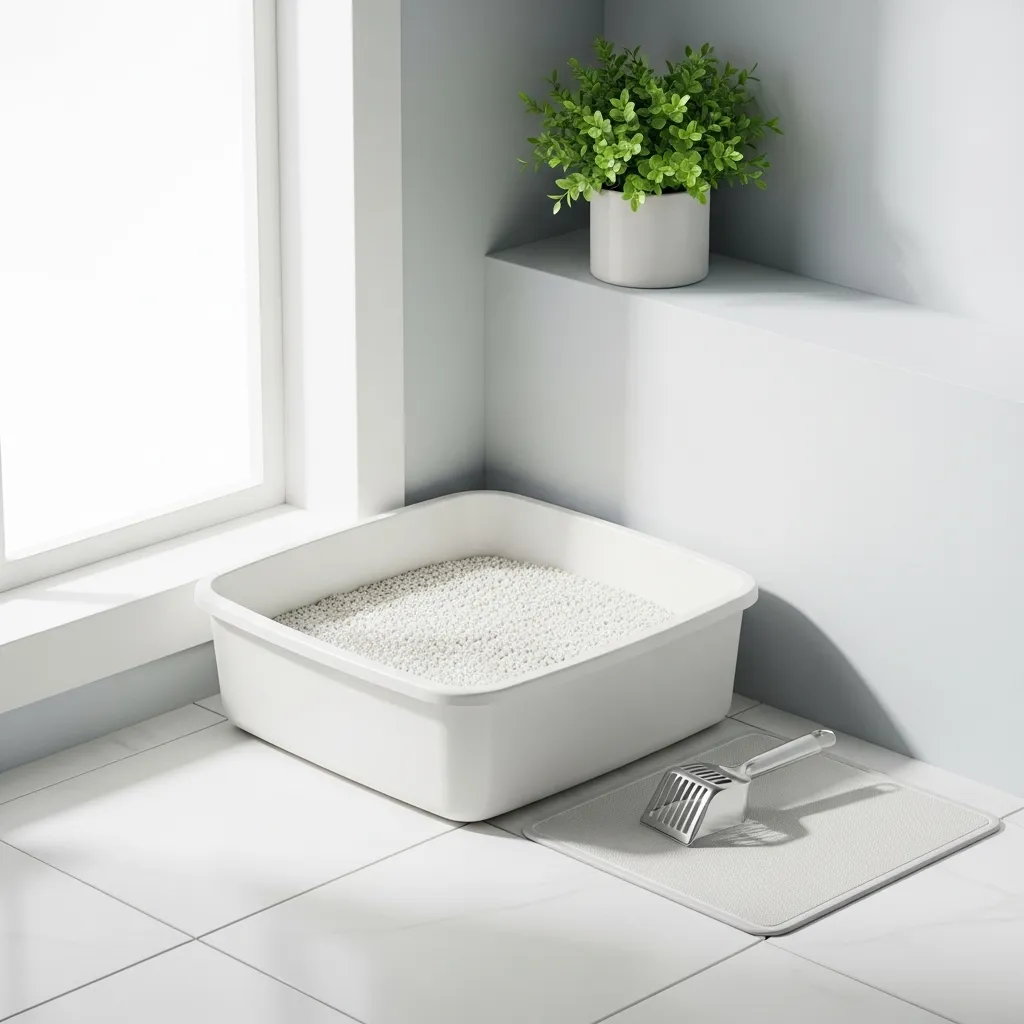
A dirty litter box is a top complaint for cats and a major source of anxiety. I scoop at least once a day and do a full clean weekly. The location matters, too—quiet, accessible, and away from loud appliances.
If your cat starts avoiding the box, stress (or a medical issue) is often the cause. Maintaining a pristine bathroom is one of the easiest ways to show your cat you respect their comfort.
9. Try Soothing Music or White Noise
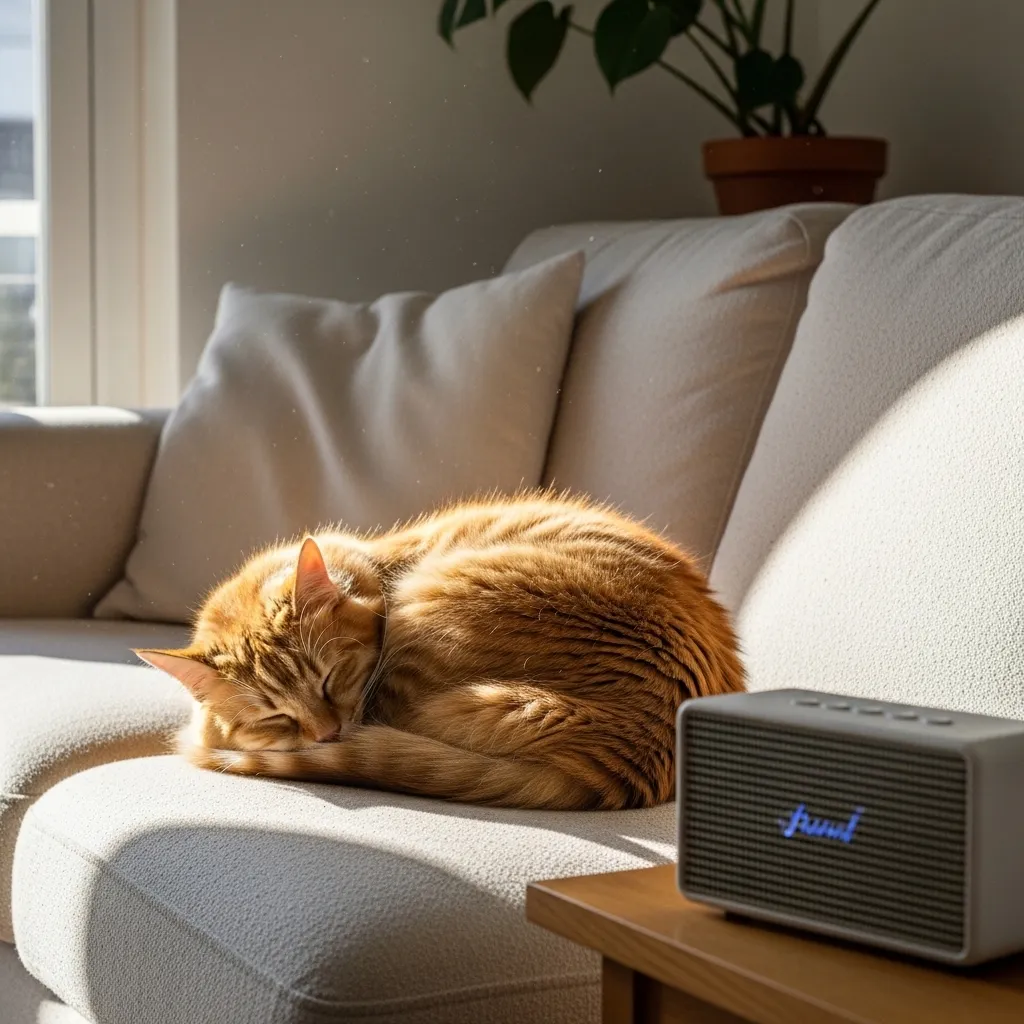
Loud, sudden noises are terrifying for cats. To dampen jarring sounds from outside or within the house, I sometimes play specially composed cat music (with frequencies they enjoy) or simple white noise.
A soft, consistent background hum from a fan or a dedicated machine can mask stressful sounds like construction, thunderstorms, or doorbells, helping them relax more deeply.
10. Learn to Read Your Cat’s Body Language
This is the most important tip. By understanding their subtle signals, you can remove stressors before they escalate. A twitching tail, flattened ears, or dilated pupils are all signs of discomfort.
I pay close attention. When I see these signs, I give my cat space instead of pushing for cuddles. Respecting their communication builds immense trust and shows them you’re a source of safety, not more stress.
A Final Purr of Advice
Helping a stressed cat is a journey of patience and observation. Start with one or two tips that feel right for your home. You might be surprised how a simple perch or a consistent dinner time can transform your cat’s confidence.
When we make their world predictable, safe, and engaging, we give them the greatest gift: a calm and happy life. Watch for those slow blinks and relaxed naps—they’re your thank you.
Quick Stress-Buster FAQ
Q: My cat hides all day. Is this normal stress?
A: Some hiding is normal, but constant hiding is a red flag. Ensure they have dedicated safe spots and look for other stress signs. If it’s sudden or severe, a vet visit is wise to rule out pain.
Q: Will getting another cat help my lonely cat?
A> Not necessarily! Cats are often solitary by nature. Introducing a new cat can be hugely stressful. Focus on enriching your current cat’s environment with play and interaction first.
Q: What are the most common signs of cat stress?
A: Look for hiding, excessive grooming (to bald spots), changes in appetite or litter box habits, excessive vocalization, or sudden aggression. They often try to hide illness, so changes in behavior are key.
Q: Can I give my cat “calming” treats?
A: Some over-the-counter treats with ingredients like L-theanine or tryptophan can help. However, always check with your vet first, especially if your cat has health issues or is on medication.
Q: How long does it take for a cat to de-stress?
A> It depends on the cat and the cause. With consistent changes, you might see improvement in a few weeks. For deep-seated anxiety or past trauma, it can take months of patient, quiet support.