11 Natural Ways to Protect Your Dog From Insects This Summer

Nothing ruins a sunny walk or a cozy evening in the yard quite like watching your dog get swarmed by bugs. Mosquitoes, fleas, ticks, and flies are not just annoying—they can carry diseases and make your pup miserable. I’ve been there, scratching my head (and my dog’s back) trying to find something that actually works without dousing them in harsh chemicals.
Over the years, I’ve tested a bunch of natural remedies that are gentle on my dog’s skin and safe for the whole family. These won’t replace a vet visit for serious infestations, but for everyday protection, they’ve been a game changer. Here are 11 natural ways I keep my dog bug-free, using things you probably already have at home.
Let’s dive into these simple, effective tricks that will make your dog’s summer a lot more comfortable.
1. Apple Cider Vinegar Spray
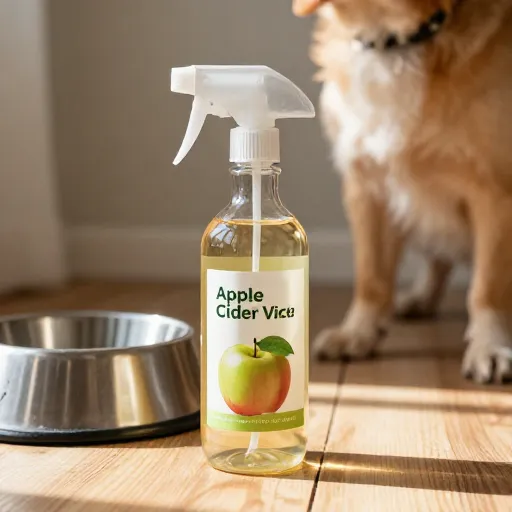
Apple cider vinegar is my go-to for a quick, natural bug deterrent. The smell alone seems to keep fleas and ticks away. I mix equal parts water and raw apple cider vinegar in a spray bottle, then lightly mist my dog’s coat—avoiding their eyes and nose.
I spray it on their bedding and around the house too, especially near doorways. It’s safe to use daily, but if your dog has sensitive skin, start with a more diluted mix. The vinegar smell fades fast, but the bugs seem to stay away.
Just make sure you use the raw, unfiltered kind with the “mother” for the best results.
2. Lemon and Citrus Rinse
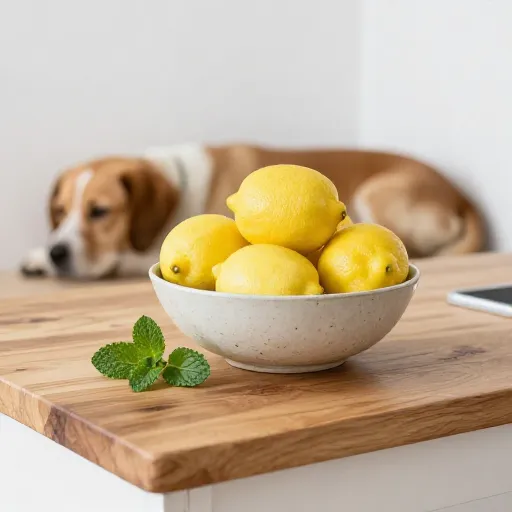
Citrus is a natural enemy for many insects, and dogs don’t mind the fresh scent. I boil a sliced lemon in a cup of water, let it steep overnight, then strain it. After a bath, I pour this cooled lemon rinse over my dog’s coat and don’t rinse it off.
The citric acid makes fleas and ticks uncomfortable, so they jump off. It’s also a great deodorizer for a smelly pup. I use this once a week during peak bug season, but never on open wounds or irritated skin.
It’s a super cheap and effective way to keep your dog smelling like a summer garden.
3. Neem Oil Spot Treatment
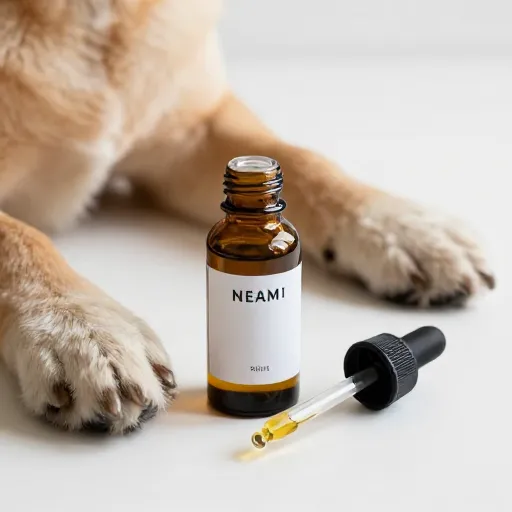
Neem oil sounds strong, and it is—but it’s a powerhouse against insects. I dilute a few drops of neem oil with a carrier oil (like coconut or olive oil) and dab it on my dog’s collar, ears, and tail base. It smells a bit like garlic, but bugs hate it.
This works especially well for repelling mosquitoes and flies. I’ve noticed fewer bites on walks after using it. Just be careful not to use too much, and test a small patch first to make sure your dog doesn’t react.
Neem oil is also great for soothing existing bug bites, so it’s a double win.
4. Diatomaceous Earth for Fleas
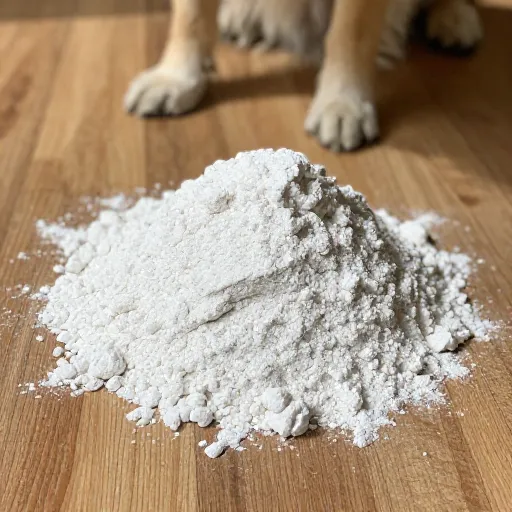
Food-grade diatomaceous earth is a fine powder that’s like glass shards for fleas—but completely safe for dogs and humans. I sprinkle it lightly on my dog’s dry coat, rub it in, and let it sit for a few minutes before brushing it out. It dehydrates fleas and kills them without chemicals.
I also dust it on carpets, dog beds, and in the yard (avoiding flowers). It’s messy but works wonders. Just make sure you get food-grade, not pool-grade, and avoid your dog inhaling it by using a mask while applying.
I do this once a week, and it keeps fleas from setting up camp.
5. Coconut Oil Rub
Coconut oil is a miracle for so many things, and bug protection is one of them. I rub a small amount of virgin coconut oil between my hands and massage it into my dog’s coat, focusing on their belly and legs. The fatty acids in the oil repel fleas and ticks, plus it makes their fur shiny.
It also moisturizes their skin, which is a bonus during dry seasons. I’ve found it works best as a daily preventative, especially before outdoor adventures. My dog loves the taste too, so be ready for a few licks!
Start with a tiny amount to avoid greasiness, and adjust based on your dog’s size.

6. Rosemary and Lavender Herbal Collars
Instead of buying chemical collars, I make my own with rosemary and lavender. I take a plain cloth collar or bandana, soak it in a strong brew of dried rosemary and lavender, then let it dry. The scent stays for days and confuses insects.
Rosemary repels mosquitoes, while lavender calms your dog and deters moths and flies. I refresh the collar every few days during bug season. It’s a cute, natural accessory that actually works.
You can also hang a sachet of these herbs near your dog’s sleeping area for extra protection.

7. Garlic in Their Diet (With Caution)
Garlic is a controversial topic, but in small, controlled amounts, it can help repel fleas and ticks from the inside out. I add a tiny pinch of fresh minced garlic (or garlic powder) to my dog’s food once a day. The smell comes through their skin, making them less appealing to bugs.
Always check with your vet first, especially for small dogs or those with health issues. Too much garlic can be toxic, so moderation is key. I use about a quarter clove for a medium-sized dog, and it’s made a noticeable difference.
This isn’t for every dog, but when done right, it’s a natural systemic repellent.

8. Essential Oil Diffuser for Indoor Spaces
I set up a small diffuser with bug-repelling essential oils like citronella, peppermint, or eucalyptus in the room where my dog hangs out. The scent drifts through the air and keeps mosquitoes and flies away from both of us. It’s chemical-free and makes the house smell amazing.
Just never apply these oils directly to your dog’s skin undiluted—they’re too strong. I use the diffuser for about an hour a day during peak bug hours. It’s a passive way to protect your pup while you relax together.
Make sure the room is well-ventilated, and watch for any signs of sensitivity.

9. Clean, Dry Living Spaces
This one sounds boring, but it’s the most important. Fleas and ticks love damp, dirty corners. I vacuum my carpets and dog beds every few days during summer, and I wash their bedding in hot water with a little vinegar. I also keep my yard free of tall grass and leaf piles.
By removing their hiding spots, you break the bug cycle naturally. I’ve noticed way fewer fleas since I started being strict about cleaning. It also reduces allergens for my dog, so they breathe easier.
A clean home is the best foundation for any natural bug plan.

10. Oatmeal Baths for Itch Relief
Bugs happen, and when they do, an oatmeal bath soothes the itch fast. I grind plain oats into a fine powder and stir it into warm bathwater. I let my dog soak for 10 minutes, then rinse gently. The oatmeal calms inflamed skin from bites and prevents scratching that leads to infections.
It’s not a repellent, but it’s a lifesaver after a buggy day. I add a few drops of lavender oil to the water for extra calming. This bath is gentle enough for weekly use and leaves their coat soft.
It’s my go-to post-walk ritual after a trip to the woods.

11. Proper Grooming and Brushing
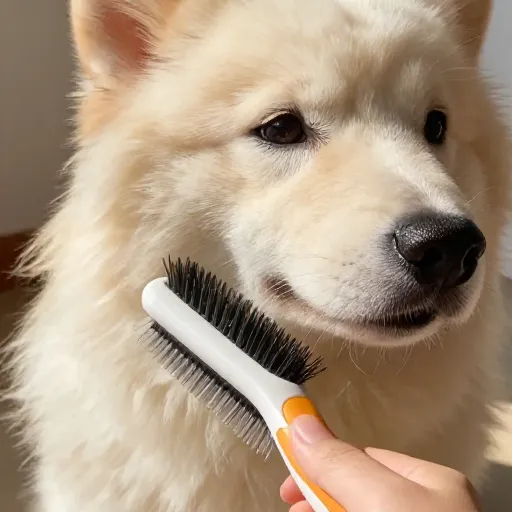
Regular brushing is a simple way to catch bugs before they settle in. I brush my dog daily with a fine-toothed comb, especially in the warmer months. It removes loose fur and lets me spot any fleas or ticks early. I also check their ears, armpits, and between toes.
Keeping their coat short in summer makes it harder for bugs to hide. I’m not a professional groomer, but a good trim helps a lot. This habit also strengthens our bond—my dog loves the attention.
It’s the easiest natural defense you can do every day.
Conclusion
Protecting your dog from insects doesn’t have to mean harsh chemicals or expensive products. These 11 natural methods have helped me keep my pup happy, healthy, and bite-free through many summers. Start with one or two that fit your lifestyle, and you’ll see the difference in your dog’s comfort and energy.
Remember, every dog is different—what works for mine might need a tweak for yours. Listen to your dog, be consistent, and enjoy more time outdoors together without the buzz and itch. Here’s to a bug-free season!
[[IMG:IMG13]]
FAQ
Q1: Are natural bug repellents as effective as chemical ones?
A: They can be very effective for everyday use, but they may not work as fast or last as long as chemical options. For heavy infestations, you might need a vet’s help. For light prevention, natural methods are a safe and great alternative.
Q2: How often should I apply natural repellents?
A: It depends on the method. Sprays and oils usually need reapplication every few days or after rain or swimming. Diet-based methods like garlic need daily consistency. Always monitor your dog for any reactions.
Q3: Can I use essential oils directly on my dog?
A: No, never apply undiluted essential oils directly to your dog’s skin. They are too concentrated and can cause irritation or toxicity. Always dilute them in a carrier oil or use a diffuser for safe use.
Q4: What should I do if my dog has an allergic reaction to a natural remedy?
A: Stop using the remedy immediately and wash the area with mild soap and water. If symptoms like swelling, itching, or breathing issues appear, contact your vet right away. Always test a small area first.
Q5: Are these methods safe for puppies or senior dogs?
A: Many are safe, but puppies and seniors have more sensitive systems. Always consult your vet before trying any new remedy, especially with garlic or essential oils. Gentler options like apple cider vinegar spray or oatmeal baths are usually fine.