10 Smart Dog Bath Station Upgrades That Make Life Easier
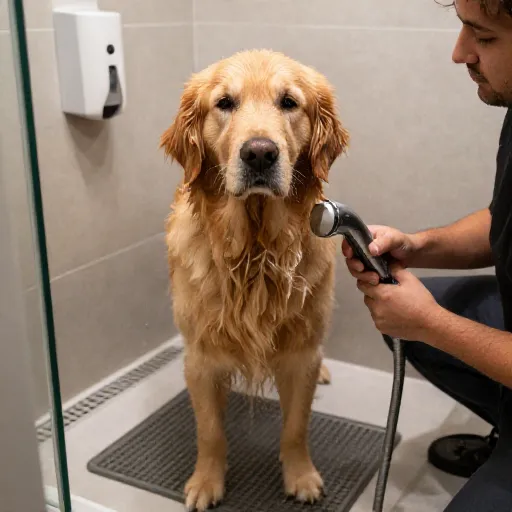
Let’s be real for a second. Bathing a 70-pound Labrador in a standard bathtub is basically a full-contact sport. By the time you’re done, you’re soaked, the bathroom looks like a swamp, and your dog is giving you the side-eye from behind a curtain of wet fur. I’ve been there more times than I can count.
That’s why I started looking into dog bath stations—not just the fancy built-in ones you see in million-dollar homes, but smart upgrades for the space you already have. Whether you have a mudroom, a laundry room, or just a corner of the garage, these tweaks can turn bath time from a wrestling match into a smooth, efficient routine. Trust me, your back (and your floors) will thank you.
I’ve rounded up ten of my favorite upgrades that are practical, budget-friendly, and totally doable for a weekend project. Let’s dive in.
1. Install a Handheld Shower Wand with a Hose
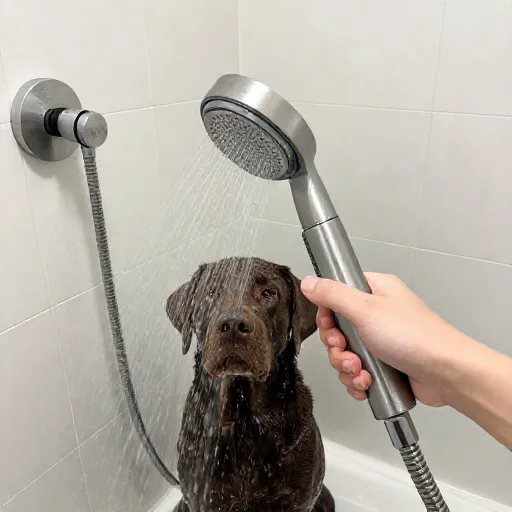
If you’re still using a plastic cup or a detachable showerhead that barely reaches, this is the first upgrade you need. A proper handheld shower wand with a long, kink-free hose (at least 60 inches) gives you total control. You can rinse deep into that thick undercoat without having to contort your body over the tub.
Look for one with a pause button on the handle. This is a game-changer. You can stop the water flow while you scrub, which saves water and stops your dog from panicking every time the spray hits their face.
Pro tip: Opt for a stainless steel hose over the plastic ones. They last longer and don’t get those annoying crimps that cut off water pressure.
2. Add a Raised Grate or Drain Tray
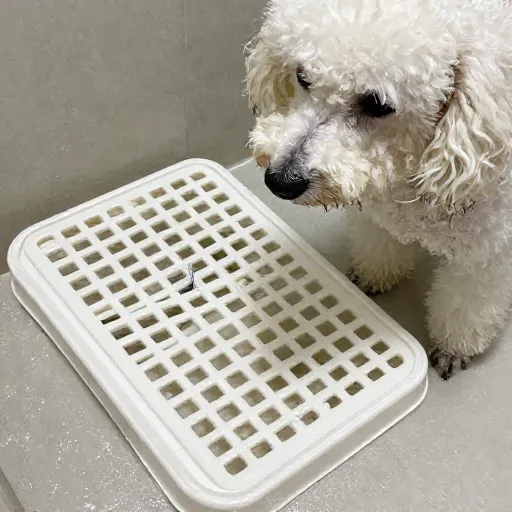
Nobody likes standing in a puddle of dirty bathwater, and neither does your dog. Placing a raised, non-slip rubber or plastic grate on the floor of your tub or basin keeps your pup out of the water while the suds drain away.
This makes the whole experience feel more sanitary. You’re washing the dirt off, not just swirling it around their paws. It also helps with drying—air can circulate underneath, so those stubborn wet spots on their belly get a head start.
Make sure the grate has strong suction cups on the bottom. You don’t want it sliding around when your dog shifts their weight.
3. Create a Suction-Cup Drying Station
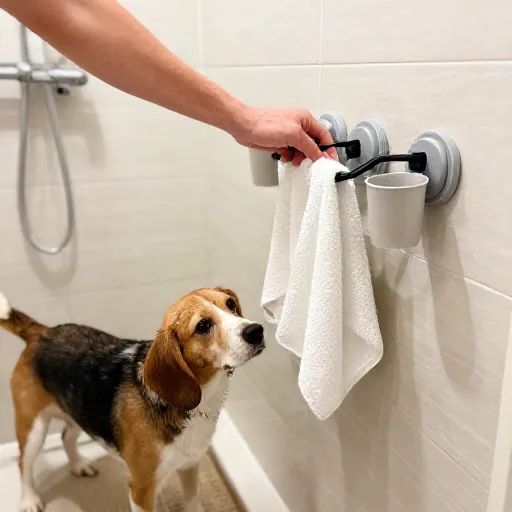
The mess doesn’t end when the water turns off. That shake-off moment? It’s like a hurricane in a small room. To combat this, I installed a couple of heavy-duty suction cup hooks on the tile wall right next to my bath area.
On one hook, I hang a microfiber drying towel. On the other, I keep a high-velocity dog dryer if I’m feeling fancy. The key is having everything within arm’s reach before you even start the bath. No more dripping water trails across the house to grab a towel.
Also, get a large, super-absorbent towel specifically for the drying phase. Regular bath towels just don’t cut it for a thick coat—you’ll go through five of them.
4. Build a Simple PVC Grooming Loop
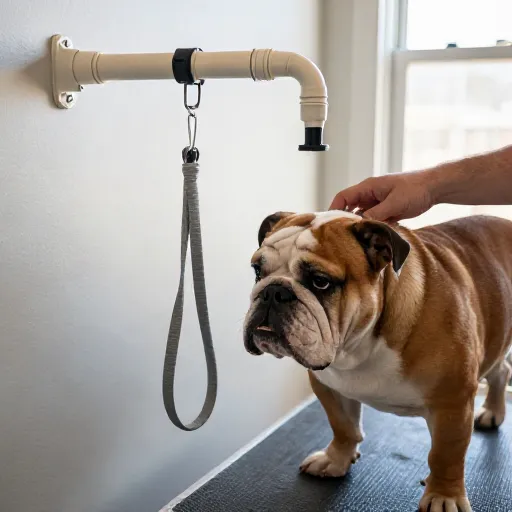
This is my favorite cheap trick. You can make a grooming loop with a piece of PVC pipe and a soft, padded loop (or a long leash you’re willing to sacrifice). Attach the loop to a sturdy wall stud or the side of your station.
You gently place the loop around your dog’s neck to keep them in place. It’s not about restraint; it’s about preventing sudden bolt-outs when the water gets too cold or the shampoo stings a little. It gives them a boundary, and it keeps them safe.
It sounds intimidating, but if you introduce it slowly with treats, your dog will associate the loop with bath time and the good snacks that come with it.
5. Upgrade to a Pressure-Balance Mixing Valve
You know that terrifying moment when someone flushes a toilet and the shower suddenly turns scalding hot? That’s a pressure imbalance. For your dog, that’s a nightmare scenario that could make them fear bathtime forever.
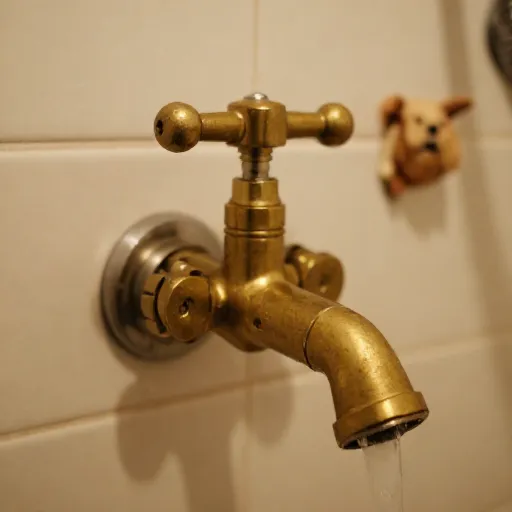
Installing a pressure-balancing valve (or a thermostatic one) stabilizes the water temperature. Even if the water pressure changes elsewhere in the house, the temp stays consistent. It’s a plumbing project, but it’s worth every penny for peace of mind.
If you can’t do a full valve replacement, at least get a digital thermometer that sticks to the wall. Always test the water on your wrist—it should be lukewarm, not hot, not cold.
6. Use a Wall-Mounted Shampoo Dispenser
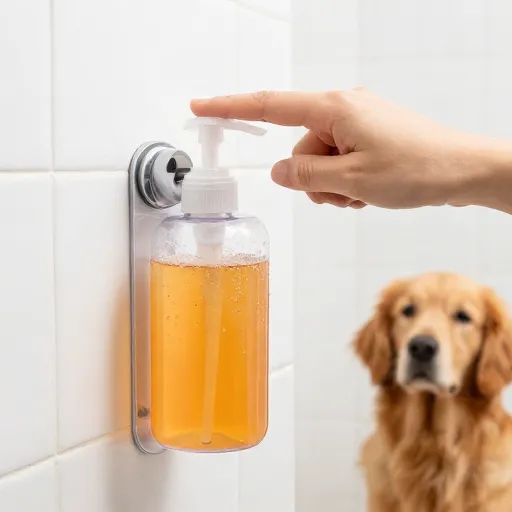
Fumbling with a slippery bottle of shampoo while holding a squirmy dog is a recipe for disaster. I switched to a simple wall-mounted soap dispenser that you can fill with your dog’s favorite shampoo (make sure to dilute it properly).
Now, I just press the pump with my elbow and I have the perfect amount of soap right in my hand. No more dropping the bottle, no more trying to squeeze the last bit out with wet hands.
It also keeps the bathing area looking tidy. You can get a stainless steel one that matches your fixtures, or a cheap plastic one that does the job just as well.
7. Install a Splash Guard or Curtain
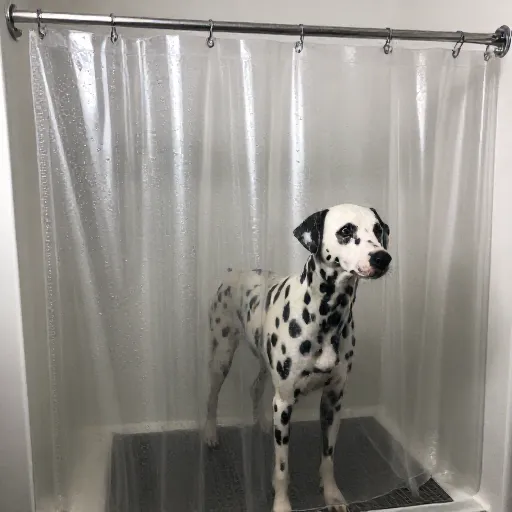
If you have a walk-in shower or a utility sink, a splash guard is a lifesaver. It’s a curved piece of plastic or glass that sits at the entrance to keep water inside. For a DIY version, a simple tension rod with a shower curtain works wonders.
Instead of getting soaked from the waist down, you can lean into the space without water cascading onto the floor. It also helps contain the dog hair—that stuff gets everywhere, and it’s much easier to wipe off a curtain than to vacuum it out of a rug.
Make sure the curtain is machine washable. Trust me, that fur doesn’t just rinse off.
8. Add a Drain Strainer to Catch the Fur
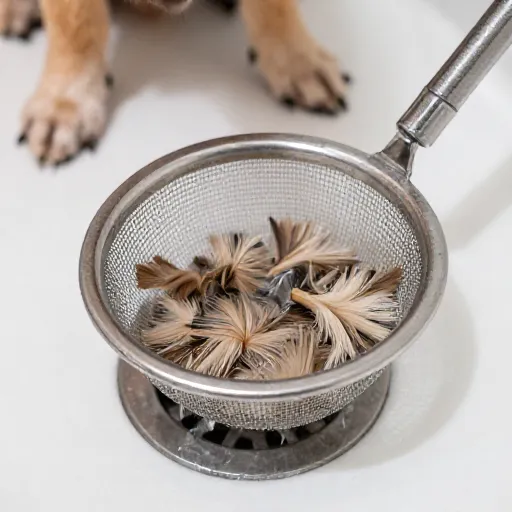
There is nothing worse than clogging your drain with a wad of wet dog hair. It’s gross, it’s expensive to fix, and it smells terrible. A simple mesh drain strainer is a non-negotiable upgrade.
Get one that sits flush in the drain and has fine mesh holes. As the water goes down, the fur gets caught in the strainer, leaving the drain clear. When you’re done, just pick the hair up and toss it in the trash.
I keep a pair of rubber gloves next to the station just for this job. It makes cleanup a lot less icky.
9. Invest in a Non-Slip Bath Mat
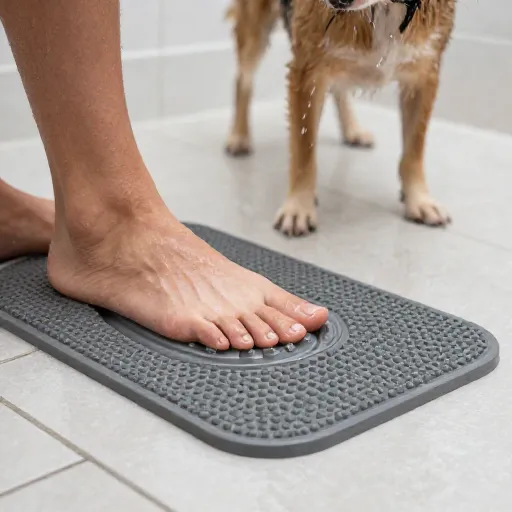
The plastic grates are great, but sometimes dogs prefer a softer surface. A heavy-duty, rubber-backed bath mat with strong suction cups gives your dog traction and confidence. Anxiety in the tub is often just about having slippery footing.
Look for a mat that’s specifically designed for pets—they’re usually thicker and have drainage holes so they don’t get waterlogged. This is a cheap upgrade that makes a huge difference in your dog’s comfort level.
Wash the mat regularly with a hose or in the washing machine to prevent mildew and soap scum buildup.
10. Set Up a Post-Bath Towel Warmer
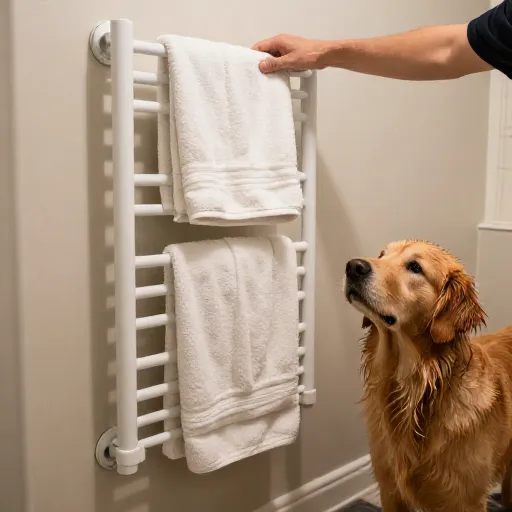
Okay, this one is a luxury, but hear me out. A small, wall-mounted towel warmer or even just a heated towel rack near your dog station is pure bliss. After a cold bath, wrapping your dog in a warm, fluffy towel is the ultimate reward.
It speeds up the drying process because the warmth helps evaporate the moisture from their coat. Plus, it turns bath time from a chore into a spa-like experience for your pup. They might actually start looking forward to it!
If you don’t want to install a permanent one, you can toss a towel in the dryer for a few minutes before bath time. It’s the same effect, just a little more manual.
Conclusion
Upgrading your dog bath station doesn’t have to mean a full renovation. It’s about making small, smart choices that improve the experience for both you and your furry friend. From a simple drain strainer to a fancy temperature valve, every little bit helps.
Start with the upgrades that solve your biggest pain points. Is the mess the issue? Get the splash guard. Is your dog scared? Get the non-slip mat and the grooming loop. Before you know it, bath time will be a breeze, and you might even have fun doing it.
FAQ: Dog Bath Station Questions
Q: How often should I bathe my dog?
A: It depends on the breed and their lifestyle. Generally, every 4-6 weeks is fine for most dogs. Over-bathing can strip their skin of natural oils, so unless they’re super dirty or have a skin condition, stick to that schedule.
Q: Can I use human shampoo on my dog?
A: It’s best to avoid it. Human shampoo has a different pH balance than dog shampoo, which can irritate their skin. Stick to a pH-balanced dog shampoo to keep their coat healthy.
Q: What’s the ideal water temperature for a dog bath?
A: Lukewarm is the way to go. Water that’s too hot can burn them, and cold water will make them miserable. Test it on your inner wrist—it should feel comfortable, not hot.
Q: How do I keep my dog from shaking water everywhere?
A: You can’t stop the shake, but you can contain it! Lead them to a designated “shake zone” with a towel on the floor, or gently hold their muzzle and body with a towel to absorb some of the initial spray. A splash guard or curtain also helps.
Q: My dog hates the blow dryer. What should I do?
A: Start slow. Introduce the dryer at a low setting, from a distance, and always pair it with high-value treats. Let them sniff it first. If they never get used to it, stick to towels and air drying in a warm room.