5 Homemade Balanced Dog Food Recipes That Will Transform Your Pup’s Health (Vet-Approved & Easy)
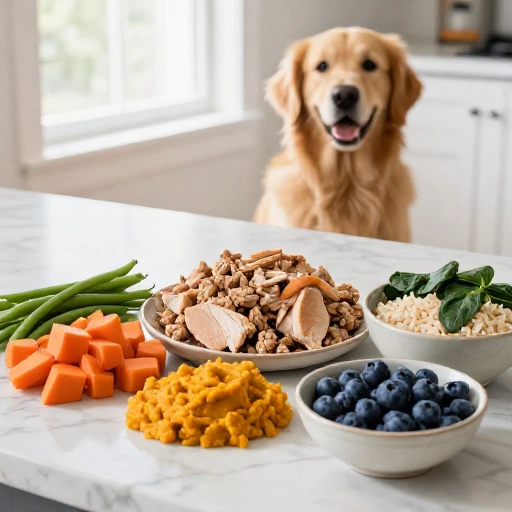
If you’ve been staring at the ingredient list on your dog’s kibble bag and wondering if there’s a better way, you’re not alone. I started making homemade dog food a few years ago, and the difference in my dog’s energy, coat, and overall happiness has been night and day.
These 5 homemade balanced dog food recipes are designed to give your furry best friend real, whole-food nutrition without any mystery fillers. Each recipe is simple to make, uses easy-to-find ingredients, and is balanced with protein, healthy carbs, and essential fats. Always check with your vet before making big changes to your dog’s diet, especially if they have health conditions.
Why Make These Homemade Balanced Dog Food Recipes?
Homemade dog food puts you in control of every single ingredient. No more artificial preservatives, no more vague “meat by-products,” and no more guessing what your dog is actually eating. I love knowing exactly what goes into my pup’s bowl every day.
These recipes are built around the core nutrition dogs need: high-quality animal protein, easily digestible carbohydrates, fiber-rich vegetables, and healthy fats for skin and coat. Many dogs with sensitive stomachs, allergies, or picky eating habits thrive on fresh, home-cooked meals. Plus, cooking for your dog deepens your bond — watching them do the happy dance at meal time is priceless.
You don’t need to be a chef or a nutritionist to make these. Just a little time, a few basic tools, and the willingness to give your dog something real. Even if you only replace one meal a day with homemade food, your dog will feel the difference.
Kitchen Equipment & Tools You’ll Need
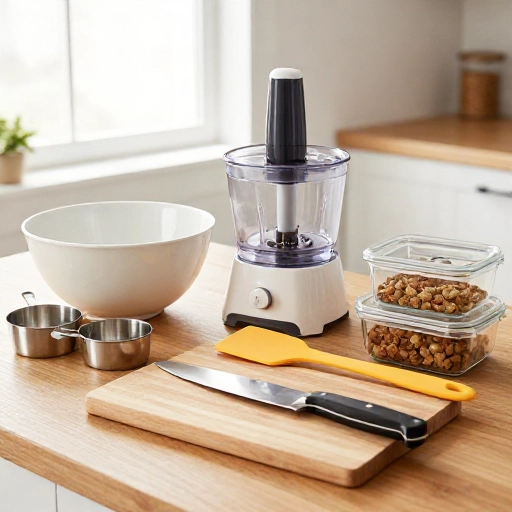
You probably already have most of these in your kitchen. The key is having a few reliable pieces that make batch cooking easy. Here’s what I use every single week:
- Large nonstick skillet or sauté pan
- Medium or large stockpot for boiling rice, quinoa, or sweet potatoes
- Food processor or blender (for pureeing veggies if your dog is picky)
- Sharp chef’s knife and cutting board
- Measuring cups and spoons
- Mixing bowls (large enough to combine everything)
- Airtight containers for fridge and freezer storage
- Optional: slow cooker or Instant Pot for hands-off cooking
Good storage containers are a must. I like glass containers with snapping lids because they don’t absorb smells and they’re easy to stack in the fridge. If you plan to make big batches, invest in a few extra containers or freezer-safe bags.
Ingredients List & Safe Substitutions
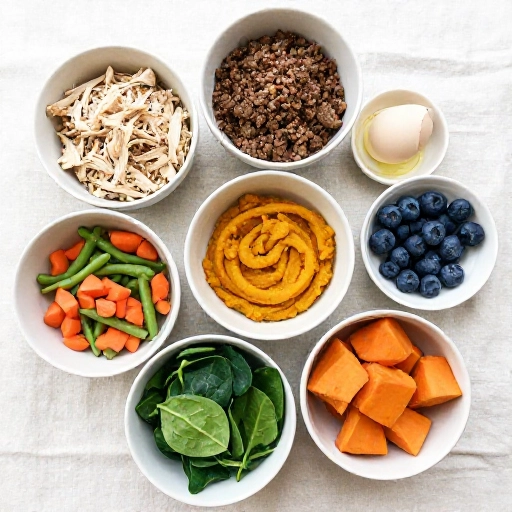
Each recipe below makes about 4–5 cups of food, which is roughly a few days’ worth for a medium-sized dog. I keep portions flexible so you can adjust based on your dog’s size. You can swap proteins, swap veggies, and use canned pumpkin instead of fresh. Just never include onions, garlic, grapes, raisins, chocolate, xylitol, or excessive salt.
Balance is key — always include a protein, a carb, a veggie, and a healthy fat in each meal. Here are the exact ingredient lists for all 5 recipes:
1. Turkey & Pumpkin Power Bowl
- 1 lb ground turkey
- 1 cup cooked brown rice
- 1/2 cup canned pumpkin (plain, no spices)
- 1/2 cup chopped carrots
- 1/2 cup chopped spinach
- 1 tbsp coconut oil
- 1 tsp calcium carbonate (or crushed eggshells) — optional but recommended
2. Beef & Sweet Potato Skillet
- 1 lb lean ground beef
- 2 cups cubed sweet potato
- 1/2 cup chopped green beans
- 1/2 cup blueberries
- 1 tbsp olive oil
- 1/2 tsp fish oil (for omega-3s)
3. Chicken & Rice Gentle Meal
- 1 lb boneless, skinless chicken breast or thighs
- 1 cup cooked white rice (easy on stomach)
- 1/2 cup cooked peas
- 1/2 cup shredded zucchini
- 1 boiled egg, chopped
- 1 tsp flaxseed meal
4. Salmon & Green Bean Feast
- 1 lb fresh or canned salmon (boneless, skinless, in water)
- 1 cup cooked quinoa
- 1 cup chopped green beans
- 1/2 cup mashed butternut squash
- 1/4 cup chopped parsley
- 1 tbsp hemp seed oil or olive oil
5. Lamb & Quinoa Balanced Bowl
- 1 lb ground lamb
- 1 cup cooked quinoa
- 1/2 cup chopped broccoli
- 1/2 cup grated apple (no seeds)
- 1/4 cup chopped mint
- 1 tbsp coconut oil
- 1 tsp kelp powder (for trace minerals)
Remember, balance is key — always include a protein, a carb, a veggie, and a healthy fat in each meal. If your dog is allergic to chicken, for example, swap in turkey or lean pork. If you don’t have quinoa, use rice or oats. The recipes are forgiving as long as you keep the basic formula.
Step-by-Step Instructions / Preparation Guide
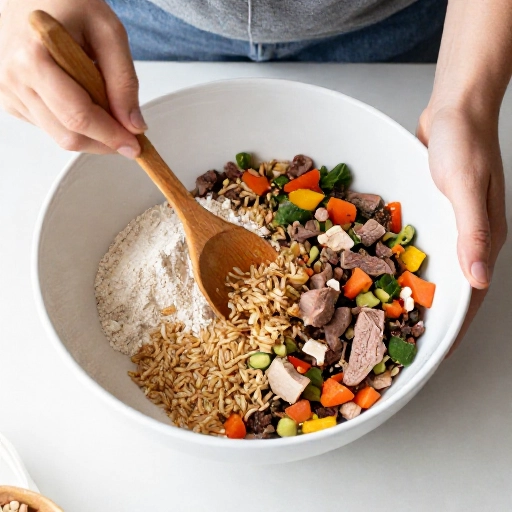
All five recipes follow a similar pattern: cook the protein, cook or soften the veggies, mix everything together, and let it cool. I’ll walk you through each one so there’s zero confusion.
Turkey & Pumpkin Power Bowl
- Heat coconut oil in a large skillet over medium heat. Add ground turkey and cook until no longer pink, breaking it up with a spoon.
- Stir in chopped carrots and spinach; cook for 3–4 minutes until veggies soften.
- Add cooked rice and pumpkin. Mix well and cook until heated through.
- Remove from heat, stir in calcium carbonate if using, and let cool before serving.
Beef & Sweet Potato Skillet
- In a large skillet, brown the ground beef over medium heat. Drain excess fat.
- Add cubed sweet potato and a splash of water. Cover and cook for 8–10 minutes until sweet potato is fork-tender.
- Stir in green beans and blueberries; cook 3 more minutes.
- Turn off heat, drizzle with olive oil and fish oil, mix well, and cool.
Chicken & Rice Gentle Meal
- Boil or poach chicken in water until fully cooked (about 12–15 minutes). Chop or shred into bite-sized pieces.
- In a large bowl, combine cooked chicken, cooked white rice, cooked peas, shredded zucchini, and chopped boiled egg.
- Sprinkle flaxseed meal on top and mix until everything is evenly distributed.
- Serve warm or at room temperature.
Salmon & Green Bean Feast
- If using fresh salmon, bake at 375°F for 12–15 minutes or pan-sear until flaky. Remove all bones and skin.
- Steam or boil green beans until tender, then chop into small pieces.
- In a large bowl, flake the salmon and mix with cooked quinoa, green beans, mashed butternut squash, and chopped parsley.
- Drizzle with hemp seed oil or olive oil and stir gently. Cool before serving.
Lamb & Quinoa Balanced Bowl
- Heat coconut oil in a skillet. Add ground lamb and cook until browned, breaking up clumps.
- Add chopped broccoli and cook 4–5 minutes until bright green and slightly tender.
- Remove from heat. Stir in cooked quinoa, grated apple, chopped mint, and kelp powder.
- Let the mixture cool completely before portioning into bowls.
Once you get the hang of the basic formula, you can mix and match proteins, carbs, and veggies to create endless variety for your pup. Just keep the ratios roughly the same: about 40% protein, 30% carbs, 20% veggies, and 10% healthy fat.
Feeding Guidelines, Serving Size & Storage Tips
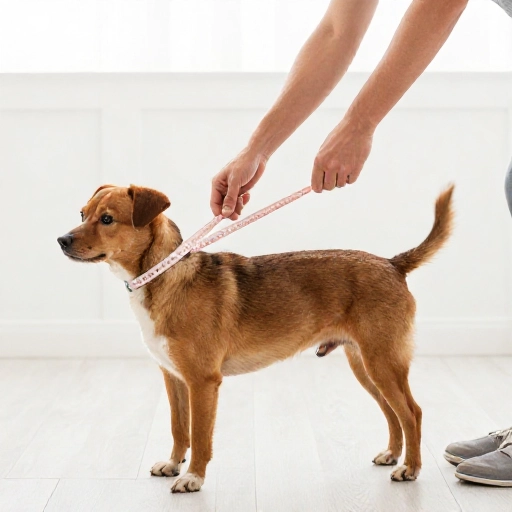
How much you feed depends on your dog’s weight, age, and activity level. A general starting point is 2–3% of your dog’s body weight per day, split into two meals. For example, a 50 lb dog would need about 1 to 1.5 lbs of food total per day. Start with the lower end and adjust based on your dog’s body condition — you should be able to feel the ribs but not see them.
Always transition slowly. Mix a small amount of the new homemade food with your dog’s current food over 7–10 days, gradually increasing the ratio. This prevents tummy upset and gives your dog’s digestive system time to adjust.
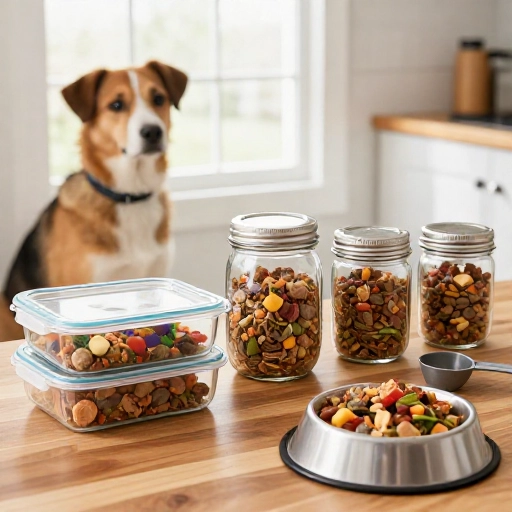
For storage, divide cooked food into single-meal or single-day portions. Store in the fridge for up to 4 days, or freeze for up to 3 months. To reheat, gently warm in the microwave or on the stove, but let it cool to room temperature before serving. Never serve piping hot food — dogs’ mouths are sensitive.
I like to make a double batch on Sunday, portion it into small containers, and freeze half. That way I always have a quick, healthy meal ready to thaw. Just remember to label containers with the date and recipe name.
Final Verdict & Summary
Homemade dog food has been one of the best changes I’ve made for my pup. These 5 recipes are balanced, easy, and endlessly customizable. Whether your dog needs a gentle meal for a sensitive stomach or just deserves fresher, whole-food nutrition, you can feel good about what’s in their bowl.
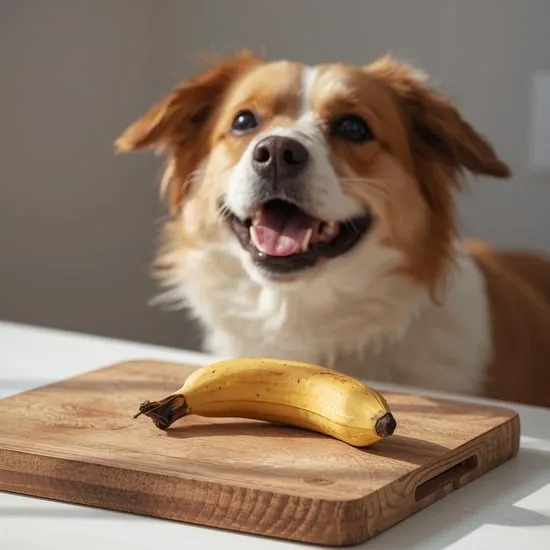
The biggest win is seeing your dog’s excitement at meal time — that tail wag, the drool, the happy dance. You’re not just feeding them; you’re showing love in the most nourishing way possible.
Remember to consult your veterinarian before making any major dietary changes, especially if your dog has kidney disease, diabetes, or other chronic conditions. With the right guidance, homemade food can be a safe and wonderful upgrade for almost any dog.
Frequently Asked Questions About Homemade Dog Food
Can I make these recipes in bulk and freeze them?
Absolutely. All five recipes freeze beautifully for up to 3 months. Portion them into single-meal containers, let them cool completely before freezing, and thaw in the fridge overnight. Avoid refreezing after thawing.
How do I know if my dog is getting enough nutrients?
These recipes are designed to be balanced, but every dog is different. Work with your vet or a pet nutritionist to ensure your dog’s specific needs are met. You can add a veterinarian-approved multivitamin or calcium supplement if recommended. Watch for changes in energy, coat, stool quality, and weight.
Can I feed these to a puppy?
Puppies have different nutritional needs for growth and development. While the ingredients are safe, puppies require higher protein and calcium levels. Talk to your vet before feeding homemade food to a puppy, and consider adding a puppy-specific supplement if advised.
What if my dog is allergic to chicken?
No problem. Swap the chicken in recipe 3 for turkey, lean pork, or even cooked lentils (as a protein source, though less complete). Avoid any ingredient your dog has reacted to, and always introduce new proteins one at a time to monitor for allergies.
How long does homemade dog food last in the fridge?
Cooked homemade dog food stays fresh in the fridge for up to 4 days when stored in an airtight container. If you won’t use it within that time, freeze it. Always check for any off smell or mold before serving, and don’t leave food out at room temperature for more than 2 hours.