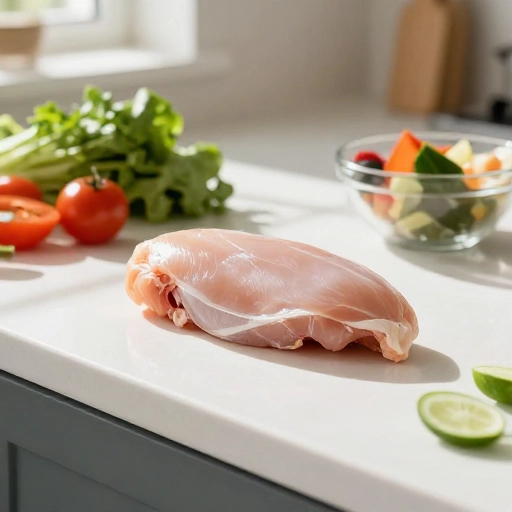
5 Healthy Diabetic Dog Recipes Your Pup Will Absolutely Love (Easy & Vet-Approved Ideas)
If you’re reading this, you probably have a furry friend who’s been diagnosed with diabetes, and you’re looking for ways to keep them happy, healthy, and excited about mealtime. I completely understand how overwhelming a diabetes diagnosis can be—I remember worrying about every single bite my dog took. The good news is that you don’t have to rely on store-bought treats that are often packed with hidden sugars, fillers, and unhealthy fats. Making your own diabetic dog food and treats at home is not only surprisingly easy, but it also gives you total control over the ingredients, ensuring your pup gets the fiber, protein, and low-glycemic carbs they need to keep their blood sugar stable.
In this roundup, I’ve gathered my five absolute favorite healthy, homemade recipes that are specifically designed with diabetic dogs in mind. These aren’t bland, boring kibble toppers—these are tasty, crunchy, and savory snacks that focus on complex carbohydrates, lean proteins, and healthy fats. From pumpkin-peanut butter biscuits to green bean and turkey bites, these recipes are packed with nutrients that help regulate glucose absorption and keep your dog feeling full and satisfied. Let’s dive into the kitchen and whip up something special for your best friend!
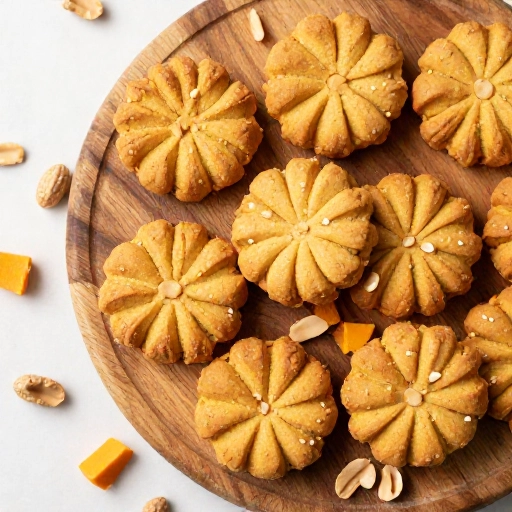
1. Pumpkin & Peanut Butter Blood Sugar Biscuits
These biscuits are a total game-changer. Pumpkin is a superstar ingredient for diabetic dogs because it’s rich in soluble fiber, which slows down the digestion of sugars and helps keep blood glucose levels from spiking. Combined with natural, unsweetened peanut butter, these treats taste like a dessert but work like a health supplement.
- 1 cup 100% pure pumpkin puree (not pumpkin pie filling!)
- 1/2 cup natural, unsalted peanut butter (check it contains only peanuts, no xylitol)
- 2 large eggs
- 2 cups whole wheat flour (or oat flour for a gluten-free option)
- 1/2 teaspoon ground cinnamon (optional, but great for flavor)
- Preheat your oven to 350°F (175°C). Mix the pumpkin, peanut butter, and eggs in a large bowl until smooth.
- Gradually add the flour and cinnamon, stirring until a stiff dough forms. Roll out the dough on a floured surface to about 1/4-inch thickness.
- Cut into bone-shaped or small square cookies. Bake for 20-25 minutes, or until the edges are golden brown and the biscuits are hard. Let them cool completely before serving.
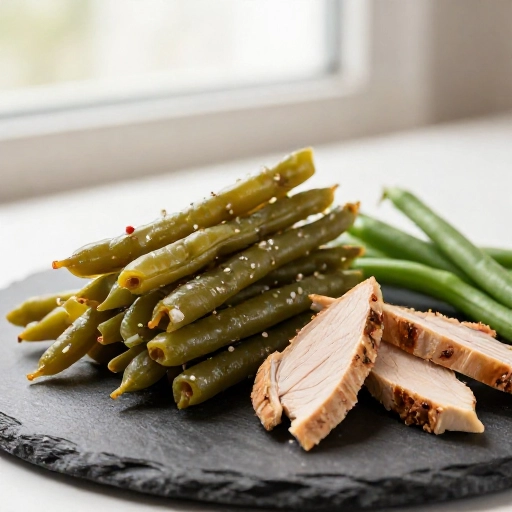
2. Green Bean & Turkey Savory Bites
If your dog prefers savory over sweet, these protein-packed bites are the way to go. Lean turkey is an excellent source of high-quality protein that doesn’t cause blood sugar spikes, while green beans add crunch and volume with very few calories and almost zero sugar. This recipe is practically a meal replacement treat; it’s that good.
- 1 lb lean ground turkey (93% lean or higher)
- 1 cup finely chopped fresh or frozen green beans
- 1/2 cup grated carrots
- 1/4 cup oat flour (or rolled oats blended until powdery)
- 1 large egg
- Preheat oven to 375°F (190°C). In a mixing bowl, combine the turkey, green beans, carrots, oat flour, and egg. Use your hands to mix until everything is well incorporated.
- Roll the mixture into small, 1-inch meatball-sized balls and place them on a baking sheet lined with parchment paper.
- Bake for 20-25 minutes until fully cooked through and slightly browned on the outside. Let them cool to room temperature before bagging them up.
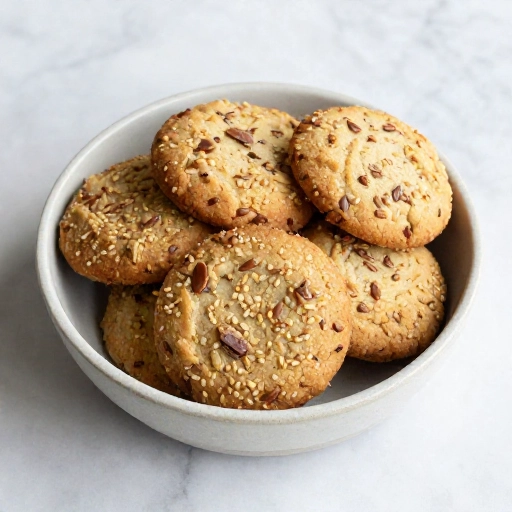
3. Flaxseed & Chicken Liver Power Cookies
I love adding flaxseed to my dog’s treats because it’s packed with omega-3 fatty acids and fiber, which helps manage inflammation and supports a healthy coat. Chicken liver is a powerhouse of B vitamins and iron, and it adds an intense, meaty flavor that dogs go absolutely nuts for. These cookies are dense, crunchy, and perfect for diabetic pups who need a nutrient boost without the carbs.
- 1/2 lb chicken livers, rinsed and trimmed
- 1 cup rolled oats
- 1/4 cup ground flaxseed
- 1/4 cup water (or unsalted chicken broth)
- 1 tablespoon coconut oil (melted)
- Preheat oven to 350°F (175°C). Place the raw chicken livers and water in a food processor and blend until smooth.
- Add the oats, flaxseed, and melted coconut oil to the liver mixture. Pulse until a thick, sticky batter forms.
- Spoon small spoonfuls onto a baking sheet and flatten with the back of a spoon. Bake for 25-30 minutes until dry and crispy. Flip them halfway through for even baking.
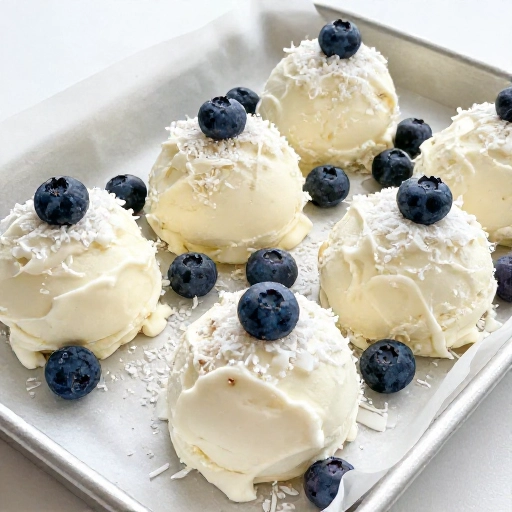
4. Blueberry & Coconut Frozen Yogurt Drops
These aren’t baked cookies—they’re frozen treats, but they are absolutely incredible for diabetic dogs, especially during the hot summer months. Blueberries are a superfruit with a low glycemic index, meaning they won’t cause a rapid rise in blood sugar. When paired with plain Greek yogurt (which is high in protein and low in lactose), you get a creamy, refreshing snack that’s more like a healthy ice cream sundae for your pup.
- 1 cup plain, unsweetened Greek yogurt (no fruit on the bottom!)
- 1/2 cup fresh or frozen blueberries
- 1/4 cup unsweetened shredded coconut
- 1 tablespoon honey (optional, but use very sparingly or omit for strict sugar control)
- Add the Greek yogurt, blueberries, and shredded coconut to a blender or food processor. Blend until the blueberries are mostly broken up but still have small chunks.
- Pour the mixture into a silicone ice cube tray or onto a parchment-lined baking sheet in small dollops.
- Freeze for at least 3-4 hours, or until solid. Pop them out and store them in a freezer-safe zip-lock bag.
5. Spinach & Zucchini Low-Carb Nibbles
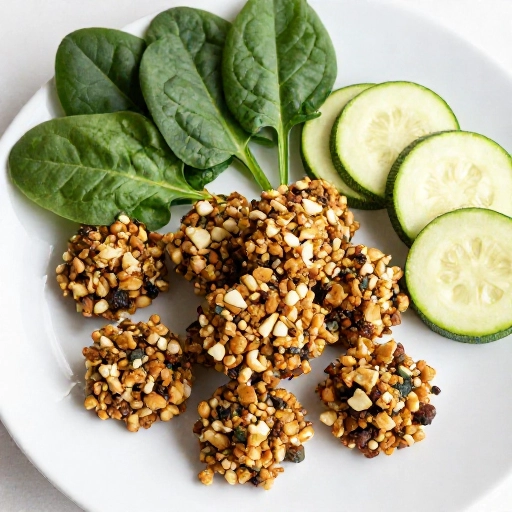
This recipe is my secret weapon for dogs who are overweight or need to watch their carb intake strictly. Zucchini and spinach are both exceedingly low in sugar and calories, but high in vitamins A, C, and K. These green nibbles are soft-baked, making them perfect for senior dogs with sensitive teeth, and they’re a brilliant way to sneak extra veggies into a picky eater’s diet.
- 1 cup fresh spinach leaves, finely chopped
- 1 cup shredded zucchini (squeezed dry to remove excess water)
- 1/2 cup cottage cheese (low-fat)
- 1 large egg
- 1 cup almond flour
- Preheat oven to 325°F (165°C). In a large bowl, mix the chopped spinach, shredded zucchini, cottage cheese, and egg until combined.
- Stir in the almond flour until a soft, moist dough forms. Drop teaspoon-sized scoops onto a greased baking sheet.
- Bake for 15-18 minutes until the tops are set and the edges are just starting to brown. These won’t get crispy like a biscuit; they should remain soft and chewy.
Tips & Safe Baking Guidelines
Before you start baking up a storm, I want to share a few crucial tips I’ve learned over the years to make sure your homemade treats are both safe and effective for managing your dog’s diabetes. First, always consult with your veterinarian before adding any new foods to your dog’s diet, especially if they are on insulin therapy. The carbohydrate content in these treats needs to be factored into their daily insulin dose. Generally, treats should make up no more than 10% of your dog’s daily caloric intake to avoid disrupting their glucose curve.
When it comes to storage, most baked biscuits (like the Pumpkin and Chicken Liver ones) will last up to two weeks in an airtight container at room temperature. However, because they don’t contain preservatives, I usually store them in the refrigerator to extend their shelf life to a month. For the frozen yogurt drops and the turkey bites, those absolutely must live in the freezer or fridge. I recommend freezing the turkey bites and pulling out a day’s worth at a time to thaw in the fridge. A quick note on ingredients: always double-check that your peanut butter does NOT contain xylitol, as it is extremely toxic to dogs, and always use “pure” pumpkin, never the sweetened pie filling.
Making these treats has honestly become one of my favorite bonding activities with my dog. Watching him get so excited for a treat he can actually have without me worrying about his blood sugar is a feeling I can’t describe. I hope these recipes bring you and your furry companion as much joy as they’ve brought us. Remember, a diabetes diagnosis is not a death sentence for fun snacks—it just means we get a little more creative in the kitchen!
What ingredients should I absolutely avoid when baking for a diabetic dog?
You should strictly avoid added sugars, syrups, honey (in large amounts), and simple carbohydrates like white rice or white flour. Also, never use xylitol (a common sweetener in peanut butter), grapes, raisins, onions, or garlic, as these are toxic to dogs regardless of diabetes.
Can I feed my diabetic dog these treats every day?
Yes, you can offer them daily, but portion control is vital. Treats should only make up about 10% of their daily caloric intake. I usually break one biscuit into smaller pieces and use them as training rewards throughout the day to avoid a large spike in glucose.
Are store-bought “diabetic” dog treats safe?
Not always. Many commercial “diabetic” treats still contain hidden sugars, starches, or unhealthy fillers. Reading labels is crucial, but making your own treats is the most reliable way to know exactly what your dog is consuming, ensuring every ingredient is beneficial.
How do I know if a treat is causing a blood sugar spike?
Watch for signs like increased thirst, frequent urination, or lethargy shortly after eating. If you suspect a treat is causing issues, stop giving it and consult your vet. The best way to monitor is to use a home glucose monitor or check with your vet about testing protocols around treat time.
Can I substitute almond flour or oat flour for regular flour in all recipes?
Absolutely! Almond flour and oat flour are excellent low-glycemic alternatives to white flour. They are higher in fiber and protein, which helps slow digestion and stabilize blood sugar. Just be aware that almond flour creates a more delicate, crumbly texture, while oat flour creates a slightly chewier treat.