18 DIY Fence Ideas to Keep Your Dog Safe (and Your Yard Looking Great)
Let’s be real—our dogs are family. But they’re also little escape artists with a nose for adventure. A good fence isn’t just about keeping them in; it’s about giving them the freedom to run, sniff, and sunbathe without you having a mini heart attack every time the mail truck rolls by.
I’ve rounded up 18 DIY fence ideas that range from quick weekend fixes to full-on backyard transformations. No matter your budget or skill level, there’s a solution here that’ll keep your pup safe and make your yard look intentional, not just “fenced in.”
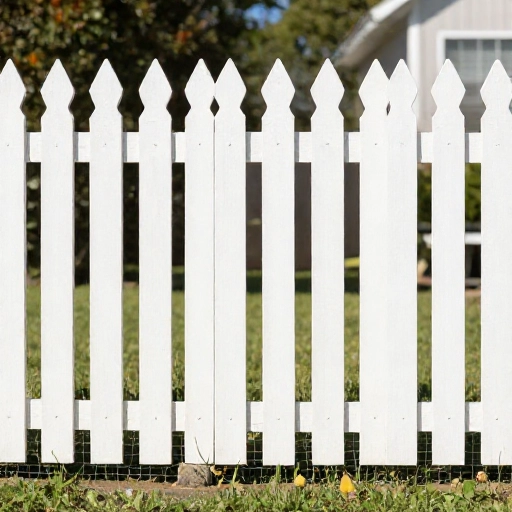
1. The Classic Picket Fence with a Secret Wire Extension
Picket fences are adorable, but they’re basically a hurdle for a determined dog. The secret? Attach a roll of buried wire mesh to the bottom of the pickets. It keeps the charm while adding a solid barrier.
Use galvanized hardware cloth and staple it along the base. Bury the bottom edge about 6 inches deep. This stops diggers cold, and the pickets hide the wire from view. It’s the best of both worlds—cute and secure.
I love this one for small to medium breeds. It gives them a clear view of the street without giving them a path to escape.
2. The No-Dig Temporary Fence for Renters
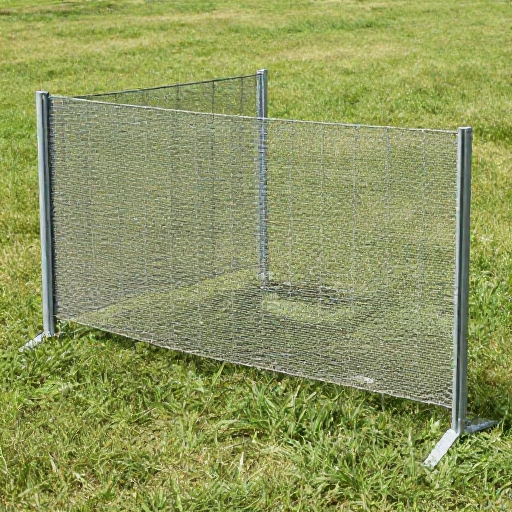
Not everyone owns their home, but everyone deserves a happy dog. A no-dig fence is perfect for renters or for people who want a flexible setup. You can use metal or plastic posts that you hammer into the ground—no concrete involved.
Attach a roll of plastic or metal mesh fencing to the posts, and you’re done. It’s not meant to be a permanent fortress, but it’s perfect for creating a safe zone in a shared space or for keeping a dog out of a specific garden bed.
When you move, you just pull the posts and roll up the fence. It takes less than an hour to set up, and it’s surprisingly sturdy for daily use.
3. The Upscale Cedar Board Fence
If you want the gold standard, cedar boards are the way to go. They look beautiful, they smell amazing, and they naturally resist rot and insects. This is a solid privacy fence that your dog can’t see through, which often makes them calmer.
Go with a vertical board design and make sure the boards are tight together with no gaps. Use screws instead of nails for extra strength. Dogs can push hard, and you don’t want a board popping loose.
This is a bigger project, but the payoff is huge. It instantly boosts your curb appeal and gives your dog a quiet, secure space to patrol.
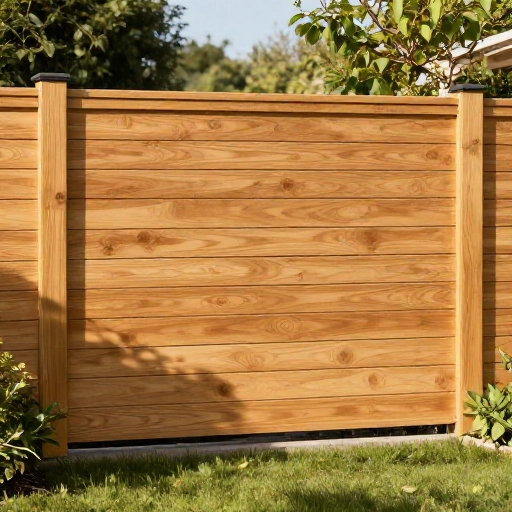
4. The Invisible Wire Leash System (DIY Version)
Forget the professional invisible fence companies. You can do this yourself for a fraction of the cost. You just need a wire, a transmitter, and a collar receiver. It’s not a physical fence, but it’s a safety net.
I’ll be honest—this isn’t for every dog. It works best for dogs with solid training recall. But for those dogs, it’s a lifesaver. It allows them to roam the whole yard without a visual barrier messing up your landscaping.
Bury the wire along your property line and connect it to the transmitter. It’s a weekend project, but you’ll have to train your dog to the boundaries. The payoff is a totally open yard.
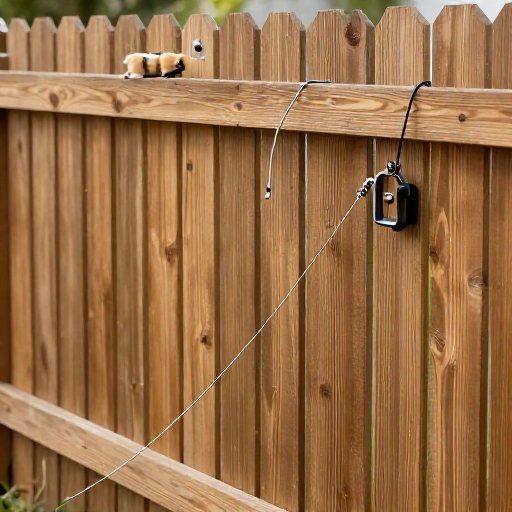
5. The Poultry Netting Reinforcement
You can have a beautiful wooden fence, but if there’s a gap under the gate, your dog will find it. That’s where poultry netting comes in. It’s cheap, flexible, and easy to work with.
Use it to close up gaps at the bottom of gates or along the base of an existing fence. Just staple it on and let it drape down to the ground. You can even fold it over to create a skirt that lays flat on the grass, which stops diggers.
This is a quick fix that takes about 30 minutes. You don’t have to replace your whole fence; you just have to patch the weak spots.
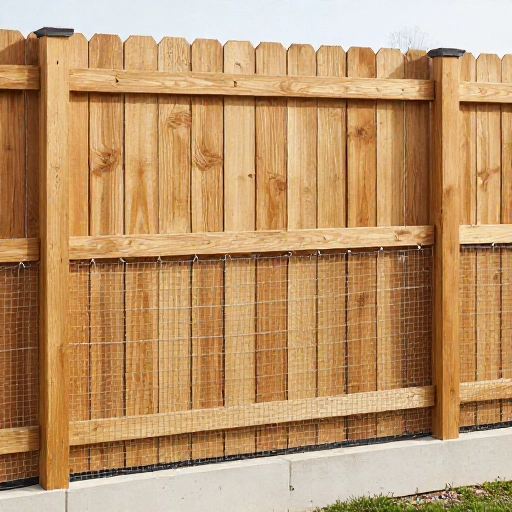
6. The Farmhouse Wire and Post Combo
This is for the people who love a rustic look. Use thick wooden posts (4x4s are best) and stretch welded wire between them. It’s not a privacy fence, but it’s incredibly strong and looks great on larger properties.
Make sure the mesh is small enough that your dog can’t fit their head through. I recommend 2×4 inch welded wire. It’s also great for keeping smaller critters out, which is a bonus.
You can add a top rail of wood for a polished finish. It’s a classic look that feels like a farm, not a prison.
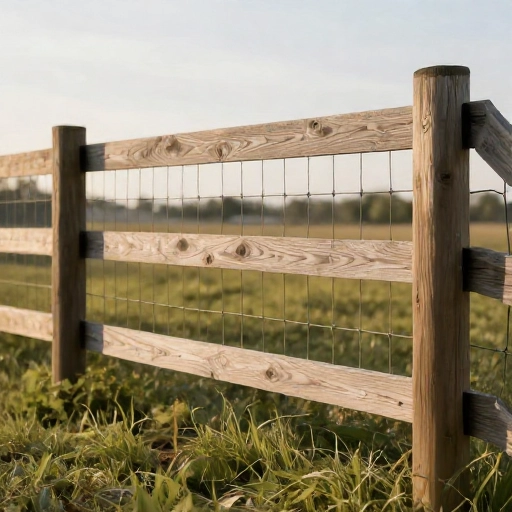
7. The Pallet Fence Upcycle
Want to go green and cheap? Pallets are your best friend. You can often get them for free from local hardware stores or warehouses. They’re sturdy, but you’ll need to check them for safety.
Sand them down to avoid splinters, and attach them to posts in a vertical or horizontal pattern. They naturally have gaps, so you’ll need to line the inside with wire mesh or thin plywood to keep your dog from squeezing through.
This one is a labor of love, but the finished look is charming and rustic. It’s also incredibly strong—pallets are built to hold heavy loads.
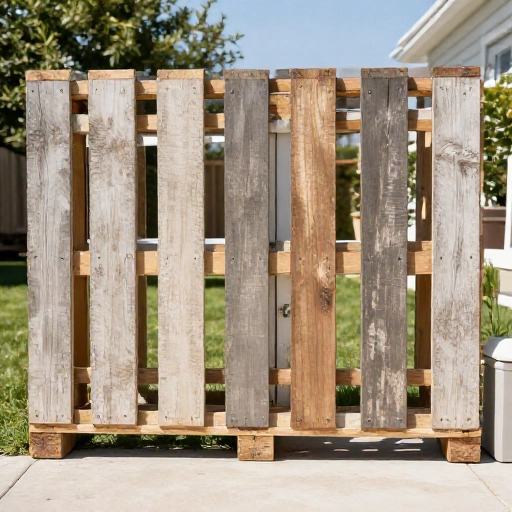
8. The Lattice Skirt for Diggers
Dogs love to dig, especially along fence lines. A cheap and easy way to stop this is to attach a lattice panel to the bottom of your existing fence. It’s a physical barrier that’s harder to dig under.
Use a pressure-treated lattice and cut it to fit the perimeter. Attach it to the fence posts and drive long stakes through the lattice into the ground to anchor it.
It also looks pretty! You can paint it to match your house or leave it natural. It’s a simple solution that doesn’t require digging a trench.
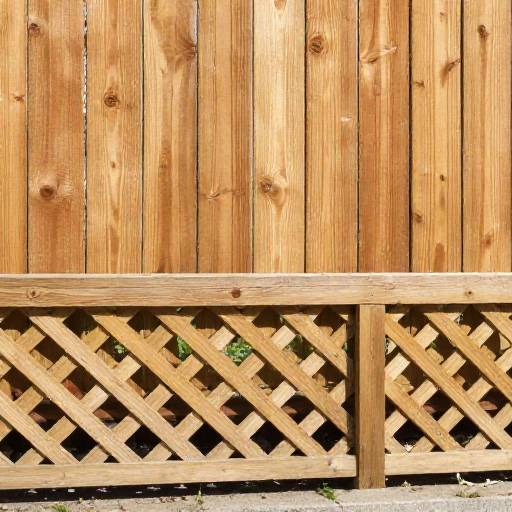
9. The Concrete Base Trick
If you have a Houdini dog, you need the concrete base. You don’t have to pour a full slab. You just need to pour a small trench of concrete at the base of your fence line.
Dig a trench about 6-8 inches deep and 4 inches wide. Fill it with concrete and let it set. Once it’s cured, the fence sits on top. It’s impossible for a dog to dig under this.
This is a permanent solution for a persistent problem. It’s more work, but you’ll never have to worry about escapees again.
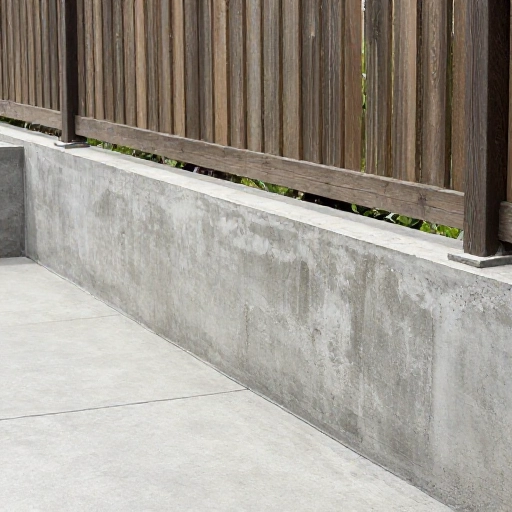
10. The Chain Link Upgrade with Privacy Slats
Chain link is functional, but it’s ugly. And some dogs bark at everything they see through it. Adding vinyl privacy slats is a game-changer.
These slats weave through the chain link mesh. They block the view, reduce wind, and create a solid wall. It’s a huge upgrade for a few hundred dollars depending on your yard size.
Your dog will be calmer because they can’t see the triggers. And your yard will feel more private and cozy.
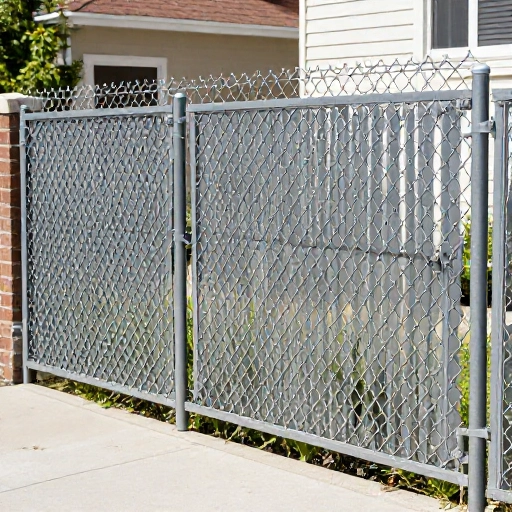
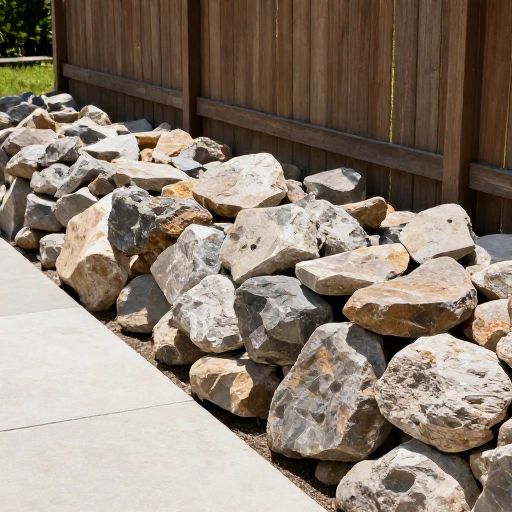
11. The Rock Trench Barrier
Instead of concrete, you can use rocks. This is a more decorative approach to stopping diggers. Dig a trench along the fence line and fill it with large river rocks or gravel.
Dogs don’t like to dig in rocks because it hurts their paws. It’s a natural deterrent that also helps with drainage. Plus, it looks way better than a muddy dig line.
This is a great weekend project. You can make it as deep or as shallow as you like, and it’s easy to maintain.
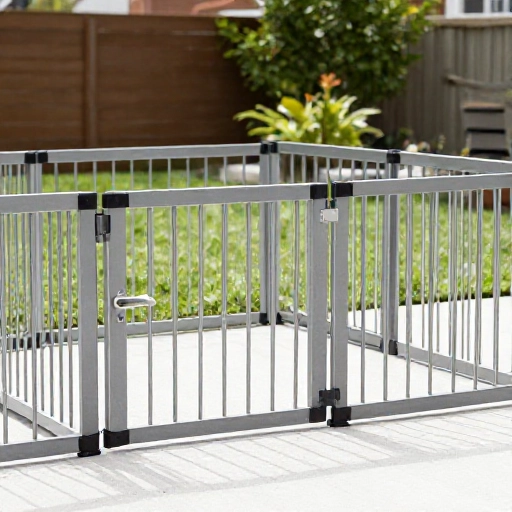
12. The Double Gate System
If you have an escape artist that bolts out the front door, a double gate is essential. This is a small enclosed area with two gates. The dog is locked in the first gate before you open the second one.
You can build this with a few posts and some wire mesh. It’s basically a small dog run at the front of your gate. It gives you a safe buffer zone to enter and exit.
This is a lifesaver for busy households. It prevents accidental escapes when you have your hands full of groceries.
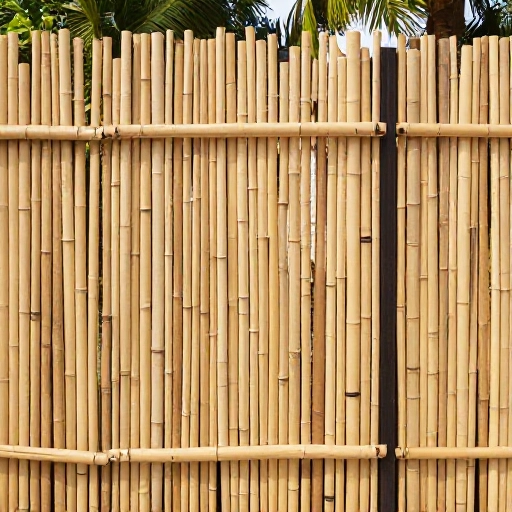
13. The Bamboo Privacy Screen
Bamboo is a beautiful, natural material that’s perfect for a quick privacy fence. You can buy bamboo rolls and attach them to your existing fence or to a simple post structure.
It’s lightweight, but surprisingly durable. Make sure you get a tight weave so your dog can’t see through it. You can attach it with zip ties or a staple gun.
This gives your yard a tropical, zen feel. It’s also great for creating a shaded area for your dog to lounge in.
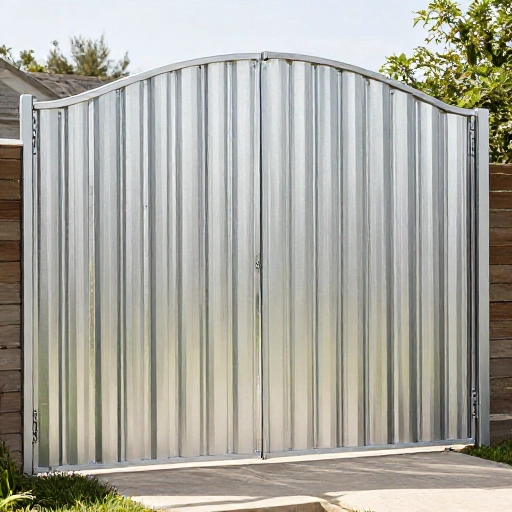
14. The Cattle Panel Arch
For larger properties, cattle panels are a fantastic option. They are giant welded wire panels that are super strong. You can bend them into an arch for a unique look.
This creates a tunnel-like effect that some dogs find fun. It’s not a full privacy fence, but it’s a great boundary marker that’s very hard to break through.
You can also use them flat to create a tall, secure run. They are easy to move and don’t require a lot of posts to hold them up.
15. The Repurposed Window Fence
This is a quirky, creative idea. If you can find old windows at a salvage yard, you can attach them to a wooden frame to create a unique fence. It’s a total conversation starter.
Use the glass panes as the barrier. It’s see-through, so your dog can still see the yard, but it’s a solid barrier. You’ll need to make sure the glass is secure and not easy to break.
This is not a cheap or quick project, but the result is stunning and unique. It’s perfect for the homeowner who wants something truly one-of-a-kind.
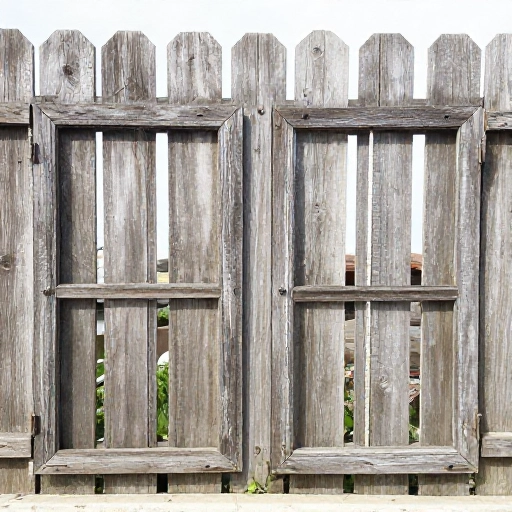
16. The Lean-To Fence for Sloped Yards
Sloped yards are tricky. A normal fence leaves a gap at the bottom. The lean-to design follows the contour of the land. You angle the fence to match the slope.
This takes more measuring and cutting, but it’s so worth it. You don’t have to worry about your dog squeezing under a lifted post. It’s a custom fit that looks professional.
If you’re comfortable with a saw, this is a doable weekend project. It’s the right way to handle an uneven property.
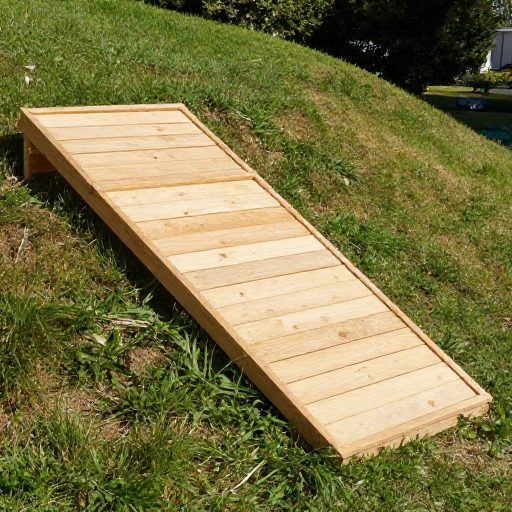
17. The Cedar Picket with Chicken Wire
This is a variation of the picket fence. You build a low picket fence (about 3 feet high) and then staple chicken wire to the top of it, extending it up another 2-3 feet.
It looks cute from the street, but the wire adds the height you need to stop jumpers. It’s a clever way to keep a tall dog in without building a massive wall.
Paint the wire black or green to make it blend in with the background. It’s a budget-friendly way to get more height.
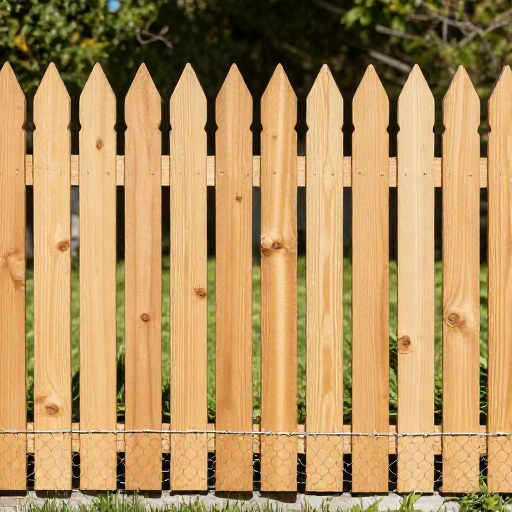
18. The Underground Wire Shield
This is the ultimate anti-dig hack. You take a piece of wire mesh and bend it into an “L” shape. You bury the bottom flat part of the “L” under the ground, facing inward.
When your dog starts digging down, they hit the mesh that is extending outward. They can’t get past it because it’s a solid barrier underground.
You can do this with any type of fence. It’s a little more digging work, but it’s the most effective way to stop a determined digger permanently.
Final Thoughts on Fencing
There’s no one-size-fits-all answer when it comes to fencing. It really depends on your dog’s size, energy level, and your yard’s layout. The good news is that you don’t have to spend a fortune to have a safe and beautiful yard.
Start with the biggest risk area—usually the gate or the bottom of the fence. Patch that first, and then work on the rest. Your dog just wants to be with you, and a secure fence means you can relax and enjoy the outdoors together.
Frequently Asked Questions
Q: What is the cheapest DIY fence for a dog?
A: The cheapest option is usually using metal or plastic posts with welded wire or poultry netting. You can also upcycle pallets if you can find them for free. It’s all about the materials you have on hand.
Q: How tall should a fence be to keep my dog in?
A: For most breeds, 4 feet is enough. For jumpers like Huskies or German Shepherds, you should go with 6 feet. A good rule of thumb is to add a foot or two to your dog’s jumping height.
Q: Can I use invisible fences instead of a real fence?
A: Yes, but they are not a physical barrier. They rely on training and a shock collar. They are great for containment, but they won’t stop other animals from entering your yard. I recommend a physical fence for safety.
Q: What is the best material to stop a dog from digging under the fence?
A: Concrete or a buried wire mesh skirt are the most effective. Rocks and gravel are also good deterrents because they are uncomfortable to dig in. The key is to create a physical block below the surface.
Q: How do I fix a gap under my gate?
A: You can attach a piece of rubber or vinyl to the bottom of the gate that drags on the ground. You can also use a mesh or chicken wire skirt. It’s a quick fix that takes less than an hour.