12 Cute Tricks You Can Teach Your Dog at Home
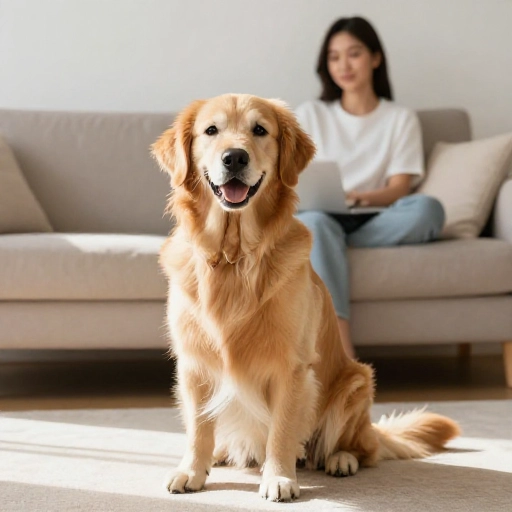
Teaching your dog new tricks is one of the most rewarding parts of being a pet parent. It strengthens your bond, gives your pup mental stimulation, and honestly? It’s just plain fun. You don’t need a professional trainer or fancy equipment—just some treats, patience, and a little bit of time.
I’ve tried all of these tricks at home with my own dog, and I promise they’re easier than you think. Some are classic, some are a little silly, but all of them will make you smile. Let’s get started!
1. Shake Hands
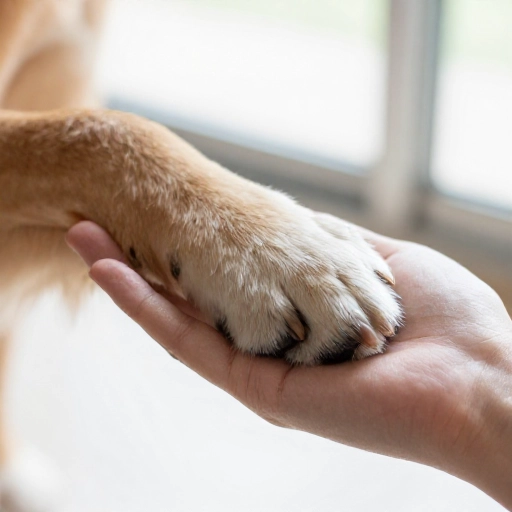
This is the classic “paw” trick and it’s usually the first one most dogs pick up. Start by having your dog sit. Hold a treat in your closed fist and let them sniff it. Most dogs will try to paw at your hand to get the treat. The moment their paw touches your hand, say “yes!” and give them the treat.
Repeat this a few times until they start lifting their paw on purpose. Then add the verbal cue “shake” right before they paw. Soon they’ll be offering their paw like a little gentleman.
2. Spin
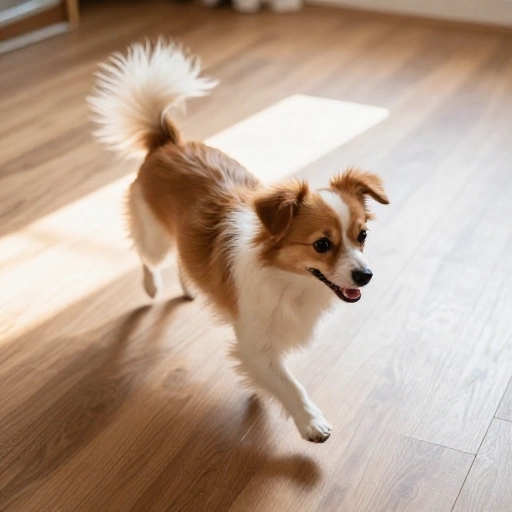
Spin is adorable and surprisingly easy. Hold a treat close to your dog’s nose. Slowly move the treat in a circle around their head. Their body will naturally follow their nose. As they complete the circle, say “spin” and reward.
Do this in both directions so they don’t get dizzy! Once they get the hang of it, you can even add a hand signal. My dog loves showing this off to visitors.
3. High Five
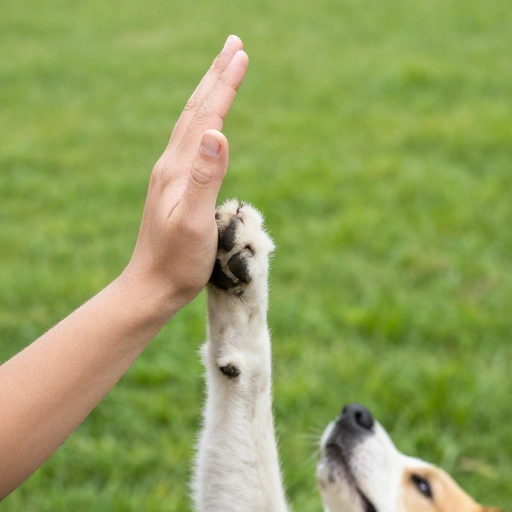
High five is like shake, but cuter. Start with a sit. Hold a treat in your palm and raise it slightly above your dog’s head. When they lift a paw to reach it, catch it with your open hand and say “high five!” Reward immediately.
If they try to jump, lower your hand. Keep it at nose level. With practice, they’ll tap your hand every time you raise it. It’s a crowd-pleaser at parties.
4. Play Dead
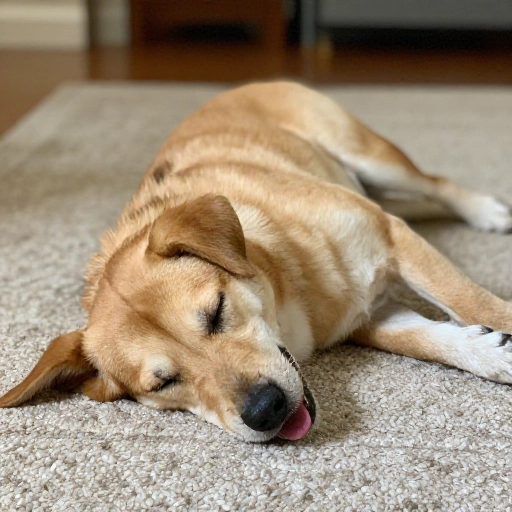
This one takes a little more patience but it’s worth it. Start with your dog lying down. Hold a treat near their nose and slowly move it toward their shoulder. As they roll onto their side, say “bang!” or “play dead.” Reward them once they’re fully on their side.
Some dogs will try to get up quickly. That’s okay. Just keep practicing. Once they stay on their side for a few seconds, you’ve got it. It’s the perfect trick for a dramatic photo.
5. Touch Your Nose to My Hand
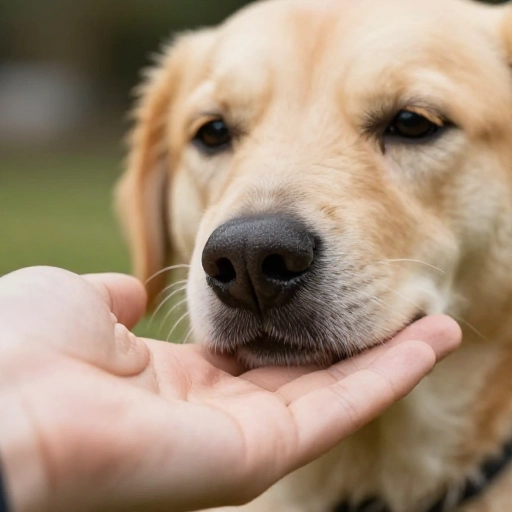
This is a great foundation trick. Present your open palm to your dog about an inch from their nose. When they sniff or touch it, say “touch” and reward. Move your hand a little further each time.
You can use this trick to guide them into other positions or even to close a door. It’s simple, but it builds focus. Plus, it’s a nice way to redirect their attention if they’re distracted.
6. Crawl
Crawl is both cute and useful. Start with your dog in a down position. Hold a treat on the floor just in front of their nose. Slowly drag it forward. As they shuffle to follow, say “crawl” and reward.
If they stand up, just lower the treat again. It might take a few tries. Once they get it, you can make them crawl a short distance. It’s hilarious to watch them army-crawl across the living room.
7. Take a Bow
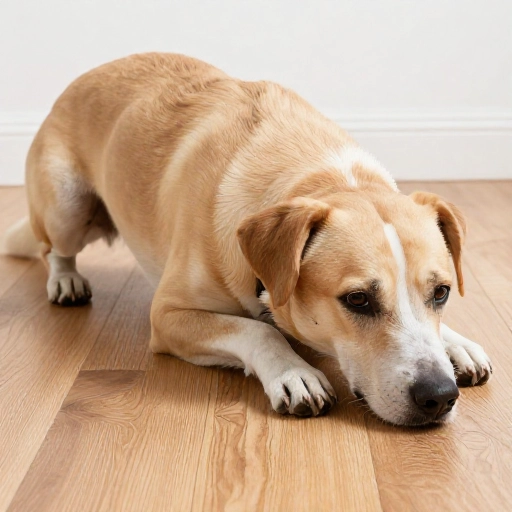
Bow is a natural stretch for dogs. Start with them standing. Hold a treat near their nose and lower it to the floor between their front paws. As they bend down, their back end will stay up. Say “bow” and reward.
Don’t force the position. Let them figure it out. Some dogs will lie down completely. That’s fine—just try again. Once they understand, it looks like a polite little bow. Very charming.
8. Weave Through Your Legs
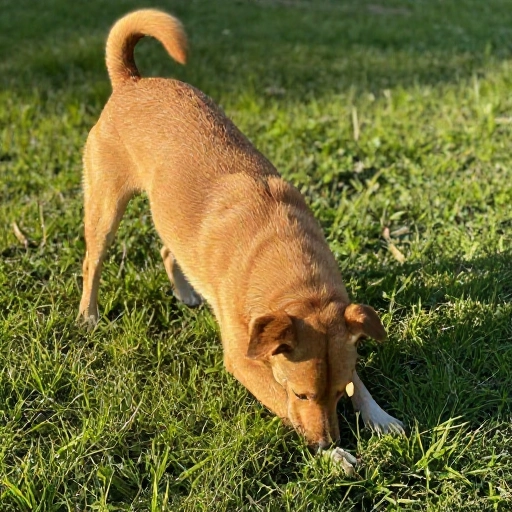
This trick is a fun way to build coordination. Start by standing with your legs wide apart. Lure your dog through with a treat. As they pass through, say “weave.” Reward them on the other side.
Gradually narrow your stance. You can even add a figure-eight pattern. It’s great for burning off energy indoors. My dog loves the challenge and it makes me feel like we’re in a little dance routine.
9. Speak on Command
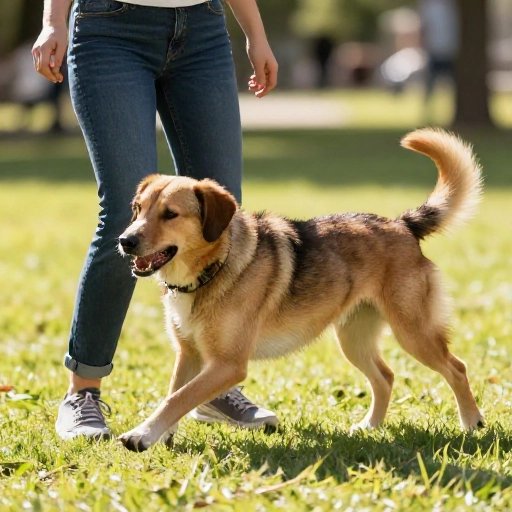
Teaching “speak” is easier if your dog already barks when excited. Wait for a bark, then say “speak” and reward. Repeat until they associate the word with barking.
If your dog is quiet, try making a playful noise or knocking on a door. Once they get it, you can also teach “quiet.” It’s a handy pair. Just don’t practice too late at night.
10. Fetch by Name
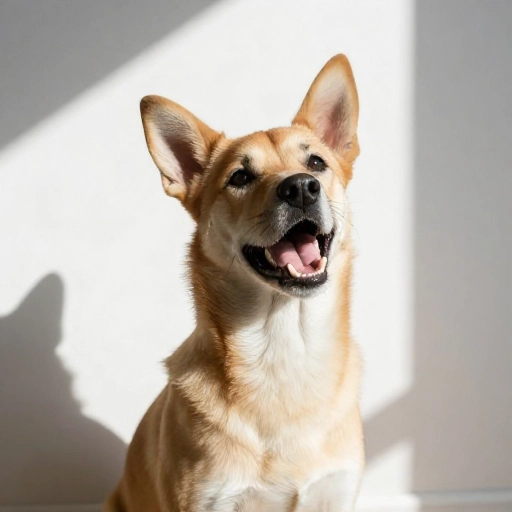
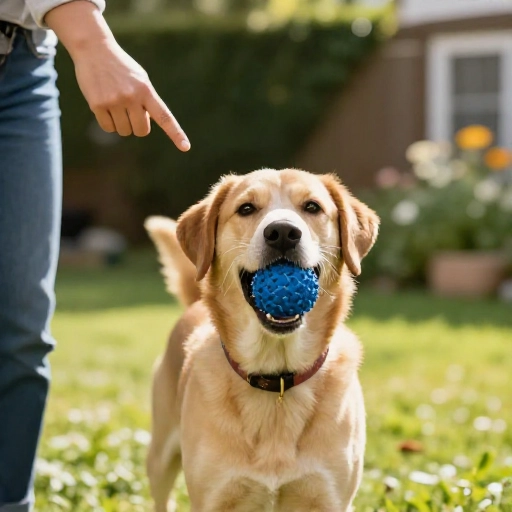
This trick turns fetch into a game of memory. Teach your dog the names of a few toys. Start with one toy. Say its name, then throw it. When they bring it back, repeat the name and reward.
Add a second toy only after they’ve mastered the first. Soon you can ask for “ball” or “teddy” and they’ll pick the right one. It’s impressive and mentally stimulating for them.
11. Jump Through a Hoop
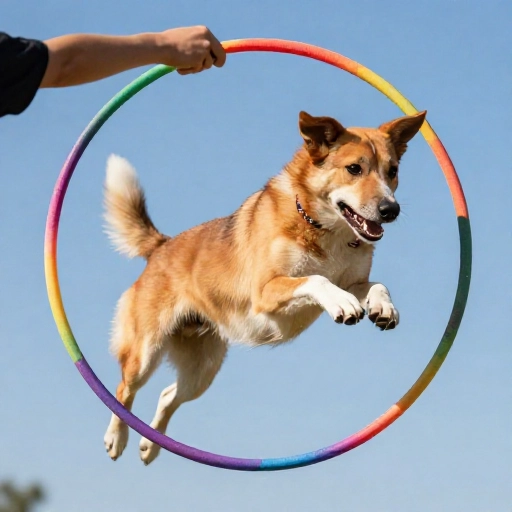
You don’t need a fancy hoop. A hula hoop or even a large embroidery ring works. Hold it low on the ground. Lure your dog through with a treat. Say “hoop” as they step through. Reward.
Gradually raise the hoop a few inches. Never force them to jump too high. Keep it fun. Once they’re confident, you can make a little obstacle course. It’s like a mini doggy circus act.
12. Give a Kiss
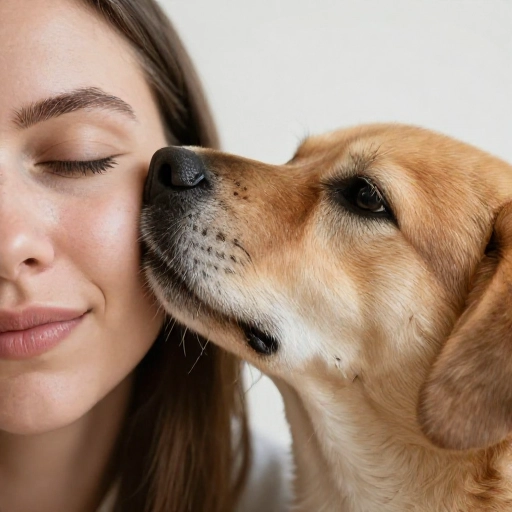
This one is sweet if your dog is naturally affectionate. Let them lick a tiny bit of peanut butter off your cheek (or a clean spot on your arm). As they do, say “kiss” and praise them.
Some dogs aren’t big lickers, and that’s okay. You can also use a gentle nose touch. The idea is to create a cute, voluntary interaction. It’s the trick that always gets an “aww.”
Conclusion
Training at home doesn’t have to be stressful. The best part is the time you spend together. Some tricks might take a few days, others a few minutes. The key is to keep sessions short and always end on a positive note.
Pick one or two tricks to start. Practice when you’re both in a good mood. And don’t forget to celebrate the little wins. Your dog wants to please you—they just need a little guidance and a lot of love.
Frequently Asked Questions
How long should each training session be?
Keep sessions between 5 and 10 minutes. Dogs have short attention spans, especially puppies. Short, frequent sessions work much better than long ones.
What treats work best for training?
Small, soft treats are ideal. They’re easy to eat quickly and won’t fill your dog up. You can also use bits of cooked chicken or cheese if your dog loves those.
My dog isn’t food motivated. What should I do?
Try using their favorite toy or praise as a reward. Some dogs respond better to play. Find what excites them and use that as the reward.
Can I teach an older dog new tricks?
Absolutely. Older dogs can learn just as well as puppies. They may take a little longer, but they often have better focus. Patience is key at any age.
What if my dog gets frustrated during training?
Take a break. End the session and try something easier. Frustration means you’re moving too fast. Go back to a step they know and build up slowly again.