16 Golden Retriever Puppy Manners Training Tips That Actually Work (No Yelling Required)
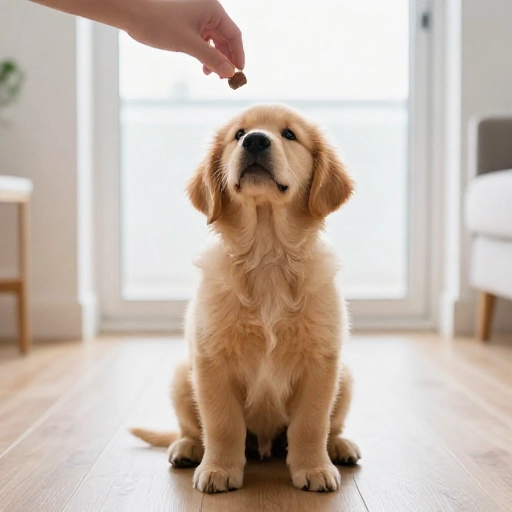
Bringing home a Golden Retriever puppy is like adopting a tiny, fluffy tornado of joy. They love everyone, chew everything, and have zero concept of personal space. You adore them, but those needle-sharp teeth and crazy jumping spells? Yeah, you could do without those.
The good news is Goldens are incredibly smart and eager to please. They just need a little structure to turn that wild energy into polished manners. Here are 16 practical, real-world training tricks that helped me survive the puppy phase—and helped my Golden become the best-behaved dog on the block.
1. Master the “Sit” Before Anything Else
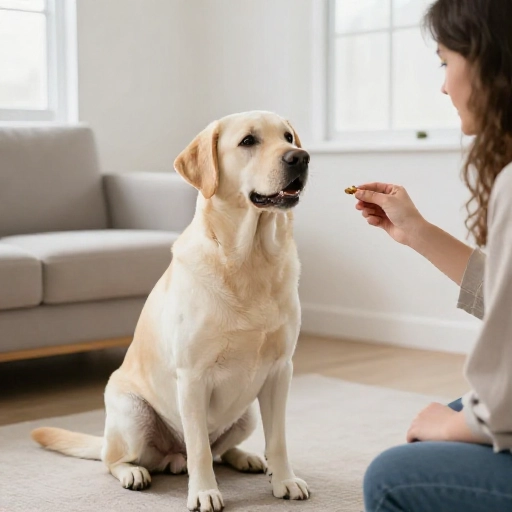
This is your golden ticket. A dog that sits on command can’t jump, run off, or grab food off the counter. Start in a quiet room with a high-value treat. Hold it above their nose and slowly move it back over their head. Their butt will naturally hit the floor. The second it does, say “Yes!” and reward.
Practice this every single day in different rooms. Once they’ve got it, use “sit” before doors, meals, and petting. It teaches patience and gives them a default calm behavior.
Keep sessions short—five minutes max. Puppies have tiny attention spans, and you want them begging for more, not dreading training time.
2. Curb Jumping with the “Four on the Floor” Rule
Golden Retrievers are notorious greeters. They bounce like kangaroos when you walk in the door, and while it’s cute at 10 pounds, it’s a problem at 70. The fix? Absolutely no attention for jumping. Zero. Not even a “no.” Just turn your back and cross your arms.
The moment all four paws hit the ground, spin around, bend down, and give them enthusiastic praise and a treat. You’re teaching them that calm feet get rewards, and jumpy paws get nothing.
Be consistent with every visitor. Have guests ignore the puppy until they settle. It takes a few weeks, but Goldens catch on fast when they realize jumping doesn’t work.
3. Teach a Rock-Solid “Leave It” for Safety
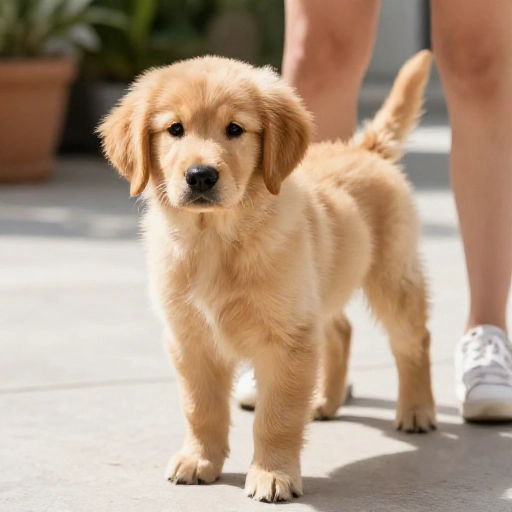
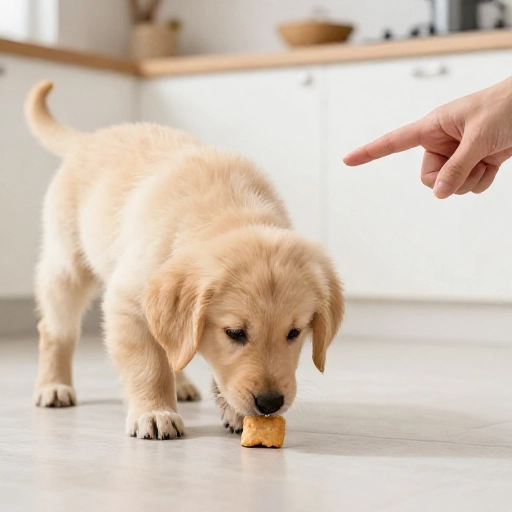
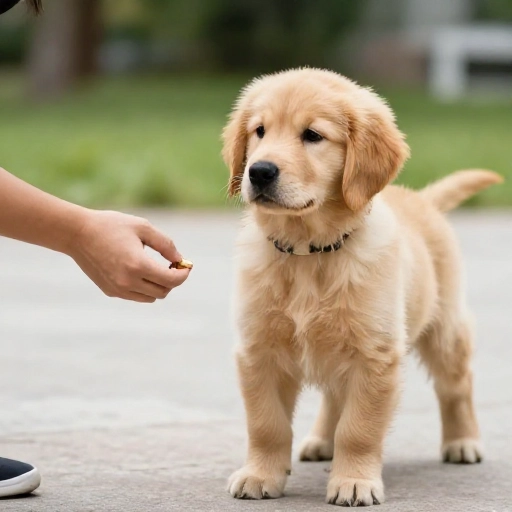
Goldens will eat anything—socks, rocks, chicken bones on the sidewalk. “Leave It” is a life-saver. Start by placing a treat in your closed fist. Let them sniff, lick, and paw at it. The second they pull away, even for a split second, say “Yes!” and give them a different treat from your other hand.
Progress to an open palm with a treat. If they lunge, close your fist. Repeat until they look at you instead of the treat on your palm. That eye contact is the goal.
Practice with increasingly tempting items. Soon, they’ll look to you before grabbing anything sketchy. This one takes patience, but it’s worth every second.
4. Crate Training for Peace of Mind
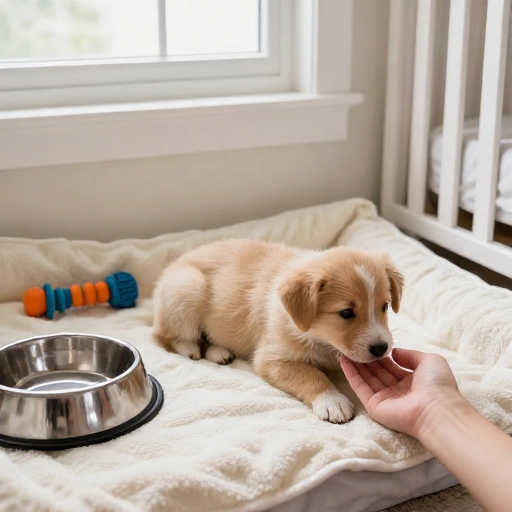
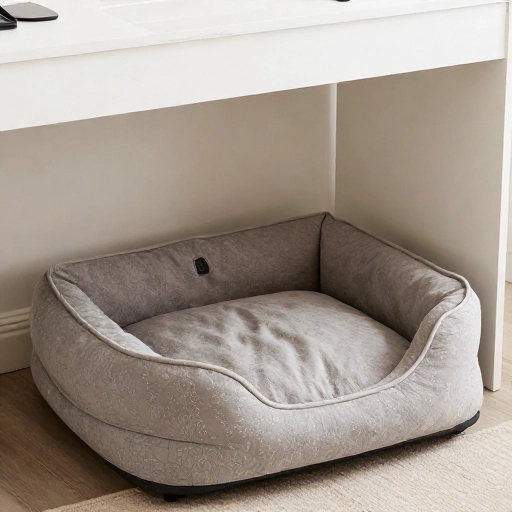
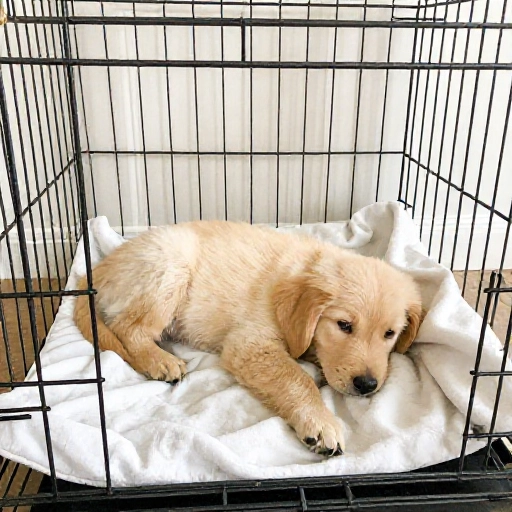
Contrary to what some think, a crate isn’t a prison. It’s a den—a safe, quiet space where your puppy can decompress. Make it inviting with a soft bed and a stuffed Kong. Feed them their meals inside the crate with the door open for the first week.
Then start closing the door for 5 minutes while you sit nearby. Gradually increase the time. Never use the crate as punishment. They should love their crate so much that they nap in it voluntarily.
This also helps with potty training since dogs instinctively avoid soiling their sleeping area. A well-crated puppy is a well-rested puppy, and a rested puppy is a better-behaved puppy.
5. Stop Biting and Mouthing Early
Puppy teeth are razor blades, and Golden Retrievers are mouthy by nature. When they nip you, let out a high-pitched “Ouch!” that mimics a puppy yelp. Then, immediately stop playing and turn away for 10 seconds. This mimics what their littermates would do.
If they keep biting, get up and leave the room. They’ll quickly learn that biting ends all the fun. Offer them a chew toy as an alternative. “Bite this, not me.”
This is a phase, and it passes. But you have to be consistent. If you let them mouth you sometimes, they’ll never learn the rule.
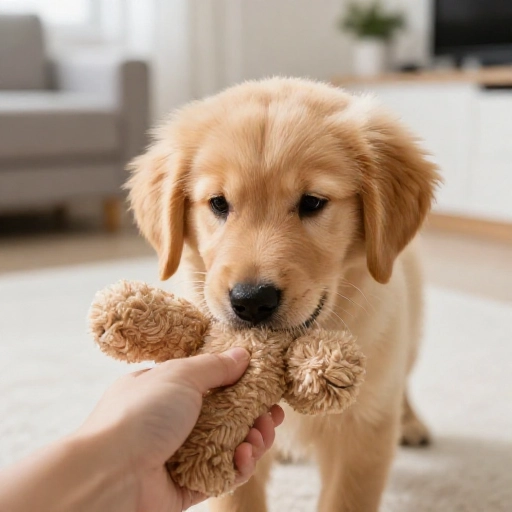
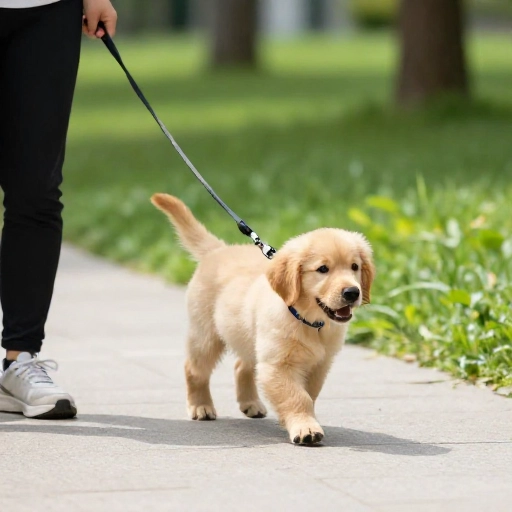
6. Perfect Loose-Leash Walking
Golden Retrievers pull like sled dogs. It’s in their DNA. Wait for the slack. The moment the leash is loose, stop walking. Reward them for coming back to your side. If they pull, you stop. You become a tree.
It takes a million stops, but they learn that pulling gets them nowhere. Start in a low-distraction area like your backyard, then graduate to the sidewalk.
Use a front-clip harness to give you more control. And don’t forget to reward them for checking in with you while walking. A quick glance at you means they’re thinking about you, not pulling.
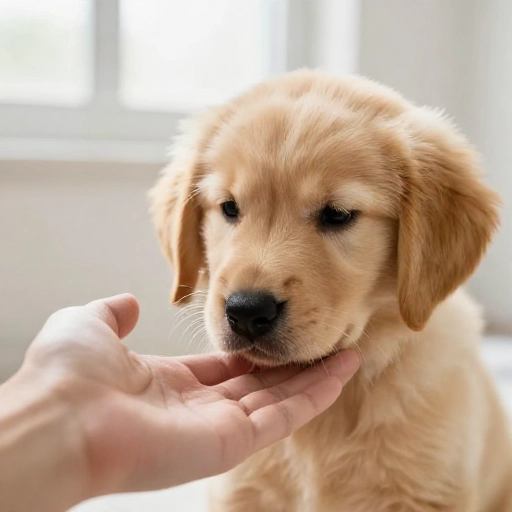
7. Nail Nipping in the Bud with “Touch”
You can’t force a Golden to be handled. You have to teach them it’s awesome. Start by showing them your palm and saying “Touch.” When they bump their nose to your hand, reward them. This is a fun game they’ll pick up fast.
Once they’re good at booping your hand, start touching their paws, ears, and tail while they do it. Pair each touch with a treat. You’re building a positive association with handling, which makes vet visits and nail trims way easier.
Do this daily. It’s a five-minute game that pays off for a lifetime.
8. Don’t Reward Demand Barking
Goldens are chatty, but that doesn’t mean they get to boss you around. If your puppy barks at you for food or attention, completely ignore them. Don’t look at them, don’t say anything. The second they stop barking, even for one second, reward them.
This teaches them that silence is what gets your attention. If you give in to a demanding bark, you’re training them to bark louder and longer next time.
It’s tough—they’re cute and persistent—but you have to be rock solid. Ignore the noise, reward the quiet.
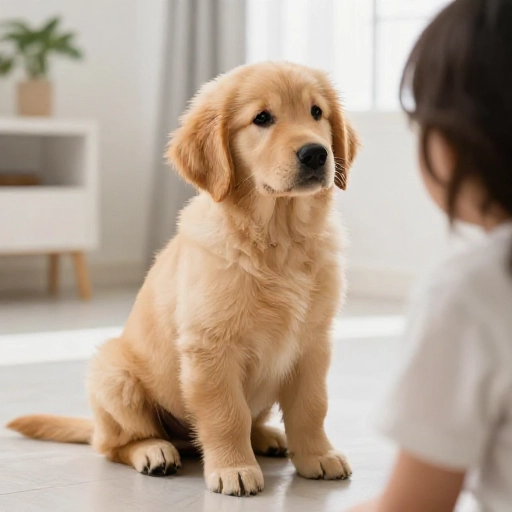
9. Teach “Wait” at Doorways
A Golden that bolts out the front door is a danger to themselves. Teach “Wait” at every threshold. Start by asking for a “sit” at the door. Open it just a crack. If they move, close it. Repeat until they hold still.
Then, release them with a specific word like “Okay!” or “Free!” so they know when it’s safe to go. Practice this at every single door in your house.
This isn’t just about manners; it’s about safety. A Golden who waits for permission to exit will never dart into traffic.
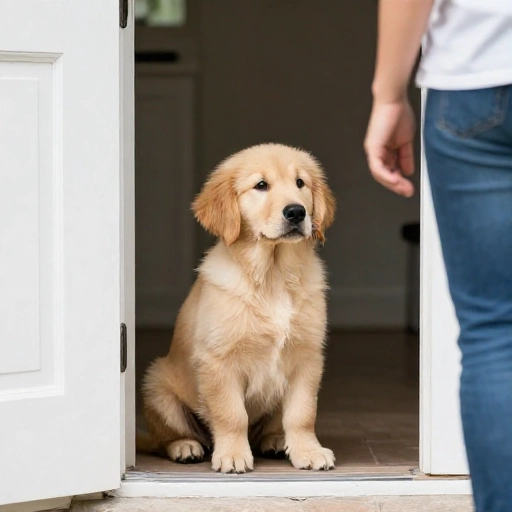
10. Calm Greetings for New People
When someone new comes over, have your puppy on a leash. Ask them to sit before the person even enters. If they get up, walk them back and reset. You want them to learn that calm behavior is the only way to meet new friends.
Have the guest offer a treat only when all four paws are on the floor. If the puppy jumps, the guest should turn away. Consistency is key here.
This takes many repetitions. Goldens love people so much that their excitement overrides their brains. But with practice, they’ll learn to say hello politely.
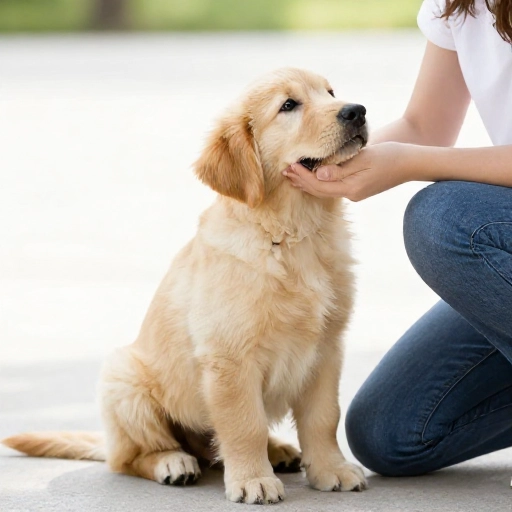
11. Curb Counter Surfing Before It Starts
Goldens are tall enough to see what’s on your kitchen counters, and they will absolutely try to snatch a roast chicken. The best defense is management. Never leave food unattended on the counter. Use baby gates or keep them in a crate while you cook.
For the moments when they do try, have a “Leave It” cue ready. You can also make the counter a boring place by booby-trapping it with empty aluminum cans that make a loud noise when they knock them over.
Prevention is easier than correction. The more times they succeed at stealing food, the more ingrained the habit becomes.
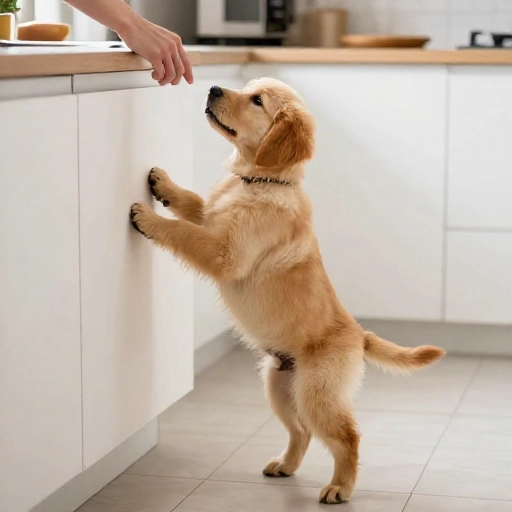
12. Teach “Drop It” for Fetch and Life
Goldens love to fetch, but they also love to play keep-away. “Drop It” is essential. Trade them a high-value treat for the toy in their mouth. Say “Drop It” in a cheerful tone, and pop the treat in front of their nose.
When they open their mouth to take the treat, the toy falls out. Say “Yes!” and give them the treat. Then, throw the toy again. They’ll learn that dropping means the game continues.
Never chase them. Chasing is a fun game for them. Instead, run the other way and call them. You want them to think coming to you is better than running away.
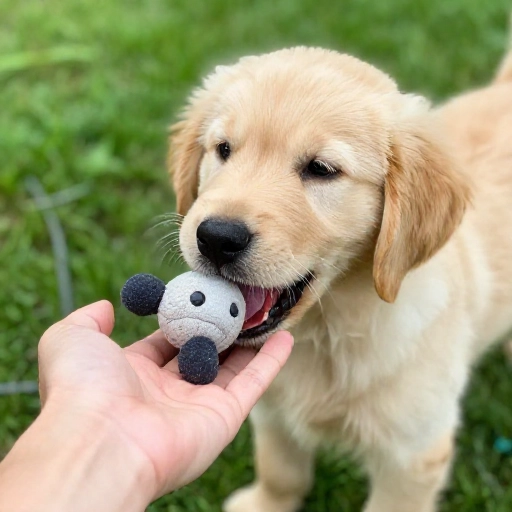
13. Handle Separation Anxiety with Alone Time
Goldens are social butterflies and can struggle with being alone. Start by leaving them alone for just 2 minutes in their crate with a stuffed Kong. Return before they cry. Gradually increase the time.
Don’t make a big deal out of leaving or coming home. Keep it low-key. Put on some music or a TV show to mask outside noises that might trigger barking.
If they cry, don’t go back in. Wait for a moment of silence, then return. You want to reward quiet, not whining. This is a marathon, not a sprint.

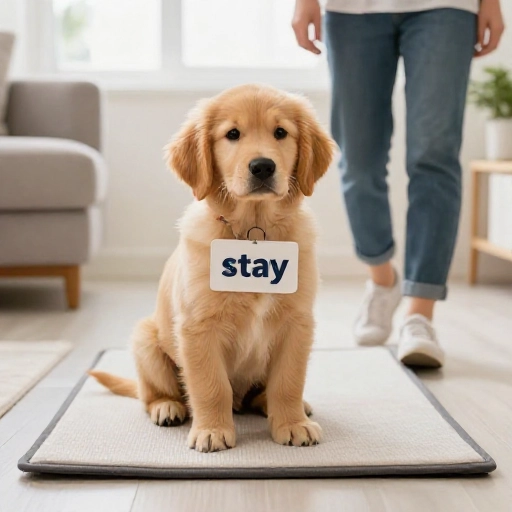
14. Reinforce Impulse Control with “Stay”
“Stay” is the ultimate test of self-control. Start with a “sit,” then open your palm and say “Stay.” Take one step back. If they stay, return to them and reward. If they move, calmly put them back into a sit and start over.
Gradually increase your distance and the duration. Always release them with a word like “Break!” so they know when it’s over. Never say “Okay” and let them break randomly.
This comes in handy for everything—from putting on their leash to greeting guests. A dog with impulse control is a dog you can take anywhere.
15. Stop Nipping at Heels with Redirected Play
Some Goldens, especially working lines, have a tendency to nip at heels when you walk. It’s a herding instinct. When they do this, stop moving and cross your arms. They’ll look at you like you’ve broken their heart, but you’re teaching them that heel-nipping freezes the fun.
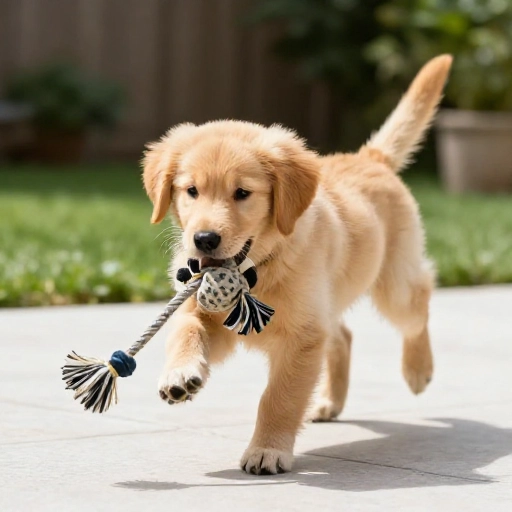
Then, redirect them to a toy. Toss a ball or give them a tug toy. You’re giving them an acceptable outlet for their urge to chase and bite.
Make sure they get plenty of physical exercise. A tired Golden is a polite Golden. A bored Golden is a heel-nipping menace.
16. Make Every Interaction a Training Moment
You don’t need formal 10-minute training sessions every day. Instead, weave training into your daily life. Ask for a “sit” before they get their food bowl. Ask for a “wait” before you throw the ball. Ask for a “down” before you pet them on the couch.
This keeps their brain engaged and reinforces that good manners are the norm, not just during training hour. Goldens thrive on this kind of consistency and structure.
You’ll be amazed at how quickly they pick things up when training feels like a natural part of life, not a chore.
Conclusion: Patience Pays Off with a Golden
Training a Golden Retriever puppy takes time, but the payoff is huge. These dogs are eager to please and will become your best friend and most loyal companion. The key is to be consistent, patient, and always positive. No yelling, no punishment—just clear communication and lots of treats.
Remember that every puppy learns at their own pace. Some days will feel like a breakthrough, and others will feel like a setback. That’s totally normal. Stick with it, keep your sessions short and fun, and celebrate the small wins.
Before you know it, you’ll have a well-mannered Golden who greets guests politely, walks on a loose leash, and is welcome anywhere you go. And that’s a beautiful thing.
FAQ: Golden Retriever Puppy Manners
Q: When should I start training my Golden Retriever puppy?
Start the day you bring them home. Puppies as young as 8 weeks old can learn basic cues like “sit” and “come.” Keep sessions super short and fun.
Q: How long does it take to train a Golden Retriever puppy?
Basic manners usually take 3-6 months with consistent daily practice. But Goldens are lifelong learners, so you’ll always be reinforcing good habits.
Q: Are Golden Retrievers easy to train?
Yes! They’re highly food-motivated, eager to please, and incredibly smart. That said, they can be easily distracted, so you’ll need to practice in different environments.
Q: My Golden puppy bites a lot. Is this normal?
Absolutely. Mouthing is a normal puppy behavior. It usually improves by 6 months, but you should consistently redirect them to toys and discourage biting on skin.
Q: Can I train my Golden Retriever without treats?
You can, but treats are the strongest motivator for Goldens. Use small, soft treats and gradually phase them out as the behavior becomes a habit. Praise and play can be secondary rewards.