Long Haired vs Short Haired Cat Breeds: Which One is Right for You?
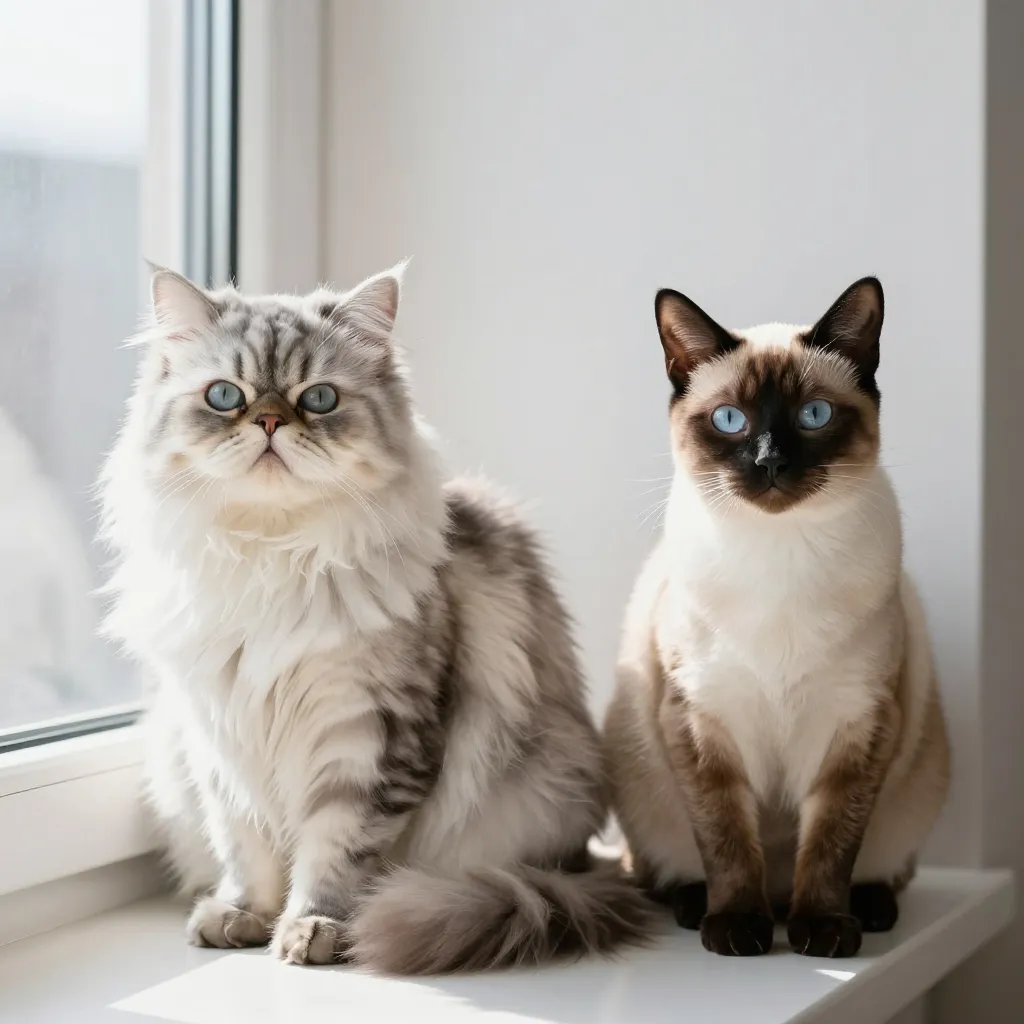
I’ve had cats my whole life, and I’ve owned everything from a fluffy Persian to a sleek Siamese. The first big decision you’ll make as a future cat parent is choosing between long hair and short hair. It’s not just about looks—it changes your daily routine, your cleaning habits, and even how you interact with your cat.
Both types have their own charm. Long haired cats look like royalty and feel like clouds. Short haired cats are low-maintenance and always ready to play. But there’s more to it than meets the eye. Let me walk you through the key differences so you can find your perfect match.
Whether you’re a busy person, a neat freak, or someone who loves a fluffy lap warmer, I’ve got you covered. Here are the main differences between long haired and short haired cat breeds.
Grooming Needs: The Biggest Difference
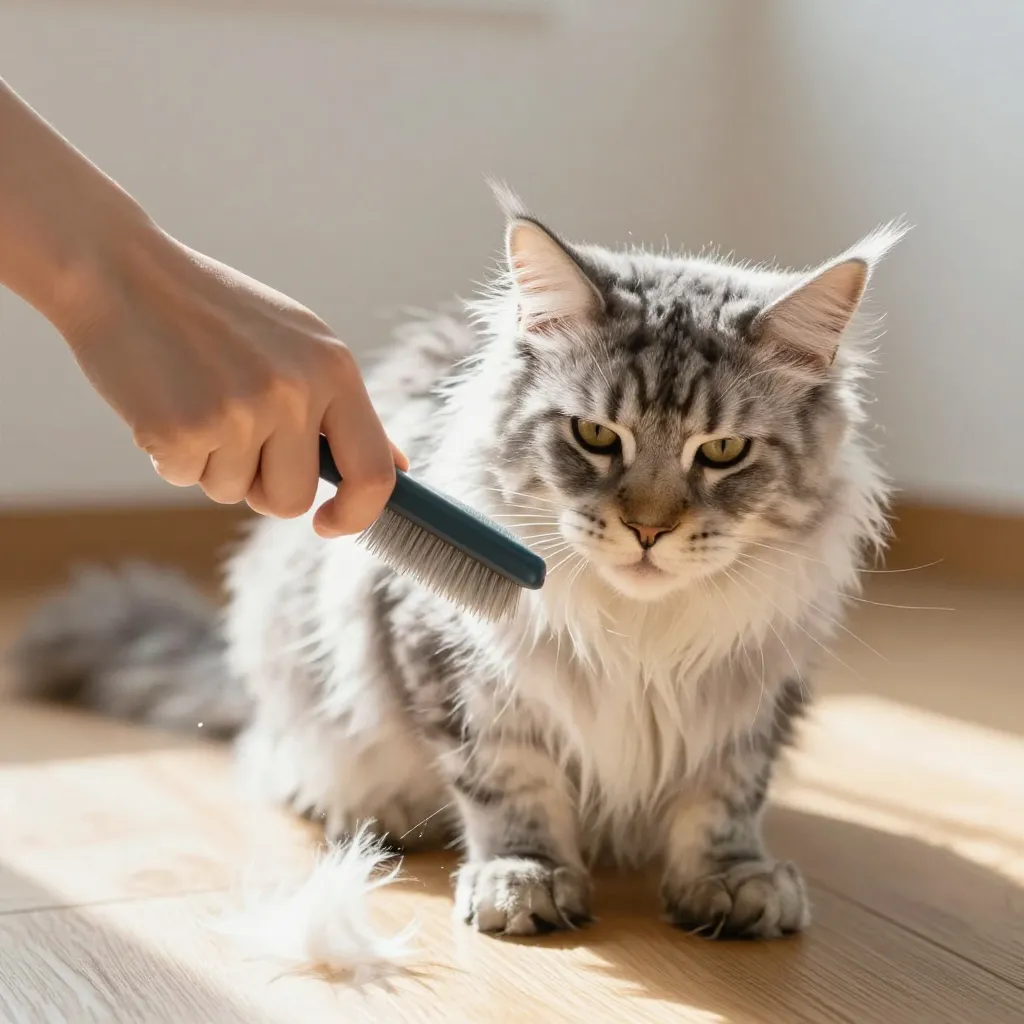
Long haired cats need daily brushing. If you skip even a few days, you’ll find mats and tangles forming behind their ears and under their legs. I learned this the hard way with my first Persian. You’ll need a metal comb and a slicker brush.
Short haired cats are way easier. A quick weekly brush is usually enough to remove loose hair and keep their coat shiny. They still shed, but it’s less noticeable and easier to manage.
- Long hair: daily brushing, occasional baths, and regular mat checks.
- Short hair: weekly brushing, minimal grooming effort.
Shedding and Fur in Your Home
Here’s a truth bomb: long haired cats shed a lot, but you see it more. Their fur clumps together and collects in corners. You’ll vacuum more often, and your clothes will have fluffy reminders of your cat.
Short haired cats shed smaller, finer hairs that can stick to furniture and float in the air. Some people find short hair harder to clean because the tiny hairs get embedded in fabric. I’ve noticed my short hair leaves a fine dusting on dark clothes.
Neither is truly hypoallergenic. It’s the dander, not the hair, that causes allergies. But short haired cats tend to spread less dander around the house.
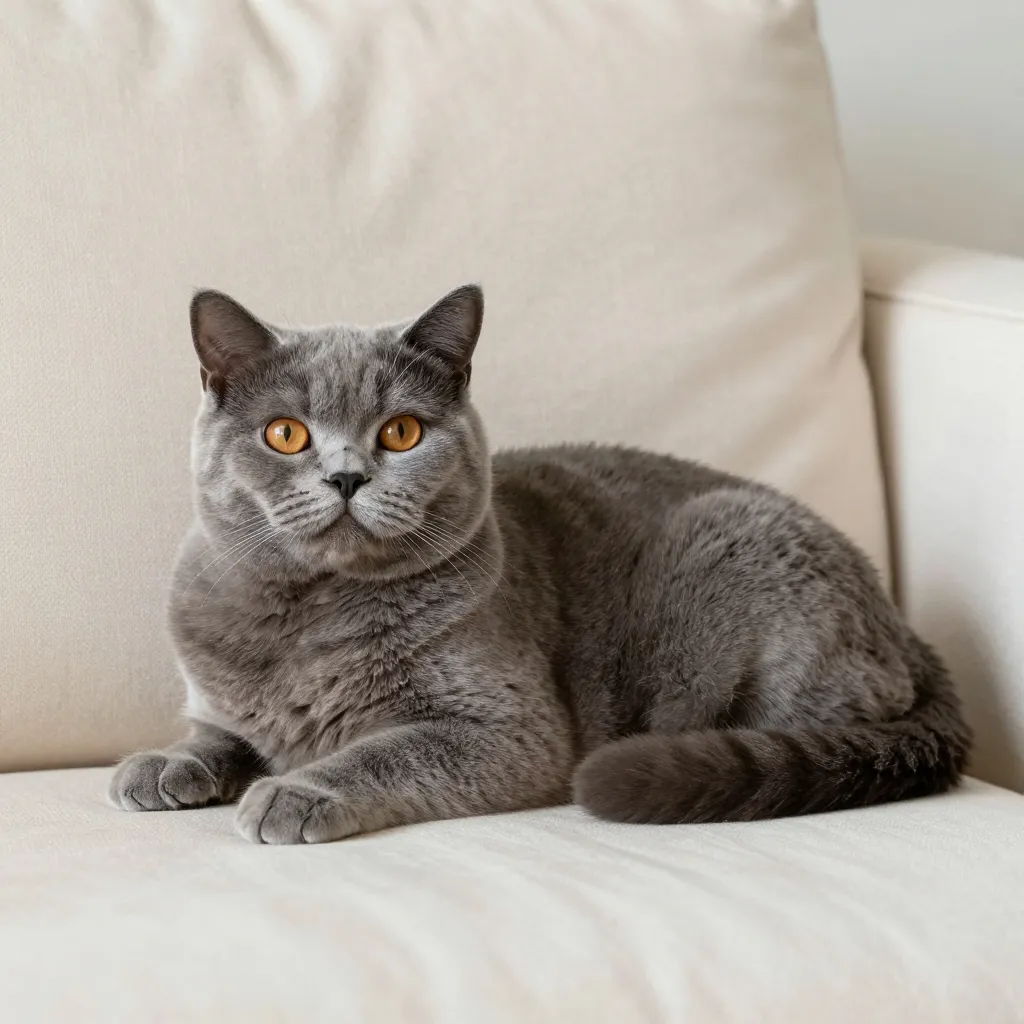
Personality and Temperament
In my experience, long haired breeds like Persians and Ragdolls are often calmer and more laid-back. They love lounging and are happy to be lap cats. They’re not as hyper as some short haired breeds.
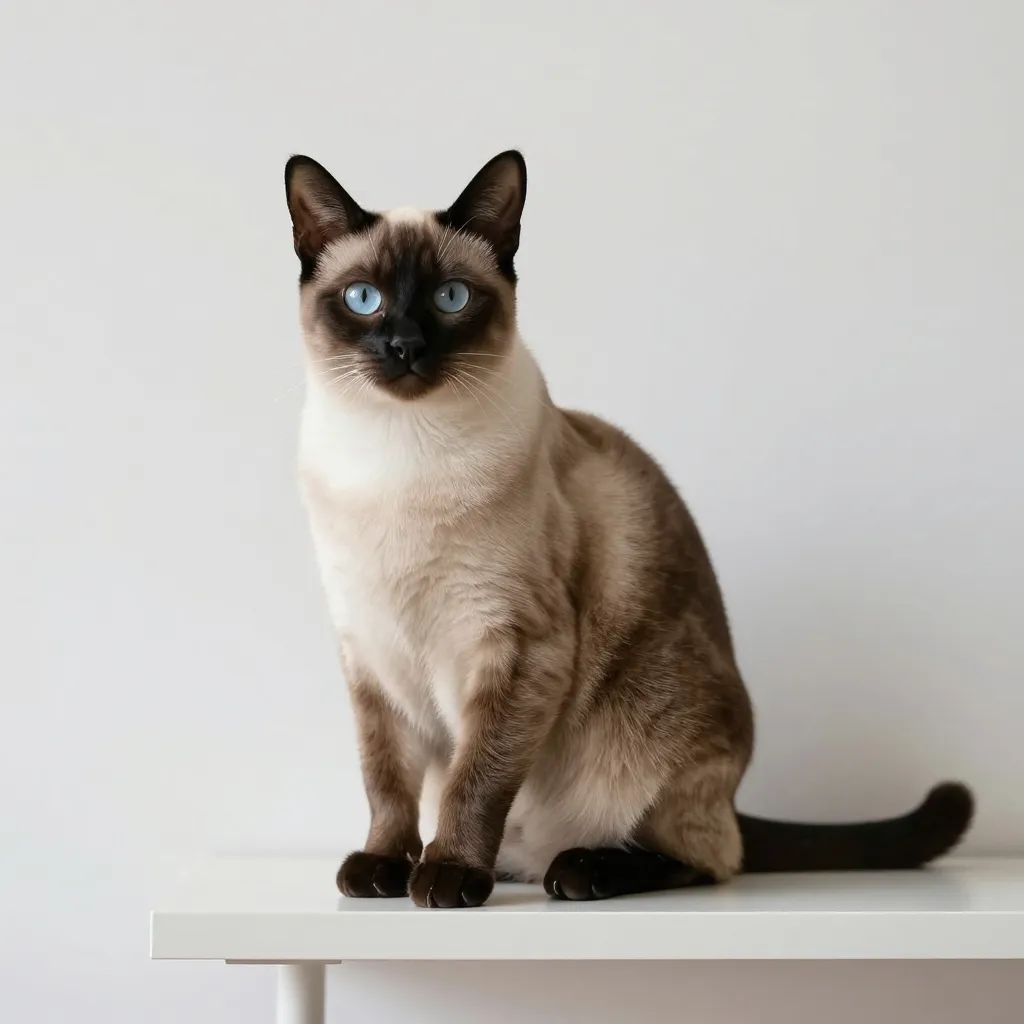
Short haired cats like Siamese and Abyssinians are usually more active and curious. They want to explore, climb, and play. If you want a cat that follows you around and gets into everything, a short hair might be your buddy.
Of course, every cat has its own personality. But the general trend holds true across many breeds.
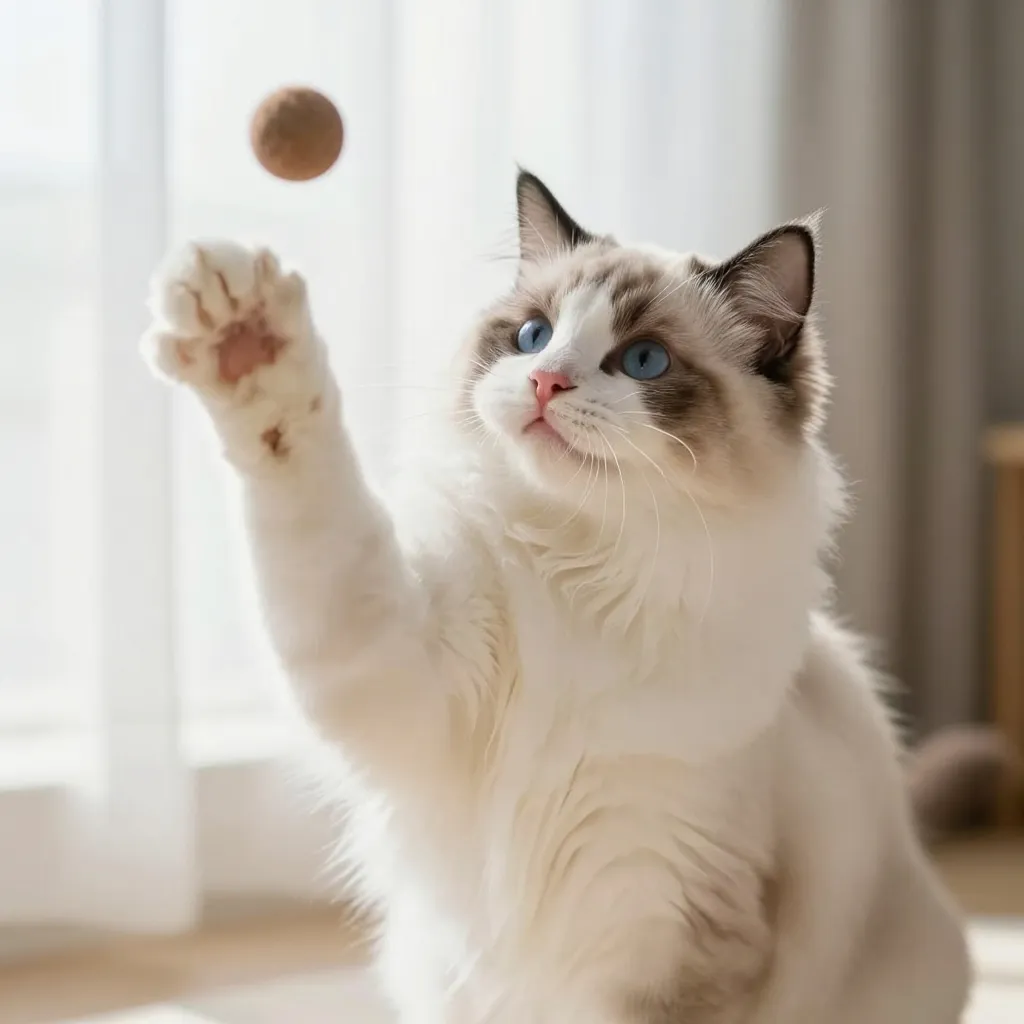
Health and Grooming Related Issues
Long haired cats are more prone to hairballs because they swallow more fur during grooming. You’ll need to watch for digestive issues and keep a supply of hairball remedy on hand.
Short haired cats have fewer hairball problems but can still get them. They also have less risk of skin infections under mats. But some short haired breeds, like the Sphynx, need regular baths because their skin gets oily.
Both types need regular vet checkups. But long hair requires more daily attention to prevent painful mats that can pull on the skin.
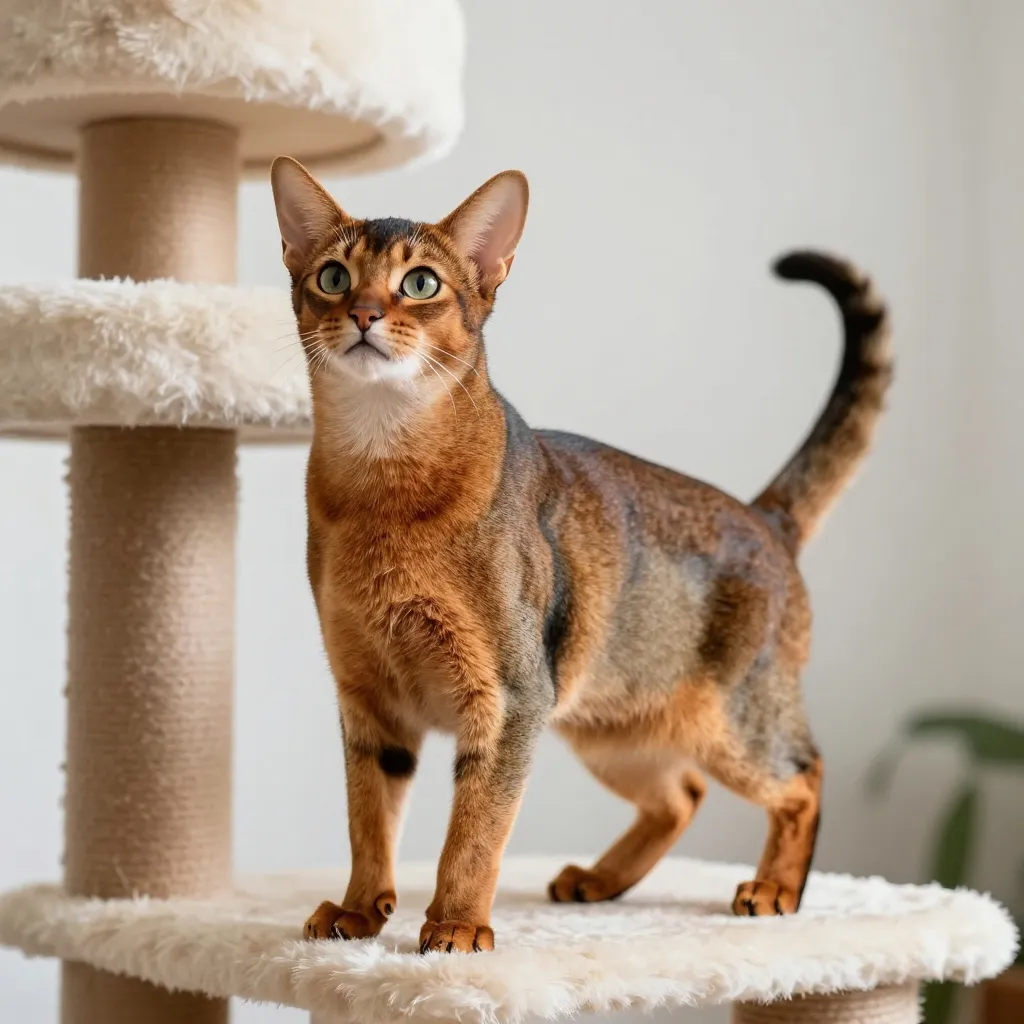
Temperature Tolerance
Long haired cats handle cold weather better. Their thick coat keeps them warm, and they love snuggling under blankets in winter. But in summer, they can overheat easily. You’ll need to keep your home cool and brush them more to remove the undercoat.
Short haired cats feel the cold more. They’ll seek out warm spots like sunny windowsills or your laptop. In winter, they might want to sleep under the covers with you. They’re generally fine in moderate climates.
If you live somewhere very hot, a short hair might be more comfortable. If you’re in a cold area, a long hair could be a cozy companion.
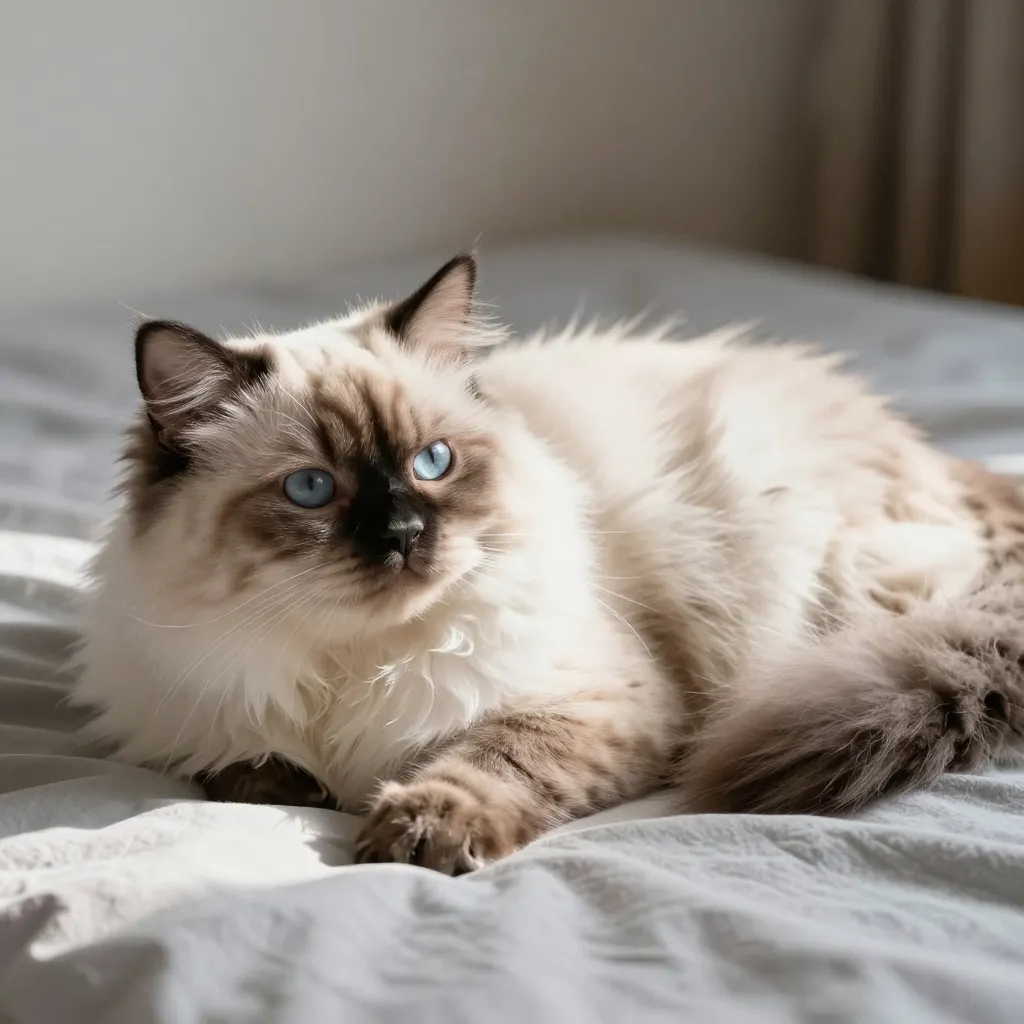
Cost and Maintenance Over Time
Long haired cats cost more in grooming supplies. You’ll buy brushes, combs, detangling sprays, and maybe professional grooming sessions. Some owners spend $50 to $100 per visit for a full groom.
Short haired cats are cheaper to maintain. A basic brush and nail clippers are all you need. But you might spend more on lint rollers and vacuum filters because of the fine hair.
Both types need quality food, litter, and vet care. But long hair adds a recurring grooming expense that adds up over the years.
Bonding and Interaction Style
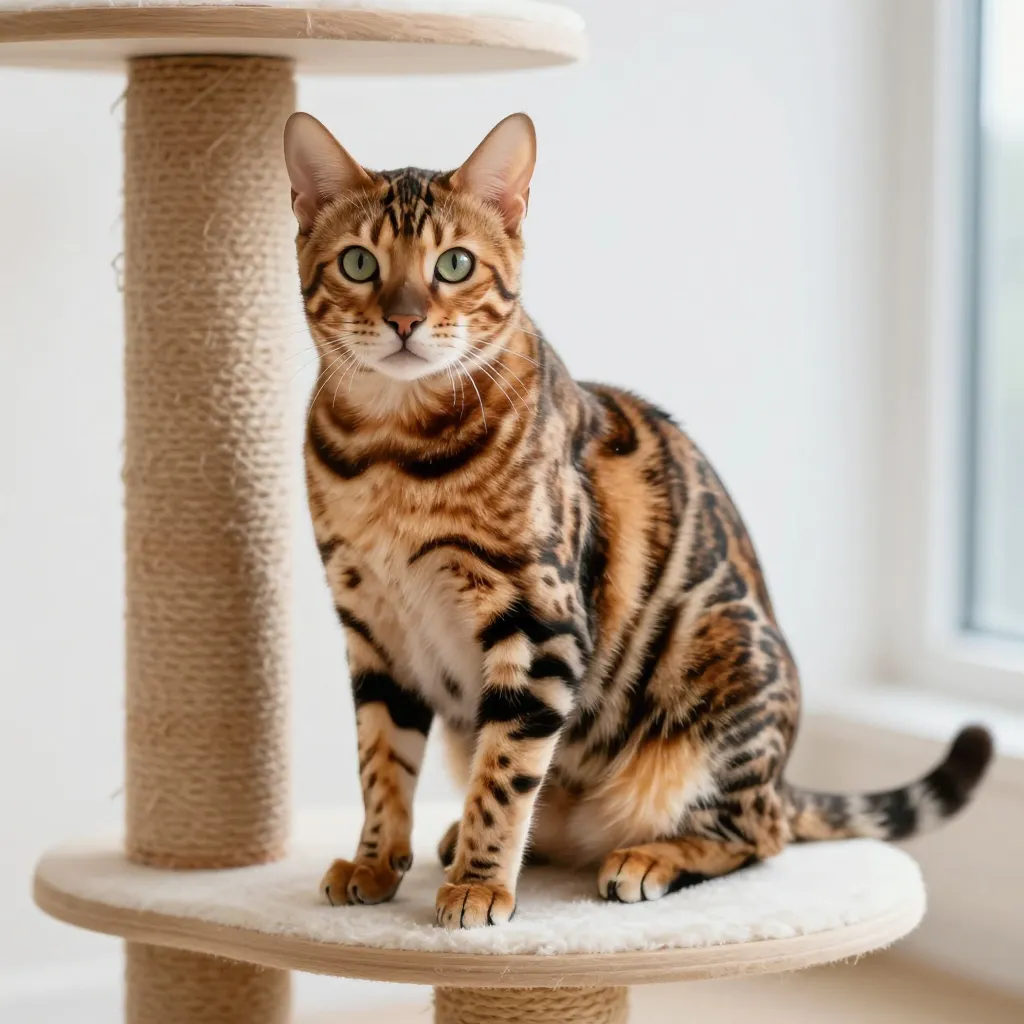
Long haired cats often enjoy gentle, quiet bonding. They like being brushed and petted slowly. Grooming time becomes a bonding ritual. My Ragdoll purrs the whole time I brush her.
Short haired cats bond through play and activity. They want to chase toys, learn tricks, and be involved in whatever you’re doing. They’re more likely to greet you at the door and follow you from room to room.
Think about how you like to connect with a pet. Do you want quiet cuddles or an active playmate?
Allergies and Dander
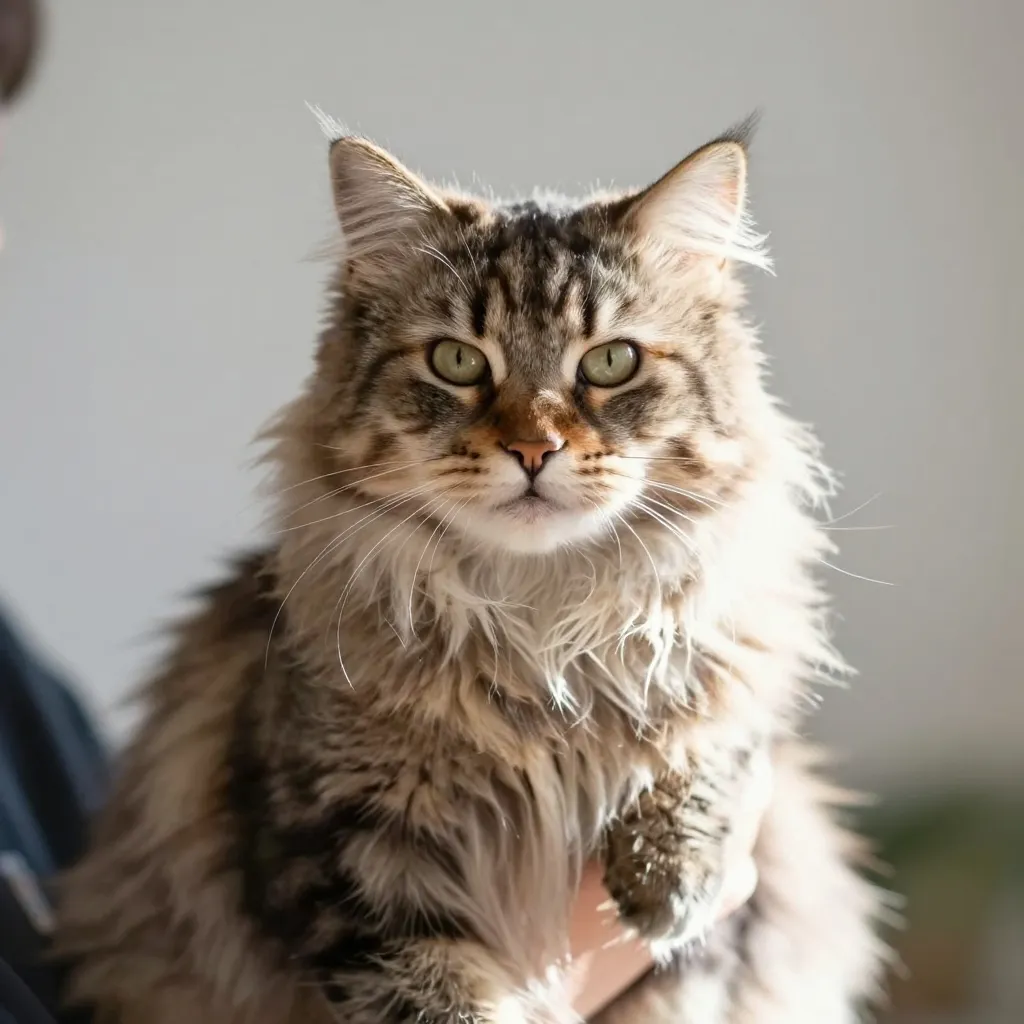
No cat is truly hypoallergenic, but some short haired breeds produce less of the Fel d 1 protein that causes allergies. Breeds like the Siberian (which is long haired) actually produce less dander than many short haired cats.
Long haired cats can trap dander in their fur, which means less floating in the air. But when you brush them, it all releases at once. Short haired cats release dander more consistently.
If you have allergies, spend time with both types before adopting. You might be surprised which one triggers you less.
Space and Living Environment
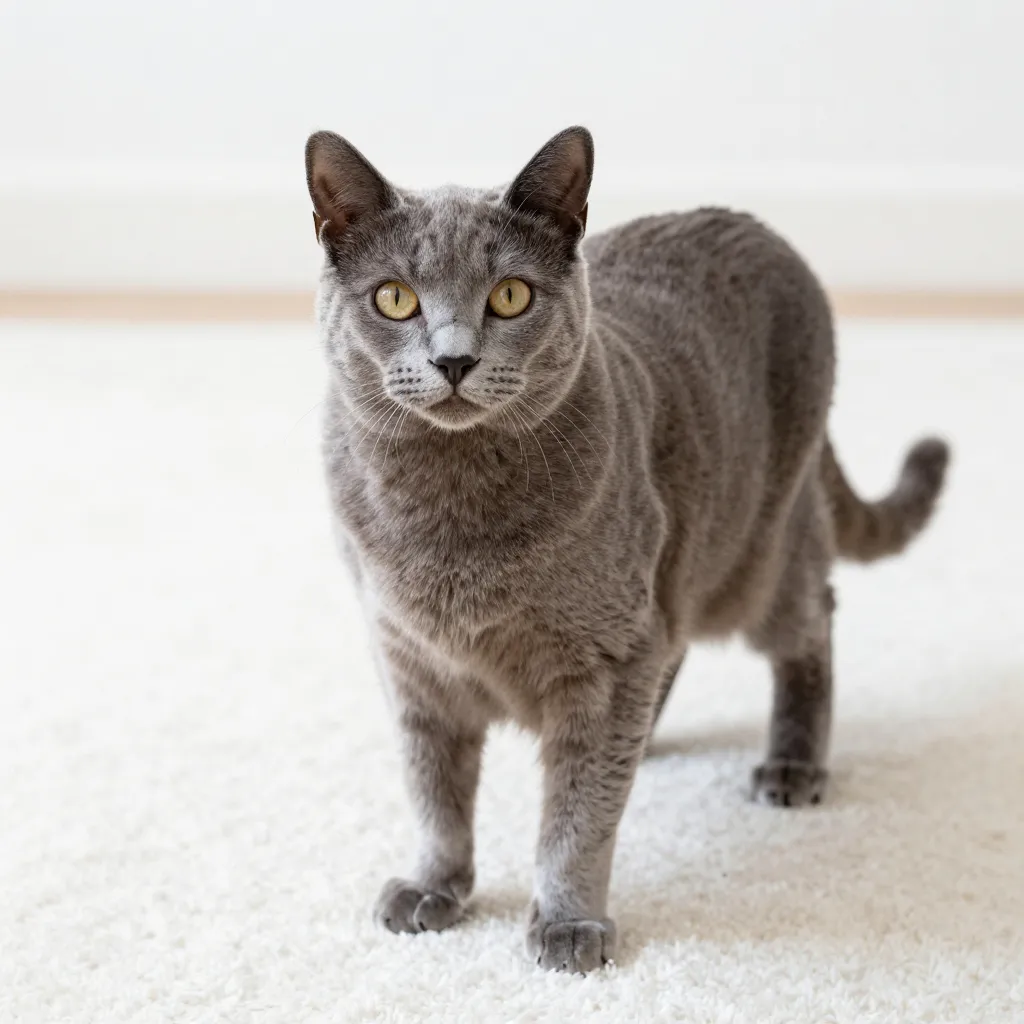
Long haired cats do well in apartments because they’re generally less active. They don’t need as much vertical space or as many toys. A cozy window perch and a soft bed are enough.
Short haired cats, especially active breeds, need more stimulation. They benefit from cat trees, interactive toys, and space to run. A small apartment can work if you provide enough enrichment.
Consider your living situation. If you have a small space and want a calm cat, long hair might be better. If you have room for climbing and play, a short hair could thrive.
Lifespan and Common Breed Issues
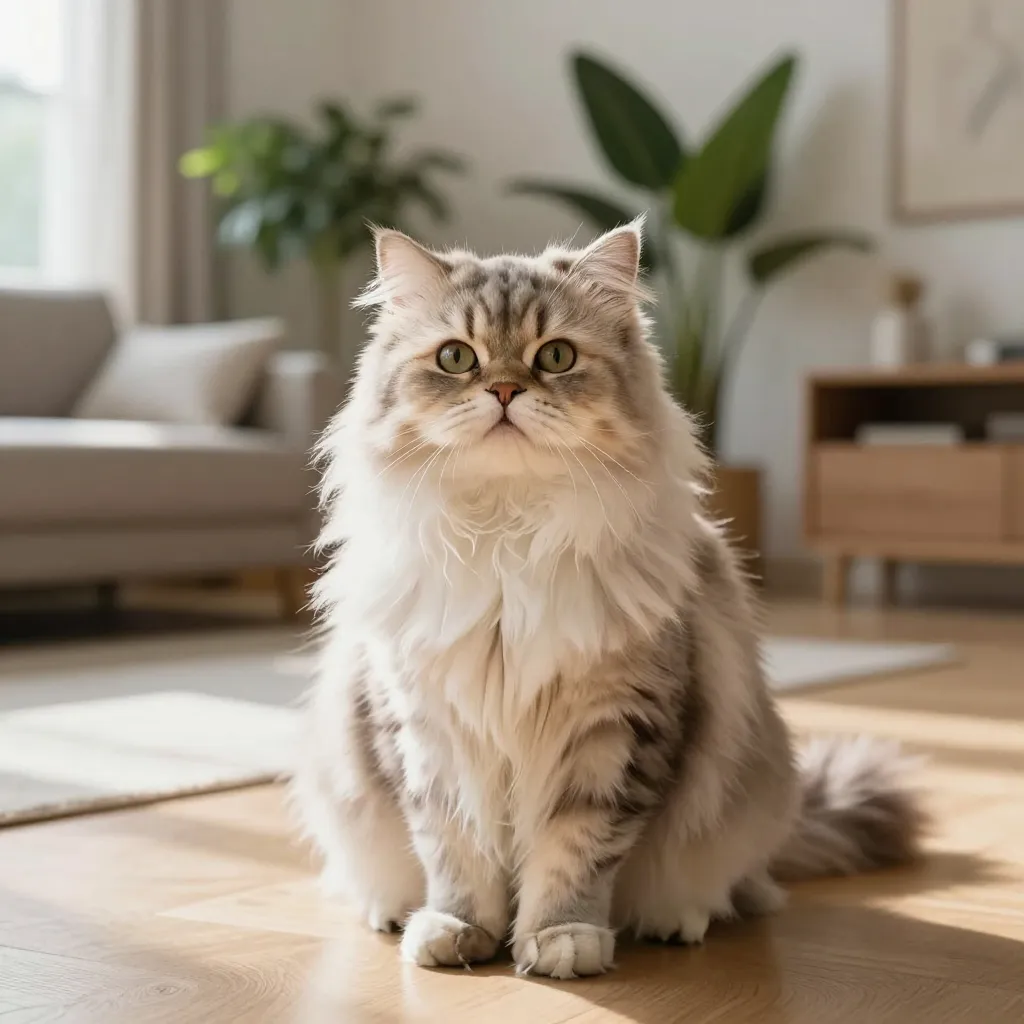
Both types can live 12 to 20 years with good care. But some long haired breeds have specific health issues. Persians can have breathing problems and eye issues. Maine Coons are prone to hip dysplasia.
Short haired breeds also have their own risks. Siamese cats can have respiratory issues. Bengals may have digestive sensitivities. Always research the specific breed, not just the coat type.
Mixed breed cats often have fewer health problems. If you adopt from a shelter, you’ll get a healthy cat regardless of coat length.
Conclusion
Choosing between a long haired and short haired cat comes down to your lifestyle. If you have time for daily grooming and don’t mind some extra fluff, a long haired cat can be a loving, calm companion. If you want an active, low-maintenance friend, a short haired cat might be perfect.
I’ve loved both types for different reasons. My long hair taught me patience and the joy of quiet moments. My short hair keeps me active and entertained. Whichever you choose, you’ll gain a wonderful friend.
Take your time, visit shelters, and meet cats of both types. Your perfect match is out there, whether they’re fluffy or sleek.
[[IMG:IMG12]]
FAQ
Do long haired cats shed more than short haired cats?
Long haired cats shed more visible fur, but short haired cats shed finer hairs that can be harder to clean. Both shed, but long hair is more noticeable.
Are long haired cats more expensive to own?
Yes, because of grooming supplies and potential professional grooming costs. But short haired cats may cost more in cleaning supplies like lint rollers and vacuum filters.
Which type is better for people with allergies?
Neither is guaranteed allergy-friendly. Some long haired breeds like Siberians produce less dander, while some short haired breeds can be more allergenic. Spend time with the cat before adopting.
Do long haired cats have more health problems?
Not necessarily, but they are more prone to hairballs and mat-related skin issues. Specific breeds have their own health risks regardless of coat length.
Can I keep a long haired cat if I’m busy?
You can, but you’ll need to commit to daily brushing. If that’s too much, consider a short haired cat or a low-maintenance long haired breed like the Ragdoll, which has a less dense coat.
[[IMG:IMG13]]