How to Potty Train a Puppy Fast (Without Losing Your Mind)
Bringing home a new puppy is pure joy—until that first little puddle on your rug. I remember standing in the kitchen, coffee in hand, wondering if I’d ever have a clean floor again. But here’s the truth: potty training doesn’t have to take months. With the right game plan, your pup can get it in days, not weeks.
I’ve learned that speed comes from consistency, not magic. You don’t need fancy sprays or expensive gadgets. You just need a system that works with your puppy’s natural instincts. Let me walk you through what actually works, step by step.
Ready to say goodbye to accidents? Let’s dive into the fastest way to potty train your puppy.
Start With a Tight Schedule From Day One
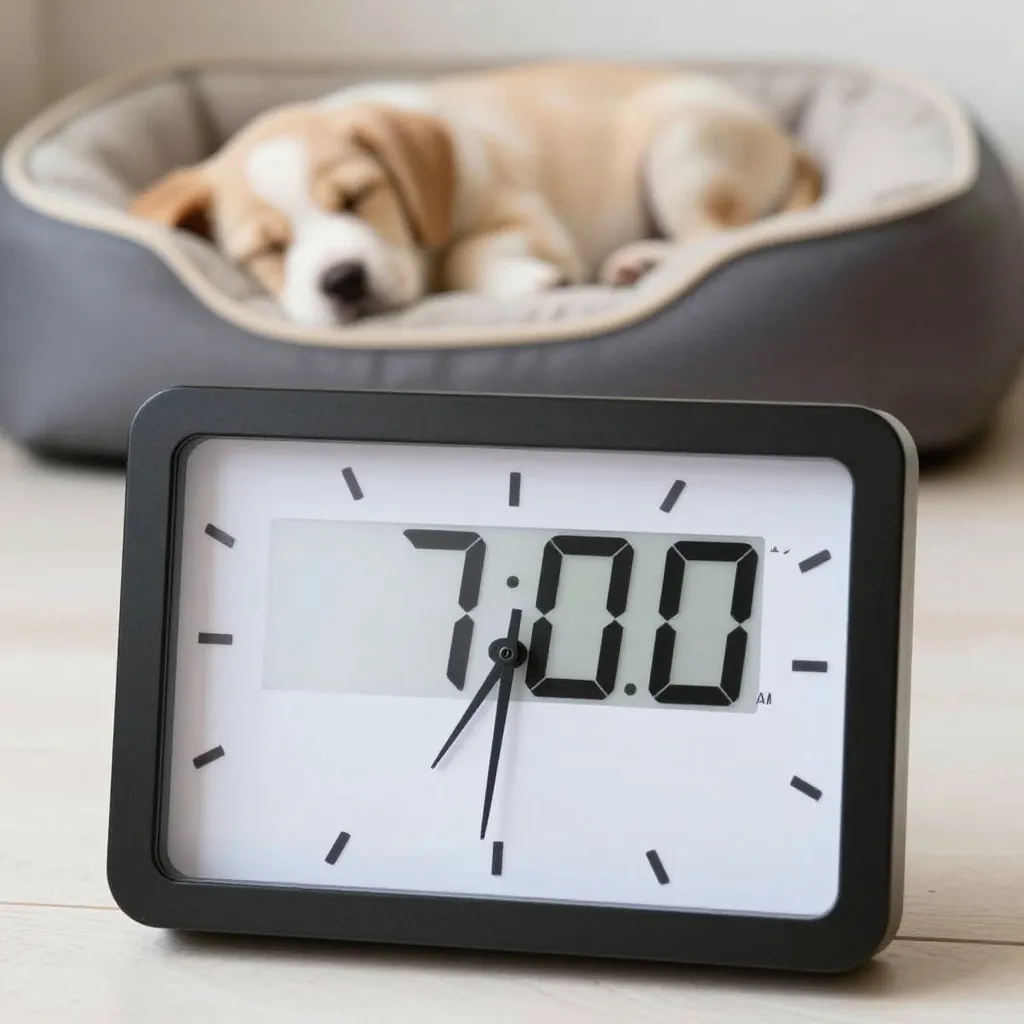
Puppies thrive on routine. The moment you bring them home, set a timer. Take them out first thing in the morning, after every meal, after naps, and before bedtime. No exceptions.
I recommend taking your puppy out every 30 to 60 minutes at first. Yes, it feels like a lot. But each successful trip outside is a win your puppy remembers. They learn that outside is the bathroom, not inside.
Keep a log on your phone or a sticky note. Mark when they eat, sleep, and potty. Patterns emerge fast, and you’ll learn their cues before they even whine.
Pick a Designated Potty Spot Outside
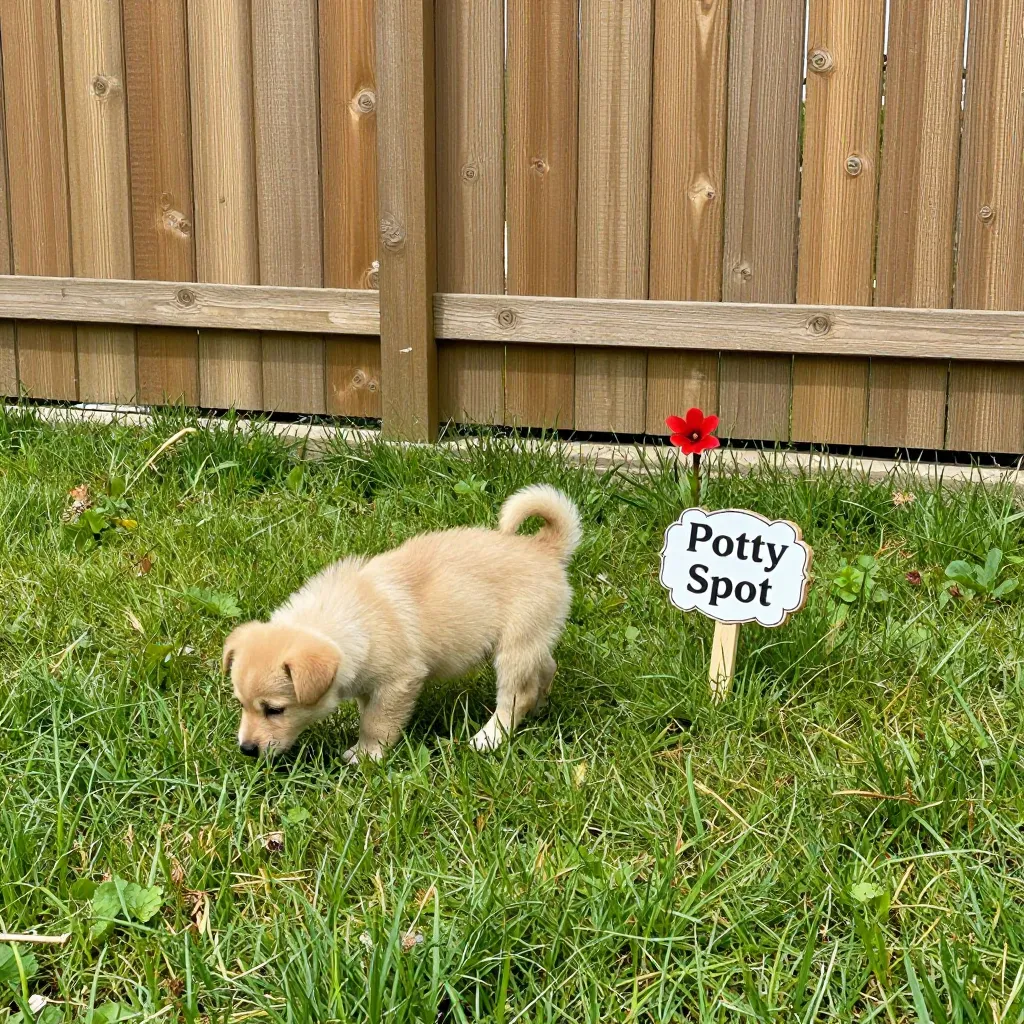
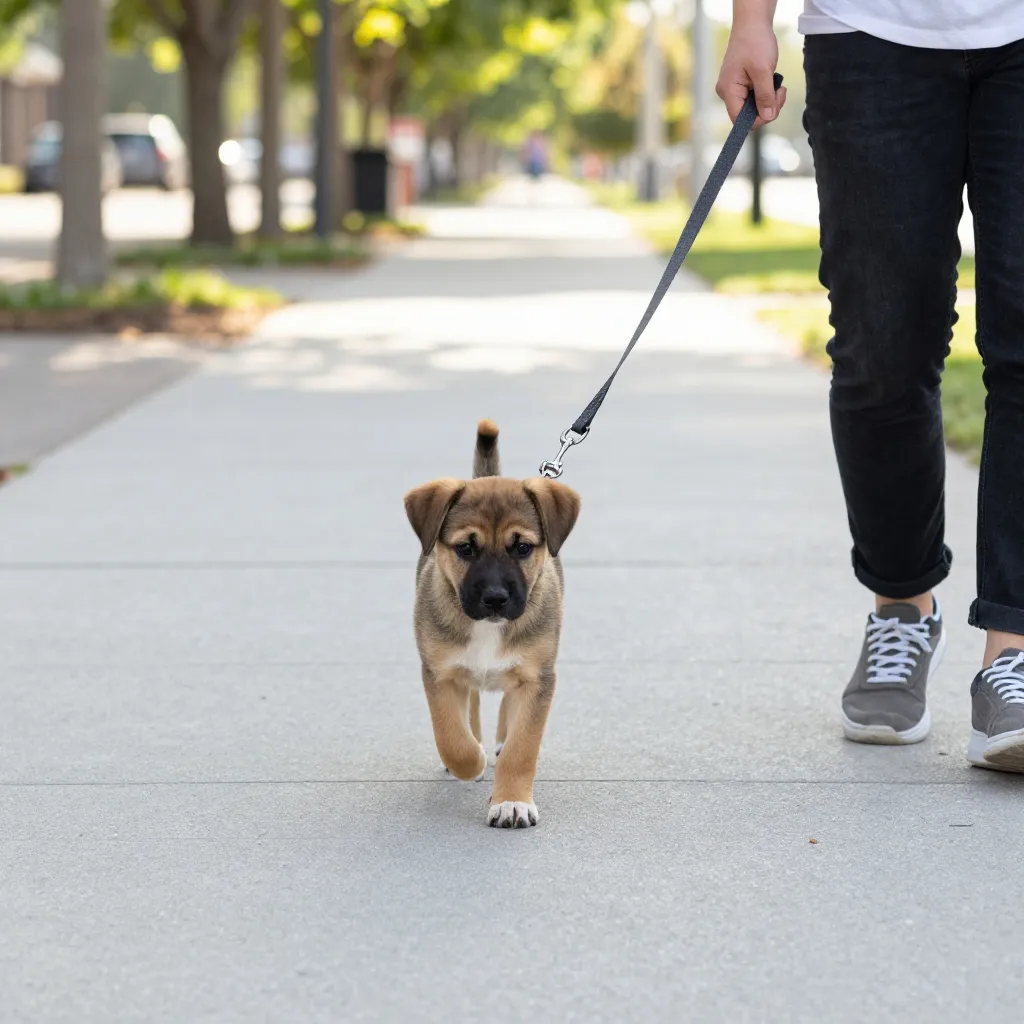
Don’t just wander around the yard. Choose one specific spot—like a corner near the fence or a patch of grass. Bring your puppy there on a leash every single time.
The smell tells their brain, “This is the place.” Within days, they’ll head straight there on their own. It’s like giving them a map to the bathroom.
I used the same spot for my lab puppy, and by day three, he’d trot right over and get to business. No sniffing around, no confusion.
Reward Immediately and Enthusiastically
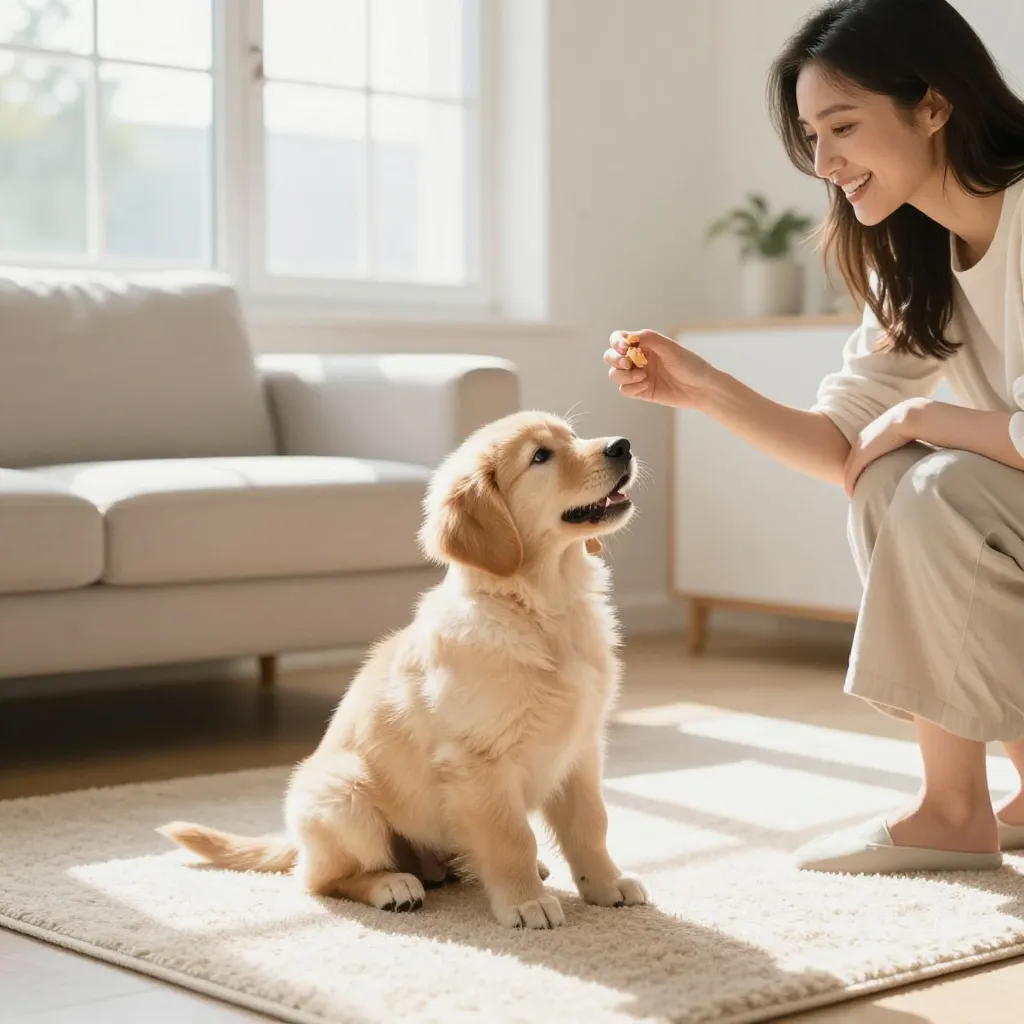
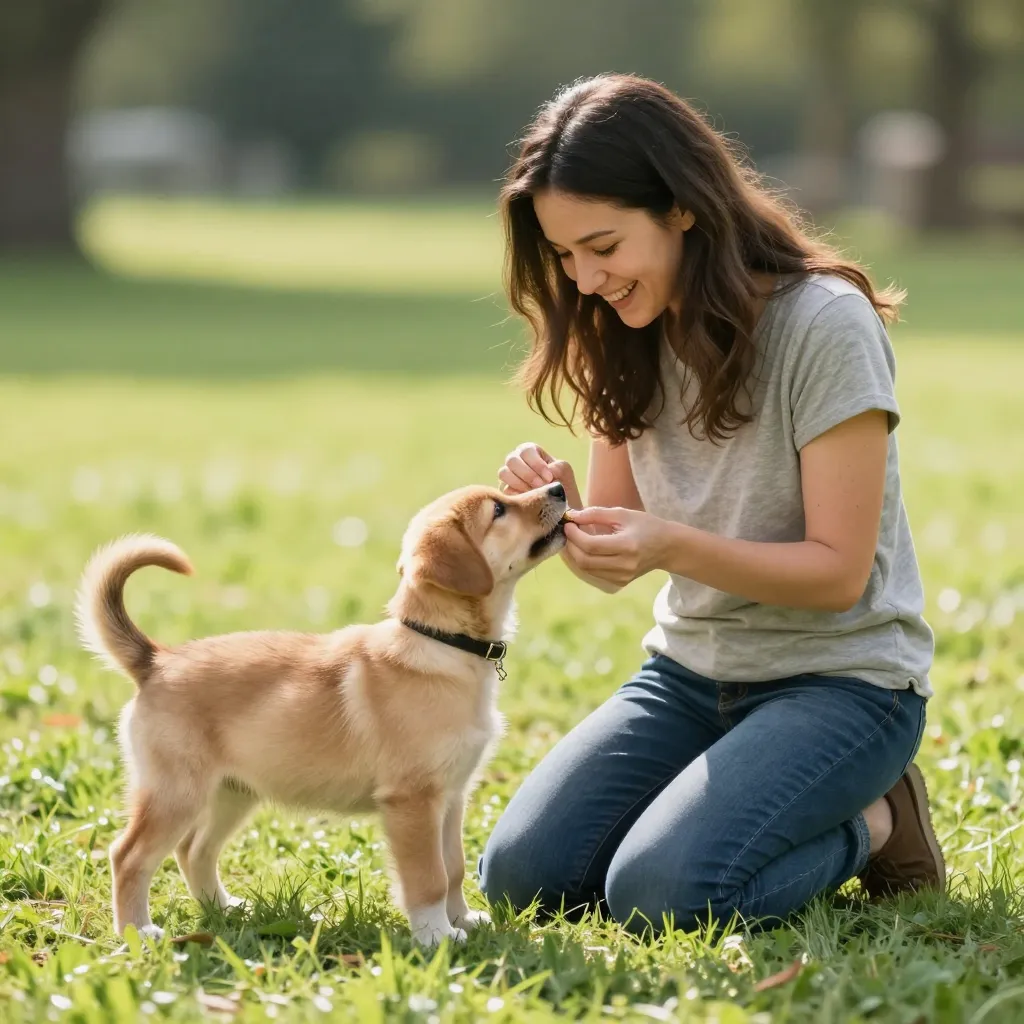
Timing is everything. The second your puppy finishes outside, throw a tiny treat party. Say “yes!” in a happy voice, give them a small bite, and make a big deal.
Why? They need to connect the action with the reward. Even a five-second delay can confuse them. Keep treats in your pocket or a pouch by the door so you’re always ready.
I keep a jar of freeze-dried liver near the back door. It’s high value, and my puppy knows that potty outside = the best snack ever. That motivation speeds up the whole process.
Use a Crate for Short Periods
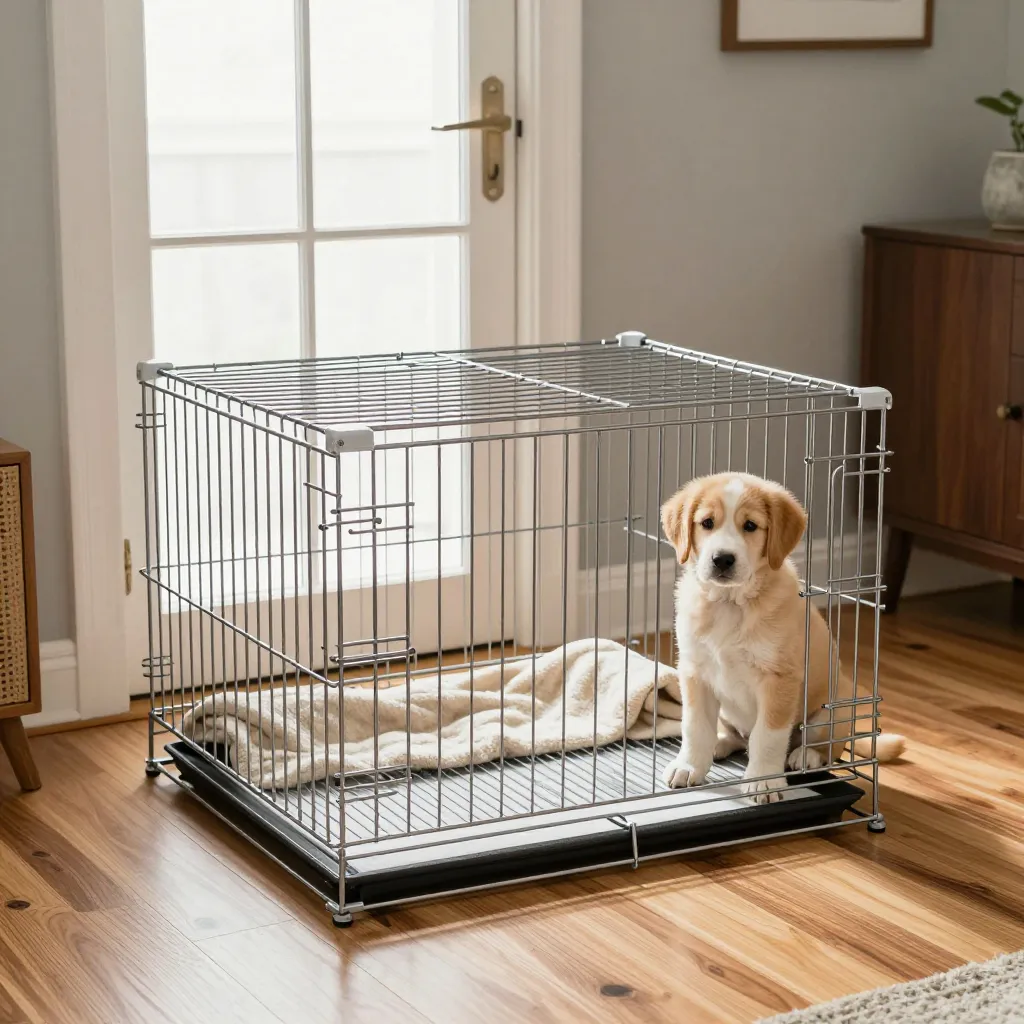
Crate training is a shortcut, not a punishment. Dogs naturally avoid soiling where they sleep. A properly sized crate teaches them to hold it.
Make sure the crate is cozy—add a soft blanket and a safe toy. Never leave them in there longer than they can physically hold it. For a 10-week-old puppy, that’s about two hours max.
I use the crate during naps and when I can’t watch them closely. Every time they come out, straight outside. They learn to wait, and you learn to trust them.
Watch for the Telltale Signs
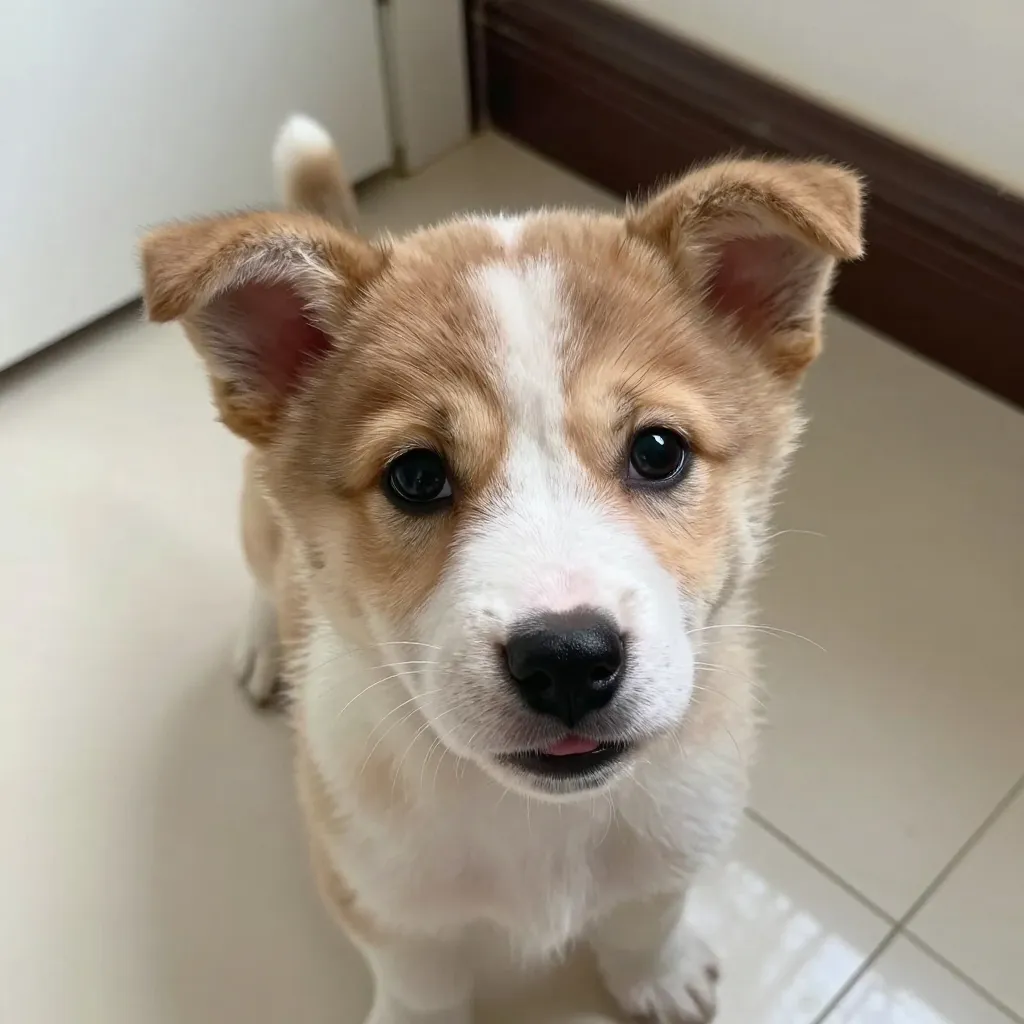
Puppies don’t speak English, but they give clear signals. Sniffing the floor, circling, whining, or suddenly leaving the room—those are your cues.
The moment you see any of these, scoop them up and head outside. Don’t wait, don’t scold. Just move fast. The faster you respond, the faster they learn.
I call it “puppy radar.” After a few days, you’ll start noticing their pre-potty dance from across the room. It becomes second nature.
Limit Freedom Until They’re Reliable
Giving full run of the house too soon is a recipe for accidents. Use baby gates, close doors, or keep your puppy on a leash attached to you.
When they’re within arm’s reach, you can spot every signal. When they’re in another room, you’re guessing. Keep them close for the first week or two.
I tethered my puppy to my belt loop while working from home. It felt silly, but it worked. No hidden accidents, and he learned to wait for my cue.
Clean Accidents With an Enzyme Cleaner
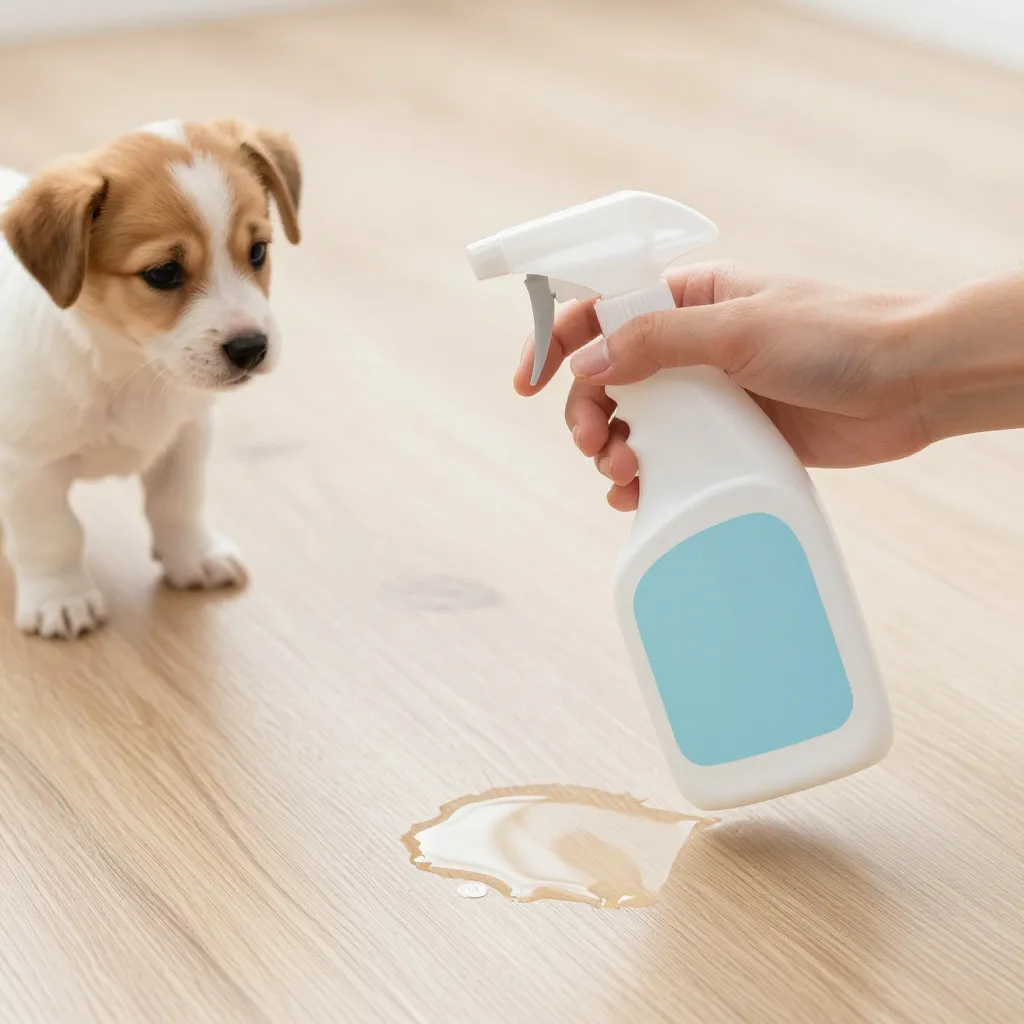
Regular soap won’t cut it. Puppies smell the leftover ammonia and think, “Oh, this is a potty spot.” Use an enzyme cleaner that breaks down the odor completely.
Blot the area first, then spray and let it sit. Follow the instructions exactly. If they can still smell it, they’ll return to the same spot.
I learned this the hard way after my puppy kept peeing on the same rug. One enzyme treatment later, the spot was invisible to his nose. Problem solved.
Don’t Punish Accidents—Redirect Instead
Yelling or rubbing their nose in it doesn’t work. It makes them scared to potty in front of you, which means they’ll hide and go behind the couch.
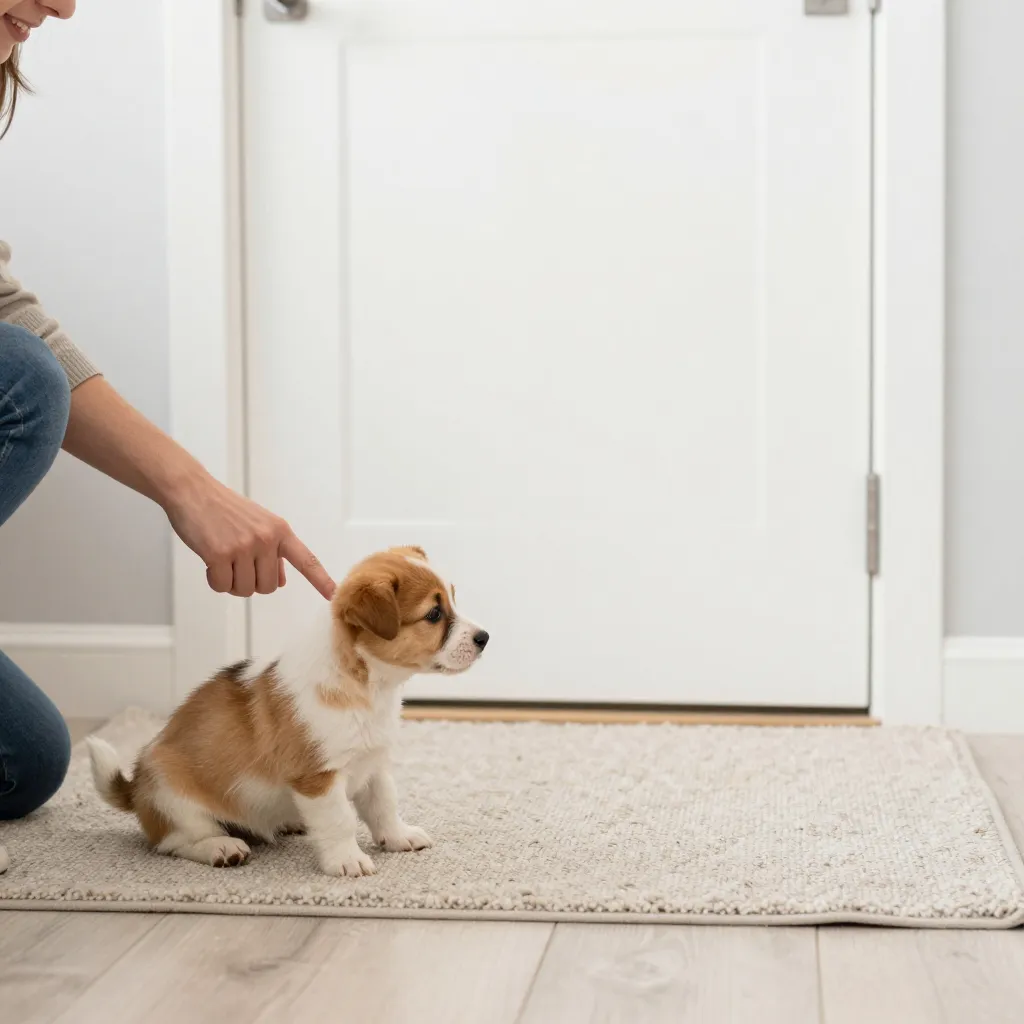
If you catch them in the act, clap once to interrupt, then immediately take them outside. If you find a mess later, clean it up silently. They won’t connect punishment to something that happened minutes ago.
Stay calm. Puppies have tiny bladders and big emotions. Your patience builds their confidence.
Adjust for Nighttime Potty Breaks
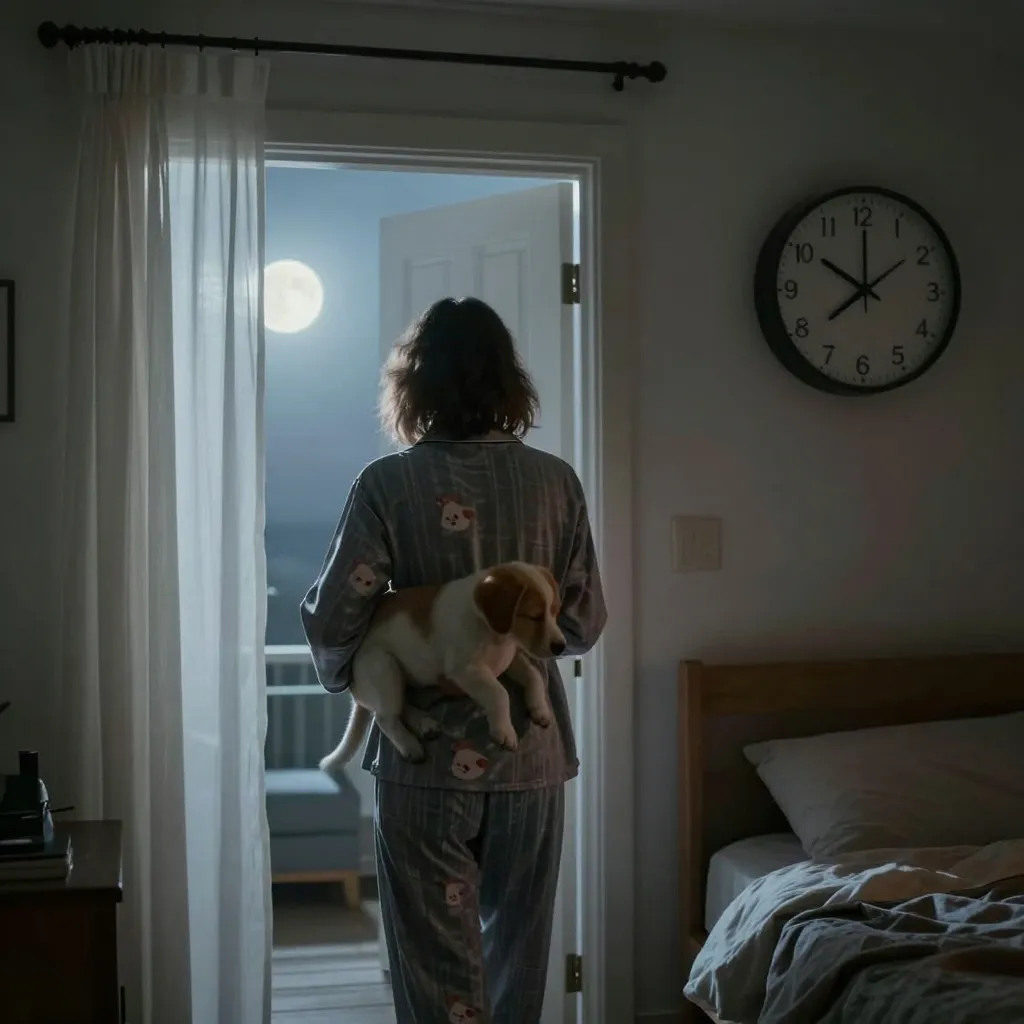
Puppies can’t hold it all night at first. Set an alarm for a middle-of-the-night potty break. Take them out quietly, no playtime, just business.
As they grow, you can push the alarm later. Most puppies sleep through the night by 12 to 16 weeks, but every pup is different.
I set my alarm for 2 a.m. for the first week. It was rough, but after that, my puppy started sleeping until 5 a.m., then 6 a.m. It’s a short-term sacrifice for long-term freedom.
Stay Consistent, Even on Weekends
It’s tempting to sleep in or skip a potty break on lazy Sundays. Don’t. Inconsistency confuses puppies and stretches out training time.
Your puppy doesn’t know it’s a holiday. Their bladder runs on the same schedule. Stick to the routine, and you’ll both be free sooner.
Think of it like this: every day you stay consistent is a day closer to never cleaning up another puddle. That’s worth the early alarm.
Conclusion
Potty training a puppy fast isn’t about luck—it’s about consistency, timing, and a little patience. Start with a tight schedule, reward every success, and keep your puppy close. Clean accidents properly, stay calm, and don’t skip the routine. Before you know it, your puppy will be asking at the door. And you’ll finally have your clean floors back.
Frequently Asked Questions
How long does it take to potty train a puppy?
Most puppies get the basics within 1 to 2 weeks with consistent training. Full reliability often takes a few months, but you’ll see big progress fast.
Should I use puppy pads?
I skip them. Puppy pads can confuse your dog because they teach them it’s okay to potty indoors. It’s faster to train directly to go outside.
What if my puppy has accidents at night?
Set a middle-of-the-night alarm for a quick potty break. Limit water an hour before bed, and use a crate. Most puppies outgrow night accidents by 12 weeks.
Can I potty train an older dog the same way?
Yes. The same principles work for adult dogs, though they might take a little longer if they have bad habits. Patience and routine are key.
What’s the biggest mistake people make?
Giving too much freedom too soon. Supervise closely, use a crate, and stick to the schedule. Freedom comes after reliability.