How to Bathe a Cat Without Getting Scratched
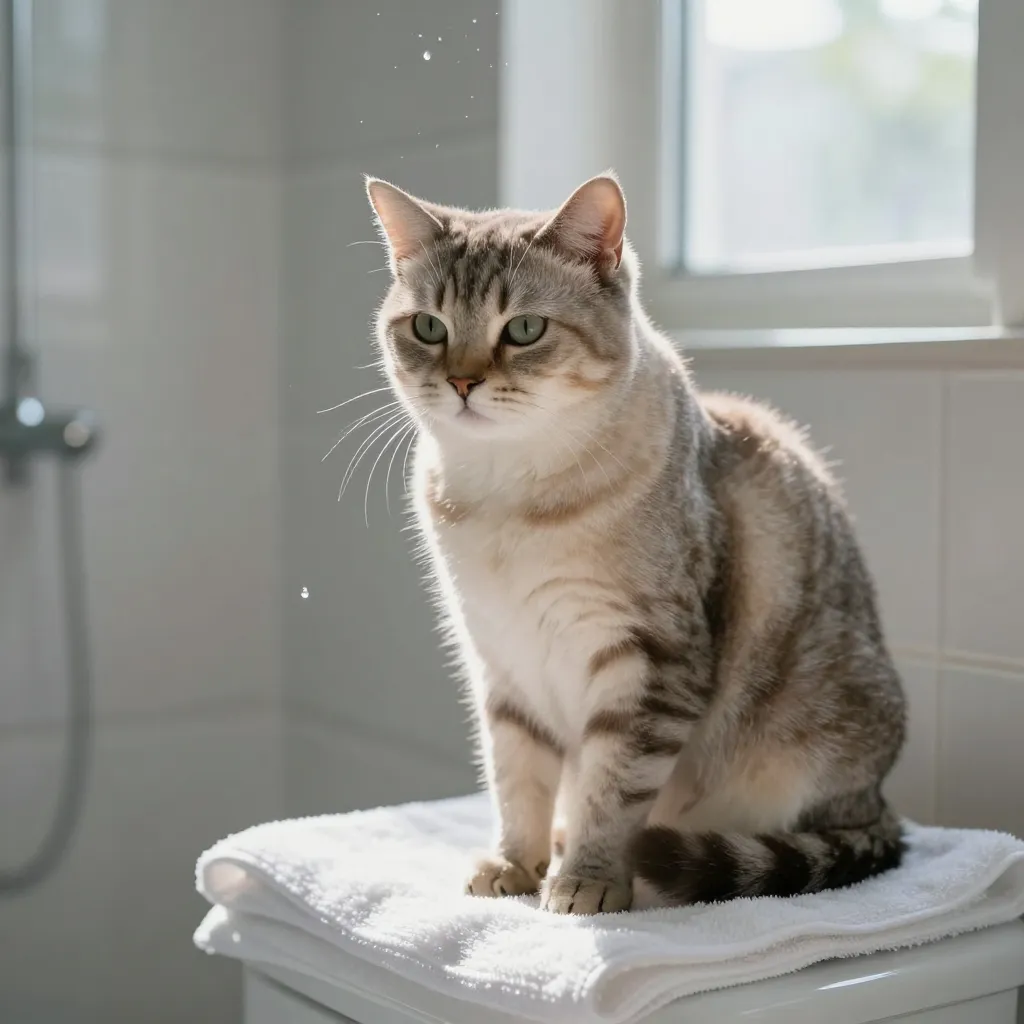
Let me guess: you need to bathe your cat, and your arms already look like you arm-wrestled a rose bush. I have been there. Bathing a cat sounds simple, but cats have strong opinions about water. They also have sharp claws and a deep desire to stay dry.
The good news? You can get through this without turning into a scratching post. It just takes a little planning, a calm attitude, and the right setup. I have bathed many cats (including my drama queen, Mochi), and these tricks actually work.
Let me walk you through the steps that keep you safe and your cat reasonably clean.
1. Trim Those Claws First
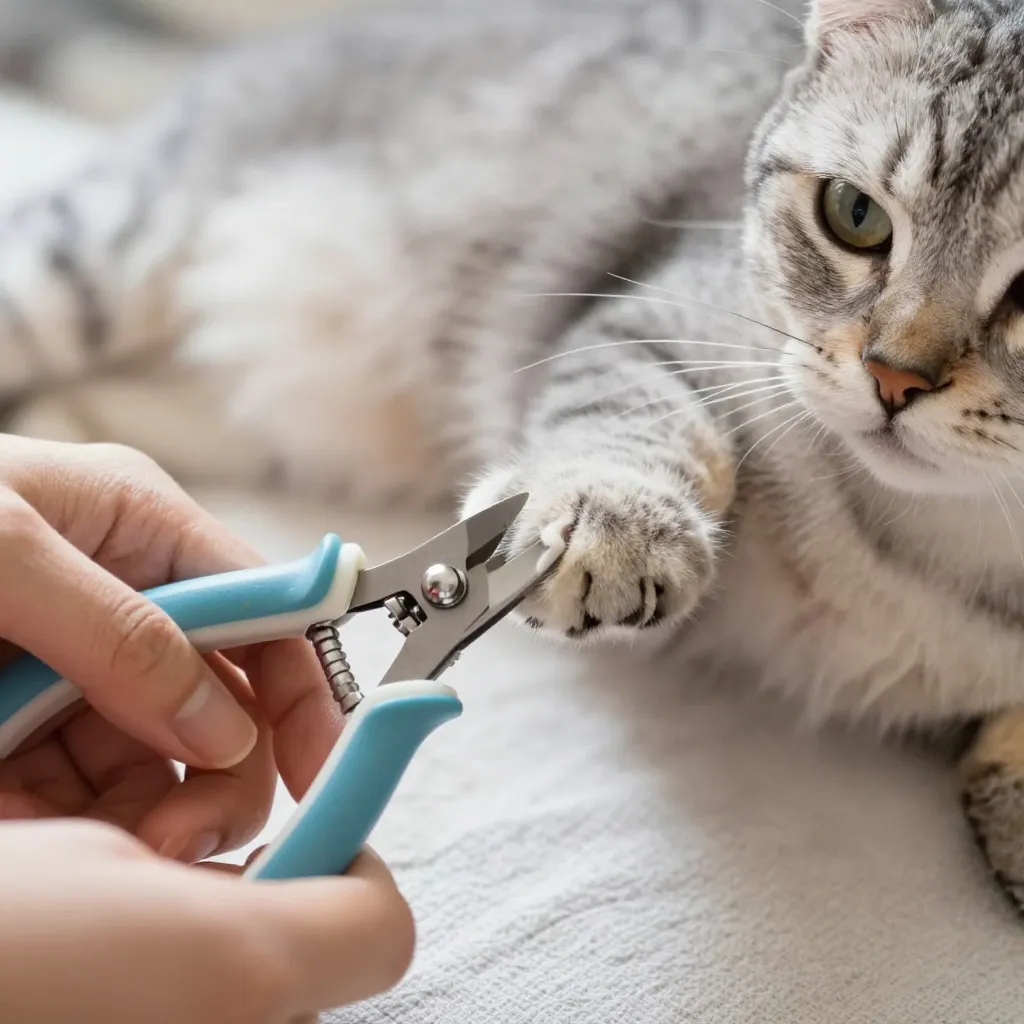
Before you even think about water, grab the nail clippers. This is your number one defense. Even a half-hearted trim makes scratches a lot less painful. If your cat has never had a claw trim, just snip off the very tips—the sharp little hooks.
Do this a few hours before the bath. That way, your cat is not already stressed from the nail trim when you bring out the water. A calm cat with dull claws is a win-win.
If you are nervous about clipping, ask a friend to hold a treat while you trim. Distraction works wonders.
2. Brush Out Tangles and Loose Fur
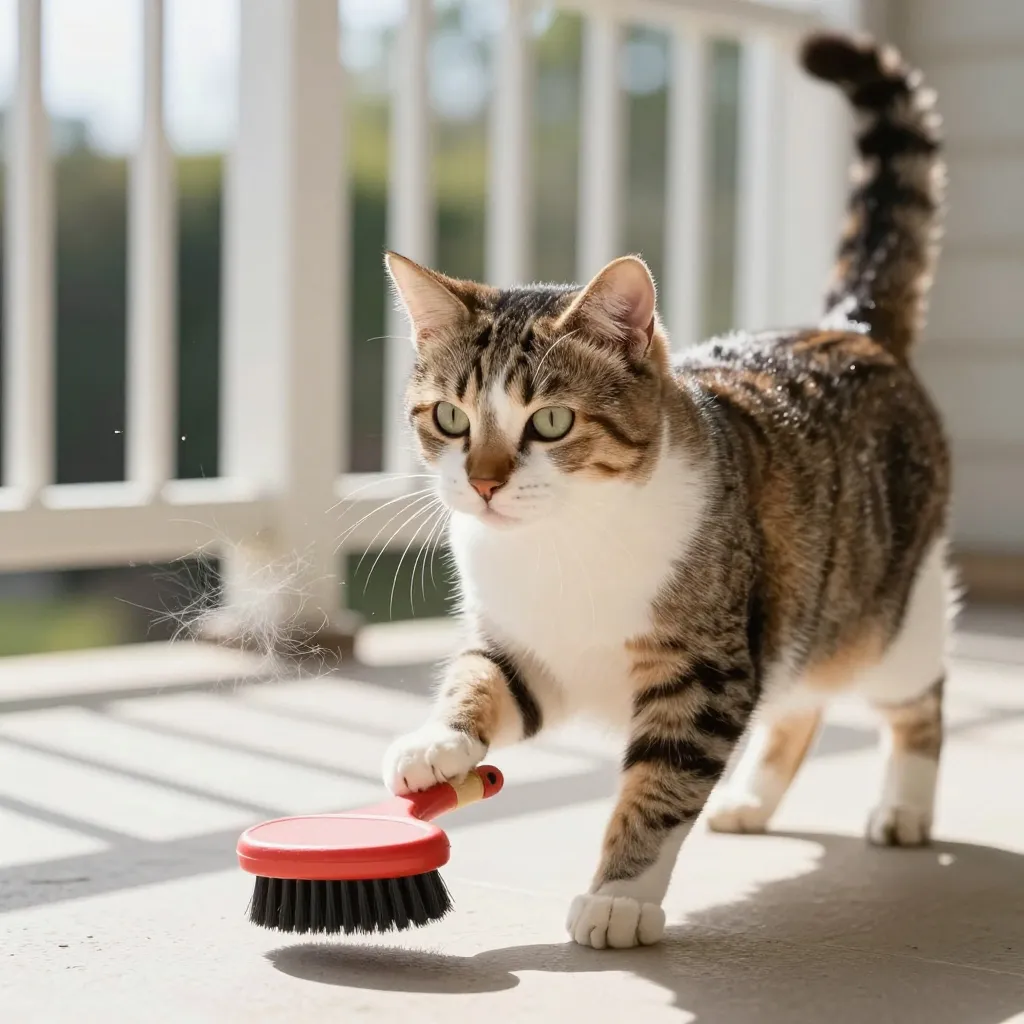
Wet fur mats like crazy. A matted cat gets uncomfortable, and an uncomfortable cat gets scratchy. Give your cat a good brushing before the bath. Remove all loose hair and any small tangles.
This step also helps you check for any skin issues or hidden burrs. Plus, less loose fur in your drain means fewer plumbing headaches later. Your cat might even enjoy the brushing part—it sets a relaxed mood.
Use a brush your cat already likes. This is not the time to try a new grooming tool.
3. Choose the Right Location
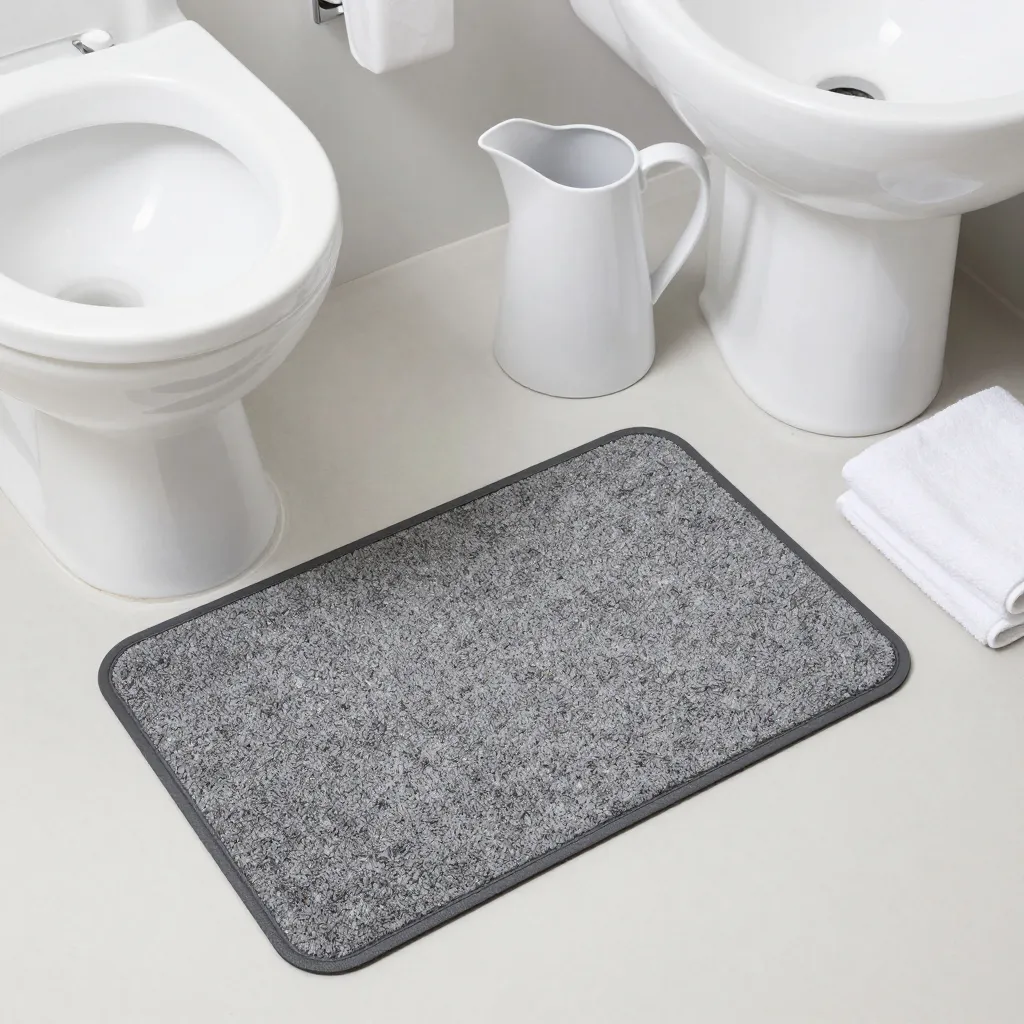
Do not use the big bathtub if you can avoid it. It is slippery, echoey, and feels huge to a scared cat. Instead, try the kitchen sink or a plastic storage bin. A smaller space helps your cat feel more contained and secure.
Put a rubber mat or a towel on the bottom of whatever you use. Slippery surfaces make cats panic, and panicked cats scratch. Give their paws something to grip.
Also, close the bathroom door. A cat that escapes will run through your whole house, dripping wet. Keep them contained.
4. Gather Everything Before You Start
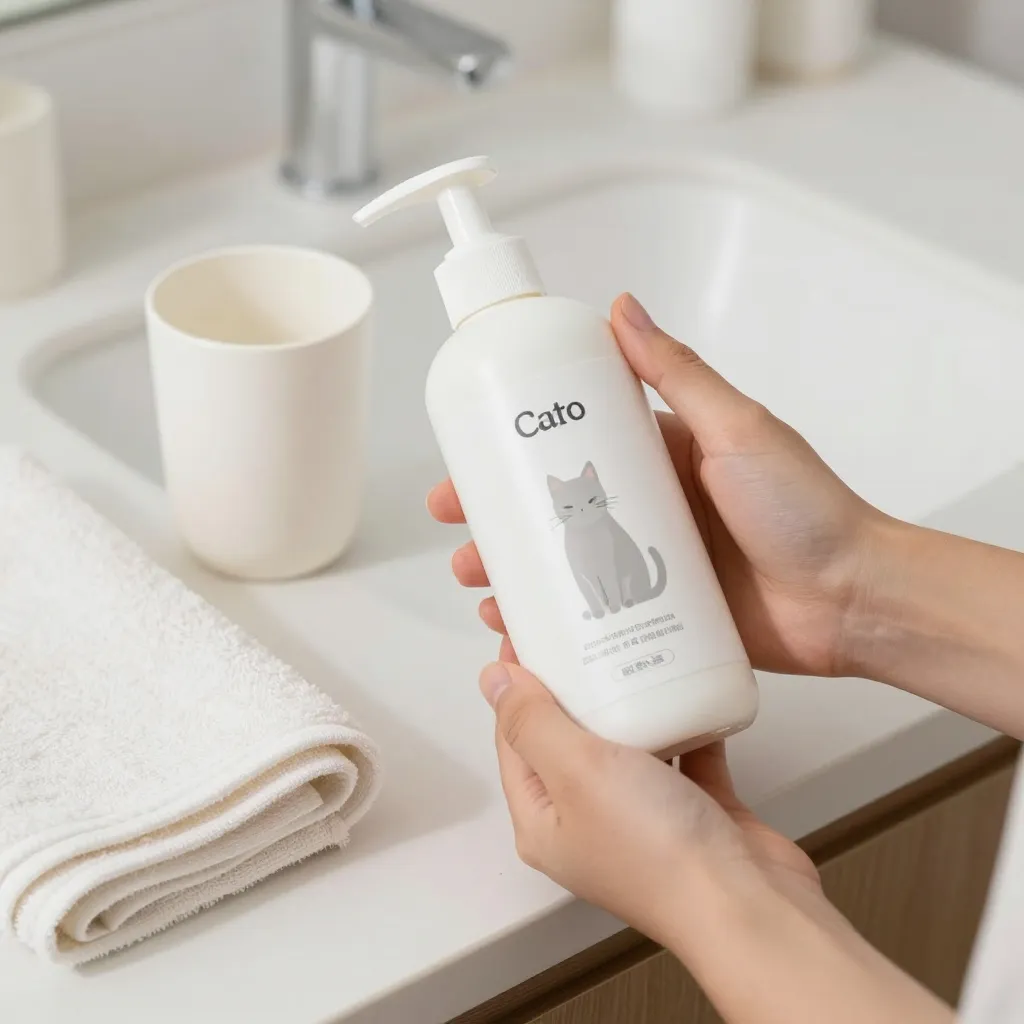
Do not start the water and then realize you forgot shampoo. That is a recipe for disaster. Have these items within arm’s reach: cat-safe shampoo, two towels, a cup for rinsing, and maybe a treat or squeeze tube of paste.
Fill the sink or bin with a few inches of lukewarm water before you bring your cat in. Running water is scary. Still water is much less terrifying. Test the temperature with your wrist—it should feel like a warm bath, not hot.
Keep a second towel nearby for drying. Trust me, one towel is never enough.
5. Use a Calm, Steady Voice
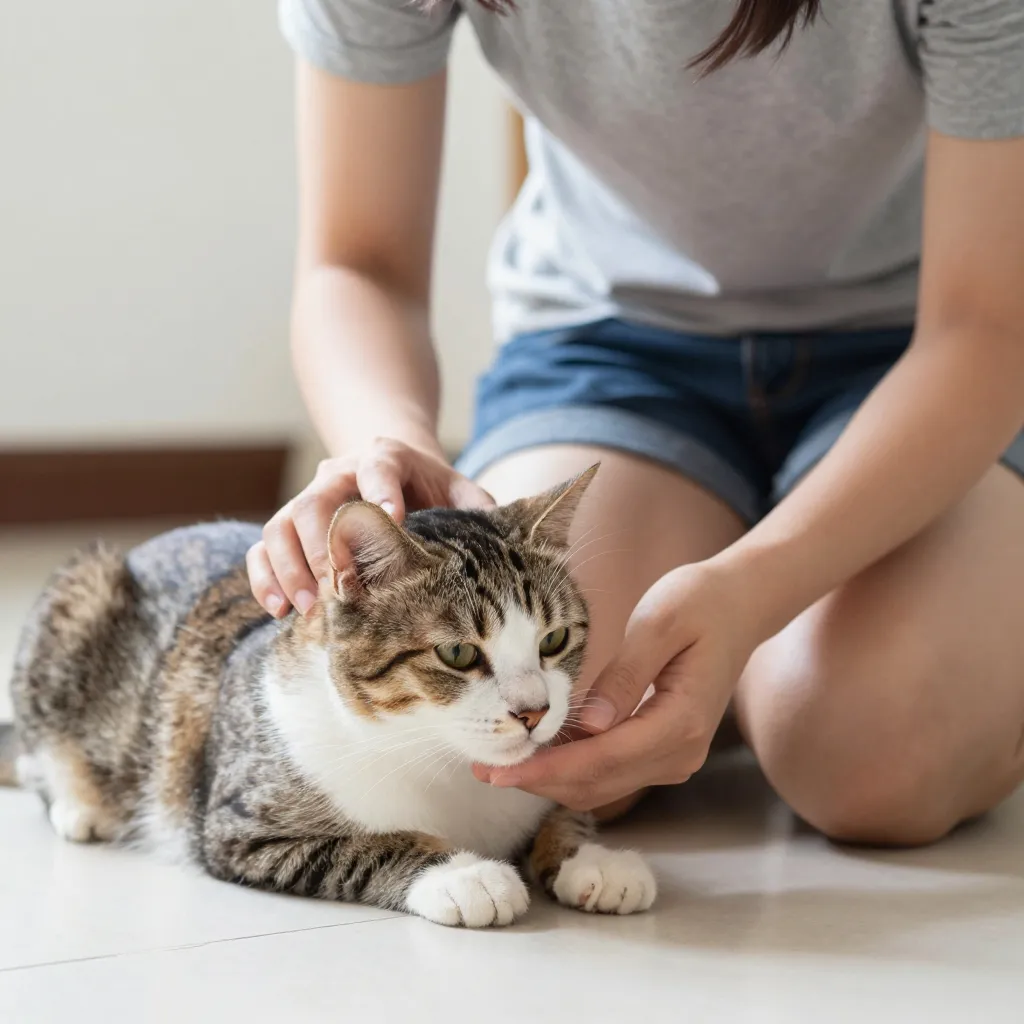
Your cat reads your energy. If you are nervous and rushing, your cat will feel that. Talk in a soft, low voice. Say their name. Tell them they are a good cat (even if they are not acting like one right now).
Do not make sudden movements. Move slowly and deliberately. If your cat starts to get agitated, pause and let them settle. A few extra minutes of calm is better than a scratched-up arm.
I sometimes hum or sing a boring song. It keeps my voice steady and helps me stay relaxed too.
6. Wet Your Cat Gently, From the Back
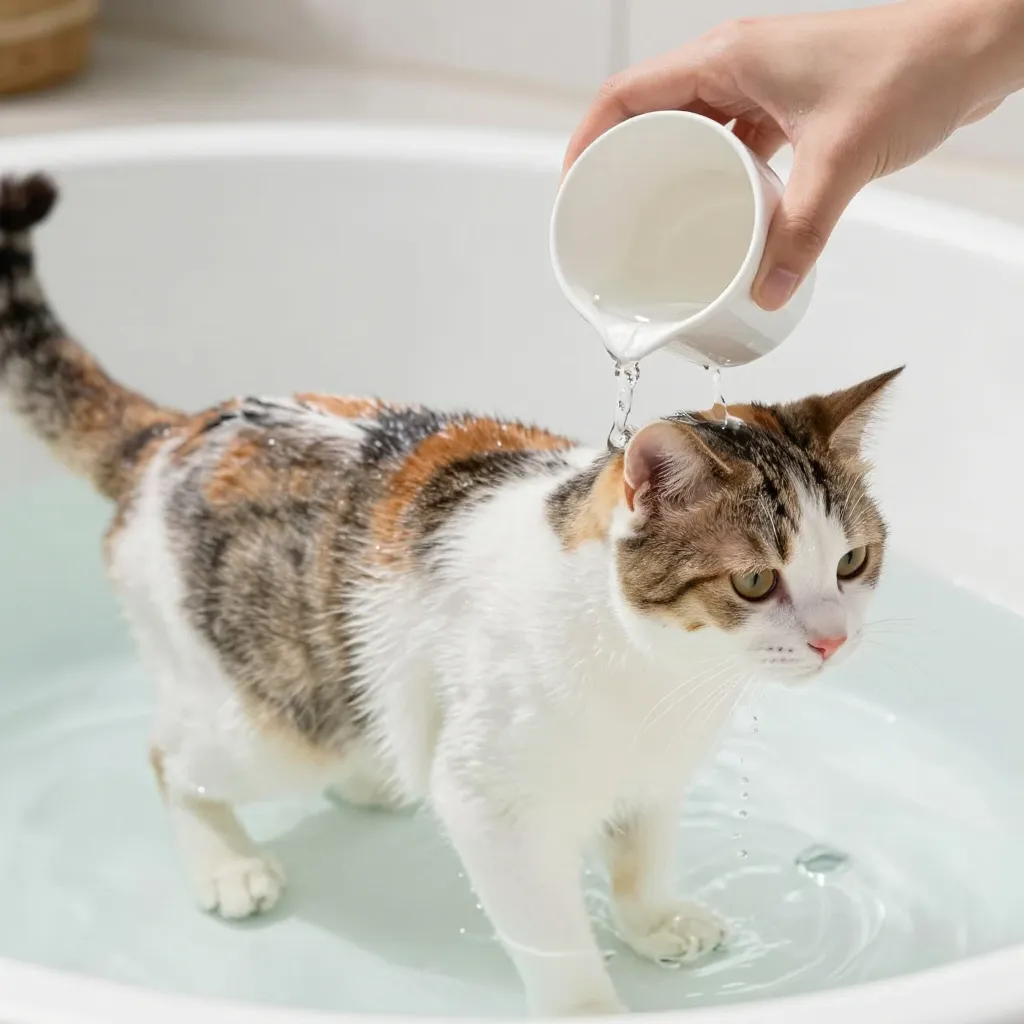
Never pour water directly on your cat’s head. That is a sure way to get scratched. Start from the back of the neck and work your way down. Use a cup or a sprayer on a very gentle setting.
Wet the body, legs, and tail. Avoid the face and ears entirely. You can clean those with a damp washcloth later. Most cats tolerate water better if it touches their back first, not their belly or head.
Keep talking and stay slow. If your cat tries to climb out, gently guide them back. Do not grab or squeeze—that triggers the fight response.
7. Lather Quickly, Rinse Thoroughly
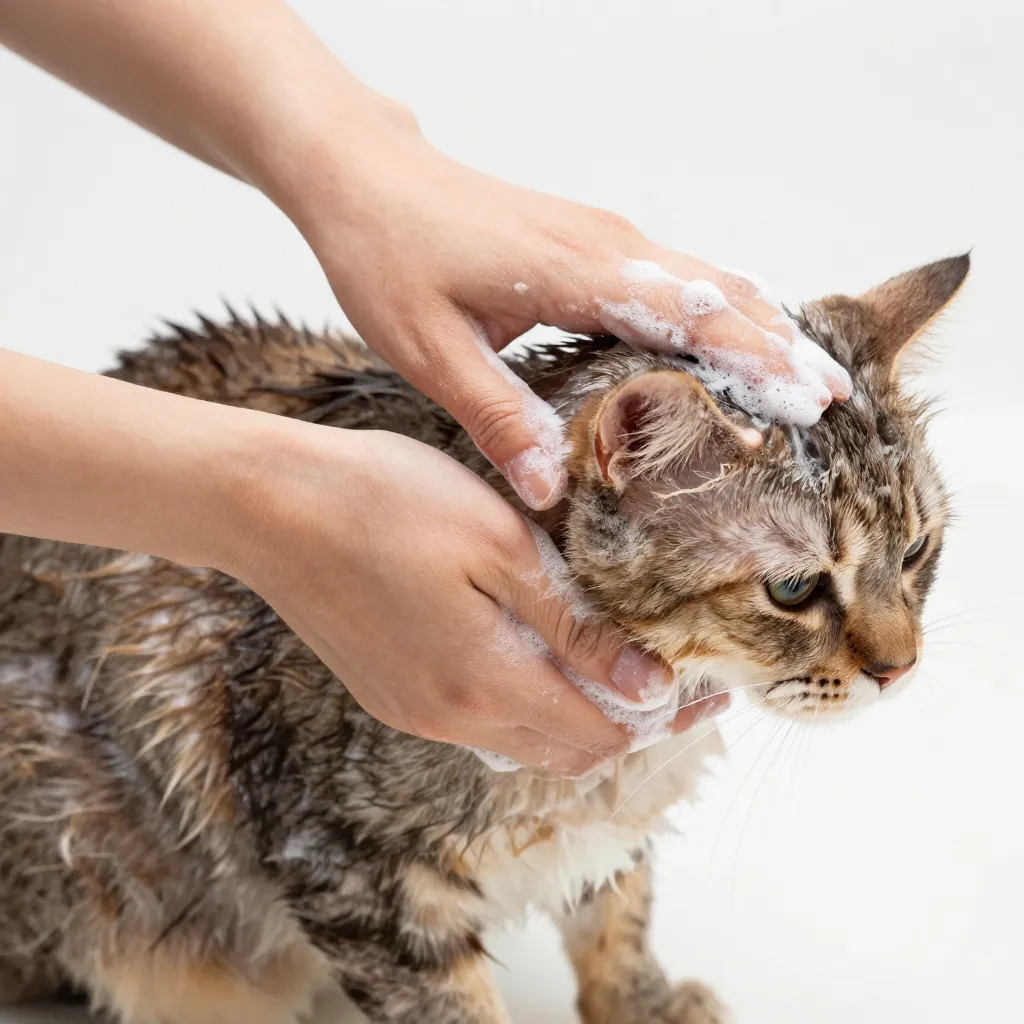
Use a small amount of cat-safe shampoo. Work it into a gentle lather on the back, sides, and belly. Do not scrub hard. A gentle massage motion works best. Keep one hand on your cat at all times so they feel supported.
Rinse thoroughly. Leftover soap can irritate your cat’s skin, and irritated skin leads to scratching later. Use clean lukewarm water and rinse until the water runs clear. No bubbles allowed.
If your cat is really stressed, skip the shampoo and just do a water rinse. It is better than a full battle.
8. Wrap in a Towel Immediately
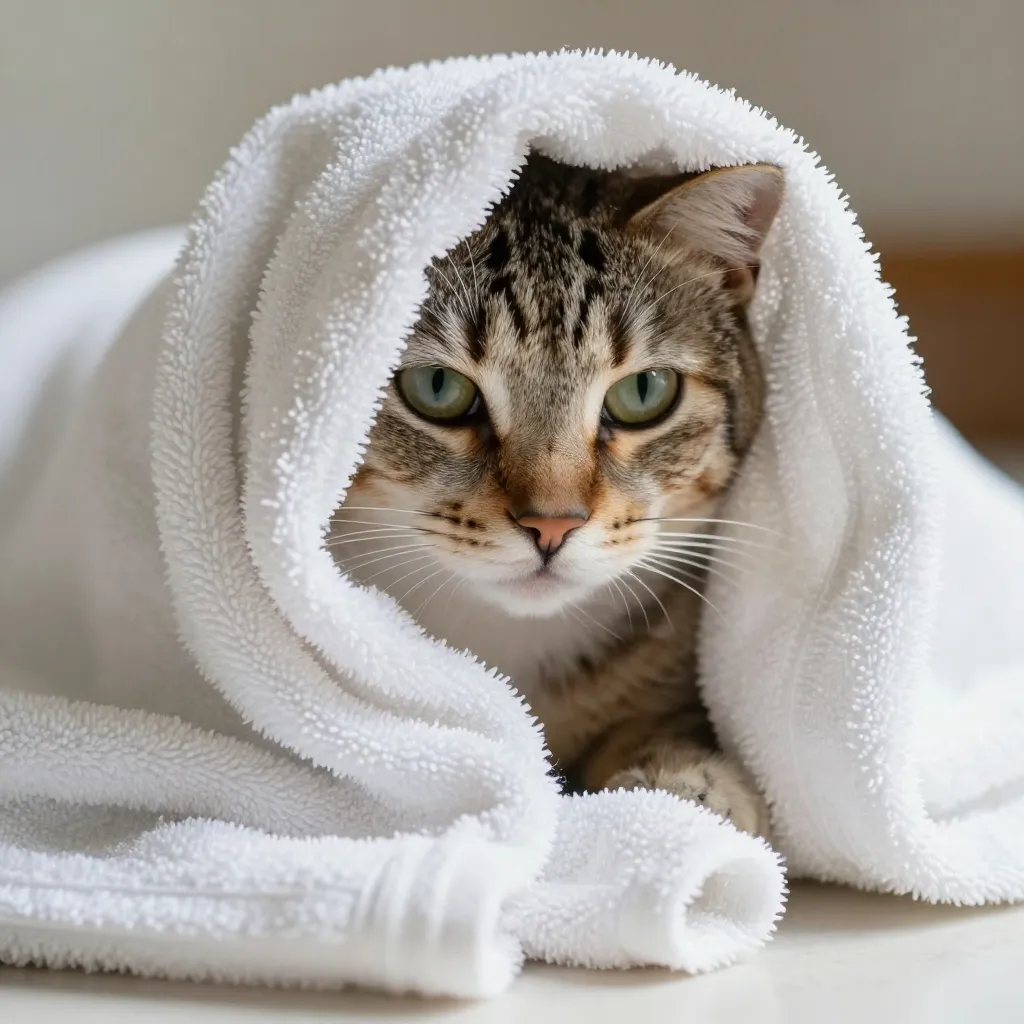
As soon as you are done rinsing, lift your cat out and wrap them in a towel. A burrito-style wrap works best. This keeps them warm and prevents them from shaking water everywhere. It also stops any reflexive scratching.
Gently pat dry. Do not rub hard—that just creates tangles and static. If your cat tolerates it, you can use a second towel to get more moisture out. Change towels if the first one gets soaked.
Keep your cat in a warm, draft-free room while they finish drying. No open windows or fans directly on them.
9. Try a No-Water Bath Option
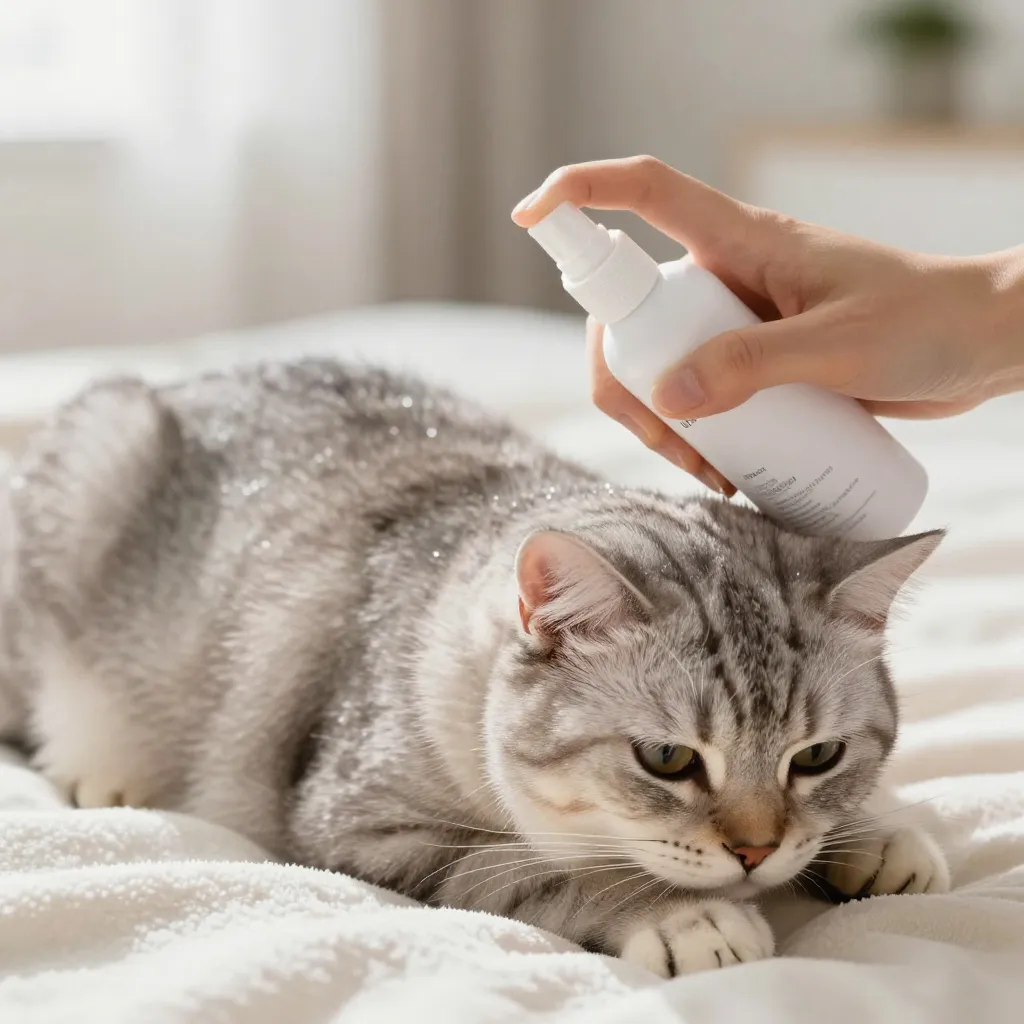
Sometimes a full bath is not necessary. If your cat just has a dirty spot or a little grease, use a waterless cat shampoo. These are foam or spray products that you massage into the fur and then towel off. No water, no struggle.
Waterless shampoo is also great for cats who absolutely panic at the sight of water. Your cat stays calm, you stay scratch-free, and everyone is clean enough. It is a solid backup plan.
I keep a bottle in my cabinet for emergencies. It has saved my skin more than once.
10. Reward Your Cat (and Yourself)
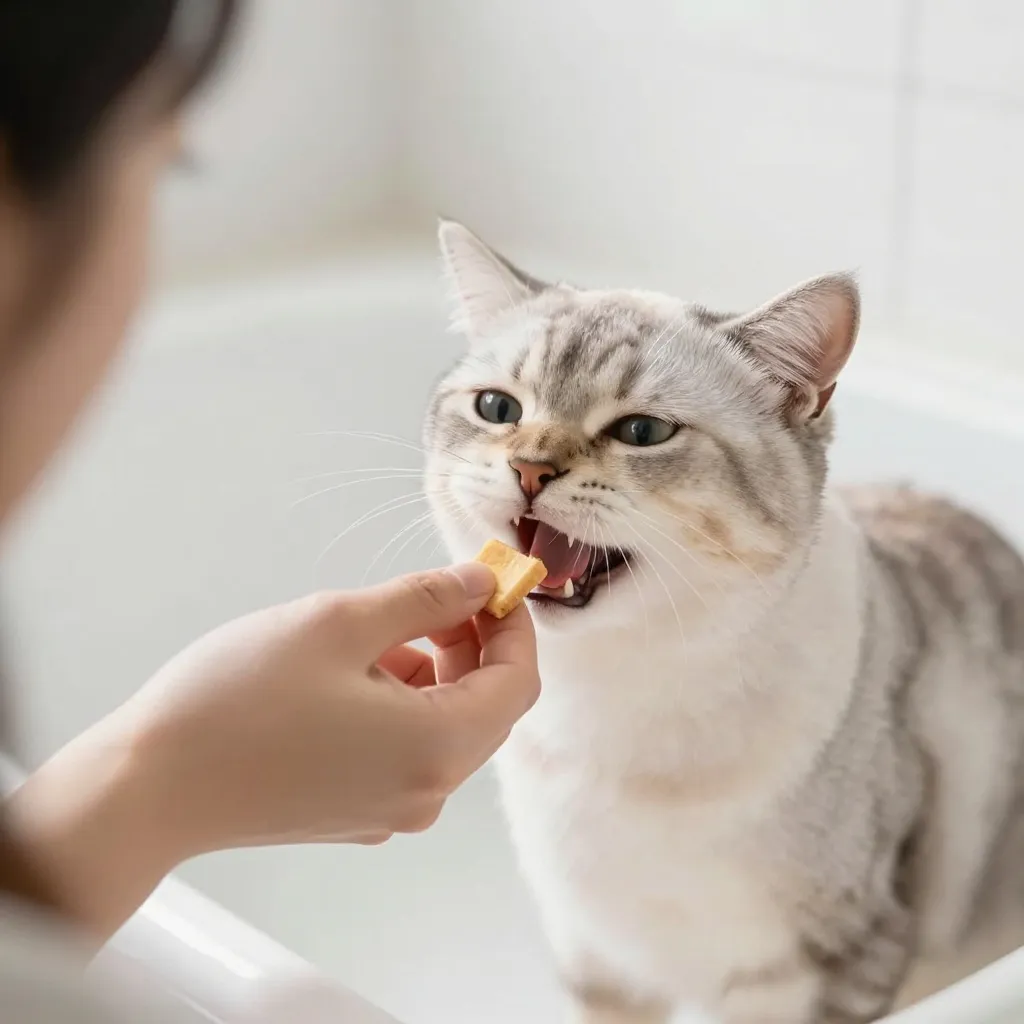
After the bath, give your cat a high-value treat. Something they only get on special occasions. This helps them associate bath time with something positive. A few treats now can make future baths easier.
Then, take a breath. Clean up the mess. Put a bandage on any small scratches. You did it. You and your cat survived.
Next time, your cat will remember the treat at the end. That alone makes the whole process a little smoother. And honestly, you will be more confident too.
Conclusion
Bathing a cat without getting scratched is totally doable. It just takes preparation, patience, and a gentle touch. Trim those claws, stay calm, and use a small space. Remember, your cat is not trying to hurt you—they are just scared. Your job is to make it as safe and boring as possible.
Not every bath will be perfect. That is okay. Try the waterless option if you need to. The goal is a clean cat and intact skin. You can do this.
FAQ: Bathing a Cat Without Getting Scratched
Q: Can I use human shampoo on my cat?
No. Human shampoo is too harsh for a cat’s skin. Use a shampoo made specifically for cats. It is gentler and safer if they lick their fur afterward.
Q: How often should I bathe my cat?
Most cats only need a bath every few months, or when they get into something messy. Cats groom themselves well. Over-bathing can dry out their skin.
Q: What if my cat absolutely hates water?
Use a waterless cat shampoo or cat wipes. You can also try a damp washcloth for spot cleaning. Some cats never learn to like baths, and that is fine.
Q: Should I wear long sleeves or gloves?
Long sleeves can help, but they might make you less careful. Gloves can scare some cats. I prefer trimming claws and using a calm approach. That works better than armor.
Q: What do I do if my cat scratches me during the bath?
Stay calm. Stop the bath if you need to. Clean the scratch with soap and water. If it is deep, see a doctor. Then try again another day with a calmer setup or a waterless method.