13 Genius DIY Cat Houses That Hide in Plain Sight
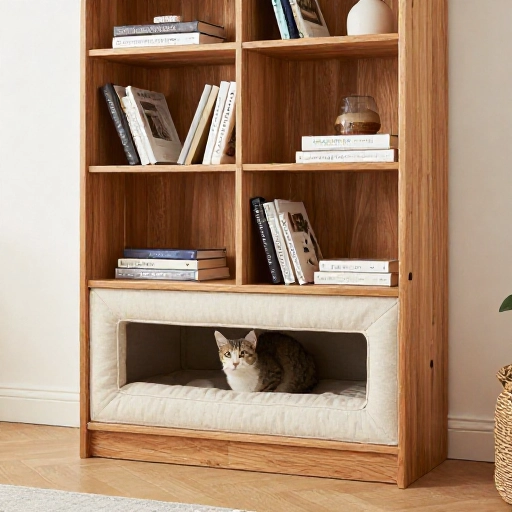
Let’s be real—our cats rule the house. But that doesn’t mean your living room has to look like a pet store threw up in it. The best cat furniture is the kind that blends in so well, guests don’t even realize it’s there until a tail flicks out from a bookshelf.
I’ve rounded up 13 clever DIY cat houses that double as decor. These aren’t your average cardboard boxes (though those have their place). These are projects that turn everyday furniture into feline hideaways. Most of them are surprisingly simple to make with stuff you might already have.
1. The Bookcase Cubby Hideaway
Take an old bookshelf and dedicate one or two cubes as a private nook. Cut a round hole in the side panel between two cubes so your cat can slip from one level to the next without ever hitting the floor. Line the back with a soft fleece throw.
Use the other shelves for books, plants, or baskets. The key is to make the cat area look intentional—add a little hanging toy or a small framed photo above the opening.
Your cat gets a multi-level escape, and you get to keep your books out in the open. Win-win.
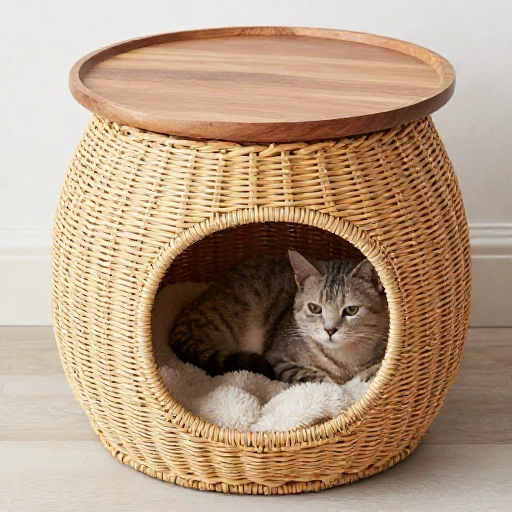
2. The Side Table Igloo
This one is a classic for a reason. Find a round wooden side table with a cloth skirt or a solid base. Flip a shallow basket upside down and cut a cat-sized arch into the side. Place the table over it.
Top the table with a stack of coffee-table books, a small plant, or a candle. The basket becomes a cozy igloo that’s totally hidden from view.
It’s the perfect spot for a shy cat who wants to watch the room without being seen.
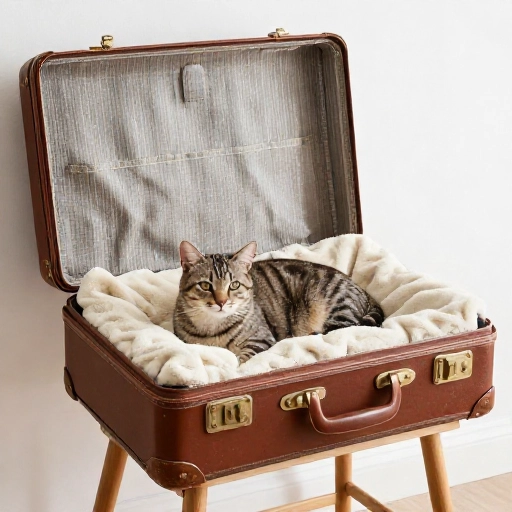
3. The Repurposed Suitcase Den
Old hard-shell suitcases are gold for this project. Open one up and attach the top half to the bottom with a hinge so it stays open at an angle. Cut a small circular entrance in the side of the lower half.
Line the inside with a soft pillow or an old sweater. The open top creates a cool, cave-like space with a vintage vibe. Stack another suitcase on top for a two-story effect.
You can find these at thrift stores for a few bucks. Just give them a good wipe-down first.
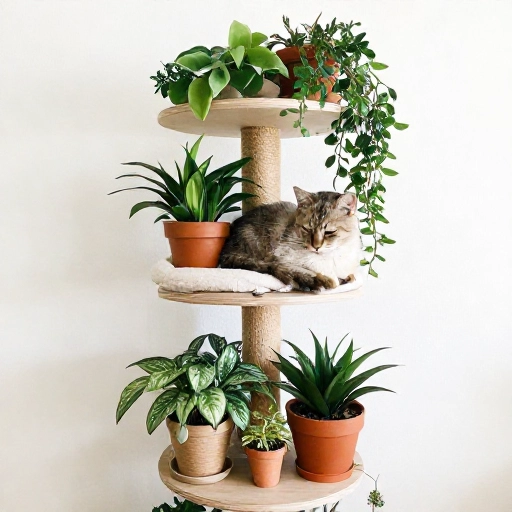
4. The Plant Stand Sanctuary
If you have a tall plant stand with a solid base tier, turn the bottom section into a hideout. Use a woven basket or a piece of fabric to create a curtain that covers the lower opening.
Place a cushion inside. The plant on top provides natural shade and makes the whole thing look like a deliberate indoor garden feature.
Cats love feeling like they’re in a jungle hideout. This one’s especially great for warmer months.
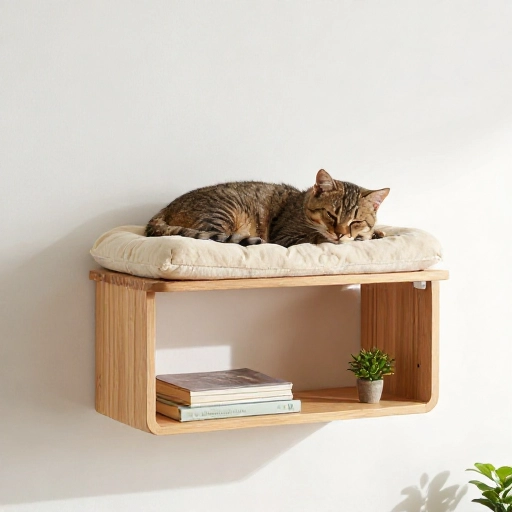
5. The Floating Shelf Loft
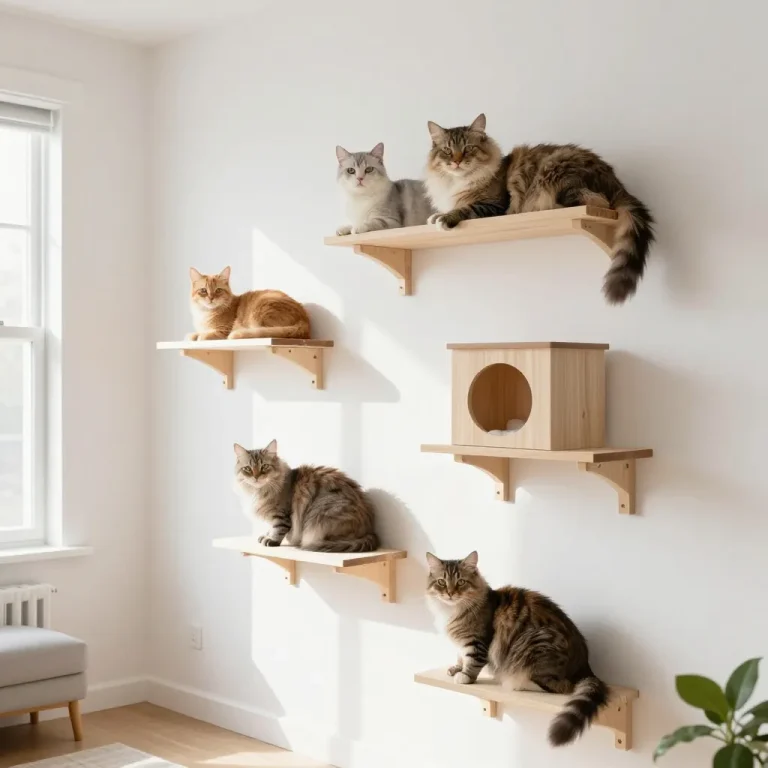
Mount a sturdy floating shelf a few feet off the ground in a quiet corner. Attach a small, open-front box to the underside. The box becomes a suspended bed, and the shelf above is a lookout perch.
Wrap the whole thing in a color that matches your wall. Add a little non-slip mat on the shelf.
This one takes up zero floor space. It’s perfect for small apartments.
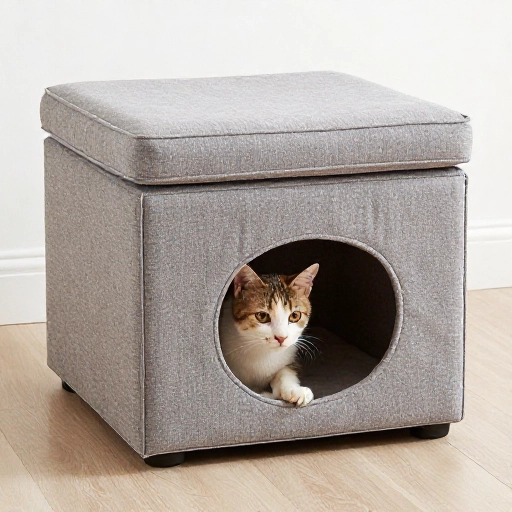
6. The Ottoman Bunker
Get a large cube ottoman with a removable top. Cut a circular hole in one side. Add a soft cushion or a folded blanket inside.
When the lid is on, it’s just a footrest. When your cat wants in, they pop through the side door. It’s that simple.
Just make sure the ottoman’s structure is sturdy enough not to collapse when your cat jumps on top of it.
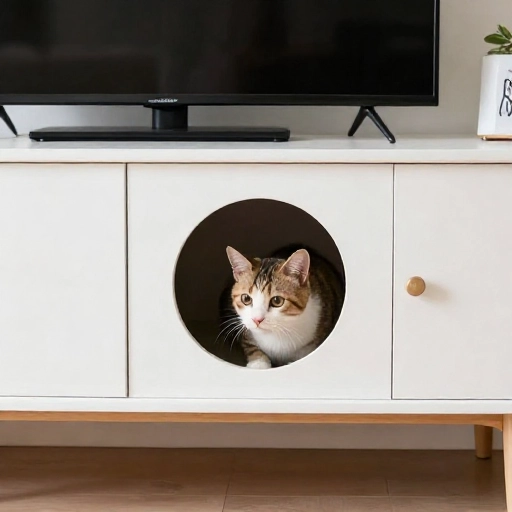
7. The TV Stand Cat Cave
Most TV stands have open shelves or closed cabinets. If you have one with a closed cabinet you don’t use, drill a hole in the side or the back corner.
Line the inside with a soft mat. Leave the door slightly ajar or replace it with a curtain. The space behind the TV becomes a warm, dark den.
It’s out of the way, quiet, and uses space that’s usually just gathering dust.
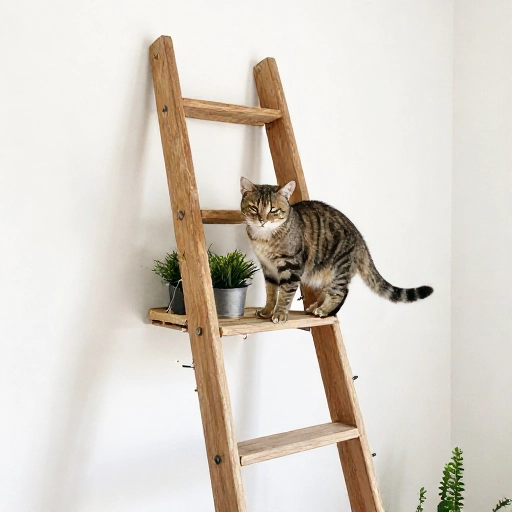
8. The Ladder Perch Hideout
Lean an old wooden ladder against a wall. Weave a few pieces of plywood between the rungs at different heights to create small platforms.
At the bottom, set a small crate or a woven basket as a base hideout. The ladder becomes a vertical playground that looks like rustic wall art.
Add a little cushion to the top platform for the best window-watching spot in the house.
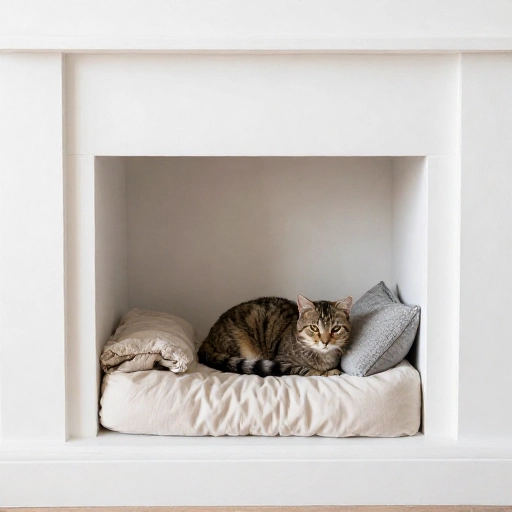
9. The Fireplace Nook
If you have an unused fireplace, this is prime real estate. Clean it out and place a cozy cat bed inside. Add a small curtain rod across the opening with a light fabric to make it feel like a secret chamber.
Leave a little gap so your cat can push through. The mantel above stays perfectly styled.
This is a built-in cat house that requires almost zero effort.
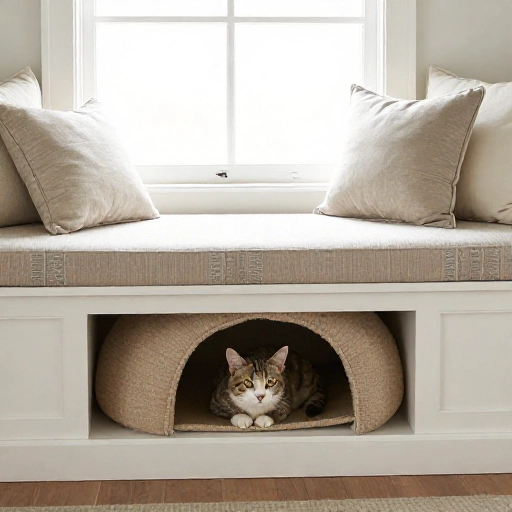
10. The Bench Seat Hideaway
If you have a storage bench or a window seat with a hinged top, cut a hole in the side panel. Add a pillow inside.
Your cat gets a dark, quiet den, and you still get to use the top for sitting or storing blankets. Just make sure the lid stays closed enough so your cat doesn’t get trapped when you close it.
This works especially well in entryways or at the foot of a bed.
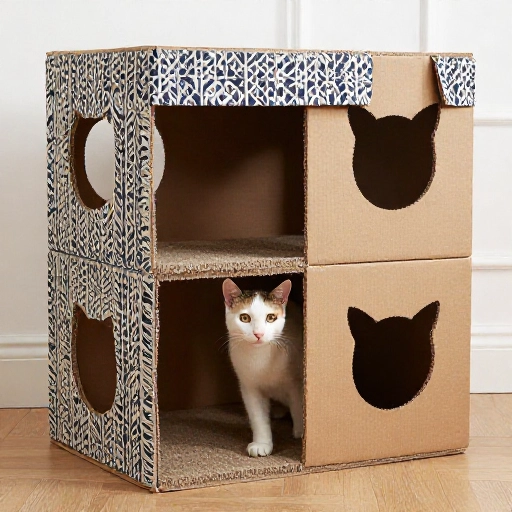
11. The Fabric-Covered Cardboard Condo
Yes, cardboard is back—but dressed up. Stack two or three large, sturdy boxes. Cut holes between them to create a multi-room condo.
Wrap the entire structure in a fitted fabric or use contact paper that matches your decor. Cut the entrance hole and finish the edge with tape or fabric binding.
It’s lightweight, easy to move, and you can replace it when it gets worn. Nobody will know it’s just a box.
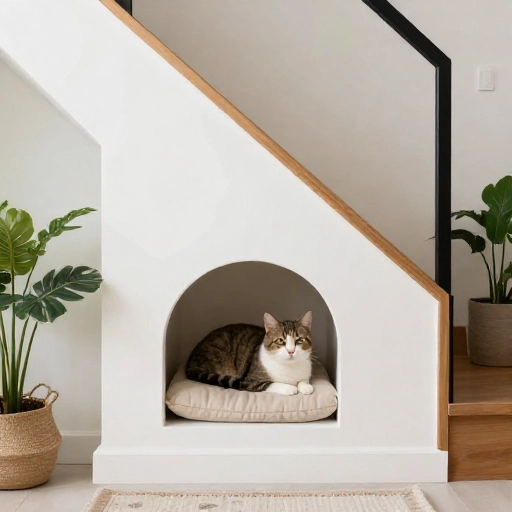
12. The Under-Stairs Cave
That awkward triangular space under your stairs is perfect for a cat house. If it’s open, build a simple wooden frame with a small door. If it’s closed, cut a cat door into the wall.
Add a plush bed and maybe a small hook for a toy inside. The space is naturally quiet and dark.
It’s the ultimate hidden room—guests will literally never find it.
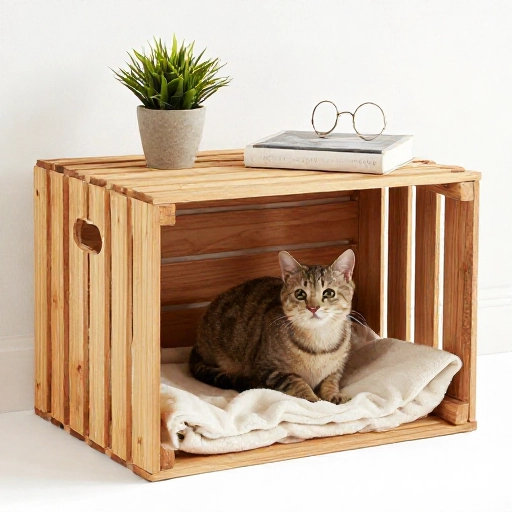
13. The Crate and Table Combo
Use a wooden wine crate or a milk crate as a base. Place a slim tabletop or a thick cutting board on top. Cover the crate with a fabric sleeve or paint it to match your room.
Cut a round hole in one side of the crate. Fill it with a soft blanket. The top becomes a side table for your coffee mug.
This is a weekend-afternoon project that looks like it came from a boutique store.
Final Thoughts
Your cat doesn’t need a castle. They need a quiet, safe spot that feels like theirs. These DIY ideas are about working with what you’ve got instead of buying more stuff.
Start with one project. See how your cat reacts. You’ll probably find they pick their favorite within a day, and you’ll wonder why you didn’t do this sooner.
Frequently Asked Questions
What’s the safest material for a DIY cat house?
Solid wood and sturdy cardboard are best. Avoid anything with sharp edges, loose staples, or toxic finishes. Always sand rough edges and use pet-safe paint or sealant.
How do I get my cat to use the new house?
Put a familiar blanket or a piece of your worn clothing inside. Sprinkle a little catnip near the entrance. Don’t force them in—let them explore at their own pace.
Can I make a DIY cat house if I’m not handy?
Absolutely. Projects like the suitcase den, the ottoman bunker, and the fireplace nook require almost no tools. Start with those if you’re not comfortable with power tools.
How do I clean a hidden cat house?
Make sure any cushions or blankets are removable and washable. For wooden or plastic surfaces, wipe down with a pet-safe cleaner. Check weekly for fur buildup.
Will my cat outgrow this house?
Maybe. Kittens love small, cozy spaces, but as they grow, they need more room. Just keep an eye on them—if they stop using it, they probably need a bigger opening or a larger bed inside.