Why Do Dogs Lick Their Paws? (And When To Worry)
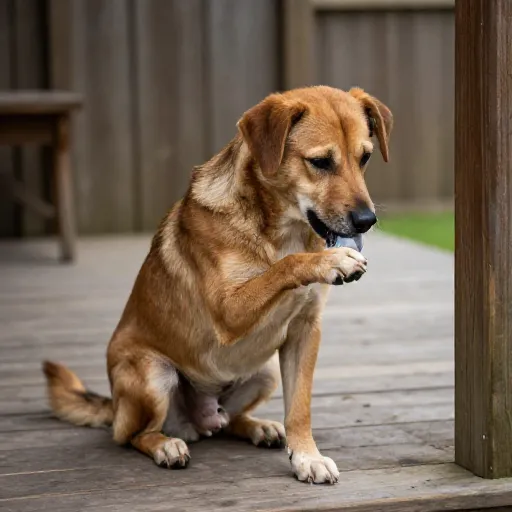
You’re sitting on the couch, watching TV, and then you hear it—that soft, rhythmic slurping sound. Your dog is going to town on their paws again. It’s cute at first, but after a while, you start to wonder: is this normal, or is something wrong?
I’ve been there too. My own pup, a rescue terrier mix, started licking his front paws like they were the tastiest treat in the world. At first, I thought it was just a quirky habit. But when the licking turned into chewing and the fur started turning pink, I knew I had to dig deeper.
Here’s the truth: occasional paw licking is totally normal—it’s how dogs clean themselves. But when it becomes obsessive, it’s usually a sign that something’s off. Let’s break down the most common reasons, so you can figure out what your dog is trying to tell you.
1. Allergies Are the Number One Cause
If I had a dollar for every time allergies were the culprit, I’d be a very rich dog mom. Allergies—whether from food, pollen, dust, or grass—can make your dog’s paws incredibly itchy.
Dogs don’t sneeze like we do; they itch. And their paws are often the first place they feel it. You might notice them licking between the toes or chewing on the pads. If the licking is seasonal (worse in spring or fall), environmental allergies are likely.
Try wiping your dog’s paws after walks with a damp cloth. It can really help reduce the allergens they pick up.
2. Dry or Irritated Skin
Just like us, dogs can get dry, cracked skin. Cold weather, indoor heating, or even harsh soaps can strip the natural oils from their paws. When their skin feels tight and uncomfortable, licking is their way of trying to soothe it.
I’ve noticed this happens more in winter. My dog’s paw pads get rough and flaky, and he starts licking almost immediately. A little bit of dog-safe paw balm can make a huge difference here.
Look for products with natural ingredients like shea butter or coconut oil. Apply it before bed so it can soak in overnight.
3. Boredom or Anxiety
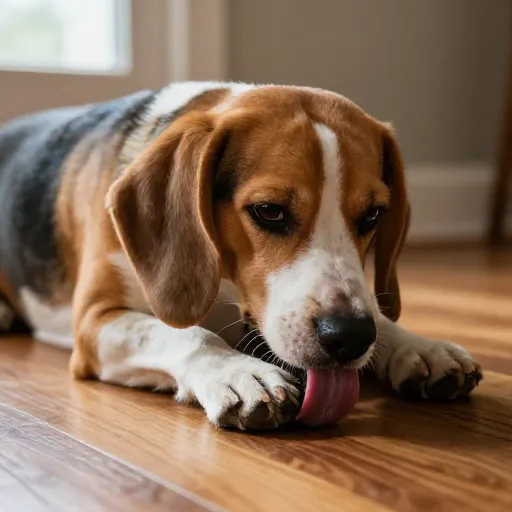
Dogs are emotional creatures. When they’re bored, lonely, or anxious, they often develop repetitive behaviors. Paw licking can become a self-soothing habit, almost like a human biting their nails.
This is especially common in dogs who are left alone for long hours or don’t get enough mental stimulation. If your dog only licks their paws when you’re about to leave the house, that’s a big red flag for separation anxiety.
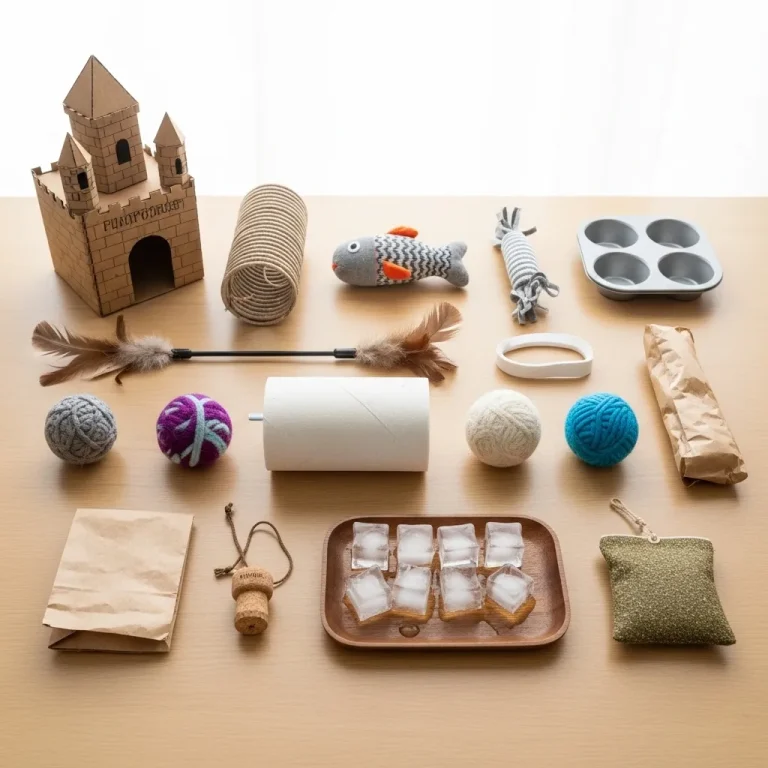
Try adding puzzle toys, extra walks, or even a simple game of fetch to their routine. A tired dog is a happy (and less lick-y) dog.
4. Injuries or Foreign Objects
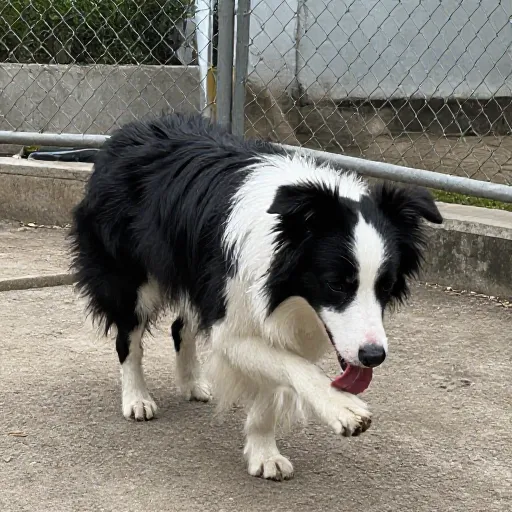
Sometimes the reason is painfully obvious—a thorn, a piece of glass, or even a tiny pebble stuck between their toes. Your dog licks because something hurts or feels weird.
I once found a foxtail seed deeply lodged in my dog’s paw pad after a hike. He couldn’t stop licking and limping. A thorough check of their paws after every walk can save you a lot of trouble.
Look for redness, swelling, or any visible cuts. If you find something stuck, don’t try to pull it out yourself if it’s deep—head to the vet.
5. Yeast or Bacterial Infections
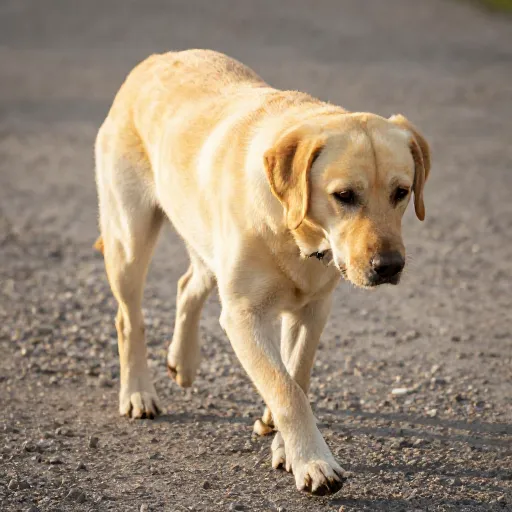
Warm, moist paws are the perfect breeding ground for yeast and bacteria. If your dog’s paws smell like corn chips or Fritos, that’s a classic sign of a yeast infection.
Licking creates more moisture, which makes the infection worse—a frustrating cycle. You might also notice redness, greasy fur, or a dark brown discharge between the toes. This often happens after a lot of rain or if your dog is a frequent paw licker.
Your vet can prescribe medicated wipes or shampoos. In the meantime, keep those paws as dry as possible.
6. Food Sensitivities
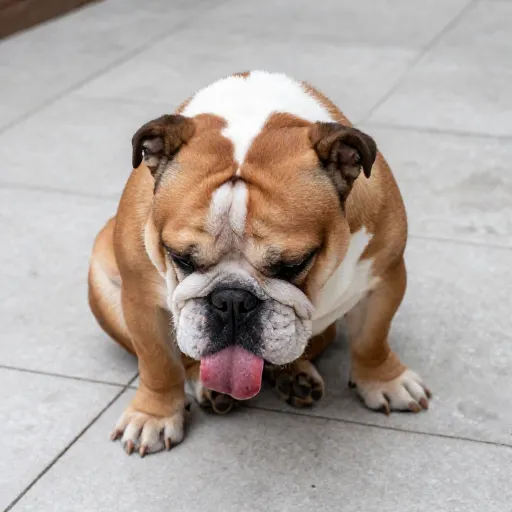
Not all allergies are environmental. Sometimes, the culprit is sitting right in their food bowl. Dogs can develop sensitivities to common ingredients like chicken, beef, corn, or wheat.
Food allergies often show up as itchy paws, ear infections, or tummy troubles. The tricky part is that symptoms can appear suddenly, even if they’ve eaten the same food for years.
If you suspect food allergies, talk to your vet about an elimination diet. It takes patience, but it can be a game-changer.
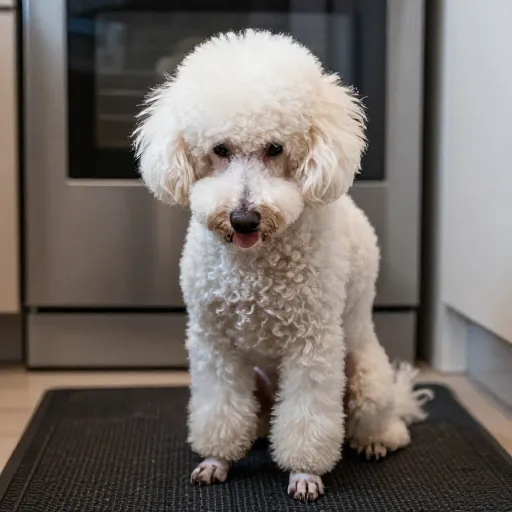
7. Parasites Like Fleas and Mites
Fleas are the worst. They love to hide in warm spots, including between your dog’s toes. A single flea bite can cause intense itching that lasts for days.
Mites (which cause mange) can also target the paws. If your dog is licking and biting at their paws and you see hair loss or scabs, parasites might be the issue.
Regular flea prevention is your best defense. Check your dog’s paws and belly after time outdoors, especially in grassy areas.
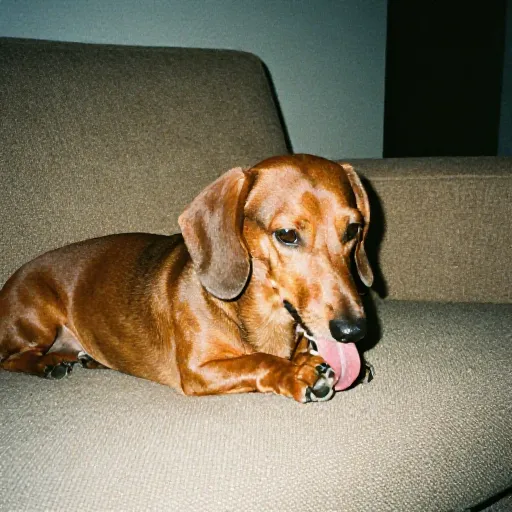
8. Hormonal Imbalances
This one is less common, but it happens. Conditions like hypothyroidism or Cushing’s disease can cause skin changes that make dogs lick more than usual.
You might notice other symptoms too, like weight gain, hair loss, or excessive thirst and urination. If your dog’s paw licking doesn’t improve with other treatments, a blood test at the vet can check for hormonal issues.
It’s not the first thing to suspect, but it’s worth keeping on your radar.
9. Arthritis or Joint Pain
Older dogs often lick their paws as a way to cope with joint pain. It’s not always the paw itself that hurts—sometimes the licking is a redirected behavior. They can’t reach the sore hip or knee, so they focus on what they can reach.
If your dog is licking their front paws and also seems stiff when getting up, arthritis could be the hidden cause. I’ve seen this in senior dogs who start licking their wrists obsessively.
Talk to your vet about joint supplements or pain management options. It can make a world of difference.
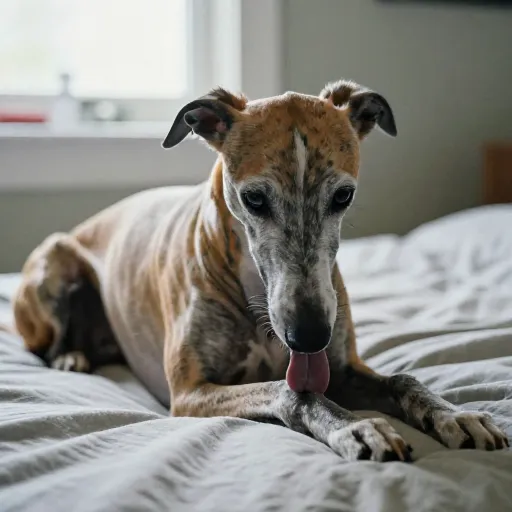
10. Just a Grooming Habit
And sometimes… it’s really nothing serious. Dogs lick their paws to clean them after a meal, a walk, or a potty break. It’s part of their natural grooming routine.
If the licking is occasional, lasts just a minute or two, and doesn’t cause any redness or hair loss, you probably don’t need to worry. My dog gives his paws a quick lick after eating peanut butter, and that’s totally fine.
The key is consistency and intensity. A little lick is normal. Constant, focused chewing is not.
Conclusion
Figuring out why your dog licks their paws can feel like detective work. But most of the time, the answer is simple—allergies, boredom, or a small irritation. The important thing is to pay attention. If the licking is new, excessive, or causing damage, don’t ignore it.
Your dog can’t use words, but their paws tell a story. Listen to them. And when in doubt, a quick trip to the vet can give you peace of mind—and relief for those poor, soggy paws.
FAQ
1. Is it normal for dogs to lick their paws every day?
Occasional licking for grooming is normal. But daily, excessive licking that lasts more than a few minutes usually signals an underlying issue like allergies or anxiety.
2. Can I put anything on my dog’s paws to stop the licking?
Yes, but avoid harsh chemicals. Dog-safe paw balms or coconut oil can soothe dry skin. For infections, always use vet-prescribed treatments.
3. What does it mean if my dog’s paws smell like Fritos?
That corn chip smell is often a sign of a yeast or bacterial infection. It’s best to have a vet check it out.
4. Should I use a cone to stop my dog from licking?
A cone can help break the habit temporarily, but it doesn’t fix the root cause. Use it only if your vet recommends it, while you address the underlying problem.
5. When should I take my dog to the vet for paw licking?
If you see redness, swelling, bleeding, limping, or hair loss, or if the licking doesn’t stop after a few days of home care, it’s time for a vet visit.