5 Tips On How To Train A Beagle
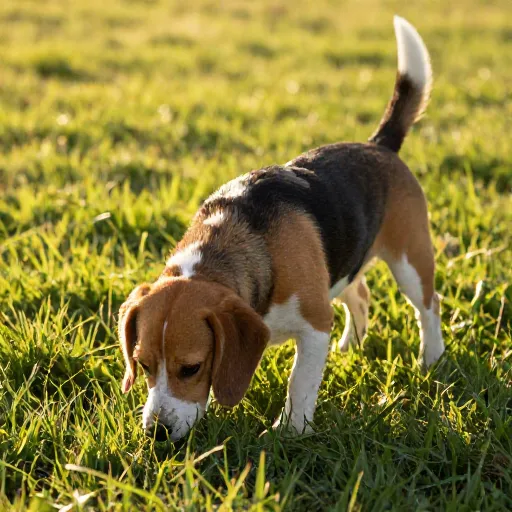
Beagles are smart, curious, and absolutely ruled by their nose. If you’ve ever watched one follow a scent trail, you know it’s both impressive and a little chaotic. Training a Beagle is different from training other dogs. They are not stubborn in a mean way. They just have priorities—and sniffing comes first.
I’ve learned this the hard way. But after a lot of patience, treats, and laughter, I found what actually works. If you want a Beagle that listens (most of the time), these five tips will help you build a real connection. No fluff, just practical steps.
Let’s dive into the friendly chaos of Beagle training.
1. Start With Their Nose, Not Their Ears
A Beagle’s brain is wired for scents. When you call their name and they ignore you, it’s not because they’re bad. They’re busy. So don’t fight their nature—use it.
Hide small treats around the house and say “find it.” This teaches them to focus on you while using their nose. It also builds a habit of checking in with you when they smell something interesting. I started this in my kitchen, and now my Beagle looks at me before chasing a scent on walks. Game changer.
Try scent games before formal training sessions. A tired nose is a focused dog.
2. Use High-Value Treats (And I Mean High)
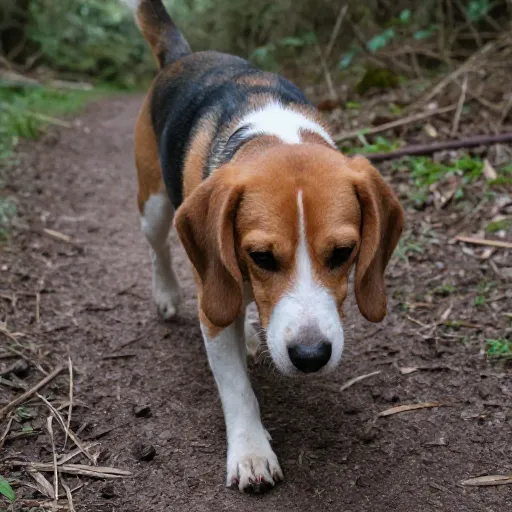
Forget boring kibble. Beagles need rewards that compete with the world. Think tiny pieces of cheese, boiled chicken, or freeze-dried liver. Keep them small so you can give many without overfeeding.
I keep a pouch of mixed treats on me at all times during training. When my Beagle chooses to look at me instead of a squirrel, he gets the good stuff immediately. The key is timing. Reward the moment they make the right choice, not after.
Don’t worry about spoiling them. You’re teaching them that listening to you is more exciting than any smell.
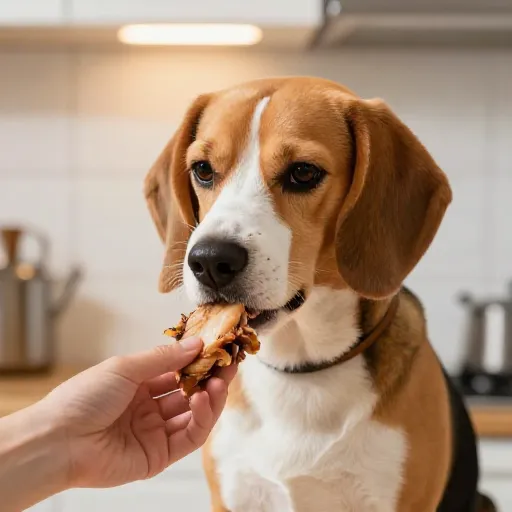
3. Master the “Watch Me” Cue
This is my secret weapon. Hold a treat near your eye and say “watch me.” When your Beagle looks at your face, mark it with a “yes” and give the treat. Practice this in quiet rooms first, then move to the backyard, then the sidewalk.
Once they understand, use it before crossing streets or when a distraction appears. It’s like hitting a reset button. I use this every single day. It doesn’t fix everything, but it buys you those precious seconds to redirect their brain.
Be consistent. Even a two-minute session daily makes a difference.
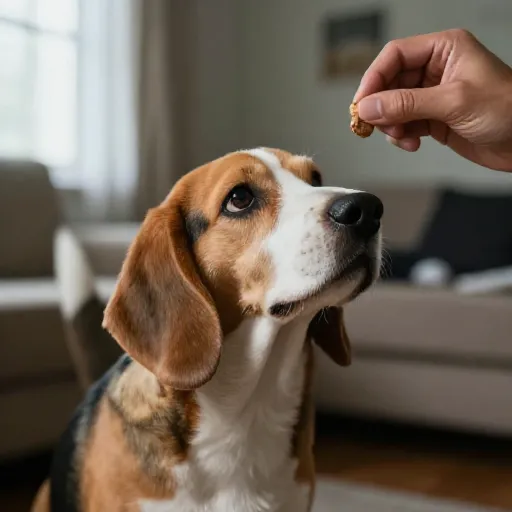
4. Keep Training Sessions Short and Fun
Beagles get bored fast. Long, repetitive drills make them tune out. I set a timer for five minutes. That’s it. Sometimes we do three short sessions a day. Sometimes just one.
End on a success, even if it’s small. If your Beagle is struggling, go back to something they know and praise that. You want them to associate training with good feelings, not frustration.
I mix in silly tricks like “spin” or “paw” between serious cues. It keeps us both smiling and builds a happy training habit.
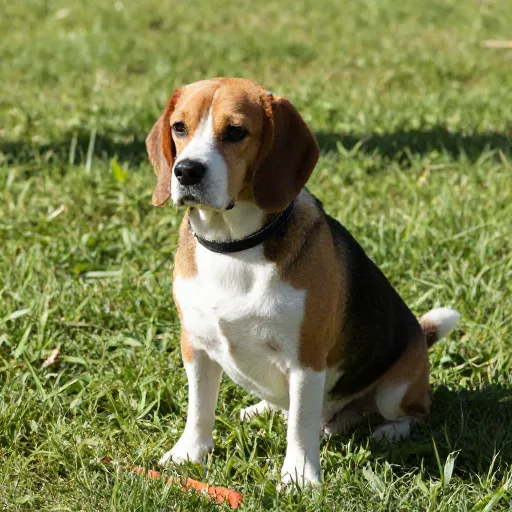
5. Leash Training Is a Marathon, Not a Sprint
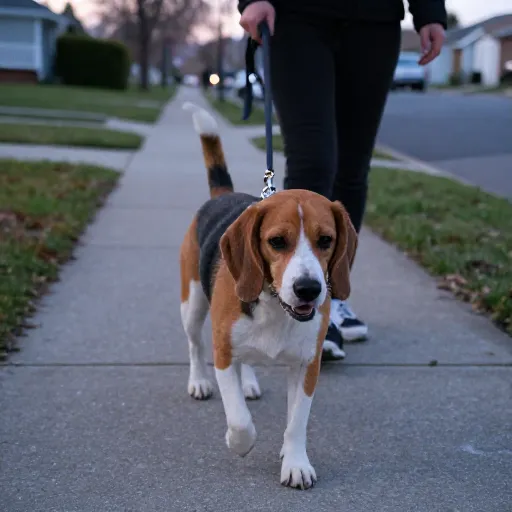
Beagles pull. It’s in their blood. But you can teach polite walking without turning walks into a battle. Start indoors or in a fenced yard. Let them walk a few steps on a loose leash, then stop. When they look back at you, reward and move forward.
I use a front-clip harness. It gives me more control without hurting their neck. If my Beagle starts pulling, I stop and wait. No yanking, just patience. Eventually, they learn that pulling stops the fun, and checking in keeps things moving.
Beagle walks will never be perfect. But with consistency, they become enjoyable instead of exhausting.
6. Crate Training Builds Security
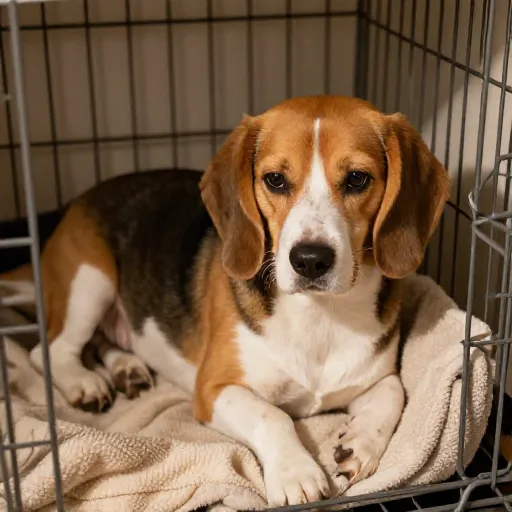
Some people think crates are mean. For a Beagle, a crate can be a cozy den. It helps with potty training, prevents destructive chewing, and gives them a quiet place to nap. I made the crate inviting with a soft bed and a few safe toys.
Feed them meals in the crate with the door open. Toss treats inside randomly. Never use the crate as punishment. My Beagle now goes in on his own when he’s tired. It’s his space, and that’s a good thing.
Start with short periods and build up. Patience here pays off big time.
7. Manage the Environment, Don’t Just Correct Behavior
If your Beagle steals socks, put socks away. If they jump on counters, clear the counters. It sounds simple, but so many people skip this. You can’t train away a Beagle’s natural curiosity. You can set them up for success.
Use baby gates to block off rooms when you can’t supervise. Keep tempting items out of reach. This isn’t giving up. It’s being smart. Every time your Beagle practices a bad habit, it gets stronger. Prevent the practice, and you prevent the problem.
I learned this after losing three pairs of glasses. Now I just keep things off low tables.
8. Teach “Leave It” Early and Often
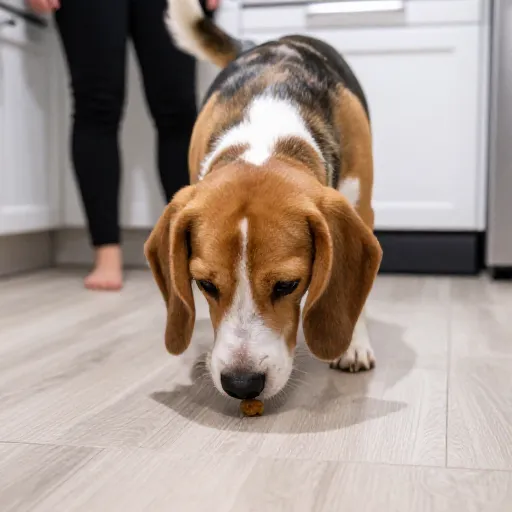
This cue can save your Beagle’s life. Start by holding a treat in your closed fist. Let them sniff, lick, and paw. The second they pull away, say “yes” and give a different treat from your other hand. Repeat until they understand that ignoring the thing in your hand gets them something better.
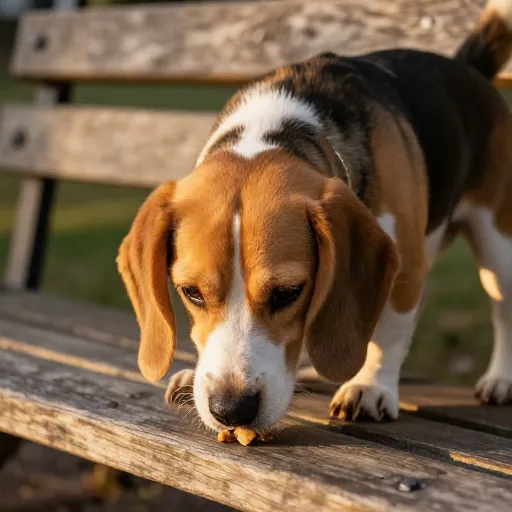
Progress to dropping a treat on the floor and covering it with your foot. Then work up to uncovered treats. I practice this on walks with random objects. When my Beagle looks at a chicken bone on the sidewalk and then at me, I celebrate like he just won a prize.
It takes time, but it’s worth every ounce of effort.
9. Exercise First, Train Second
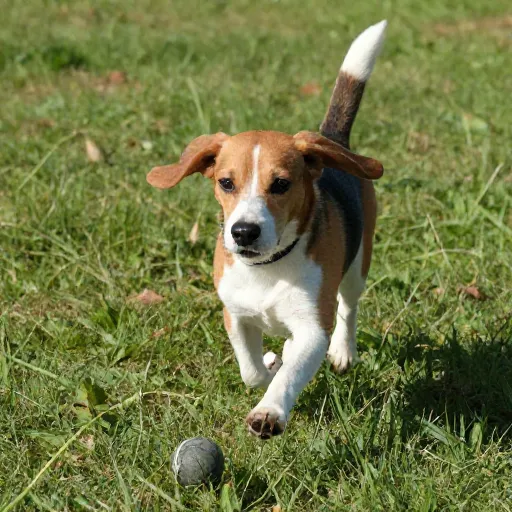
A tired Beagle is a teachable Beagle. Before any training session, I make sure my dog has had a good run or a long sniff walk. Mental focus is hard when they have pent-up energy.
But don’t overdo it. Beagles are prone to weight gain, so balance exercise with proper meals. A 20-minute game of fetch or a brisk walk is usually enough to take the edge off. After that, they’re ready to learn.
I also use sniffing as exercise. Letting them explore a small patch of grass for ten minutes counts as both mental and physical activity.
10. Stay Consistent and Kind
Training a Beagle is a long game. Some days they’ll nail every cue. Other days they’ll act like they’ve never heard the word “sit.” That’s okay. Dogs have off days too.
Use the same words and hand signals every time. Make sure everyone in your household does the same. Beagles get confused by mixed messages. Consistency builds trust, and trust makes training smoother.
Above all, be kind. Yelling or punishing only makes them scared or more stubborn. Positive methods work better and build a stronger bond. My Beagle isn’t perfect, but he tries hard because he trusts me. That’s the real goal.
Conclusion
Training a Beagle is not about perfection. It’s about building a language you both understand. These five tips are starting points, not rigid rules. Every Beagle is different. Some learn faster, some take months. That’s normal.
Celebrate the small wins. The moment your Beagle looks at you instead of a scent is huge. The day they walk past a dropped sandwich is a victory. Keep training light, use lots of treats, and laugh at the chaos.
Your Beagle is smart, loving, and full of personality. With patience and these tips, you’ll have a happy, well-trained companion who still keeps life interesting.
FAQ
Are Beagles hard to train?
They can be challenging because they are scent-driven and independent. But with patience, high-value treats, and short sessions, most Beagles learn well. It just takes consistency.
At what age should I start training my Beagle?
Start as early as 8 weeks old. Puppies can learn basic cues like “sit” and “watch me.” Older Beagles can learn too, but it may take more time to unlearn old habits.
How do I stop my Beagle from running away?
Work on a strong recall cue in a fenced area first. Use amazing treats and practice often. Always keep your Beagle on a leash or in a secure yard. Their nose can override training in an instant.
Can Beagles be trained off-leash?
It’s risky. Most Beagles should never be off-leash in an unfenced area. Their hunting instinct is strong. Even well-trained Beagles can bolt after a scent. Stick to long lines or fenced spaces for safety.
What is the best training method for Beagles?
Positive reinforcement works best. Reward good behavior with treats, praise, or play. Avoid harsh corrections. Beagles respond much better to kindness and consistency than to punishment.