12 Dog Training Tips for Beginners
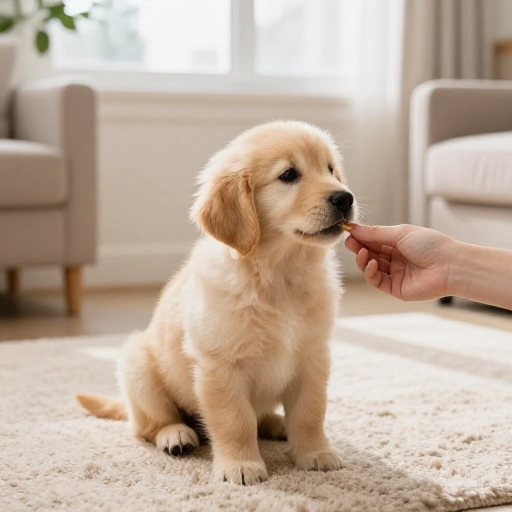
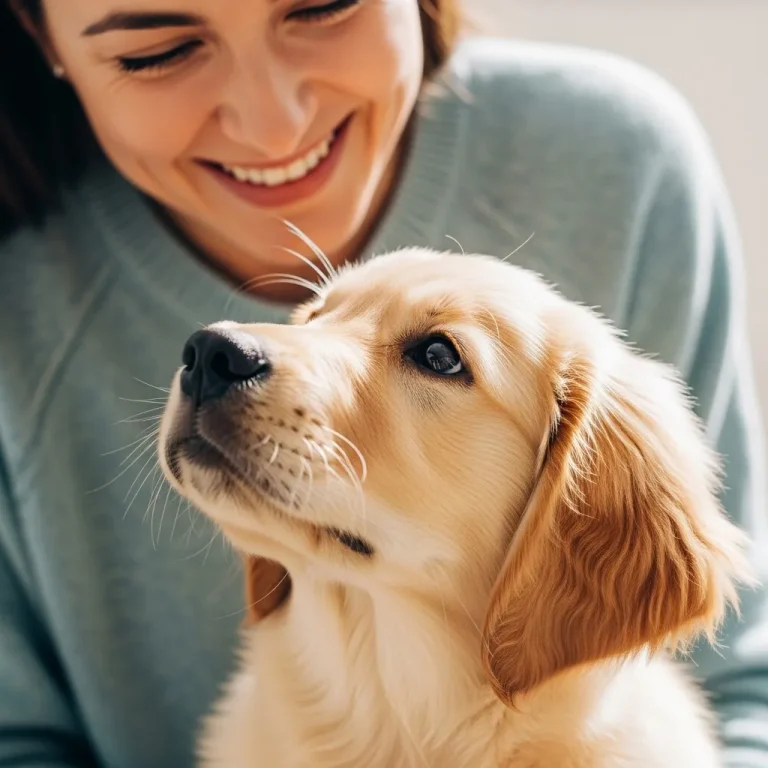
So, you just brought home a new pup—or maybe an older rescue—and suddenly you realize that “sit” takes more than just saying the word. I’ve been there. The first few weeks with a new dog can feel overwhelming, but it’s also the most magical time for building a bond.
Training isn’t about turning your dog into a robot. It’s about communication. The happier and clearer you are, the faster your dog will learn. Here are twelve beginner-friendly tips that actually work, even when life gets messy.
Grab a treat bag, put on your patience hat, and let’s get started.
1. Start with a Quiet Space
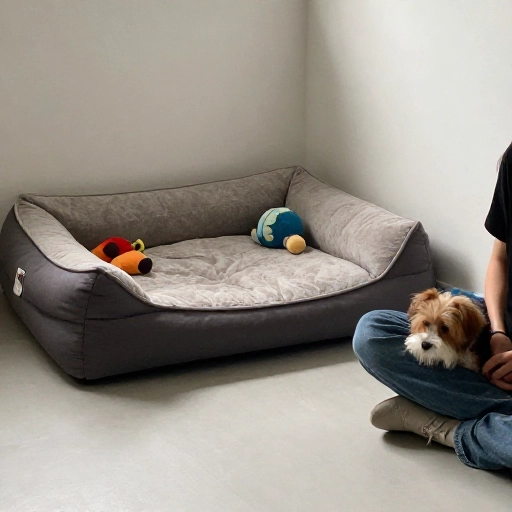
Your living room with the TV blaring is not the best classroom. For the first few sessions, pick a boring room with few distractions. A hallway or a quiet corner of the kitchen works great.
Once your dog masters a skill in peace, you can slowly add distractions—like a squeaky toy in the next room or a family member walking by. Slow and steady wins this race.
2. Use High-Value Treats
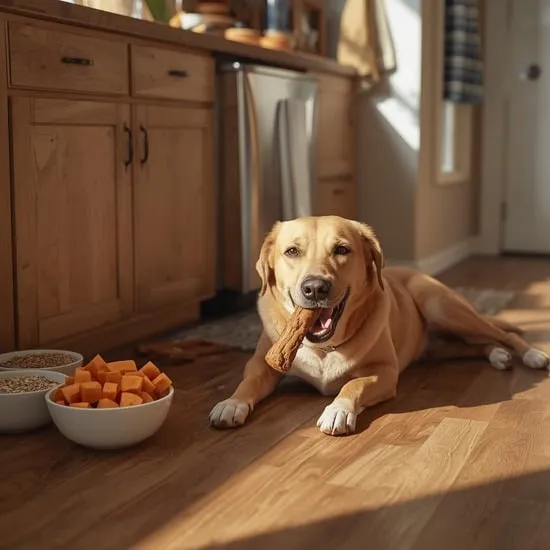
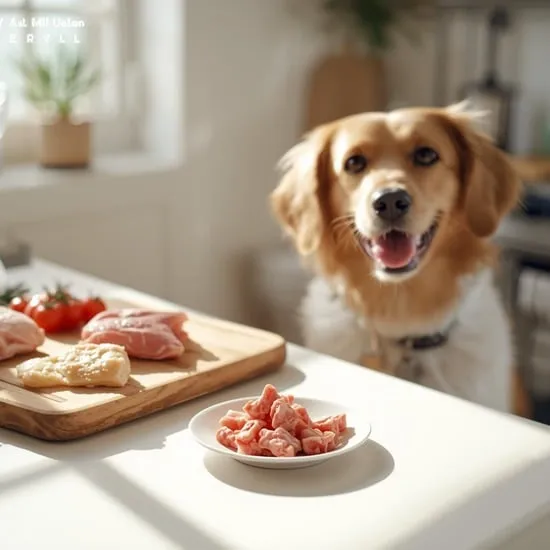
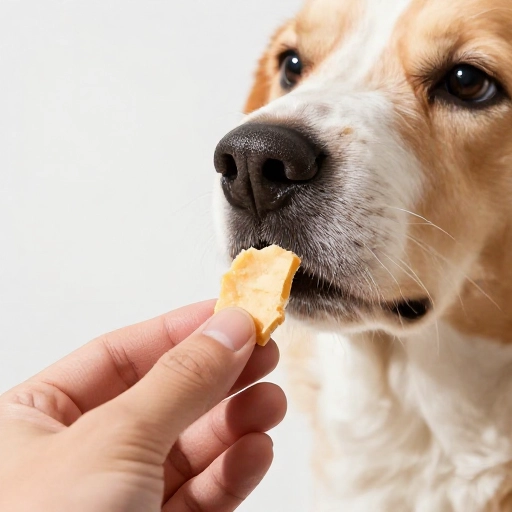
Kibble is meh. For training, you need the good stuff. Think tiny pieces of boiled chicken, cheese, or freeze-dried liver. These should be pea-sized and only used for training sessions.
Your dog will work twice as hard for a real treat. Keep them in a pouch or a small container you can reach easily—no fumbling allowed.
3. Keep Sessions Short and Sweet
You might be excited, but your dog’s attention span is tiny. Aim for two to three sessions of five minutes each day. That’s it.
End every session on a high note—even if you just practiced one trick. Dogs remember the fun. If you stop when they’re still eager, they’ll look forward to tomorrow’s lesson.
4. Use a Marker Word or Clicker
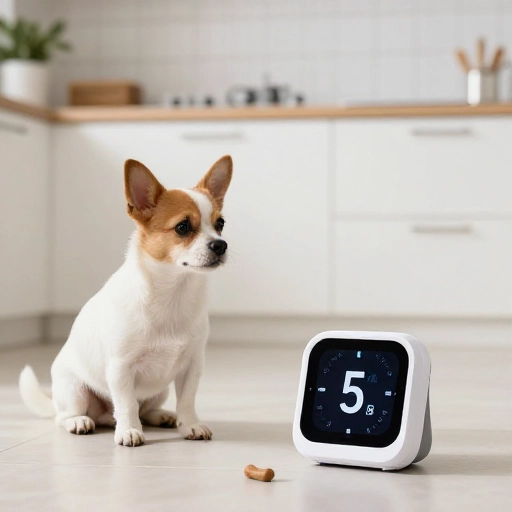
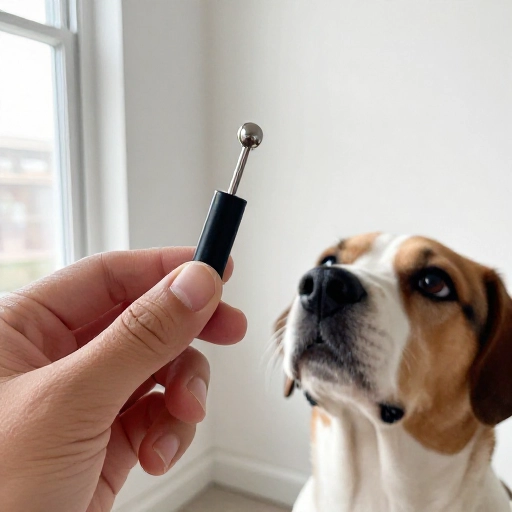
Dogs need a clear “yes!” signal the moment they do the right thing. A clicker works perfectly, but a short word like “yes!” or “good!” works too. The key is timing.
Say your marker the split second your dog sits, then give the treat. This bridges the gap between action and reward. In just a few days, your dog will understand exactly what you want.
5. Don’t Repeat Commands
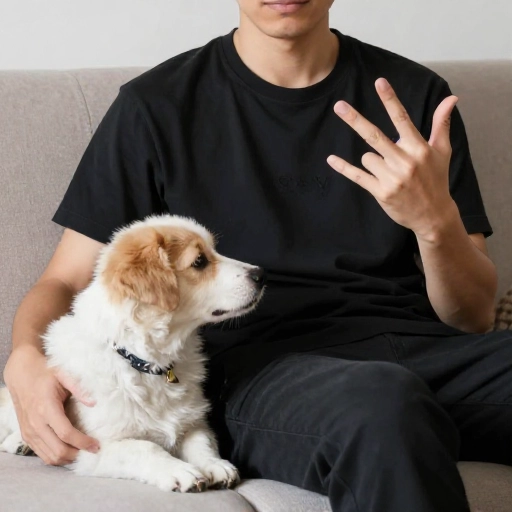
If you say “sit” six times, your dog learns that “sit sit sit sit sit” is the real command. Say it once, wait two seconds, and if nothing happens, help them into the position. Then reward.
Repeating teaches your dog to ignore you. Be patient and show them what you mean. They’ll learn faster when they realize the first word is the only one that counts.
6. Reward Every Success at First
In the beginning, every single correct behavior gets a treat. This is called continuous reinforcement. It builds a strong habit.
Later, you can slowly give treats randomly—sometimes yes, sometimes no. That keeps your dog guessing and working harder. But for now, be generous. You’re building trust and excitement.
7. Manage the Environment, Not the Dog
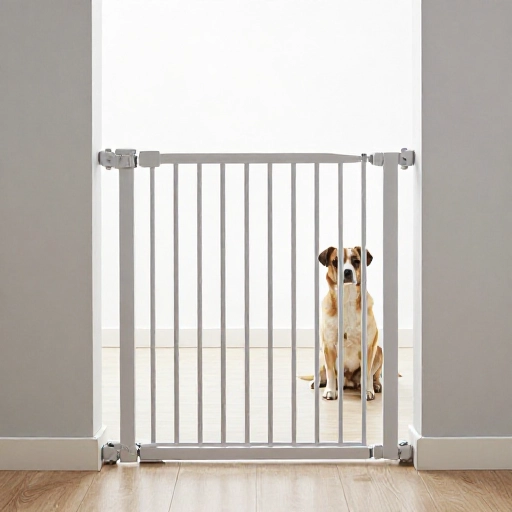
If your dog chews shoes, put shoes in a closet. If they jump on guests, use a baby gate or leash when people arrive. Set your dog up for success instead of constantly saying “no.”
This isn’t giving up—it’s being smart. The less your dog practices unwanted behaviors, the faster they learn the right ones. Prevention is training too.
8. Teach “Leave It” Early
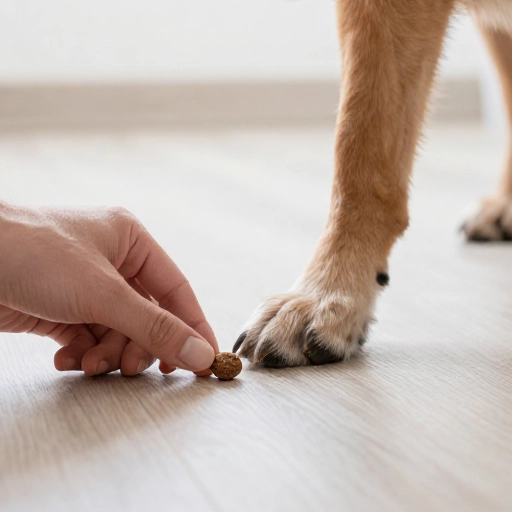
This one skill can save your dog’s life—and your furniture. Start by holding a treat in your closed fist. Let your dog sniff, lick, and paw. The second they pull back, say “yes!” and give a different treat from your other hand.
Practice daily with higher-value items. Eventually, your dog will look to you when they see something tempting on the ground. That’s gold.
9. Use Real-Life Rewards
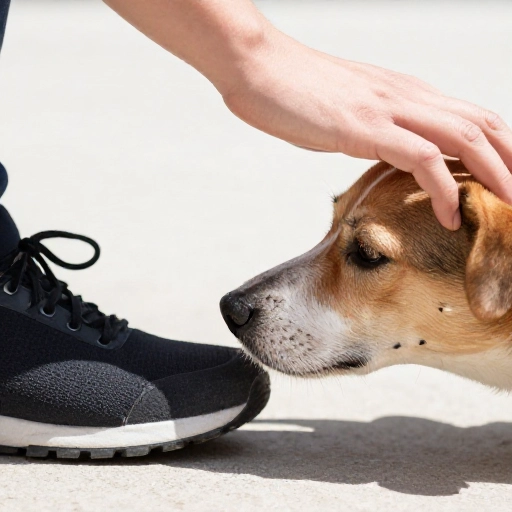
Not every reward has to be food. Does your dog love sniffing on walks? Let them sniff after they walk nicely by your side. Do they love greeting people? Make them sit before saying hello.
Life is full of rewards. Use them. Your dog will learn that good behavior opens doors to fun things—and that’s way more powerful than a treat.
10. Be Consistent with Rules
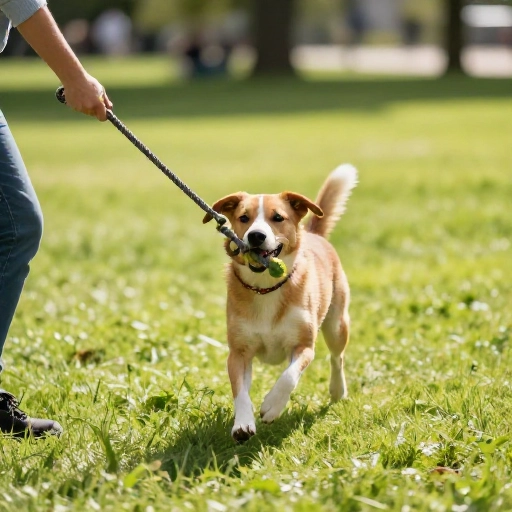
If jumping on the couch is not allowed, it’s never allowed—not even when you’re tired. Everyone in your home should use the same cues and rules. Mixed signals confuse dogs.
Write down your basic rules if you need to. “No paws on counters,” “Sit before meals,” “No pulling on leash.” Consistency is the secret sauce of fast training.
11. Practice Patience—Yours
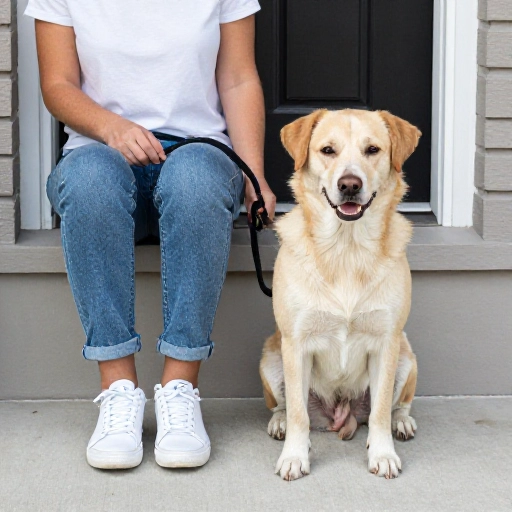
Your dog will have bad days. They’ll forget things they knew yesterday. That’s normal. Frustration only makes things worse.
Take a deep breath. If you feel your temper rising, end the session and try again later. Training is a marathon, not a sprint. A calm owner raises a calm dog.

12. Celebrate Small Wins
Did your dog sit for one second? Celebrate. Did they walk two steps without pulling? Throw a tiny party. Enthusiasm is contagious.
Your dog reads your energy. If you act like training is boring, they’ll lose interest. If you act like every small success is amazing, they’ll want to work with you forever. So go ahead—be a little silly.
Conclusion
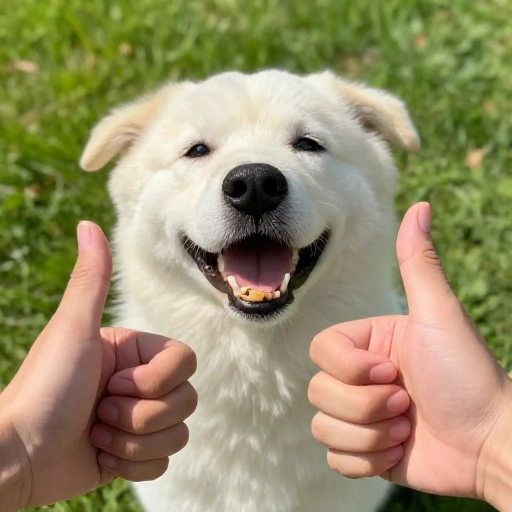
Training a dog is really about training yourself first. You learn to be clear, patient, and consistent. Your dog learns to trust you. That bond is worth more than any perfect “sit.”
Start small, stay positive, and don’t forget to have fun. Your dog is trying their best—and so are you. You’ve got this.
FAQ
How long does it take to train a puppy?
Every dog is different, but most puppies learn basic cues like sit and down within a week with short daily practice. Real reliability takes weeks to months. Be patient.
What if my dog isn’t food motivated?
Try toys, praise, or access to things they love (sniffing, running, playing). Some dogs prefer a game of tug over a treat. Experiment and find your dog’s currency.
Should I use punishment in training?
No. Punishment creates fear and breaks trust. Focus on rewarding what you want and ignoring or redirecting what you don’t. Positive training is faster and kinder.
Can an older dog learn new tricks?
Absolutely. Older dogs often focus better than puppies. They may have bad habits to unlearn, but with patience and consistency, they can learn anything a puppy can.
How do I stop my dog from jumping?
Ignore the jumping completely—no eye contact, no words, no pushing. Turn away. The moment all four paws are on the floor, calmly reward. Consistency from everyone is key.