11 Ways to Get Your Dog to Listen Fast
We all love our dogs, but sometimes it feels like they have a tiny, fluffy remote control and they’ve hit the “mute” button on our voices. You call them to come inside, and they just sniff a patch of grass like you don’t exist. I’ve been there, staring at my own pup wondering if he suddenly forgot his name.
The good news is that getting your dog to listen isn’t about being louder or stricter. It’s about speaking their language and making yourself more interesting than that squirrel on the fence. These 11 tips are practical, simple, and they actually work. Let’s turn that selective hearing into eager attention.
Whether you have a brand new puppy or an older dog set in their ways, these fast fixes will help you build a stronger bond—and a dog who actually wants to listen.
1. Master the Art of the High-Value Treat
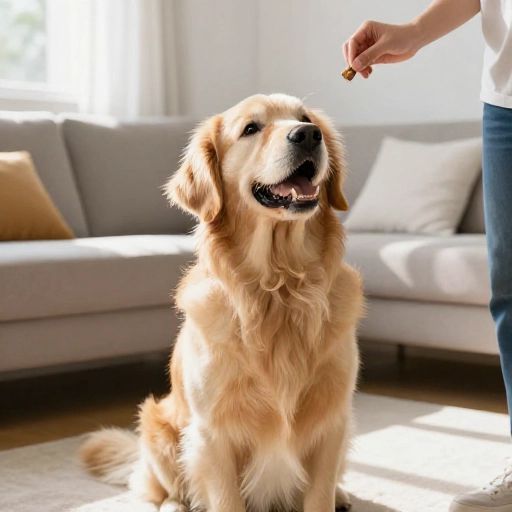
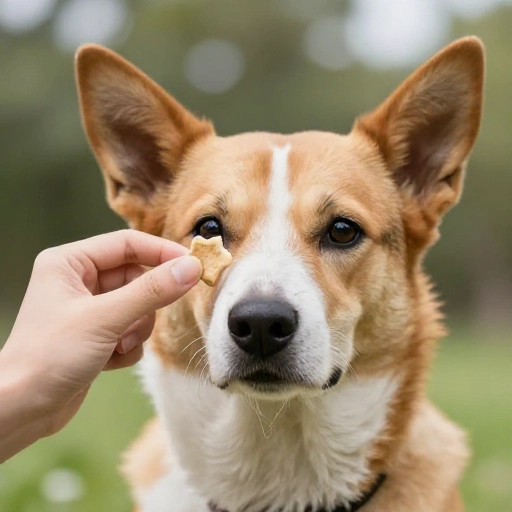
Your dog’s regular kibble might work for training when nothing else is going on, but if you want them to listen fast, you need to bring out the big guns. Think tiny pieces of boiled chicken, cheese, or freeze-dried liver.
Keep these special treats hidden away and only use them for important commands like “come” or “leave it.” When your dog sees that amazing smell, they’ll start paying attention to you instead of the neighbor’s cat.

2. Use a Happy, Exciting Voice
Dogs don’t understand our words, but they are masters at reading our tone. If you sound bored or angry when you say “come here,” your dog will think something bad is about to happen.
Try using a super high-pitched, silly, happy voice. Act like you just found a million dollars. Clap your hands, pat your legs, and sound absolutely thrilled. Your dog will think you’re playing a fun game and come running to join you.
3. Start Training in a Boring Place
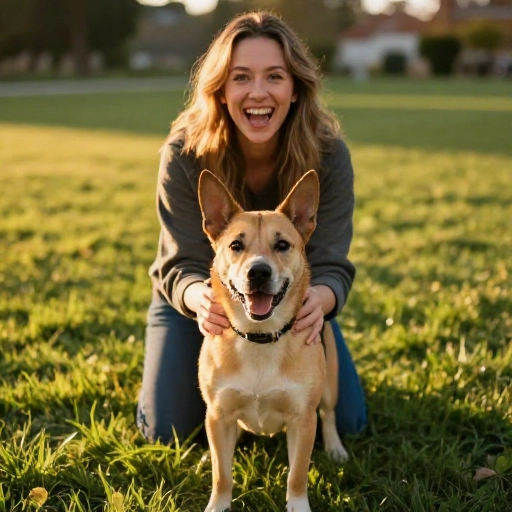
If you try to teach “stay” at the dog park, you are setting yourself up for failure. There are too many smells, dogs, and squirrels competing for your dog’s attention.
Start training inside your living room or a quiet hallway. Once your dog listens perfectly there, move to the backyard, then the front yard, and finally to a quiet park corner. Build up the distractions slowly so your dog can succeed every step of the way.
4. Always Reward the First “Look”
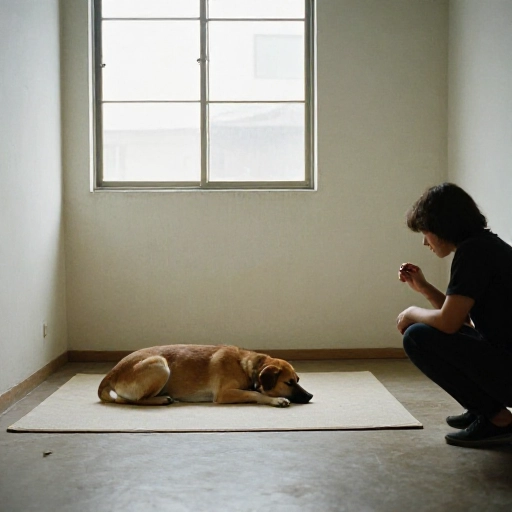
When you call your dog’s name, and they even glance at you for one split second—mark it and reward it immediately. That tiny moment of eye contact is golden.
If you wait until they walk all the way over to you, they might get distracted along the way. By rewarding the first look, you teach your dog that paying attention to you is always a good thing. Over time, that glance will turn into a full-body turn and a sprint in your direction.
5. Be More Interesting Than the Distraction
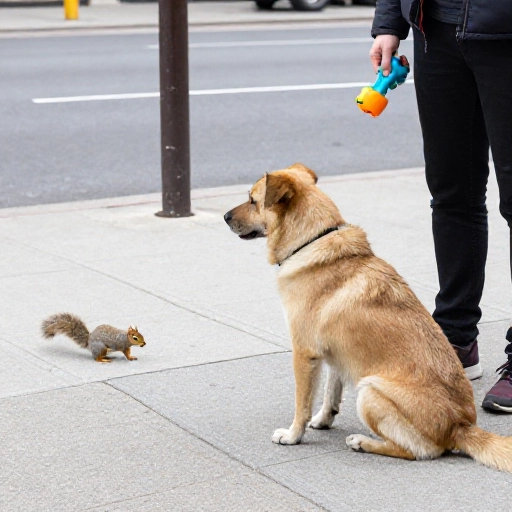
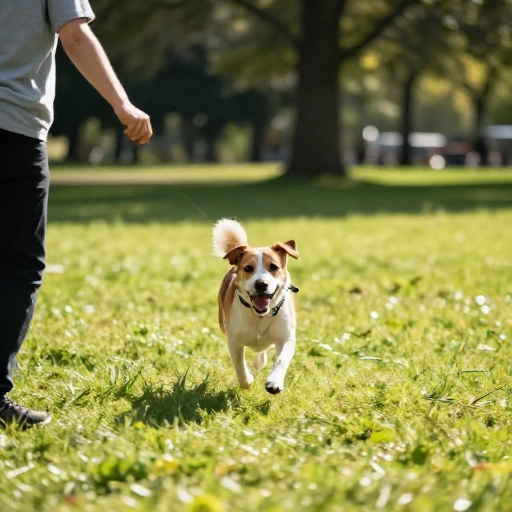
Think about what your dog wants more than anything. For most dogs, it’s play, treats, or a walk. When you’re out on a walk and your dog is ignoring you, try running away from them in the opposite direction.
Dogs have a natural instinct to chase. If you run away while making happy noises, your dog will likely forget about that interesting bush and chase after you. When they catch up, throw a little party with treats and praise. You just became the most exciting thing in the world.
6. Keep Training Sessions Super Short
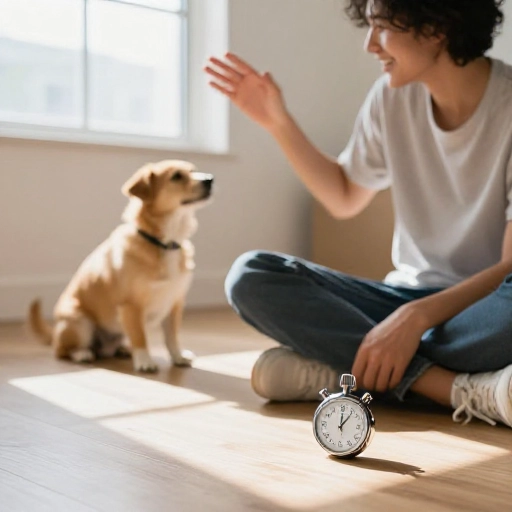
Five minutes is plenty. Even two minutes works wonders. Dogs have short attention spans, especially when they’re learning something new. If you drill them for twenty minutes, they get bored and frustrated.
Also, always end on a good note. Ask for one command you know they can nail, reward them, and then release them to go play. This leaves them feeling successful and wanting to train again tomorrow.
7. Use Hand Signals with Your Words
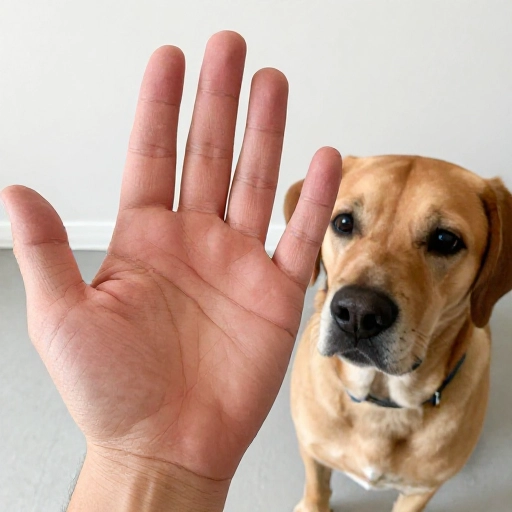
Dogs are visual learners. They actually understand hand signals much faster than spoken words. Pair a clear hand signal with each command.
For example, for “sit,” hold your palm up by your chest and lift it slightly. For “down,” point to the floor. Your dog will start watching your hands, which means they are focusing on you. Once they know the hand signal, you can whisper the word, and they’ll still respond.
8. Stop Repeating Yourself
If you say “sit, sit, sit, sit,” your dog learns that “sit” is just background noise. They learn they don’t have to listen until you say it five times in a really annoyed tone.
Instead, say the command once. If your dog doesn’t respond, wait five seconds. If they still don’t, gently guide them into the position, then reward them. This teaches your dog that the first time you speak is the only time that matters.

9. Manage the Environment (Set Them Up to Win)
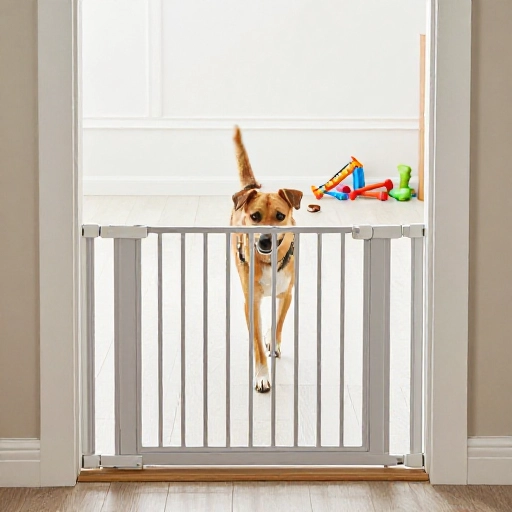
Sometimes we expect too much from our dogs. If your dog is constantly jumping on guests, put them on a leash before the doorbell rings. If they steal socks, keep socks in a drawer.
Managing the environment isn’t cheating. It’s being smart. The fewer chances your dog has to practice bad habits, the easier it will be for them to learn good ones. They can’t listen to you if they’re already in trouble.
10. Practice the “Name Game” Every Day
Your dog’s name should be the most exciting word in the world. It should mean “look at me and something amazing is about to happen.”
Several times a day, just say your dog’s name in a happy voice. The moment they look at you, give them a treat. Do this for just a minute, three or four times a day. Within a week, your dog will snap their head toward you every time you speak their name.
11. Check Your Energy Before You Speak
Dogs are incredibly sensitive to our energy. If you are frustrated, tense, or angry, your dog will feel that and might become nervous or defensive. They won’t want to listen because they think you’re mad at them.
Before you give a command, take a deep breath. Relax your shoulders. Speak with calm, clear confidence. A calm leader is a trustworthy leader, and a dog that trusts you will always listen faster.
Final Thoughts
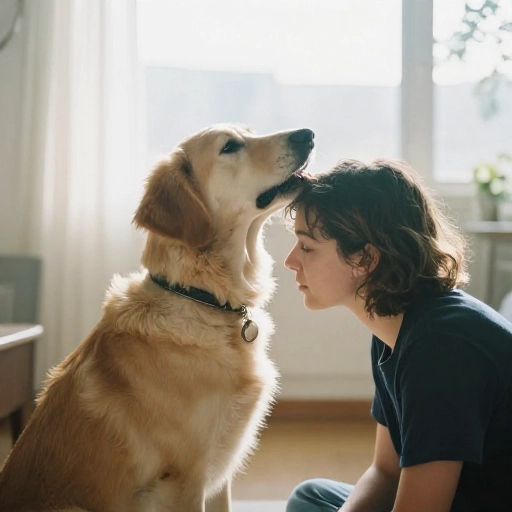
Getting your dog to listen fast isn’t about magic tricks or expensive gadgets. It’s about building a relationship based on trust, clear communication, and making yourself the most rewarding part of your dog’s day. Every dog learns at their own pace, so be patient and celebrate the small wins.
Start with just one or two of these tips today. You’ll be amazed at how quickly your dog starts tuning in to you instead of the world around them.
Frequently Asked Questions
Q: How long does it take to train a dog to listen?
A: It depends on the dog and the consistency of training. Some dogs pick up basic commands in a few days, while others might take a few weeks. The key is short, daily practice sessions and lots of positive reinforcement.
Q: What if my dog is too old to learn new tricks?
A: Old dogs absolutely can learn new tricks! Their attention spans might be shorter, and they might have some physical limitations, but with patience and gentle training, senior dogs can learn to listen just as well as puppies.
Q: My dog only listens when I have treats. What should I do?
A: Start fading the treats out slowly. Reward them every other time, then every third time, and mix in praise and play as rewards too. Eventually, your dog will listen because it’s a habit, not just for the food.
Q: How do I get my dog to listen in public places?
A: Start in a very quiet, boring place with no distractions. Gradually add more distractions as your dog succeeds. If they get distracted, you’ve moved too fast. Go back to an easier setting and build up again.
Q: Should I use a clicker for training?
A: A clicker can be a great tool because it makes a clear, consistent sound that marks the exact moment your dog does something right. However, you can also just use a word like “yes” or “good” as a marker. Use whatever works best for you and your dog.