House Training a Puppy Fast Without Losing Your Mind
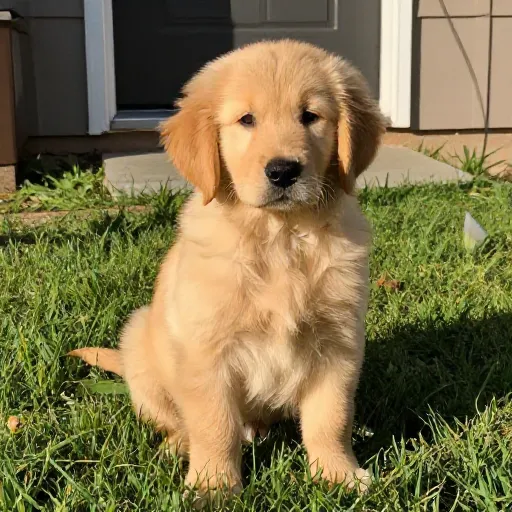
Bringing a new puppy home is pure joy—until you step in a puddle on your way to the morning coffee. I remember those first few days like yesterday. The excitement mixed with a tiny bit of panic. But here’s the truth: house training doesn’t have to take months. With the right plan, you can have a reliably clean pup in just a couple of weeks.
I’ve trained a few puppies in my time, and I’ve learned what actually works and what’s just a waste of energy. Forget the old advice about rubbing noses in accidents or using puppy pads forever. This method is fast, kind, and surprisingly simple. Let’s get started.
The secret is consistency and timing. Puppies are smart, and they want to please you. They just need a clear system. Once you set that up, everything clicks. Here are ten ideas that will transform your puppy into a house-trained pro—fast.
Set a Timer Like Your Sanity Depends on It
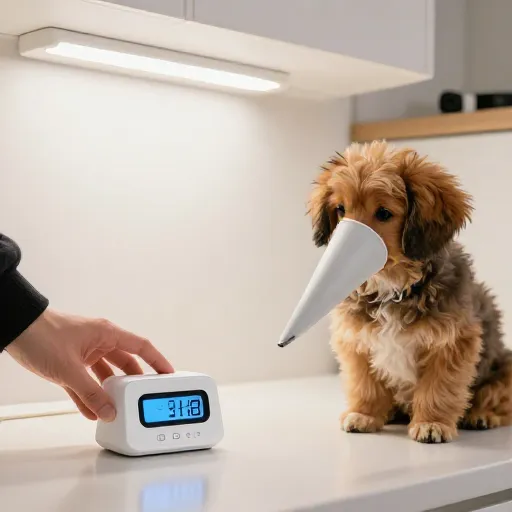
Your puppy’s bladder is tiny. A two-month-old can usually hold it for about two hours. That’s not a guess—that’s biology. So set a timer on your phone for every hour during the day.
When the timer goes off, take your puppy directly outside to their spot. No playing, no detours. Just straight to the grass. This builds a strong association between the timer and bathroom time.
You’ll be amazed how quickly they start trotting to the door when they hear that beep. It’s like magic, but it’s just good habit building.
Pick a Potty Spot and Never Change It
Dogs are creatures of scent. Pick one small area in your yard or on your balcony and always take your puppy there to go. The smell of previous accidents (even if you clean well) signals their brain that this is the place.
Use a specific phrase when you get there, like “Go potty.” Say it calmly and consistently. Don’t chat or play. Just stand still and wait.
When they go, throw a tiny party—praise, a small treat, a happy voice. They’ll learn that this spot equals rewards, and they’ll want to repeat it.
Watch for the Pre-Accident Dance
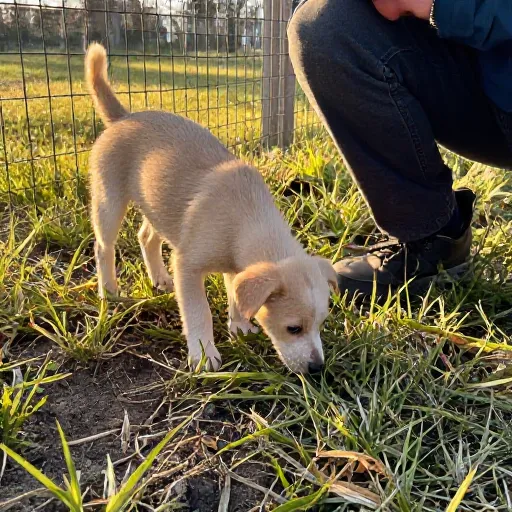
Every puppy has a tell. Some circle. Others sniff the floor frantically. A few just freeze mid-play. Learn your puppy’s “I need to go” signal and you’ll prevent nine out of ten accidents.
The moment you see that behavior, scoop them up gently and head outside. Don’t scold—just move fast. You’re teaching them that when they feel the urge, you’ll help them get to the right place.
After a few days of this, they’ll start going to the door on their own. That’s when you know it’s working.
Use a Crate for Overnight Success
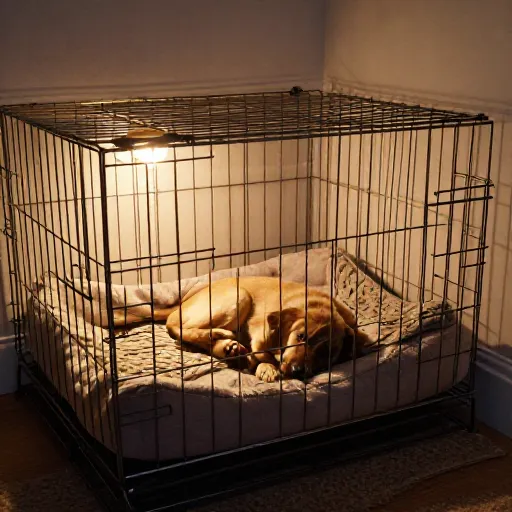
I know crates can feel a little harsh, but they’re actually a puppy’s best friend for house training. Dogs naturally avoid soiling their sleeping area. A properly sized crate harnesses that instinct.
Make sure the crate is just big enough for your puppy to stand up, turn around, and lie down. No extra space for a bathroom corner. Put a soft blanket and a safe toy inside.
At night, take them out once or twice. Yes, you’ll lose some sleep, but it’s temporary. In about a week, they’ll sleep through the night without accidents.
Feed on a Strict Schedule
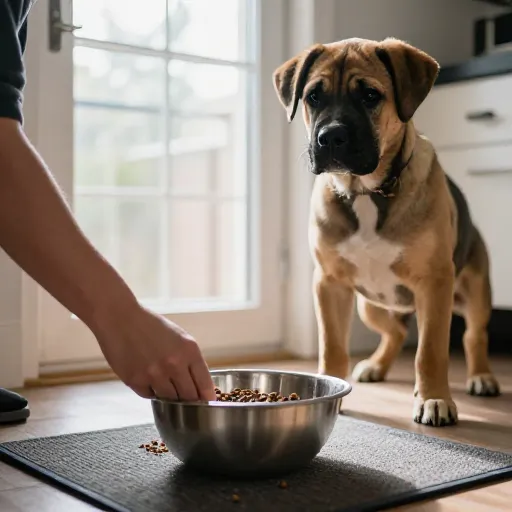
Free-feeding is the enemy of fast house training. When food is always available, their digestion is unpredictable. Instead, offer meals at the same times every day—morning, noon, and early evening.
Take the bowl away after 15 minutes. This teaches them to eat when food is offered, and it makes their bathroom schedule predictable. You’ll know exactly when they need to go.
Typically, a puppy needs to potty within 20 minutes after eating. So after each meal, head straight outside. This alone cuts accidents by half.
Celebrate Accidents in the Right Place
Here’s the counterintuitive tip: when your puppy has an accident inside, don’t yell. I know it’s frustrating, but punishment makes them afraid to go in front of you. That leads to sneaky peeing behind furniture.
Instead, clean the mess thoroughly with an enzymatic cleaner. This removes the smell that attracts them back to that spot. Then, remind yourself that accidents are your fault for not watching closely enough.
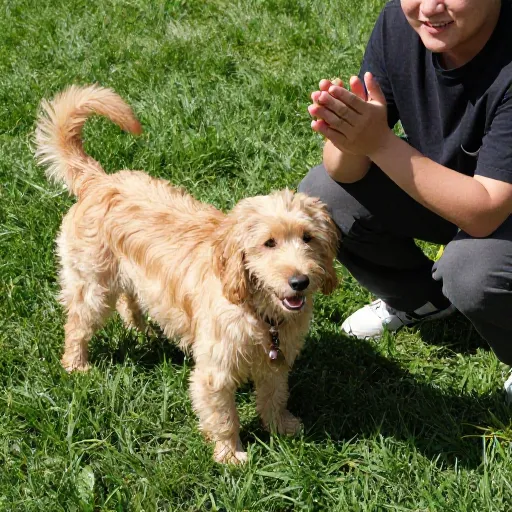
When they go outside, celebrate like they just won a gold medal. Over time, they’ll realize outside equals happy, inside equals boring cleanup. They’ll choose outside every time.
Leash Up Every Time, Even in Your Yard
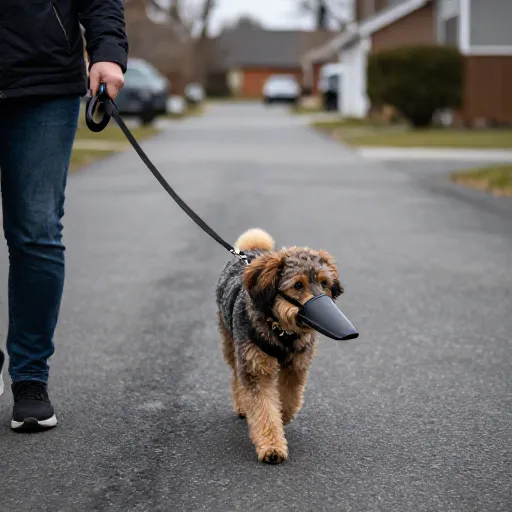
It’s tempting to just open the door and let your puppy run out. But that teaches them to play first, potty later. Instead, put them on a leash and walk them directly to their spot.
This keeps them focused. Once they go, you can let them off for a few minutes of play. They’ll learn that potty comes first, then fun.
It feels like a small thing, but it makes a huge difference. Leash time becomes a clear signal that it’s business time, not playtime.
Limit Their Freedom Until They’re Reliable
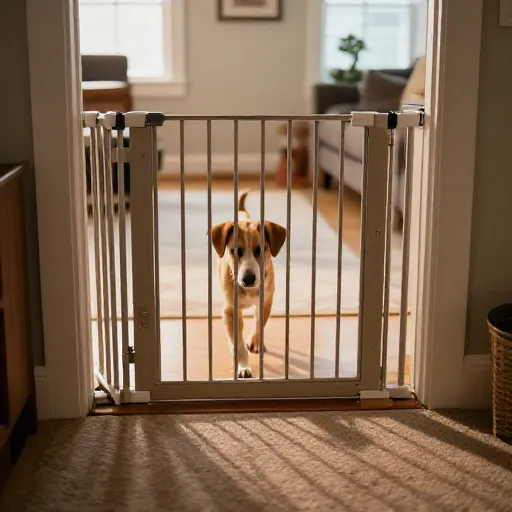
Your puppy doesn’t need the whole house yet. Confine them to one room or a puppy-proofed area where you can keep an eye on them. Use baby gates or close doors.
When you can’t watch them directly, put them in their crate or a small pen. This isn’t mean—it’s safe. They can’t have accidents in places you can’t see.
As they go longer without accidents, gradually give them more space. But take it slow. One new room at a time. Rushing freedom is the number one reason house training takes longer.
Stay Consistent With Everyone in the House
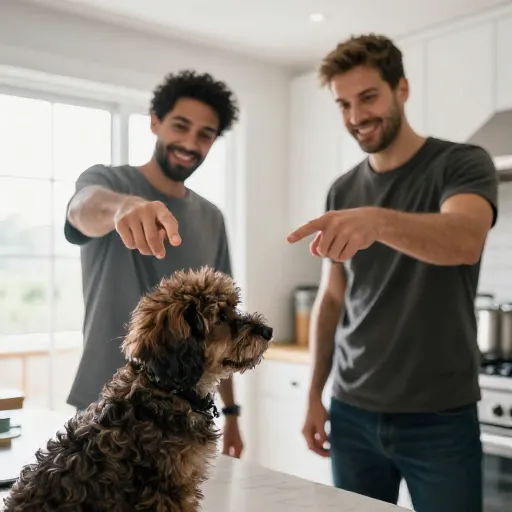
House training only works if everyone follows the same rules. If you take the puppy out every hour but your partner lets them wander for three hours, the puppy gets confused.
Write down the schedule and stick it on the fridge. Make sure everyone knows the potty spot, the cue words, and the reward system. Consistency is the secret ingredient.
Children especially need guidance. Teach them to watch for the puppy’s signals and to call an adult when they see them. Teamwork makes this process so much faster.
Be Patient With Setbacks—They’re Normal
Even with the best plan, there will be accidents. Your puppy might regress during a growth spurt or after a busy day. That’s okay. It doesn’t mean you’re failing.
Just go back to basics for a day or two. More frequent potty breaks, tighter supervision, and extra praise. Your puppy isn’t doing it to spite you—they just need a little reminder.
Stay calm and keep going. Most puppies are fully house trained within two to four weeks if you stick with it. You’ve got this, and your puppy is lucky to have you.
Conclusion
House training a puppy fast is totally doable. It’s not about magic tricks or expensive gadgets. It’s about consistency, timing, and a whole lot of patience. Every accident is a lesson, and every success is a step forward.
Remember to celebrate the small wins. That first time your puppy goes to the door on their own is a huge deal. You’re building a lifelong habit that will make both of your lives easier.
Stick with it, and soon you’ll have a clean house and a happy, confident puppy. And when that day comes, it will all have been worth it.
Frequently Asked Questions
How long does it take to house train a puppy?
Most puppies can be reliably house trained in 2 to 4 weeks if you follow a consistent schedule. Some breeds take a little longer, but with patience, it happens quickly.
Should I use puppy pads?
Puppy pads can confuse your puppy because they teach them to go inside. It’s better to skip them and go straight to outdoor training. If you must use them, place them near the door and gradually move them outside.
What if my puppy has accidents at night?
Set an alarm to take them out once or twice during the night. Remove water an hour before bedtime. Most puppies outgrow nighttime accidents within a week or two.
Can I train an older dog the same way?
Yes, absolutely. The same principles work for dogs of any age. Older dogs may have habits to unlearn, but consistency and positive reinforcement still work beautifully.
What cleaner should I use for accidents?
Use an enzymatic cleaner specifically designed for pet messes. It breaks down the proteins in urine and removes the smell that attracts your puppy back to that spot. Regular cleaners won’t do the job.