11 Tips to Discipline Your Dog the Right Way
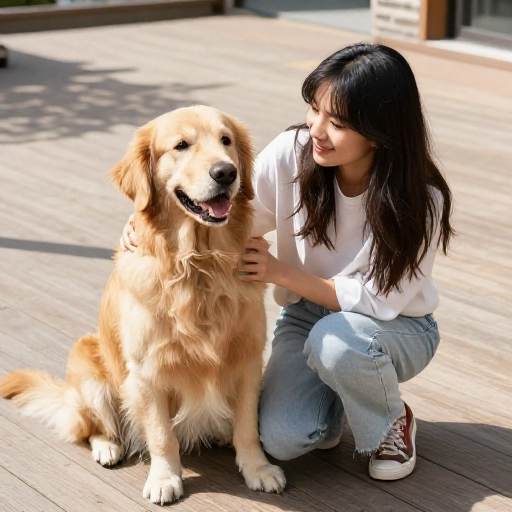
I remember the day I brought home my puppy, Max. He was a fluffy little tornado of energy, and within an hour, he had chewed through a pair of my favorite sneakers. I felt frustrated, but I also knew that yelling or getting angry wouldn’t solve anything. Dogs don’t understand punishment the way humans do. They live in the moment, and if we want them to behave, we have to meet them there.
Over the years, I’ve learned that good discipline is really just good communication. It’s about teaching your dog what you want them to do, not just punishing them for what you don’t want. It takes patience, consistency, and a whole lot of love. If you’re struggling with a naughty pup, take a deep breath. You’re not alone, and it’s not hopeless. Here are eleven practical tips to help you discipline your dog the right way.
1. Catch Them Being Good
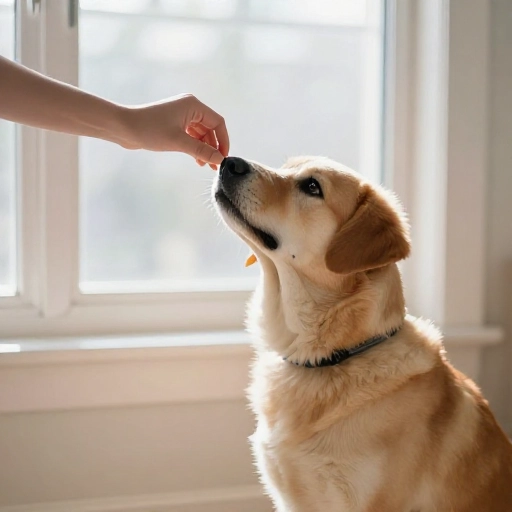
This is the golden rule. Instead of waiting for your dog to mess up, watch for the moments they do something right. Maybe they sit quietly while you’re cooking, or they choose to chew on their toy instead of your rug. When you see it, reward them immediately with a treat, a happy “yes!”, or a scratch behind the ears.
Positive reinforcement is scientifically proven to be more effective than punishment. Your dog will start repeating the good behaviors because they lead to good things. Discipline isn’t just about correcting mistakes; it’s about building a framework of good habits from the ground up.
2. Use a Firm, Calm Voice
Dogs are masters at reading our energy. If you shout, your dog doesn’t learn that they did something wrong. They just learn that you are scary and unpredictable. Instead of yelling, use a firm, low tone that says “I mean business.”
I use the word “eh-eh!” as a short, sharp interrupter when Max is about to do something he shouldn’t. It’s not angry, it’s just a clear signal. Your voice should be a tool for guidance, not a weapon of frustration. Staying calm keeps you in control of the situation.
3. Be Consistent With Every Rule
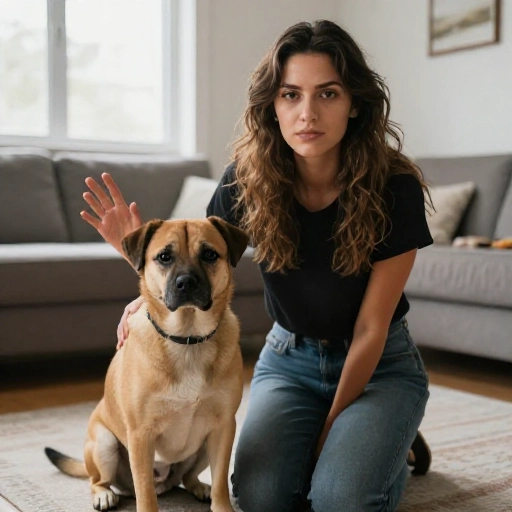
This is the hardest one for most owners. If you let your dog jump on the couch on weekends but scold them for it on weekdays, you are just confusing them. Dogs thrive on clear, predictable rules. Consistency is the backbone of good discipline.
Decide on the rules with everyone in your household. Is the dog allowed on the bed? Can they beg at the table? Once you set a rule, stick to it 100% of the time. A confused dog is an anxious dog, and an anxious dog often acts out.
4. Redirect, Don’t Just Punish
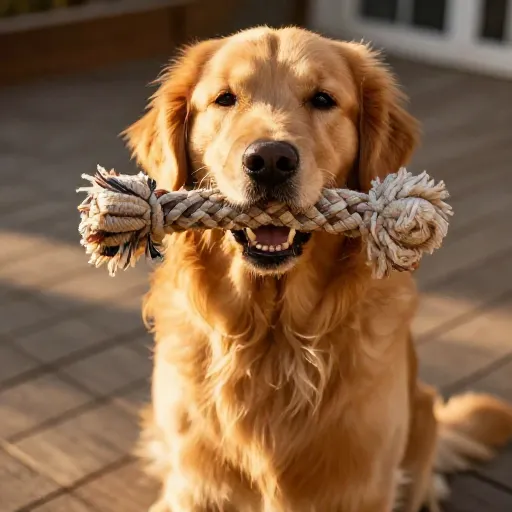
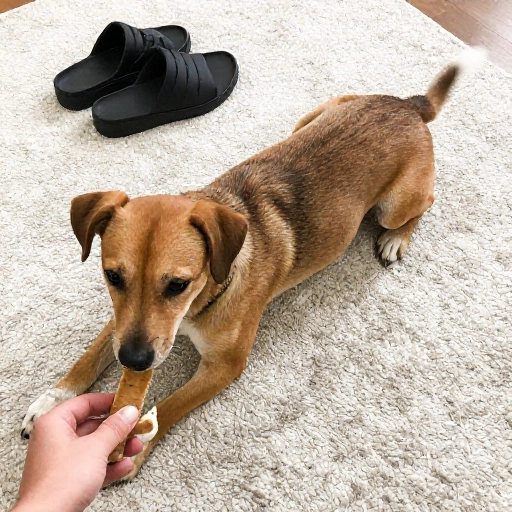
If you catch your dog chewing your shoe, don’t just take the shoe away and scold them. That leaves your dog confused and still needing to chew. Instead, take the shoe and trade it for a toy or a bone. Show them what they can chew on.
Redirection is a gentle way of saying “No, but this is better.” It teaches your dog to make the right choice. Over time, they will start to choose the toy over the shoe because they know it leads to a positive outcome. It’s a win for everyone.
5. Ignore the Bad Behavior (When Safe)
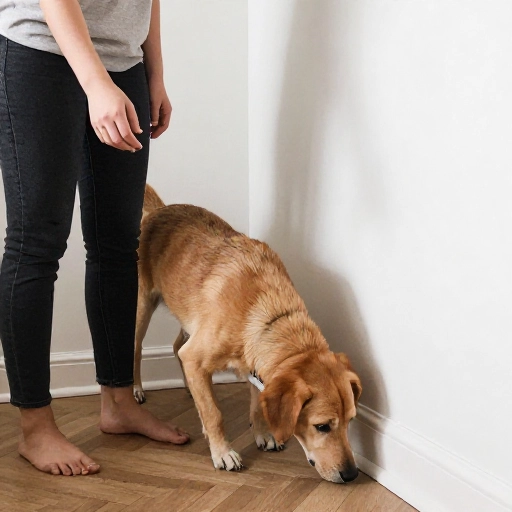
Some behaviors are fueled by attention. Jumping, barking for attention, or whining are often just a way for your dog to say “Look at me!” If you react, even negatively, you are giving them what they want. The best discipline for these behaviors is often to withdraw your attention completely.
When Max jumps, I turn my back and cross my arms. I don’t say a word. The second his paws are on the floor, I turn around and praise him. It takes a few tries, but he quickly learned that keeping his paws on the ground is the only way to get my attention.
6. Time-Outs Work for Dogs Too
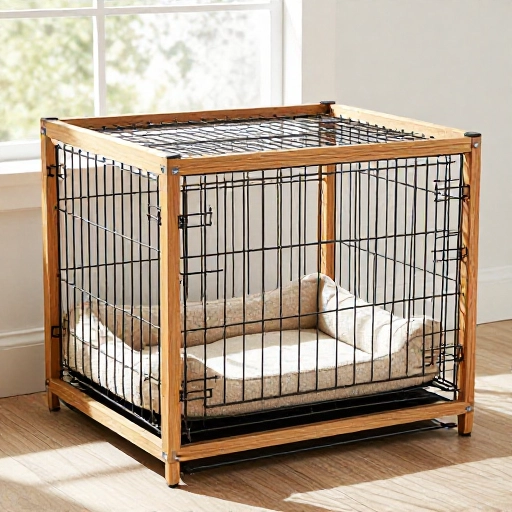
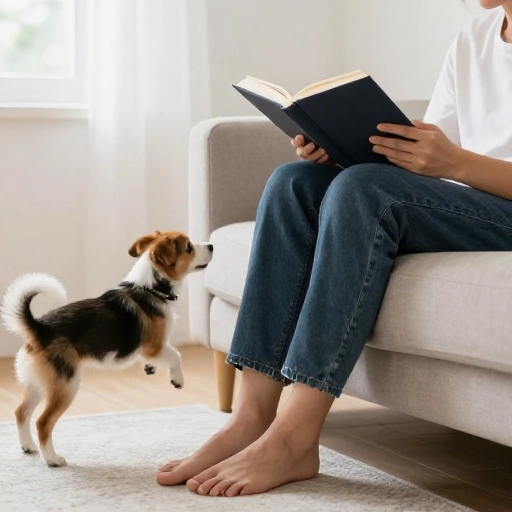
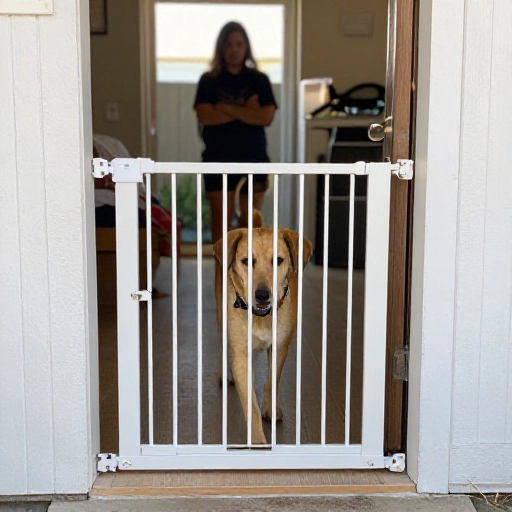
If your puppy is over-excited and nipping, or if they just won’t stop barking, a brief time-out can reset the mood. Choose a boring, safe spot like a laundry room or a hallway with a baby gate. Don’t use their crate, as that should always feel like a happy place.
Give them two minutes of quiet time. No talking, no eye contact. When they are calm, let them out. This isn’t a punishment for being “bad.” It’s a chance for them to calm down and for you to take a breather. It teaches them that wild behavior leads to a boring break.
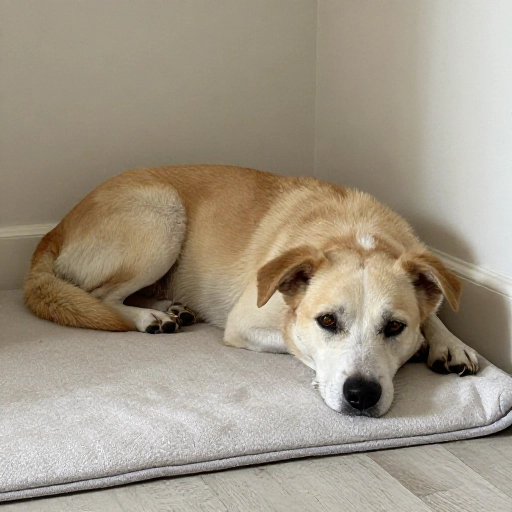
7. Never Ever Use Physical Punishment
This one should go without saying, but I’ll say it anyway. Hitting, spanking, or shaking a dog is never okay. It doesn’t teach them anything except to be afraid of you. A dog that is scared of their owner is a dog that is more likely to become reactive or aggressive.
Physical punishment breaks the bond of trust between you. The goal of discipline is to build a partnership based on respect and understanding. If you are feeling so frustrated that you want to lash out, step away. Go into another room, take ten deep breaths, and come back when you are calm.
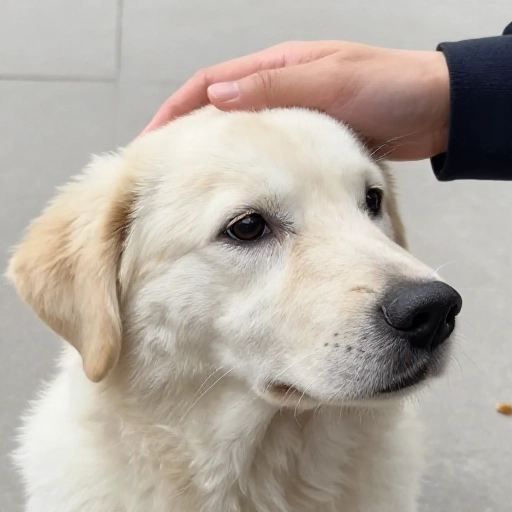
8. Understand the “Why” Behind the Behavior
Most “bad” behaviors are actually normal dog behaviors. Digging, chewing, barking, and jumping are all natural instincts. The discipline isn’t about stopping the instinct; it’s about giving your dog an appropriate outlet for it. Is your dog digging in the yard? Maybe they are bored or hot.
Try creating a sandbox where they are allowed to dig. Is your dog barking at the window? Close the curtains and give them a puzzle toy to work on. When you understand the root cause, you can solve the problem instead of just treating the symptom.
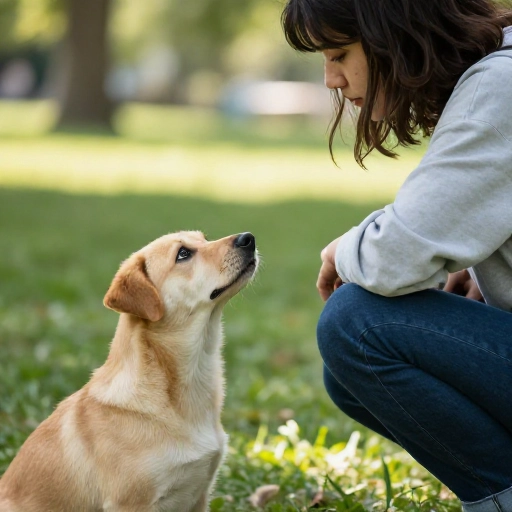
9. Practice Short, Fun Training Sessions
Discipline is often just training in disguise. When you teach your dog a “sit” or a “stay,” you are teaching them impulse control. A dog who can “sit” before the door is opened is a dog who understands patience. Keep training sessions to five or ten minutes and always end on a high note.
Use high-value treats, like tiny pieces of cheese or chicken, and make it feel like a game. The more fun you make it, the more your dog will want to listen to you. A well-trained dog is a happy dog, and a happy dog rarely gets into trouble.
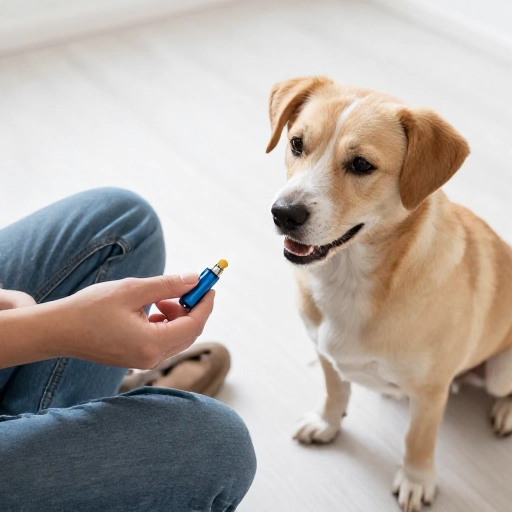
10. Manage the Environment to Prevent Mistakes
Sometimes the best discipline is prevention. If your dog keeps stealing socks, stop leaving socks on the floor. If they chew on cords, use cord covers or block off the area. Management is not giving up; it’s being smart. You wouldn’t leave a toddler alone with a marker, so don’t set your puppy up for failure.
Set your dog up for success by making the right choice the easy choice. Put away tempting items, use baby gates to block off rooms, and keep trash cans covered. A tidy house makes for a well-behaved dog.
11. Focus on the Relationship, Not the Rules
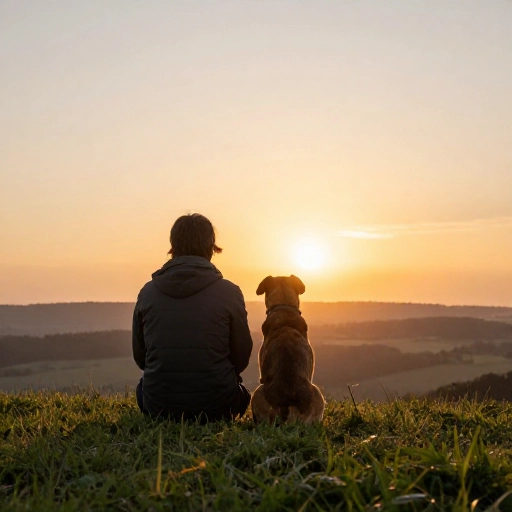
At the end of the day, discipline is about connection. A dog who trusts you will want to please you. Spend quality time with your dog that has nothing to do with training. Go for sniffy walks, play tug-of-war, or just cuddle on the couch. A strong bond is the foundation of all good behavior.
When your dog knows you are their safe place, they will listen to you even when distractions are high. Don’t let discipline become the entire focus of your relationship. Be their leader, yes, but also be their best friend. That is the secret to a truly well-behaved dog.
Conclusion
Disciplining your dog doesn’t have to be a battle. It’s a journey of learning for both of you. Some days will be hard, and you will feel like you’re going backward. That’s okay. Be patient with yourself and your pup. Focus on the small wins, stay consistent, and always lead with kindness.
Your dog isn’t trying to be naughty. They are just trying to figure out how to live in your human world. It’s your job to guide them with compassion. When you do, you’ll build a bond that is unshakeable, and a dog who is a joy to live with every single day.
FAQ
Q: What should I do if my dog growls at me when I scold them?
A: Stop immediately. A growl is a warning. Your dog is telling you they are uncomfortable. Pushing them can lead to a bite. Step back and think about what might be causing the fear. You may need to consult a professional trainer.
Q: Is it okay to use a squirt bottle to stop barking?
A: I wouldn’t recommend it. It can make your dog scared of water or of you. It also doesn’t teach them what to do instead. The barking is a symptom; find the cause and address that.
Q: My dog knows “sit” at home but ignores me at the park. Why?
A: That’s totally normal. Dogs don’t generalize well. They think “sit” means “sit in the kitchen.” You have to practice the command in new, distracting places, starting at a distance and slowly moving closer.
Q: How do I stop my dog from pulling on the leash?
A: The easiest method is to stop walking every time the leash gets tight. Stand like a tree. Don’t move until your dog looks back at you or the leash loosens. Then reward them by continuing to walk. It takes patience, but it works.
Q: Is it ever too late to train an older dog?
A: Not at all! Older dogs can absolutely learn new habits. They might take a little longer to unlearn old ones, but they are often calmer and more focused than puppies. It’s never too late to build a better relationship.