11 RVing With Dogs Tips for a Stress-Free Adventure
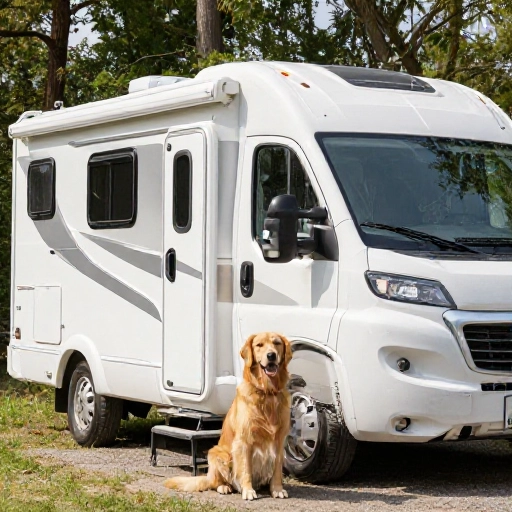
There’s something special about hitting the open road with your best friend by your side. My dog, a scruffy little terrier mix named Pip, has been my co-pilot for three cross-country trips now. The first time we tried RVing together, I made every mistake in the book—forgot his water bowl, let him roam while driving, and learned the hard way that a nervous pup can chew through a seatbelt.
But over the years, I’ve figured out what works. RVing with a dog doesn’t have to be chaotic. With a little planning, you can keep your pup safe, happy, and tail-wagging the whole trip. These 11 tips come straight from my own messy, joyful, and muddy-paw-print-filled experiences.
1. Practice Car Camping in Your Driveway First
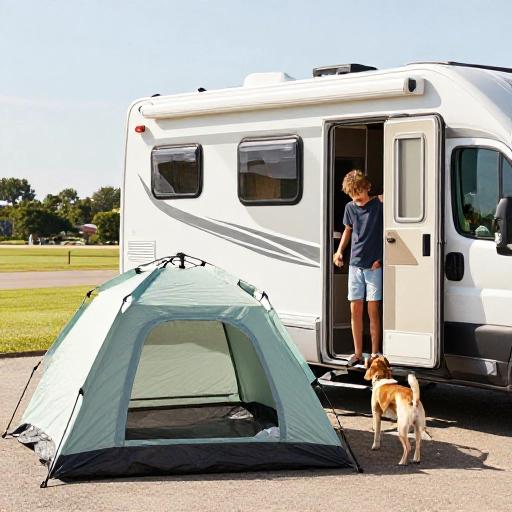
Before you drive off into the sunset, let your dog get used to the RV while it’s parked at home. Set up the bed, turn on the generator, and let them explore every nook and cranny. Some dogs are nervous about the engine noise or the rocking motion.
Spend a night in the driveway together. Let them sleep in their usual spot inside the RV. This low-pressure trial run helps you spot issues—like if your dog tries to escape through a window or gets anxious in tight spaces—before you’re miles from home.
I did this with Pip and discovered he was terrified of the refrigerator’s hum. A few days of positive treats near the fridge solved it.
2. Secure Your Dog While Driving
I know it’s tempting to let your pup ride shotgun or wander the RV while you’re driving. Please don’t. A sudden stop can turn your dog into a projectile, and an unsecured dog can distract you at the worst moment.
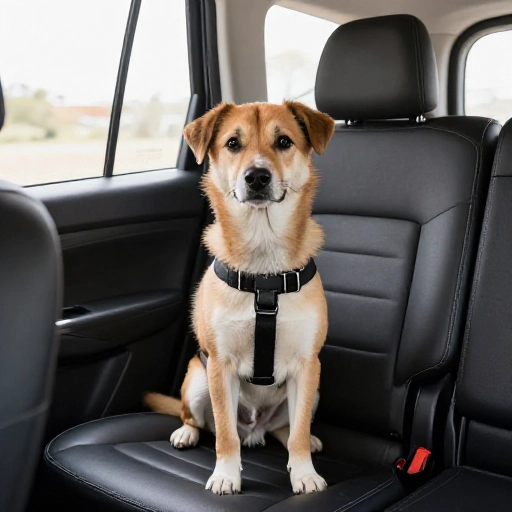
Use a crash-tested harness attached to a seatbelt, or a pet carrier strapped down in the cab area. I like to set up a cozy spot on the passenger floor with a bed and a clip-in tether. It keeps Pip safe and gives him a view out the window.
Never let dogs ride in the back of a truck camper or on a lap while driving. It’s not worth the risk.
3. Create a “Dog Zone” Inside the RV
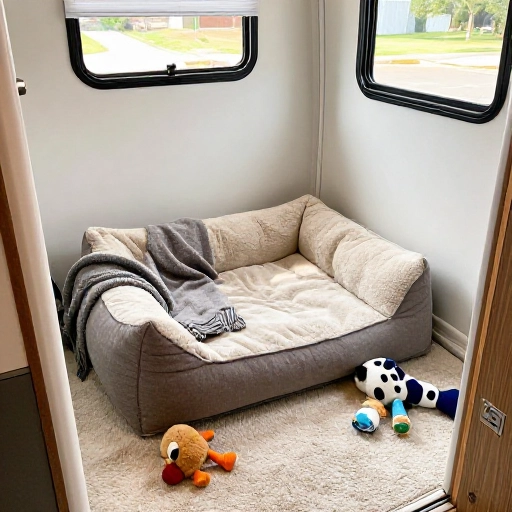
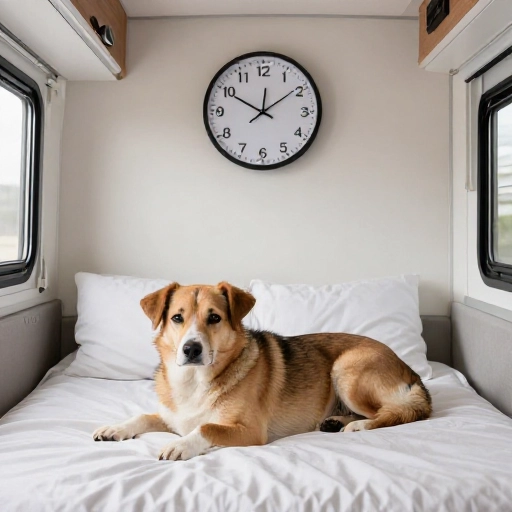
Designate one area of the RV as your dog’s safe space. This could be a corner of the dinette, a spot under the table, or a crate if they like crates. Place their bed, favorite toys, and a water bowl there.
Having a consistent spot helps your dog feel grounded, even when you change campsites every few days. I put Pip’s bed near the window so he can watch birds and people go by. He knows that’s his spot, and he goes there when he feels overwhelmed.
Keep this zone clear of your own clutter. It’s their little den on wheels.
4. Pack a Dedicated Dog Bag (Not Just Their Food)
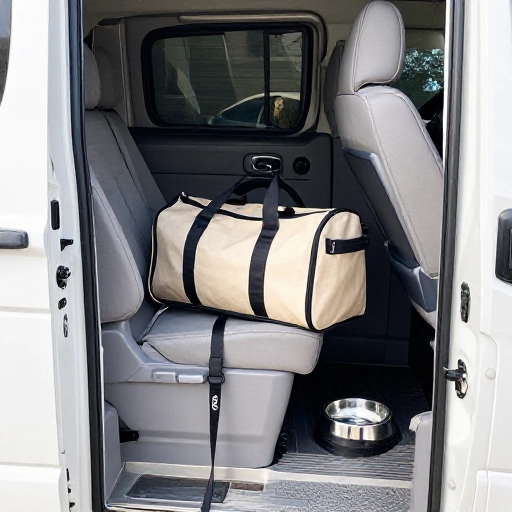
It’s easy to throw a bag of kibble in the cupboard and call it done. But you’ll thank yourself later if you pack a separate bag for dog essentials. Mine includes: a collapsible water bowl, poop bags, a first-aid kit with tweezers (for ticks), a towel, a spare leash, and a small bag of their regular food in case we can’t find their brand on the road.
Also pack a copy of their vaccination records and a recent photo. If they ever get lost, this information is gold. I keep all of this in a waterproof pouch tucked near the door.
Don’t forget a favorite chew toy. It can be a lifesaver on long driving days.
5. Plan Your Route Around Dog-Friendly Stops
Not every rest area or gas station is dog-friendly. Some have no grass or shade, and a few don’t allow pets at all. Before you leave, map out stops where your dog can stretch their legs, drink water, and do their business.
Apps and online forums are great for this, but you can also just call ahead. I aim for a break every two to three hours. Even a 10-minute walk makes a huge difference for a restless pup.
Also look for campgrounds with fenced dog runs or off-leash areas. That way, your dog can run free without you worrying about traffic.
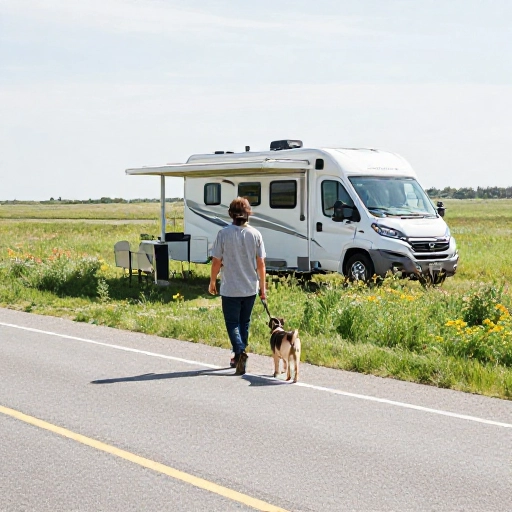
6. Keep Your Campsite Clean and Safe
Dogs explore with their noses and mouths. At a campsite, that means they might sniff out dropped food, sharp objects, or even poison ivy. Do a quick scan of your site when you arrive. Pick up any trash, broken glass, or stray fishing hooks.
Set up a portable dog fence or a long tie-out so your dog can roam without wandering into the neighbor’s site. I use a corkscrew stake and a 20-foot lead. Just make sure the stake is secure in the ground.
Also, watch for wildlife. A curious dog can get into trouble with skunks, porcupines, or even a protective mother deer.
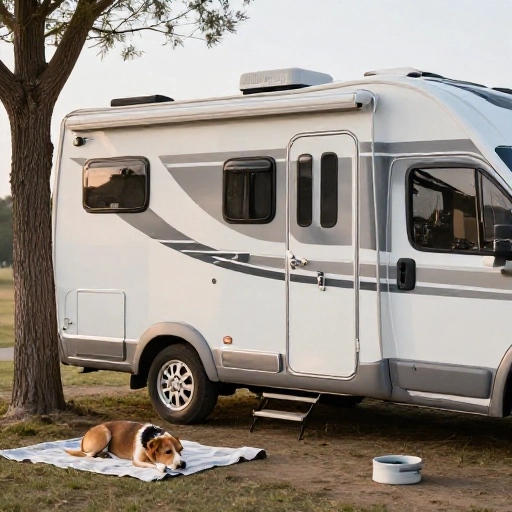
7. Bring a Cooling Mat or Bed for Hot Days
RVs can heat up fast, especially in summer. Even with air conditioning, the floor can get hot. A cooling mat gives your dog a cool place to lie down, and it’s easy to pack.
I also freeze a water bottle and wrap it in a towel for Pip to snuggle with on hot afternoons. If we’re hiking, I bring a collapsible bowl and offer water frequently. Signs of overheating include heavy panting, drooling, or lethargy.
Never leave your dog alone in the RV in warm weather, even for a few minutes. Temperatures can spike dangerously fast inside a metal box.
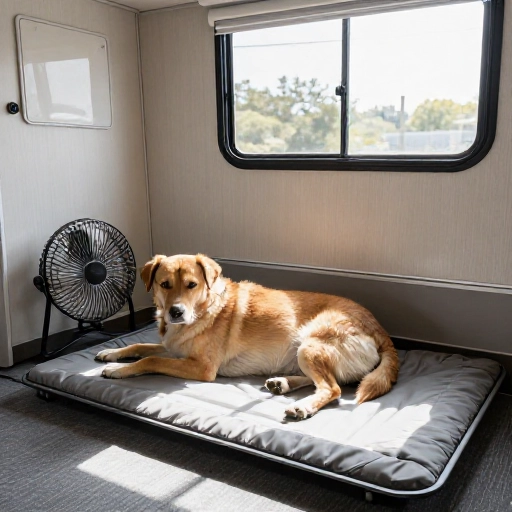
8. Stick to Your Dog’s Routine as Much as Possible
Dogs thrive on routine. When you’re traveling, everything is new and exciting, which can be stressful. Try to keep meal times, walk times, and bedtime similar to what you do at home.
I feed Pip at the same time every morning and evening, even if we’re in a different state. I also try to go for a short walk before we start driving and after we stop. This predictability helps him relax.
If your dog is especially anxious, bring a familiar blanket or toy from home. That familiar smell can be very comforting.
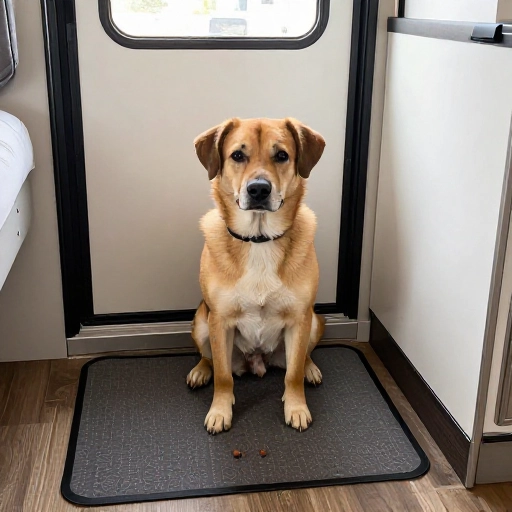
9. Teach a Solid “Place” or “Settle” Command
This is the single most useful skill for RV life. When you’re trying to hook up the sewer hose, cook dinner, or navigate a tight campsite, a dog underfoot is dangerous. A “place” command (go to their bed and stay) gives you a few minutes of peace.
Practice this at home before the trip. Start with short durations and reward heavily. Once your dog understands, you can use it anywhere—parking lots, campgrounds, or even inside the RV during a thunderstorm.
Pip knows that when I say “place,” he goes to his bed near the window. It’s saved me from countless spills and tangled leashes.
10. Prepare for Emergencies (Yes, Even Vomiting)
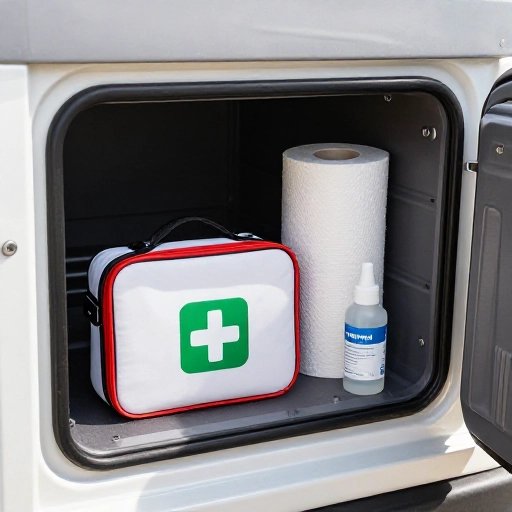
Travel can upset a dog’s stomach. Motion sickness, new water, or eating something weird at a campsite can all cause vomiting or diarrhea. Pack a small emergency kit with activated charcoal (for poisoning, but ask your vet first), electrolyte powder for dogs, and some plain canned pumpkin to settle their stomach.
Know where the nearest 24-hour emergency vet is along your route. I save the addresses in my phone before I leave each day. Also carry a muzzle and a towel in case your dog is in pain and snaps.
Trust your gut. If something feels off, don’t wait—find a vet.
11. Take Lots of Photos (But Also Be Present)
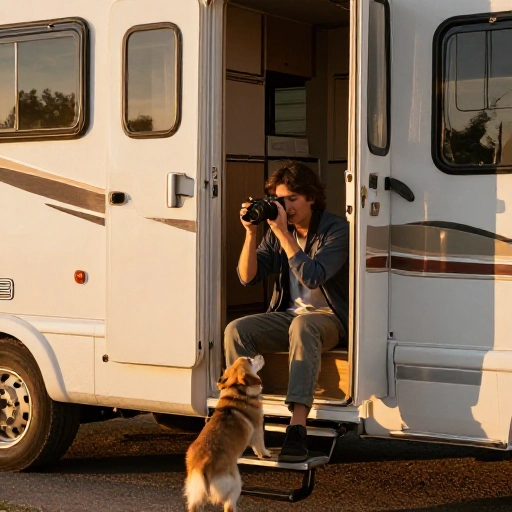
You’re making memories. Take pictures of your dog with their nose out the window, sleeping on a picnic table, or swimming in a lake. Those photos will be priceless later.
But don’t spend the whole trip behind a phone. Sit with your dog at sunset, let them sniff a new trail, and enjoy the quiet moments. The best part of RVing with a dog is simply being together in a new place.
I keep a small journal in the glove box and jot down funny things Pip does. “Chased a butterfly for 20 minutes. Never caught it.” That’s the stuff I remember most.
Conclusion
RVing with your dog is one of the most rewarding things you can do. Yes, it takes a little extra planning. Yes, you’ll clean up more paw prints and vacuum more fur. But the joy of watching your best friend explore the world with you is absolutely worth it.
These 11 tips are the ones I wish I’d known from day one. Start small, be patient, and don’t forget to pack the treats. Your dog will thank you with every wag.
Frequently Asked Questions
Can I leave my dog alone in an RV while I go out?
It depends on the weather and your dog’s temperament. Never leave them in extreme heat or cold. If you must leave them, make sure the RV is well-ventilated, the temperature is safe, and your dog is comfortable being alone. Start with short absences first.
How do I keep my dog from barking at other campers?
Training is key. Teach a “quiet” command and reward calm behavior. You can also block their view of passersby with a curtain or window shade. If barking is severe, consider a white noise machine or calming treats.
What if my dog gets car sick?
Talk to your vet before the trip. Some dogs do well with ginger treats or over-the-counter motion sickness meds (always ask your vet first). Keep the RV well-ventilated, avoid feeding right before driving, and take frequent breaks.
How do I handle bathroom breaks on long driving days?
Plan stops every two to three hours. Keep a leash and poop bags within easy reach. If your dog is reluctant to go in a busy rest area, find a quiet spot off the highway. Some dogs also learn to use a portable grass patch inside the RV.
Do I need to bring my dog’s bed or can they sleep on the RV furniture?
It’s best to bring their own bed. It smells like home and gives them a consistent place to sleep. RV furniture can be cold and unfamiliar. A familiar bed helps them settle down faster and sleep better through the night.