11 Confidence-Building Dog Games
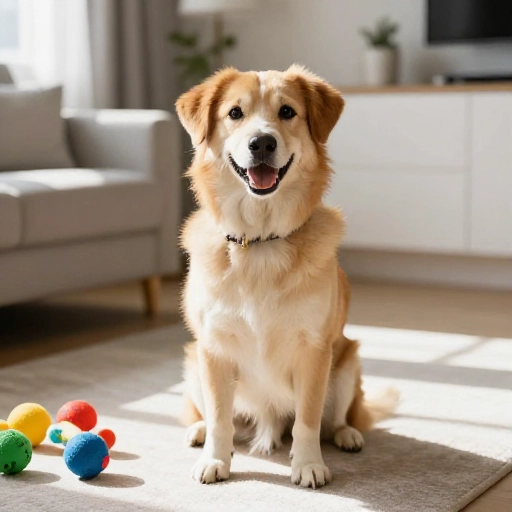
Does your dog sometimes seem a little unsure of themselves? Maybe they hesitate at the dog park, or they get startled by a sudden noise. It’s a common worry for many of us. The good news is that just like us, our dogs can learn to be braver. It all starts with small wins.
I’ve found that the best way to help a shy or nervous dog is through play. Games remove the pressure. They turn learning into fun. When your dog figures out a puzzle or masters a new trick, you can see their whole body relax. Their tail wags a little higher. That’s confidence growing right before your eyes.
These 11 games are simple, use things you already have at home, and are designed to make your dog feel like a superstar. No special equipment is needed, just a little patience and a lot of praise. Let’s get started.
1. The Box Game
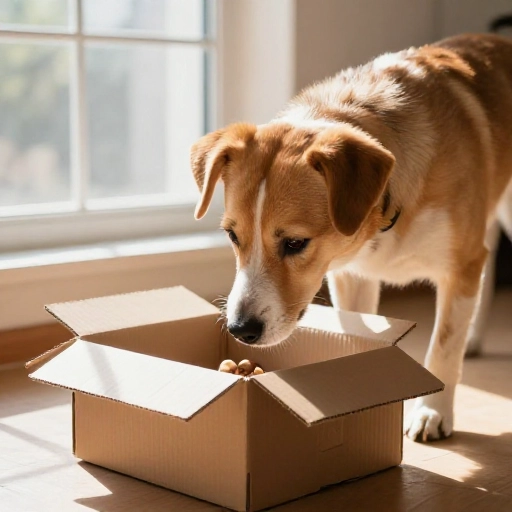
This is a fantastic game for dogs who are scared of new objects. Start with an empty cardboard box. Place it on the floor and toss a few high-value treats inside. Let your dog investigate at their own pace.
Don’t push them. If they just sniff the air near the box, that’s a win. Reward that sniff. Over time, they will put a paw in the box, then two paws, and eventually their whole body. The goal is for them to decide the box is safe and fun. It’s all about their choice.
You can make it harder later by using a box with a crumpled paper inside. The sound can be spooky at first, but when they realize it means treats, they will love it.
2. Find It
This game builds a powerful skill: using their nose. A working nose is a happy, confident dog. Start easy. Let your dog watch you drop a treat on the floor a few feet away. Say “Find it!” with a happy voice.
Once they get the idea, make it harder. Hide treats under a cushion or behind a chair leg. The search gives them a job to do. It focuses their mind and pushes away fear. Every time they find the treat, it’s a small victory.
This is perfect for rainy days. A few rounds of “Find It” can tire out a nervous mind better than a long walk.
3. The Shell Game
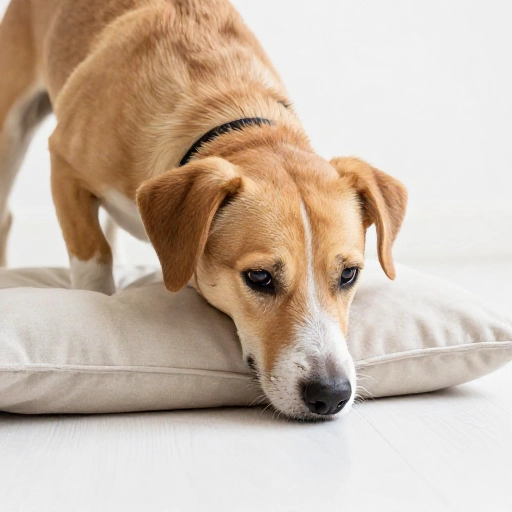
You’ll need three plastic cups (like solo cups) and some treats. Start with just one cup. Show your dog the treat, then cover it with the cup. Let them paw or nudge the cup to get the treat.
Once they master that, add a second cup. Place the treat under one cup while they watch. Then shuffle them slowly. Let them choose. If they pick the right one, party time! If not, just show them the treat under the other cup and try again.
This game teaches problem-solving. It shows your dog that trying is good. There is no punishment for being wrong, only a chance to try again.
4. Touch It
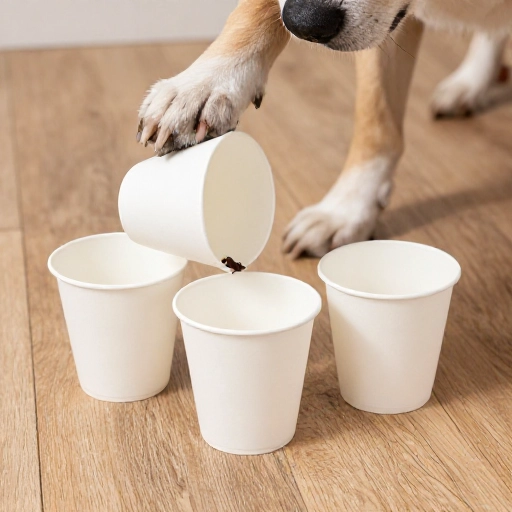
This is a basic game that builds huge trust. Hold out your open palm, a few inches from your dog’s nose. Say “Touch” in a cheerful tone. The moment they sniff or bump your hand with their nose, click your tongue or say “Yes!” and give a treat.
Practice this in a quiet room first. Then, try it outside or in a new place. When your dog is nervous, you can ask them to “Touch” your hand. It gives them a simple action to focus on. It pulls their attention away from the scary thing and back to you.
It is also a great way to guide your dog without grabbing their collar. It feels like a secret handshake between you two.
5. The Name Game
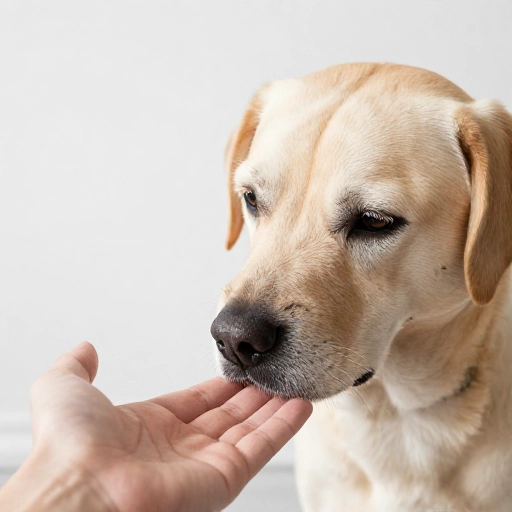
Does your dog actually know their name? This game makes sure they love hearing it. Say your dog’s name in a happy, high-pitched voice. The second they look at you, mark it with a “Yes!” and toss a treat to the side.
Why toss the treat? It makes them look away and then come back to you for the next round. This prevents them from just staring at your hand. It builds a strong, automatic check-in.
Practice this in different rooms, then in the backyard. A dog who reliably turns to their name is a dog who trusts you to be the source of good things. That is the foundation of confidence.
6. Go Find Your Mat
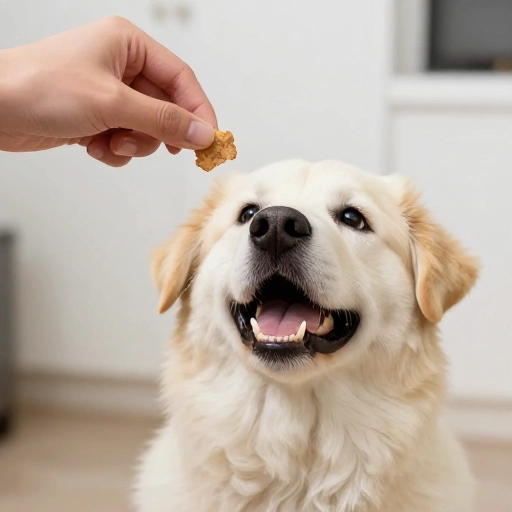
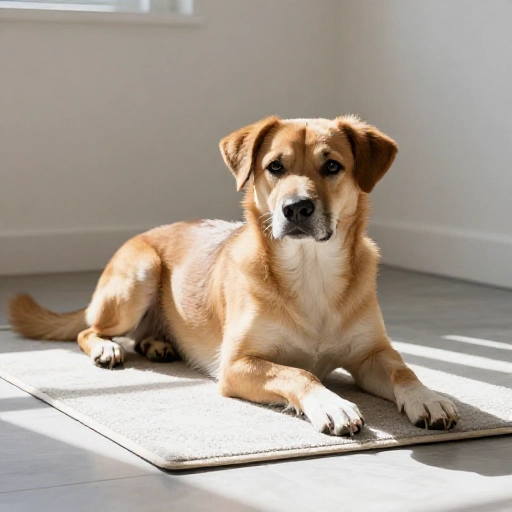
A mat or a bed becomes a “safe zone” in this game. Start by tossing a treat onto the mat. When your dog steps onto it, say “Go to your mat” and give another treat. Do this a few times.
Next, ask them to stay on the mat for just one second. Then two. The mat becomes a place of calm and rewards. When your dog is feeling overwhelmed, you can send them to their mat. It gives them a clear job to do and a safe place to decompress.
This is not just a “stay” command. It is a skill that teaches self-control. A dog who can choose to relax on their mat is a confident dog.
7. The Cookie Toss
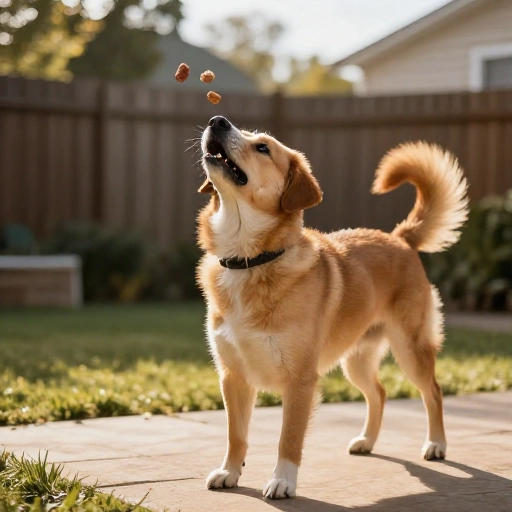
This is the simplest game ever, and it works wonders. When you see something that might scare your dog (like a skateboard or a loud truck), toss a handful of treats on the ground near them. Don’t ask for anything. Just let them eat.
You are not trying to distract them. You are changing their emotional response. The scary thing now predicts delicious food. Over time, your dog will look at the scary thing and then look at you, expecting a treat. That is a huge shift.
This is best for things that are far away. If your dog is already panicking, the treat might not work. Start at a distance where they are just a little worried.
8. Which Hand
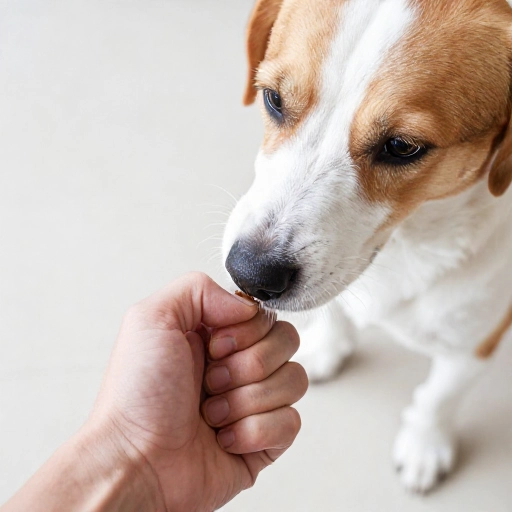
This is a guessing game. Put a small, smelly treat in one hand. Close both fists. Present both hands to your dog. Let them sniff. When they nudge or paw the correct hand, open it and say “Good guess!”
This game is easy to win. Even if they pick the wrong hand at first, you can open the other hand to show them the treat. They learn that checking in with you and using their nose pays off.
It is a quiet, low-energy game. Perfect for the evening when you want to bond without getting the dog too hyped up before bed.
9. The Tunnel of Love
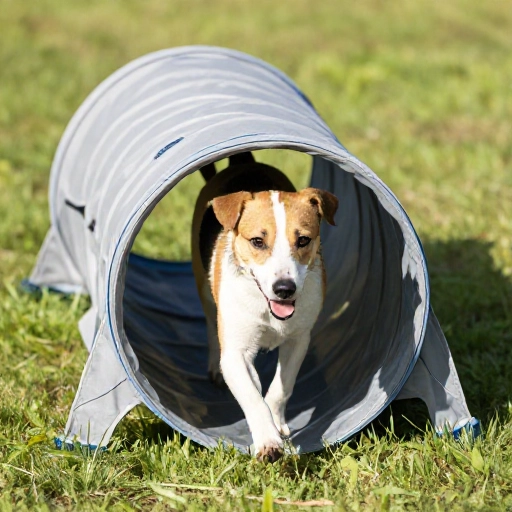
Take a large cardboard box and cut the flaps off both ends. You now have a tunnel. Lay it on its side. Toss a treat right at the entrance. Then toss one just inside. Let your dog decide when to go through.
Do not push them or reach through the tunnel. Let them explore. Some dogs will just stick their head in at first. That is perfect. Reward that step. Eventually, they will walk all the way through.
Going through a dark, enclosed space is a big deal for a nervous dog. When they do it on their own terms, their confidence gets a huge boost. You can even run to the other side and call them through.
10. Freeze Dance
This is a game for you. Start walking around the room. Your dog will probably follow you. Suddenly, stop and freeze. Don’t say a word. The moment your dog stops moving and looks at you, mark it and toss a treat.
You are teaching your dog that stopping and checking in with you is fun. It builds impulse control. It also makes you more interesting than the environment.
You can do this on walks. Walk a few steps, freeze, and reward your dog for looking at you. It turns a boring walk into a fun game of attention. A dog who watches you is a dog who feels safe.
11. The Can You Do It? Challenge
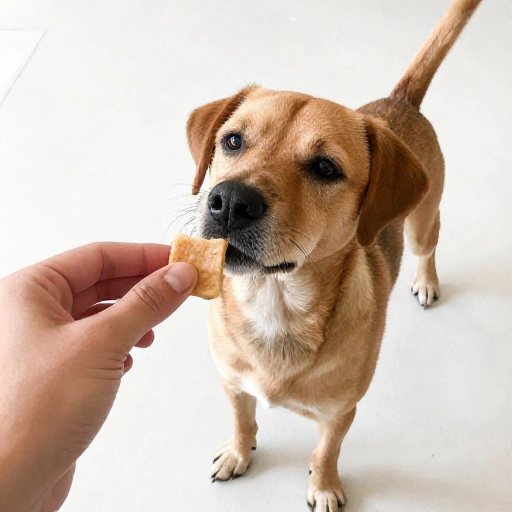
Set up a simple obstacle course. A chair to walk around, a pillow to step on, a low stool to put paws on. Guide your dog through it with treats and a happy voice. Don’t force them over anything they are scared of.
The key is to let them choose the path. If they walk around the pillow instead of on it, that is fine. The goal is movement and exploration. You are building a “can do” attitude.
Each small success in the course tells your dog, “I did that.” Over time, they will try harder challenges. They might jump over a small stick or crawl under a table. It turns the world into a fun playground.
Conclusion
Building a confident dog is not about big transformations overnight. It is about small, daily moments of success. Every time your dog chooses to try, you win. Every time they look at you with trust, you win.
Pick just one or two games from this list and try them this week. Watch your dog’s eyes light up when they figure it out. That light is confidence. And it grows a little brighter every time you play.
[[IMG:IMG13]]
Frequently Asked Questions
How long should I play these games each day?
Short sessions work best. Five to ten minutes, two or three times a day. Stop while your dog is still having fun. You want them to be eager for the next game, not bored or tired.
My dog is very scared. Should I still try these?
Yes, but go slower. Start in the quietest room in your house. Use the highest value treats (like chicken or cheese). If your dog walks away, that is okay. Try again later. Never force them to participate.
Can I use these games for a puppy?
Absolutely. Puppies learn through play. These games are perfect for building a strong bond early on. Just keep the sessions very short and always end on a happy note.
What if my dog doesn’t like treats?
Some dogs are more motivated by toys or praise. Use a favorite squeaky toy or a happy “Good dog!” instead of a treat. The reward just needs to be something your dog really wants.
My dog seems bored with the games. What should I do?
Mix it up. Try a game you haven’t done in a while. Or make the game harder. For example, hide the treat in a harder spot for “Find It.” You can also use different treats to keep it fresh. The goal is to keep it fun for both of you.
[[IMG:IMG14]]