13 Flea Remedies That Work Without Harsh Chemicals (My Go-To List)
If you’ve ever watched your poor pup scratching nonstop, you know the panic that sets in. You want relief for them, fast. But the idea of dousing them in strong chemicals? That never sits right with me either. I’ve been there, rummaging through my pantry for something—anything—that works without making me nervous.
Over the years, I’ve tested a bunch of natural remedies. Some were total flops. These 13? They actually delivered. They’re simple, gentle on your pet, and use things you probably already have at home. Let’s get your furry friend some relief, the natural way.
1. The Dish Soap Bath Trick
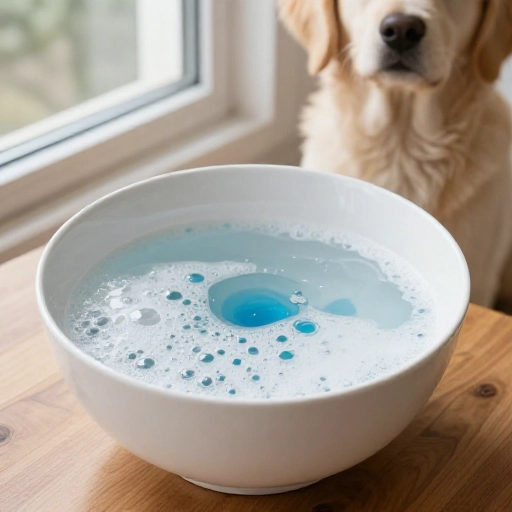
This is my emergency go-to. A warm bath with a few drops of blue Dawn dish soap (the original kind) kills adult fleas on contact. It works by breaking down their exoskeletons and drowning them. Just lather your pet from the neck down, avoiding eyes and ears, and let it sit for five minutes before rinsing.
You’ll see fleas fall into the water. It’s strangely satisfying. But remember, this is a quick fix—it doesn’t prevent future fleas. Pair it with other remedies for lasting results.
2. Apple Cider Vinegar Spray
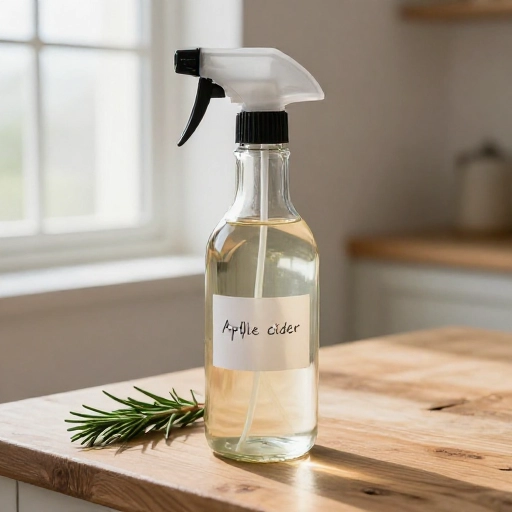
Fleas hate the taste and smell of apple cider vinegar. Mix equal parts raw, unfiltered ACV and water in a spray bottle. Spritz lightly on your dog’s coat (avoid open wounds) and massage it in. It makes their skin and fur less inviting to fleas.
I spritz this on my pup’s bedding and around the house too. It’s not a killer, but it’s a fantastic repellent. Plus, it leaves their coat shiny and soft.
3. Diatomaceous Earth for Carpet and Bedding
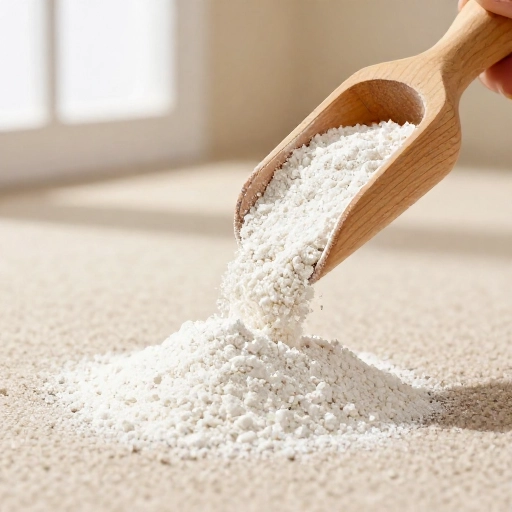
Food-grade diatomaceous earth is a fine powder that shreds fleas’ outer shells, drying them out. Sprinkle it generously on carpets, rugs, and pet bedding. Let it sit for a few hours—or overnight if you can—then vacuum thoroughly.
Wear a mask while applying because the dust is fine. And use only food-grade, not pool-grade. This stuff is safe for pets but deadly for fleas. I do this once a week during flea season.
4. Coconut Oil Coat Treatment
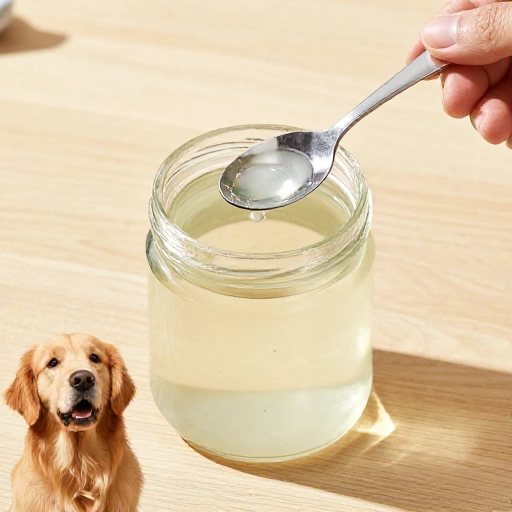
Coconut oil is my multi-tasking hero. The lauric acid in it repels fleas and soothes irritated skin. Rub a small amount between your hands and work it through your dog’s fur, focusing on the neck, back, and belly.
It also helps heal hot spots and dry patches. My pup loves the taste (bonus for training treats). Just don’t use too much or you’ll have a greasy dog—and slippery furniture.
5. Rosemary Flea Dip
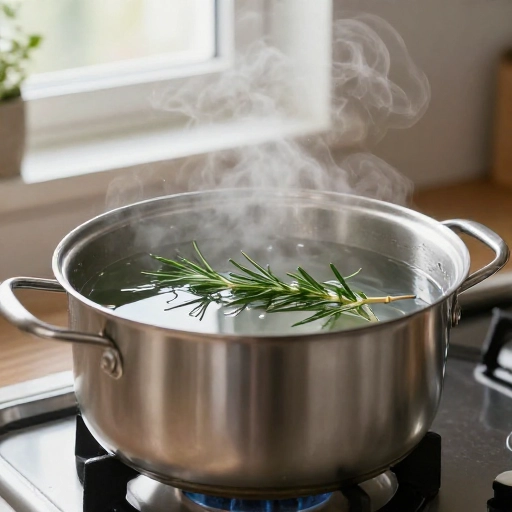
This is an old-school remedy that smells amazing. Steep a handful of fresh rosemary in boiling water for 30 minutes. Strain it, let it cool completely, then pour it over your dog after their bath. Don’t rinse it off.
The herb’s natural oils repel fleas and leave a pleasant scent. It’s gentle enough for puppies and sensitive dogs. I love this one for a relaxing spa day vibe—minus the fleas.
6. Lemon Spray for Furniture
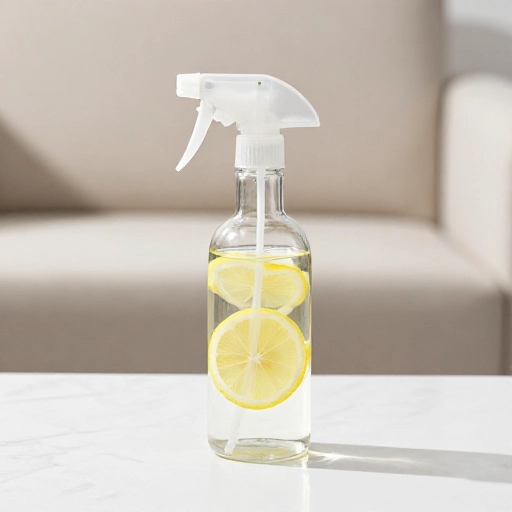
Slice a lemon thinly and drop it into a cup of boiling water. Let it steep overnight. In the morning, strain it and pour the liquid into a spray bottle. Spritz your furniture, curtains, and baseboards lightly.
Fleas dislike citrus, and this is a safe way to treat areas where your pet lounges. Avoid spraying directly on your pet—some dogs are sensitive to citrus oils on their skin. But for your couch? It’s perfect.
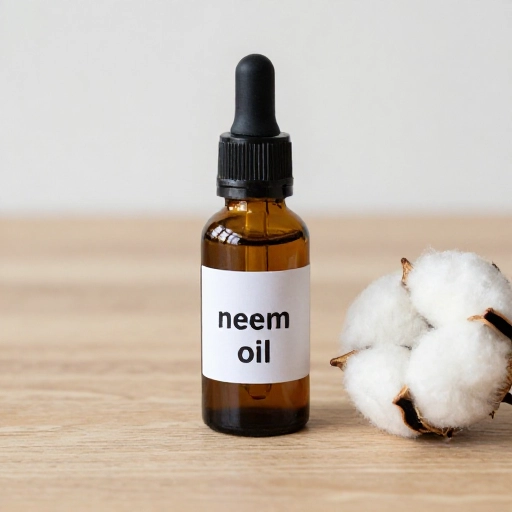
7. Neem Oil Spot Treatment
Neem oil is a powerful natural insecticide. Mix a few drops with a carrier oil (like coconut or olive oil) and dab it on spots where fleas gather—behind ears, at the base of the tail, and on the belly. It smells strong (think garlic and peanuts), but fleas hate it.
Use it sparingly. A little goes a long way. And always test a tiny patch first to check for skin reactions. This one is potent but effective.
8. Salt Dehydration Method
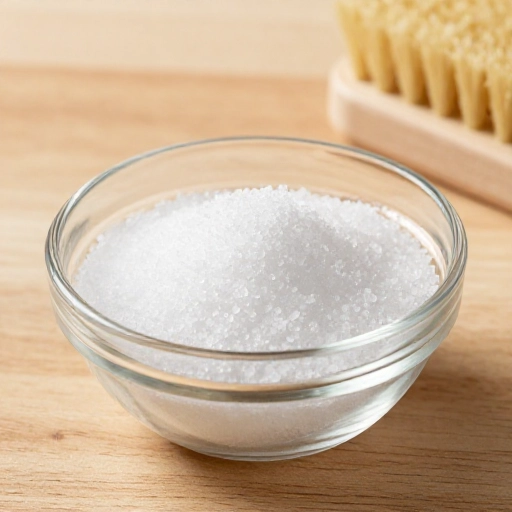
Simple table salt can be a flea’s worst enemy. Sprinkle fine salt on carpets and let it sit for 24 to 48 hours. It dehydrates flea eggs and larvae, breaking the life cycle. Then vacuum thoroughly.
It’s cheap, non-toxic, and easy. Just be careful on hardwood—salt can scratch. I use this in corners and under furniture where fleas hide. Works like a charm.
9. Lavender Essential Oil Mist
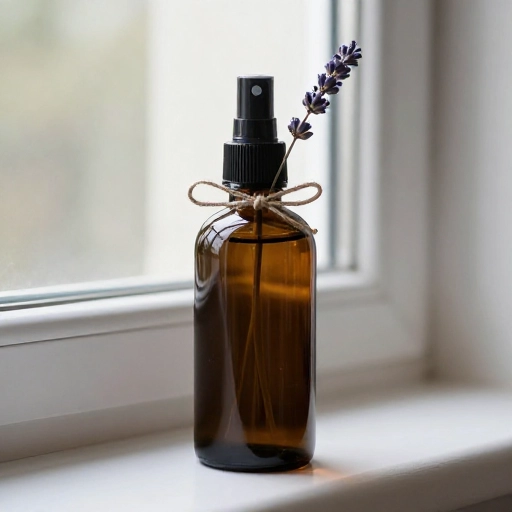
Lavender is calming for us and repelling for fleas. Add 10–15 drops of pure lavender essential oil to a spray bottle filled with water. Shake well and mist your dog’s bedding, your carpets, and even your pet’s collar.
Make sure you use diluted oil—never apply undiluted essential oils directly to your pet’s skin. The scent is heavenly, and it keeps fleas at bay. I spray this on my own pillow too, just for the relaxation factor.
10. Frequent Vacuuming (The Underrated Hero)
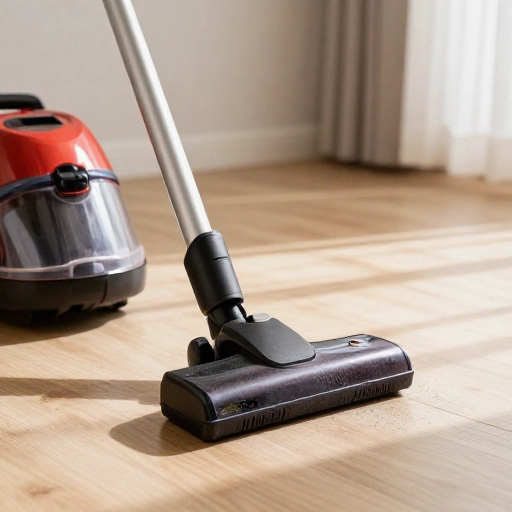
This isn’t glamorous, but it’s the most effective natural remedy. Vacuum every single day during an infestation. Focus on baseboards, under furniture, and pet sleeping areas. Flea eggs can hide in carpet fibers for weeks.
Empty the vacuum bag or canister outside immediately—otherwise, fleas can crawl back out. It’s a simple habit, but it breaks the cycle faster than almost anything else.
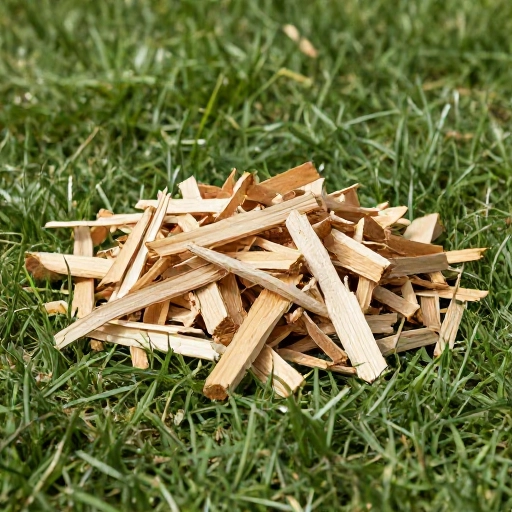
11. Cedar Chips in the Yard
If your dog loves the backyard, fleas love it there too. Spread cedar chips or cedar mulch in shady, damp areas where fleas thrive. The natural oils in cedar repel fleas and ticks.
You can also put cedar chips in a mesh bag and tuck it under your dog’s bed. The smell is woodsy and pleasant. Just make sure your dog isn’t allergic—some sensitive noses might sneeze a lot.
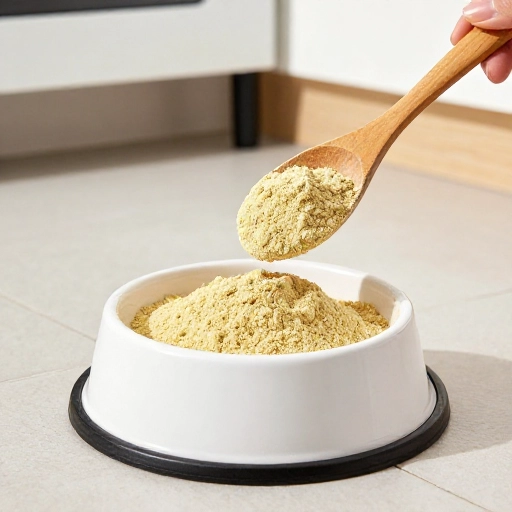
12. Brewer’s Yeast in Their Food
Add a teaspoon of brewer’s yeast (or nutritional yeast) to your dog’s food daily. It gives their skin a subtle scent that fleas find unappealing. Plus, it’s packed with B vitamins, which boost their coat health and energy.
Start with a small amount to see how they like it. Most dogs gobble it up. It won’t kill existing fleas, but it’s a great long-term repellent. Think of it as a daily vitamin that doubles as a shield.
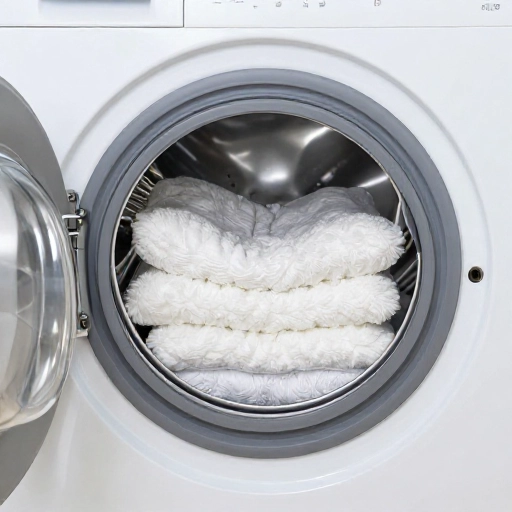
13. Washing Pet Bedding in Hot Water Weekly
This is non-negotiable in my house. Wash all pet bedding, blankets, and soft toys in hot water (at least 130°F) every week. The heat kills fleas, eggs, and larvae instantly.
Add a cup of vinegar to the rinse cycle for extra repellent power. It’s such a simple step, but it makes a massive difference. Your pet’s bed is their safe zone—keep it flea-free.
Conclusion: Kindness Over Chemicals
Dealing with fleas is frustrating, but you don’t have to reach for harsh chemicals to win the battle. These 13 remedies have helped me keep my home safe and my pup happy. The key is consistency—use a few methods together, and stick with them.
Every pet is different, so pay attention to what works best for yours. And if the infestation is severe, don’t feel bad about asking your vet for guidance. Natural doesn’t mean perfect, but it does mean peace of mind.
FAQ: Your Flea Questions Answered
1. How often should I use these natural remedies?
For prevention, use repellents like the ACV spray or coconut oil a few times a week. For an active infestation, do the dish soap bath and vacuum daily for at least two weeks.
2. Are essential oils safe for all pets?
No. Cats are especially sensitive to essential oils. Always dilute heavily and avoid oils like tea tree and peppermint near cats. Check with your vet first if you’re unsure.
3. Can I use these remedies on puppies?
Some are safe, like the rosemary dip and diluted ACV spray. But always use gentler methods and avoid anything that could be ingested in large amounts. A puppy-safe shampoo is a good starting point.
4. How do I know if the fleas are really gone?
You’ll stop seeing fleas on your pet and in your home. Use a flea comb to check their fur regularly. If you go a week without finding any, you’re likely in the clear. Keep up prevention anyway.
5. What’s the fastest natural remedy?
The dish soap bath is the quickest for immediate relief. Follow it up with diatomaceous earth on carpets and a thorough vacuuming. That combo can knock out a mild infestation in a few days.