How to Get Rid of Dog Lipoma Naturally and Safely
How to Get Rid of Dog Lipoma Naturally and Safely
The first time I discovered a lump on my dog, Bella, my heart sank. I ran my fingers over her fur, feeling a small, soft bump just beneath the skin. Panic hit me like a wave—was it serious? After a trip to the vet, I learned it was a lipoma, a benign fatty tumor common in older dogs. While harmless, it’s hard not to worry when something unusual appears on your best friend. That’s when I began researching ways to manage and even help reduce these lumps safely and naturally.
If you’ve found yourself in the same situation, take a deep breath. Lipomas are typically not dangerous, but understanding how to care for them—and your dog—can bring peace of mind. Let’s explore what causes them, how to manage them, and gentle ways to help your dog feel more comfortable.
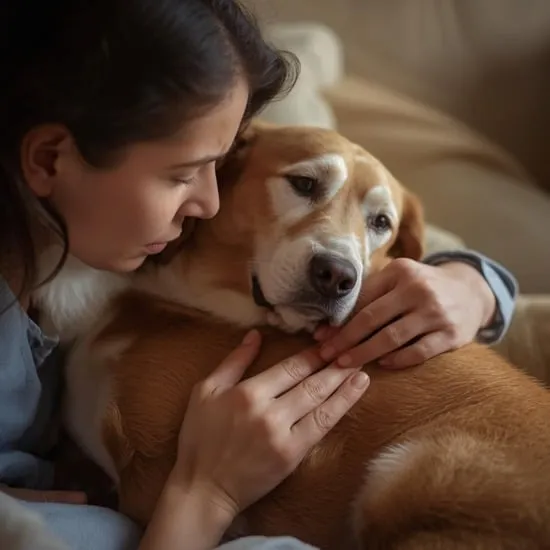
What Is a Lipoma?
A lipoma is a benign fatty tumor that forms beneath your dog’s skin. It feels soft, round, and movable when touched. Lipomas are most common in older dogs, overweight dogs, or certain breeds like Labrador Retrievers and Dobermans. While they’re usually non-cancerous, they can grow large enough to cause discomfort or mobility issues if left unchecked.
My vet explained that lipomas are simply fat cells that overgrow and cluster. They’re not dangerous, but they can be a sign that your dog’s body needs a little extra care—especially in terms of diet, weight, and detoxification.
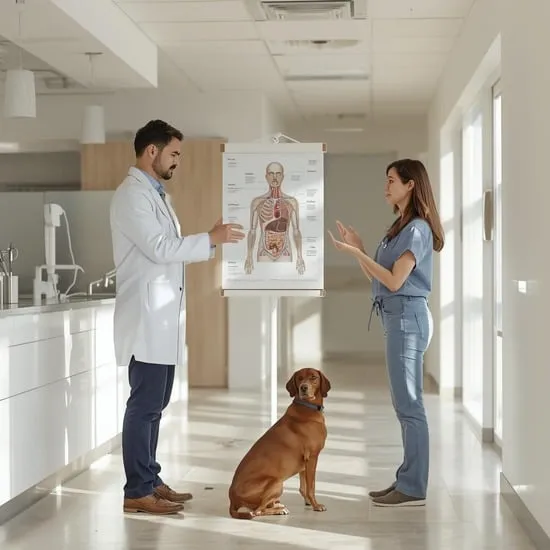
Causes of Dog Lipomas
Although there isn’t one single cause, lipomas often form due to a combination of factors such as:
- Poor diet or processed foods with additives
- Lack of regular exercise
- Toxin buildup in the body
- Hormonal imbalances
- Genetics and breed predisposition
When I looked at Bella’s routine, I realized her diet was higher in carbs and fillers than I thought. It was a wake-up call. Once I started making small, natural changes, I noticed a difference in her overall energy and coat health within weeks.
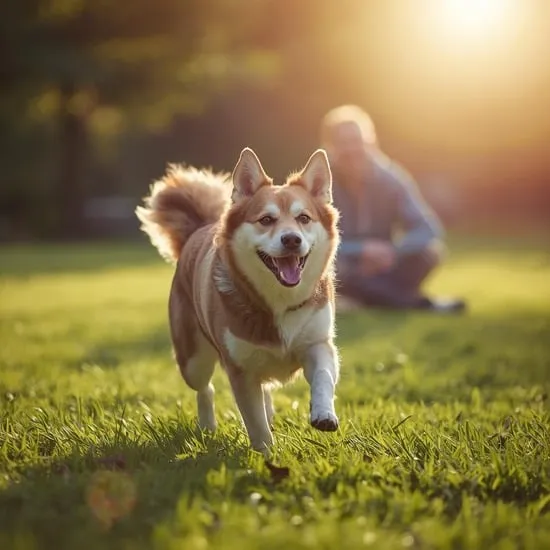
How to Get Rid of Dog Lipoma Naturally
While not all lipomas disappear completely, natural approaches can help reduce their size, prevent new ones from forming, and improve your dog’s overall health. Always consult your vet before starting any treatment plan, especially if your dog’s lipoma changes in size or texture.
1. Improve Your Dog’s Diet
Nutrition plays a huge role in managing lipomas. Focus on whole, unprocessed foods. Switch to a diet rich in lean proteins, fresh vegetables, and healthy fats. Avoid commercial dog foods filled with corn, soy, and artificial additives. I started feeding Bella home-cooked meals with chicken, carrots, and leafy greens, and her overall vitality improved noticeably.
Adding supplements like omega-3 fatty acids (from fish oil or flaxseed) can help reduce inflammation and support skin health. Always introduce dietary changes gradually and with your vet’s guidance.
2. Maintain a Healthy Weight
Overweight dogs are more prone to lipomas. Gentle daily exercise—like walks or playtime—helps manage weight and improves circulation. It also strengthens your bond. I’ll never forget how Bella started running around again after losing just a few pounds—it was like seeing her puppy spirit return.
3. Try Natural Detox Support
Supporting your dog’s liver and immune system can help reduce toxins that may contribute to fatty growths. Herbs like milk thistle and dandelion root are known for their cleansing properties. You can find natural liver support supplements formulated specifically for dogs.
Hydration is just as important—make sure your dog always has access to clean, fresh water. It helps flush out waste and keeps the body functioning smoothly.
4. Massage and Gentle Stimulation
Massaging around (not directly on) the lipoma can help improve lymphatic flow and circulation. Use gentle, circular motions and speak softly while doing it. Not only does it support blood flow, but it also creates a loving, calming moment between you and your dog.
5. Regular Vet Checkups
Even when using natural remedies, regular veterinary visits are essential. Your vet can monitor the lipoma’s size, rule out any malignant changes, and guide you on safe treatment options. In some cases, surgical removal might be necessary—especially if the lump interferes with movement or causes discomfort.
When to See a Vet Immediately
Most lipomas are harmless, but sometimes other lumps may look similar and require urgent care. Visit your vet if you notice:
- Rapid growth or sudden change in texture
- Pain, redness, or swelling around the area
- Loss of appetite or energy
- Difficulty walking or sitting
Trust your instincts. You know your dog better than anyone. If something doesn’t feel right, it’s always better to check.
Preventing Future Lipomas
Prevention is always better than cure. Keeping your dog active, well-fed, and toxin-free goes a long way. Regular brushing, natural foods, and quality supplements create balance from the inside out. I also learned that stress can affect dogs too—so taking time for cuddles, play, and quiet companionship is part of their healing, too.
Final Thoughts: Healing with Love and Care
Discovering a lipoma on your dog can be scary, but it doesn’t have to be. With a little knowledge, gentle care, and natural support, you can help your dog live comfortably and happily. Bella’s lump never fully disappeared, but it stopped growing, and she’s thriving—full of energy, curiosity, and love.
At the end of the day, healing isn’t just about removing a lump—it’s about nurturing the whole being. Your calmness, your care, and your love are the greatest remedies of all. Because when your dog feels safe, loved, and understood, that’s when true healing begins.