Why Do Cats Bite While Playing?
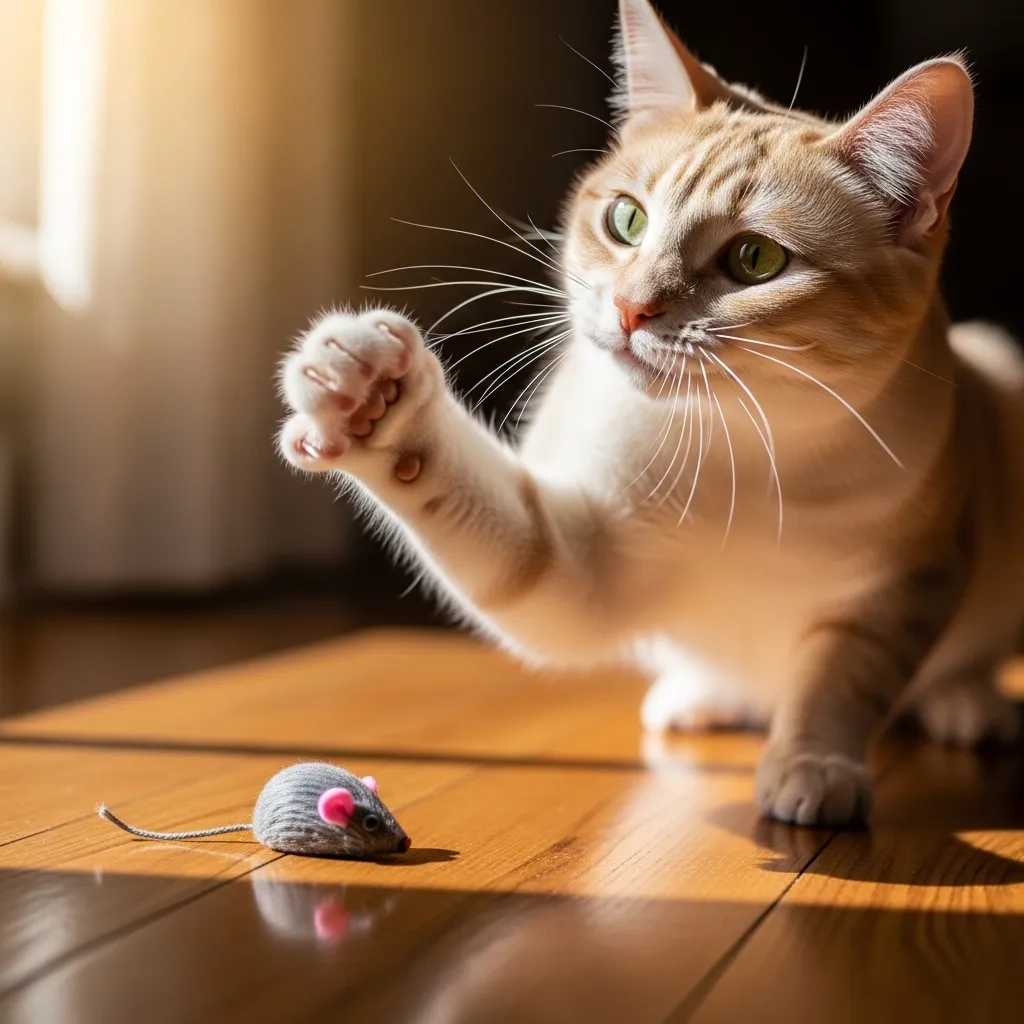
If you’ve ever been mid-play session with your cat, only to feel a sudden set of tiny teeth sink into your hand, you’re not alone. It’s one of the most common—and confusing—behaviors cat owners experience. One moment they’re chasing a toy, the next they’re treating your fingers like a chew toy.
It can feel personal, even a little hurtful. But I promise you, it’s not because your cat is trying to be mean. In fact, play biting is a completely natural instinct for cats. The trick is understanding what’s behind those playful nips and how to redirect them without ruining the fun.
Let’s break down the real reasons your cat bites during play, and what you can do to keep both your hands and your bond safe.
1. It’s Pure Instinct, Not Aggression
Your cat is a born hunter. Even if they’ve never stepped a paw outside, that instinct is wired deep in their DNA. When they pounce on a toy—or your hand—they’re practicing a survival skill.
Play biting mimics the “catch and kill” part of a hunt. Your moving fingers trigger that primal response. It’s not personal; it’s just their inner wildcat taking over.
- Kittens learn this from their littermates through rough-and-tumble play.
- Adult cats still need an outlet for these instincts.
- If they don’t have proper toys, your hands become the target.
The key is to provide plenty of interactive toys that let them stalk, chase, and bite safely.
2. Overstimulation Happens Quickly
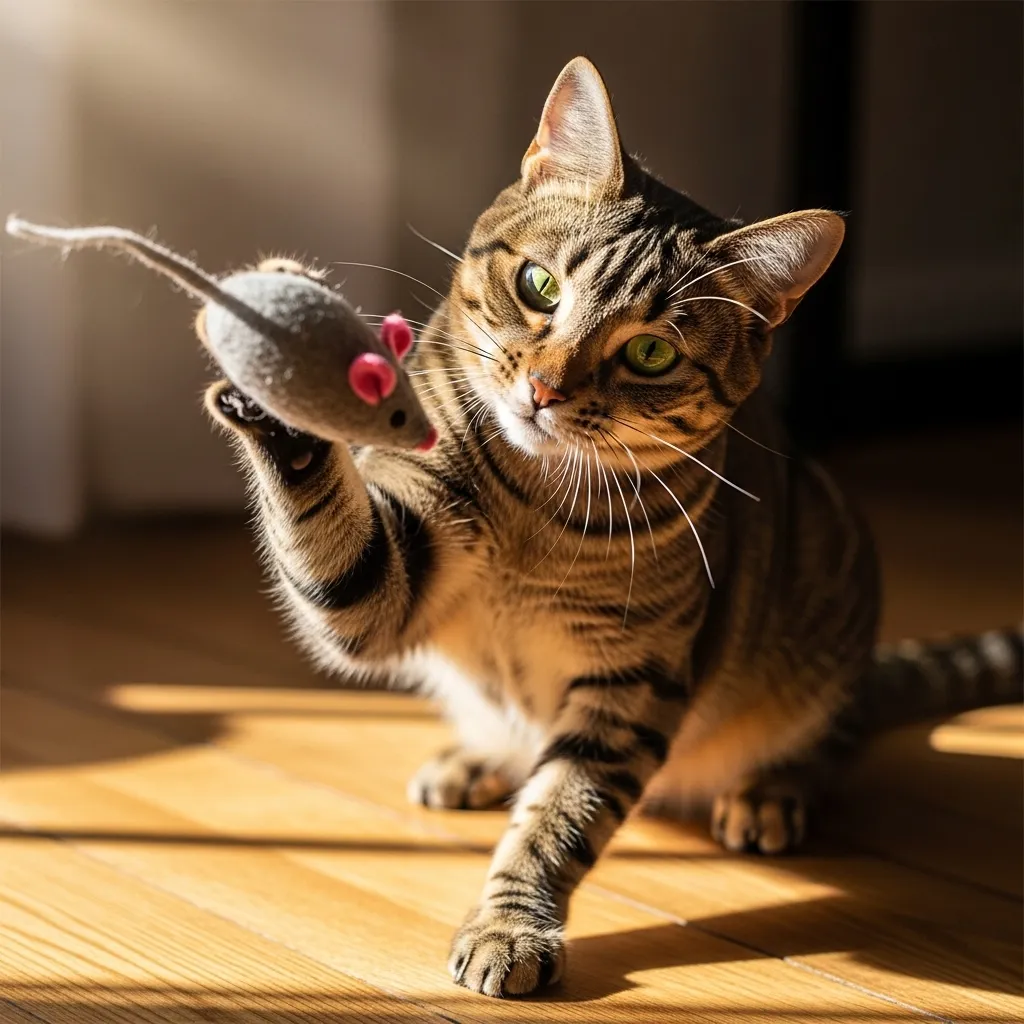
Have you ever been petting your cat, and they’re purring one second and biting the next? That’s overstimulation. Cats have a very fine line between enjoyment and “too much.”
During play, the same thing can happen. Excitement builds, and suddenly their brain flips a switch. The bites become harder, faster, and less controlled. They’re not angry—just overwhelmed by the sensory input.
- Watch for tail lashing or flattened ears as warning signs.
- Take short breaks during play to let them reset.
- End the session before they reach that tipping point.
Learning your cat’s limits is the best way to avoid overstimulation bites.
3. They Were Never Taught Bite Inhibition
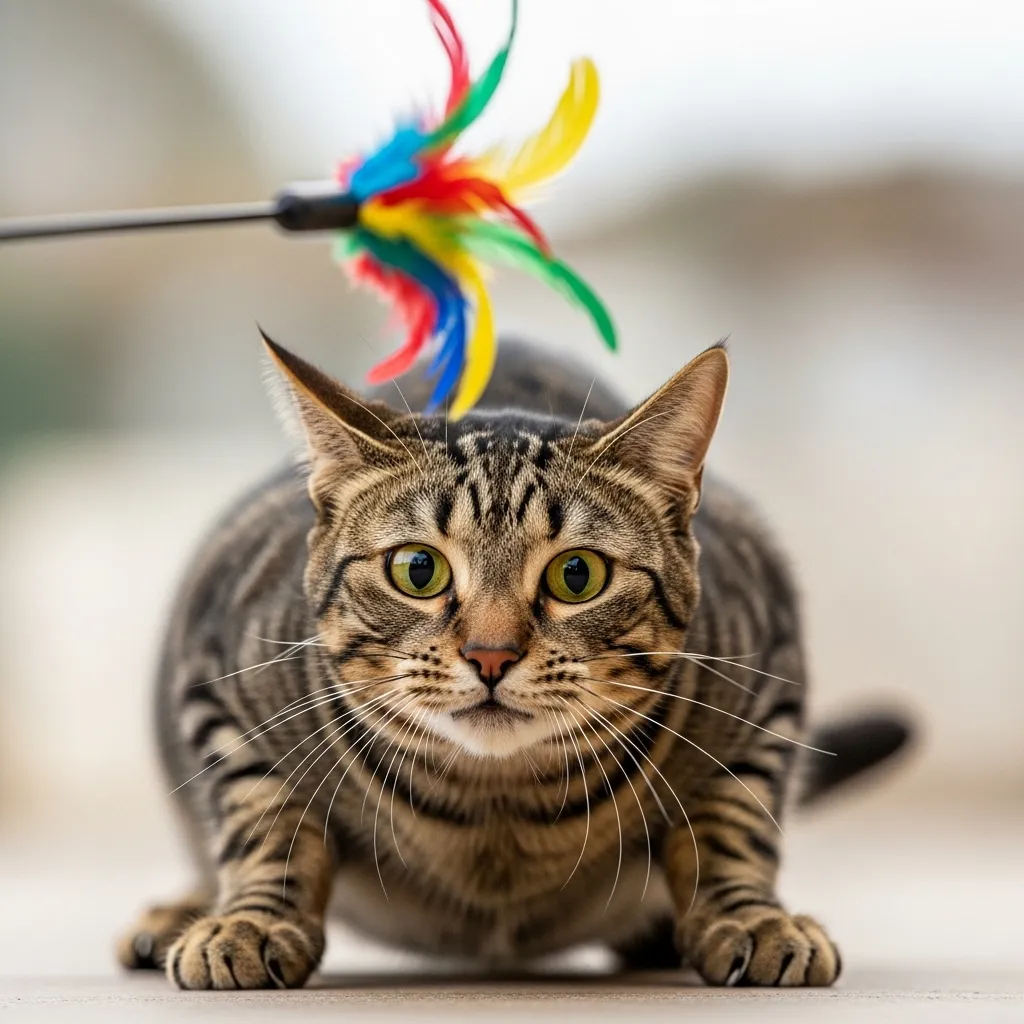
Kittens learn bite control from their mothers and siblings. When one kitten bites too hard during play, the other yelps and stops playing. That teaches them to soften their bite.
If your cat was taken from their litter too early or didn’t have enough social playtime, they might never have learned this lesson. That means they don’t know how hard is too hard.
- You can teach bite inhibition by letting out a high-pitched “ouch” when they bite.
- Stop play immediately after a hard bite.
- Reward gentle play with praise and treats.
With consistency, most cats learn to keep their teeth to themselves.
4. Your Hands Move Like Prey
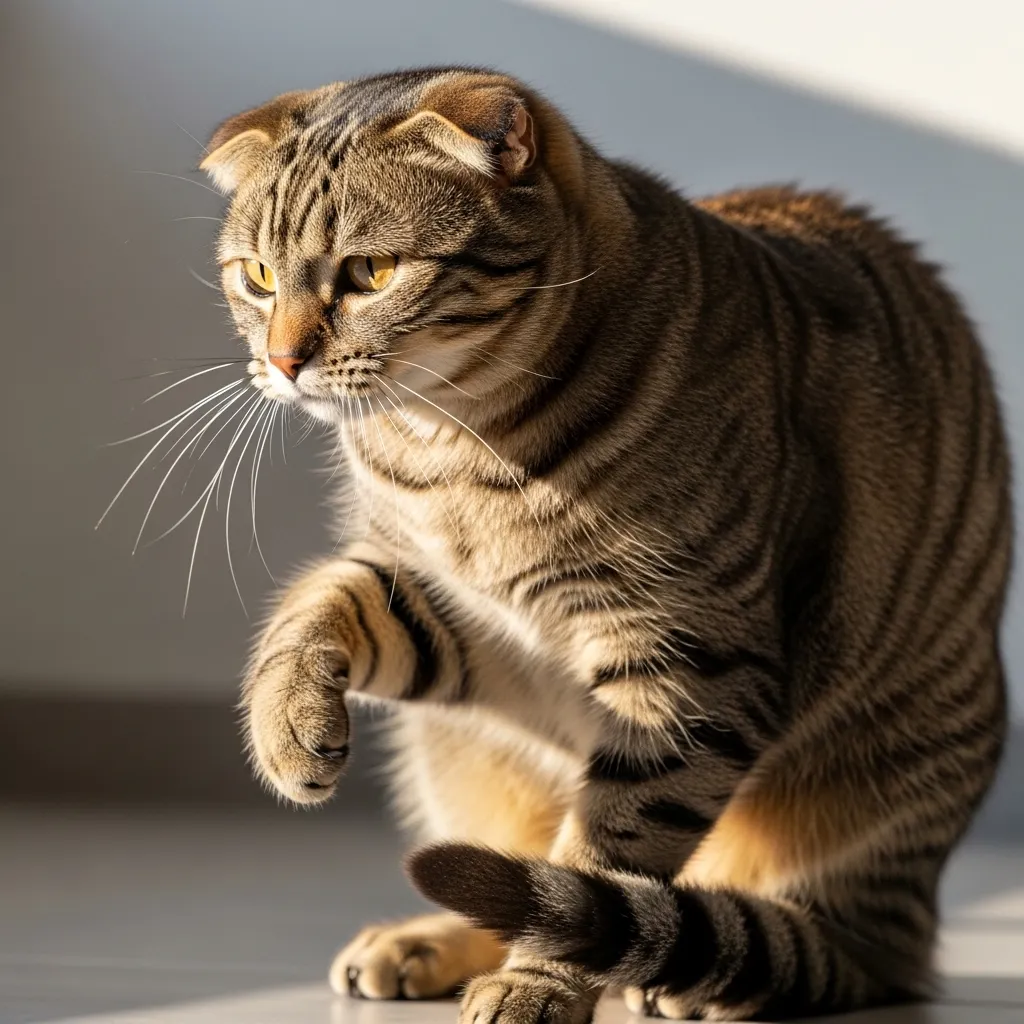
Think about how you play with your cat. Do you wiggle your fingers under a blanket? Do you dangle your hand above their head? To a cat, that looks exactly like a mouse or a bird moving erratically.
Their brain doesn’t know it’s your hand. It sees movement, and the chase instinct kicks in. Before you know it, they’ve latched on.
- Always use wand toys or fishing pole toys instead of your hands.
- Keep your hands at a distance during active play.
- If they go for your fingers, redirect to a toy immediately.
This simple swap can make a huge difference in how often you get bitten.
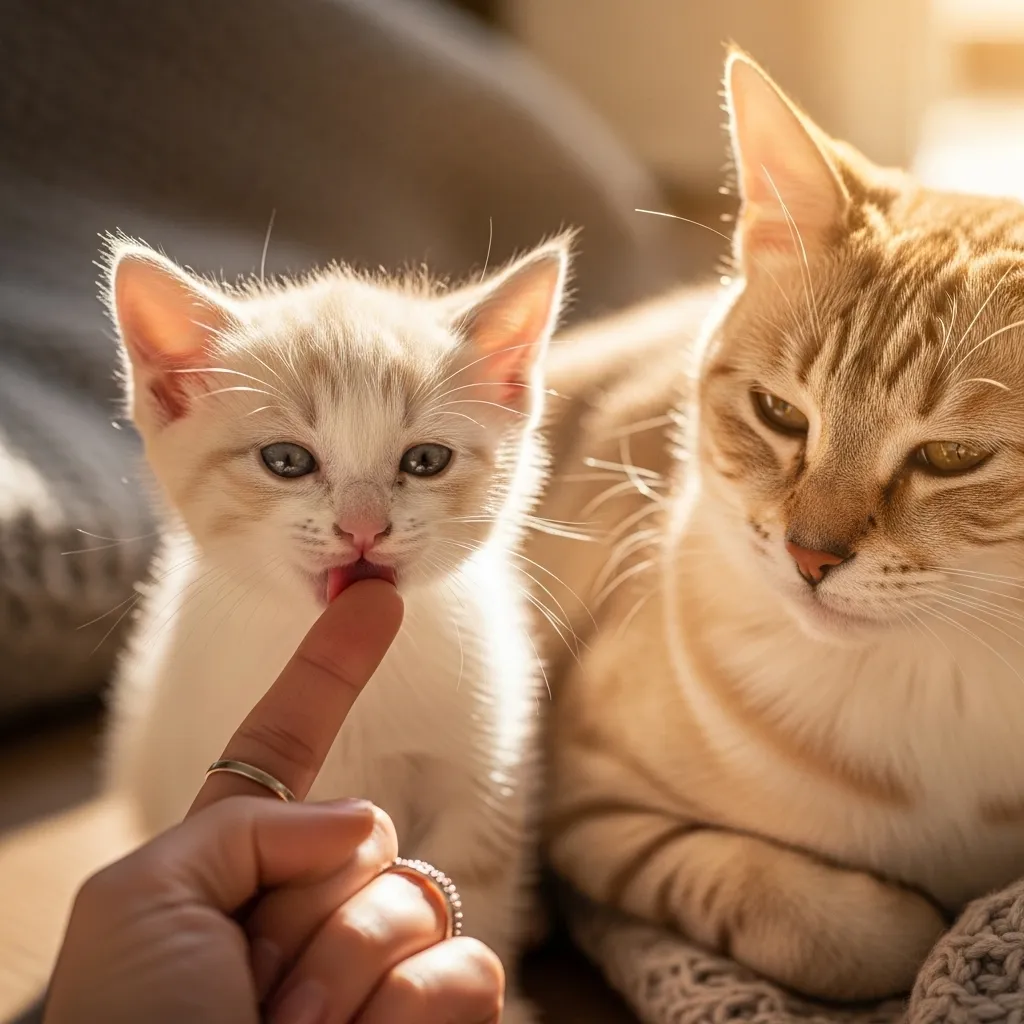
5. They’re Bored and Want Your Attention
Cats are smart, and they learn fast. If biting gets a reaction out of you—even a negative one—they might do it again. For some cats, any attention is good attention.
If they’re bored and you’ve been ignoring them, a quick nip says, “Hey, play with me!” It’s their way of communicating that they need stimulation.
- Schedule regular play sessions at the same time each day.
- Rotate toys to keep things interesting.
- Use puzzle feeders to engage their brain.
A tired cat is a less bitey cat. Wear them out with good play, and the biting often decreases.
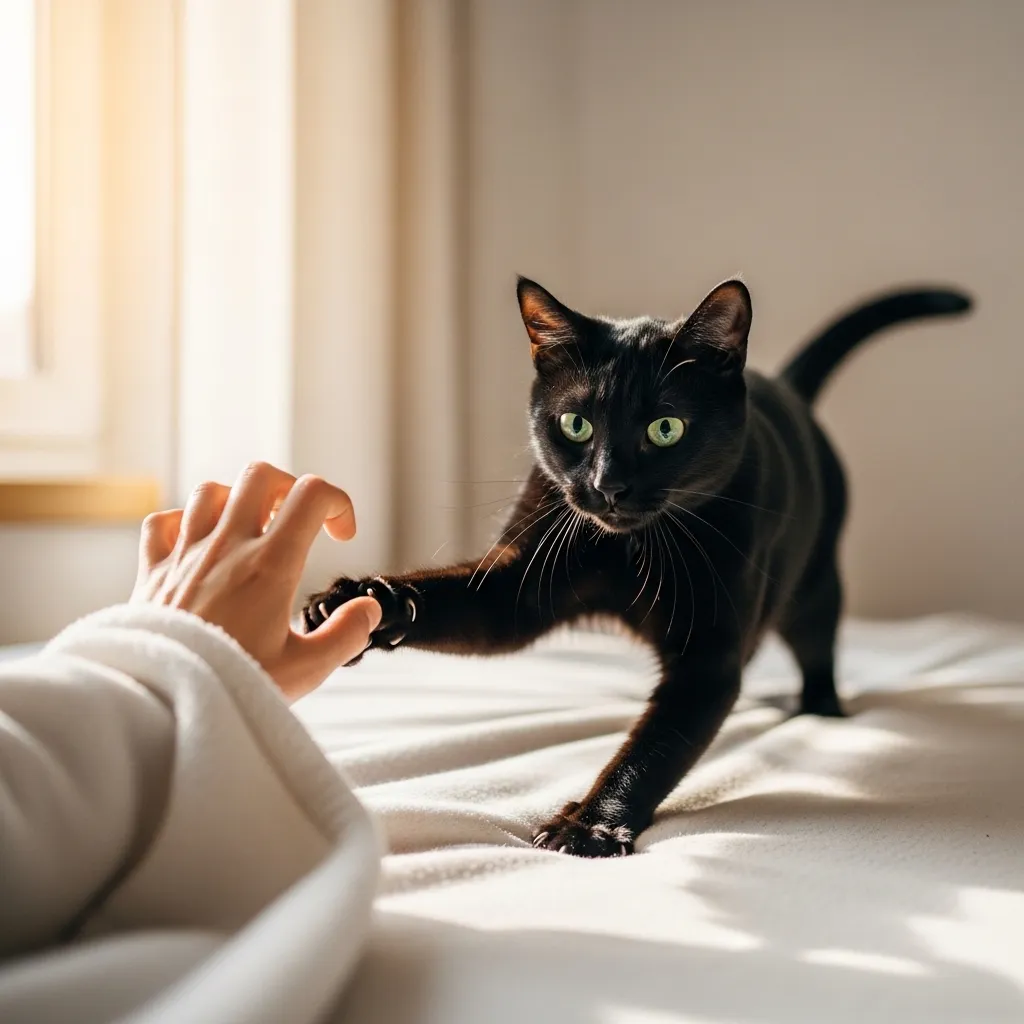
6. Play Style Mismatches
Not all cats play the same way. Some love chasing, others prefer ambushing. If your play style doesn’t match your cat’s natural preferences, they might get frustrated and bite.
For example, if you move a toy too fast for a cat that likes to stalk, they might give up and grab your hand instead. They wanted a hunt, not a race.
- Observe how your cat naturally hunts—do they stalk or sprint?
- Mimic prey movements: slow and erratic for stalkers, fast for chasers.
- Let them “catch” the toy frequently to satisfy the hunt drive.
Matching your play to their style makes the game more satisfying and less bite-prone.

7. Teething Discomfort in Kittens
If you have a kitten, biting during play might simply be about sore gums. Between 3 and 6 months, kittens lose their baby teeth and grow adult ones. This process can be painful, and chewing helps relieve the discomfort.
Your wiggling fingers feel good on their aching gums. They’re not trying to hurt you—they’re just seeking relief.
- Provide teething toys that can be chilled in the fridge.
- Offer soft rubber toys they can sink their teeth into.
- Be extra patient during this phase; it’s temporary.
Once their adult teeth come in, the chewing urge usually fades.
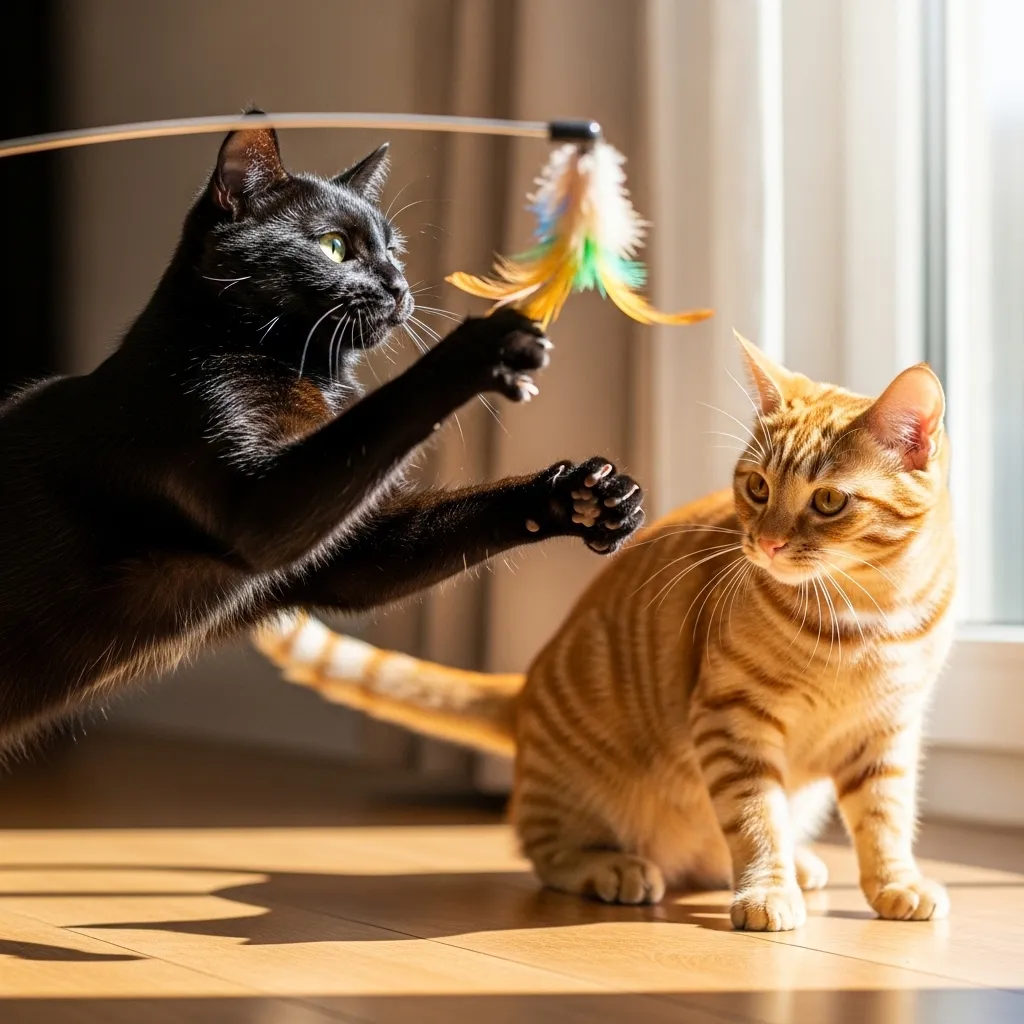
8. Redirected Frustration
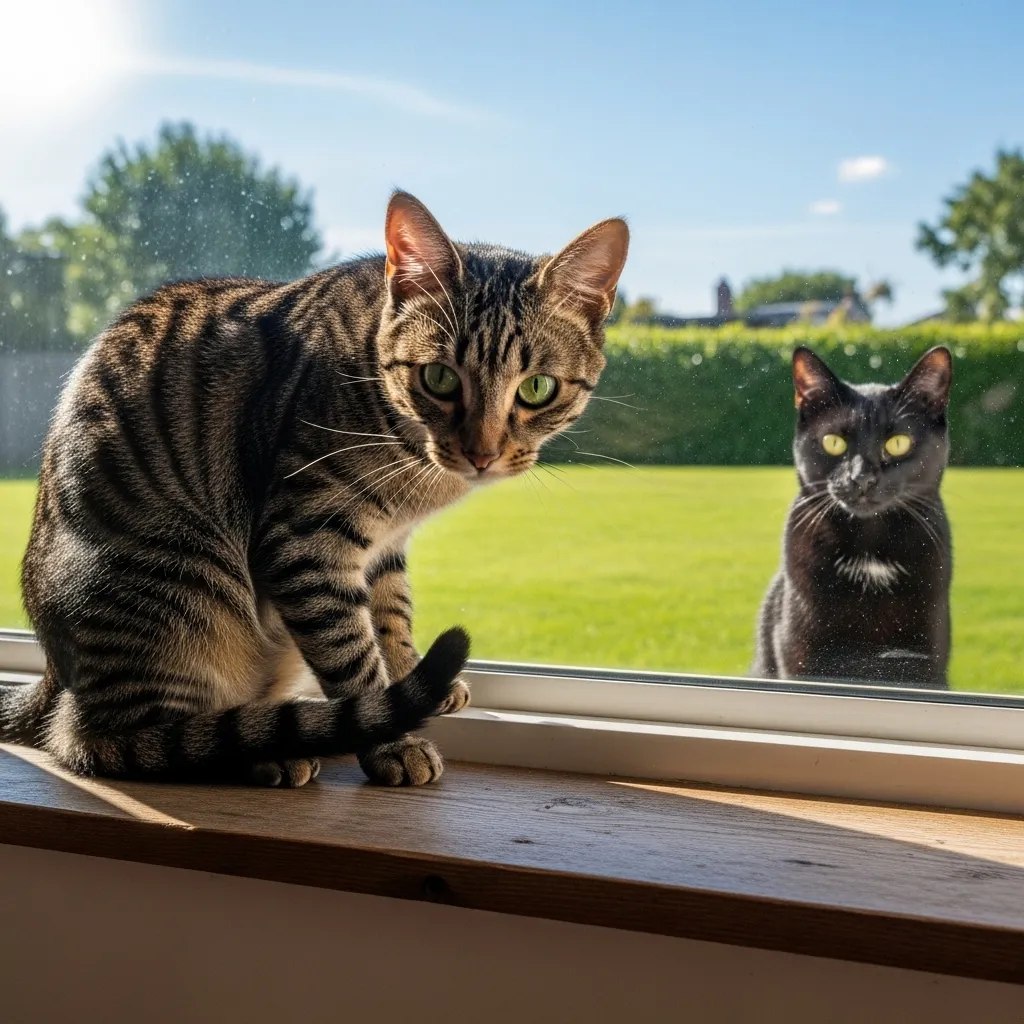
Sometimes the bite isn’t about you at all. If your cat sees something outside that excites or frustrates them—like a bird or another cat—they might take that energy out on you during play.
They’re amped up with nowhere to go. You become the nearest target. It’s not personal; it’s just a release of built-up tension.
- Close blinds or curtains if outside triggers are an issue.
- Play with them after a triggering event to burn off that energy.
- Use calming pheromone diffusers in high-traffic areas.
Recognizing when your cat is frustrated helps you avoid getting caught in the crossfire.
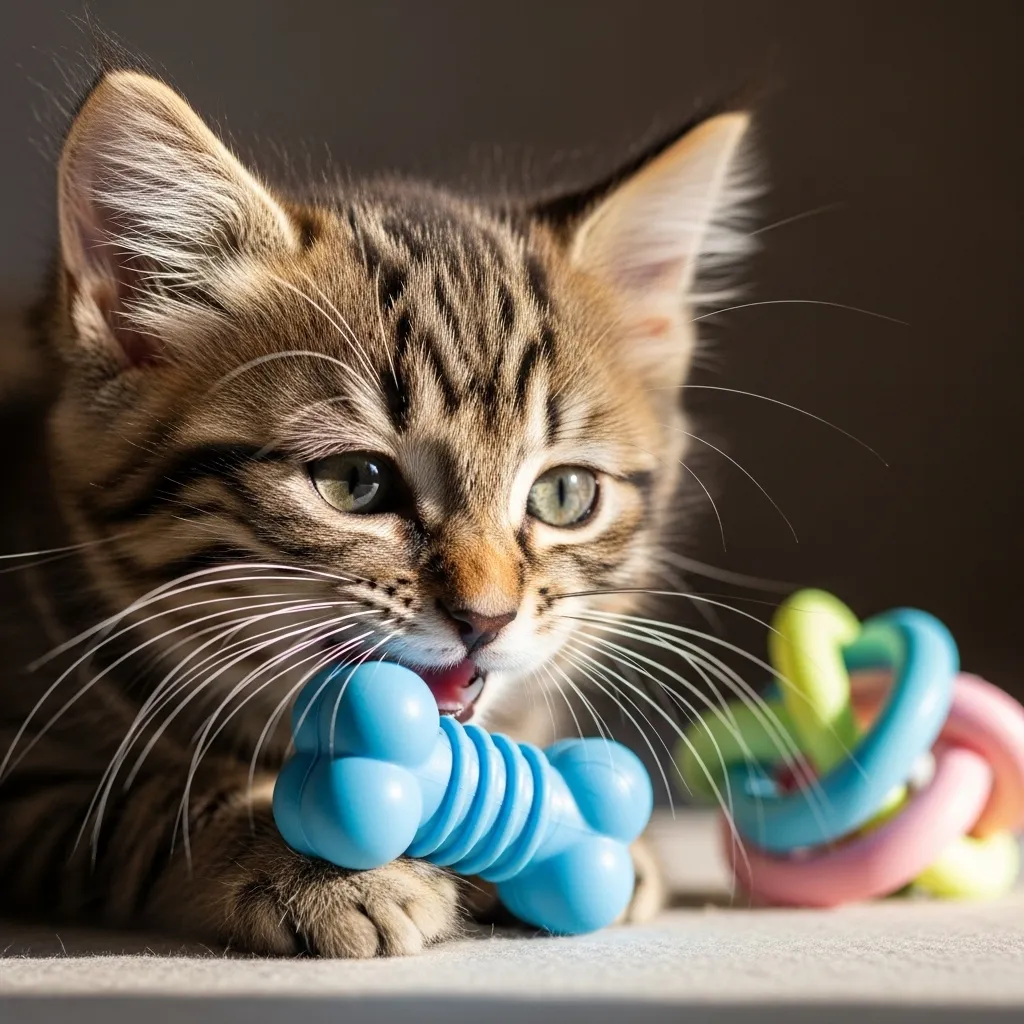
9. They’re Actually Trying to Groom You
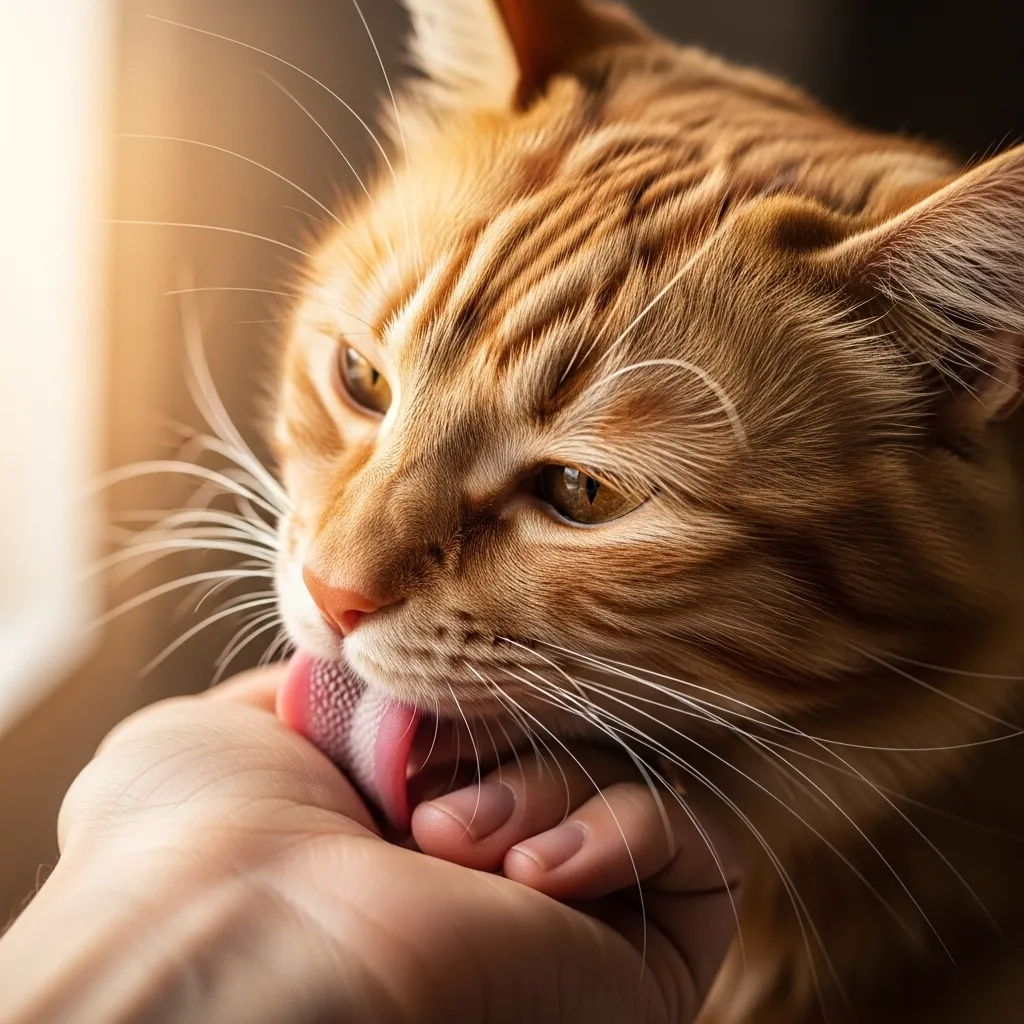
Believe it or not, some gentle bites are actually a form of affection. Cats groom each other by nibbling and licking. If your cat gives you tiny, soft bites followed by licks, they might be trying to groom you.
This is often called a “love bite.” It’s usually gentle and doesn’t break the skin. It’s their way of saying you’re part of their inner circle.
- Love bites are usually quick and painless.
- They often happen when you’re petting them or relaxing together.
- If it becomes too hard, gently redirect to a toy.
Not all bites are bad—sometimes they’re just a quirky sign of trust.
10. Lack of Routine or Structure
Cats thrive on predictability. When their day lacks structure, they can become restless and more likely to act out. Play biting can be a sign that they don’t know what to expect next.
A consistent routine helps them feel secure. When they know when playtime, mealtime, and cuddle time happen, they’re less likely to use biting as a way to get your attention.
- Set a daily schedule for feeding and play.
- Use the same cues (like a special toy) to signal playtime.
- End each session with a treat to create a positive finish.
Structure doesn’t have to be rigid—just predictable enough to keep your cat calm.
Conclusion
Play biting is rarely about malice. It’s almost always about instinct, communication, or unmet needs. The good news is that with a little observation and some small changes, you can reduce those unwanted nips and enjoy playtime even more.
Remember to use toys instead of hands, watch for overstimulation, and match your play style to your cat’s personality. Most importantly, be patient. Your cat isn’t trying to hurt you—they’re just being a cat.
[[IMG:IMG12]]
FAQ: Why Do Cats Bite While Playing?
Is it normal for my cat to bite me during play?
Yes, it’s very normal. Play biting is a natural behavior rooted in hunting instincts. The key is teaching them to direct that energy toward toys, not your hands.
How do I stop my cat from biting during play?
Use wand toys to keep your hands away, stop play immediately after a hard bite, and provide plenty of outlets for their hunting instincts. Consistency is everything.
Why does my cat bite me gently while purring?
That’s often a love bite. It’s a sign of affection and bonding, similar to how cats groom each other. If it’s gentle and doesn’t hurt, it’s usually nothing to worry about.
Should I punish my cat for play biting?
No, punishment can damage your bond and increase anxiety. Instead, redirect their attention to an appropriate toy and reward gentle play. Positive reinforcement works much better.
At what age do cats stop play biting?
Many cats grow out of frequent play biting by the time they’re 1–2 years old. But some cats retain the habit into adulthood, especially if they haven’t learned bite inhibition or lack proper outlets for play.