Best Pet Odor Remover for Carpets: Say Goodbye to Stains & Smells for Good
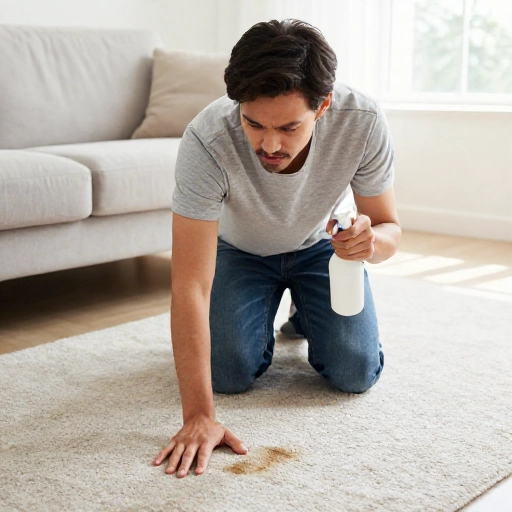
Let’s be real—we adore our furry friends, but sometimes they leave behind little “gifts” that make our homes smell less than fresh. You’ve scrubbed, you’ve sprayed, and that stubborn pet odor just won’t quit. It’s frustrating, right?
The good news? You don’t need to rip up your carpet or call in a pricey professional. With the right approach and the best pet odor remover, you can banish those smells and stains for good. I’ve tested more products and DIY tricks than I care to admit, and I’m here to share exactly what works.
Whether you’re dealing with a puppy accident, a senior cat’s mishap, or just lingering “dog smell,” this guide is your one-stop shop for fresh, clean carpets. Let’s dive into the best ways to tackle the funk at the source.
Why Your Carpet Still Smells (Even After Cleaning)
You might think you’ve cleaned the spot, but if the smell is still there, you’re missing the root of the problem. Most regular cleaners just mask the odor on the surface. The real issue is urine crystals that sink deep into the carpet pad and subfloor. Until those are broken down, the smell will keep coming back, especially on humid days.
Enzymatic cleaners are the secret weapon here. They use good bacteria to literally eat the organic matter—the urine, feces, and vomit—eliminating the smell, not just covering it up. This is a game-changer for pet parents.
So, before you grab that heavily-scented spray that smells like a flower garden, remember: you need something that works, not something that just smells pretty for an hour. Look for “enzyme” or “biological” on the label—that’s your ticket to a truly odor-free home.
The Magic of Enzymatic Cleaners: Your New Best Friend
I can’t stress this enough—enzymatic cleaners are the absolute best pet odor remover for carpets. They work on a biological level that breaks down the proteins in pet waste. Unlike harsh chemical cleaners that can actually set the stain, enzymes digest the source of the smell entirely.
Here’s the thing: they need time to work. You can’t just spray and wipe. The enzymes need to stay wet on the spot for at least 10-15 minutes to do their job. For really old, set-in stains, you might need to apply it, cover it with plastic wrap, and let it sit overnight. Patience pays off big time when it comes to bio-enzymes.
- Pro Tip: Saturate the area thoroughly—don’t be shy with the spray.
- Pro Tip: Let it air dry completely. Don’t blot it up right away.
- Pro Tip: For extra-stubborn spots, repeat the process a couple of times over a few days.
Baking Soda: The Simple, Cheap Odor Absorber
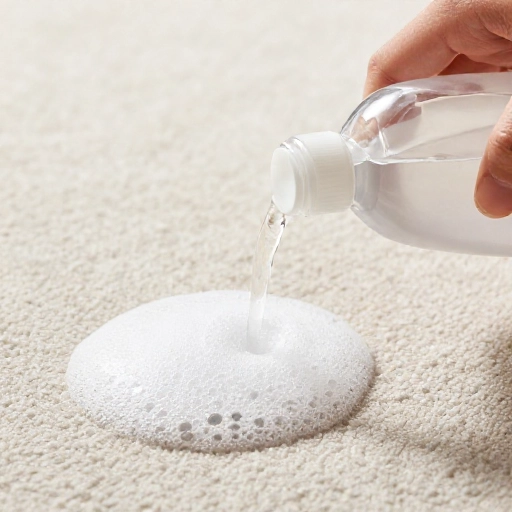
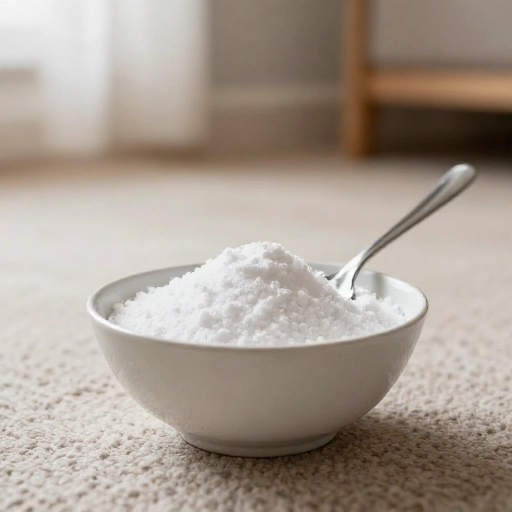
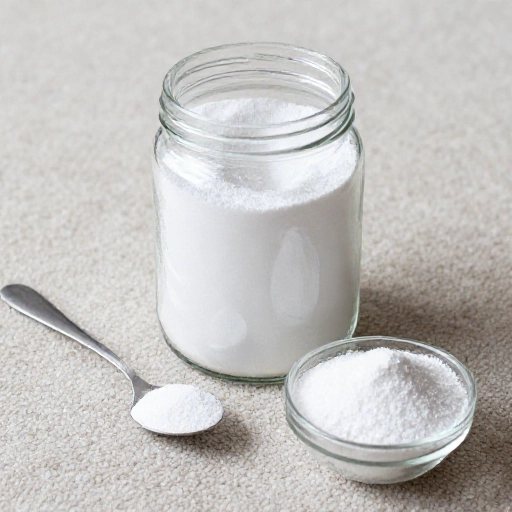
If you want a quick fix or a daily maintenance routine, baking soda is your best friend. It’s cheap, natural, and incredibly effective at absorbing odors. It doesn’t break down the urine crystals like enzymes, but it’s perfect for freshening up a carpet that just smells a little “doggy.”
My favorite trick? Sprinkle a generous layer of baking soda all over the carpet, let it sit for at least 30 minutes (or overnight for heavy smells), and then vacuum it up thoroughly. It’s like a dry shampoo for your floors. For a boost of freshness, I like to mix a few drops of lavender or eucalyptus essential oil into the baking soda before sprinkling.
Just remember, baking soda is a great sidekick, but it’s not a replacement for an enzymatic cleaner when you have a fresh accident. Always treat the stain first, then use baking soda for the general freshen-up.
White Vinegar: The Natural Odor Neutralizer
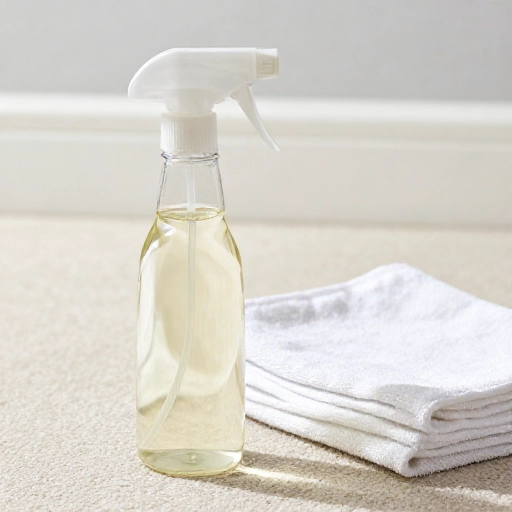
Vinegar is a powerhouse for neutralizing alkaline odors like pet urine. It works by balancing the pH levels, which makes the environment less hospitable for the bacteria that cause the smell. It’s a fantastic, budget-friendly option that you probably already have in your pantry.
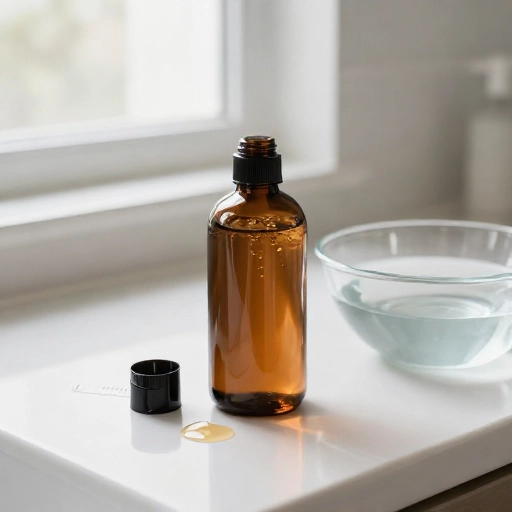
Mix a 1:1 solution of white vinegar and warm water in a spray bottle. Spray the affected area, let it sit for about 10 minutes, then blot it up with a clean cloth. The vinegar smell will linger for a little while, but it completely fades as it dries, taking the pet odor with it.
One major warning: do not use vinegar if you’ve already used an enzymatic cleaner on the same spot. The acid in vinegar will kill the good bacteria in the enzyme cleaner, rendering it useless. Pick one or the other, or use vinegar for light freshening and enzymes for heavy-duty accidents.
Hydrogen Peroxide: For Stubborn, Set-In Stains
When you’re dealing with a stain that’s been there for months, you need something stronger. Hydrogen peroxide is a mild bleach and oxidizer that can help lift old stains and destroy odor-causing bacteria. It’s a great option for light-colored carpets, but I’d test it in a hidden spot first to be safe.
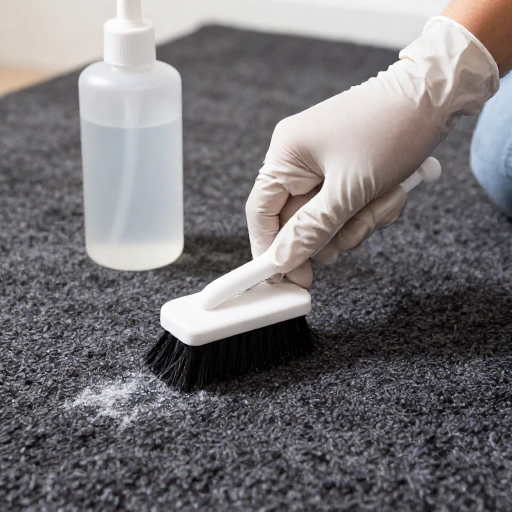
Create a paste with 1/2 cup of hydrogen peroxide and 1 tablespoon of baking soda. Apply it to the stain, scrub gently with a soft brush, and let it dry completely. Then, just vacuum it up. The bubbling action helps lift the gunk out of the carpet fibers. This DIY paste is one of the best pet odor removers I’ve used for those mystery spots you forgot about.
Just be careful with colored carpets—peroxide can lighten them. And never mix it with vinegar, as that creates a toxic gas. Stick to using this method on white or beige carpets, and you’ll be amazed at the results.
Steam Cleaning: A Deep-Clean Reset for Your Carpets
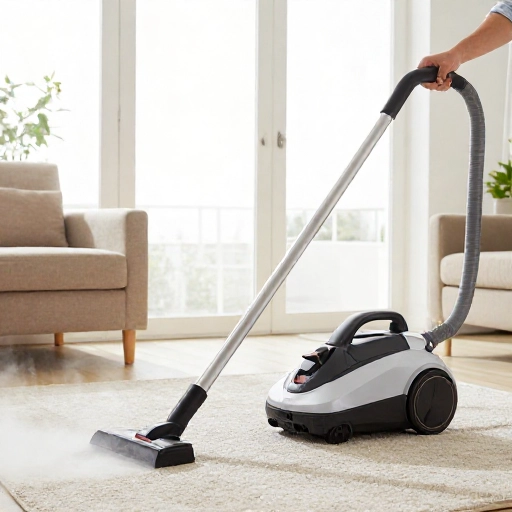
Sometimes, spot-treating just isn’t enough. If your whole carpet smells, it’s time for a deep clean. A steam cleaner (or a rented one from the store) uses hot water and suction to flush out dirt and grime from deep down in the carpet fibers. This is a fantastic way to reset your entire home’s freshness.
Before you steam clean, treat any known pet spots with an enzymatic cleaner. The heat from the steam will help activate those enzymes and pull out even more of the odor. Then, go over the whole carpet with the steam cleaner, making sure to do slow passes so the machine can suck up as much dirty water as possible.
Your carpets will take a few hours to dry, but the result is worth it. It’s like hitting the “reset” button on your home’s scent. I try to do this once a season, especially if I have a dog who loves to play outside in the mud.
DIY Carpet Deodorizing Powder: Freshen Up Instantly
If you want to skip the steam cleaner but still want a whole-carpet freshening, making your own deodorizing powder is the way to go. It’s cheaper than buying commercial powders, and you can customize the scent to your liking. Plus, it takes just two minutes to make.
Mix 1 cup of baking soda with 1/2 cup of cornstarch. Add 10-15 drops of your favorite essential oil—citrus and tea tree are great for fighting odors. Shake it all up in a jar, sprinkle it over your carpet, and let it sit for 15-30 minutes before vacuuming. The cornstarch helps absorb moisture, while the baking soda neutralizes smells.
This is my go-to for a quick refresh before guests come over. It’s gentle on the carpet and leaves everything smelling clean and neutral, not overly perfumed. It’s an awesome, natural best pet odor remover that you can whip up anytime.
The Sunlight Trick: Nature’s Best Air Freshener
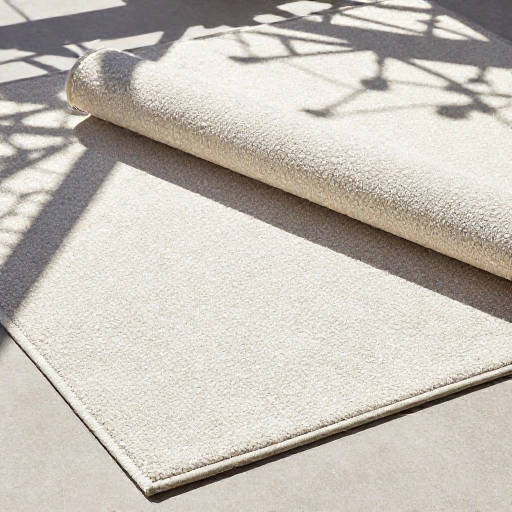
Did you know that sunlight is a natural disinfectant and deodorizer? Ultraviolet rays from the sun can kill bacteria and help fade old stains. This is a super easy trick for smaller items like rugs, mats, or pet beds that have absorbed odors.
On a sunny day, take your rug or your dog’s bed outside and hang it over a railing or a line. Let it bake in the sun for a few hours. The UV rays will work their magic, neutralizing the bacteria and leaving everything smelling fresh. Turn it over halfway through to get both sides.
For a carpet that’s attached to the floor, try opening the curtains and letting direct sunlight hit the affected area for as long as possible. It’s a free, effortless way to boost your other cleaning efforts. Just remember to bring your items back in before the evening dew sets in!
Black Light Detection: Find Every Hidden Spot
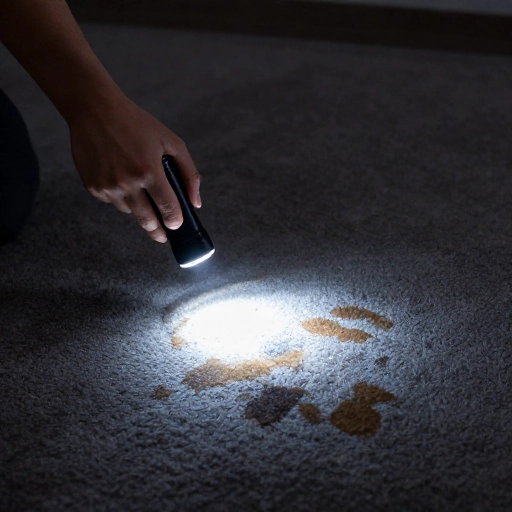
You might think you’ve cleaned up after your pet, but you’re probably missing spots. Pet urine can be invisible once it dries, but it still smells. This is where a UV blacklight comes in. It makes dried urine spots glow a yellow-green color, so you can see exactly where you need to treat. This is a crucial step to really killing odors for good.
Turn off the lights, wait for it to get dark, and shine the blacklight over your carpet. You’ll be surprised (and maybe a little horrified) to see all the spots you missed. Mark them with a piece of chalk or a sticky note so you can find them when the lights are back on.
Once you’ve found every spot, treat each one with your enzymatic cleaner. This method ensures you’re not just treating the obvious accident spot, but every single place your pet has marked. It’s the most thorough way to get a truly odor-free carpet.
Activated Charcoal: The Odor Magnet That Lasts
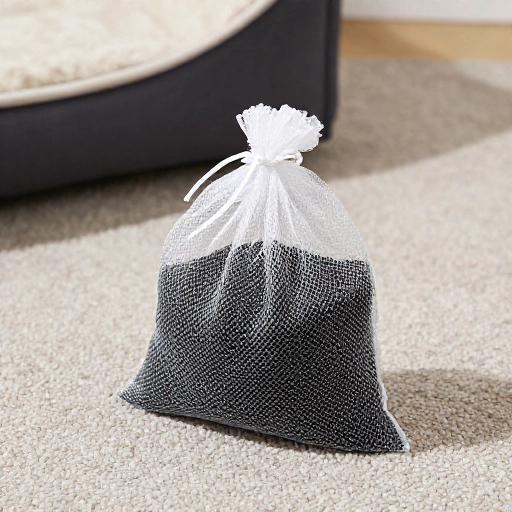
For continuous odor control, activated charcoal is an amazing tool. It’s a highly porous substance that traps odor molecules in its tiny pores, effectively removing them from the air. Unlike air fresheners that just mask smells, charcoal actually absorbs them.
You can buy charcoal bags or just get loose activated charcoal and place it in a bowl near your carpet. For a targeted approach, you can even sprinkle a small amount of activated charcoal powder on a stubborn spot, let it sit for a few hours, and vacuum it up. It’s a great, non-toxic option that’s safe for pets and kids.
This is especially helpful for apartments or rooms with poor air circulation. It works passively, 24/7, to keep the air in your home clean and fresh. It’s the unsung hero of the pet odor removal world.
Conclusion: Fresh Carpets, Happy Home
Getting rid of pet odors doesn’t have to be a losing battle. With the right combination of enzymatic cleaners, natural deodorizers, and a little bit of patience, you can have carpets that look and smell amazing. Remember, the key is to treat the source, not just the surface.
Start with an enzymatic cleaner for any fresh accidents, use baking soda or my DIY powder for regular maintenance, and pull out the steam cleaner for a deep reset when needed. Your home will feel fresher, and you can enjoy your furry friends without the constant worry about the smell.
Take it one step at a time, and don’t be afraid to combine methods. Your nose (and your carpet) will thank you!
Frequently Asked Questions
What is the best homemade pet odor remover for carpets?
The best DIY combo is a 1:1 mix of white vinegar and water in a spray bottle. For set-in stains, try a paste of hydrogen peroxide and baking soda. For daily freshening, sprinkle plain baking soda and vacuum it up.
How do I get old dog urine smell out of carpet?
Use a high-quality enzymatic cleaner. Saturate the area thoroughly, cover it with plastic wrap to keep it wet, and let it sit overnight before blotting it up. This gives the enzymes time to break down the urine crystals completely.
Does baking soda really remove pet odor from carpet?
Yes, baking soda is excellent at absorbing odors, but it doesn’t neutralize the bacteria that cause them. It’s great for general freshening, but for actual accidents, you’ll need an enzymatic or vinegar-based cleaner first.
Can I use vinegar and baking soda together on carpet?
You can, but it’s not the most effective method. The fizzing action is fun, but it’s mostly just a reaction. It’s better to use them separately—vinegar for neutralizing odors and baking soda for absorbing them—for the best results.
Why does my carpet smell even after steam cleaning?
If the urine soaked down into the carpet pad or subfloor, a standard steam clean might not get deep enough. Also, if you don’t use enough suction, the dirty water can just re-soak into the carpet. You may need to treat with an enzyme first, and in severe cases, replace the pad underneath.