10 Things to Do When Your Cat Is Overweight
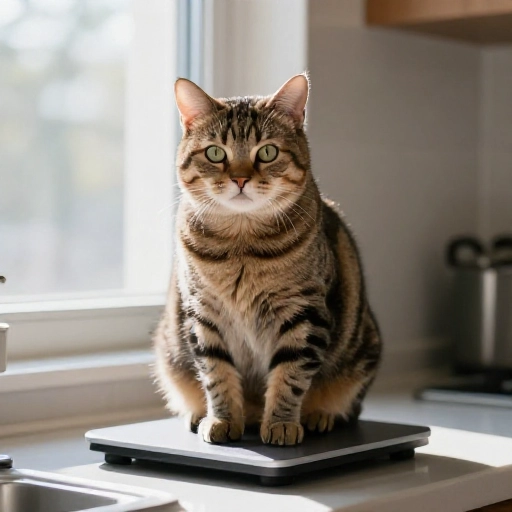
I remember the day my vet gently said, “Your cat has a little extra fluff.” My heart sank. I had noticed the slow waddle, the way she struggled to jump onto the bed, but I thought it was just her getting older. Turns out, her weight was sneaking up on both of us.
If you’re reading this, you might be in a similar spot. Maybe your cat’s belly swings side to side when they walk, or they give up halfway through a play session. It’s okay—you are not a bad cat parent. Helping a cat lose weight is a journey, and it’s one you can absolutely handle.
Here are ten practical, gentle steps that worked for me and my fluffball. No guilt trips, no extreme diets. Just real, everyday changes.
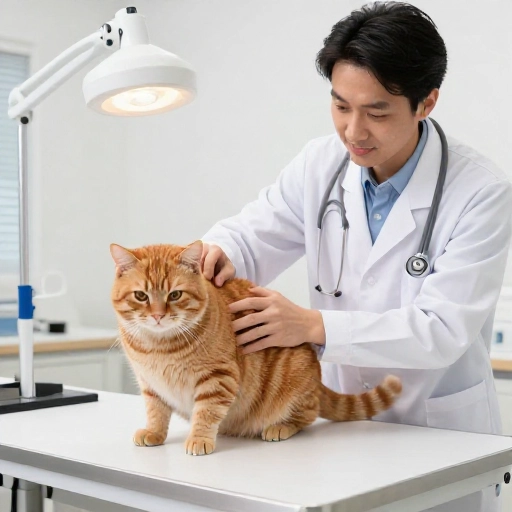
1. Visit the Vet Before Anything Else
I know, this feels obvious. But please don’t just guess the diet. Some health issues, like thyroid problems, can cause weight gain. A quick checkup rules out medical causes and gives you a safe target weight. My vet even gave me a little chart to track progress. It made everything feel manageable.
Your vet can also recommend a prescription diet if needed. Trust me, that first visit saves you from weeks of guessing games.
2. Measure Every Single Kibble
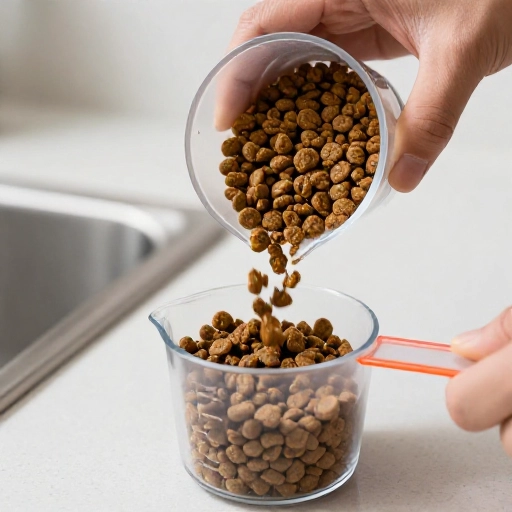
I used to fill my cat’s bowl by eye. Big mistake. One cup of kibble can be 300 calories—that’s almost a full day’s food for a small cat. Now I use a tiny measuring cup. It feels silly, but it works. I measure breakfast and dinner exactly.
If you free-feed, stop. Cats will eat out of boredom. Set a schedule, even if it’s just twice a day. Your cat will adjust faster than you think.
3. Ditch the Treats (Mostly)
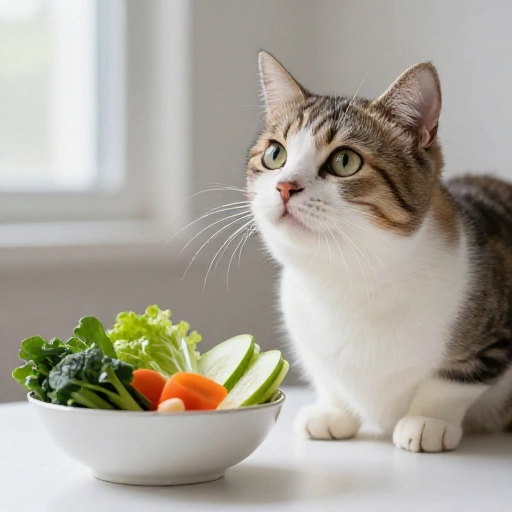
This one hurt me more than my cat. Treats are how I showed love. But those little crunchy nuggets are calorie bombs. I switched to freeze-dried chicken bits—just one ingredient, no fillers. I break each piece into tiny crumbs. She still thinks she’s getting a treat, but it’s barely anything.
Also, try using a few pieces of her regular kibble as treats. Same flavor, same love, way less guilt.
4. Make Her Work for Food
Food puzzles changed my life. Instead of a bowl, I hide kibble inside a plastic bottle with holes, or use a slow feeder mat. My cat has to bat, nudge, and roll to get each piece. It slows her eating and gives her mental exercise. She looks so proud when she cracks the puzzle.
You can start simple: toss a few kibble pieces across the floor and let her chase them. Instant mini workout.
5. Play in Short, Frequent Bursts
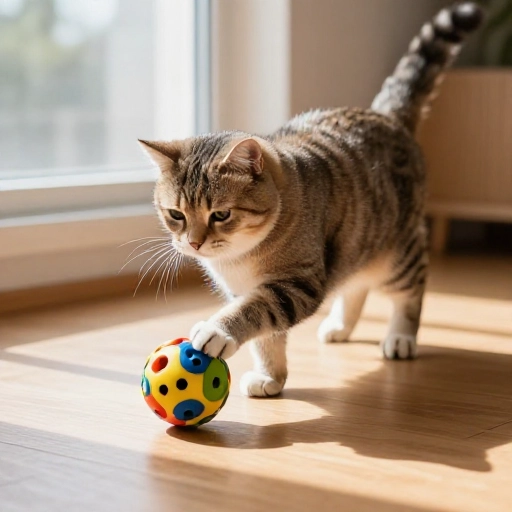
My cat is not a marathon player. She gets tired after three minutes. So I play with her five times a day for just two or three minutes each. I use a wand toy with a feather. I make it dart like a mouse, then pause. She pounces, then rests. It’s enough to get her moving without overwhelming her.
Even five minutes a day helps. Consistency beats intensity.
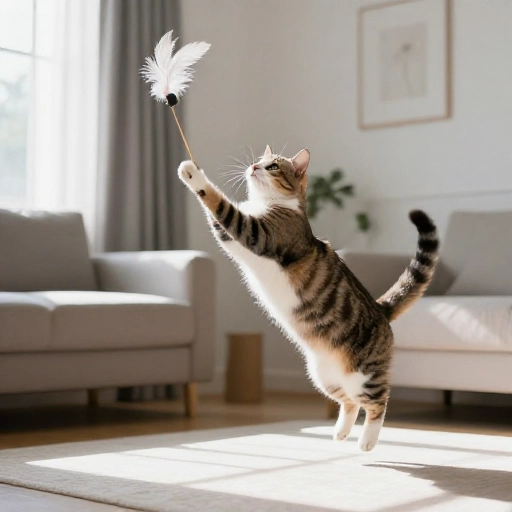
6. Use Wand Toys (Not Laser Pointers)
Laser pointers seem fun, but they frustrate cats. They can never catch the red dot. That leads to anxiety, not weight loss. Wand toys let your cat actually grab, bite, and feel victorious. That satisfaction keeps them coming back for more play.
Drag the toy along the floor, hide it under a rug, then let her pounce. She will burn calories and feel like a hunter.
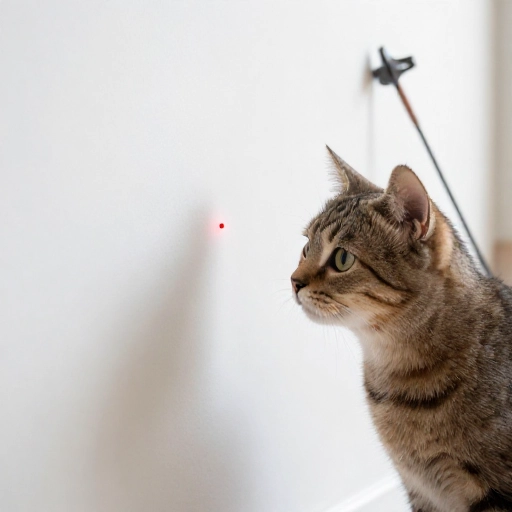
7. Switch to Wet Food
Wet food has more water and fewer carbs than dry kibble. It fills your cat’s belly with fewer calories. I slowly mixed wet food into her dry food over a week. She didn’t even notice. Now she eats mostly wet, and I feel better knowing she’s hydrated.
Look for pate style, not chunks in gravy. Gravy often has extra sugar and starch.
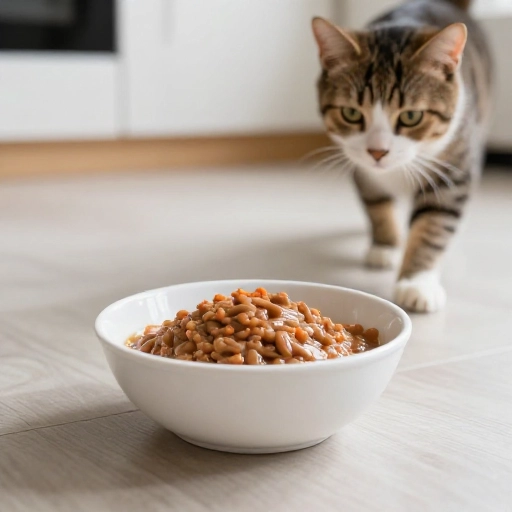
8. Create Vertical Space
Overweight cats often avoid jumping. But climbing is excellent exercise. I added a few low shelves, a cat tree, and a window perch. My cat started using them after a week. She would take the stairs—jumping up one shelf, then another. It’s not a full workout, but it adds movement throughout the day.
Even a sturdy cardboard box on a chair counts. Make the environment nudge her to move.
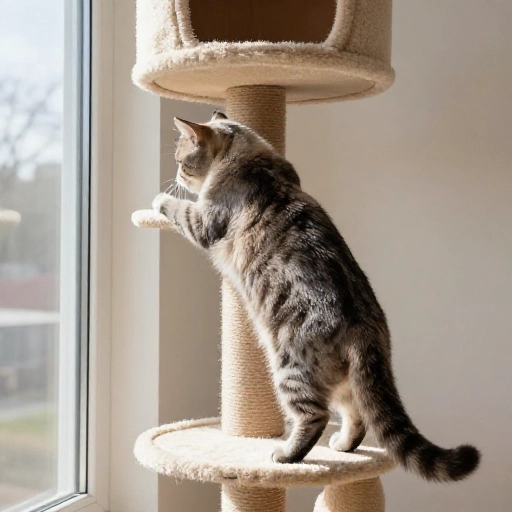
9. Track Progress (But Don’t Obsess)
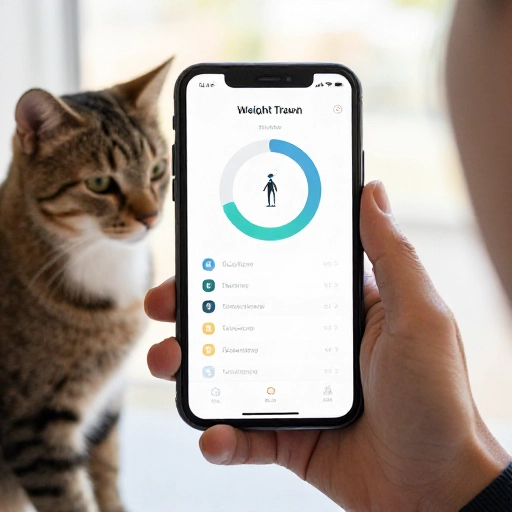
I weigh my cat every two weeks on a baby scale. I write the number in a notebook. But I also look for other signs: can she groom her back easier? Does she jump onto the sofa without a grunt? Those small wins matter more than the scale.
Weight loss in cats should be slow—about 1-2% of body weight per week. Don’t rush it. Celebrate the tiny victories.
10. Be Patient and Kind to Yourself
My cat didn’t lose weight in a month. It took nearly six months. There were weeks where nothing changed. I felt like giving up. But I remembered that slow and steady is healthier for cats. Rapid weight loss can cause liver damage.
You are doing this for your cat’s health, not for perfection. Some days will be messy. That’s fine. Keep going.
Conclusion
Helping your cat lose weight is not about strict rules. It’s about small, loving changes that add up. Measure the food, play in short bursts, and be patient. Your cat will feel better, move easier, and live longer. And you will feel proud knowing you helped them get there.
Start with one thing today. Maybe it’s measuring that first meal. Maybe it’s hiding a few kibble pieces under a towel. Whatever it is, your cat will thank you—maybe not with words, but with a happier, healthier purr.
Frequently Asked Questions
How quickly should my cat lose weight?
Slowly. Aim for about 1-2% of body weight per week. A 10-pound cat should lose around 0.1 to 0.2 pounds per week. Rapid loss can cause serious health issues.
Can I put my cat on a human diet?
No. Cats need specific nutrients like taurine and arginine. Human diets can cause deficiencies. Always use vet-approved cat food and portions.
What if my cat begs for food constantly?
Begging is often boredom, not hunger. Try a food puzzle, a short play session, or a gentle chin scratch. If it continues, check with your vet to rule out medical causes.
Should I use a grain-free diet for weight loss?
Not necessarily. Grain-free does not mean low-calorie. Some grain-free foods are high in fat. Always check the calorie content per cup or can, and ask your vet for recommendations.
My cat hates wet food. What do I do?
Mix a tiny amount of wet food into her dry kibble. Gradually increase the ratio over two weeks. You can also warm the wet food slightly to make it smell more appealing. Some cats prefer pate over chunks.