10 Warning Signs Your Cat May Be Sick
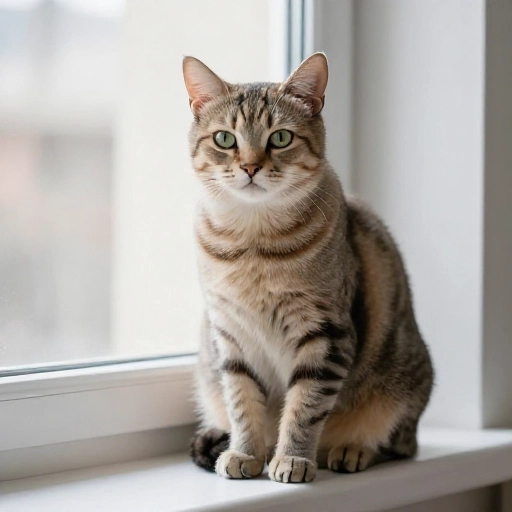
If you live with a cat, you know they can be little mystery machines. One minute they’re zooming around the house, and the next, they’re hiding under the bed. That’s just part of their charm. But here’s the tricky part—cats are masters at hiding pain. In the wild, showing weakness makes you a target, so your sweet house cat still has that instinct.
I’ve had my share of scares with my own cats, and I’ve learned that catching a problem early makes all the difference. So, let’s talk about ten clear signs that your cat might be telling you something’s wrong. Trust your gut—you know your cat better than anyone.
Remember, I’m not a vet, just a cat lover sharing what I’ve learned. If you see any of these signs, a quick call to your vet is always the best next step.
1. Sudden Changes in Eating or Drinking
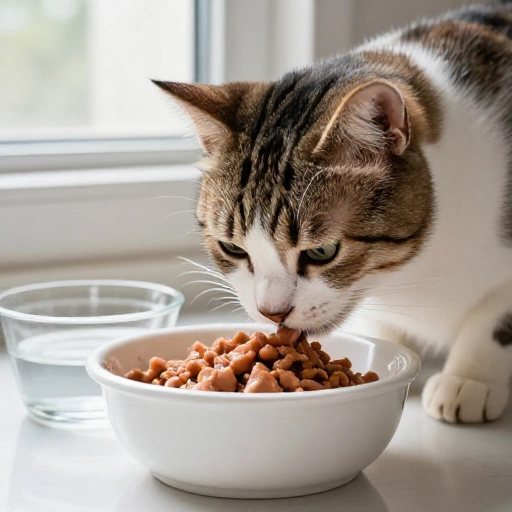
When my cat stopped finishing her breakfast, I thought she was just being picky. But a cat that suddenly eats way less (or way more) can have an underlying issue. Drinking excessive water is also a big red flag.
Look for these patterns:
- Leaving food in the bowl for hours.
- Drinking from faucets or puddles more than usual.
- Complete loss of appetite for more than 24 hours.
Big shifts in hunger or thirst often point to problems with kidneys, teeth, or digestion. Keep an eye on their bowl habits.
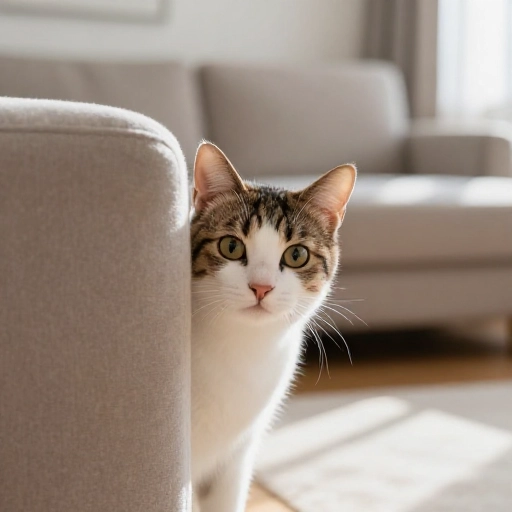
2. Hiding More Than Usual
Cats love a good cardboard box, but there’s a difference between napping in a cozy spot and disappearing for hours. If your social cat suddenly turns into a ghost, they might not feel well.
Hiding is a survival tactic. When a cat feels sick or weak, they seek out a safe, quiet place. If you notice your cat spending all day under the bed or in a closet, don’t just chalk it up to a new personality.
Check on them gently. If they seem annoyed or won’t come out for treats, it’s worth a vet visit.
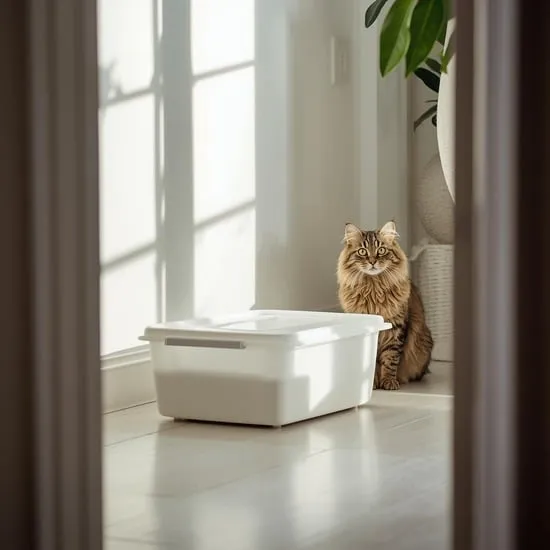
3. Litter Box Troubles
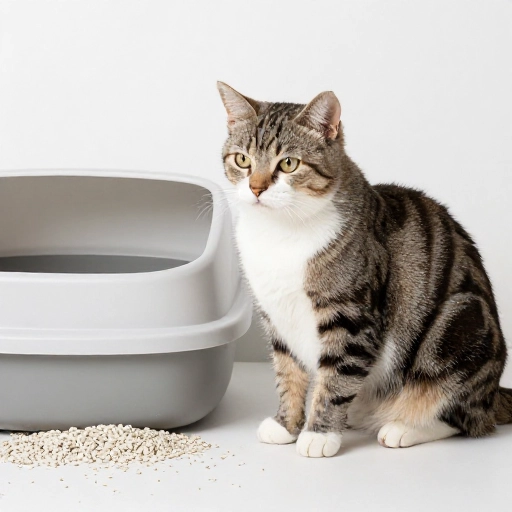
Nobody loves cleaning the litter box, but it’s a goldmine of health info. Any change in their bathroom habits is a big clue. Straining, crying, or going outside the box are all warning signs.
Watch for these specifics:
- Very small, hard poops or diarrhea.
- Urinating in strange places like the bathtub or laundry basket.
- Blood in the urine or stool.
This could be a simple upset tummy, but it can also signal a urinary tract infection or blockage, which is an emergency for male cats. Always take litter box changes seriously.
4. Low Energy and Lethargy
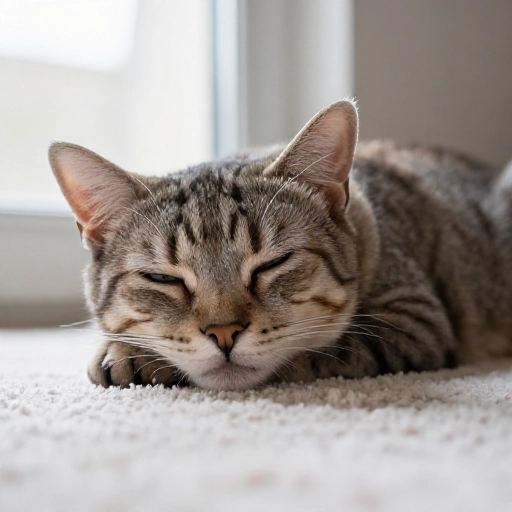
All cats sleep a lot—that’s their job. But lethargy is different. If your cat doesn’t wake up to play with a laser pointer or ignores their favorite feather toy, something’s off.
Lethargy means they’re too tired to do normal cat things. They might not groom themselves or even move when you walk by. This can be a sign of fever, pain, or anemia.
Try to engage them. If they show zero interest in anything for more than a day, don’t wait it out.
5. Unexplained Weight Loss or Gain
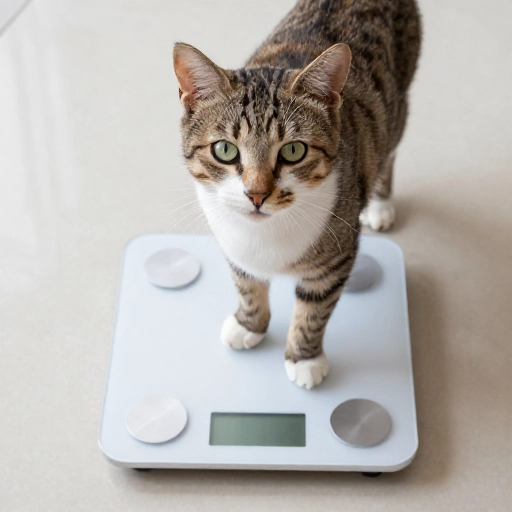
Floofy cats can hide weight changes under all that fur. If you pet them and feel their backbone or ribs too easily, that’s a signal. Weight gain can also happen slowly and be just as serious.
Weight loss often happens when a cat eats normally but still drops pounds—this can be hyperthyroidism or diabetes. Weight gain might mean a slower metabolism due to age or a thyroid issue.
I weigh my cats once a month at home. It’s a simple habit that helps me catch changes early.
6. Changes in Grooming Habits
A healthy cat usually looks clean and shiny. If their coat looks greasy, matted, or they stop grooming altogether, it’s a clue. On the flip side, over-grooming in one spot can mean pain or allergies.
Look for these signs:
- Bald patches or thinning fur.
- Dandruff or a rough, dull coat.
- Excessive licking on their belly or paws.
Pain from arthritis can make grooming hard, while stress can cause over-grooming. Either way, it’s a sign to dig deeper.

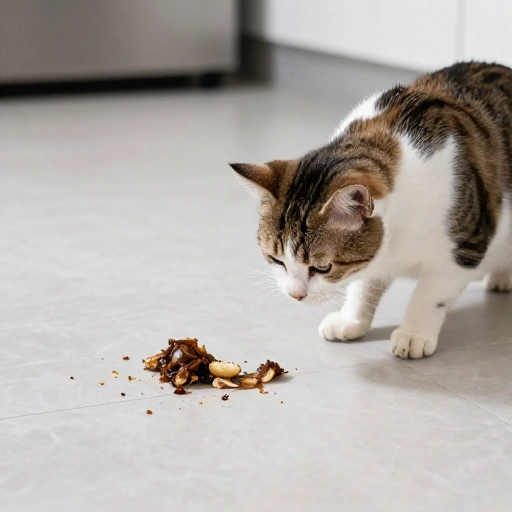
7. Vomiting or Hairballs More Often
A hairball once a week might seem normal, but it’s not. Frequent vomiting—whether it’s food, bile, or fur—is a red flag. Cats shouldn’t be throwing up regularly.
Pay attention to patterns:
- Vomiting right after eating.
- Throwing up multiple times in one day.
- Gagging without producing anything.
This can be anything from a food allergy to a serious blockage. Don’t just brush it off as normal cat behavior.
8. Breathing Changes
Healthy cats breathe quietly and smoothly. If you notice your cat breathing with their mouth open, panting, or working harder to breathe, that’s an emergency. Cats don’t pant like dogs do.
Watch for these signs at rest:
- Fast, shallow breaths.
- Belly moving a lot with each breath.
- Noisy breathing or coughing.
Breathing issues can mean heart problems, asthma, or fluid in the lungs. If you see this, call your vet immediately.
9. Unusual Vocalizations
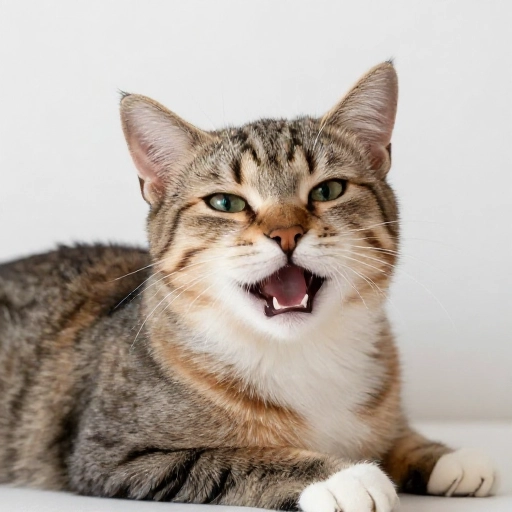
Some cats are chatty, but a change in how they sound matters. If your quiet cat starts yowling at night, or your talkative cat goes silent, take note. The tone matters too.
Pain can make cats meow in a different pitch. Older cats with cognitive decline may wander and cry. If your cat is suddenly very loud, especially at night, it’s worth a check-up.
Trust your ears. If their meow sounds off, it probably is.
10. Bad Breath or Drooling
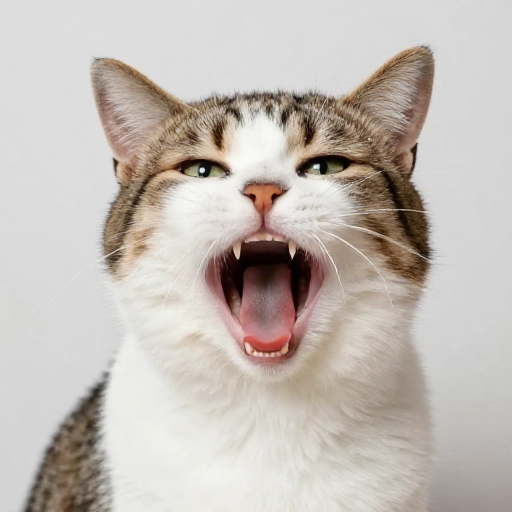
Cat breath isn’t supposed to smell like roses, but really stinky breath can mean dental disease, kidney issues, or even an infection. Drooling is also not normal for most cats.
Look for these clues:
- Brownish teeth or red gums.
- Pawing at the mouth.
- Excessive drool or stringy saliva.
Dental pain is common and can make eating miserable for your cat. A vet can check their mouth and help them feel better.
Conclusion
Your cat can’t tell you when they feel bad, but they show you in small ways. Keeping an eye on these ten signs helps you catch problems early. You know your cat’s normal better than anyone—so when something feels off, trust that feeling.
A quick trip to the vet can bring peace of mind and get your furry friend back to their happy, playful self. You’ve got this.
[[IMG:IMG12]]
Frequently Asked Questions
How can I tell if my cat is in pain?
Look for subtle changes like hiding, not using the litter box, or becoming grumpy when touched. Cats often purr when they’re in pain too, so don’t rely on purring as a sign of happiness.
When should I take my cat to the vet for vomiting?
If your cat vomits more than twice in 24 hours, can’t keep water down, or has blood in the vomit, call your vet right away. Occasional hairballs are normal, but frequent vomiting is not.
Is it normal for my cat to sleep more in winter?
Yes, cats can sleep a bit more in colder months just like we feel lazier. But if they seem hard to wake or lose interest in everything, it’s worth a check.
Can stress make my cat act sick?
Absolutely. Changes like a new pet, moving, or loud noises can cause hiding, over-grooming, or litter box issues. Try to reduce stress first, but if symptoms continue, see a vet.
What’s the most common hidden illness in cats?
Kidney disease and hyperthyroidism are very common in older cats and often show no signs until they’re advanced. Regular vet check-ups and blood work are the best way to catch these early.
[[IMG:IMG13]]