Simple Salmon and Rice Dog Food Recipe for Allergies
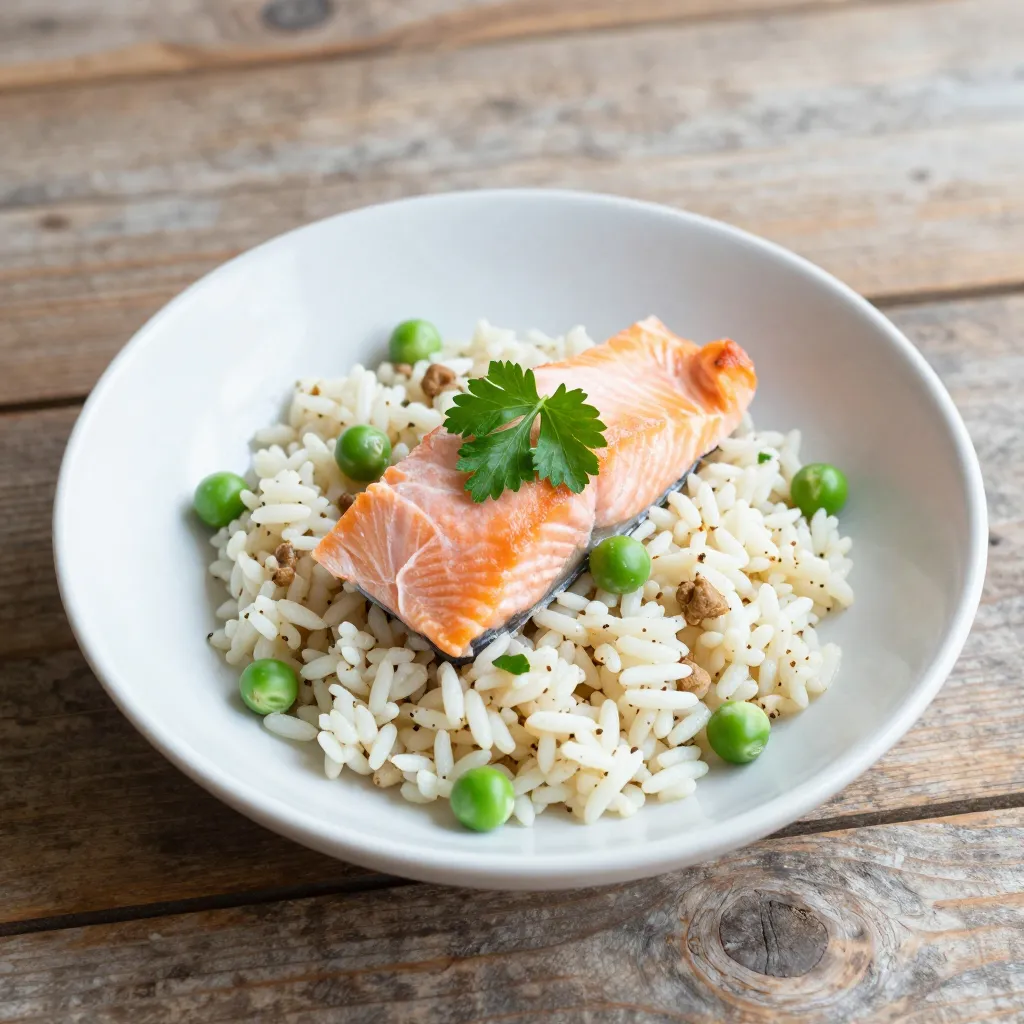
When my dog started scratching constantly and dealing with upset stomachs, I knew I had to make a change. After trying different store-bought foods with no luck, I created this simple salmon and rice dog food recipe. It has been a game-changer for my pup’s allergy symptoms, and I’m excited to share it with you.
This recipe uses just a few basic ingredients that are gentle on sensitive stomachs. Salmon provides healthy omega-3 fatty acids that help reduce inflammation and improve skin health. Brown rice is a bland, easy-to-digest carbohydrate that won’t trigger common food allergies. Together, they make a complete meal that many dogs with allergies tolerate well.
I’ve been feeding this to my own dog for months now, and the difference is amazing. No more itching, no more ear infections, and no more tummy troubles. If your dog suffers from food allergies, this homemade recipe might be exactly what they need.
Why This Recipe Works for Allergies
Most commercial dog foods contain common allergens like chicken, beef, dairy, or wheat. Salmon is considered a novel protein, meaning many dogs haven’t been exposed to it before, so their immune system is less likely to react badly. Brown rice is also a safe carbohydrate that rarely causes allergic reactions.
The omega-3 fatty acids in salmon are natural anti-inflammatories. They help calm irritated skin, reduce redness, and promote a shiny coat. This recipe also avoids artificial preservatives, fillers, and by-products that can trigger allergies in sensitive dogs.
I’ve found that sticking to simple, whole ingredients makes all the difference. Your dog’s body doesn’t have to work hard to digest this food, which gives their immune system a break and allows healing to happen.
Equipment You’ll Need
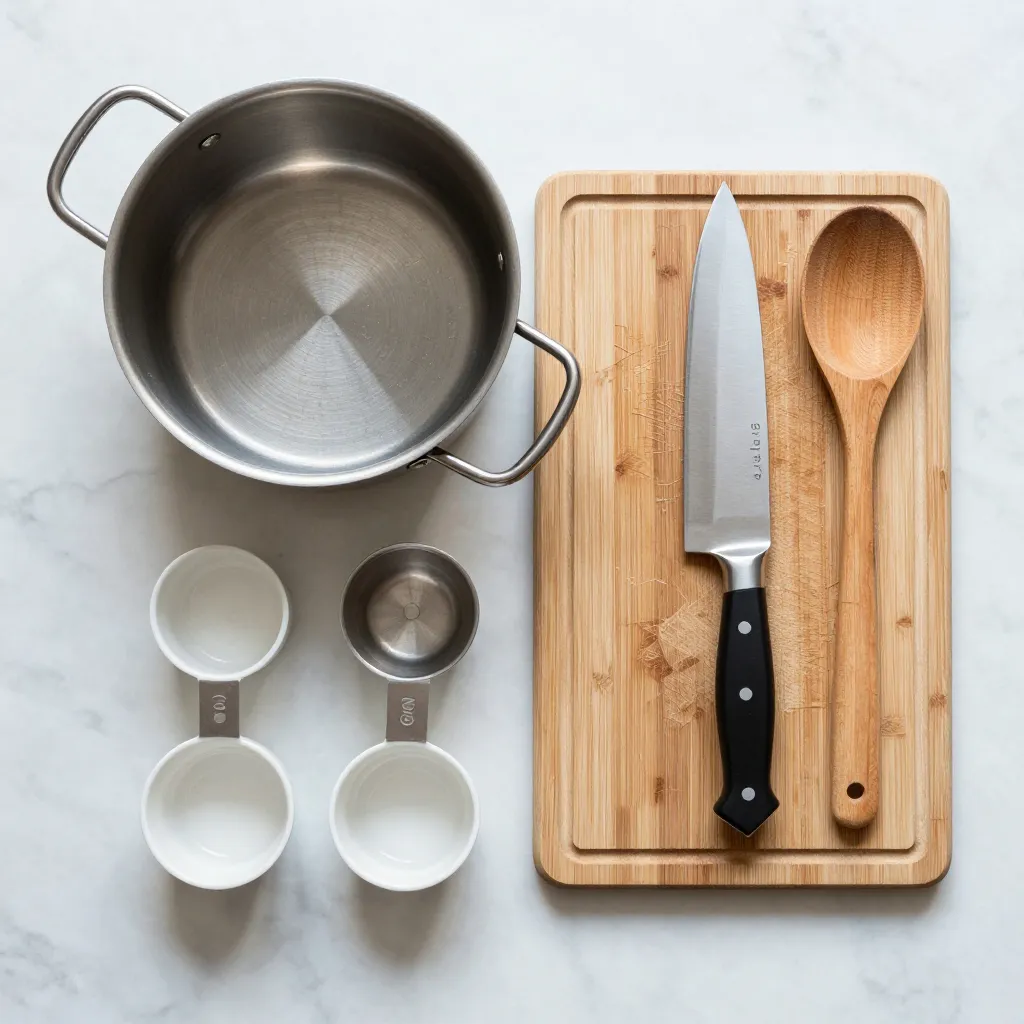
You don’t need anything fancy to make this recipe. Here’s what I use:
- Large pot or Dutch oven
- Cutting board and sharp knife
- Measuring cups and spoons
- Wooden spoon for stirring
- Food storage containers (glass or BPA-free plastic)
- Colander for rinsing rice
That’s it! Everything is probably already in your kitchen. I like to make a big batch and store portions in the fridge or freezer for easy meals throughout the week.
Ingredients
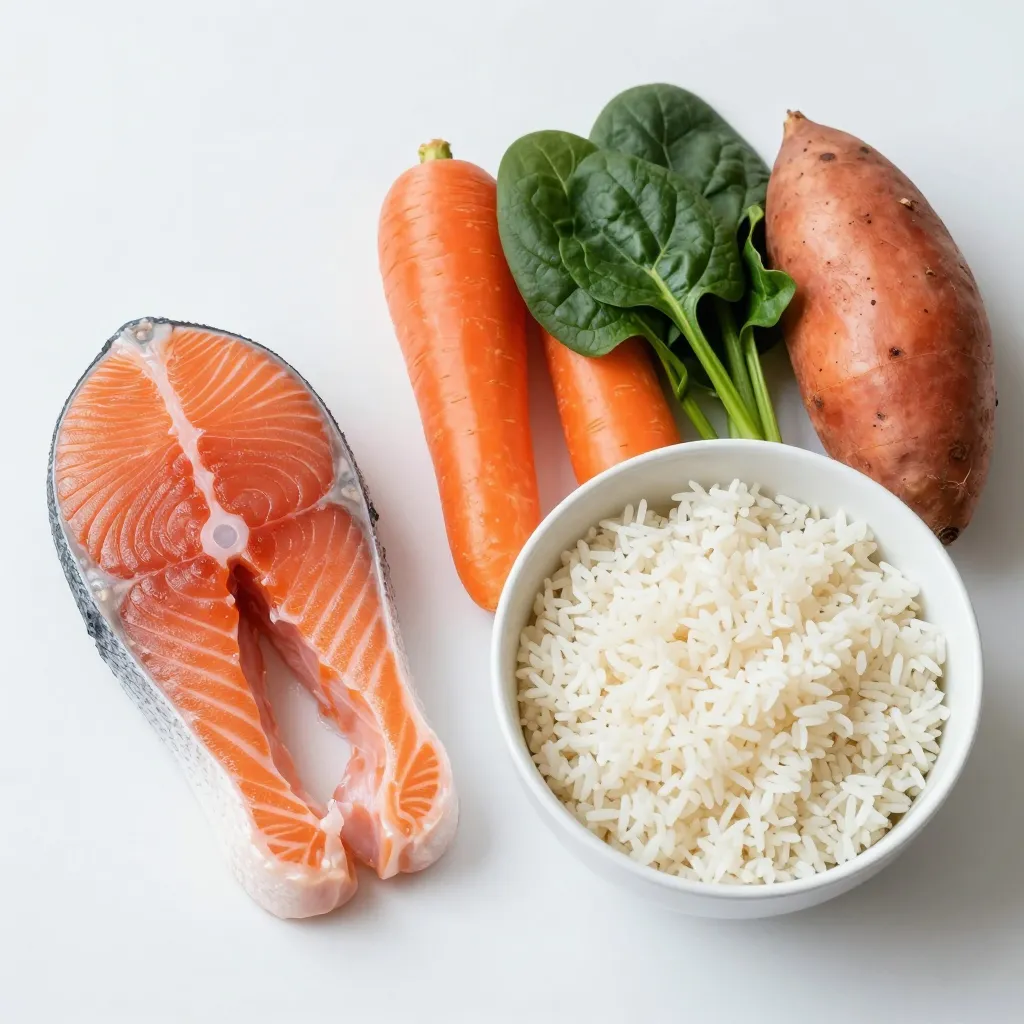
- 1 pound fresh or frozen salmon (skin removed, bones checked)
- 1 cup brown rice (not instant)
- 3 cups water or low-sodium chicken broth
- 1 medium sweet potato, peeled and diced
- 1 cup green beans, chopped
- 1 tablespoon coconut oil (optional, for extra healthy fats)
Always check with your vet before making any diet changes. These portions are for a medium-sized dog (about 30-50 pounds). Adjust amounts based on your dog’s size and activity level.
How to Make Salmon and Rice Dog Food
This recipe comes together in about 30 minutes. Here’s my simple method:
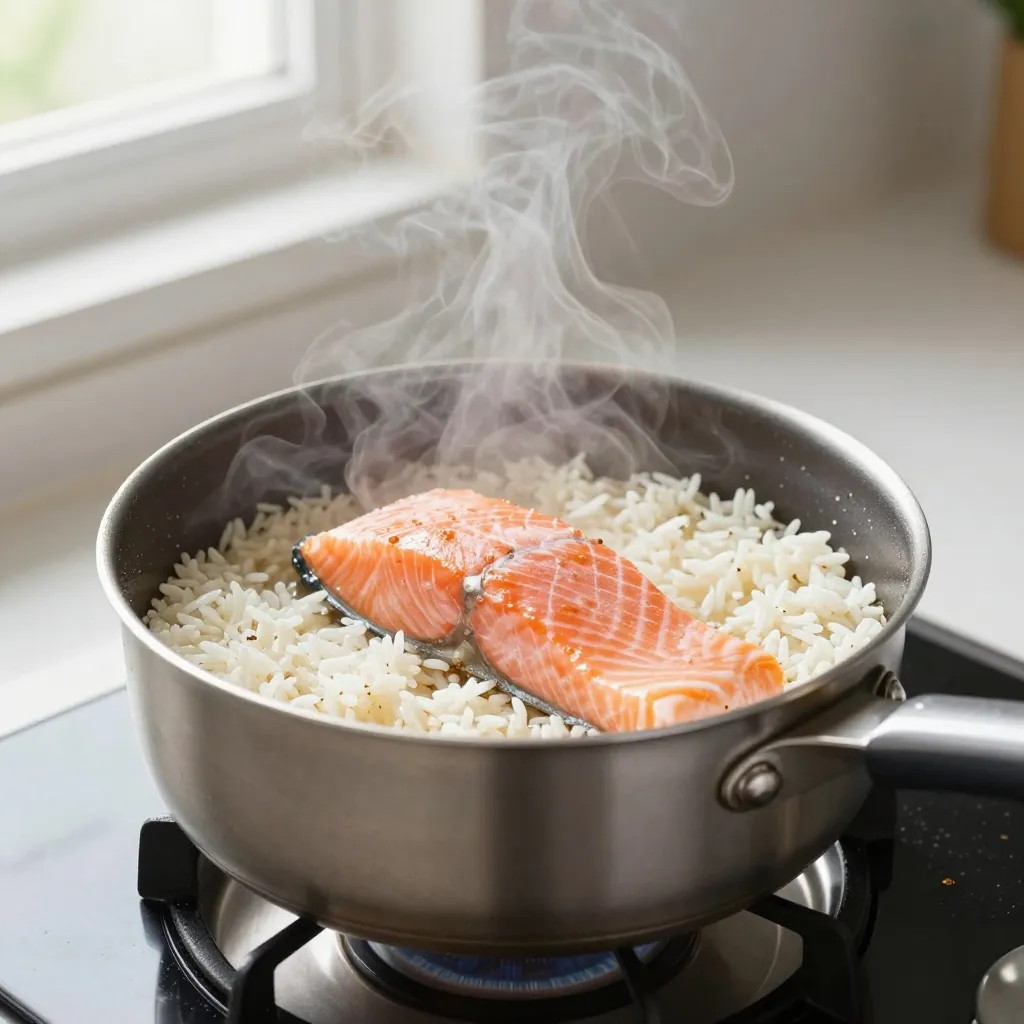
- Rinse the brown rice under cold water. Add rice and water or broth to your pot. Bring to a boil, then reduce heat, cover, and simmer for 25 minutes.
- While rice cooks, place salmon in a separate pan with a little water. Cover and cook over medium heat for 8-10 minutes until flaky. Let cool, then break into small pieces, checking for any bones.
- Add diced sweet potato and green beans to the rice during the last 10 minutes of cooking. Cook until tender.
- Once rice and veggies are done, remove from heat. Stir in the cooked salmon and coconut oil if using.
- Let everything cool completely before serving to your dog.
I always let the food cool to room temperature. Hot food can burn your dog’s mouth, and cold food might upset their stomach. This recipe makes about 4-5 cups of food, which is enough for 2-3 days for my medium-sized dog.
Tips for Feeding This Recipe
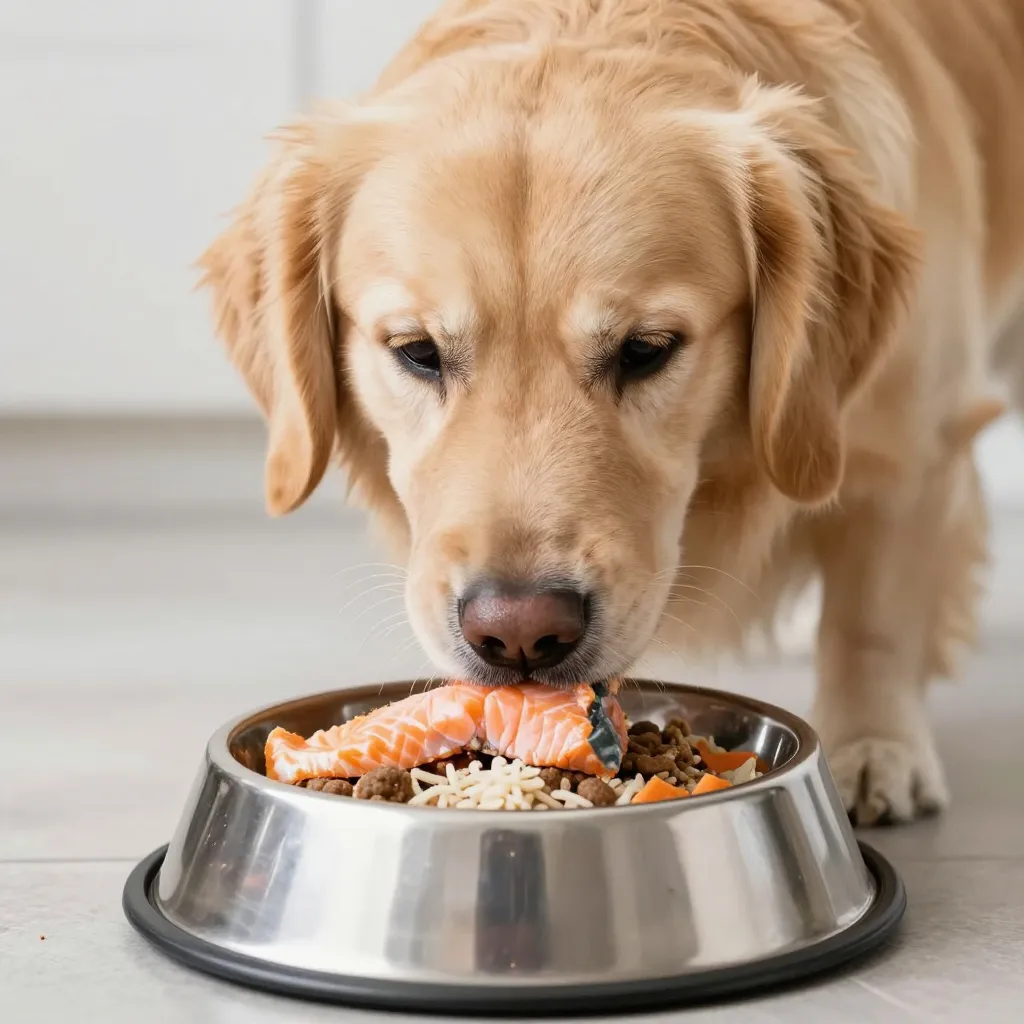
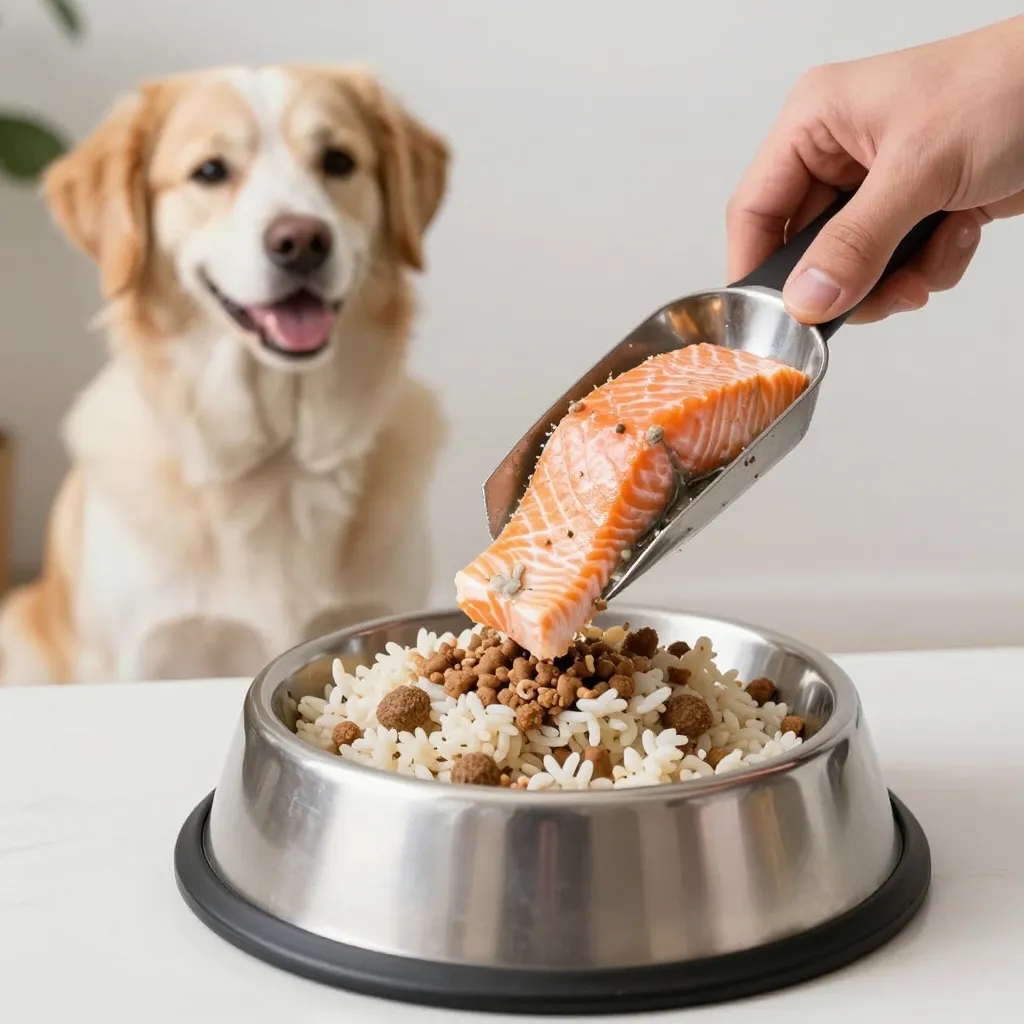
Start by replacing just 25% of your dog’s regular food with this new recipe. Slowly increase the amount over 5-7 days. This helps prevent digestive upset and lets you see how your dog reacts.
Store leftovers in the fridge for up to 4 days or freeze for up to 3 months. I like to freeze individual portions in silicone muffin cups for easy thawing. Always serve at room temperature.
Watch for improvements in your dog’s skin, coat, and energy levels. Most dogs show positive changes within 2-3 weeks. If you don’t see improvement, talk to your vet about other possible allergens.
Conclusion
Making homemade dog food doesn’t have to be complicated. This simple salmon and rice recipe has helped my dog feel so much better, and I hope it helps yours too. The best part is knowing exactly what’s going into your dog’s bowl – no mystery ingredients, no hidden fillers, just real food that supports their health.
Remember to always consult your veterinarian before switching your dog’s diet, especially if they have severe allergies or other health conditions. Every dog is different, and what works for mine might need tweaking for yours. But I truly believe that simple, whole foods can make a huge difference in managing allergies.

Frequently Asked Questions
Can I use canned salmon instead of fresh?
Yes, you can use canned salmon packed in water. Just make sure it’s boneless and skinless. Drain the water before adding it to the recipe. Canned salmon is a convenient option when fresh isn’t available.
How much should I feed my dog per day?
Most adult dogs need about 2-3% of their body weight in food daily. For a 30-pound dog, that’s roughly 1 to 1.5 cups per day, divided into two meals. Adjust based on your dog’s activity level and body condition.
Can I substitute white rice for brown rice?
Brown rice is better because it has more fiber and nutrients. However, if your dog has a very sensitive stomach, white rice is easier to digest. You can use white rice in the same amount, but cook it for less time (about 15 minutes).
Is this recipe nutritionally complete for long-term feeding?
This recipe is a good starting point, but it may not be 100% balanced for long-term feeding. I recommend rotating proteins and adding a canine multivitamin or consulting with a veterinary nutritionist for a fully balanced diet.
How do I know if my dog’s allergies are improving?
Look for less scratching, fewer hot spots, clearer ears, and firmer stools. You should also notice less licking of paws and a shinier coat. Most improvements happen within 2-4 weeks of starting the new diet.