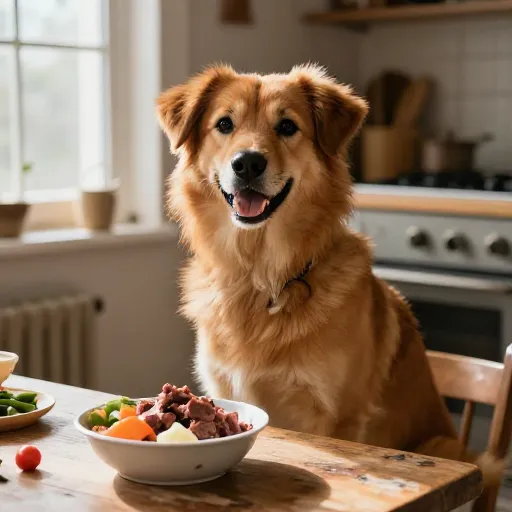
Gentle Nourishment: Raw Dog Food Recipes for Senior Dogs
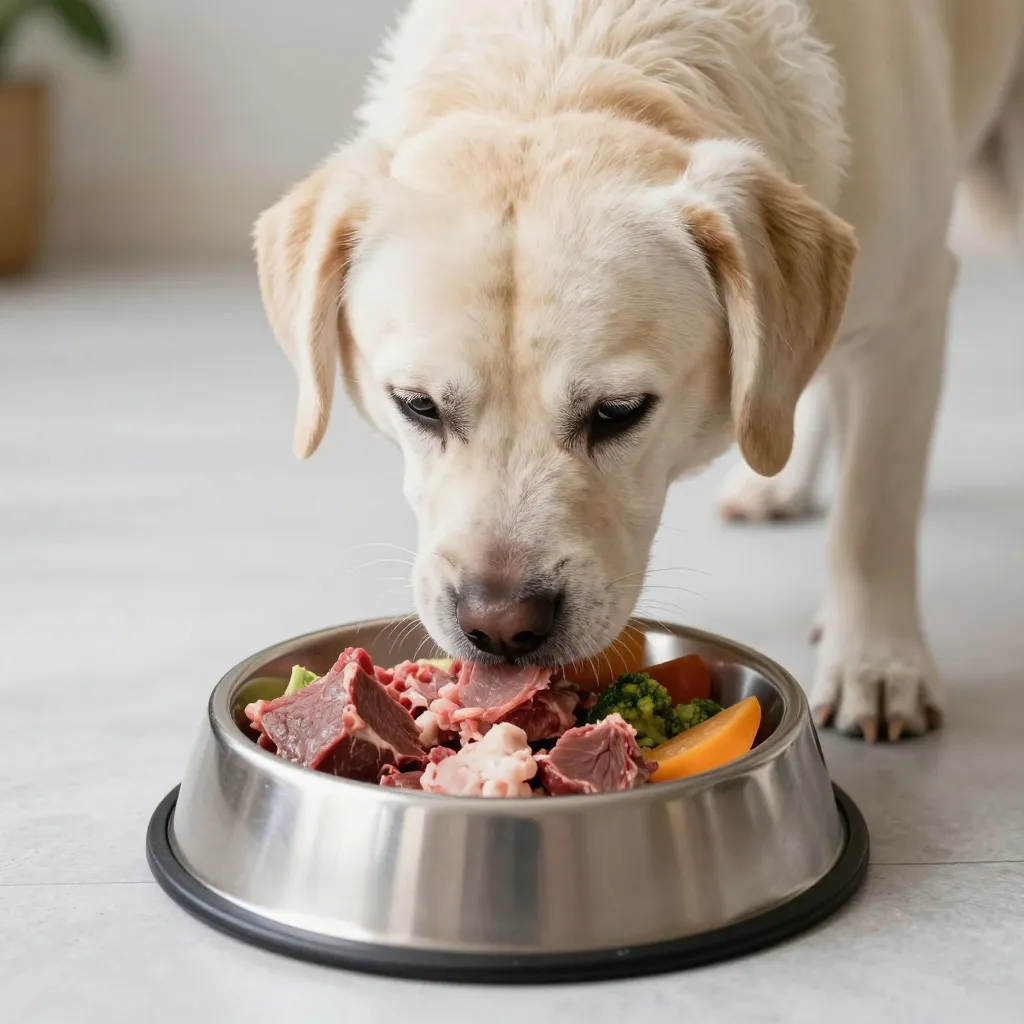
Watching my senior dog slow down over the years has been bittersweet. His gray muzzle and stiff morning stretches remind me that his nutritional needs have changed. I used to feed him the same raw meals as always, but I noticed he wasn’t finishing his bowl. That’s when I started researching raw dog food recipes specifically tailored for older pups.
Senior dogs often deal with joint stiffness, weaker digestion, and dental issues. A well-balanced raw diet can be a game-changer—it’s easier to chew, gentler on the stomach, and packed with nutrients that support aging bodies. After months of trial and error, I found a few simple recipes that gave my old friend his bounce back. Here’s what I’ve learned.
Why Raw Food Works for Senior Dogs
As dogs age, their bodies produce less digestive enzymes. Raw food, with its natural enzymes and moisture, is easier for them to break down than heavily processed kibble. I noticed my dog’s coat got shinier and his breath improved within a week of switching.
Another huge win? Joint support. Raw recipes can include ingredients like green-lipped mussel or bone broth, which are natural sources of glucosamine and collagen. No need for expensive supplements when you’re feeding the real thing.

Equipment You’ll Need
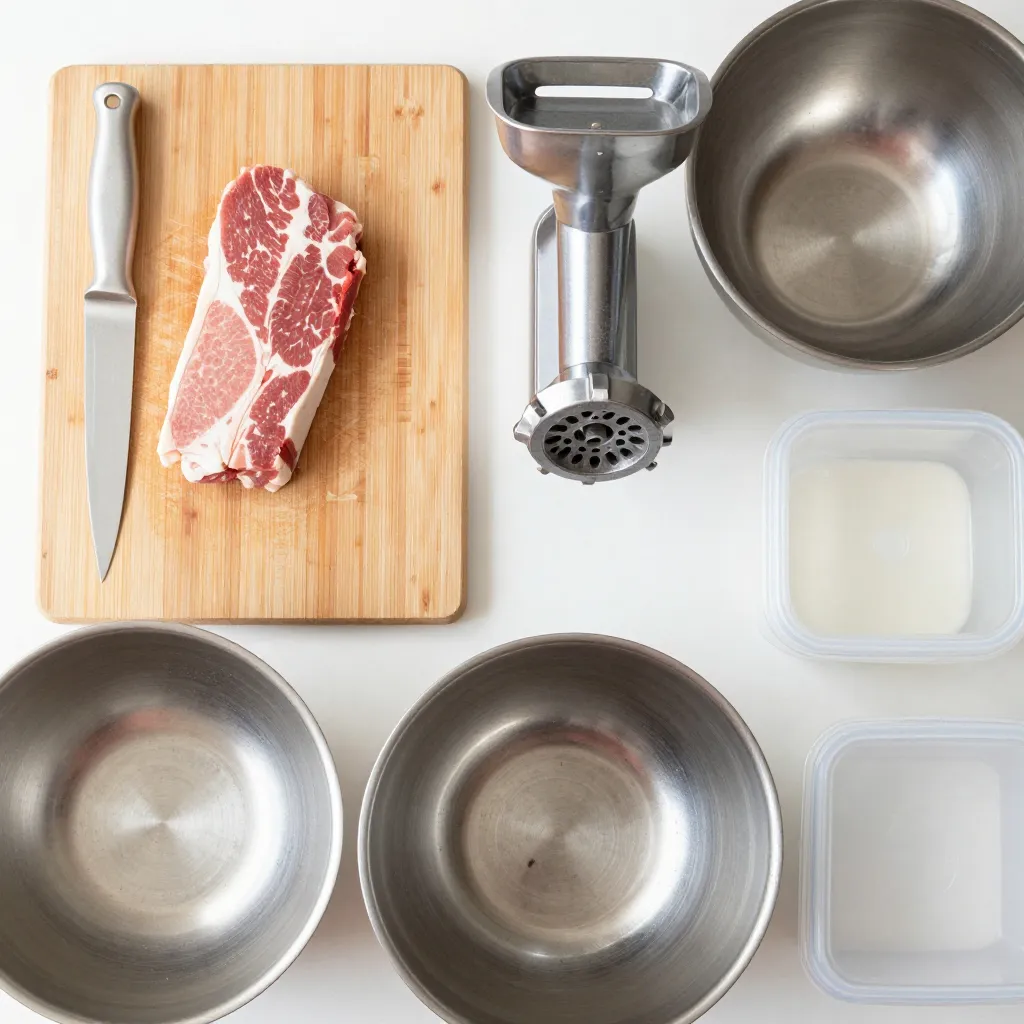
You don’t need a fancy kitchen setup. Here’s what I use:
A good meat grinder – I have a basic electric one, but a manual grinder works too. It’s essential for grinding bone-in meats safely.
Digital kitchen scale – Senior dogs need precise portions. I weigh every ingredient to keep meals balanced.
Large mixing bowl – For combining everything evenly.
Freezer-safe containers – I batch-cook and freeze portions for the week. Glass jars or silicone trays work great.
Ingredients for a Senior-Friendly Raw Recipe
Here’s the base I use for my 12-year-old lab mix. Adjust portion sizes based on your dog’s weight and activity level.
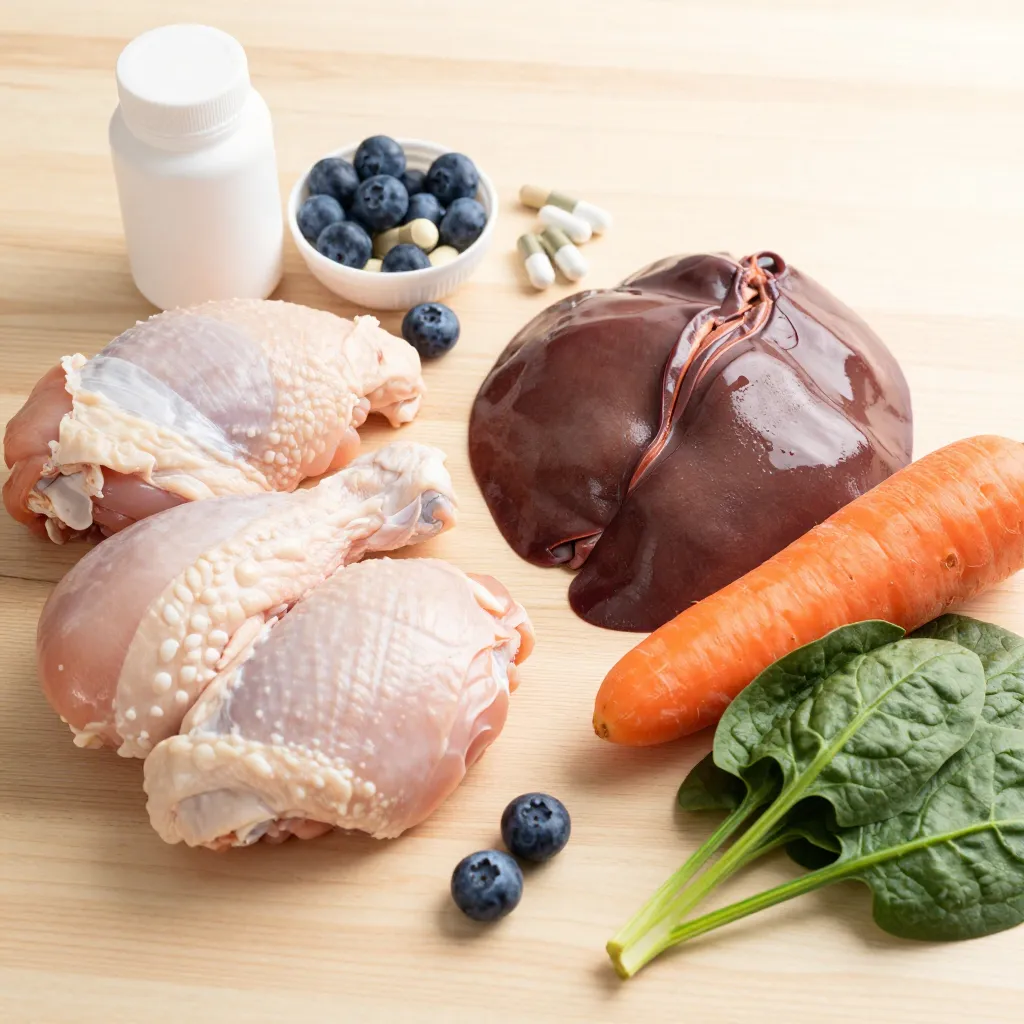
Protein (60-70% of meal): Ground chicken thighs with skin (easy to digest), or ground turkey. For seniors, avoid high-fat cuts like pork belly.
Bone content (10%): Ground chicken backs or necks. Grinding prevents choking and makes bones digestible.
Organ meat (10%): Liver is a must—chicken or beef liver, chopped fine. I also add a little kidney or spleen once a week for variety.
Vegetables (10-15%): Steamed and mashed pumpkin, zucchini, or green beans. No starchy veggies like potatoes. Puree them for easier digestion.
Extras: A splash of goat’s milk kefir (probiotics), a teaspoon of coconut oil (for coat health), and a pinch of turmeric with black pepper (joint support).
How to Make It: Step-by-Step
This is my go-to recipe for a week’s worth of meals. It takes about 30 minutes of active prep.
Step 1: Grind your bone-in meat. I run chicken thighs and backs through the grinder together. The result should look like coarse ground meat.
Step 2: Steam your veggies until soft. For a senior dog, I puree them in a food processor so there’s zero choking risk.
Step 3: Chop the liver into small cubes. No need to grind it—just make sure they’re tiny enough to mix in evenly.
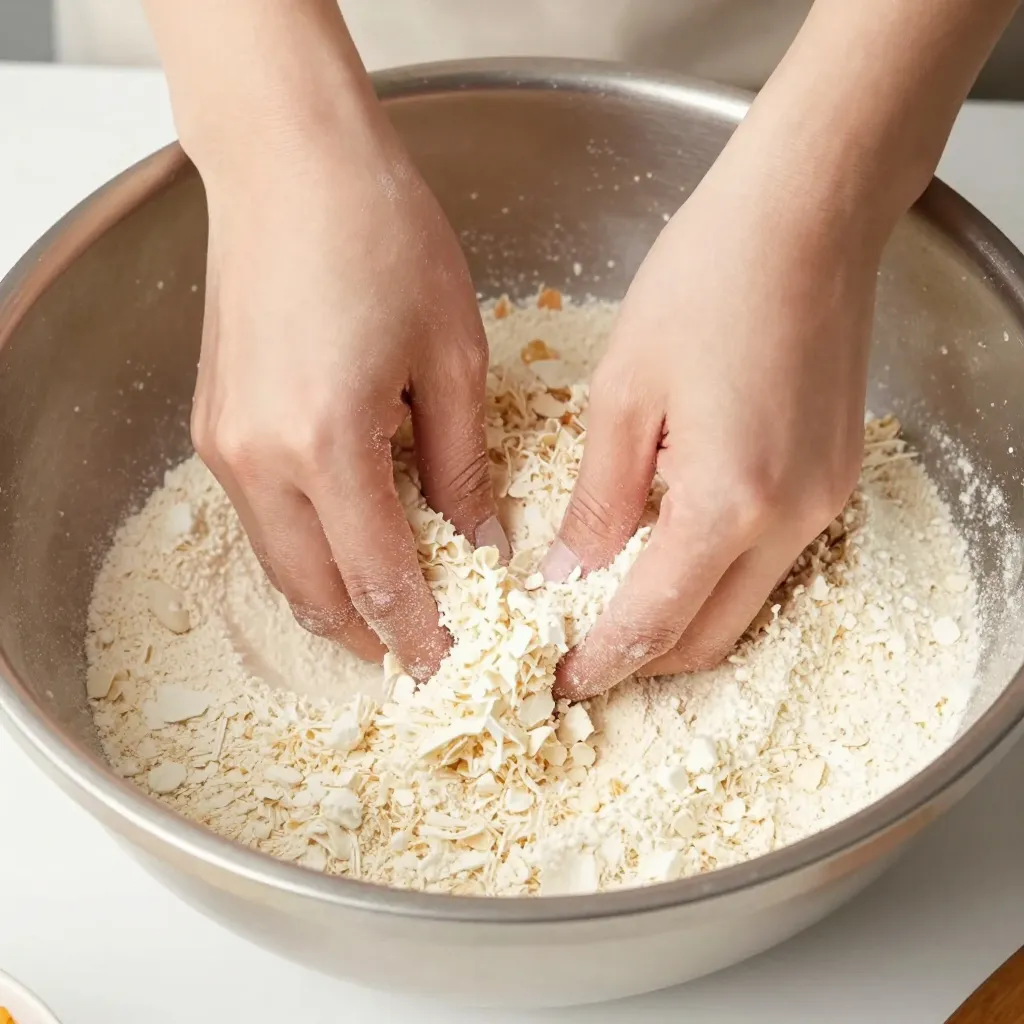
Step 4: In a large bowl, combine the ground meat, pureed veggies, and liver. Mix with your hands until everything is well distributed.
Step 5: Portion into containers. I use 1-cup portions for my dog. Add the extras (kefir, oil, turmeric) fresh at feeding time, not during storage.
Tips for Transitioning Your Senior Dog
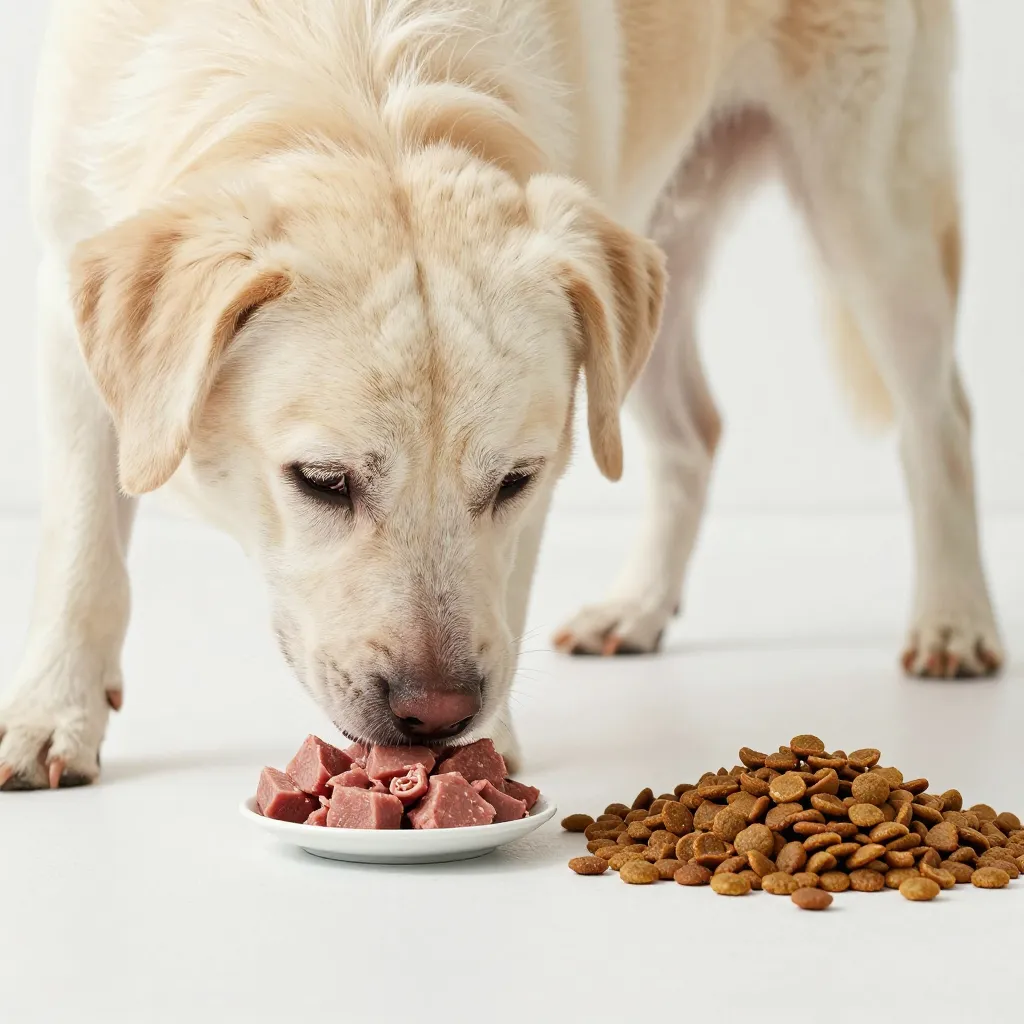
Go slow. I started by replacing just 20% of his kibble with raw, then increased by 10% every few days. Watch for loose stools—that’s a sign to slow down.
If your dog has dental issues, serve the raw food at room temperature (not straight from the fridge). You can even add warm water to make it a soft mash.
And always consult your vet first, especially if your senior dog has kidney or liver issues. Some conditions require lower protein levels.
Conclusion
Switching my senior dog to a raw diet was one of the best decisions I’ve made for his golden years. He eats with enthusiasm again, his joints seem less stiff, and I love knowing exactly what’s in every meal. It’s not complicated—just a little prep work that pays off in wagging tails and bright eyes.
If your old friend is slowing down, consider giving raw food a try. Start small, keep it balanced, and watch them rediscover their joy at mealtime.

Frequently Asked Questions
Can I feed my senior dog raw chicken bones?
Yes, but only if they are ground or very small. Whole bones are a choking hazard for older dogs with weaker jaws. I always grind them.
How much raw food should I feed my senior dog?
A general rule is 2-3% of their ideal body weight per day. For a 50-pound dog, that’s about 1 to 1.5 pounds of food daily. Adjust based on activity level.
Is raw food safe for dogs with kidney disease?
It can be, but you need to work with your vet. Some senior dogs with kidney issues need lower protein and phosphorus levels. A balanced raw diet can be modified to fit their needs.
Do I need to add supplements to raw food?
Not always. A well-balanced raw diet with organs, bone, and veggies covers most nutrients. I add probiotics and omega-3s for extra joint and skin support, but it’s optional.
How long can I store raw dog food in the freezer?
Up to 3 months in airtight containers. I label each container with the date and ingredients. Thaw in the fridge overnight before serving.