11 Dog Grooming Mistakes First-Time Owners Can Avoid (And What to Do Instead)
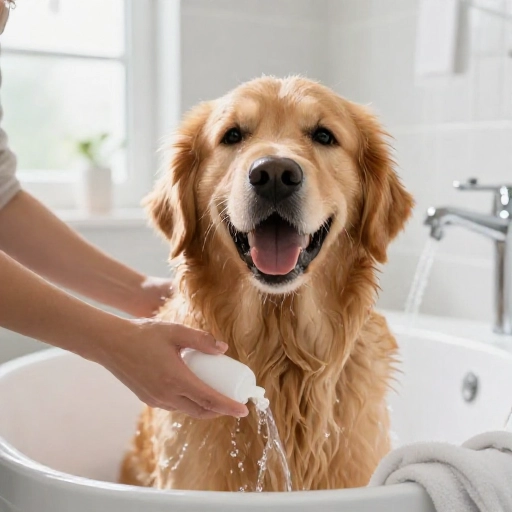
Bringing home your first dog is pure joy—until you realize grooming is a whole new skill set. I remember feeling overwhelmed by all the tools, tips, and conflicting advice. But here’s the thing: most grooming slip-ups are easy to fix once you know what to look for.
In this post, I’m sharing the 11 dog grooming mistakes I see first-time owners make (and yes, I made a few myself). Whether you have a fluffy puppy or a short-haired rescue, these practical tips will help you keep your dog clean, comfortable, and happy.
Let’s dive in so you can avoid the stress and enjoy more cuddle time.
1. Over-Bathing Your Dog (It Strips Natural Oils)
I used to think a weekly bath was the gold standard. Turns out, that’s a fast track to dry, itchy skin. Dogs have natural oils that protect their coat, and washing them too often strips those oils away.
Most dogs only need a bath every 4 to 8 weeks. If your pup has a medical condition or rolled in something truly gross, that’s different. But for routine freshness, less is more.
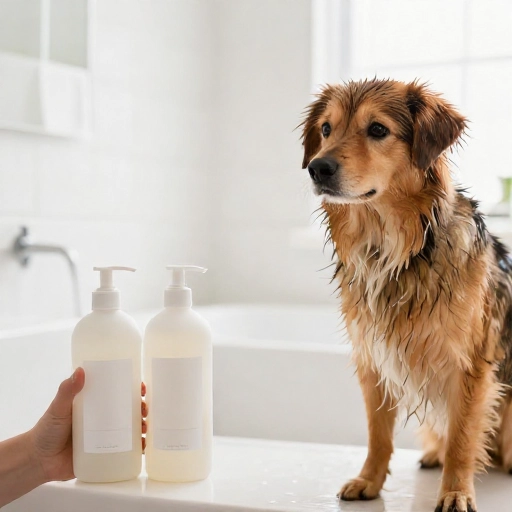
Always use a shampoo made specifically for dogs. Their skin pH is different from ours, and gentle dog formulas keep them from scratching all night.
2. Using Your Own Shampoo on Your Dog
I get it—when you’re in a pinch, that bottle of baby shampoo looks tempting. But human shampoo, even the tear-free kind, can disrupt your dog’s skin barrier.
Dogs have a more alkaline skin pH than we do. Our shampoos are acidic, which can lead to redness, flaking, and infections. It’s just not worth the risk.
Pick up a dog-specific shampoo that matches your dog’s coat type. Oatmeal formulas are great for sensitive skin, and medicated ones help with allergies. Your vet can recommend a good one.
3. Skipping the Pre-Bath Brush
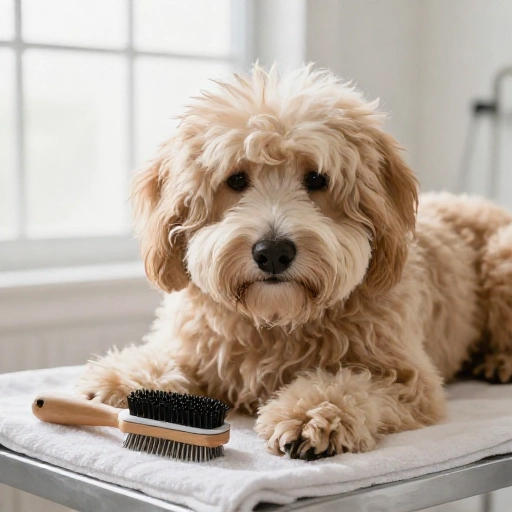
I learned this the hard way after a bath turned a small tangle into a giant mat. Water tightens knots like glue, so brushing before the bath is non-negotiable.
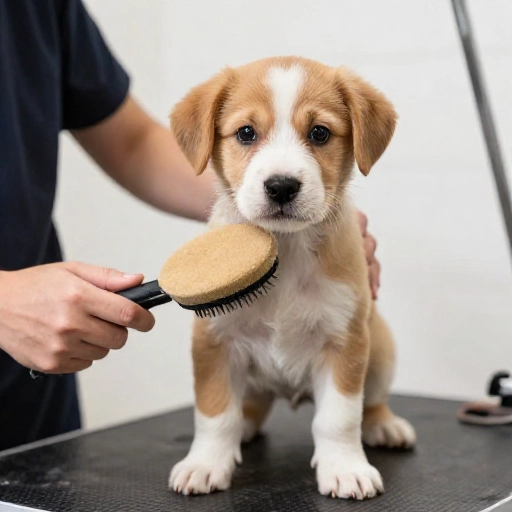
Take five minutes to brush out loose fur and any tangles. For long-haired dogs, use a slicker brush and a metal comb. Short-haired pups just need a rubber curry brush.
Bonus: brushing before a bath removes dirt and dander, so the shampoo works even better. It’s a win-win.
4. Cutting Nails Too Short (Ouch!)
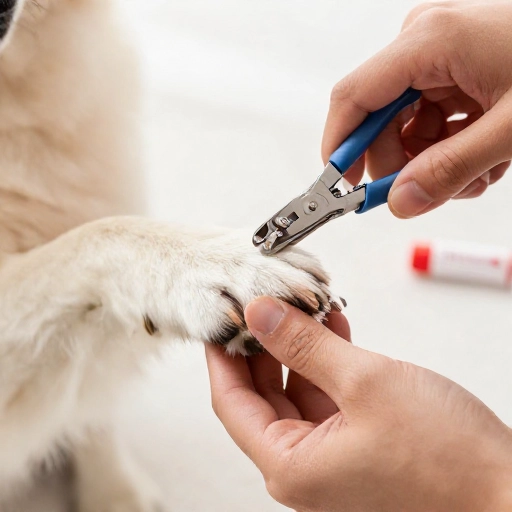
Nail trims scared me more than anything else. One wrong snip and you hit the quick—the sensitive blood supply inside the nail. That’s painful and bleeds a lot.
If you’re new to this, ask your vet or a groomer to show you where the quick is. On light-colored nails, it’s the pink part. On dark nails, look for a chalky white ring near the tip.
Always keep styptic powder on hand just in case. And if you’re still nervous, trim tiny slivers at a time. Better safe than sorry.
5. Leaving Your Dog Damp After a Bath
A damp dog is a recipe for hot spots, mats, and that lingering wet-dog smell. I used to let my dog air dry—big mistake.
Start with a good towel rubdown to soak up most of the water. Then use a blow dryer on the lowest heat and speed setting. Keep it moving so you don’t burn their skin.
For thick double coats, drying is especially important. Moisture trapped near the skin can cause irritation and fungal infections. Take the extra ten minutes.
6. Forgetting to Clean Those Ears
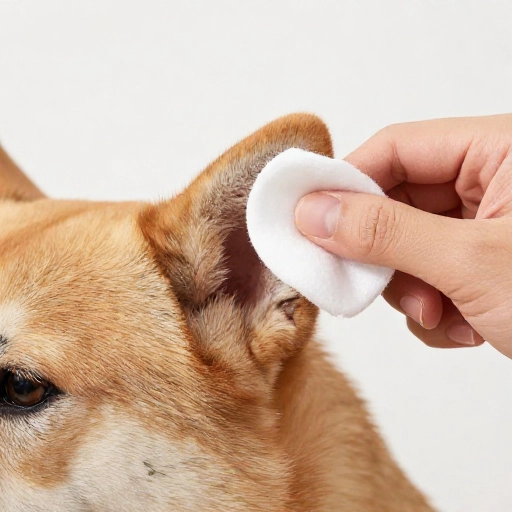
Ears are easy to overlook, but they’re a prime spot for infections. If your dog shakes their head or scratches their ears often, they might need a cleaning.
Use a vet-approved ear cleaner and a cotton ball. Never stick Q-tips deep into the ear canal—you could damage the eardrum.
Gently wipe the visible parts of the ear. If you see redness, swelling, or a bad smell, call your vet. Don’t try to treat it yourself.
7. Neglecting Your Dog’s Teeth
Dental disease is one of the most common issues vets see, and it starts early. I ignored my dog’s teeth for months, and the tartar buildup was no joke.
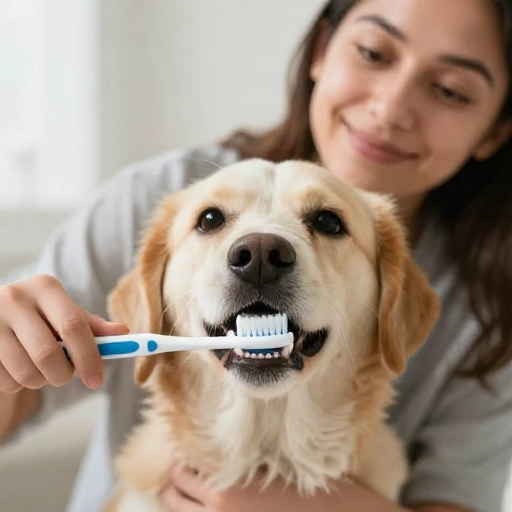
Brush your dog’s teeth a few times a week with dog-specific toothpaste. Never use human toothpaste—it contains xylitol, which is toxic to dogs.
Dental chews and toys can help, but they’re not a substitute for brushing. Start slow, use your finger at first, and reward with praise.
8. Using Dull Clippers or the Wrong Brush
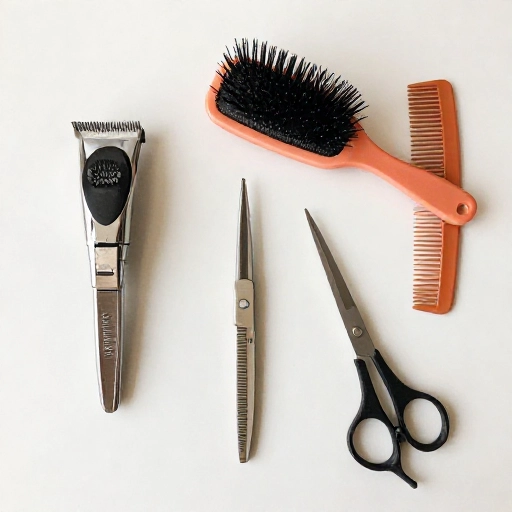
Dull clippers pull hair instead of cutting it. That hurts your dog and makes them hate grooming. I once tried to save money with a cheap set—never again.
Invest in quality clippers and replace the blades when they start snagging. For brushes, match the tool to your dog’s coat: slicker for long hair, bristle for short, and undercoat rake for double coats.
Ask a groomer for recommendations. The right tools make the job faster and way less stressful for both of you.
9. Waiting Too Long to Start Grooming
Puppies are like sponges—they learn fast. If you wait until they’re older to introduce grooming, they might freak out at the clippers or nail trimmer.
Start with short, positive sessions when they’re young. Just touch their paws, ears, and mouth for a few seconds, then give a treat. Gradually add brushes and clippers.
Even adult dogs can learn to tolerate grooming. Go slow, use treats, and never force it. Patience wins every time.
10. Ignoring Paw Pads and Hair Between Toes
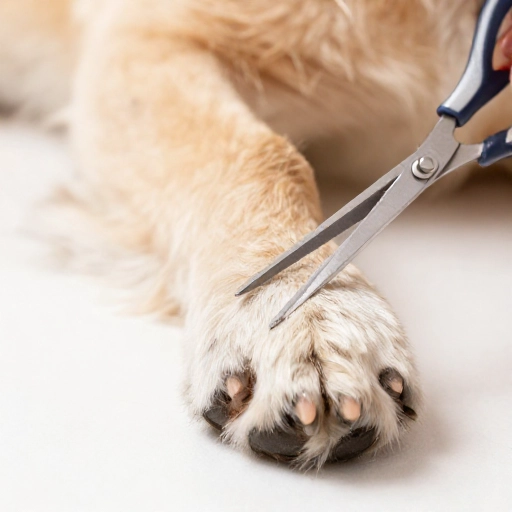
Paw pads take a beating—hot pavement, ice, salt, and rocks. I forgot to check them for weeks and found a small crack that could have gotten worse.
Look for cuts, dryness, or foreign objects. You can trim the hair between the toes to prevent matting and debris. Use blunt-nosed scissors and be very careful.
A little paw balm can soothe dry pads. And if you walk on icy sidewalks, consider dog booties to protect them.
11. Forgetting to Look for Skin Problems While Grooming
Grooming is the perfect time to give your dog a once-over. I used to focus only on the coat and miss early signs of trouble.
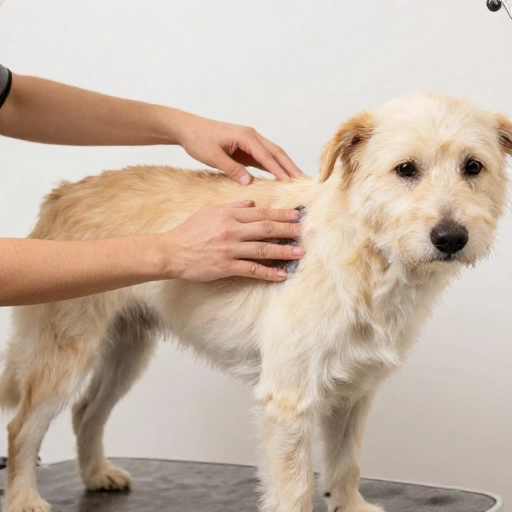
Check for fleas, ticks, lumps, redness, or bald patches. Part the fur and look at the skin. If you spot something weird, take a photo and call your vet.
Catching skin issues early saves money and keeps your dog comfortable. Make it a habit every time you brush or bathe.
Final Thoughts on Dog Grooming
Grooming doesn’t have to be a chore. It’s actually a great way to bond with your dog and spot health issues before they become big problems. I still make mistakes sometimes, but I’ve learned to be patient and keep it positive.
Start small, use the right tools, and don’t be afraid to ask for help. Your dog will thank you with a shiny coat and a happy tail wag.
Frequently Asked Questions
Q: How often should I bathe my dog?
A: Most dogs do well with a bath every 4 to 8 weeks. If your dog has skin issues or a very oily coat, ask your vet for a schedule.
Q: Can I use human shampoo just once?
A: I wouldn’t. Even one wash can irritate their skin. Keep a dog-specific shampoo on hand for emergencies.
Q: How do I cut my dog’s nails without hitting the quick?
A: Trim tiny slivers at a time and look for the chalky white ring on dark nails. If you’re unsure, have a vet or groomer show you first.
Q: My dog hates brushing. What can I do?
A: Start with just a few seconds, use high-value treats, and go slow. A treat-dispensing toy can keep them busy while you brush.
Q: How do I clean my dog’s ears safely?
A: Use a vet-approved cleaner and a cotton ball. Wipe the visible parts only. Never push anything deep into the ear canal.