The Engage-Disengage Game for Dog Reactivity: A Simple Training Game That Calms Reactive Dogs
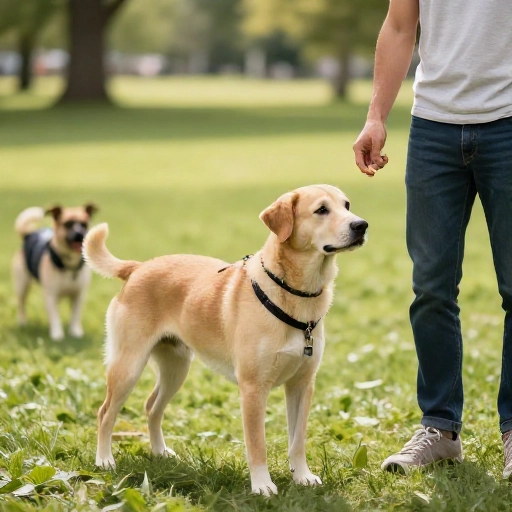
My dog used to turn every walk into a shouting match. One glimpse of another dog, and he’d lunge, bark, and spin like a tornado on a leash. I felt embarrassed, frustrated, and honestly, kind of hopeless.
Then a trainer showed me the engage-disengage game. It’s not a magic fix, but it gave us a clear plan. Instead of trying to force my dog to ignore triggers, I taught him a simple pattern: look at the scary thing, then look back at me.
In this post, I’ll walk you through how the game works, how to play it, and the little details that made the biggest difference for my reactive dog.
What Exactly Is the Engage-Disengage Game?
The engage-disengage game is a dog reactivity training exercise. Your dog looks at a trigger—another dog, a person, a bike—and then chooses to look back at you. That look back is what earns the reward.
The name says it all. “Engage” means your dog notices the trigger. “Disengage” means they turn their attention away from it and check in with you. Over time, the trigger starts to predict good things instead of scary things.
It sounds almost too simple. But that simple pattern can change how your dog feels about the world. I saw my dog go from frantic to curious in just a few weeks of short sessions.
Why This Game Works for Dog Reactivity
Reactive dogs often aren’t being stubborn or mean. They’re scared, frustrated, or overexcited. When they see a trigger, their brain floods with stress hormones. They literally can’t think straight.
The engage-disengage game uses two big ideas: counter-conditioning and desensitization. Counter-conditioning changes the emotion linked to the trigger. Desensitization means starting far enough away that your dog stays calm.
Instead of teaching your dog to ignore the trigger, you teach them a new response. “I see that dog, and then I look at my human. Good things happen.” That’s a powerful shift.
What You Need Before You Start
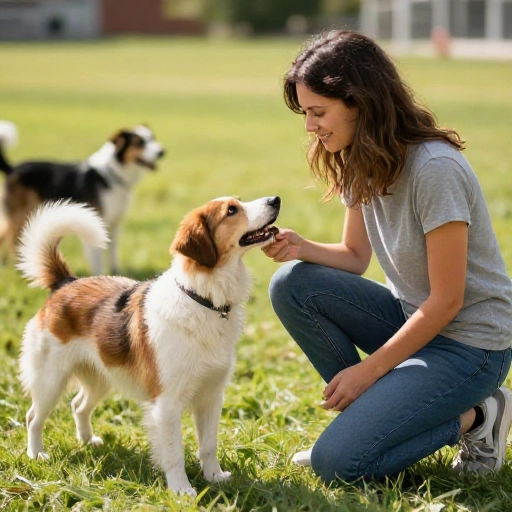
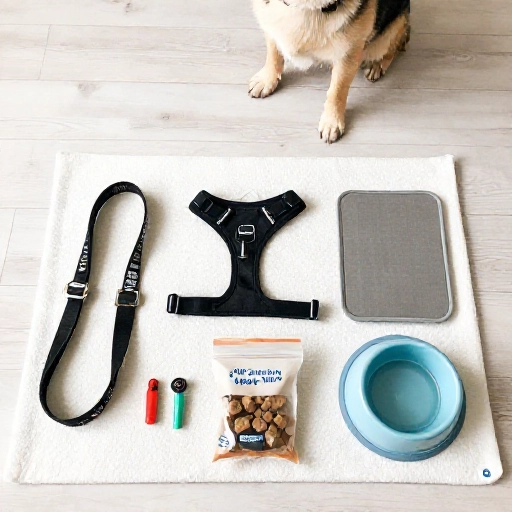
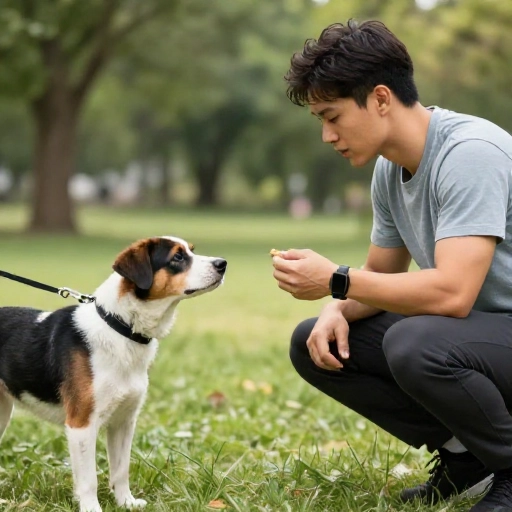
You don’t need much gear, but the right supplies make a huge difference. Grab high-value treats—tiny pieces of chicken, cheese, or hot dog. Kibble usually won’t cut it around triggers.
Pick a marker word like “yes” or use a clicker. You’ll also want a treat pouch, a comfortable harness, and a leash that feels good in your hands.
Most importantly, choose a quiet spot where you can control distance. A park bench far from a walking path, a parking lot edge, or your front yard works well. Don’t start on a busy street.
How to Play the Engage-Disengage Game Step by Step
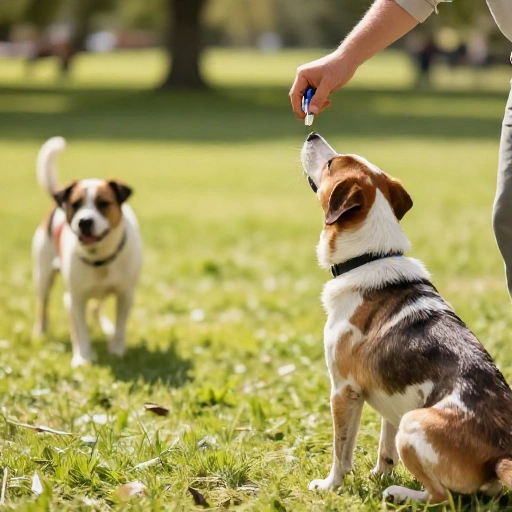
Start far enough away that your dog notices the trigger but doesn’t react. This is called working under threshold. If your dog is barking or lunging, you’re too close.
- Wait for your dog to look at the trigger.
- Mark the moment they look with “yes” or a click.
- Reward them with a treat.
- Then wait for them to look back at you.
- Mark and reward that disengage too.
If your dog doesn’t look back, don’t repeat the trigger or say their name. Just wait. If they still don’t check in, add more distance and try again. Keep sessions to 5–10 repetitions.
Finding Your Dog’s Threshold (The Sweet Spot)
Threshold is the distance where your dog can see the trigger and still think. It’s the sweet spot for learning. Too close, and their brain goes offline. Too far, and they won’t notice the trigger at all.
Watch your dog’s body. Stiff posture, hard stare, closed mouth, or a frozen tail are early signs they’re slipping over threshold. That’s your cue to add distance.
If your dog glances at the trigger and then easily looks back at you, you’re in a good spot. If they ignore the trigger completely, you can move a step closer. Adjust as needed.
Timing and Treat Delivery Matter More Than You Think
Timing is everything in this game. Mark the moment your dog notices the trigger to help change their emotion. Then mark the moment they look back at you to build the check-in habit.
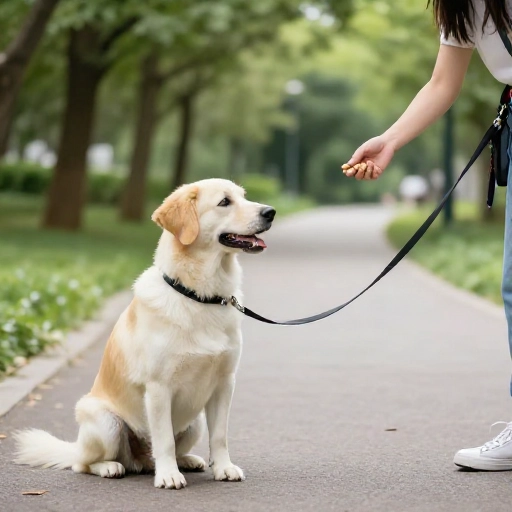
Treat delivery also matters. I like to toss the treat on the ground away from the trigger. That gives my dog a chance to break eye contact and sniff. It also creates a little space.
Don’t lure the treat in front of your dog’s nose. That turns the game into a bribe. You want your dog to offer the behavior, not follow food.
Keep your voice calm and steady. A loud, excited “YES!” can push a reactive dog over the edge. Think quiet praise, then reward.
Using a Marker Word or Clicker
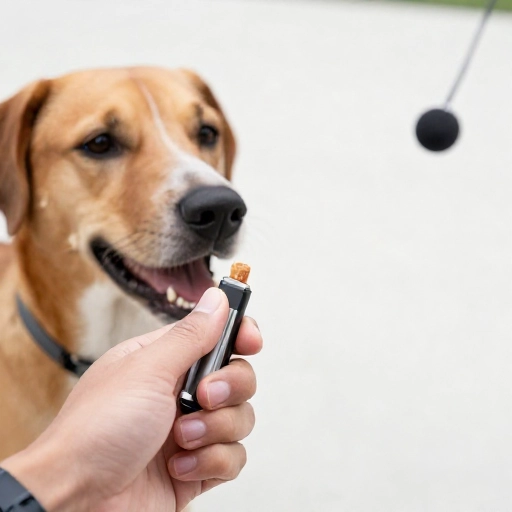
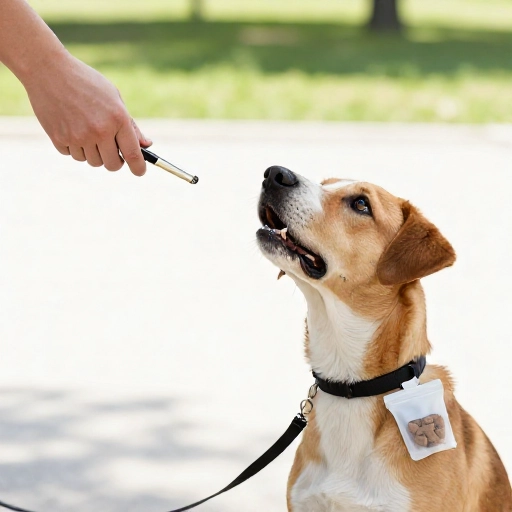
A marker tells your dog exactly what earned the reward. I use the word “yes” because it’s easy and I always have it with me. A clicker works great too if you’re consistent.
The order is simple: mark, then treat. Say “yes” the second your dog looks at the trigger or looks back at you. Then deliver the treat within a second or two.
Everyone in the family should use the same marker. Consistency builds clarity. If one person says “good boy” and another clicks, your dog gets confused.
Common Mistakes I Made (So You Can Avoid Them)
I made plenty of mistakes. The biggest one was going too close too soon. I wanted progress fast, and my dog shut down. Slow and steady really does win here.
Another mistake was repeating “look at me” or pulling the leash. That adds pressure and makes the trigger feel even more stressful. Let your dog choose to disengage.
I also used low-value treats around triggers. Kibble was fine in the living room, but outside it was useless. Save the good stuff for reactivity training.
Finally, I trained too long. Five minutes was plenty. Ten minutes was often too much. Short, successful sessions beat long, messy ones every time.
How to Move from Training Spot to Real Walks
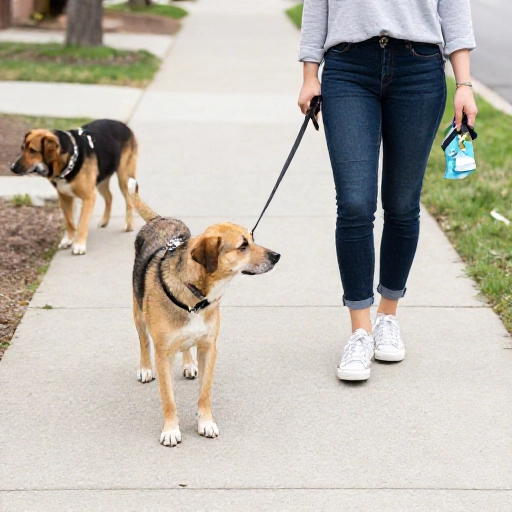
Once your dog can play the game in a setup, start adding small challenges. Try a quieter street, then a busier path. Use parked cars, corners, and distance to keep your dog comfortable.
On real walks, keep sessions short. Do a few repetitions when you see a trigger, then move on. If your dog reacts, end the session, add distance, and try again later.
Progress isn’t a straight line. Some days my dog nailed it. Other days he couldn’t handle a dog two blocks away. That’s normal. Just go back to easier setups and rebuild.
When to Get Professional Help (And Why It’s Okay)
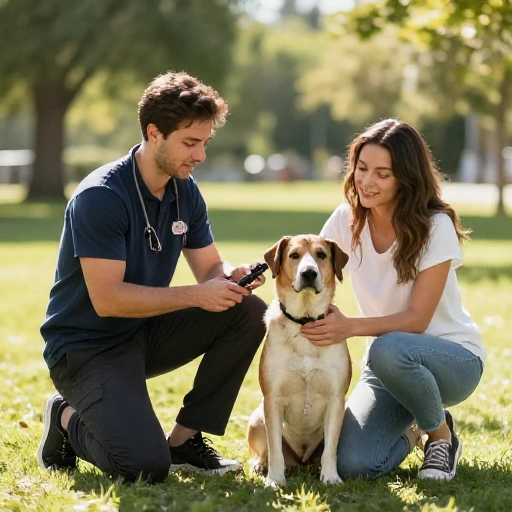
The engage-disengage game is a powerful tool, but it’s not a cure for every dog. If your dog has a bite history, lunges hard, or you feel unsafe, please get help from a certified trainer or veterinary behaviorist.
Reactivity can come from fear, pain, genetics, or past experiences. A professional can create a plan that fits your dog’s specific needs. They can also help you read body language you might miss.
It’s okay to ask for help. I wish I had done it sooner. You’re not failing your dog by getting support. You’re giving them a better shot at a calm, happy life.
Final Thoughts
The engage-disengage game changed how I walk my dog. It gave us a shared language and a way to handle scary moments together. It’s simple, but it’s not always easy.
Be patient with yourself and your dog. Celebrate the tiny wins. Keep sessions short, use amazing treats, and respect your dog’s threshold. Your dog isn’t giving you a hard time—they’re having a hard time. You can help.
Frequently Asked Questions
Q: How long does it take to see results with the engage-disengage game?
A: Every dog is different. Some show progress in a few weeks, others take months. Consistency and staying under threshold matter more than speed.
Q: Can I use this game for any reactive dog?
A: Yes, it’s helpful for many reactive dogs. But if your dog has a bite history or severe reactions, work with a certified trainer or behaviorist first.
Q: What if my dog won’t look back at me?
A: You’re probably too close to the trigger. Add distance, use higher-value treats, and try again. Don’t repeat their name or pull the leash.
Q: Should I use a clicker or a marker word?
A: Either works. Pick one and stick with it. I use “yes” because it’s easy to remember and I don’t have to carry extra gear.
Q: Can I play this game on every walk?
A: Start with setup sessions in quiet places. Then use it in short bursts on real walks. Don’t drill constantly—your dog needs breaks too.