10 Tips to Teach Your Dog to Relax
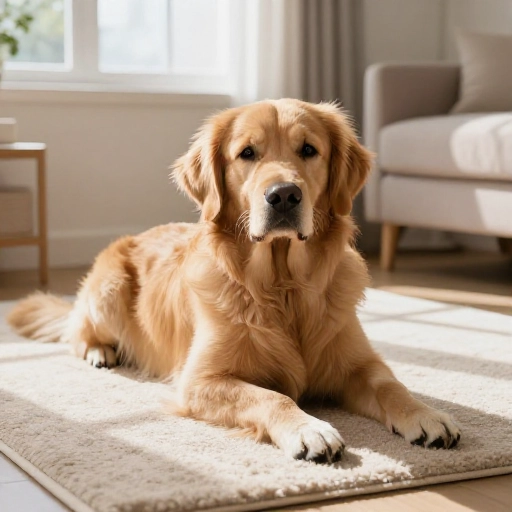
Does your dog pace, whine, or bark at every little sound? You’re not alone. Many pups struggle to switch off, especially in our busy homes. A calm dog isn’t just easier to live with—it’s a happier and healthier one too.
Teaching relaxation takes patience, but it’s absolutely doable. Think of it like a training game. The goal is to show your dog that doing nothing feels rewarding. Let’s dive into ten simple, practical ways to help your furry friend find their chill.
Grab some treats, find a quiet spot, and let’s get started. Your peaceful home is just a few steps away.
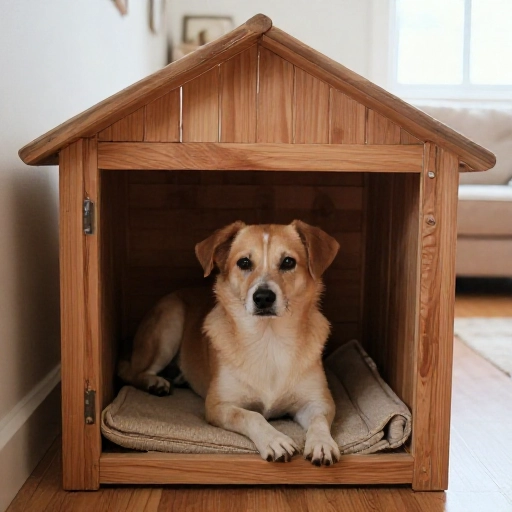
1. Create a Cozy “Calm Zone”
Dogs need a safe space to unwind. Pick a corner with a comfy bed or mat. Keep it away from noisy hallways or busy rooms.
Make it inviting. Add a soft blanket or a piece of your clothing that smells like you. This becomes their go-to spot when life feels overwhelming.
Respect this zone. Never disturb your dog when they’re there. Let them learn that this spot equals peace and quiet.
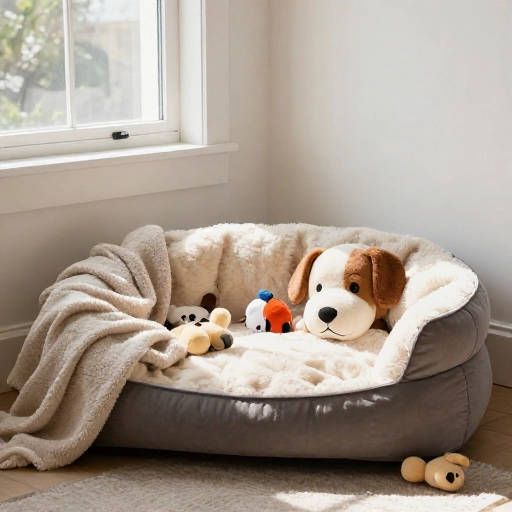
2. Use a “Settle” Command
Teach your dog a specific word for relaxing. Choose something simple like “settle” or “chill.” Start when they’re already lying down.
Say the word softly, then drop a treat between their paws. Repeat this a few times. Over days, they’ll link the word with the relaxed position.
Gradually extend the time between treats. This builds patience. Your dog will learn that staying still earns rewards.
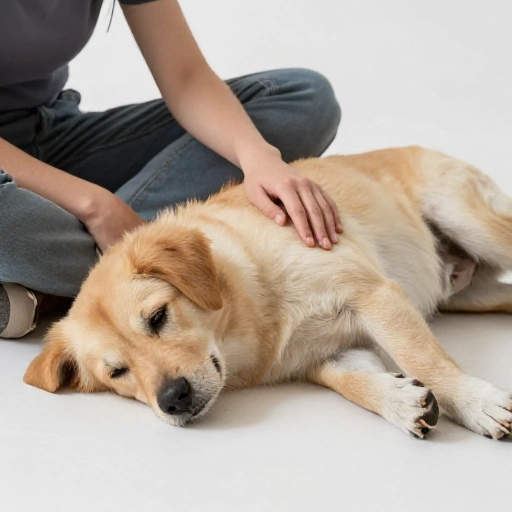
3. Reward Calm Behavior Randomly
Catch your dog being calm. If they’re lying quietly on their bed, toss a treat their way without making a fuss. No praise, no eye contact—just a quiet reward.
This surprises your dog and reinforces the calm state. They start to think, “Hey, relaxing pays off!”
Do this several times a day. Over time, your dog will choose calm moments more often, hoping for a tasty surprise.
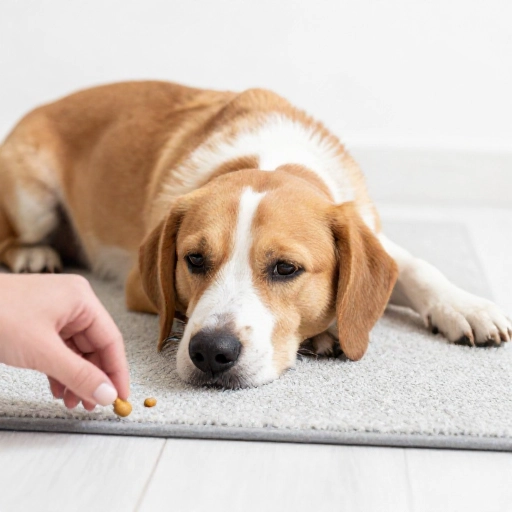
4. Try a Relaxation Protocol
Think of this as a step-by-step relaxation workout. Start with your dog on a mat. Do a simple action, like standing up, then sit back down. If your dog stays relaxed, reward them.
Gradually add more actions: clap softly, walk a few steps, or drop a book on the floor. The goal is to keep your dog calm through small disturbances.
Work through the steps slowly. Each success builds your dog’s confidence in staying chill around distractions.
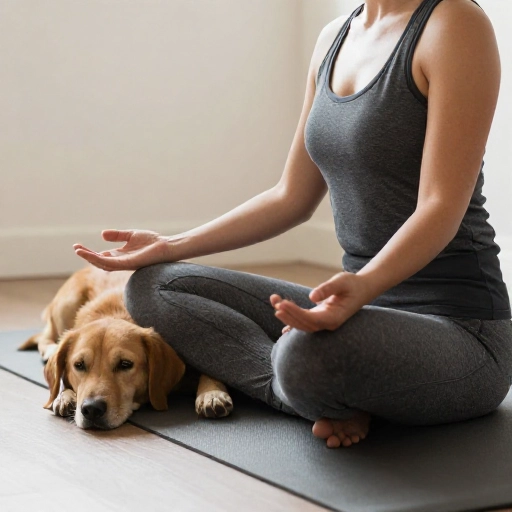
5. Practice Deep Breaths Together
Believe it or not, your breathing affects your dog. When you take slow, deep breaths, your dog’s heart rate can sync with yours. Try it during quiet moments.
Sit near your resting dog. Breathe in for four counts, out for four. Do this for a minute. Your dog will pick up on your calm energy.
Use this before walks or vet visits. It’s a simple tool that helps both of you stay centered.
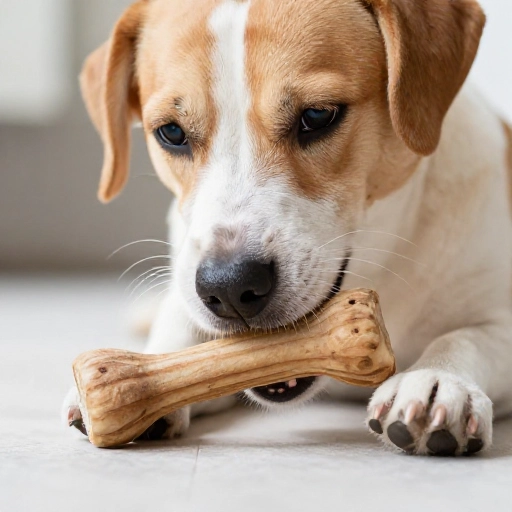
6. Provide Calming Chews
Chewing is naturally soothing for dogs. Offer a safe chew toy or a long-lasting treat like a bully stick or a frozen Kong. This keeps their mouth busy and their mind focused.
Give chews only in the calm zone. This reinforces that chewing means relaxation, not excitement.
Supervise at first. Make sure the chew is size-appropriate and not too hard on their teeth.
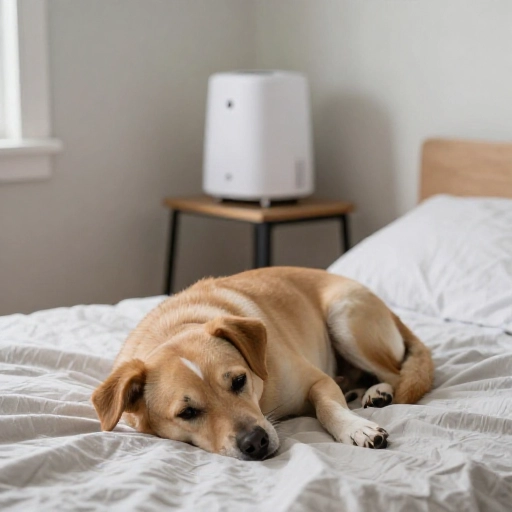
7. Use Background Noise
Sudden sounds can spike your dog’s stress. Play background noise to mask triggers. Try calming music designed for dogs, a white noise machine, or a simple fan.
Start at a low volume. Increase gradually so your dog gets used to it. This creates a predictable, peaceful sound environment.
Use it during storms, fireworks, or when you leave the house. It’s a simple fix for a jumpy pup.
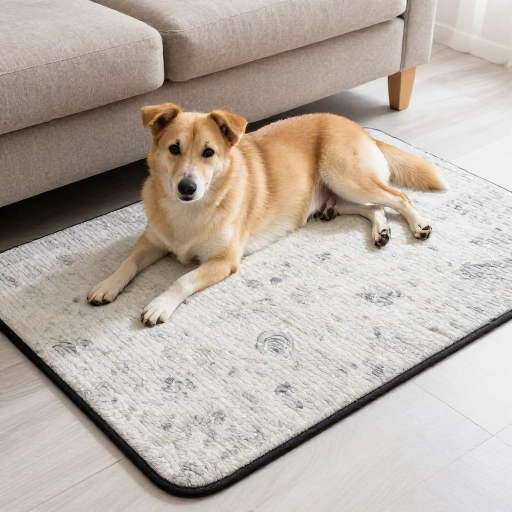
8. Teach “Go to Your Mat”
This is a step up from the calm zone. Teach your dog to go to their mat on command. Start by luring them onto the mat with a treat. Say “go to your mat” as they step on.
Reward them for staying. Gradually increase the stay time. Soon, you can send them to their mat from across the room.
Use this when guests arrive or when you need a quiet moment. It’s a reliable way to help your dog settle.
9. Manage Your Own Energy
Dogs are masters at reading our mood. If you’re tense, your dog will feel it. Take a few deep breaths before training sessions. Keep your voice low and slow.
Be consistent with your routine. Predictability helps dogs relax. Try to keep meal times, walks, and bedtime around the same hours each day.
Remember, your calm is contagious. When you relax, you give your dog permission to do the same.
10. Be Patient and Consistent
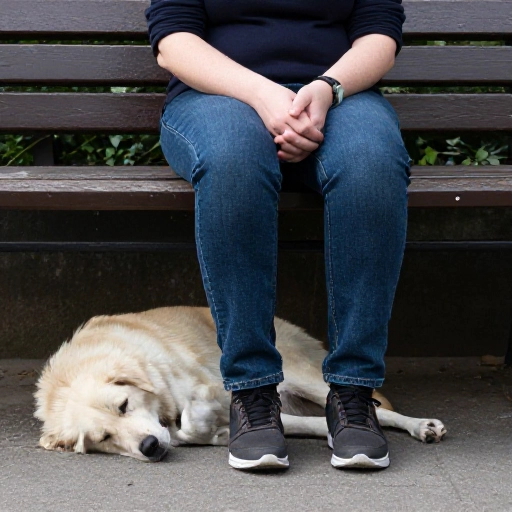
Relaxation doesn’t happen overnight. Some dogs learn in days, others in weeks. That’s okay. Celebrate small wins, like a quiet five minutes.
Don’t punish anxious behavior. Instead, redirect to the calm zone or a chew. Punishment only adds stress.
Stick with the plan. Consistency is key. Your dog will eventually learn that relaxation feels good and brings rewards.
Conclusion
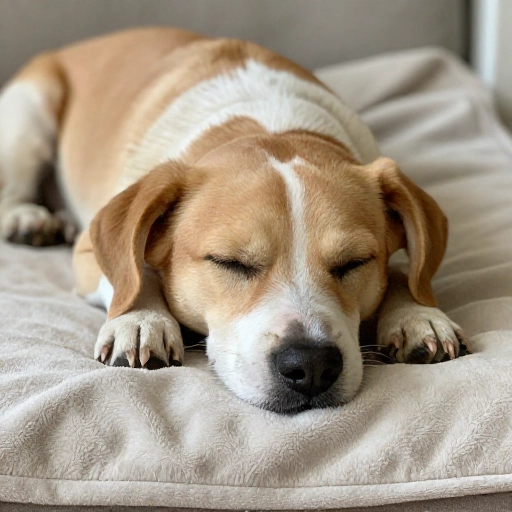
Teaching your dog to relax is a gift you both share. It takes time, but every calm moment is progress. Start with one or two tips and build from there. Your dog will thank you with more peaceful days and sweeter cuddles.
Remember, you’re not aiming for perfection. Just a happier, more centered pup. Keep it fun, keep it kind, and you’ll both enjoy the journey.
Frequently Asked Questions
Q: How long does it take to teach a dog to relax?
A: It varies. Some dogs catch on in a few days, others need a few weeks. Be patient and consistent. Small steps lead to big changes.
Q: Can I use treats for relaxation training?
A: Yes, treats are great! Use small, soft treats. The key is to reward calm behavior, not excite your dog.
Q: What if my dog gets more anxious with relaxation exercises?
A: Take a step back. Simplify the exercise or shorten the time. If anxiety persists, talk to a vet or a professional trainer.
Q: Should I use a crate for relaxation?
A: If your dog likes their crate, it can be a great calm zone. Never force it. The crate should feel safe, not like punishment.
Q: Can older dogs learn to relax?
A: Absolutely. Dogs of any age can learn new habits. Older dogs might need more patience, but they can still benefit from these tips.