10 Ways to Stop Dog Aggression

Living with a dog that shows aggression can feel scary, lonely, and exhausting. I have been there—watching my sweet pup suddenly growl at a neighbor or lunge at another dog. It makes you feel helpless. But here is the truth: aggression is usually a symptom of fear, pain, or confusion, not a bad dog.
I have spent years learning from trainers, reading studies, and trying things at home. The good news? Small changes can make a huge difference. These ten strategies helped me turn things around, and they can help you too. Let’s start with the basics that really work.
1. Learn to Read Your Dog’s “Whisper” Signs
Most aggression starts long before a growl or snap. Dogs give subtle warnings first—like a stiff body, whale eye (showing the whites of their eyes), or a lip lick. I used to miss these signs completely.
Start watching for these quiet cues. When you see them, remove your dog from the situation. You are not giving in; you are listening. This builds trust and prevents full-blown reactions.
If you catch the whisper, you never have to deal with the shout. Practice this daily, even on walks.

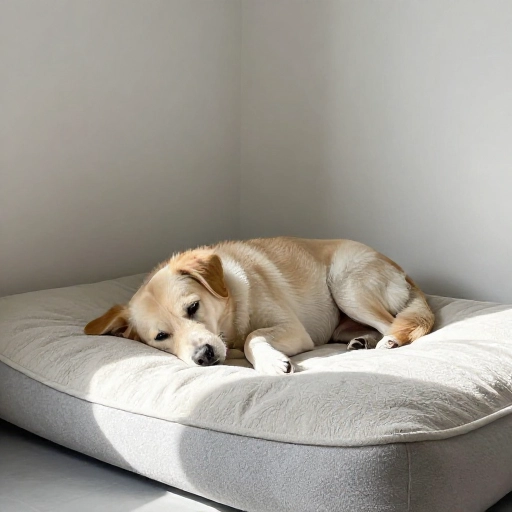
2. Create a Safe Space at Home
Your dog needs a spot that is completely theirs—no kids, no other pets, no visitors. For my dog, it is a crate with a soft blanket in the quietest room. I never bother him there.
When guests come over or when your dog feels overwhelmed, guide them to this spot. Do not use it as punishment. Think of it as a cozy bedroom where they can reset.
A calm environment reduces stress hormones. Over time, your dog will learn to go there on their own when they need a break.
3. Use “Look at That” Training
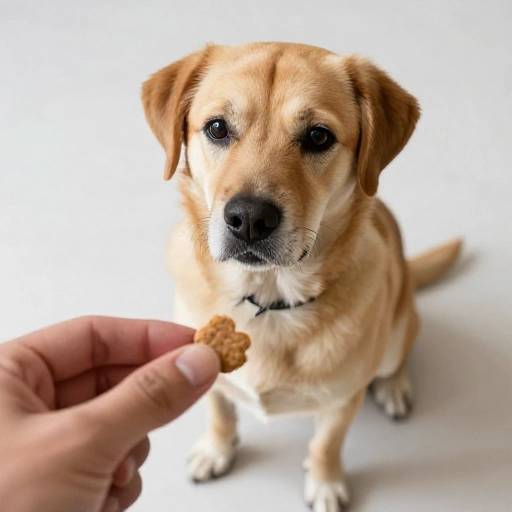
This simple game changed everything for me. When your dog sees something that triggers them (like another dog), mark the moment with a calm “yes” and give a treat. Do not wait for them to react.
The goal is to change their emotional response. Instead of “scary thing = panic,” they learn “scary thing = chicken treat.” I practiced this on quiet walks at a distance first.
Start far away from triggers. You want your dog to notice the trigger but stay under threshold. Reward every calm glance.
4. Manage the Environment, Not Just the Behavior
You cannot train away a dog’s fear if they are constantly being pushed past their limit. Management is not failure—it is kindness. Use baby gates, close curtains, or walk at quieter times.
I stopped taking my dog to crowded parks for a while. Instead, we walked early mornings in empty fields. This gave us both a break.
Set your dog up to succeed. If they never practice the aggressive behavior, the habit fades. You can slowly add challenges later.
5. Teach a Strong “Emergency U-Turn”
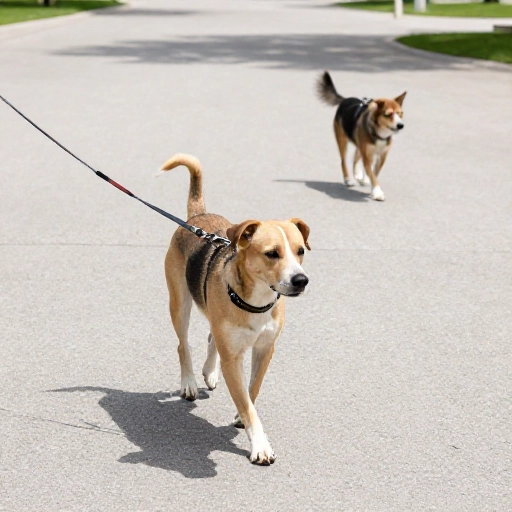
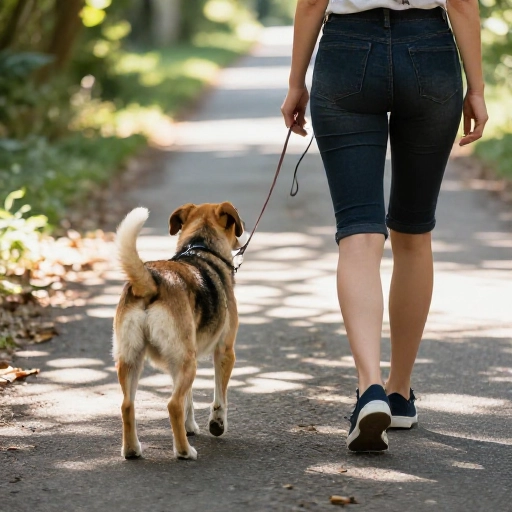
When you see a trigger ahead, turn around calmly and walk the other way. Practice this cue at home first. Say “let’s go!” in a happy voice and pivot.
Reward your dog with a treat when they follow. This builds a reliable escape plan. I use this on walks when I see a loose dog or a loud truck.
It is not about running away in fear. It is about showing your dog that you are in charge of safety. They learn to trust your choices.
6. Stop Using Punishment or Dominance
This might feel counterintuitive, but yelling, jerking the leash, or alpha rolling makes aggression worse. I learned this the hard way. Punishment increases fear and breaks trust.
Dogs do not get aggressive because they want to be dominant. They react because they are scared or stressed. Punishment teaches them that you are scary too.
Replace punishment with calm redirection. If your dog growls, do not scold them. Thank them for warning you, and move them away.
7. Practice “Nothing in Life Is Free” Gently
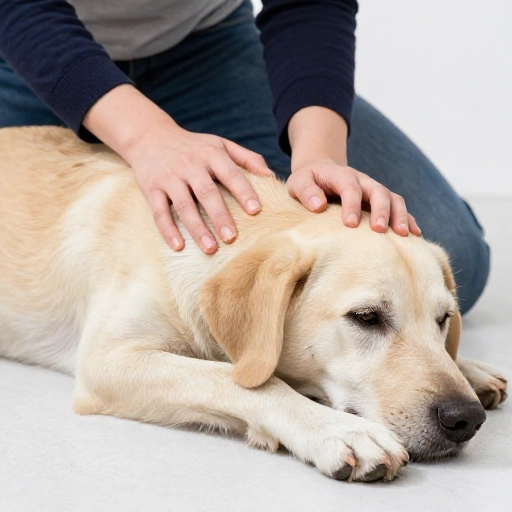
This is not about being harsh. It simply means your dog works for good things. Ask for a “sit” before meals, a “down” before a treat, or a “wait” before going outside.
This builds impulse control and structure. A dog that knows how to wait is less likely to react impulsively. Start with easy requests.
Keep it positive. You are teaching patience, not submission. Every small success builds a calmer mindset.
8. Address Possible Pain or Health Issues
Sometimes aggression is just pain. My friend’s dog suddenly became snappy—turns out he had a bad tooth. Once treated, the aggression vanished.
Schedule a vet visit to rule out arthritis, ear infections, thyroid problems, or dental pain. Dogs hide pain well, but it leaks out as irritability.
If your dog’s behavior changed suddenly, health is the first thing to check. A physical cause needs physical solutions, not training.

9. Use Desensitization Slowly and Carefully
Desensitization means exposing your dog to a trigger at a very low level where they feel safe. For example, if your dog reacts to other dogs, start at a distance where they barely notice.
Pair the trigger with something amazing (like cheese). Gradually, over weeks or months, decrease the distance. Never rush.
I made the mistake of moving too fast once. It set us back. Patience is not just nice—it is necessary. Progress is measured in inches, not miles.
10. Work with a Qualified Professional
Some aggression is too complex for a DIY approach. A certified behavior consultant or a fear-free trainer can create a custom plan. There is no shame in asking for help.
Look for someone who uses positive reinforcement, not punishment. A good trainer will teach you, not just work with your dog.
I hired a trainer for a few sessions, and it was worth every penny. They caught subtle things I missed. You do not have to do this alone.
Final Thoughts
Stopping dog aggression is not about being the “alpha” or forcing your dog to obey. It is about listening, managing stress, and building trust. Your dog is not giving you a hard time—they are having a hard time.
Be kind to yourself too. Progress takes time, and setbacks happen. Celebrate small wins. The relationship you build through patience will heal more than just the aggression.
Frequently Asked Questions
Can an aggressive dog ever be fully cured?
It depends on the cause and severity. Many dogs improve significantly with training and management. But “cured” might mean learning to cope, not becoming a social butterfly. Focus on quality of life, not perfection.
Should I use a muzzle for aggression?
Yes, if there is a risk of biting. A basket muzzle allows panting and drinking. It keeps everyone safe while you work on training. It is a tool, not a punishment.
Is my dog aggressive because I am not dominant enough?
No. The dominance theory has been debunked by modern science. Aggression is usually fear, pain, or lack of social skills. Focus on building trust, not being the boss.
How long does it take to see changes?
Some changes happen in days (like management). Deep behavior shifts can take weeks or months. Every dog is different. Consistency matters more than speed.
Can I train aggression out of an older dog?
Absolutely. Older dogs can learn new habits. They may need more patience and slower pacing, but their brains are still flexible. I have seen senior dogs make huge progress with gentle training.