Dog First Aid: What You Can Safely Do at Home (And What You Really Can’t)
I still remember the night my terrier, Biscuit, cut his paw on a piece of glass in the yard. My heart was pounding, my hands were shaking, and I had about ten seconds to decide: panic, or act?
That night taught me something every dog owner eventually learns. First aid is not the same thing as treatment. It’s the bridge between the accident and the vet’s door. It buys time, reduces damage, and keeps your dog stable long enough to get real help.
So let’s talk honestly about what dog first aid can do, what it absolutely cannot do, and where the line sits. Because knowing that line is what keeps your dog alive.
Why First Aid Is a Bridge, Not a Cure
I think of dog first aid like the emergency brake in a car. It won’t fix the engine, but it can stop a bad situation from getting much worse.
First aid has three real jobs: control the immediate threat, prevent the injury from worsening, and get your dog to a vet safely. That’s it. That’s the whole mission.
The moment you start thinking first aid is “treating” your dog at home, you’re in dangerous territory. Broken bones don’t heal with a splint and a good attitude. Internal bleeding doesn’t stop because you applied a cold compress.
When something serious happens, my rule is simple: do the minimum needed to move my dog safely, then drive.
What It Can Do: Slow Down Serious Bleeding
This is where first aid genuinely shines. Bleeding is visible, and pressure works.
Grab a clean gauze pad or even a folded T-shirt and press firmly on the wound. Hold it there for a full three to five minutes without lifting to peek. I know that feels like forever. Peeking restarts the clot every single time.
If blood soaks through, don’t remove the pad. Add another layer on top and keep pressing. Removing the soaked gauze rips away whatever clot has started forming.
For a bleeding nail or small cut, styptic powder or even cornstarch can help. For anything spurting, pooling, or not slowing after five minutes of pressure, you’re heading to the vet now, not later.
What It Can Do: Clear a Blocked Airway
If your dog is choking and pawing at their mouth, you may be able to help — but only if you can see the object.
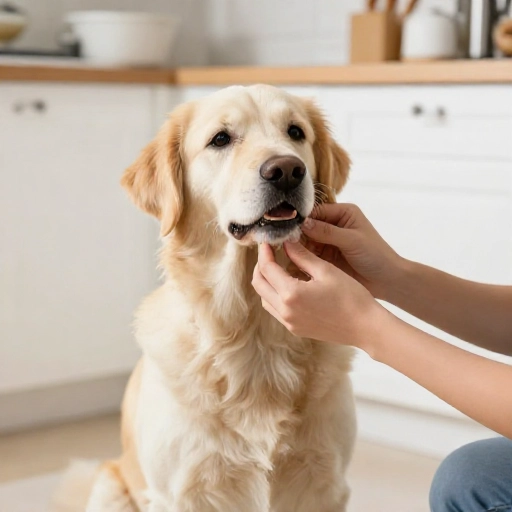
Open the mouth wide, look, and if you can clearly see something, sweep it out with a flat finger. Do not blindly dig around in the throat. I’ve seen people push a bone deeper trying to “help.”
For small dogs, you can hold them with their head angled down and give a few firm taps between the shoulder blades. For bigger dogs, a modified Heimlich-style push just behind the ribcage can work.
If your dog goes limp or stops breathing, that’s CPR territory and an immediate vet run. Airway help is a few seconds of action, not a full rescue mission at home.
What It Can Do: Cool a Dog With Heatstroke
Heatstroke kills fast, and cooling is something you can start right now in your own backyard.
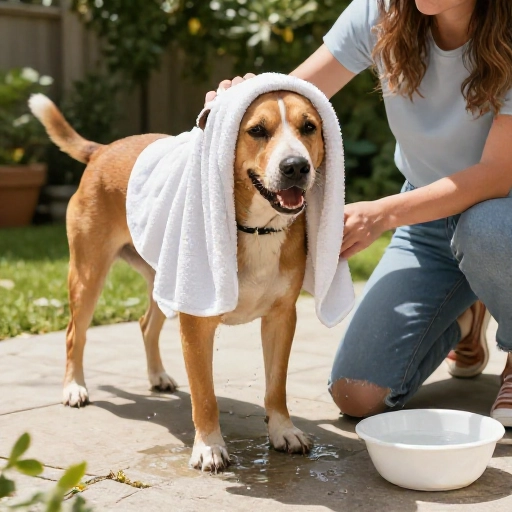
Move your dog into shade or air conditioning. Pour cool — not ice-cold — water over the belly, inner thighs, paws, and armpits. Point a fan at them if you have one. Offer small sips of water if they’re alert enough to swallow.
Skip the ice packs and ice baths. Extreme cold constricts blood vessels and can trap heat inside while shocking the system.
Here’s the part people skip: even if your dog seems fine after cooling, still go to the vet. Heatstroke damages organs in ways you can’t see from the outside.
What It Can Do: Flush and Cover Wounds and Burns
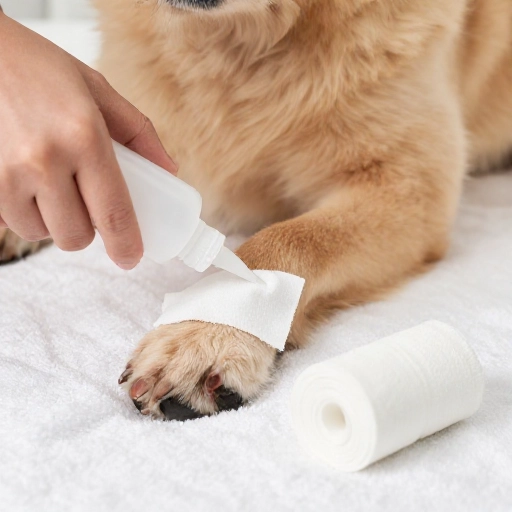
Clean water is your best friend here. Plain saline or lukewarm tap water, flushed over the wound for five to ten minutes, removes dirt and bacteria.
For burns, run cool water over the area for ten to twenty minutes, then cover it loosely with a clean, damp cloth. No butter. No oil. No ointment. Those trap heat and make the vet’s job harder.
And please, put down the hydrogen peroxide and rubbing alcohol. They damage healthy tissue and slow healing. Mild soap around the edges of a wound is fine — inside it, no.
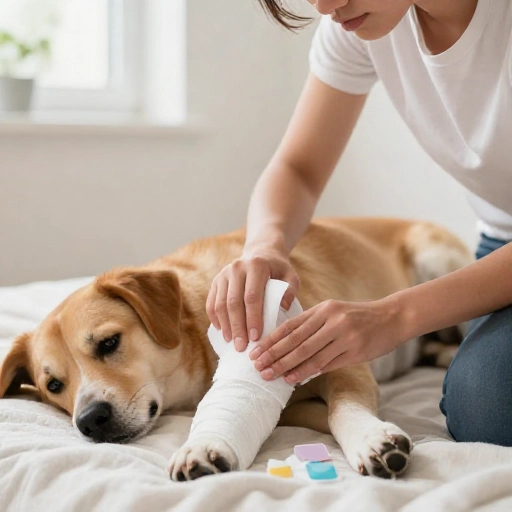
Once it’s clean, cover it with a gauze pad and vet wrap, snug but not tight. Then head in.
What It Can Do: Stabilize a Suspected Break
If your dog yelps and won’t put weight on a leg, your job is not to set the bone. Your job is to stop it from moving.
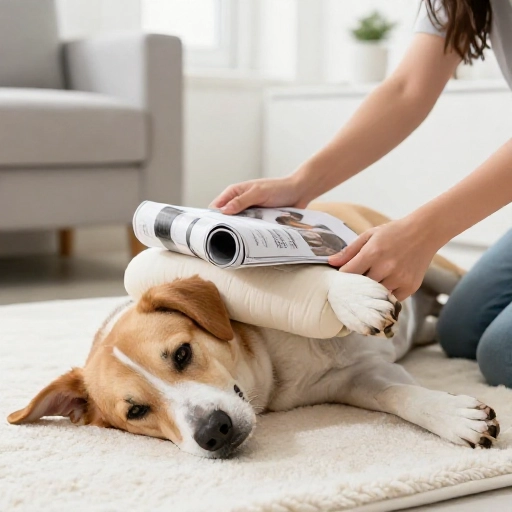
Support the limb with a rolled towel or magazine, gently wrap it, and keep your dog as still as possible. A firm, flat surface — a board, a baking sheet, a folded blanket — works as a stretcher for a large dog.
If you suspect a spinal injury, do not pick your dog up by the middle. Slide something flat underneath and keep the spine level.
One more thing: a dog in pain may bite the person they love most. A makeshift muzzle from a leash or soft strip of cloth protects you both — just never muzzle a dog who’s vomiting or struggling to breathe.
What It Can Do: Reduce Poison Exposure
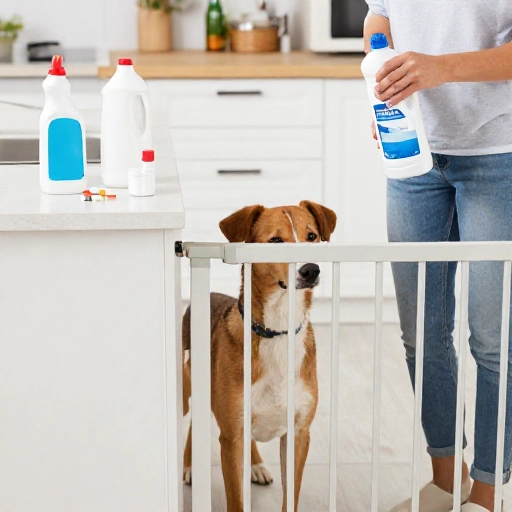
If your dog got into something toxic, removing them from the source is step one. Wipe off any powder, gel, or liquid on their coat with a damp cloth so they can’t lick it off.
Then grab the evidence. The wrapper, the plant leaf, the pill bottle. Your vet needs to know exactly what and how much.
Do not make your dog vomit on your own. Some substances burn coming back up, and some are worse the second time around. Only induce vomiting if a vet or pet poison professional tells you to.
Call your vet or a pet poison hotline right away with your dog’s weight, the product, and the time it happened. That call is the real first aid.
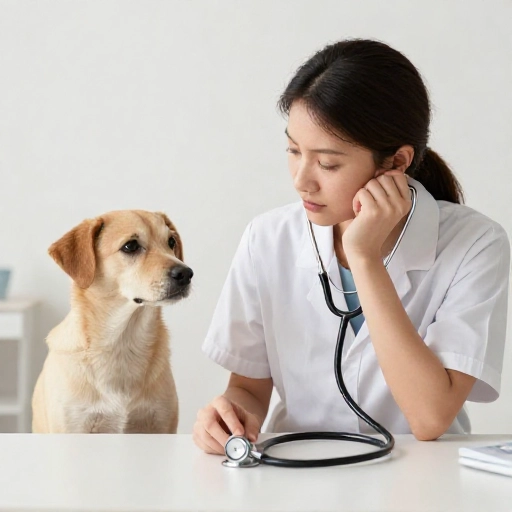
What It Cannot Do: Diagnose Anything
This is the big one. I can’t see internal bleeding. Neither can you. Neither can your dog’s wagging tail.
Dogs are famously good at hiding pain. A dog with a torn spleen, a punctured lung, or a twisted stomach can look “a little off” for hours before collapsing.
First aid treats what you can see. Vets have X-rays, ultrasounds, and bloodwork for what you can’t. Never let “he seems okay” talk you out of a vet visit after real trauma.
What It Cannot Do: Replace the Vet in Serious Emergencies
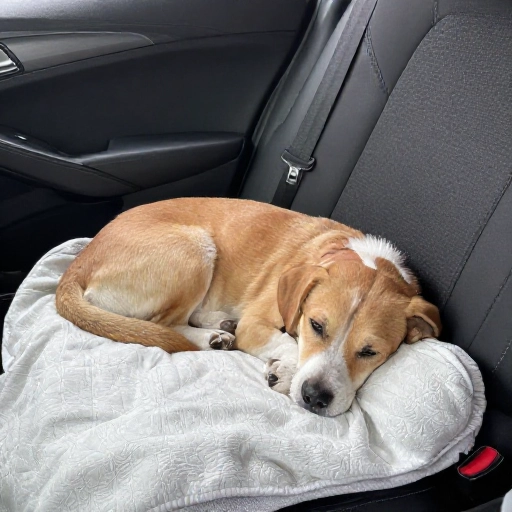
Some situations aren’t first aid problems at all. They’re vet problems that first aid only delays.
Get to a vet immediately for:
- A hard, swollen belly with unproductive retching (possible bloat)
- Being hit by a car, even with no visible injuries
- A fall from height
- Seizures lasting more than two minutes or repeating
- Collapse, pale gums, or labored breathing
- Bleeding that won’t stop after ten minutes of pressure
Waiting until morning to save money usually costs more in the end — and sometimes costs everything.
What It Cannot Do: Fix Things With Human Meds or Home Remedies
I get the temptation. You’ve got ibuprofen in the cabinet and a dog who’s limping. Please don’t.
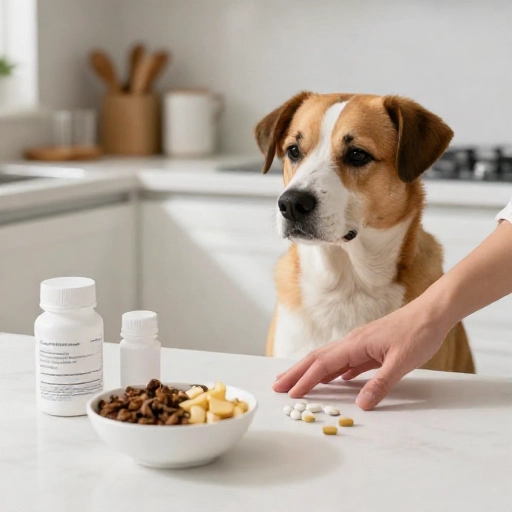
Ibuprofen, naproxen, and acetaminophen are toxic to dogs and can cause stomach ulcers or kidney and liver failure. Human antibiotic creams with added pain relievers can be risky too.
Skip the garlic, the essential oils, the “my grandma always did this” remedies. And skip the 24-hour wait-and-see. With dogs, hours matter more than days, and a $75 exam beats a $3,000 surgery.
Never give any medication, human or otherwise, without checking with your vet first.
My Bottom Line on Dog First Aid
First aid is a skill worth learning, and a kit worth keeping. It genuinely saves lives — mostly by buying minutes and preventing small problems from becoming big ones.
But it has a ceiling. It can control bleeding, cool a hot dog, flush a wound, and keep a broken leg still. It cannot diagnose, cure, or replace a veterinarian.
Keep a kit by the door. Save your vet’s number and the nearest emergency clinic in your phone right now. Know where your dog’s muzzle, towel, and gauze live. Then, when something happens, act fast, stay calm, and drive.
Frequently Asked Questions About Dog First Aid
Can I give my dog Benadryl for allergies?
Only with your vet’s okay. Dosage depends on weight, and it’s unsafe for some dogs with certain health conditions. Call before you dose.
Is hydrogen peroxide safe for cleaning dog wounds?
No. It damages healthy tissue and slows healing. Use plain saline or clean water instead. And never use it to make your dog vomit unless a vet specifically tells you to.
What should I keep in a dog first aid kit?
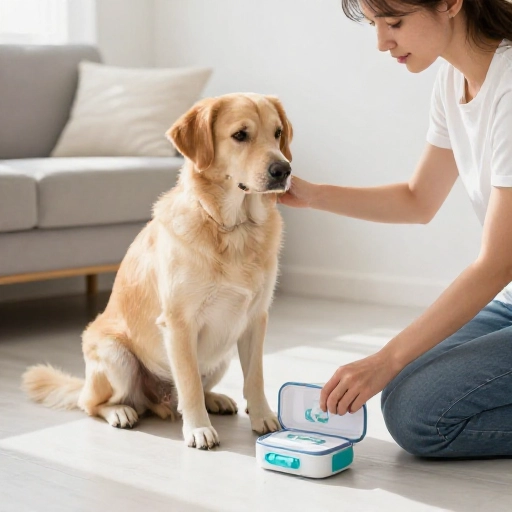
Gauze pads, self-adhesive vet wrap, medical tape, saline, blunt scissors, tweezers, a tick remover, a digital thermometer, disposable gloves, a muzzle or cloth strip, a blanket, and an emergency vet’s phone number.
Can I use a tourniquet on my dog’s leg?
Only for severe, life-threatening limb bleeding that pressure can’t control. Note the exact time you applied it and get to a vet immediately — a tourniquet left on too long causes permanent damage.
How do I know if it’s a real emergency?
Trust these red flags: trouble breathing, collapse, pale gums, a distended belly, bleeding that won’t stop, suspected poisoning, heatstroke, or a seizure lasting more than two minutes. When in doubt, call — then go.