Preventive Dog Care by Life Stage: Puppy to Senior (My Simple Year-by-Year Plan)
I used to be a “wait until something looks wrong” dog owner. Then I spent a lot of money, sleep, and worry on problems that could have been caught months earlier.
Now I plan care around my dog’s life stage instead of reacting to whatever pops up. Puppies need a totally different checklist than seniors, and the middle years aren’t just filler — that’s where habits get built.
Here’s the stage-by-stage plan I actually follow, from the first vet visit to the golden-years comfort routine.
1. Why I Stopped Waiting for Symptoms
Dogs hide discomfort. It’s baked into them. By the time a limp is obvious or a dog stops eating, whatever’s going on has usually been brewing for a while.
Preventive care flips the script. Instead of chasing problems, I’m looking for patterns — weight creeping up, breath getting worse, naps getting longer.
It’s also cheaper. A yearly exam plus routine bloodwork costs far less than an emergency visit, and I sleep better knowing I’m not guessing.
2. Puppy Stage (Birth to 6 Months): The Foundation Window
This is the busiest stretch of dog care, and it goes by fast. Everything I do here sets the tone for the next 12 years.
- Vaccine series, usually starting around 6–8 weeks and finishing near 16 weeks, plus rabies
- Deworming and a fecal test, since puppies pick up parasites easily
- Microchip and a first dental look
- A talk with my vet about spay or neuter timing for my dog’s size and breed
Socialization matters just as much as shots. From about 3 to 16 weeks, I introduce new sounds, surfaces, people, and friendly vaccinated dogs in short, positive doses.
Handle the paws, ears, and mouth every day. Ten seconds of calm handling now saves a lifetime of wrestling at the vet.

3. Adolescent Dogs (6–18 Months): Energy Peaks and Bad Habits
Nobody warns you that teenage dogs are basically puppies with a driver’s license. The body looks grown, but the brain is still under construction.
Preventive care here is mostly about protecting growing joints. I keep hard running and jumping on concrete short until my vet says the growth plates have closed, especially with bigger breeds.
Training isn’t optional at this stage — it’s health care. A dog who comes when called doesn’t get hit by a car. A dog who drops things doesn’t swallow something dangerous.
I also keep up parasite prevention and start paying attention to teeth. That’s when I notice puppy teeth gone and adult teeth crowded or tartar building.
4. Young Adult (1–3 Years): The Years Everyone Ignores
This is the stage where dogs look and act fine, so owners skip the vet. I did that with my first dog, and I regret it.
An annual wellness exam at this age builds a baseline. Weight, heart rate, dental score, bloodwork — all of it becomes a reference point for later.
It’s also the best time to lock in habits: nail trims without drama, tooth brushing, car rides that don’t end in panic, and a leash walk that doesn’t pull my arm off.
5. Adult Dogs (3–7 Years): Small Habits, Big Payoff
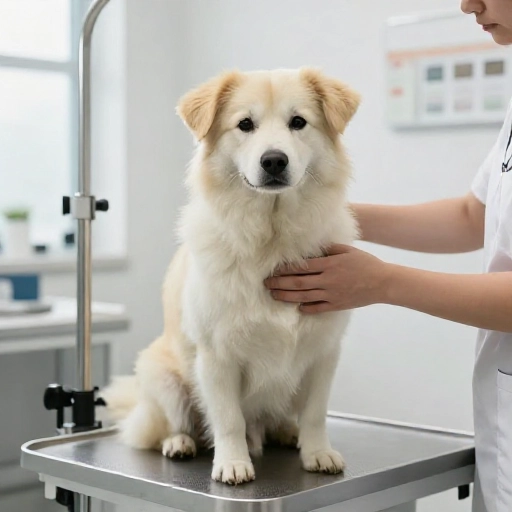
Nothing dramatic happens in the middle years, which is exactly why they’re easy to neglect. But this is when subtle stuff shows up: a little weight gain, a bit more tartar, a lump I hadn’t noticed.
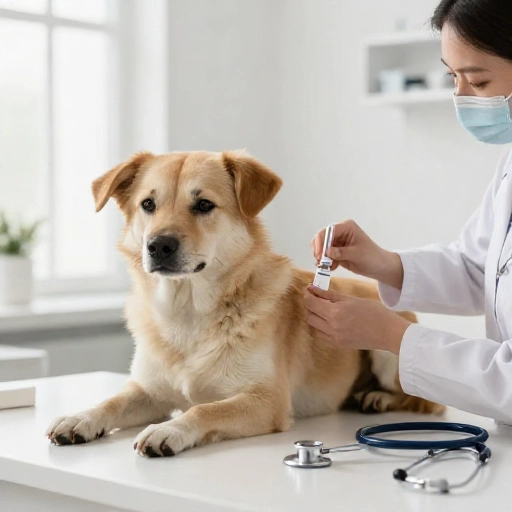
I do a yearly exam with bloodwork, keep vaccinations current, and ask my vet about a dental cleaning if I see redness at the gumline.
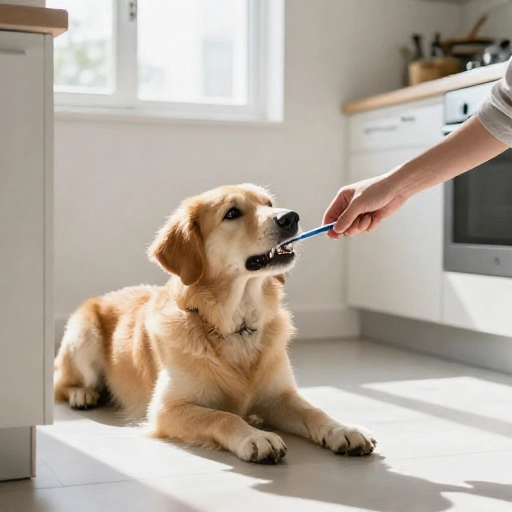
I also check ears monthly. Adult dogs with floppy ears or a history of swimming tend to grow yeast and bacteria quietly. If it smells like corn chips, that’s a sign.
6. Senior Dogs (7+ Years): Catching Changes Early
Seven is the usual line where I switch to twice-a-year vet visits. Small dogs age slower, giant breeds faster, so I ask my vet what “senior” means for my specific dog.
Senior bloodwork and a urine test catch kidney, liver, thyroid, and blood sugar changes long before symptoms show. Early detection is everything here.
I write down things I’d normally shrug off: slower on stairs, hesitating to jump on the couch, sleeping more, drinking more. Those small notes turn into real clues at the appointment.
7. Weight and Body Condition at Every Age
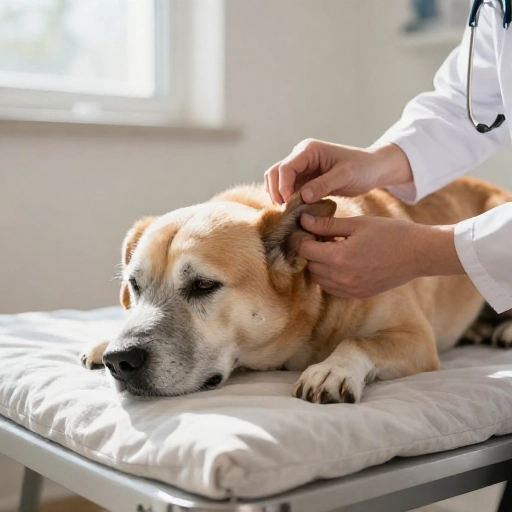
Weight is the most underrated preventive tool I have. Lean dogs live longer and hurt less, and it’s true at every stage.
I use body condition instead of just the scale. I should feel ribs easily, see a waist from above, and feel a tuck at the belly.
Weighing my dog monthly (or using the scale at the vet) catches a slow creep before it becomes five extra pounds. For a small dog, five pounds is a lot.
8. Dental Care From First Tooth to Last
Dental disease doesn’t stay in the mouth. Bacteria under the gums can affect the heart, kidneys, and liver over time.
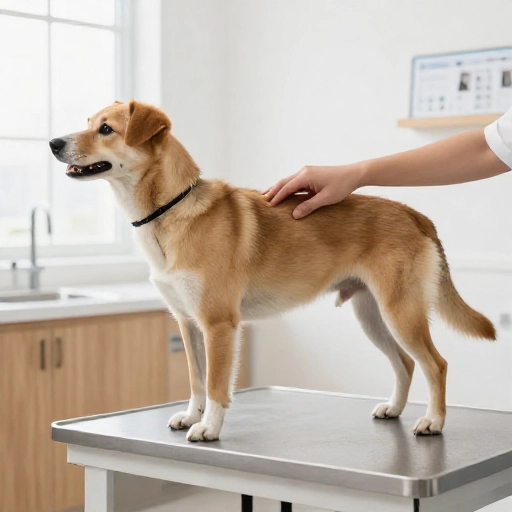
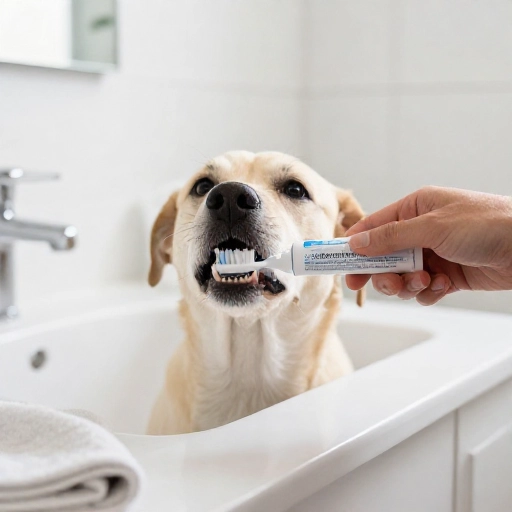
I brush my dog’s teeth most nights with pet-safe toothpaste. If that’s too much, I aim for a few times a week and add vet-approved chews.
Puppies get their mouth handled early just for practice. Seniors get checked for loose teeth, fractured teeth, and gum pockets at every appointment.
9. Parasites, Vaccines, and Screening by Stage
Parasite prevention isn’t one-size-fits-all. My plan depends on where I live, whether my dog hikes or swims, and how much wildlife wanders through the yard.
Puppies need the full vaccine series. Adults need boosters or titers based on risk. Heartworm testing is typically yearly, and a fecal test catches intestinal parasites I’d never see.
I keep every record in one folder — paper or on my phone. It saves me at boarding, at the groomer, and at 11 p.m. when I’m at an emergency clinic.
10. Monthly Home Checkup I Do on My Own Dog
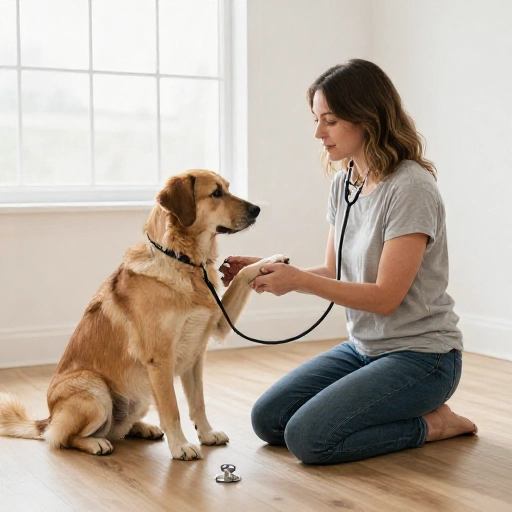
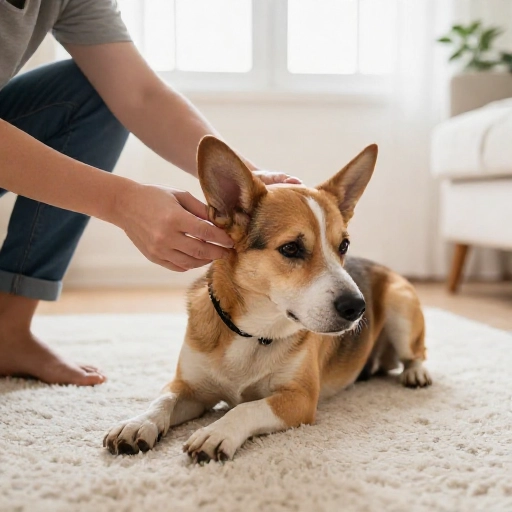
Once a month, I do a slow nose-to-tail check while my dog is relaxed. It takes five minutes and has caught two lumps and one ear infection early.
- Eyes: clear, no redness or discharge
- Ears: no smell, no dark gunk, no head shaking
- Mouth: pink gums, decent breath, no broken teeth
- Skin and coat: no bald spots, fleas, or new bumps
- Paws and nails: no cracks, nails not clicking on the floor
- Mobility: stands up easily, no stiffness after naps
Anything I find, I photograph and date. Then it goes to the vet, not into a mental note I’ll forget.
A Quick Wrap-Up
Preventive dog care isn’t one appointment — it’s a rhythm that changes as my dog changes. Puppies need protection and positive exposure. Adults need consistency and a baseline. Seniors need closer watching and more frequent check-ins.
If you only do three things this year, do these: keep your dog lean, keep up with dental care, and get a vet exam on schedule even when everything looks fine.
Frequently Asked Questions
How often should my dog see the vet?
Puppies go several times for their vaccine series. Adults are usually fine with once a year. Seniors typically need twice a year, and any dog with a chronic condition may need more.
What’s the most important preventive habit?
Keeping your dog at a healthy weight. It affects joints, breathing, heart health, and how long your dog stays active.
Do I really need to brush my dog’s teeth?
Yes, if you can. Daily brushing is ideal, and even a few times a week makes a real difference compared to never doing it.
When does my dog become a senior?
Around 7 years is the common rule, but it depends on size. Giant breeds age faster, while small breeds often stay in the adult range longer.
Are home checkups a replacement for the vet?
Not at all. They’re how I notice changes early so I can bring better information to my vet instead of vague worries.