14 Cat-Safe Houseplants That Are Actually Gorgeous
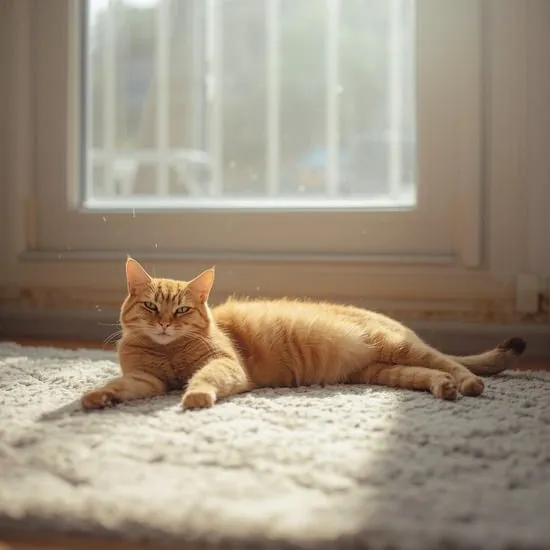
I love filling my home with greenery, but as a cat parent, I’ve had that heart-stopping moment of seeing my furry friend nibble on a leaf. It turns out so many common houseplants are toxic to cats, which made my plant hobby feel risky for a while.
But I didn’t give up! I went on a mission to find plants that are both stunning and completely safe for my curious feline. The good news? There are plenty of beautiful, easy-to-care-for options that let you have a lush, green space without the worry.
This list is my curated collection of the best cat-safe houseplants. They’ve all earned a permanent spot in my home because they’re non-toxic, resilient, and add so much life to any room. Let’s grow a pet-friendly jungle together!
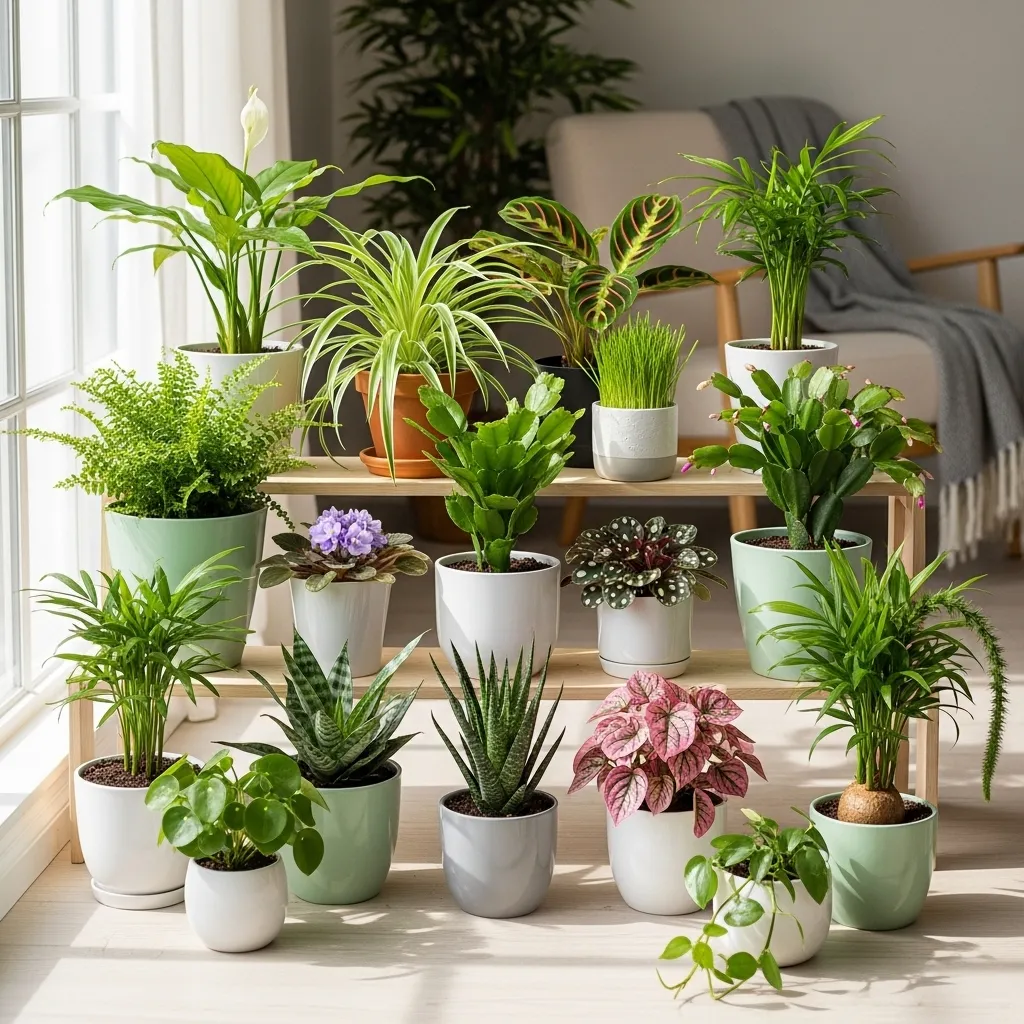
1. Spider Plant: The Unkillable Champion
This is my top recommendation for any new plant parent with pets. Spider plants are famously hardy and thrive on a bit of neglect. Their long, arching green and white striped leaves are so cheerful.
They love bright, indirect light and prefer to dry out between waterings. The best part? They produce adorable “spiderettes” or baby plants on long stems, which you can snip off and propagate to grow your collection or share with friends.
2. Boston Fern: The Lush, Airy Classic
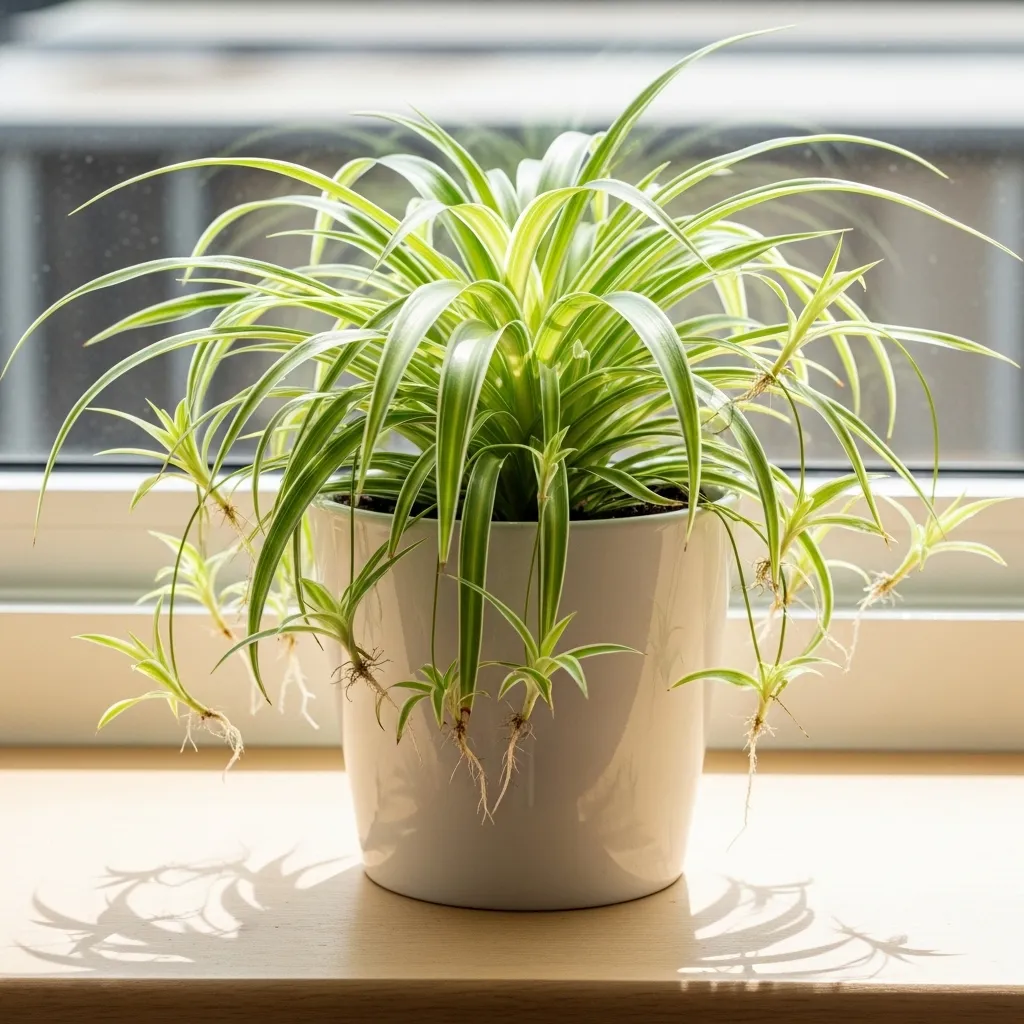
If you’re looking for volume and soft texture, the Boston Fern is a perfect choice. Its delicate, feathery fronds create a beautiful cascading effect, ideal for hanging baskets or high shelves.
These ferns love humidity and consistent moisture, so they’re great for bathrooms with good light. Just keep the soil damp (but not soggy) and mist the leaves occasionally to keep them from getting crispy.
3. Parlor Palm: The Elegant Statement
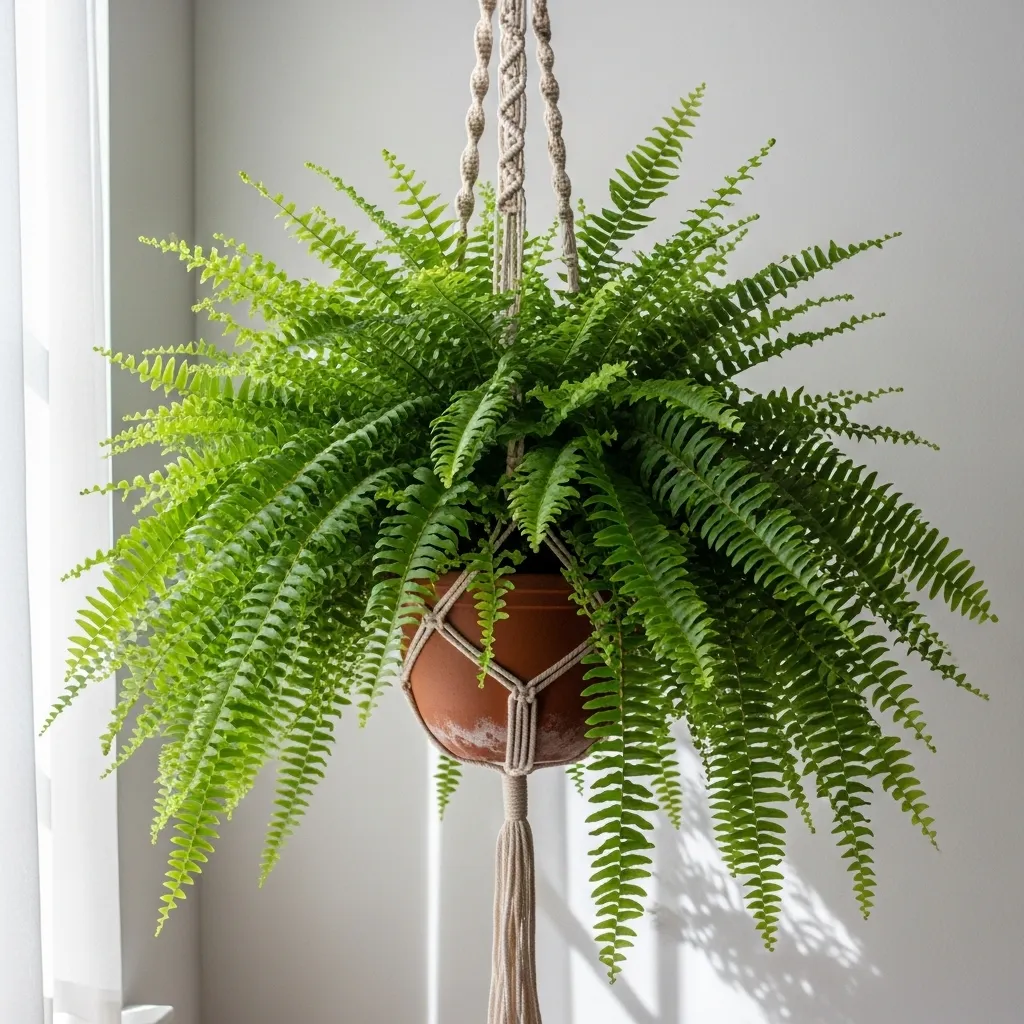
For a touch of tropical elegance, you can’t beat a Parlor Palm. It brings instant resort vibes with its delicate, fan-like leaves on tall, slender stems. It’s surprisingly adaptable to lower light conditions.
This palm grows slowly and stays a manageable size indoors. Water it when the top inch of soil feels dry, and it will reward you with graceful, arching fronds that are completely safe for curious cats to brush against.
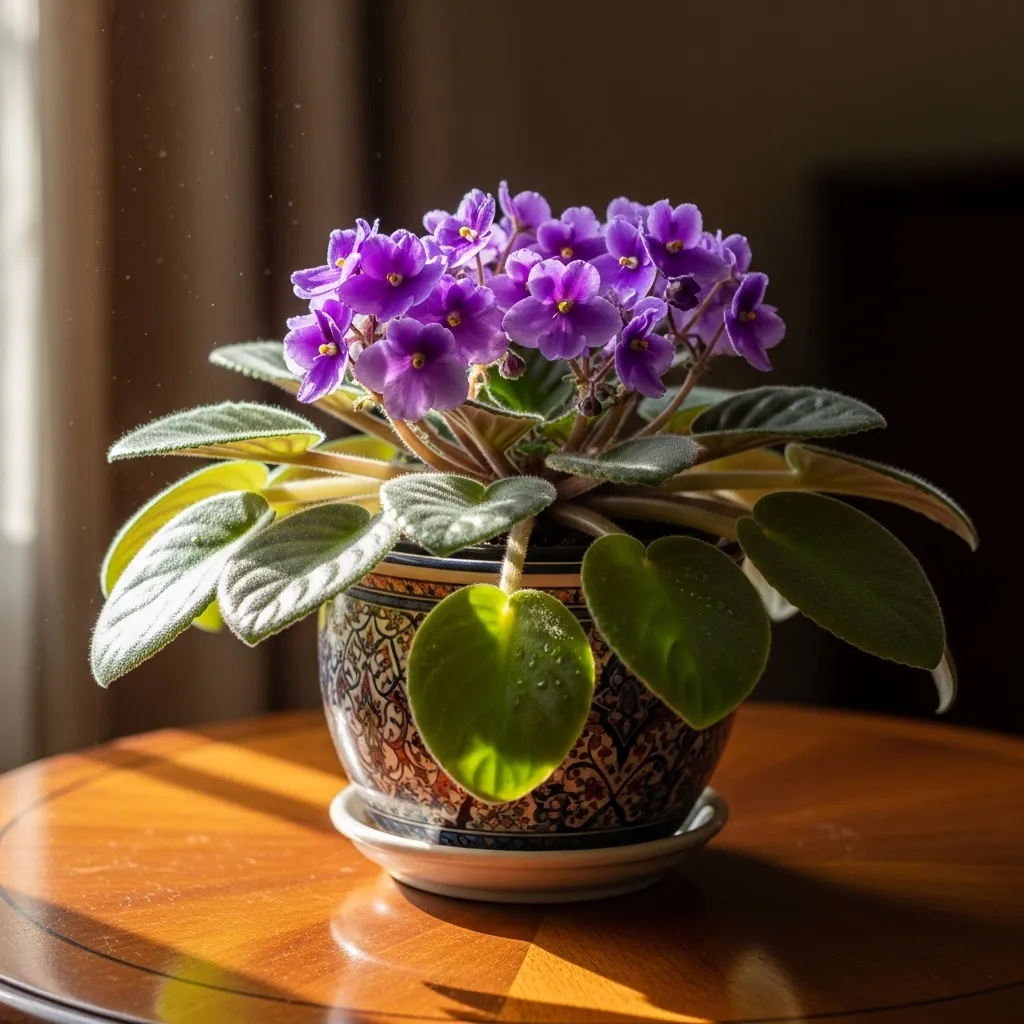
4. African Violet: The Pop of Color
Missing flowers? African Violets provide gorgeous, velvety blooms in shades of purple, pink, white, and blue throughout the year. Their compact, rosette shape makes them perfect for windowsills.
They prefer bright, indirect light and like to be watered from the bottom (setting the pot in a saucer of water) to avoid getting their fuzzy leaves wet, which can cause spots.
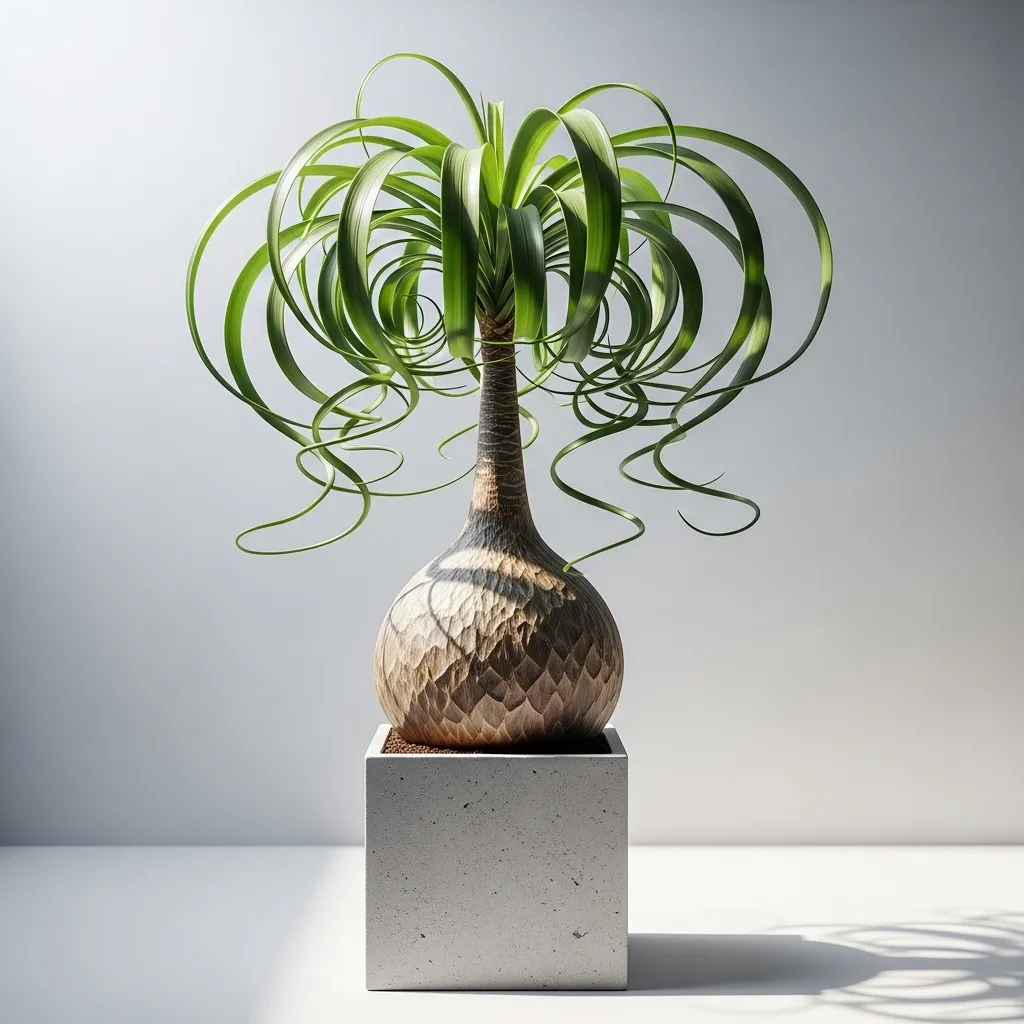
5. Ponytail Palm: The Whimsical Sculpture
Don’t let the name fool you—this isn’t a true palm! Its quirky look comes from a thick, bulbous trunk (called a caudex) that stores water, and a fountain of long, curly leaves that burst from the top.
It’s a fantastic, low-maintenance plant that thrives on forgetfulness. Give it bright light and water it only when the soil is completely dry. Its unique shape adds serious personality to any space.
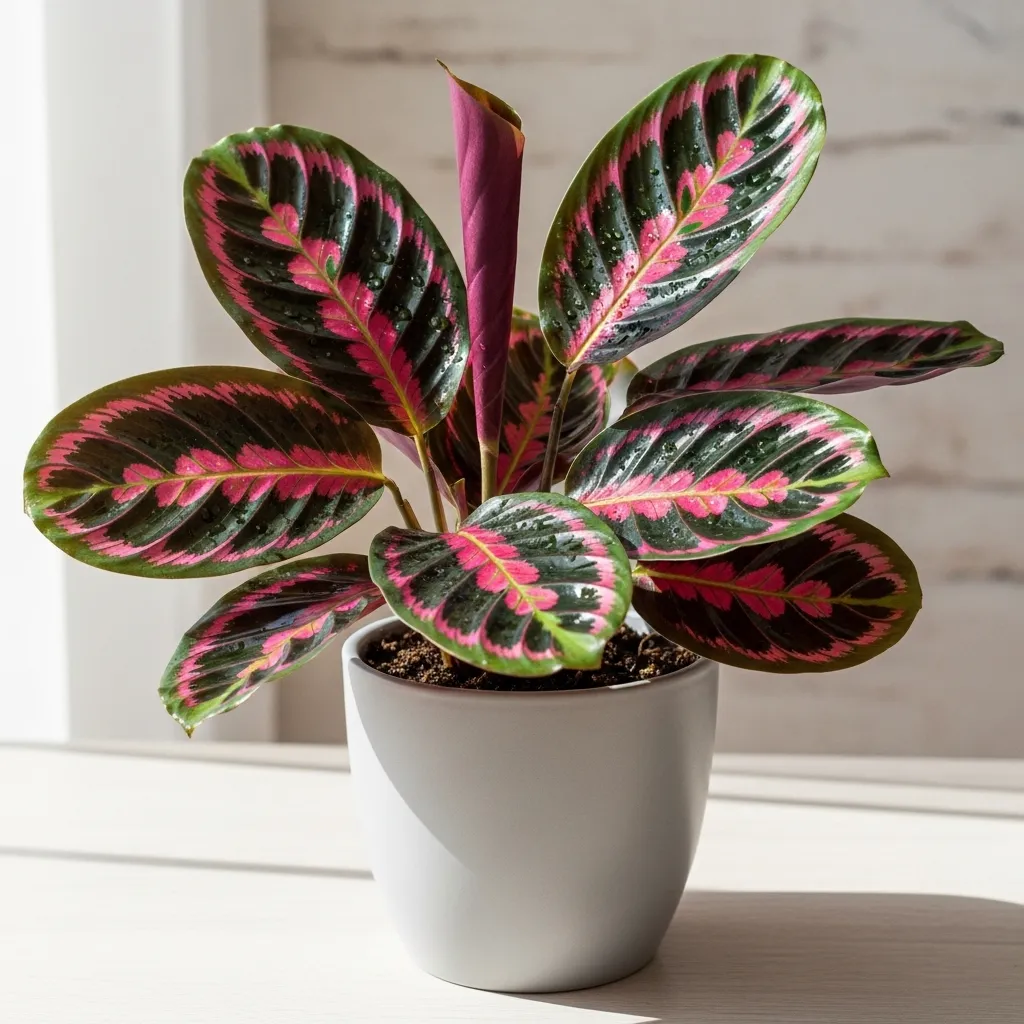
6. Calathea (Prayer Plant): The Dazzling Show-Off
Calatheas are all about the stunning foliage. With patterns like painted brushstrokes, stripes, and velvety textures in deep greens, purples, and pinks, each leaf is a work of art. Their leaves move, folding up at night like praying hands.
They prefer medium to bright indirect light and consistent moisture with high humidity. A pebble tray or occasional misting keeps their leaves happy and vibrant.
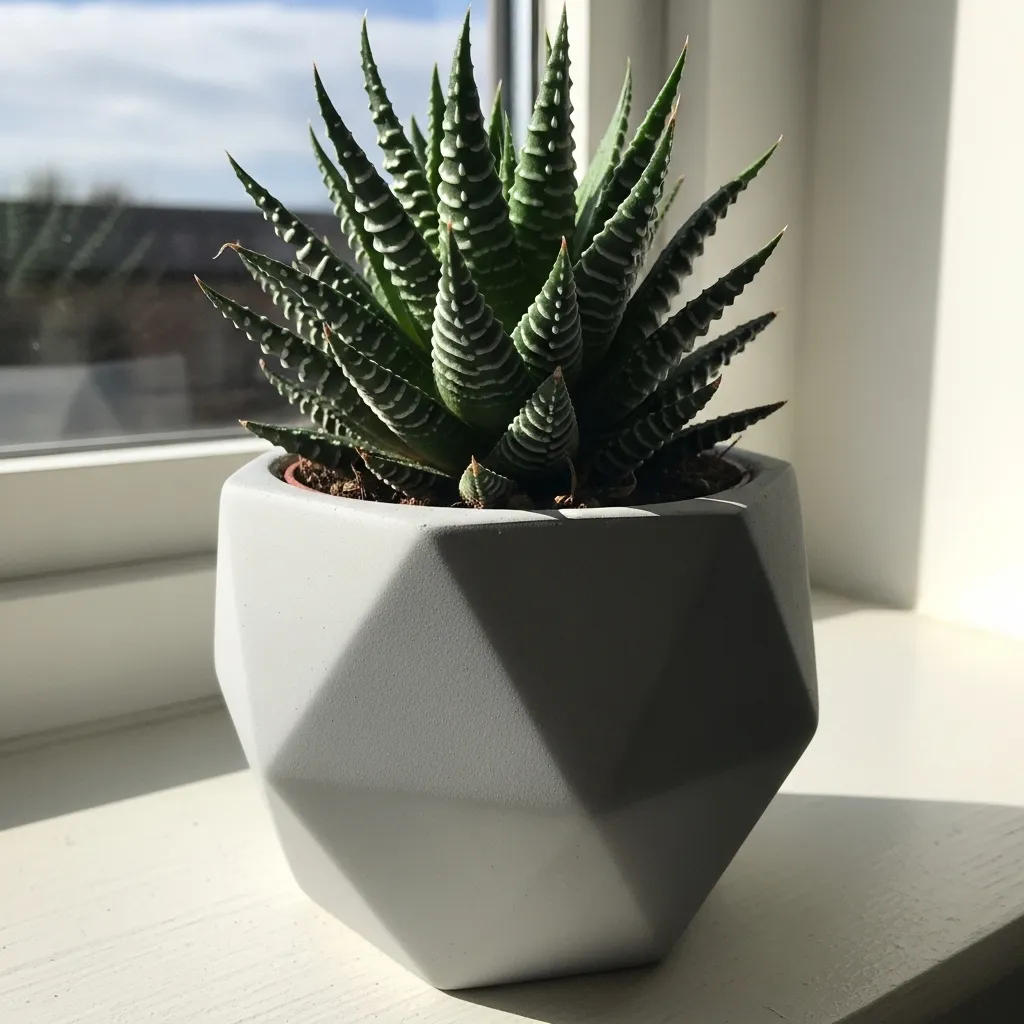
7. Haworthia (Zebra Plant): The Petite Succulent
For succulent lovers, Haworthias are a safe bet. These small, striking plants form rosettes of thick, pointed leaves often adorned with white stripes or bumps. They’re slow-growing and perfect for a sunny desk or shelf.
They need bright light and very infrequent watering. Let the soil dry out completely, then give it a thorough drink. Their architectural form is a beautiful, worry-free accent.
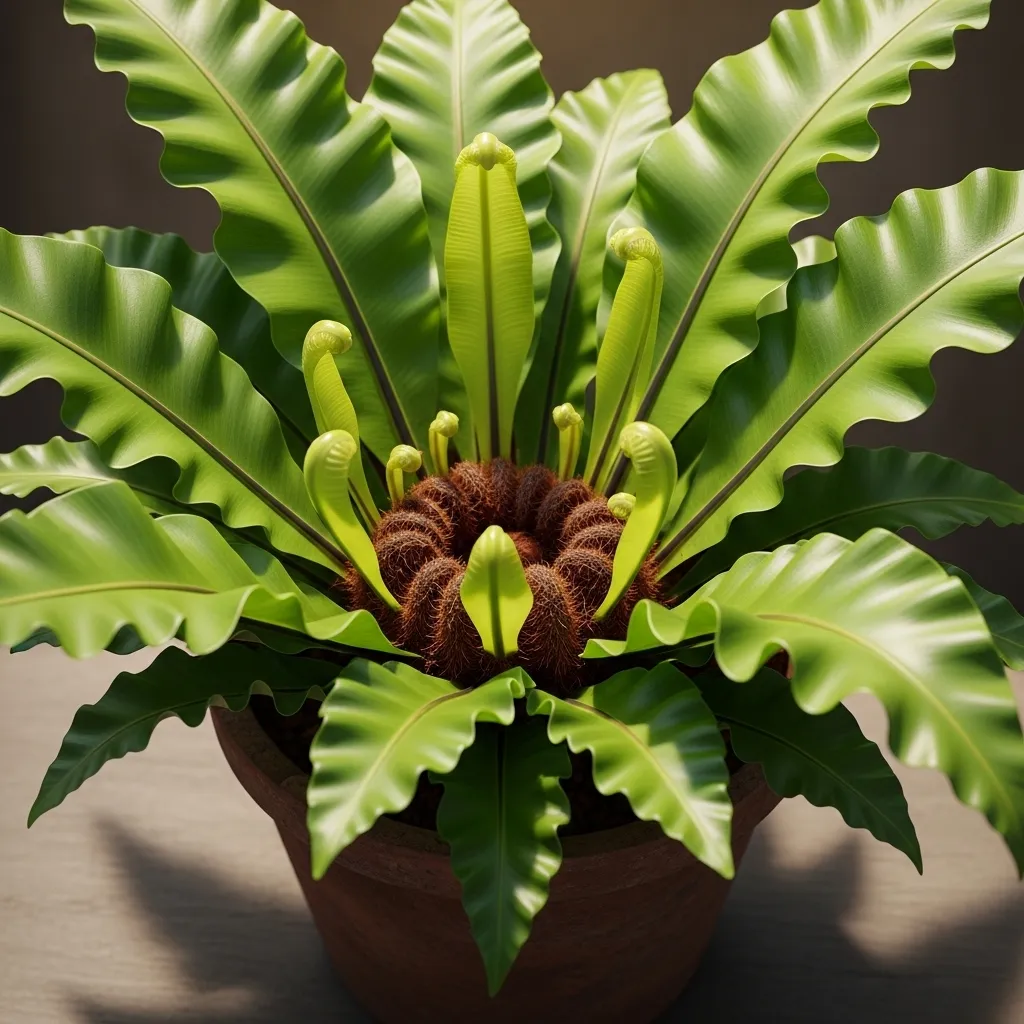
8. Bird’s Nest Fern: The Textural Wonder
I adore the crinkly, ripple-edged leaves of the Bird’s Nest Fern. Its bright green, spoon-shaped fronds unfurl from a central, nest-like rosette. It adds wonderful texture without being fussy.
It enjoys medium, indirect light and likes its soil to stay evenly moist. Avoid watering directly into the center “nest” to prevent rot. It’s a lush, friendly fern that’s perfectly pet-safe.
9. Peperomia: The Versatile Collection
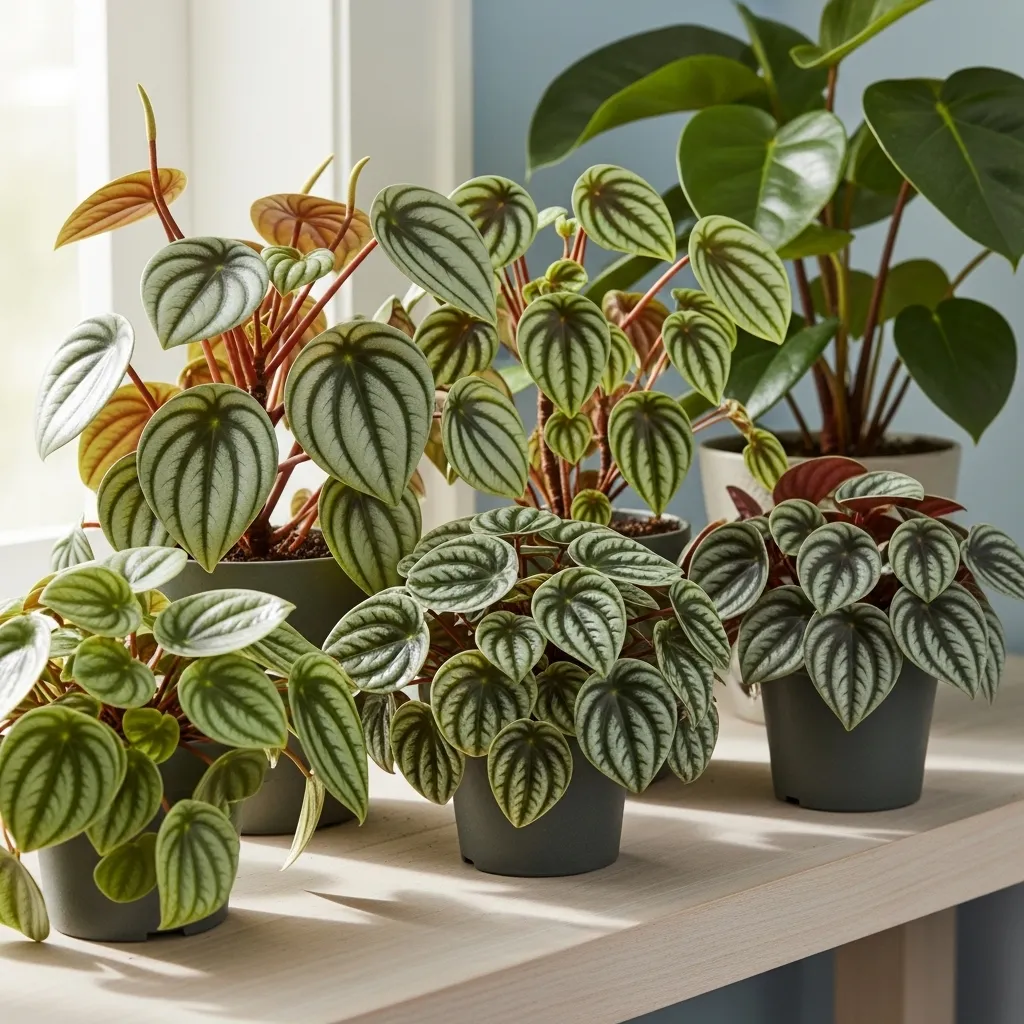
Peperomias come in a huge variety of shapes, colors, and textures—from the watermelon-striped Peperomia argyreia to the trailing Peperomia prostrata (String of Turtles). They’re all compact and non-toxic.
Most varieties enjoy bright, indirect light and like to dry out a bit between waterings. Their thick leaves store water, making them forgiving if you miss a watering day. You could collect a whole shelf of just Peperomias!
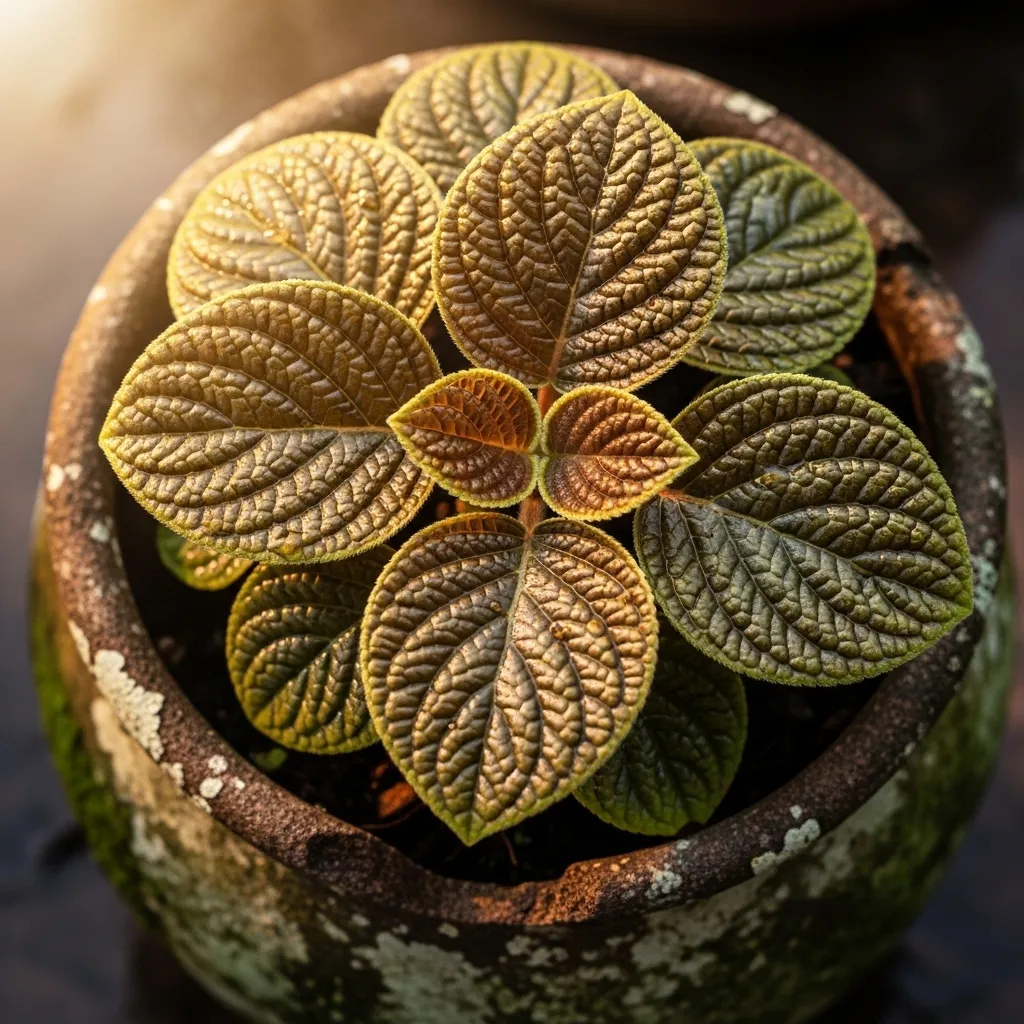
10. Friendship Plant (Pilea involucrata): The Textured Charmer
This little plant has deeply textured, quilted leaves in a beautiful bronze-green color, often with a metallic sheen. It stays small and bushy, making it ideal for terrariums or as a tabletop centerpiece.
It thrives in bright, indirect light and high humidity. Keep the soil consistently moist but not waterlogged. It’s called the “Friendship Plant” because it’s so easy to propagate and share—just like friendship!
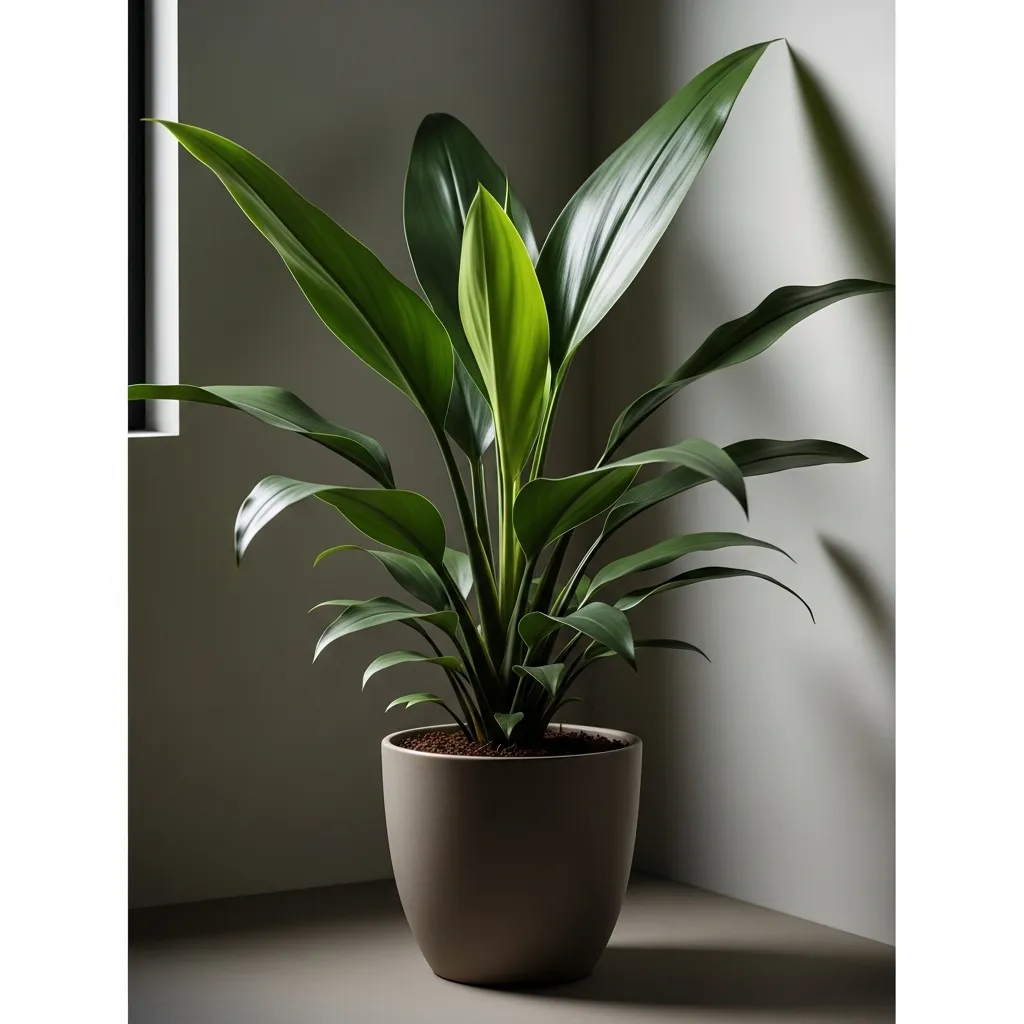
11. Cast Iron Plant: The Ultimate Low-Light Survivor
True to its name, the Cast Iron Plant is nearly indestructible. It tolerates low light, irregular watering, and general neglect while still looking elegant with its deep green, lance-shaped leaves.
It’s the perfect plant for that dim corner where nothing else seems to thrive. Water it when the soil is dry to the touch. Its toughness and safety make it a total win for busy or beginner plant owners.
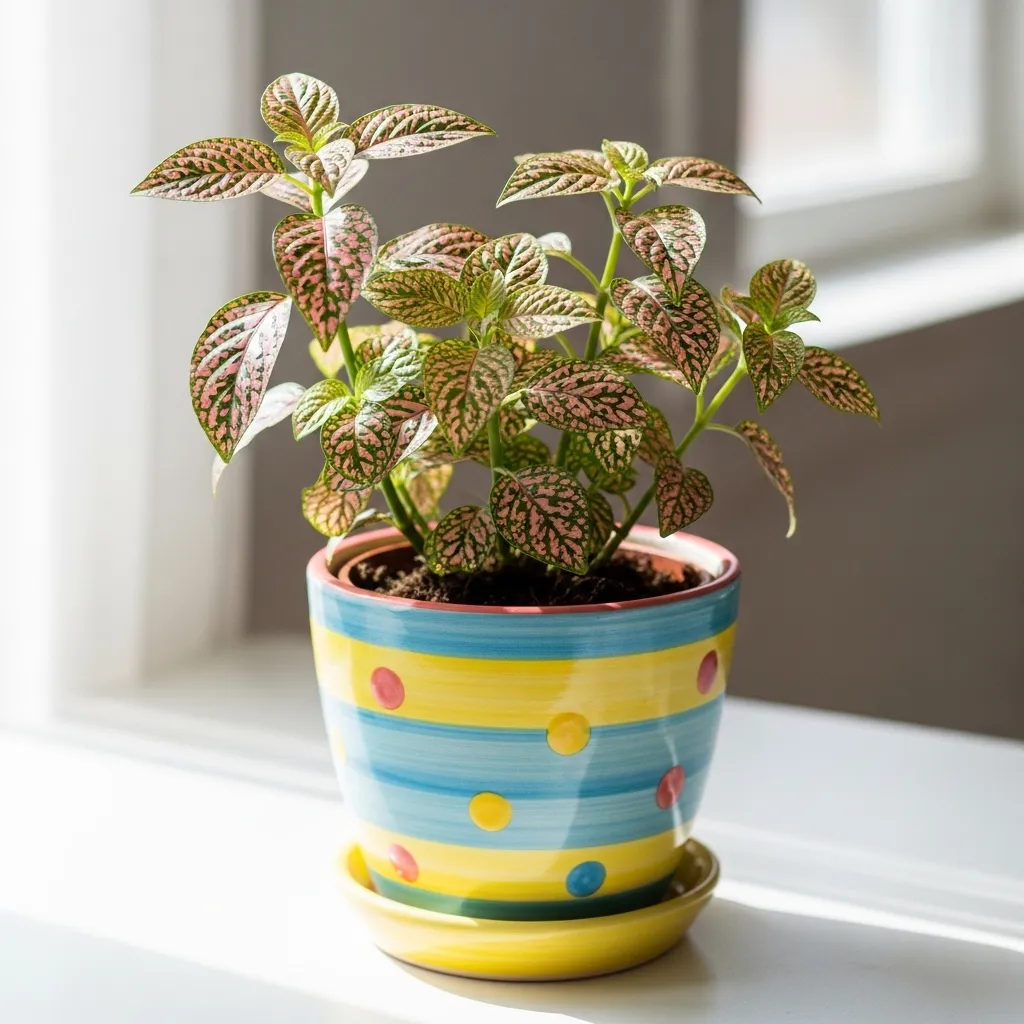
12. Polka Dot Plant: The Colorful Cheerleader
Want a vibrant splash of pink, red, or white? The Polka Dot Plant’s leaves are generously speckled with color, brightening up any room instantly. It has a cute, bushy growth habit.
It prefers bright, indirect light to keep its colors vivid and likes consistently moist soil. Pinch off the tips of the stems occasionally to encourage it to grow fuller and bushier instead of tall and leggy.
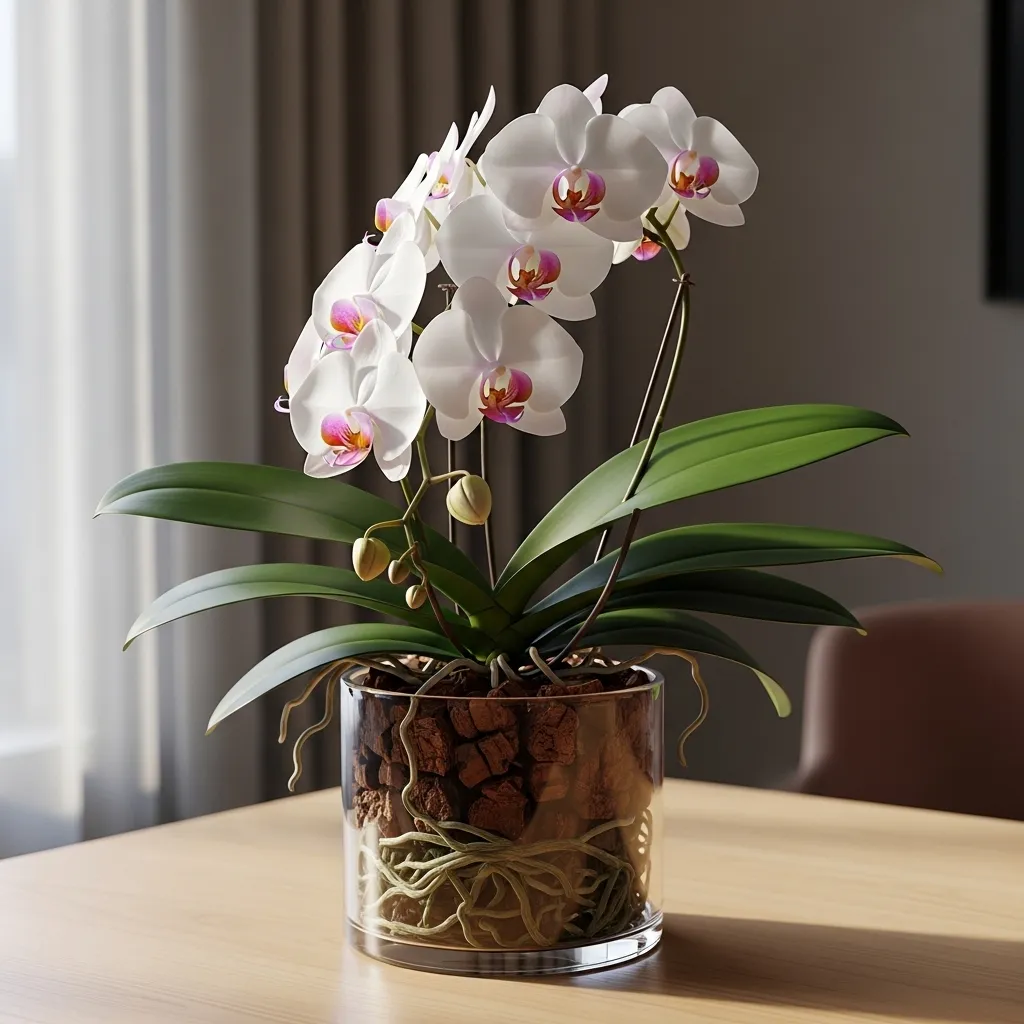
13. Orchid (Phalaenopsis): The Sophisticated Bloom
The common Moth Orchid (Phalaenopsis) is safe for cats and brings an air of refined beauty. Their long-lasting blooms on arching stems are simply breathtaking. They’re easier to care for than their reputation suggests.
They love bright, indirect light (an east-facing window is ideal) and a specific orchid potting mix. Water by soaking the pot about once a week, then letting all the excess water drain out completely.
14. Swedish Ivy: The Trailing Beauty
For a lush, cascading plant, Swedish Ivy is a fantastic choice. Its round, scallop-edged leaves are a glossy, bright green and it grows quickly and enthusiastically. It’s perfect for hanging planters where the vines can tumble down.
It enjoys medium to bright light and likes to dry out slightly between waterings. It’s incredibly easy to propagate—just snip a stem, pop it in water, and watch it grow roots. So rewarding!
Growing Your Pet-Friendly Oasis
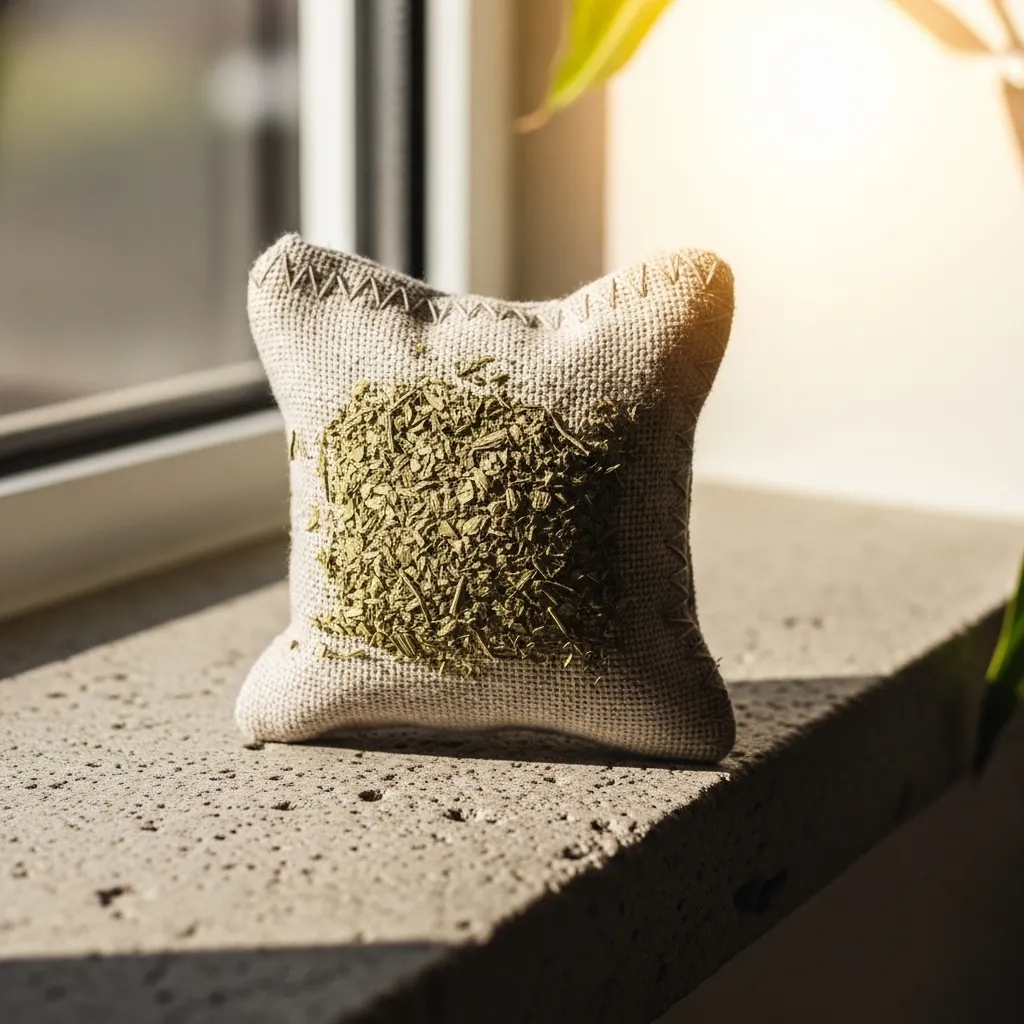
Creating a home that’s safe for your cats and full of life with plants is absolutely possible. Start with one or two from this list that suit your light conditions. Remember, even non-toxic plants can cause a mild stomach upset if your cat eats a huge amount, so it’s always best to discourage munching by offering cat grass as a preferred alternative.
The joy of a green space is worth the little bit of research. Happy planting from one plant-obsessed cat lover to another!
Cat-Safe Plant FAQ
Q: Are these plants 100% safe if my cat eats them?
A: The plants on this list are considered non-toxic by the ASPCA. This means they don’t contain known poisonous substances. However, eating any plant material can cause mild vomiting or diarrhea in some cats. It’s best to keep plants out of reach if your cat is a voracious chewer.
Q: What’s the easiest cat-safe plant for a beginner?
A: The Spider Plant or Cast Iron Plant are the most forgiving. They tolerate a range of light and survive occasional missed waterings, making them perfect for starting your pet-friendly jungle.
Q: Where can I find these plants?
A: Most local nurseries and garden centers will carry many of these. Big-box home improvement stores often have Spider Plants, Palms, and Ferns. Always double-check the plant’s scientific name on the tag to ensure you’re getting the safe variety.
Q: My cat keeps digging in the plant soil. What can I do?
A: Try covering the soil surface with a layer of large, smooth pebbles or river rocks. This creates a barrier that’s less fun to dig in while still allowing water to penetrate. Providing a dedicated digging box with safe soil or sand can also redirect that behavior.
Q: Are there any safe flowering plants besides African Violets?
A> Yes! Orchids (Phalaenopsis), certain Bromeliads (like the Blushing Bromeliad), and Christmas Cactus are also non-toxic and can provide beautiful, pet-safe blooms.