One Week of Training for a 3-Dog Home: My Realistic Schedule for a Calmer, Happier Pack
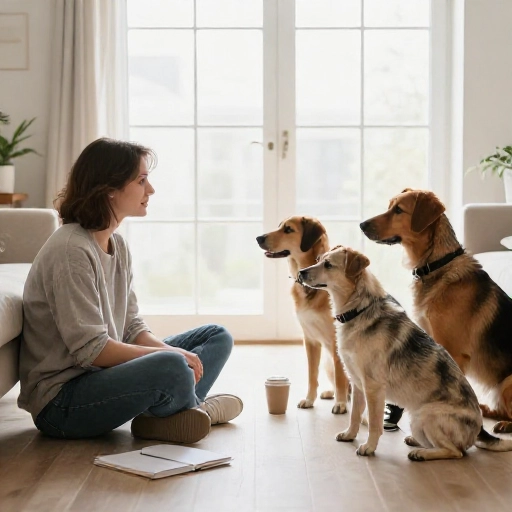
Three dogs. One house. One very tired human. For months, my mornings felt like a tornado drill — barking, pacing, a stolen sock, and me standing in the kitchen wondering why I thought a multi-dog home would be “easy.”
Then I stopped trying to train all three at once. That was the game-changer. One week of small, consistent shifts turned our chaos into something that actually resembles calm. Not perfect. But calm enough that I can drink my coffee while it’s still hot.
Here’s exactly what I did, day by day, with real-life tweaks for a 3-dog household. No fancy equipment. No hour-long sessions. Just short wins that stacked up fast.
Day 1: Observe Before You Command
I used to jump straight into “sit” and “stay” with all three dogs staring at me. Big mistake. On Day 1, I put away the treats and just watched. Who eats first? Who guards the couch? Who starts the barking? Who hides?
It felt weird to do nothing, but I learned more in 20 minutes than in weeks of guessing. My oldest dog, Pepper, was actually the peacekeeper. My middle dog, Milo, was the instigator. My youngest, Juniper, was just copying everyone.
That afternoon, I wrote three quick notes on my phone: triggers, helpers, and hidden stress. That was my real training plan.
Day 2: Build a 3-Dog Rotation Schedule
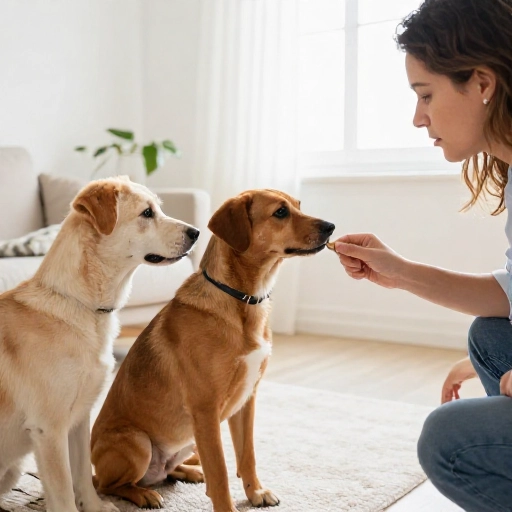
You cannot train three dogs at the same time and expect anyone to learn. I tried. It becomes a treat free-for-all. So I created a simple rotation: one dog works, two dogs wait in a separate space with a chew toy or frozen Kong.
My rotation looked like this:
- 7:00 AM — Pepper (5 minutes, basic cues)
- 7:10 AM — Milo (5 minutes, impulse control)
- 7:20 AM — Juniper (5 minutes, name game and focus)
- Repeat after lunch if I had energy
The waiting dogs weren’t “missing out.” They were learning that calm behavior gets rewarded too. By the end of the day, the barking during rotations had already dropped.
Day 3: Teach “Place” Like Your Life Depends on It
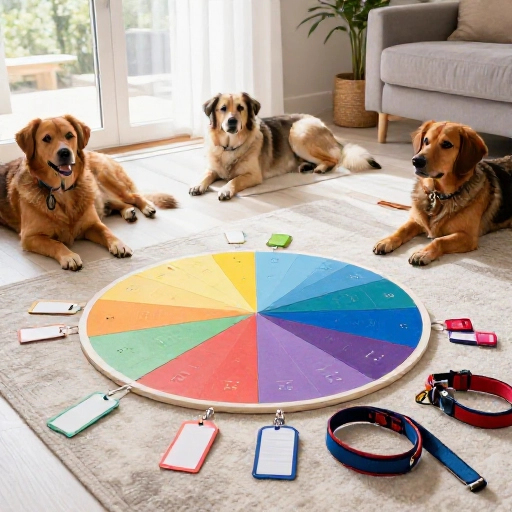
“Place” is a mat, a bed, or even a folded blanket. It means: go there, lie down, stay until released. I taught each dog separately for two minutes at a time. Pepper got it in one session. Milo needed three. Juniper needed a nap first.
By evening, I had three mats in the living room. I sent each dog to their place while I made dinner. They weren’t perfect — Milo slid off twice — but nobody was under my feet. That felt like a small miracle.
Pro tip: reward heavily for staying. I tossed treats every 10 seconds at first, then stretched it to 30 seconds. Short and sweet beats long and frustrating.
Day 4: Walk Two, Train One (The Buddy System)
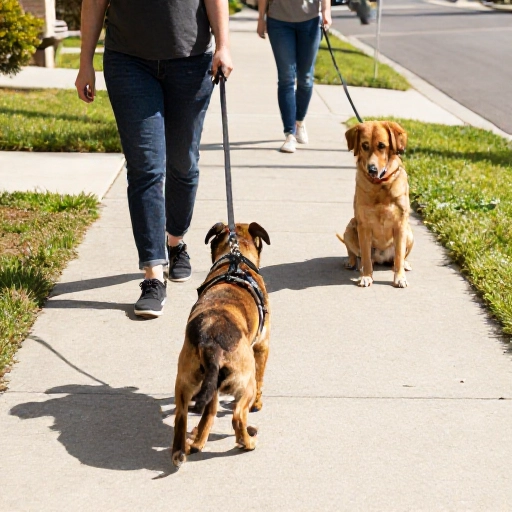
Walking three dogs alone is a sport I never signed up for. So I split them up. I took Pepper and Juniper on a 20-minute walk while Milo stayed home with a puzzle toy. Then I swapped.
Why two at a time? Because three dogs on leashes turn every squirrel into a tangled disaster. Two dogs are manageable. One dog gets a focused training walk with me.
The solo walk was gold. I practiced loose-leash walking, stopping when they pulled, and rewarding eye contact. The other two got exercise and sniff time. Everyone won.
Day 5: Feed in Separate Spots (No Exceptions)
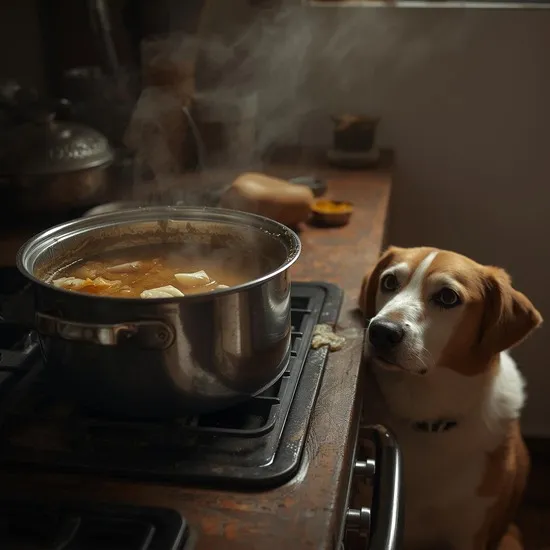
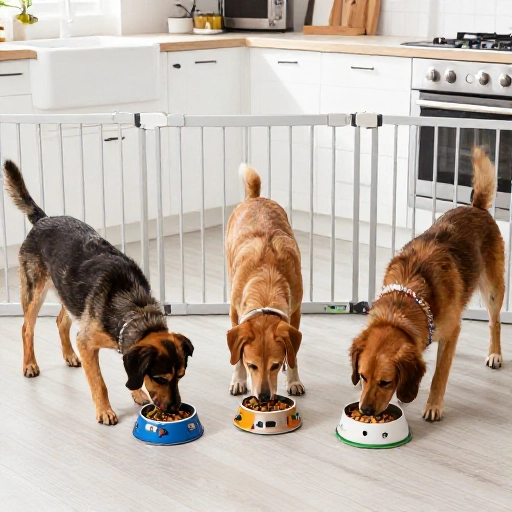
Food bowls are a top source of tension in multi-dog homes. I used to put three bowls down in the kitchen and hope for the best. There was always one dog hovering, one dog rushing, and one dog eating sideways.
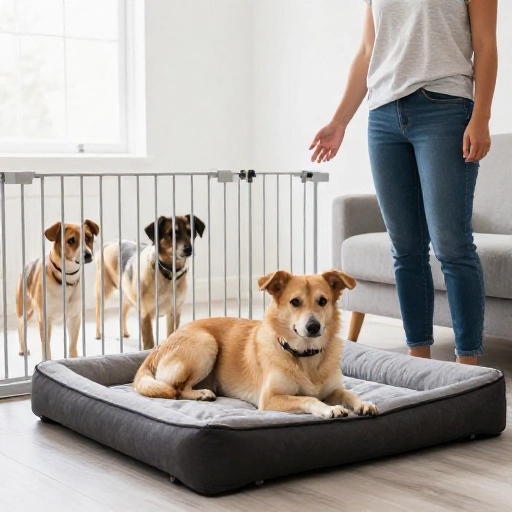
Now I feed in three different rooms with doors or baby gates between them. It takes 30 extra seconds to set up. The peace is worth it. I also started hand-feeding a few kibbles during training sessions — that’s how I got faster recalls without extra treats.
If you can’t separate rooms, use crates. Feeding in crates isn’t cruel; it’s structured. My dogs actually run to their crates at mealtime now.
Day 6: Practice Doorway Manners as a Pack
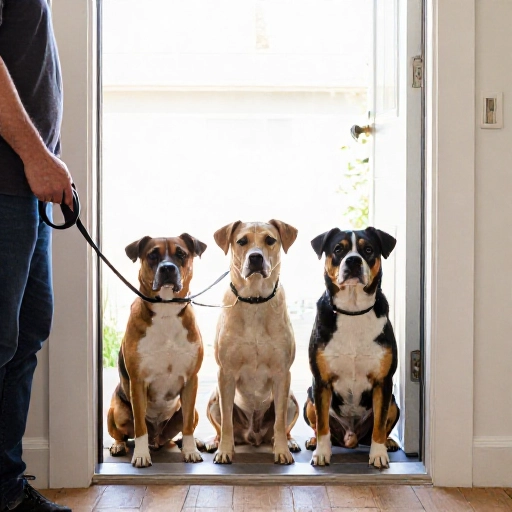
Doorways are where excitement explodes. Three dogs pushing to get out first is a recipe for a cracked screen door. So I practiced “wait” at the back door with all three — but one at a time on a leash.
I opened the door an inch. If any dog surged, I closed it. No yelling. Just a calm reset. Within 10 minutes, Pepper and Juniper were sitting. Milo needed a few more reps. That’s fine.
By the end of the session, I could open the door fully and release them one by one by name. It felt like a party trick. It’s actually a life skill.
Day 7: Review, Rest, and Reward Yourself
I didn’t train anything new on Day 7. I just reviewed what worked: the rotation, the mats, the separate feeding, the two-dog walks. I wrote down one thing that still felt hard — Milo’s counter-surfing — and decided to tackle that next week.
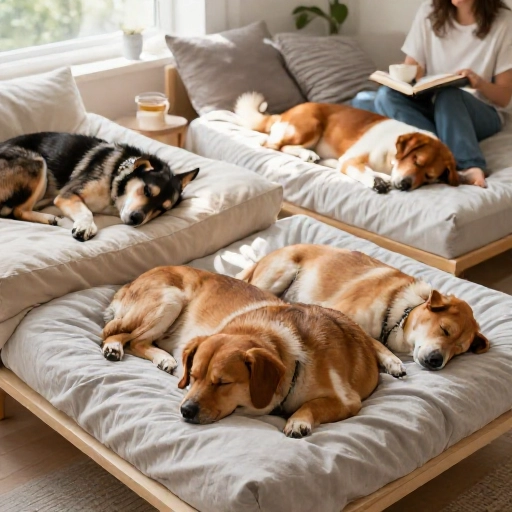
Rest days matter for dogs and humans. We did a long sniffy walk in the park, no training cues, just smells. Then we all napped on the couch. Well, I napped. They stole my spot.
Celebrate the tiny wins. A calmer dinner, a door without a stampede, a walk without tangled leashes. That’s progress.
The Magic of 5-Minute Individual Sessions
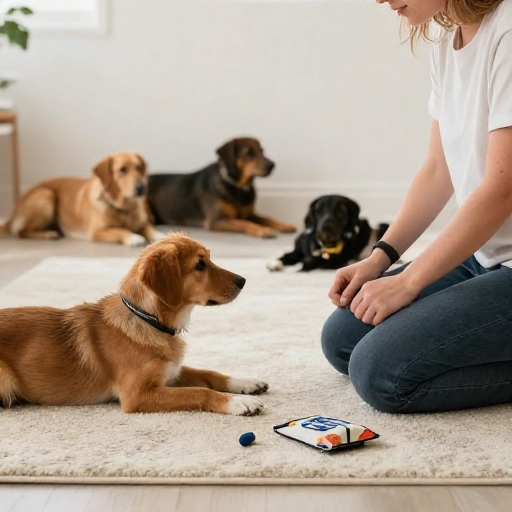
I used to think I needed 30 minutes per dog. Nope. Five focused minutes beats 30 distracted ones. In five minutes, I can practice sit, down, stay, come, and a fun trick. Then we stop while everyone still wants more.
I kept a treat pouch on the counter and grabbed it whenever I had a spare moment — while the kettle boiled, between emails, before bed. Short bursts added up to real training without blocking out my whole day.
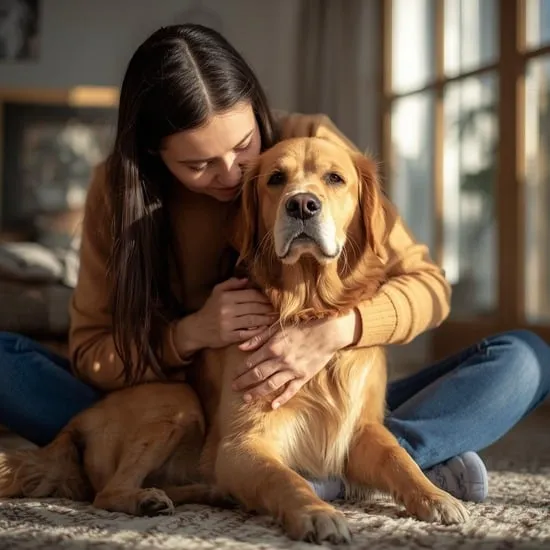
Each dog got their own five minutes. No sharing. No waiting. That one-on-one time also deepened our bond. They started looking at me differently — like I was actually worth listening to.
How I Handle Jealousy and Pushy Behavior
Jealousy is real in a 3-dog home. One dog gets pet, another shoves in. One gets a treat, another barks. I stopped trying to pet all three at once. Instead, I reward calm waiting.
If Milo pushed Pepper out of the way, I didn’t scold. I calmly removed Milo to his place for 10 seconds, then released him. If he waited nicely, he got a treat. It took two days for him to realize that pushing made him lose attention, not gain it.
I also made sure each dog got a “special thing” — Pepper gets the sunny window, Milo gets the squeaky ball, Juniper gets lap time. Less competition, more clarity.
Creating Calm With Sound and Scent
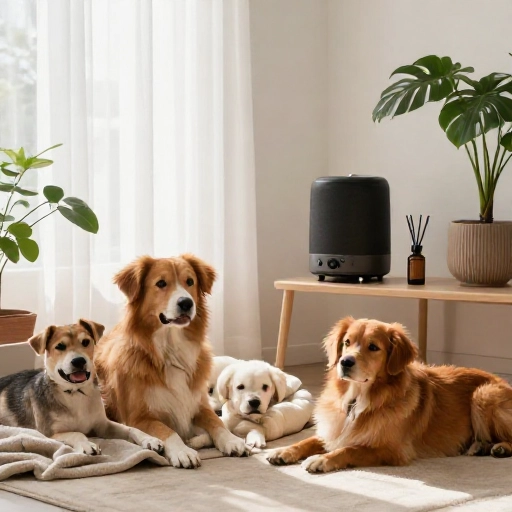
I didn’t believe this would work, but it did. I started playing soft classical music or white noise during high-energy times — after meals, when guests arrived, when the mail carrier came. The barking dropped noticeably.
I also used a calming spray on their mats and a diffuser in the living room. Maybe it’s placebo, maybe it’s real. Either way, the vibe shifted. My dogs settled faster and stayed settled longer.
One more trick: I stopped hyping them up with a high-pitched “Wanna go outside?!” I switched to a calm, low voice. They still got excited, but it was manageable excitement, not a full-blown riot.
Final Thoughts: One Week Can Change Everything
You don’t need a perfect house, a trainer on speed dial, or six hours a day. You need a plan, a rotation, and the willingness to go slow. One week in a 3-dog home taught me that structure isn’t mean — it’s loving. My dogs are happier because they know what to expect.
Start with one small shift tomorrow. Just one. The calm will follow.
FAQ: Training a 3-Dog Home
Can I really train three dogs at once?
You can train the group for simple things like waiting at doors, but new skills work best one-on-one. I rotate dogs and keep sessions to 5 minutes each. That’s how they actually learn.
How long should each training session be?
Three to five minutes per dog, two to three times a day. Short, happy sessions beat long, frustrating ones. If your dog loses focus, stop and try again later.
What if two of my dogs fight?
Separate them immediately and don’t punish. Management comes first: gates, crates, separate feeding. Then work with a qualified force-free trainer or behaviorist. Safety is non-negotiable.
Do I need special equipment for a multi-dog home?
Baby gates, crates, mats, and a treat pouch are my must-haves. You don’t need expensive gear. You need consistency and a way to separate dogs calmly when needed.
How long until I see progress?
Some changes happen in a day — like calmer feeding. Bigger stuff, like walking nicely together, can take weeks. Stay patient. One week of focused effort gives you a solid foundation.