A Head-to-Tail Guide to Common Dog Health Changes Every Owner Should Know
I’ve learned that dogs are masters at hiding discomfort. By the time they show obvious signs, something has often been brewing for a while. That’s why I started doing regular head-to-tail checks on my own dogs—and it’s made a huge difference in catching little issues before they become big ones.
In this guide, I’m sharing the most common health changes I look for from nose to tail. These aren’t meant to replace your vet, but they’ll help you know when to pay closer attention and when to pick up the phone.
Let’s go head to tail—literally.
1. Eyes: Cloudy, Red, or Runny? What Your Dog’s Eyes Are Telling You
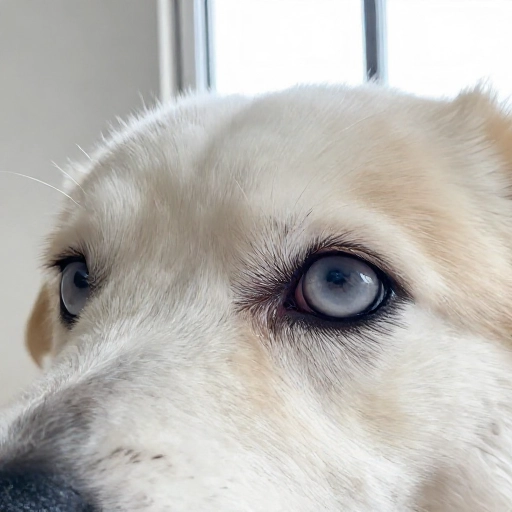
I always start with the eyes because they change fast. A little discharge in the morning is normal, but thick yellow or green gunk is not. Redness, squinting, or pawing at the face can mean infection, allergies, or something stuck in the eye.
Cloudiness is another one I watch for. In older dogs, it might be nuclear sclerosis—a harmless aging change. But if the cloudiness comes on quickly or only affects one eye, it could be cataracts, glaucoma, or uveitis. Those need a vet ASAP.
Other changes I note: droopy eyelids, unequal pupil sizes, or a sudden reluctance to go outside at night. Any of these deserve a professional look.
2. Ears: Shaking, Scratching, and That Smell You Can’t Ignore
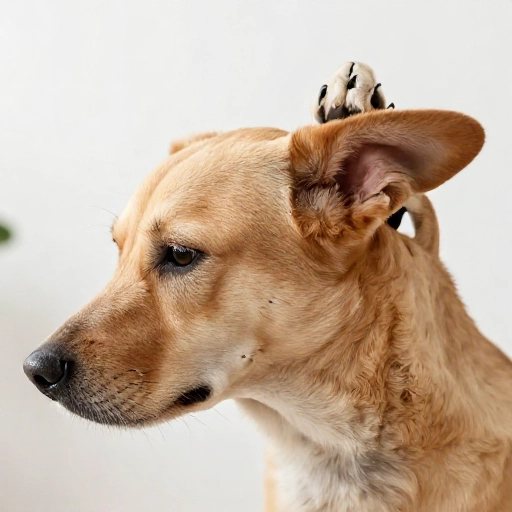
My dog used to shake his head after every walk, and I brushed it off as normal. Turns out he had a mild ear infection. Now I check ears weekly. A little wax is fine, but a yeasty smell, redness, or dark discharge is a red flag.
I look for head tilting, scratching at the ears, or swelling in the ear flap. Allergies, mites, and bacteria are common culprits. If your dog yelps when you touch the ear, stop and call your vet.
I also check for foreign objects—grass seeds love to hide in there during summer.
3. Nose, Mouth, and Bad Breath: Dental Health Changes You Can’t Miss
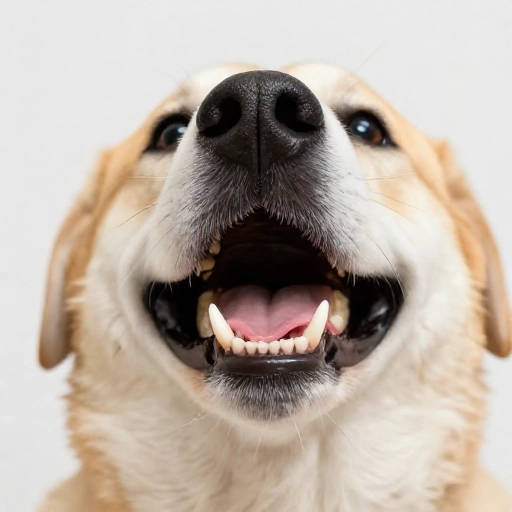
Bad breath isn’t just “dog breath.” It’s often the first sign of dental disease. I lift my dogs’ lips once a week to look for red gums, tartar buildup, loose teeth, or drooling.
I also check the nose. A dry nose isn’t always a problem, but thick discharge, crusting, or bleeding can signal infection or something more serious. If your dog is sneezing constantly or rubbing their nose, get it checked.
Inside the mouth, look for lumps, ulcers, or a sudden change in how they chew. Dental pain can make dogs drop food or avoid hard kibble altogether.
4. Skin and Coat: Itching, Bald Spots, and Dandruff
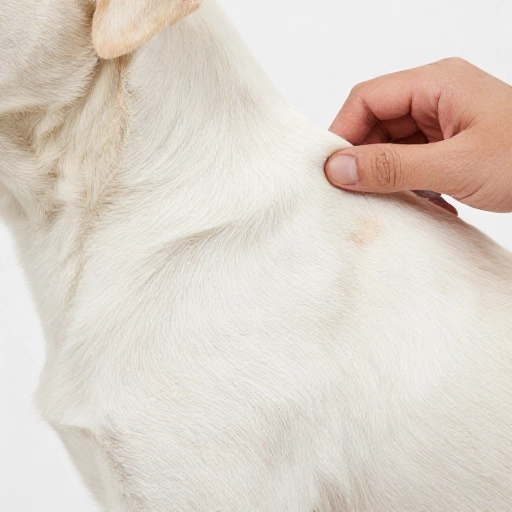
I run my hands over my dogs’ bodies every week. It’s a great way to find lumps, bumps, and skin changes early. Dry, flaky skin, excessive scratching, or hair loss are common signs of allergies, parasites, or thyroid issues.
I also look for hot spots—red, moist patches that appear suddenly. They’re painful and can spread fast. Another thing I watch for: a dull coat or excessive shedding that doesn’t match the season.
If your dog is chewing at their paws or rubbing their face on the carpet, that’s often a skin issue, not just a quirky habit.
5. Neck, Back, and Spine: Stiffness, Pain, and Lumps
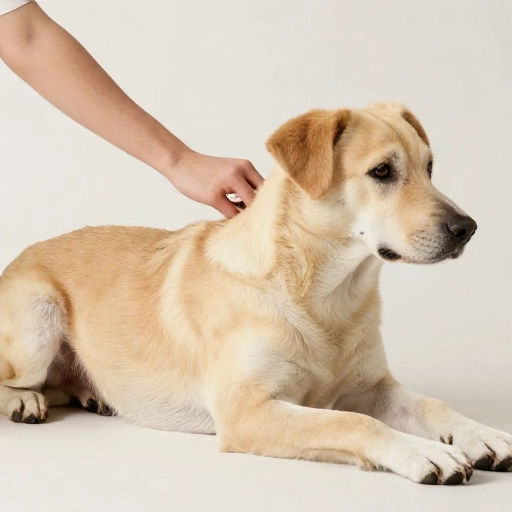
I gently run my fingers down my dog’s neck and spine. Any flinching, yelping, or tensing up tells me something’s off. Arthritis, disc issues, or muscle strains are common, especially in older dogs or long-backed breeds.
I also feel for lumps. Most are benign fatty tumors, but new, fast-growing, or firm lumps need a vet’s opinion. I note the size and location so I can track changes.
If your dog is reluctant to turn their head, go up stairs, or jump on the couch, the spine or neck could be the hidden culprit.
6. Legs and Joints: Limping, Stiffness, and Reluctance to Move
Limping is obvious, but subtle changes matter more. Does your dog take a few extra seconds to stand up? Are they slower on walks? That stiffness could be early arthritis or a soft tissue injury.
I check each paw and leg for swelling, heat, or tenderness. I also watch for a “bunny hop” gait in the rear—that can be a sign of hip dysplasia or knee issues.
Cold weather makes joint pain worse, so I keep an eye on my senior dogs during winter. A vet can recommend joint supplements, pain relief, or physical therapy.
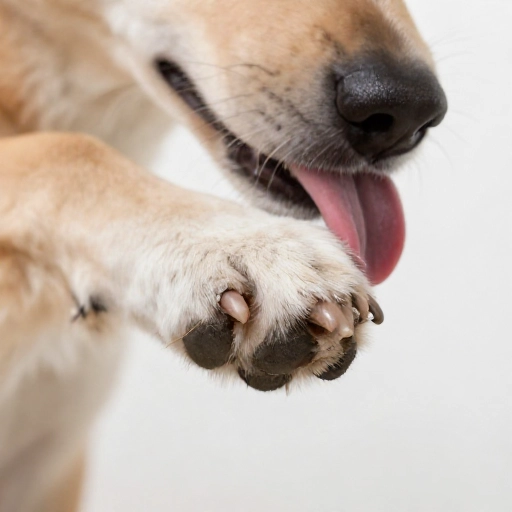
7. Paws and Nails: Licking, Cracks, and Overgrown Claws
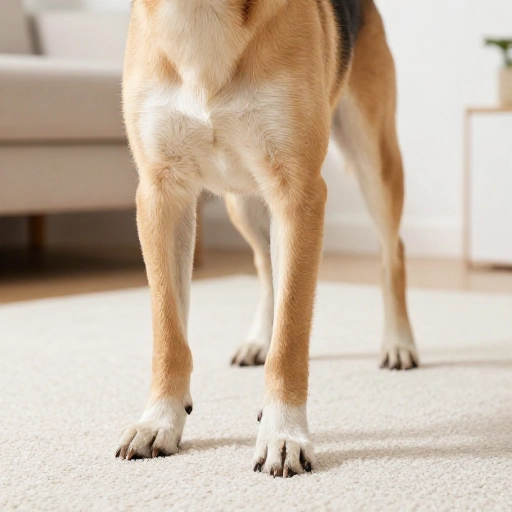
Paw licking is one of those things I used to ignore. Now I know it often means allergies, a foreign object, or a yeast infection. I check between the toes for redness, swelling, or dark debris.
Cracked paw pads are common in hot or icy weather. I use a balm to keep them soft. Overgrown nails are another issue—they can curl into the pad and cause pain. I trim a little every two weeks.
If your dog is suddenly limping on one paw, check for cuts, thorns, or a torn nail. Those can bleed a lot and need quick attention.
8. Belly and Digestion: Vomiting, Diarrhea, and Appetite Changes
I keep a mental note of my dogs’ eating and pooping habits. A one-off vomit is usually nothing, but repeated vomiting, diarrhea, or refusing food for more than a day is a vet visit.
I also look for a bloated, hard belly. That can be a sign of bloat (GDV), which is a life-threatening emergency. If your dog is retching without producing anything, go to the vet immediately.
Weight changes matter, too. Unexplained weight loss or gain can point to diabetes, thyroid issues, or parasites. I weigh my dogs monthly on a baby scale.
9. Urinary and Reproductive Changes: Accidents, Straining, and Discharge
Accidents in the house are not always behavioral. If your house-trained dog starts peeing inside, it could be a urinary tract infection, kidney disease, or diabetes. I watch for straining, blood in urine, or frequent licking of the genital area.
For female dogs, any discharge from the vulva that’s not during heat is a red flag. For males, a swollen testicle or difficulty urinating needs immediate attention.
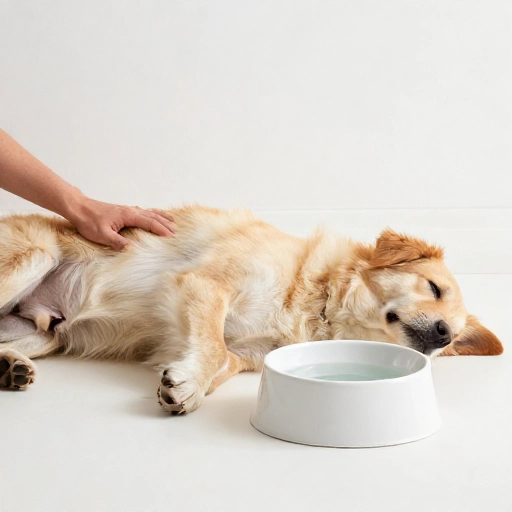
Increased thirst and urination are classic early signs of diabetes and kidney problems. I always mention those to my vet if I notice them.
10. Tail, Rear End, and Overall Energy: Scooting, Lethargy, and Behavior Shifts
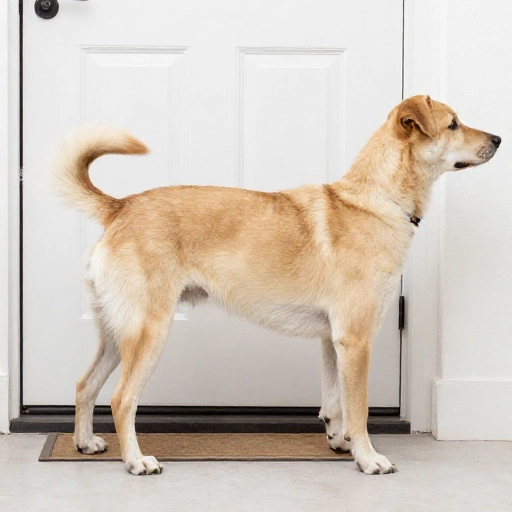
Scooting across the floor usually means anal glands need to be expressed. But it can also signal allergies, parasites, or an infection. I check the rear end for redness, swelling, or a foul smell.
I also watch my dogs’ energy levels. A sudden drop in playfulness, hiding, or not greeting me at the door is a big clue. Pain, illness, and even depression can show up as lethargy.
Behavior changes like confusion, pacing at night, or staring at walls can be signs of canine cognitive dysfunction in seniors. It’s manageable with vet help and routine.
Final Thoughts: Trust Your Gut and Check Regularly
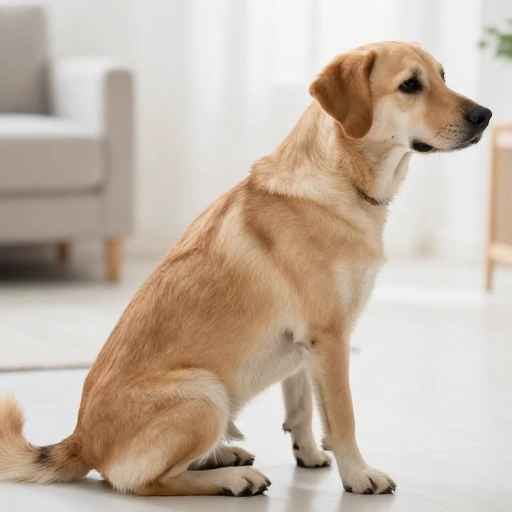
I’ve learned that the best tool for my dogs’ health is my own hands and eyes. A weekly head-to-tail check takes five minutes, but it’s helped me catch ear infections, dental issues, and lumps before they got worse.
You know your dog better than anyone. If something feels off, it probably is. Write down what you see, take a photo, and call your vet. Early action is almost always easier, cheaper, and kinder than waiting.
Frequently Asked Questions
How often should I check my dog head to tail?
I do a quick check weekly and a more thorough one monthly. Weekly is enough to notice changes without stressing your dog.
What’s the most common dog health change I should watch for?
Dental disease and skin issues top the list. Bad breath, itching, and redness are easy to spot once you start looking.
When should I call the vet instead of waiting?
Call if you see repeated vomiting, diarrhea, limping, difficulty breathing, straining to urinate, or any sudden behavior change. When in doubt, call.
Are lumps on dogs always cancer?
No. Most lumps are benign fatty tumors. But any new, fast-growing, or firm lump should be checked by your vet.
Can I prevent common health changes in my dog?
You can’t prevent everything, but regular vet visits, good nutrition, dental care, exercise, and weight management go a long way.