Muzzle Training Dogs: Safe, Not Scary — A Gentle Plan That Actually Works
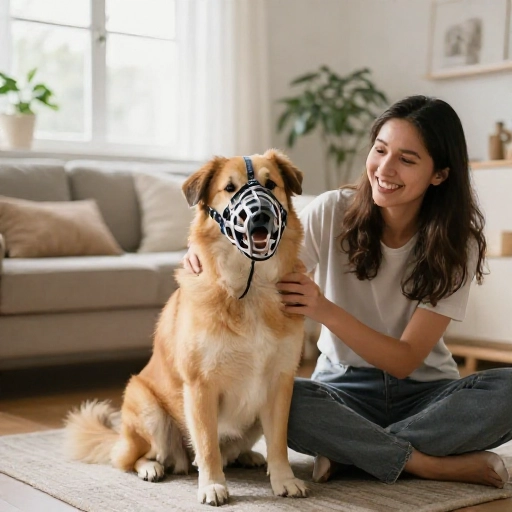
I used to think muzzles were only for aggressive dogs. Then my vet handed me one and said, “Your dog will thank you later.” I laughed. But when I tried it the wrong way, my dog ran from me. So I learned the right way — and it changed everything.
Here’s the truth: a muzzle is just a tool. Like a seatbelt or a leash. It doesn’t mean your dog is bad. It means you’re prepared. And with a few treats and five-minute sessions, you can turn that scary plastic cage into a happy “treat box.”
In this post, I’ll walk you through the exact steps I used to muzzle train my own dogs. No force, no fear. Just tiny wins and a whole lot of cheese. Let’s make muzzles feel safe, not scary.
Why Muzzles Get a Bad Rap (And Why That’s Wrong)
Movies and news make muzzles look like weapons. But a muzzle is not a bite guard for bad dogs. It’s a safety net. It keeps everyone calm — your dog included.
When a dog wears a muzzle, people assume the worst. That stigma hurts dogs. It stops owners from using a tool that could save their dog’s life.
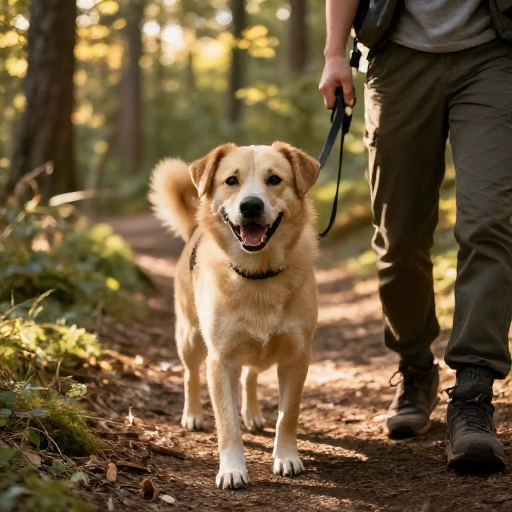
I’ve seen muzzles used at vet visits, on hikes, and during nail trims. They prevent bites and let dogs stay in the world instead of being left home.
The Real Reason Every Dog Should Know a Muzzle
Think of it like a crate or a carrier. You hope you never need it, but when you do, you want your dog to be okay with it.
Emergencies happen. A hurt dog in pain might snap. A muzzle keeps the vet safe so they can help your dog faster. That’s love, not punishment.
Also, some places require muzzles on public transit or at events. Training now means freedom later.

Before You Start: Choosing the Right Muzzle
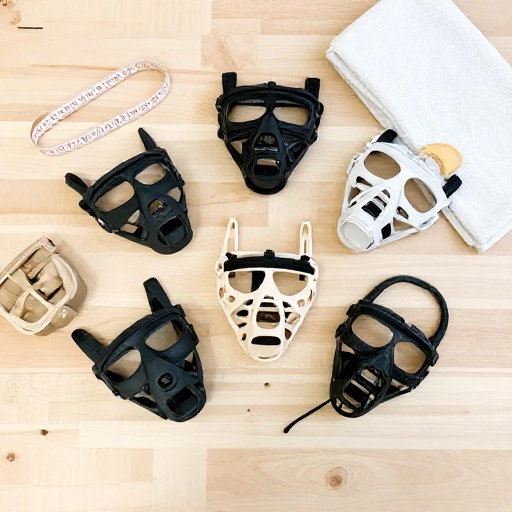
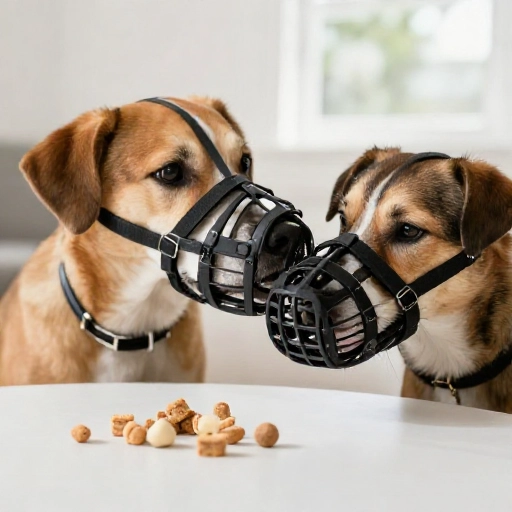
Not all muzzles are created equal. A basket muzzle is your friend. It lets your dog pant, drink, and take treats. That’s key for training.
Avoid cloth or mesh muzzles that hold the mouth shut. Those are for short vet visits, not training. They can overheat your dog and cause panic.
Measure your dog’s snout. The muzzle should be long enough to allow a full pant, wide enough to be comfortable. A bad fit ruins training fast.
The Treat-First Introduction (No Muzzle On Yet)
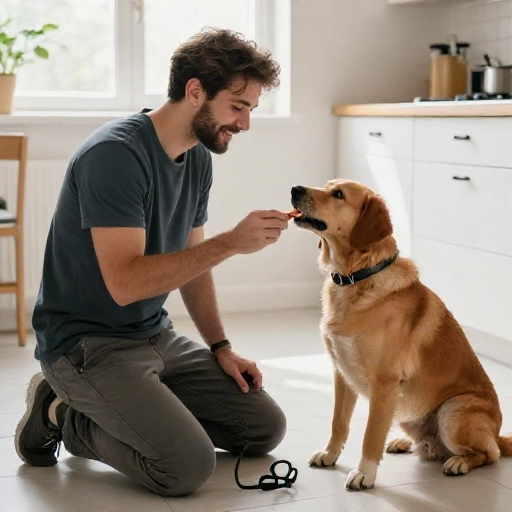
Start with the muzzle on the floor. Not on your dog. Just there. Let them sniff. Toss a treat near it. Then on it. Then inside it.
I use high-value treats: cheese, hot dog, chicken. Something smelly and special. This isn’t kibble time. It’s jackpot time.
Do this for two minutes. Then put the muzzle away. End on a good note. Repeat a few times a day. Soon your dog will run to the muzzle.
First Contact: Letting Your Dog Touch the Muzzle
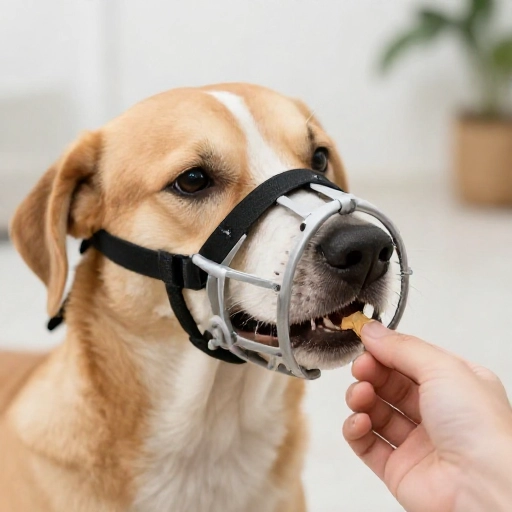
Hold the muzzle like a cup. Let your dog poke their nose in to get a treat. Don’t strap it yet. Just nose in, treat, nose out.
If your dog pulls back, slow down. Hold the muzzle further away. Toss treats into the opening. Let them choose to investigate.
The goal is simple: nose in equals good things. No pressure. No clicking straps. Just a happy game.
Buckle Up Slowly: Building Tiny Wins
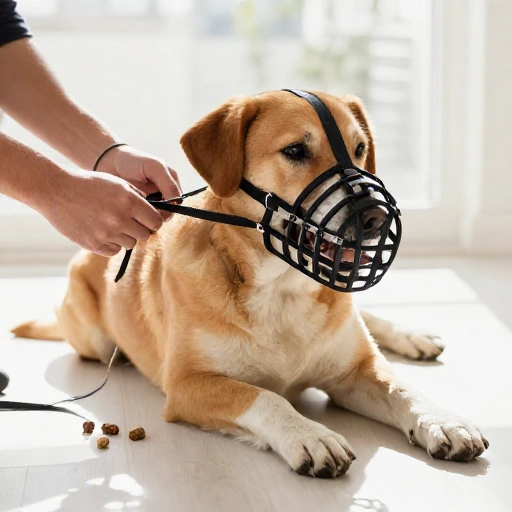
Once your dog is happily shoving their nose in, try holding the muzzle on for one second. Then treat. Then take it off.
Build up: two seconds, five seconds. Then touch the strap without buckling. Then buckle loosely for a moment.
If your dog shakes their head or paws at it, you went too fast. Go back a step. There’s no rush. Slow is smooth, smooth is fast.
Moving Past the Snout: Full Fit, Short Seconds
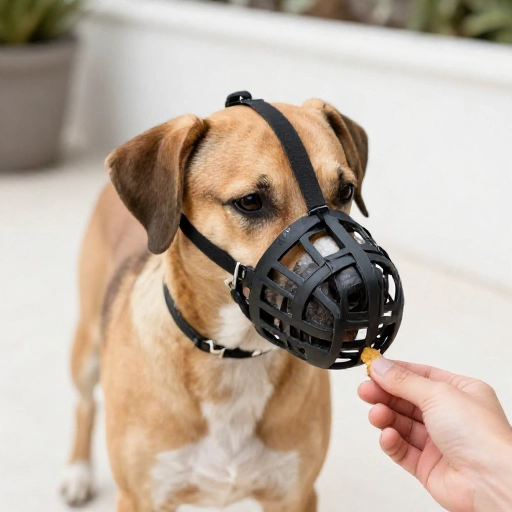
Now buckle the muzzle fully. Leave it on for three seconds. Treat through the basket. Take it off. Party time.
Gradually increase to 10 seconds, 30 seconds, one minute. Do this in different rooms. Add a few steps of walking.
I like to pair the muzzle with a happy phrase: “Muzzle up!” Then treat. That becomes their cue that good stuff is coming.
Adding Real-Life Distractions Without Panic
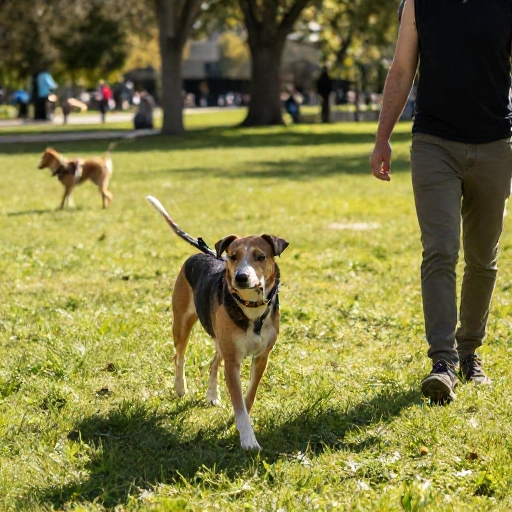
Once your dog can wear it for a few minutes calmly, add easy distractions. A quiet walk in the backyard. A chew toy. A friend standing far away.
Don’t jump straight to a busy vet clinic. That’s like asking a kid to perform surgery on day one. Build confidence first.
If your dog freezes or whines, back off. Distractions should be tiny. A leaf blowing. A car passing. Then treat.
Common Mistakes That Make Muzzles Scary
I made all these mistakes. The fix is always the same: slower, smaller, more treats. You’re not just fitting a muzzle. You’re building trust.
- Rushing the process. One bad session can set you back weeks.
- Using a muzzle only when something bad happens. Then it predicts scary stuff.
- Tight fit. If it rubs or pinches, your dog will hate it.
- Forgetting treats. A muzzle should mean cheese rain, not silence.
- Giving up after one try. Some dogs need 20 short sessions. That’s normal.
Pick one mistake you might be making. Fix it. Then move on. Your dog will tell you if you’re on the right track.
Real-Life Moments When a Muzzled Dog Shines
My dog wore a muzzle at the emergency vet after eating a sock. Because we trained, he walked in calm. The vet could examine him immediately. No sedation. No stress.
Another time, a friend’s dog got scared on a hike. The muzzle kept everyone safe while we helped him. It was a tool, not a label.
When your dog is muzzle-trained, you can go more places. You can help them through pain. You can be the calm in the storm. That’s the real win.
Conclusion: Safe, Not Scary
Muzzle training isn’t about making your dog look tough. It’s about making them feel safe. With a basket muzzle, smelly treats, and five-minute sessions, you can turn fear into a fun game.
Start today. Just one sniff. One treat. One second of wearing it. That’s progress. Your future self — and your dog — will thank you.
Remember: safe, not scary. You’ve got this.
FAQ
Q: How long does muzzle training take?
A: Every dog is different. Some get it in a week. Others need a month of short sessions. The key is consistency, not speed.
Q: Can my dog drink water with a muzzle on?
A: Yes, if you use a basket muzzle. They can pant and drink. Cloth muzzles don’t allow that, so skip them for training.
Q: What if my dog hates the muzzle?
A: Go back to step one. Treats on the floor. No pressure. If your dog is truly panicked, talk to a positive reinforcement trainer.
Q: Should I use a muzzle for aggression?
A: A muzzle can help manage aggression, but it’s not a fix. Pair it with training and vet advice. Safety first, always.
Q: How do I know the muzzle fits?
A: Your dog should be able to pant fully, open their mouth, and take treats. It shouldn’t rub or slide around. Measure twice, buy once.