How to Introduce a New Cat to Another Cat (Without the Drama)
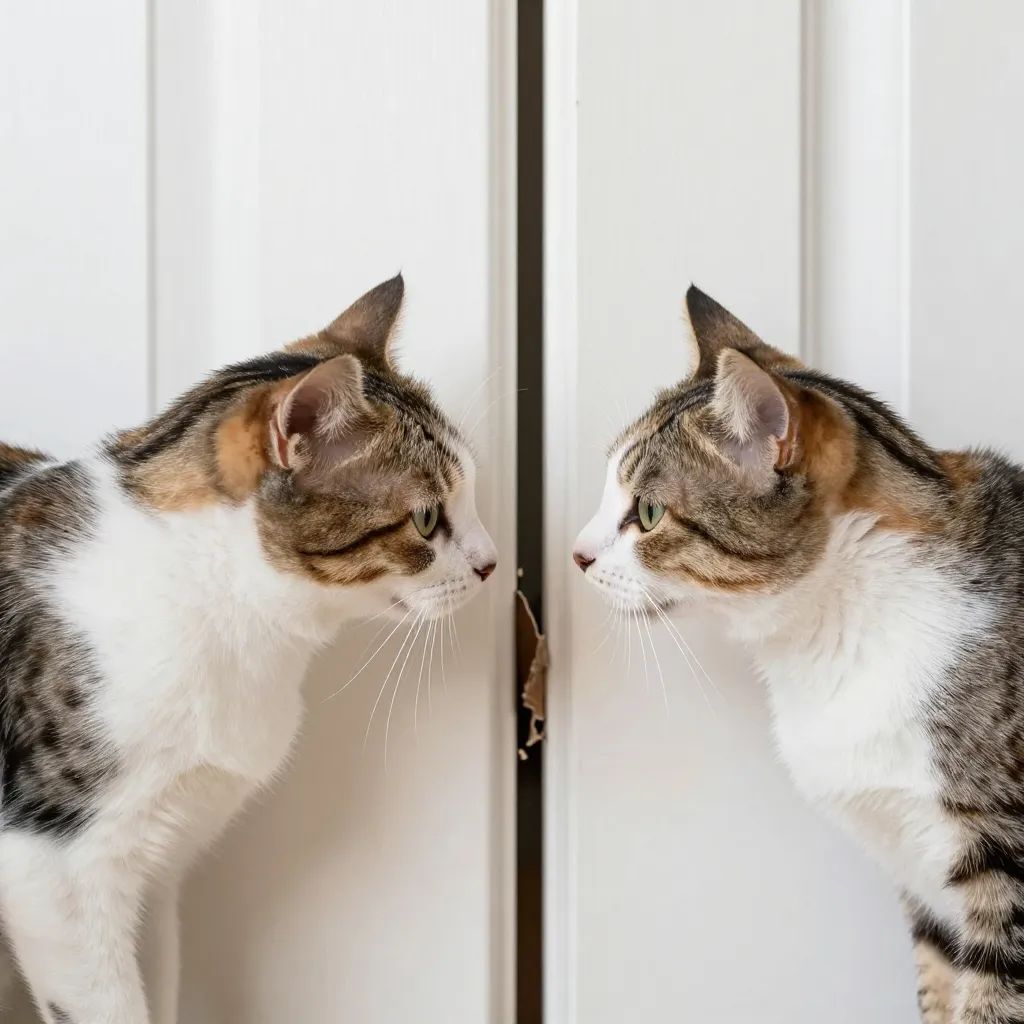
Bringing home a new cat is exciting, but if you already have a feline friend at home, your heart probably does a little flip-flop of worry. Will they hiss? Will they fight? Will my sweet resident cat suddenly hate me forever? I’ve been there, and I promise—it doesn’t have to be a disaster. With a little patience and a whole lot of scent swapping, you can help your cats become friends (or at least tolerate each other peacefully).
Think of cat introductions like a slow dance, not a race. Cats are territorial creatures, and rushing things is the fastest way to turn your living room into a hissing match. The goal here is to make your new cat feel welcome, and your resident cat feel safe. Let’s walk through the steps that actually work.
I’ve broken this down into ten simple, practical steps. Grab a treat pouch, take a deep breath, and let’s do this together.
1. Start with Total Separation
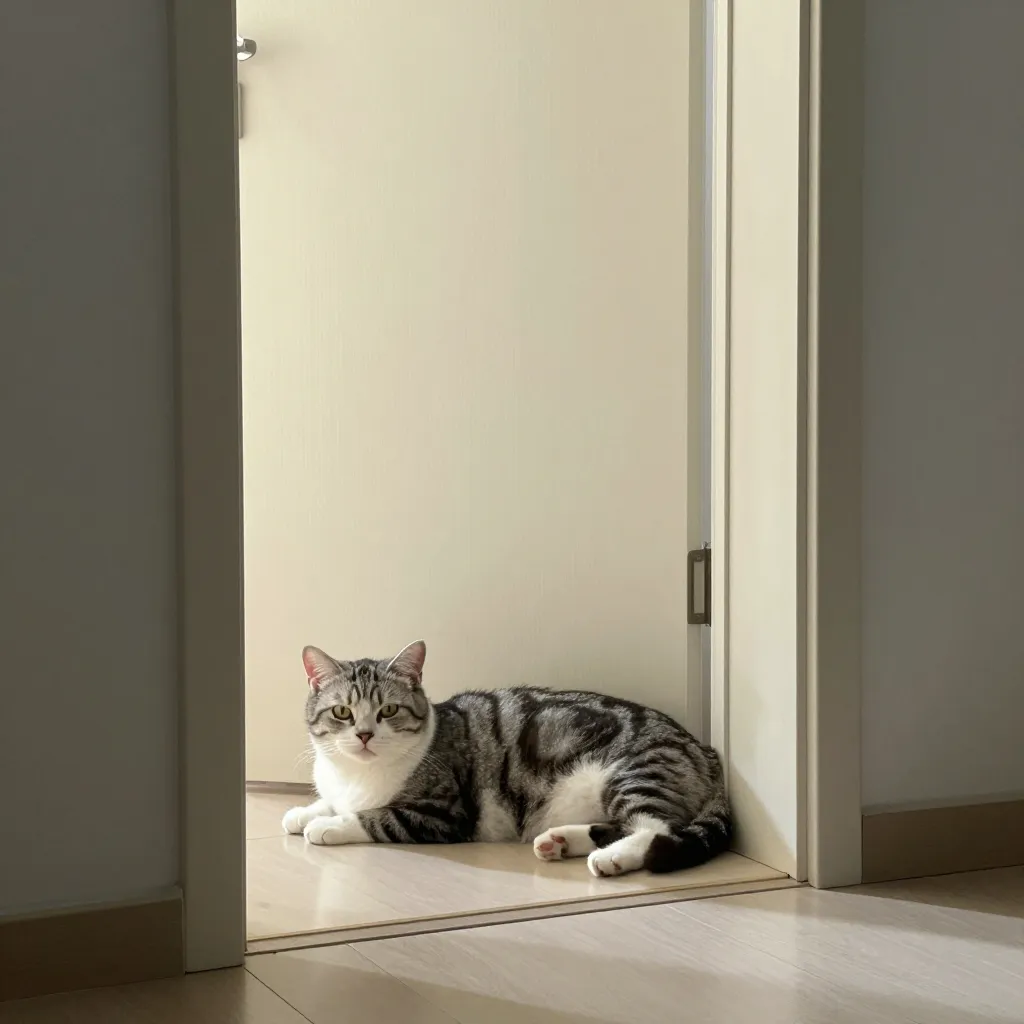
Before you even think about letting them see each other, set up a separate “safe room” for your new cat. This should be a quiet room with a door that closes—like a spare bedroom or even a large bathroom. Stock it with food, water, a litter box, a comfy bed, and a few toys.
Your resident cat will know someone is in there. That’s okay. Let them sniff under the door for a few days. This is the foundation of a calm introduction.
2. Swap Scents Before You Swap Sights
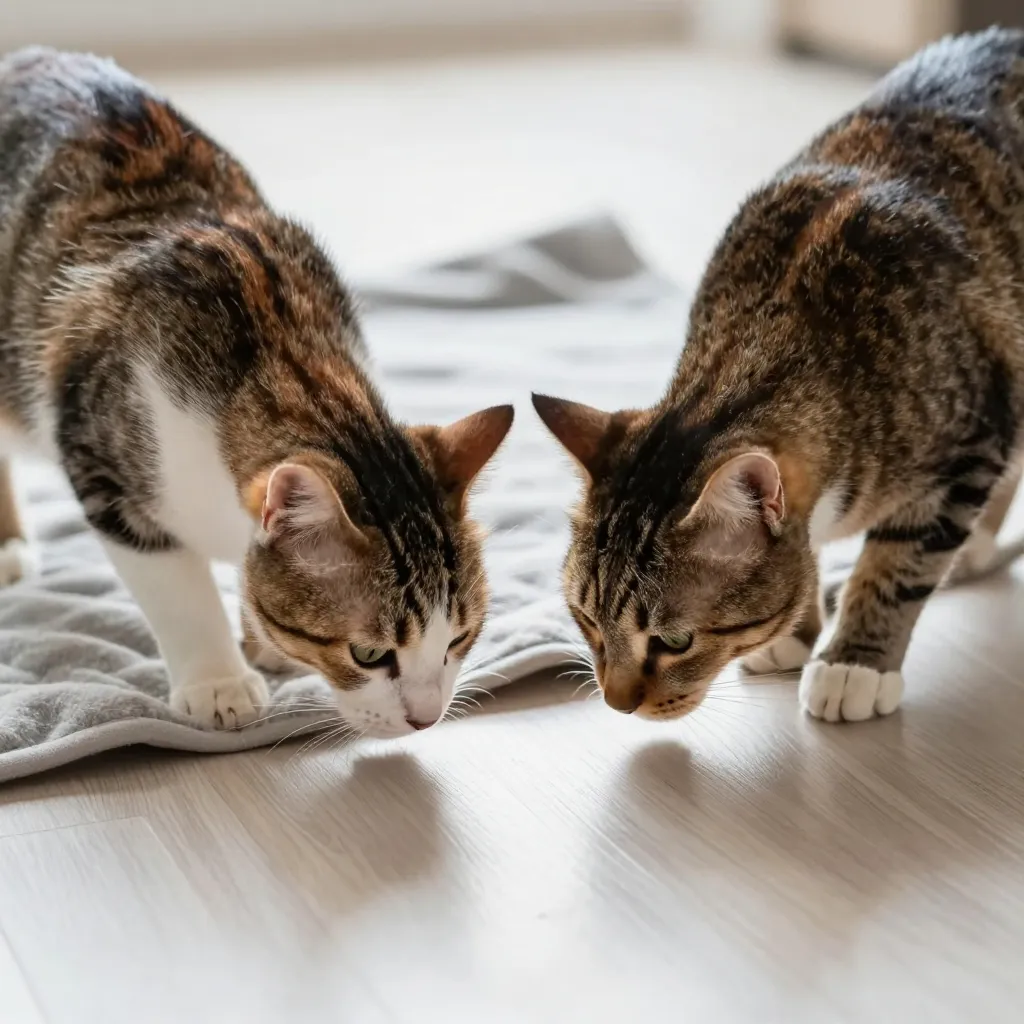
Cats live in a world of smell. Before they meet face-to-face, let them get used to each other’s scent. Take a soft cloth or a sock and rub it gently on your new cat’s cheeks and paws. Then, place that cloth near your resident cat’s favorite spot. Do the same with your resident cat’s scent for the newbie.
You can also swap their bedding or toys. This helps both cats feel like the other is just part of the house, not a stranger.
3. Feed Them on Opposite Sides of the Door
This is a classic trick that works like magic. Place their food bowls on opposite sides of the closed door from each other. Start with the bowls far apart so they can eat without stress. Over a few days, inch the bowls closer to the door.
Why does this work? They start associating the other cat’s smell with something good—like tasty food. It’s positive reinforcement in its purest form.

4. Try a Visual Barrier (Like a Baby Gate)
Once they’re eating calmly near the door, it’s time for a peek. Use a tall baby gate or stack two gates in the doorway. This lets them see each other without having full access. For extra safety, cover the bottom part with a towel so they can only see each other’s faces.
Sit nearby with treats. If either cat stares or hisses, distract them with a toy or a treat. Keep these sessions short—just 5 to 10 minutes.

5. Use a Carrier for the First Face-to-Face
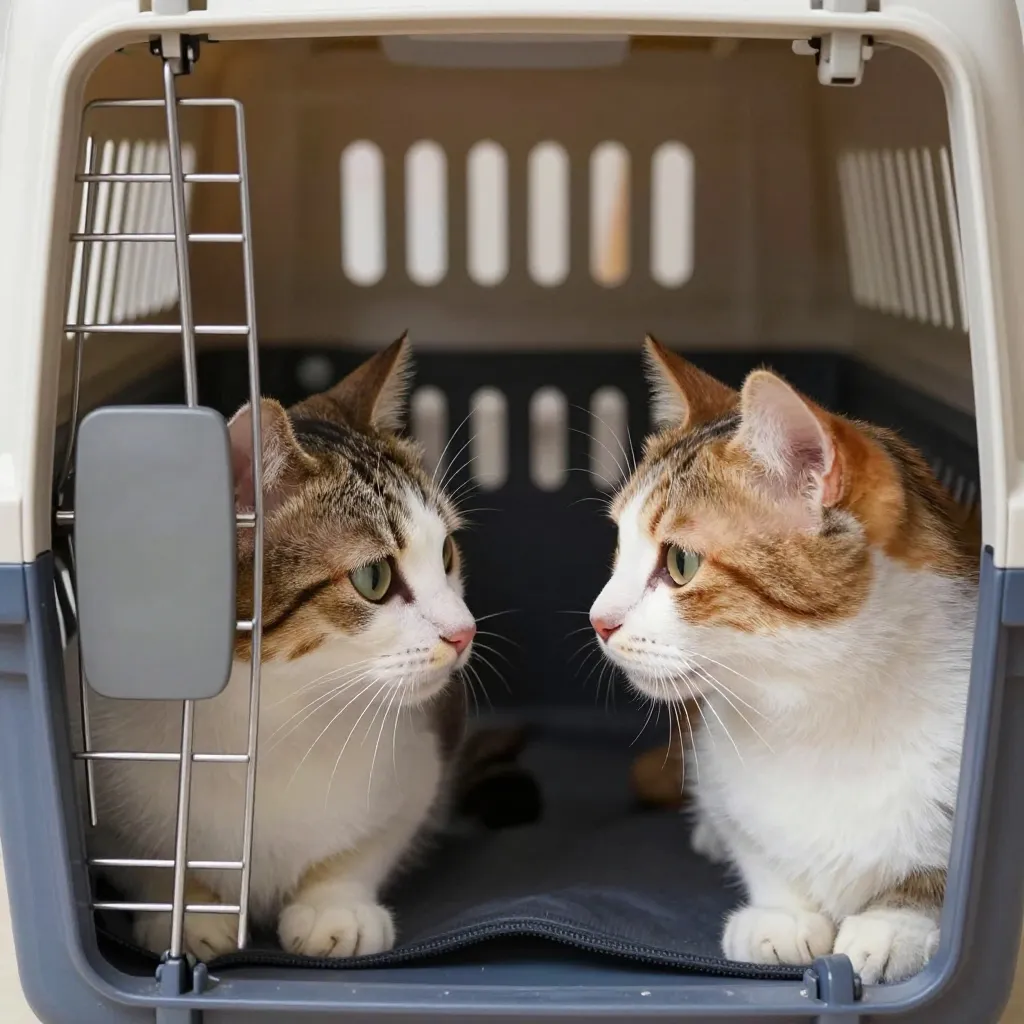
When you’re ready for a supervised meeting, put your new cat in a cat carrier and place it in the middle of the room. Let your resident cat approach and sniff. Keep treats handy for both. This gives your resident cat a safe way to check out the newbie without anyone getting cornered.
If the resident cat seems relaxed, give them a treat. If they hiss, don’t panic—just end the session and try again later. Slow and steady wins this race.
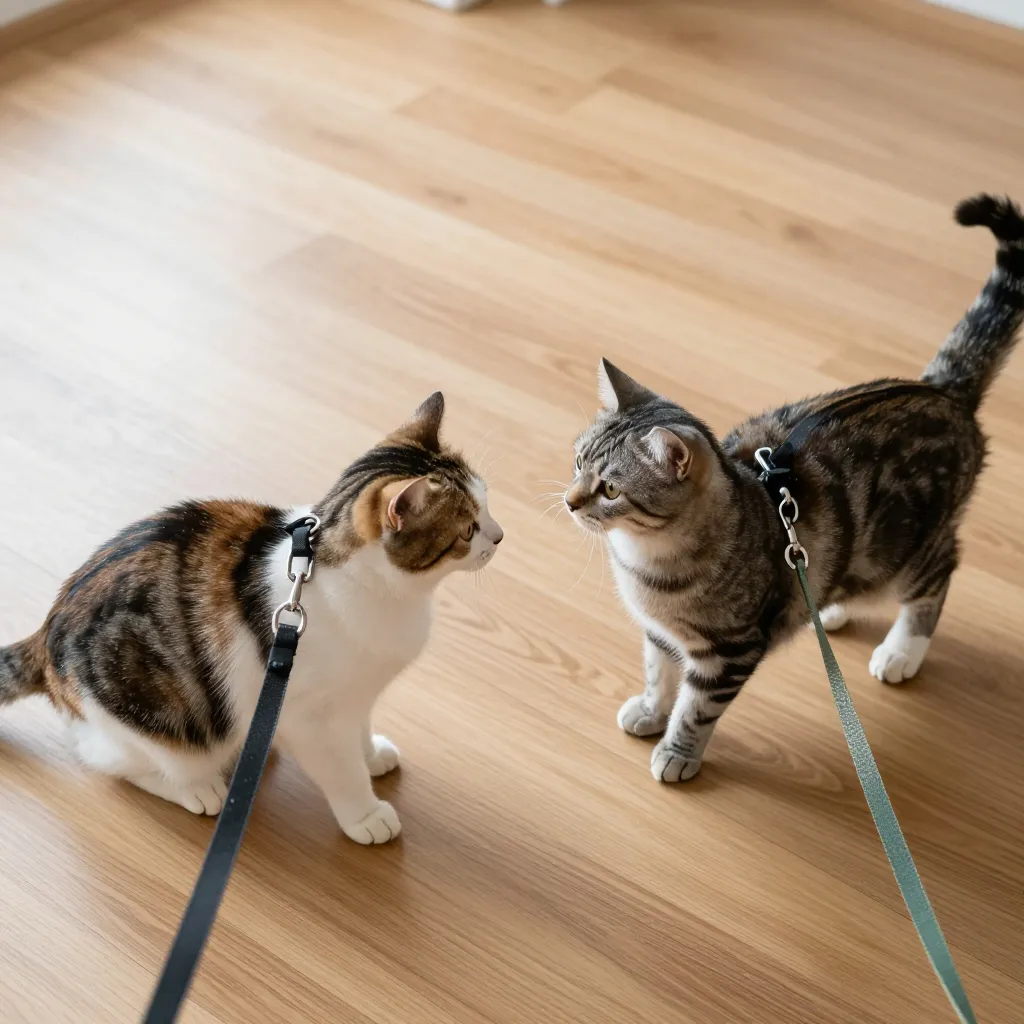
6. Let Them Meet with a Leash or Harness
If the carrier meetings go well, try a short, supervised session where both cats are free (but one is on a harness and leash). This gives you control if things get tense. Let them sniff noses for a few seconds, then separate. Gradually increase the time as they relax.
Watch their body language: ears forward, slow blinking, and a relaxed tail are good signs. Puffed tails, growling, or flattened ears mean you need to slow down.
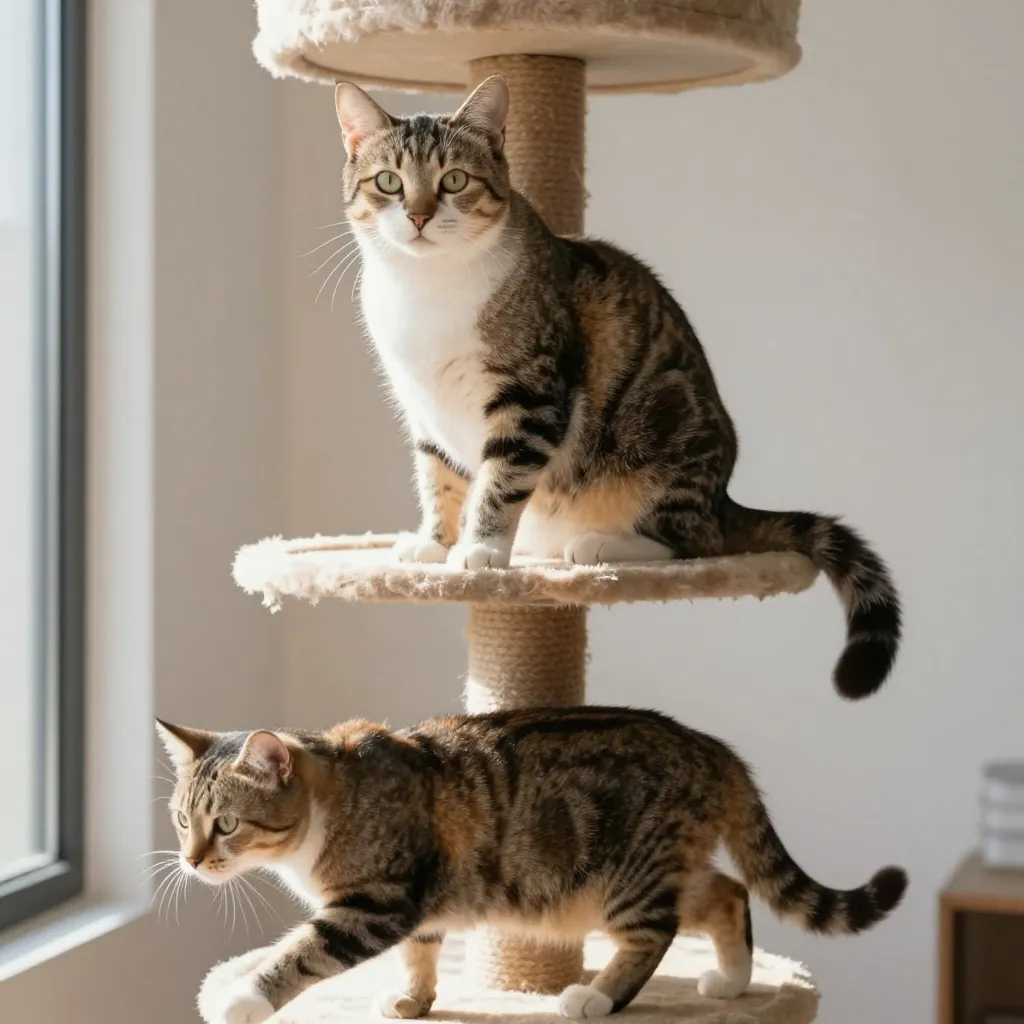
7. Create High Perches and Escape Routes
Before you let them roam together freely, make sure your space has plenty of escape routes. Cat trees, shelves, or tall furniture let each cat retreat to a safe spot if they feel overwhelmed. This reduces the chance of a fight because nobody feels trapped.
Spread out resources too—multiple litter boxes, food bowls, and water stations in different rooms. This prevents resource guarding.
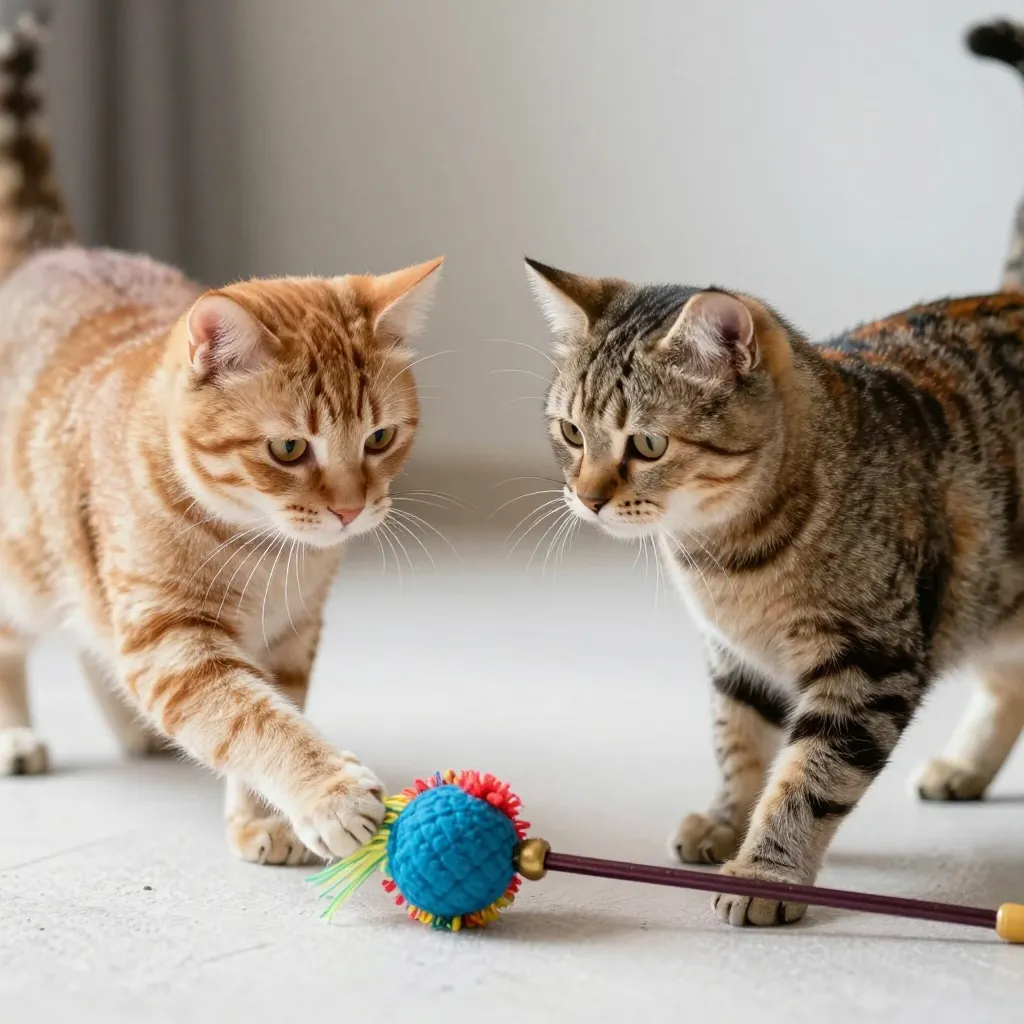
8. Play Together to Build Positive Associations
Once they can be in the same room without hissing, try a joint play session. Use a wand toy or laser pointer and let both cats chase it together. This turns their focus away from each other and onto a fun activity. It also releases pent-up energy.
Keep sessions short and positive. Reward calm behavior with treats and gentle praise. The more good memories they make together, the faster they’ll bond.
9. Don’t Force Cuddles or Physical Contact
I know it’s tempting to scoop them up and plop them on the couch together, but don’t. Let them set the pace. Some cats become best friends in a week; others take months. Forcing them to share a lap can backfire and make them dislike each other.
Instead, let them choose to sit near each other if they want. If they do, reward that with a calm, quiet voice or a treat. Respect their boundaries.

10. Be Patient and Watch for Signs of Stress
Patience really is the secret ingredient here. Watch for signs of stress in both cats: hiding, not eating, over-grooming, or avoiding the litter box. If you see these, take a step back. It’s okay to go back to separate rooms for a few more days.
Every cat is different. Some cats are social butterflies, others are homebodies. Trust their timeline, not an Instagram post that shows two cats cuddling after three days. You’ve got this.

Conclusion
Introducing a new cat to your resident cat doesn’t have to be stressful. It’s all about moving slowly, using scent, and letting them set the pace. Remember, hissing and growling are normal at first—it’s just talk. With patience, treats, and a calm environment, most cats can learn to coexist peacefully, and many even become best friends. You’re doing a great thing by giving a cat a loving home. Be kind to yourself and your furry ones during this process.
[[IMG:IMG12]]
Frequently Asked Questions
How long does it take for cats to get used to each other?
It can take anywhere from a few days to several months. The average is about two to four weeks for them to feel comfortable. Some cats bond instantly, but most need time. Patience is key.
What if my cats start fighting?
If they fight, don’t yell or grab them. Make a loud noise (like clapping) or throw a pillow nearby to distract them. Separate them immediately and go back to the separation phase for a few days. Never let them “fight it out.”
Should I let my cats hiss at each other?
Yes, a little hissing is normal. It’s how cats communicate “back off.” If it’s just a few hisses and then they walk away, that’s okay. If it escalates to growling and swatting, separate them.
Can I introduce a kitten to an older cat?
Yes, but older cats can be grumpy about a hyper kitten. Give your older cat plenty of quiet spaces to escape. Supervise playtime and make sure the kitten doesn’t pounce on the older cat too much. With time, they often become great companions.
What if my resident cat stops eating?
Stress can cause appetite loss. If your resident cat stops eating for more than a day, call your vet. In the meantime, try feeding them in a separate room away from the new cat. Sometimes a little space is all they need.