
How to Mentally Stimulate Your Cat (Without Buying a Bunch of Toys)
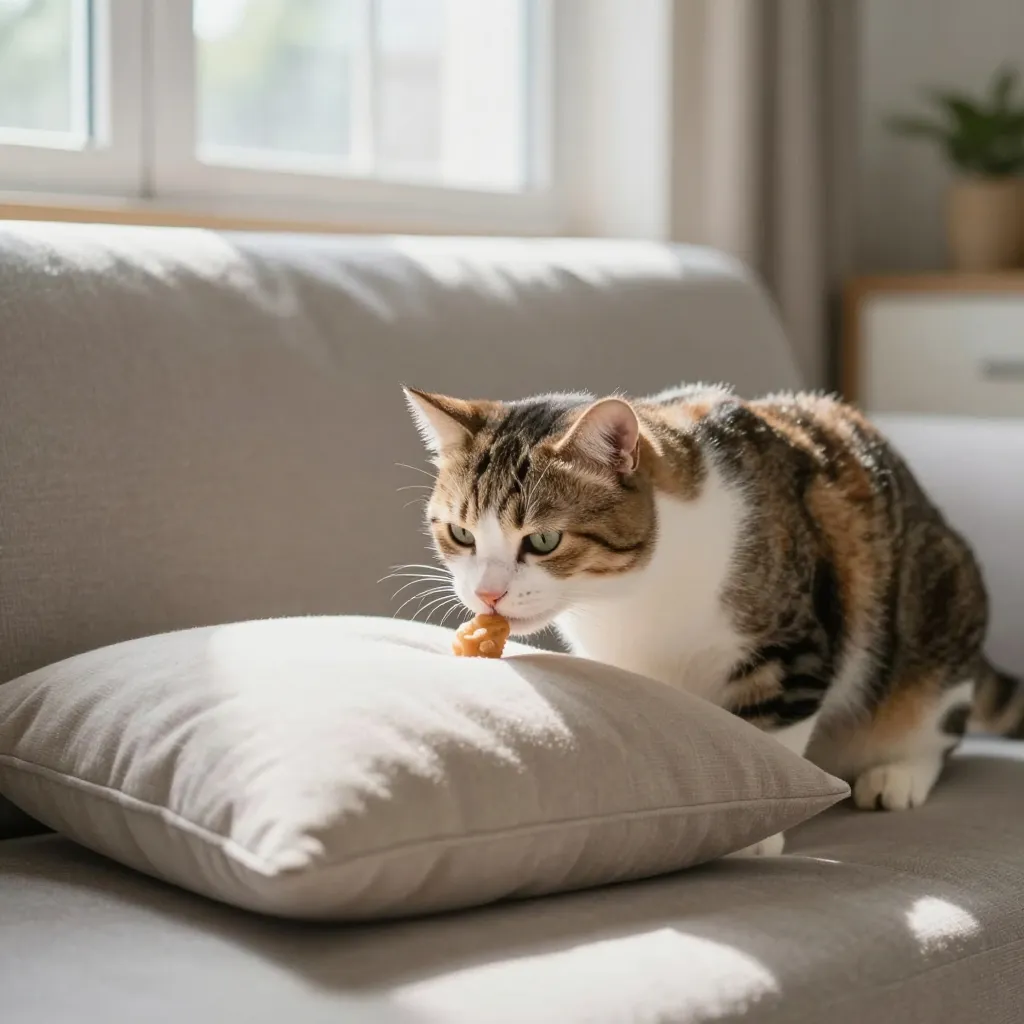
I love my cat, but sometimes I catch her staring at the wall for twenty minutes. That’s when I know she’s bored. A bored cat isn’t just a sleepy cat—she’s a cat who might start knocking things off shelves or scratching the sofa. Mental stimulation is the secret to a happy, calm kitty.
The good news? You don’t need a closet full of expensive gadgets. Most of these ideas use things you already have at home. Let’s get your cat’s brain working.
1. Hide Treats Around the House
Instead of dumping kibble in a bowl, scatter a few pieces around the house. Put one under a rug, another on a low shelf, and one inside a cardboard box. Your cat has to use her nose and eyes to find each one.
This mimics foraging in the wild. It’s simple but keeps her busy for a good fifteen minutes. Start easy so she doesn’t get frustrated. You can make it trickier as she gets the hang of it.
2. Create a Paper Bag Playground
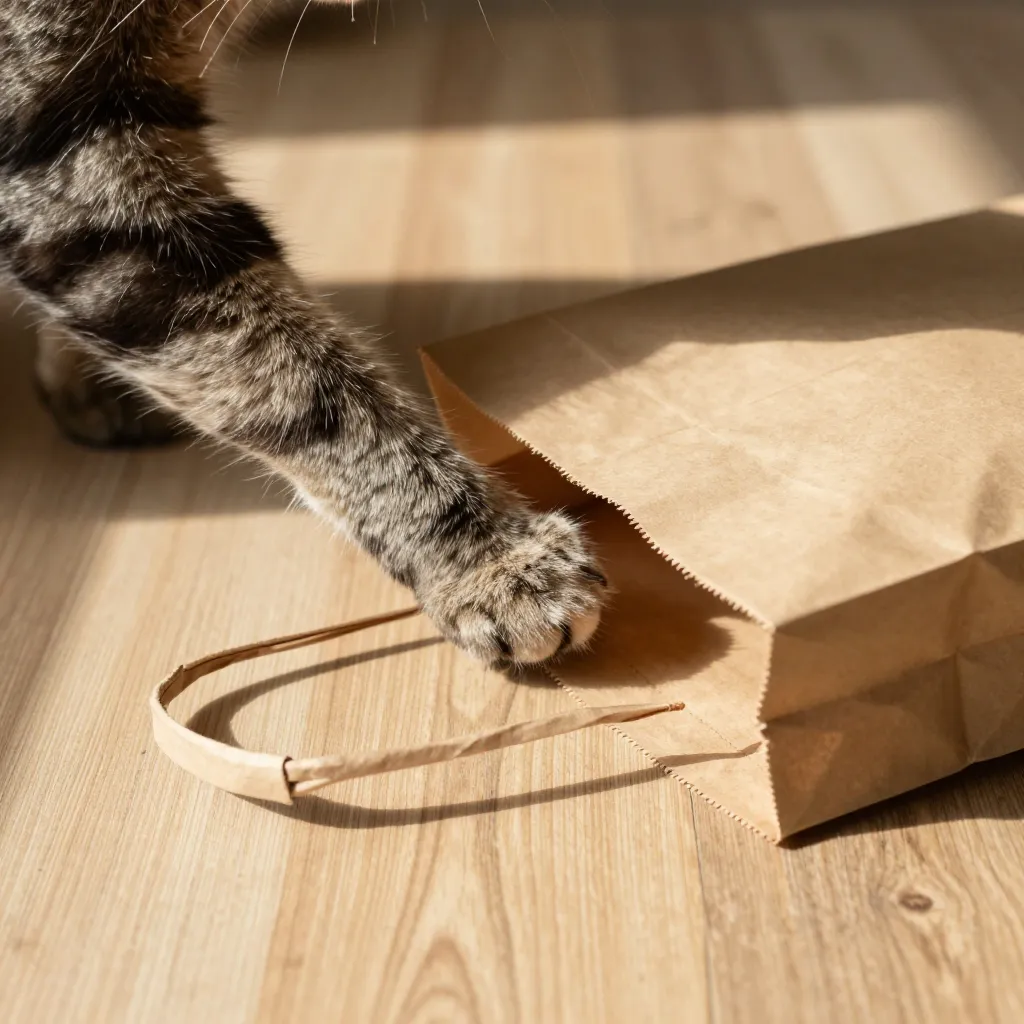
Take a couple of brown paper bags (no handles, please—safety first). Crumple them up a bit, then lay them on the floor. Your cat will pounce, sniff, and explore every crinkle. You can even toss a small toy inside to spark her curiosity.
Paper bags are weirdly irresistible to cats. The sound alone gets their attention. Just supervise so she doesn’t chew and swallow any pieces.
3. Try the “Treat Under Cup” Game
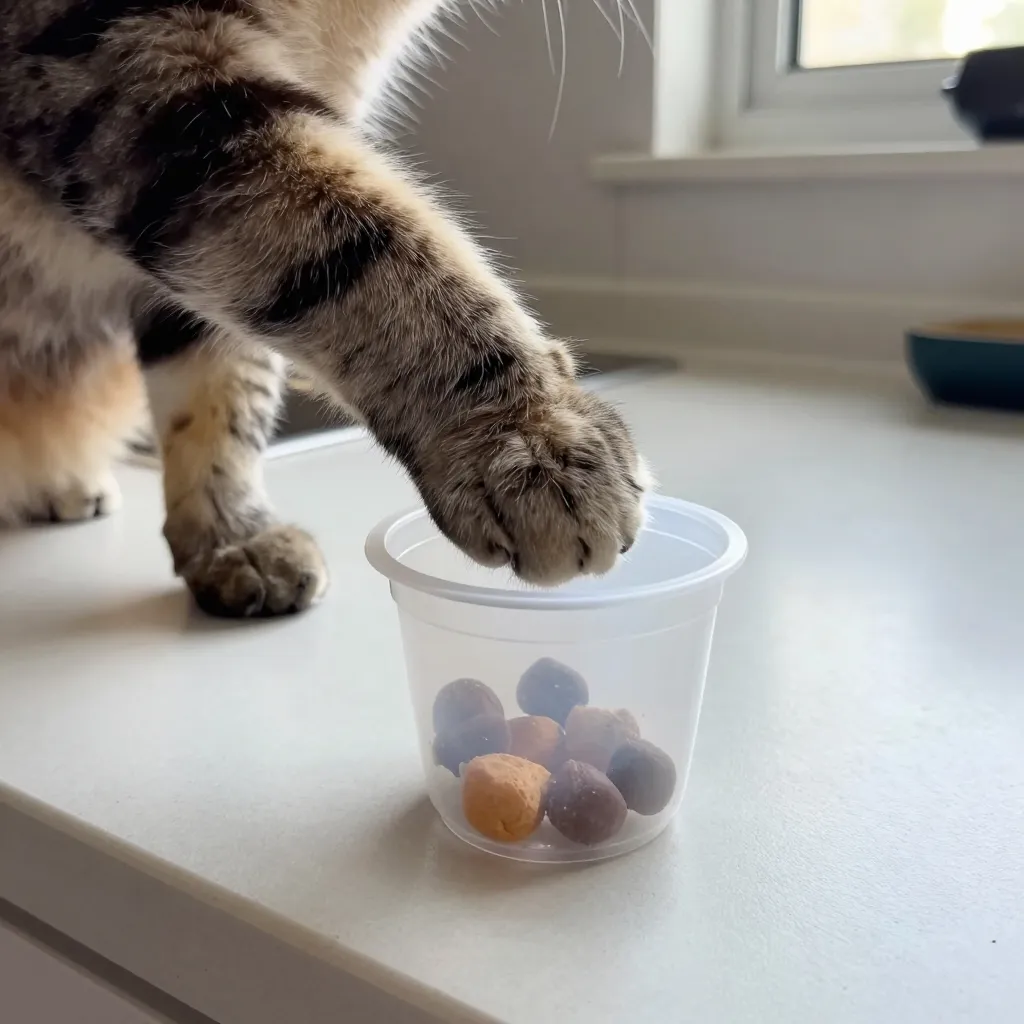
Grab three plastic cups. While your cat watches, hide a treat under one cup. Slide the cups around a little, then let her guess which one has the prize. She’ll tap the cup with her paw or nudge it with her nose.
This is basically cat-level shell game. It builds focus and problem-solving. If she figures it out fast, speed up the moves. She’ll love the challenge.
4. Set Up a Bird-Watching Station
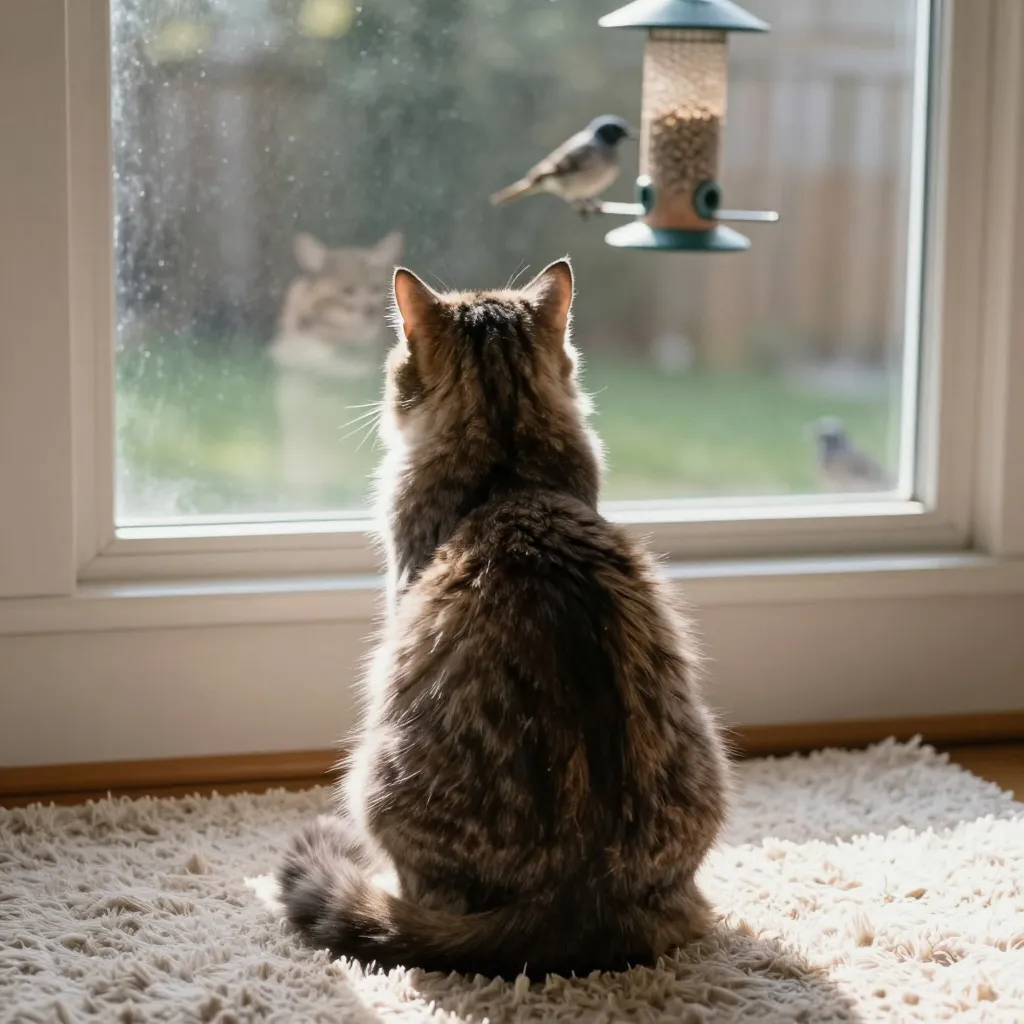
Place a soft bed or a cushion near a window where birds visit. You don’t need a feeder—just a clear view of the bushes or trees outside. Your cat can watch for hours, tracking every flutter and chirp.
If you want to make it even better, put a small shelf right at window level. She gets a front-row seat to nature’s show. It’s free, effortless, and endlessly entertaining for her.
5. Rotate Her Toys (Out of Sight, Out of Mind)
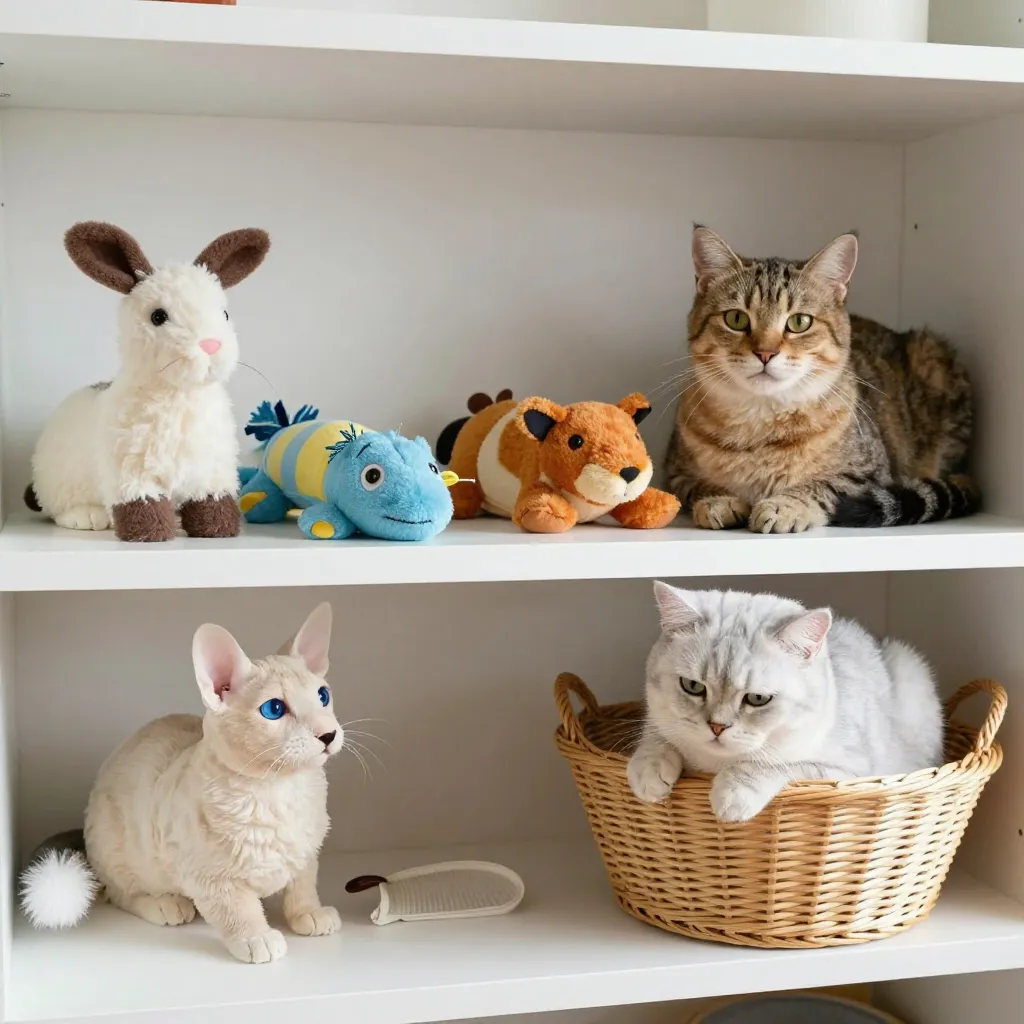
Cats get bored of the same toys after a few days. I keep a small bin of toys in the closet. Every week, I swap out three toys for three different ones. Suddenly, the old toy feels brand new.
You don’t need more toys—you just need to hide them for a while. The novelty reawakens her hunting instincts. It’s the simplest trick in the book, but it works every time.
6. Use Puzzle Feeders at Mealtime
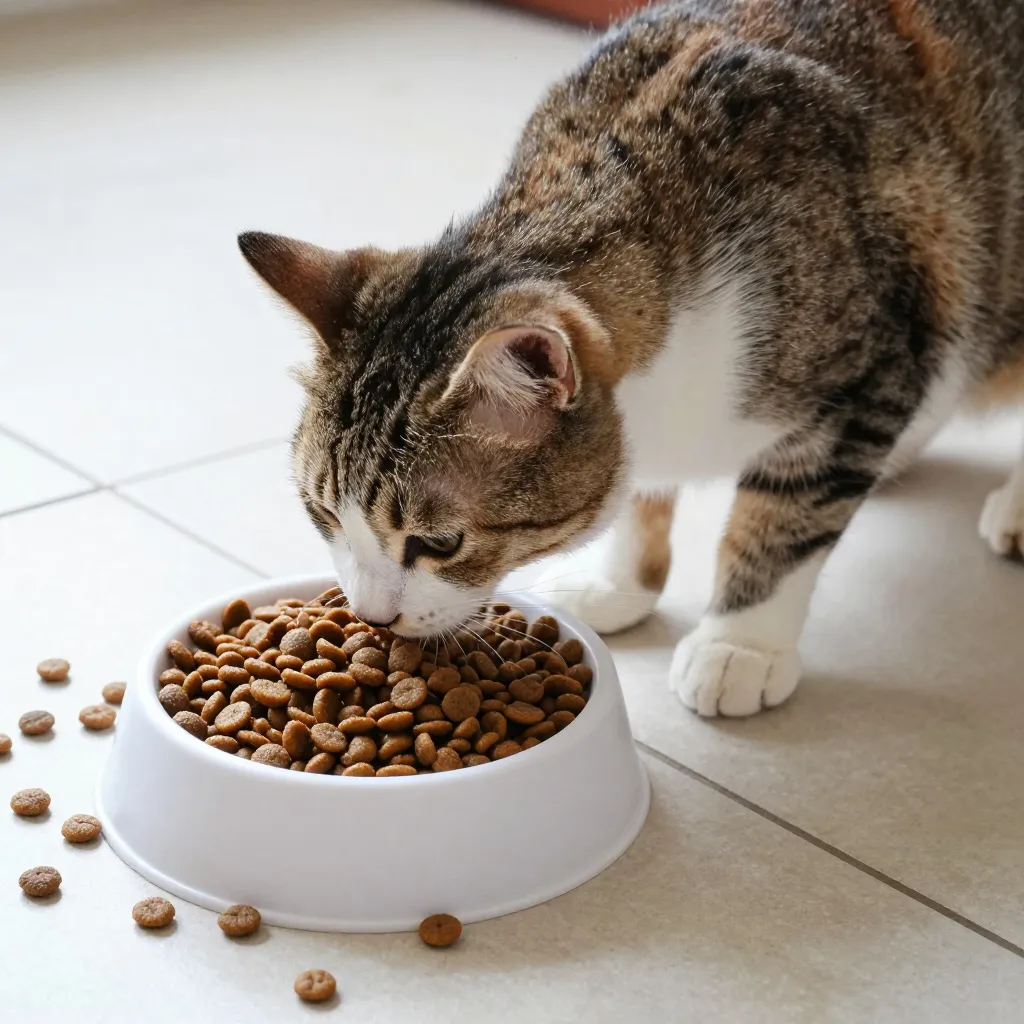
Instead of a regular bowl, put her dry food in a puzzle feeder. These are little mazes where she has to bat or scoop the kibble out. It slows down eating and gives her brain a workout.
If you don’t have a puzzle feeder, make one. Poke holes in a small plastic bottle (big enough for kibble to fall out) and let her roll it around. She’ll figure it out quickly, and it keeps her busy for a good twenty minutes.
7. Teach Her a Simple Trick
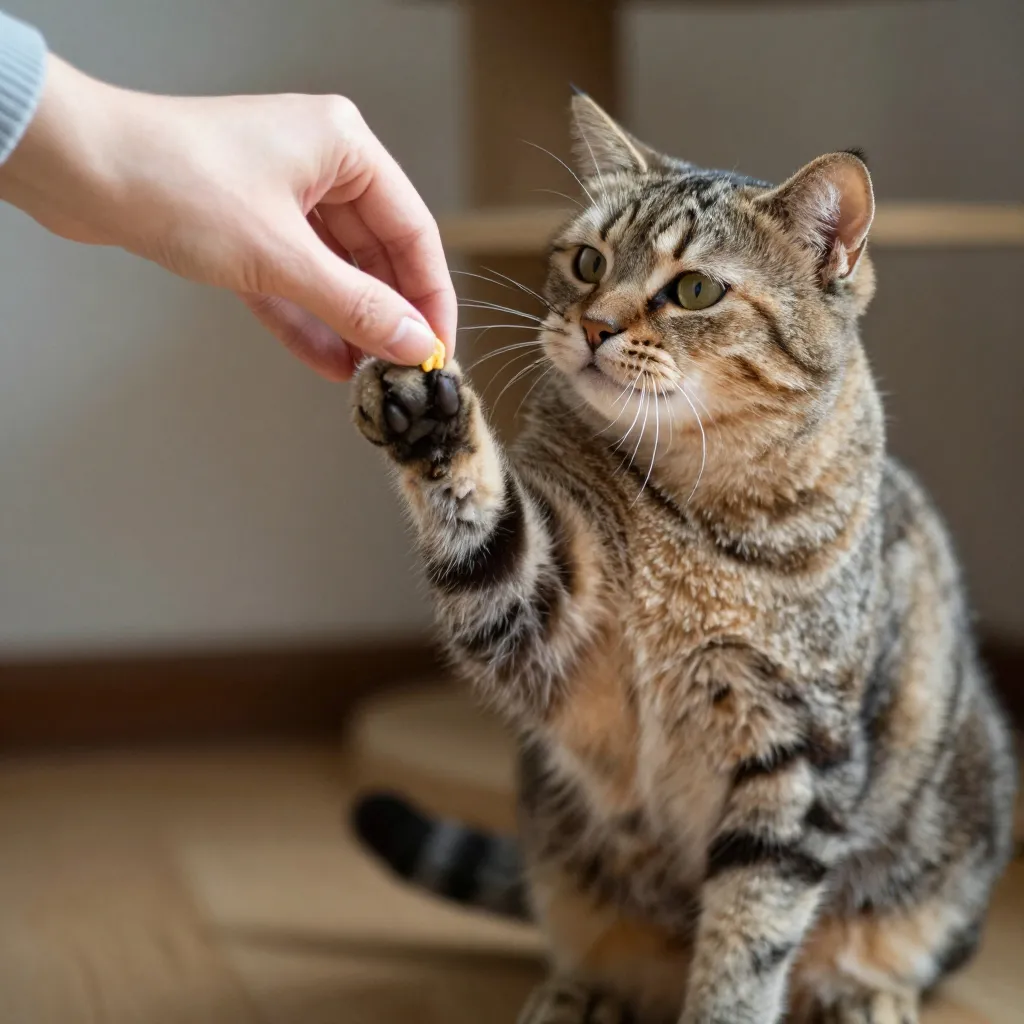
Cats can learn tricks—yes, really. Start with something easy like “touch.” Hold a treat near your hand, and when she sniffs or touches your fingers, say “yes” and give her the treat. Do this five times a day for a week.
You can move on to “sit” or “high five.” Keep sessions short—two minutes max. Cats learn through positive association, not force. It’s a great way to bond and stimulate her mind at the same time.
8. Build a Cardboard Castle
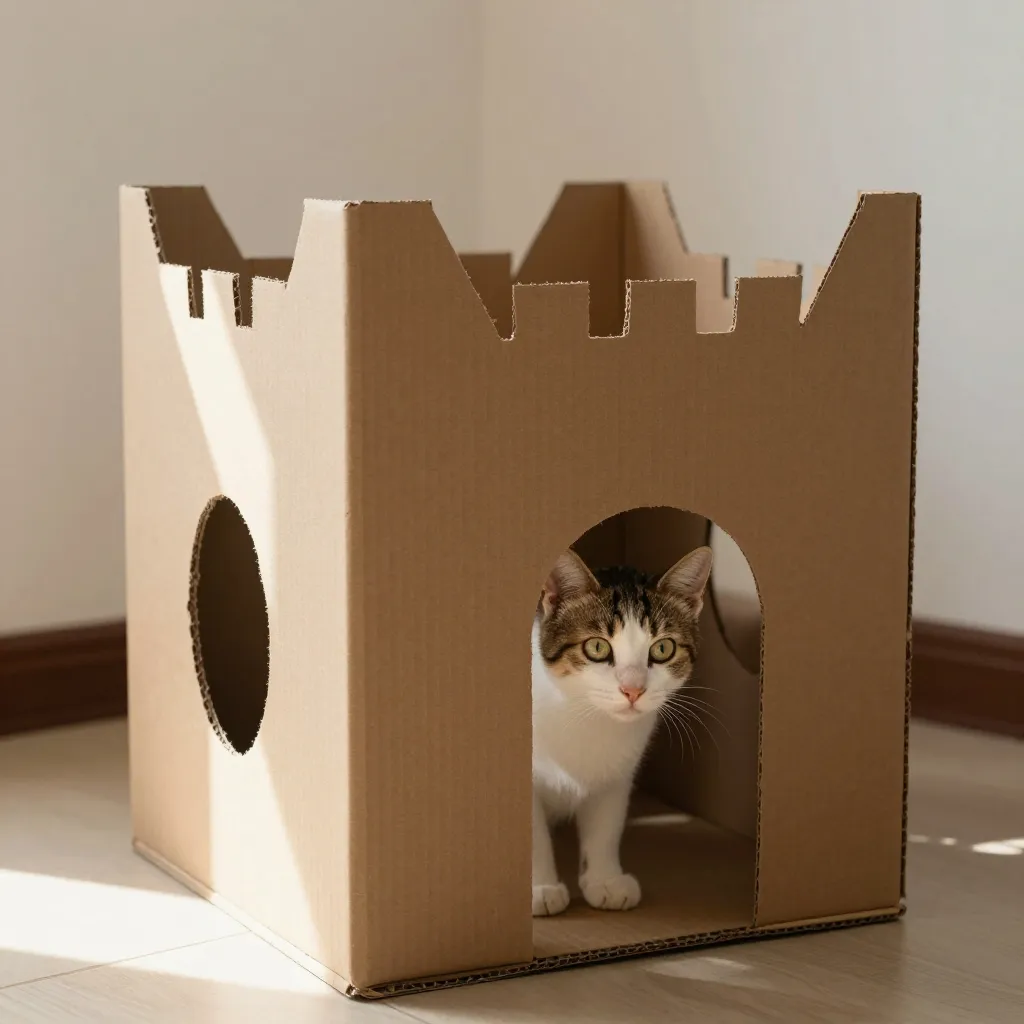
Save your delivery boxes. Tape two or three together to make tunnels and hideaways. Cut simple holes for doors and windows. She’ll explore every corner, pounce on imaginary prey, and nap in the dark spots.
The best part? You can change the shape every few weeks. Just add a new box or rearrange the tunnels. It’s like her own personal adventure playground, and it costs next to nothing.
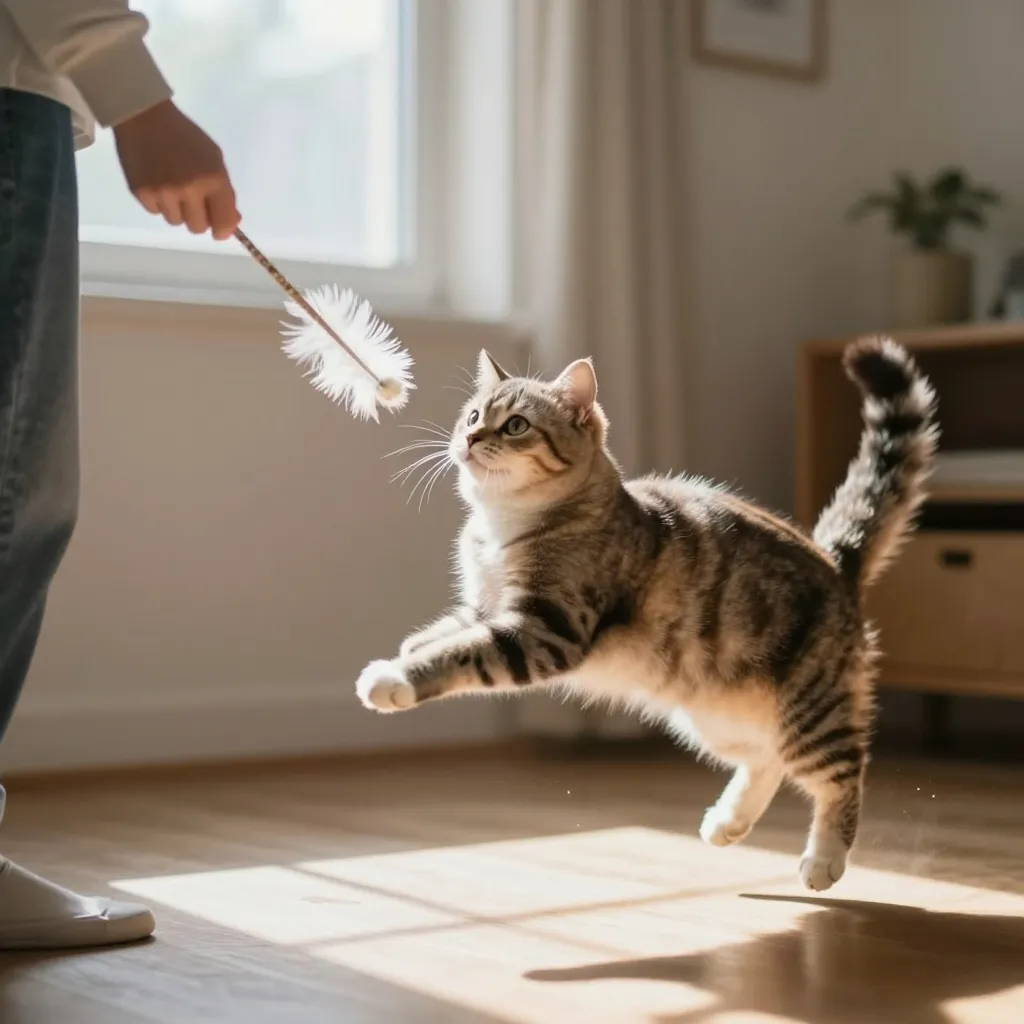
9. Play “Find the Toy” with a Wand
Drag a wand toy behind a couch or under a blanket, then pause. Let your cat stalk and pounce. The key is to mimic real prey—move erratically, stop, then move again. Don’t just wave it around wildly.
This is about the hunt, not just the chase. Let her catch the toy sometimes so she feels successful. A few minutes of this is more mentally tiring than an hour of aimless play.
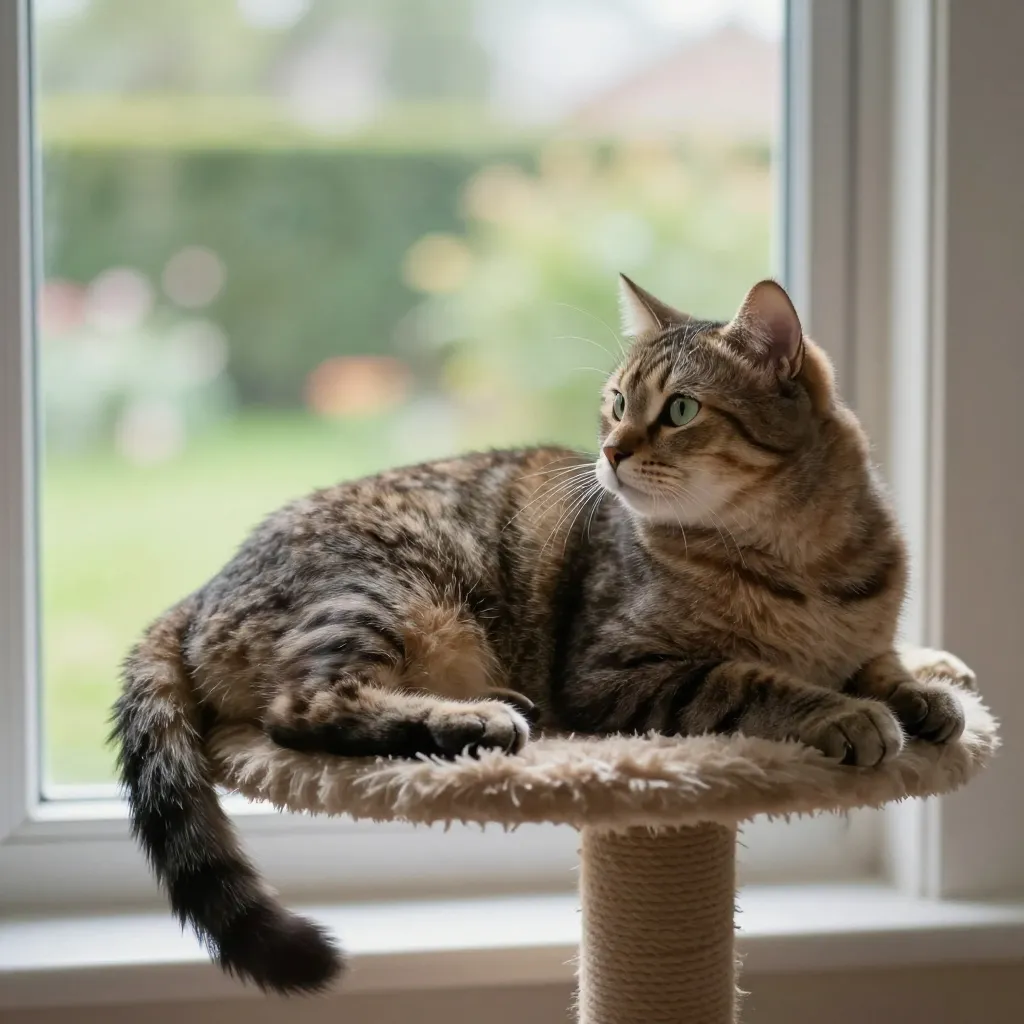
10. Give Her a Safe Outdoor Viewing Spot
If you have a balcony or a screened porch, set up a cozy spot with a blanket. Let her sit there for a while, watching the world go by. She’ll see squirrels, people, leaves blowing—it’s like TV for cats.
Even a window with a view of a busy street can work. The movement and sounds trigger her natural curiosity. Just make sure the area is safe and escape-proof. It’s a simple way to give her a mental break from indoor life.
Conclusion
Mentally stimulating your cat doesn’t have to be complicated or expensive. A few small changes to her daily routine can make a huge difference in her happiness and behavior. Try one or two of these ideas this week. You’ll probably notice your cat is calmer, more playful, and less likely to cause trouble. And honestly? Watching her figure things out is pretty entertaining for us humans too.
Frequently Asked Questions
How much mental stimulation does a cat need each day?
Aim for two to three short sessions (about 10–15 minutes each) spread throughout the day. Even five minutes of focused play or puzzle solving can help. The goal is variety, not marathon sessions.
Can I overstimulate my cat?
Yes. If your cat starts hissing, swishing her tail fast, or hiding, she’s had enough. Stop and let her relax. Overstimulation can lead to stress or aggression. Watch her body language and follow her lead.
What if my cat ignores all these ideas?
Some cats are picky. Try different textures, sounds, or times of day. A cat that ignores a toy at noon might be all over it at midnight. Patience is key. Also, make sure she isn’t sick or in pain—check with your vet if she seems unusually uninterested.
Are puzzle feeders safe for all cats?
Most are, but supervise the first few times. Some cats get frustrated and may try to break the feeder. Start with an easy puzzle and work up to harder ones. If she gets stressed, go back to a simpler version.
Do older cats need mental stimulation too?
Absolutely. Senior cats can still enjoy gentle puzzles, soft wand play, and treat hunts. Adjust the difficulty to match their energy and mobility. Mental exercise can help keep their mind sharp as they age.