Hypoallergenic Cat Breeds That Actually Make Sense for Allergy Sufferers
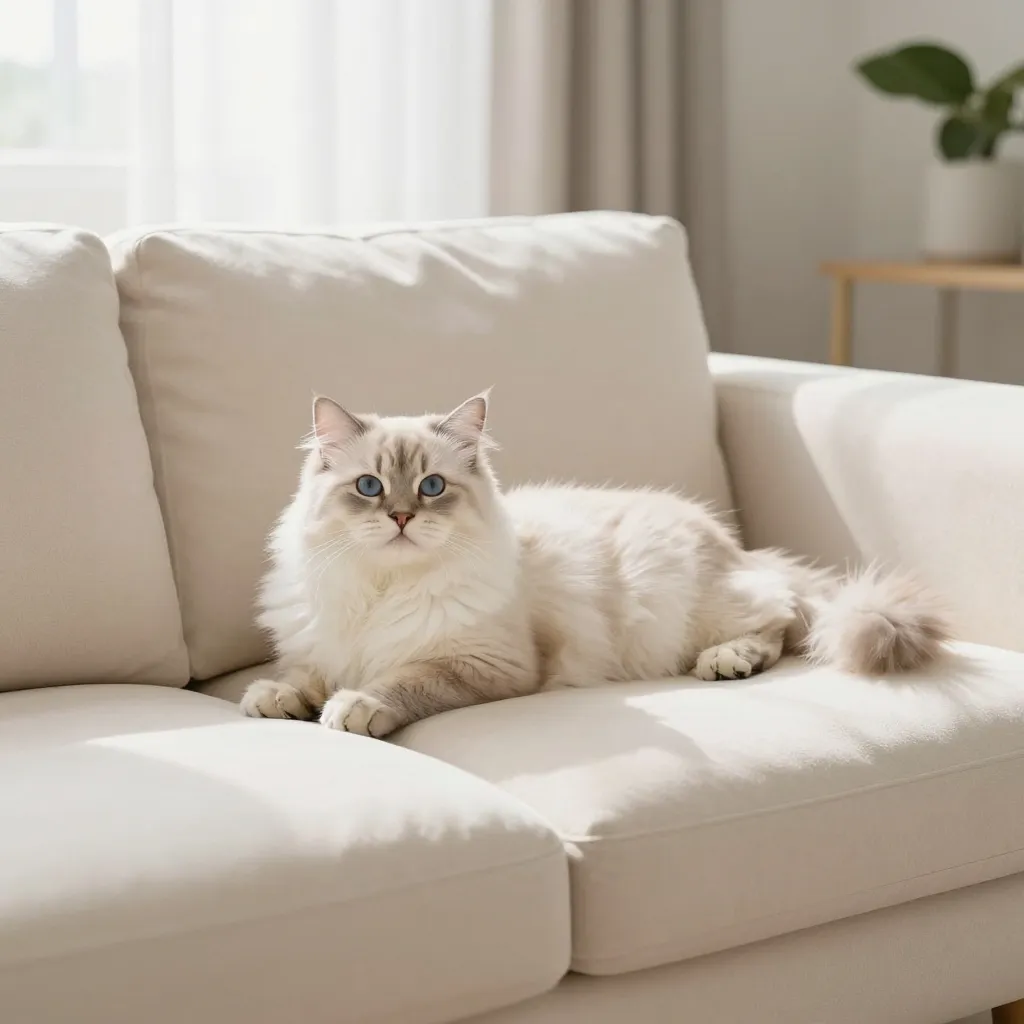
I remember the first time I fell in love with a cat. I was at a friend’s house, and this fluffy gray Persian curled up in my lap. Within ten minutes, my eyes were watering, my nose was running, and I could barely breathe. That’s when I realized I had a problem. I wanted a cat so badly, but my allergies said no.
For years, I thought I’d never be able to have a feline friend. Then I discovered that some cat breeds produce fewer allergens than others. It’s not about being completely allergen-free—that’s a myth—but about finding breeds that make life with allergies much more manageable. I’ve done the research, talked to breeders, and even tested a few of these breeds myself.
If you’re like me and love cats but dread the sneezing, here are the hypoallergenic cat breeds that might just change everything.
Siberian Cat
This breed surprised me the most. Siberians have long, thick coats, so you’d think they’d be terrible for allergies. But they actually produce lower levels of the Fel d 1 protein, which is the main culprit behind cat allergies.
I visited a Siberian breeder once, and she let me hold a kitten for almost an hour. No sneezing, no itchy eyes. I was shocked. Many owners report the same experience.
They’re also incredibly affectionate and dog-like in their loyalty. If you want a big, fluffy cat that won’t wreck your sinuses, start here.
Balinese Cat
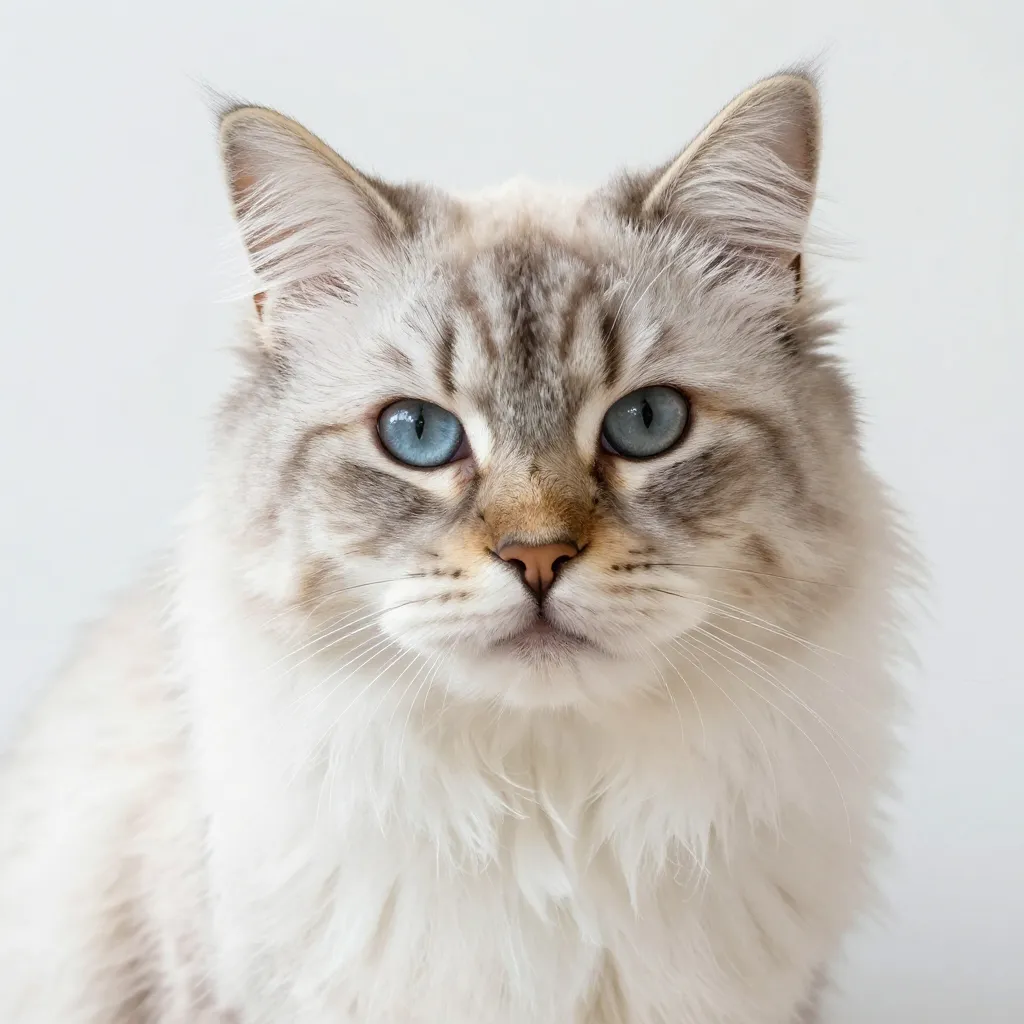
Balinese cats are often called the “long-haired Siamese.” They have that elegant, sleek look but with a silky coat that doesn’t mat easily. What makes them special is that they produce less of the allergen protein than most other breeds.
I’ve heard from multiple owners that they can cuddle with their Balinese for hours without any reaction. Their coat is single-layered, which means less shedding and less dander floating around your home.
Plus, they’re smart and chatty. If you like a cat that will talk back to you, this is a great pick.
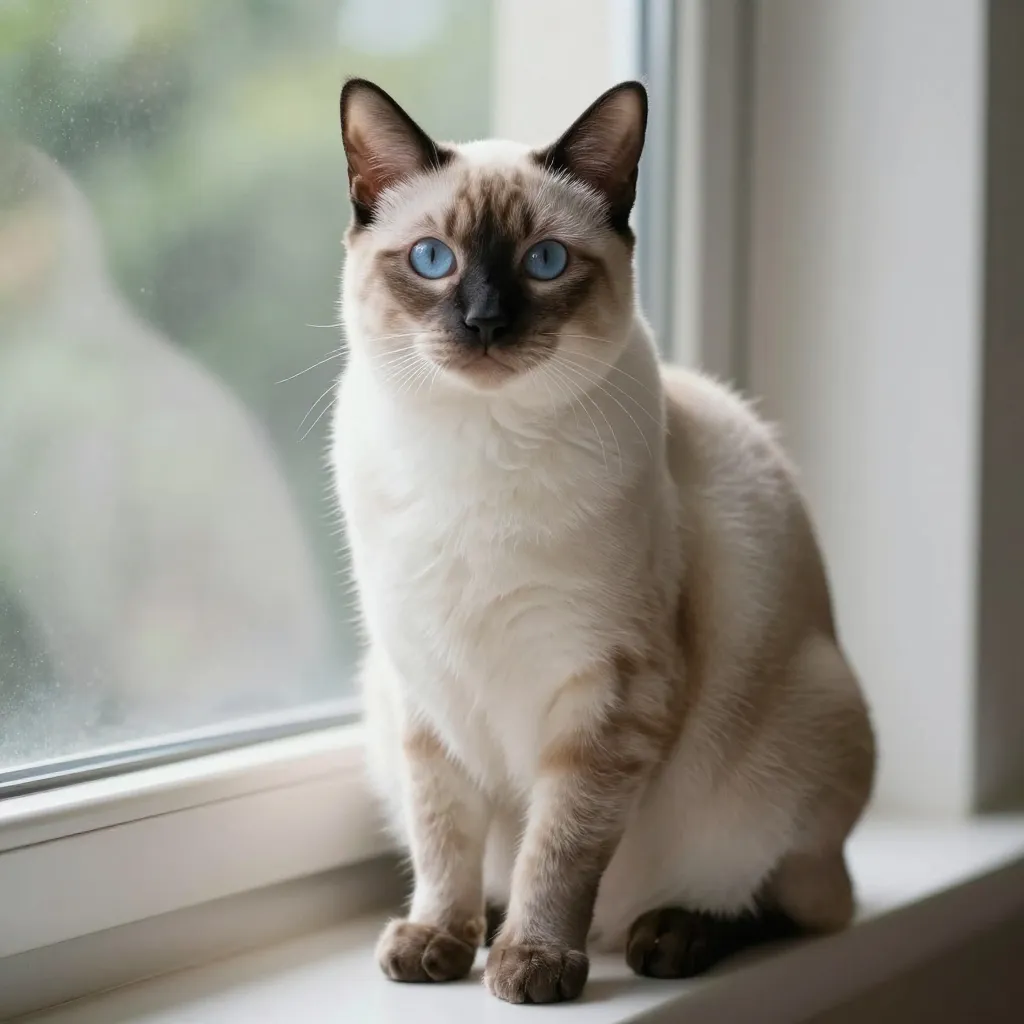
Cornish Rex
This breed has a short, wavy coat that feels like warm suede. Because they have very little fur, they shed much less than other cats. Less fur means less dander in the air.
I met a Cornish Rex at a cat show and was immediately drawn to its playful, almost puppy-like energy. They love to be the center of attention and will follow you around the house.
Just keep in mind they get cold easily because of their thin coat. You might find them snuggling under blankets with you more often than not.
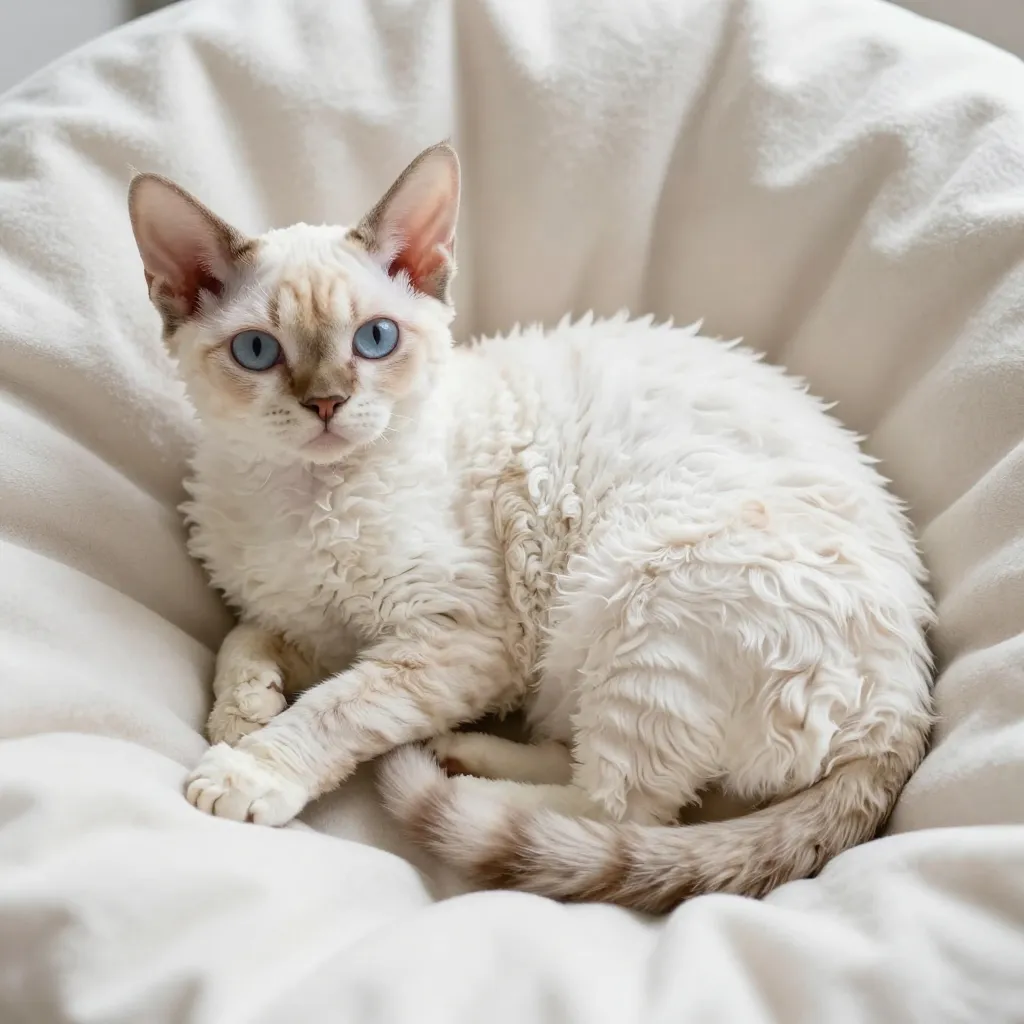
Devon Rex
Devon Rex cats have a similar look to Cornish Rex but with a slightly different coat texture. Their fur is short, fine, and often described as having a “pixie” appearance with those big ears.
They produce less dander because their coat doesn’t shed as much as other breeds. I’ve read countless stories of allergy sufferers who can handle a Devon Rex without medication.
These cats are also mischievous and love to play. They’re great for families or people who want an interactive pet.
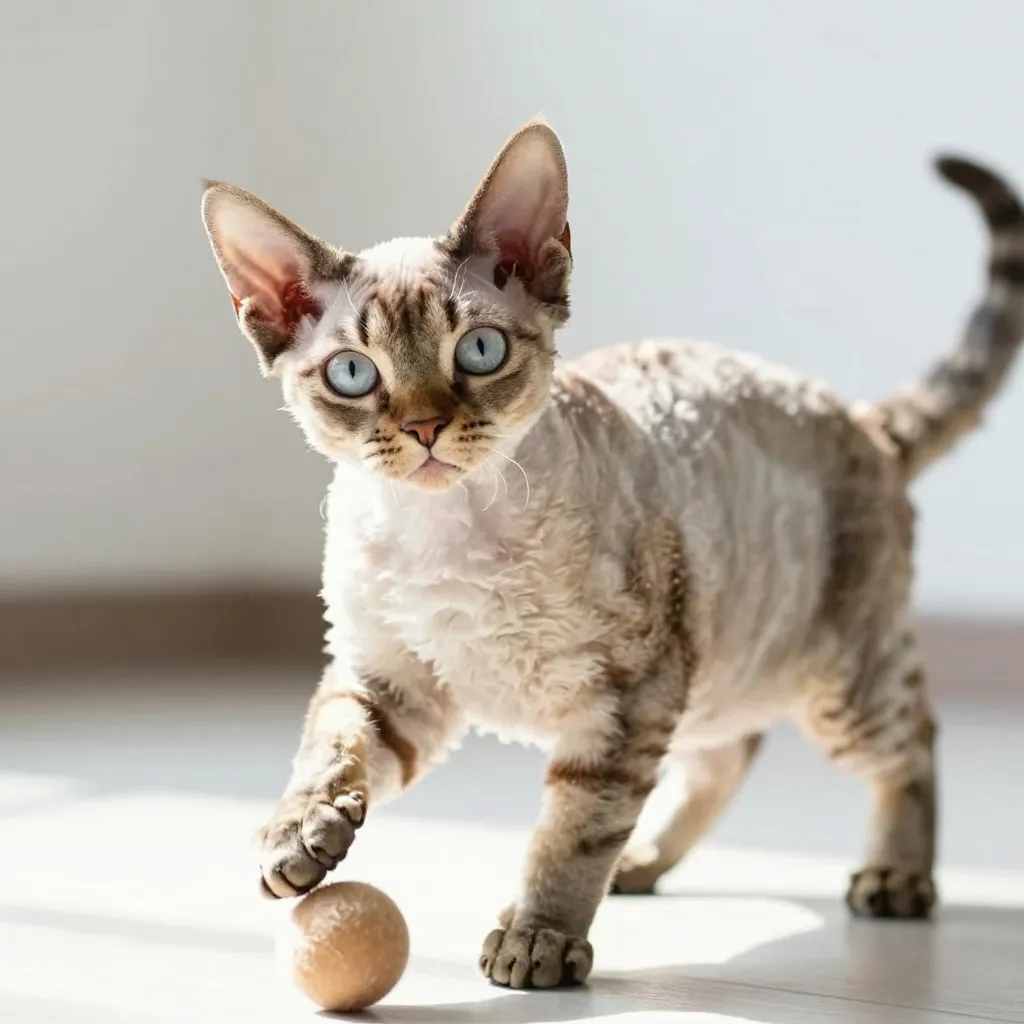
Sphynx
You probably saw this one coming. The Sphynx is the most famous hairless cat breed, and for good reason. Without fur, there’s nowhere for dander to cling to. But here’s the thing—they still produce allergens in their saliva and skin oils.
I’ve spent time with a Sphynx, and while I didn’t have a severe reaction, I still felt a little tickle in my throat. For some people, they’re perfect. For others, not so much.
They also need regular bathing to remove the oils that build up on their skin. If you’re willing to put in the maintenance, they’re incredibly loving and social.
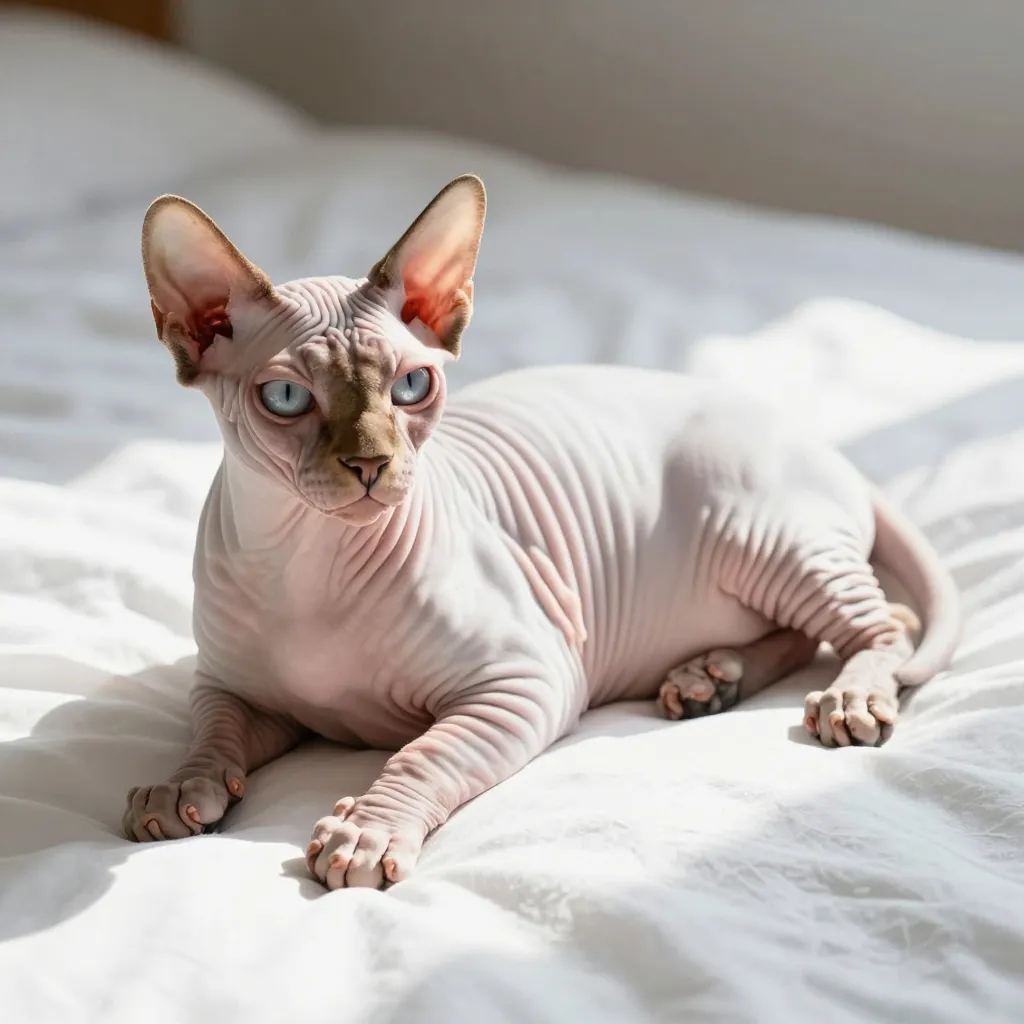
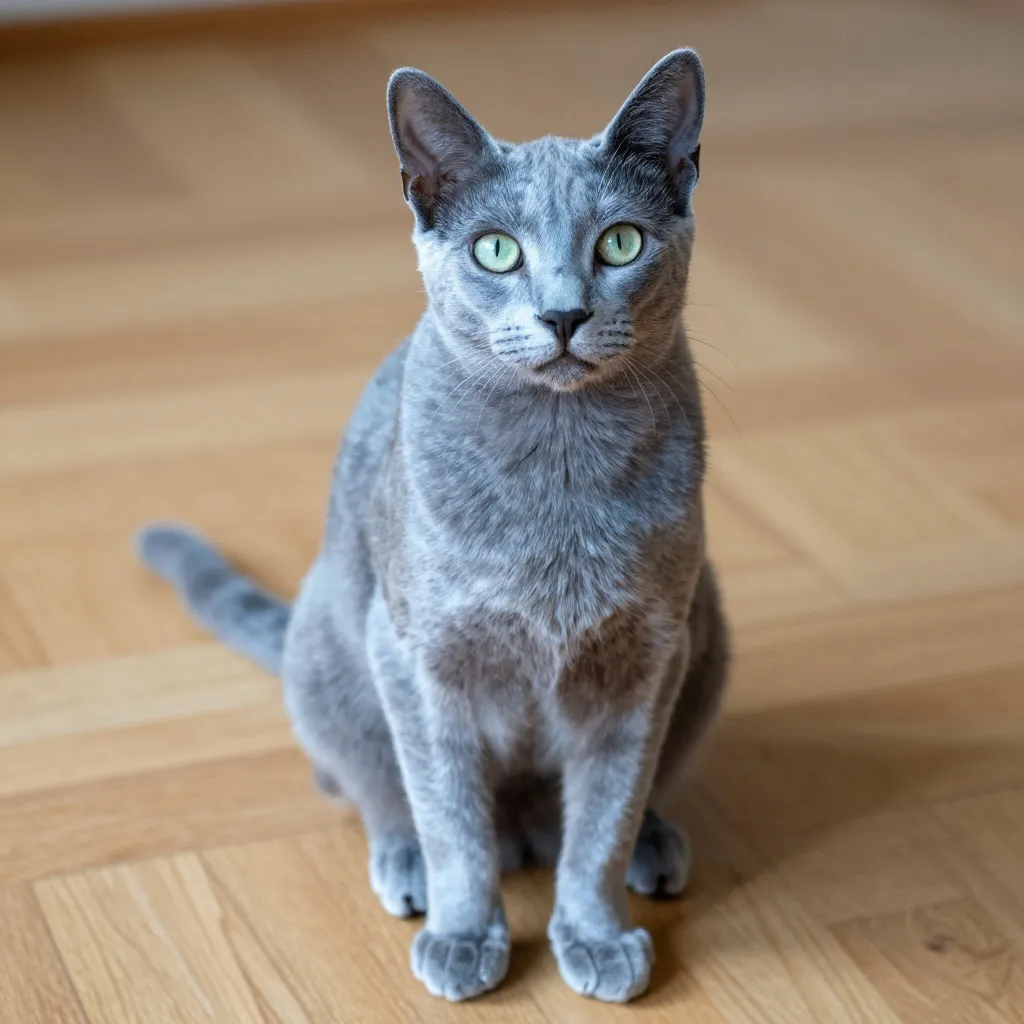
Russian Blue
Russian Blues are known for their striking silver-blue coats and bright green eyes. They produce lower levels of Fel d 1, making them a solid choice for allergy sufferers.
I’ve read that many people with cat allergies can live comfortably with a Russian Blue. They’re also quiet, reserved, and bond deeply with their owners.
Their short, dense coat doesn’t shed much, which helps keep allergens at bay. If you prefer a calm, elegant cat, this breed is worth considering.
Bengal
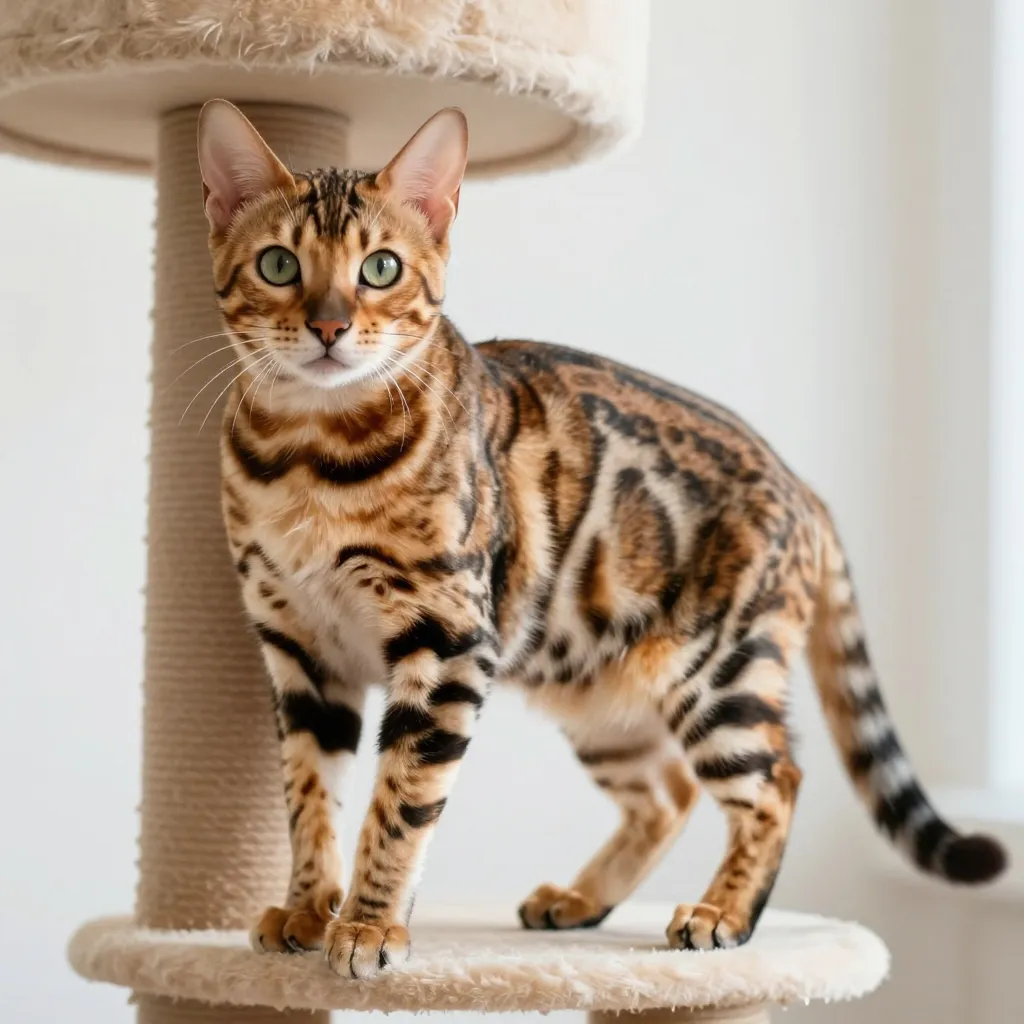
Bengals have a wild look with their spotted or marbled coats, but they’re actually domestic cats with a surprising hypoallergenic quality. Their coat is short and fine, and they shed less than many other breeds.
I’ve talked to Bengal owners who say they have fewer allergy issues with this breed compared to others. It’s not guaranteed, but it’s worth trying if you’re adventurous.
Bengals are also high-energy and need lots of stimulation. If you’re active and have space for a cat that loves to climb and play, this could be your match.
Javanese Cat
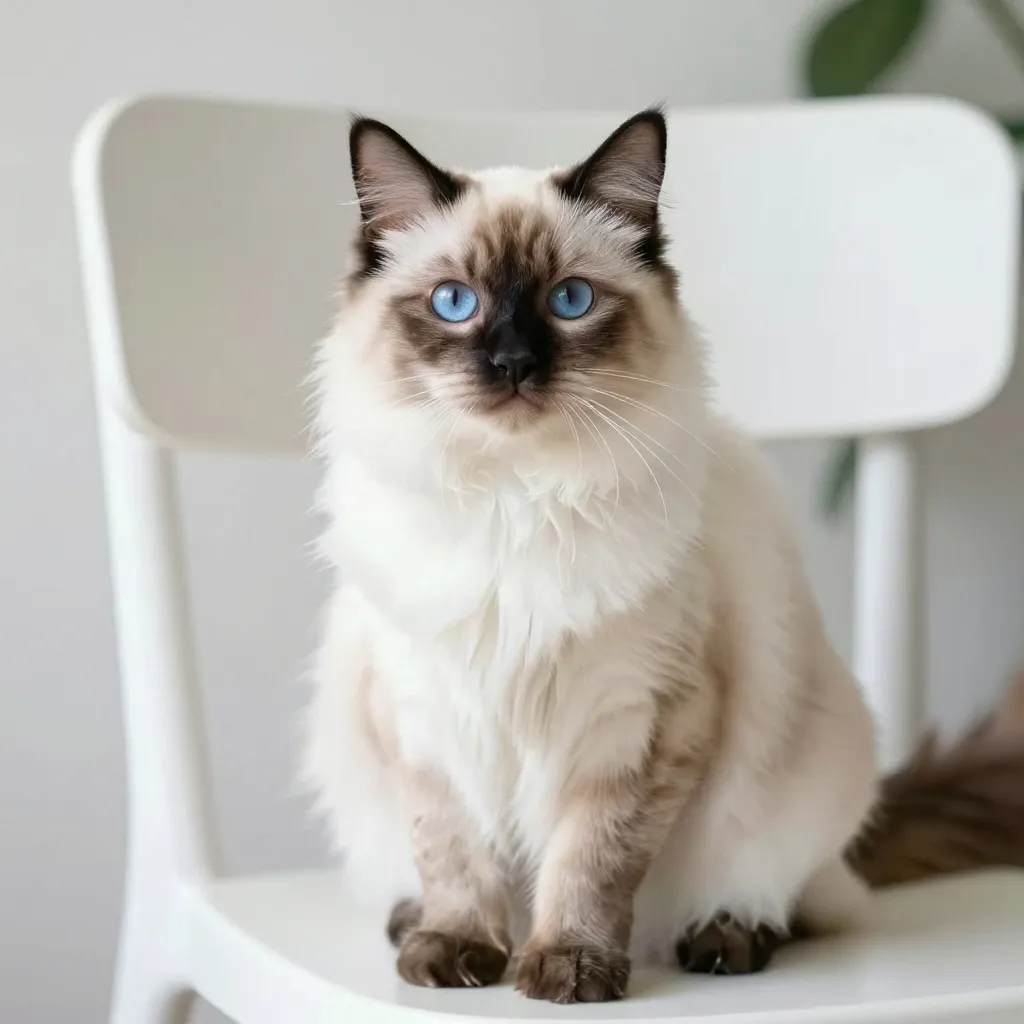
The Javanese is closely related to the Balinese and Siamese. It has a medium-length, silky coat that doesn’t mat easily. Like the Balinese, it produces lower levels of allergens.
Owners often describe them as affectionate and intelligent. They love to be involved in whatever you’re doing, whether it’s working at your desk or watching TV.
Their coat sheds minimally, which helps keep your home cleaner for your allergies. If you want a talkative, loving cat, this breed is a strong contender.
Oriental Shorthair
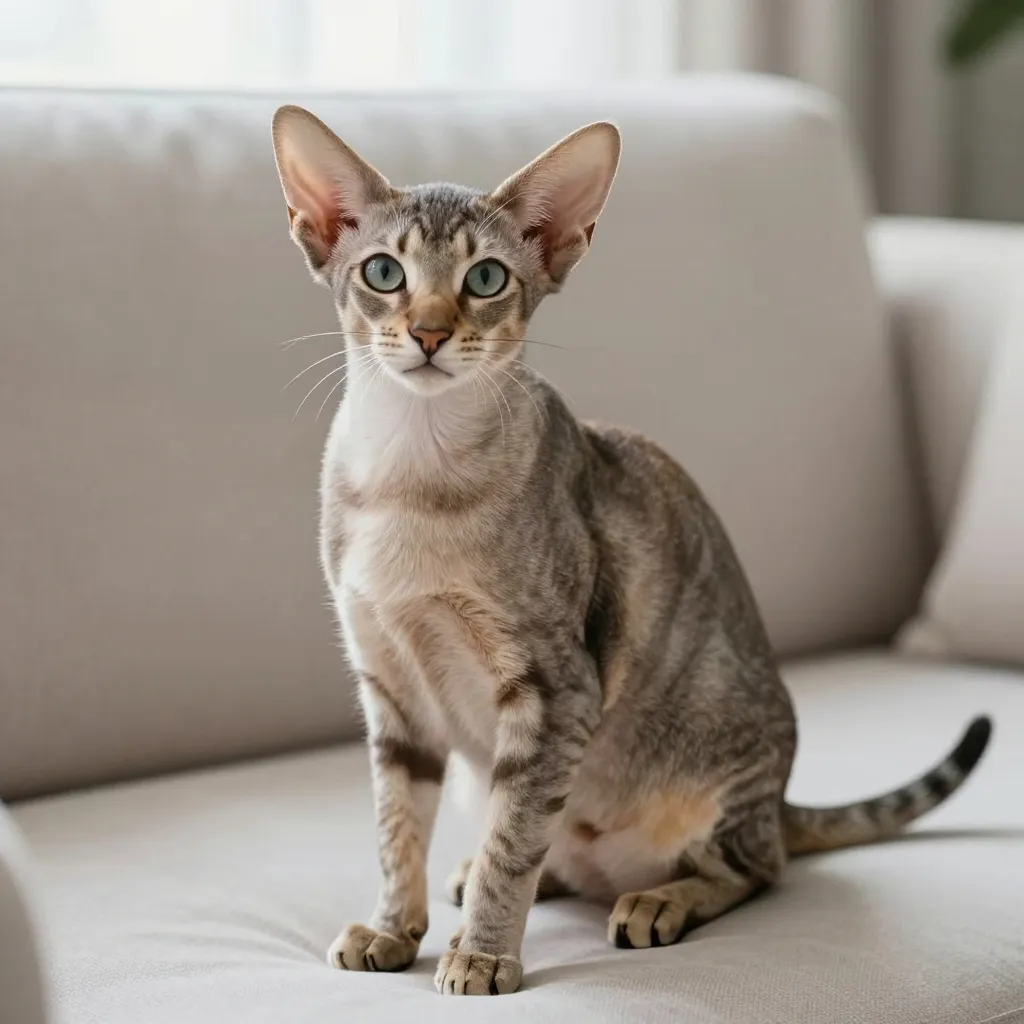
Oriental Shorthairs come in a huge variety of colors and patterns. They have short, fine coats that shed very little. That means less dander floating around.
I’ve seen them described as “Siamese in a different coat.” They’re just as vocal and social, but with a lower allergy impact. Many owners with mild allergies report no issues.
They’re also very people-oriented and hate being left alone for long periods. If you’re home often, this breed will thrive with you.
LaPerm
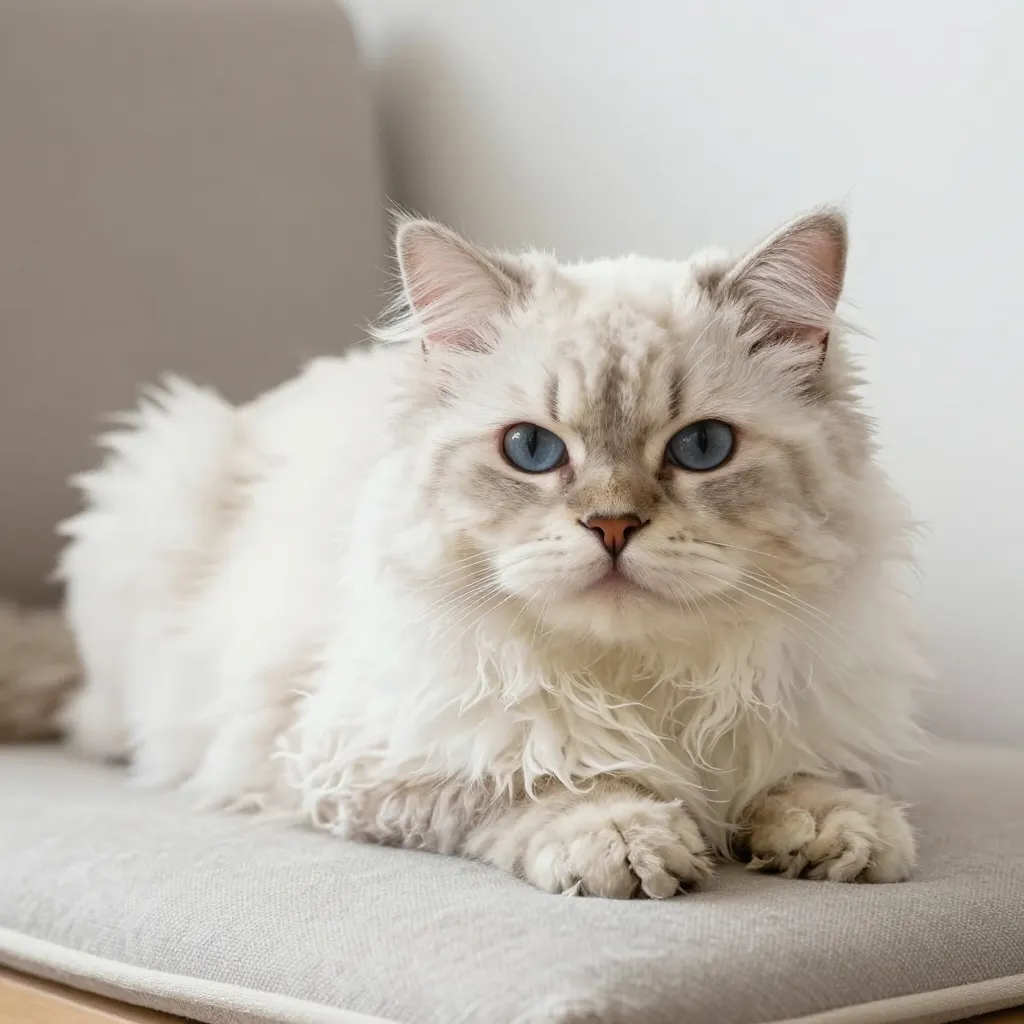
LaPerms have a unique curly or wavy coat that’s soft and loose. Their fur sheds less than straight-haired cats because the curls trap dander close to the body.
I’ve read that some LaPerm owners with allergies find them much easier to live with than other breeds. They’re also gentle, affectionate, and adapt well to different households.
Their coat requires minimal grooming, which is a bonus for anyone who wants a low-maintenance cat.
Conclusion
Finding a cat when you have allergies isn’t impossible. It just takes a little research and patience. No breed is 100% hypoallergenic, but these breeds give you a much better chance at living comfortably with a feline friend.
My advice? Spend time with the breed you’re interested in before committing. Visit a breeder, a cat show, or a friend’s home. See how your body reacts. Every person’s allergies are different, and what works for one person might not work for another.
For me, the Siberian won my heart. I now have a fluffy, loving companion who doesn’t make me sneeze. I hope you find yours too.
FAQ
Are hypoallergenic cats 100% allergen-free?
No, no cat is completely free of allergens. These breeds produce lower levels of the Fel d 1 protein, which reduces allergic reactions for many people.
Can I still have allergies with a hypoallergenic cat?
Yes, it’s possible. Allergies vary from person to person. Spending time with the breed beforehand is the best way to know for sure.
Do hairless cats like Sphynx cause fewer allergies?
Not necessarily. Allergens are also found in saliva and skin oils. Some people react less to Sphynx cats, but others still have symptoms.
How can I reduce allergens in my home with a cat?
Regular vacuuming, using air purifiers, washing your hands after petting, and keeping your cat out of the bedroom can help reduce allergens.
What is Fel d 1?
Fel d 1 is a protein found in cat saliva, skin, and dander. It’s the main cause of allergic reactions in people. Some breeds produce less of it.