10 Genius Pet Hotel Design Ideas That Will Make Paws (and Owners) Happier
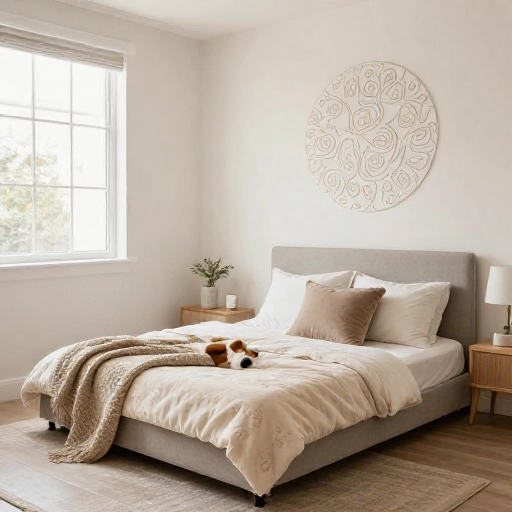
Let’s be real—leaving your furry best friend behind is hard. As a pet parent, I’ve done the guilty walk to the car, and as a designer, I know that the environment makes all the difference. A great pet hotel isn’t just about a clean cage; it’s about creating a space that feels like a home away from home.
Whether you’re building from scratch or giving your current facility a glow-up, these design tips are the secret sauce to happy guests, calmer pets, and a five-star reputation. Trust me, when the space works, the reviews write themselves.
1. Ditch The Cages, Embrace The Suites
Nobody wants to drop their pup off at a place that looks like a prison. The days of metal bars and cold concrete are over. Think about what makes a hotel room great for a human—comfort, privacy, and a bit of luxury—and translate that to your four-legged guests.
Use glass doors or half-walls instead of bars. This keeps sightlines open but provides a physical barrier. It makes the space feel bigger and less scary.
Add a solid “bed” area that’s off the cold floor. A raised cot or a cozy cubby bed gives them a safe spot to retreat to when they want to chill out.
Soundproofing is your best friend here. A quiet room is a calm dog. Invest in acoustic panels or use heavy-duty curtains to muffle the barking of excited new arrivals.
2. Separate Play Zones By Size And Energy
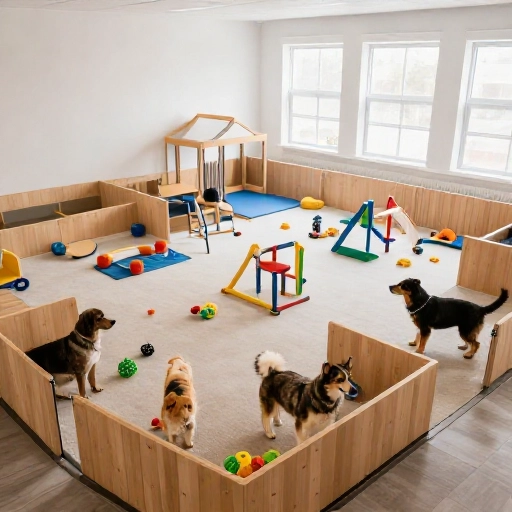
One of the biggest mistakes I see is putting a hyperactive Jack Russell in the same play yard as a sleepy senior Bulldog. That’s a recipe for stress, not fun. You need to design with variety in mind.
Create at least three different outdoor play areas: one for small dogs, one for large breeds, and one for “gentle giants” or senior pets who prefer a slow sniff.
Use durable, double-gated entries. This is a non-negotiable safety feature that prevents escape artists from making a run for it when you’re turning your back to grab a leash.
Make sure the fencing is tall enough. I can’t tell you how many “Houdini” dogs can scale a 4-foot fence. Go vertical—at least 6 feet—for most breeds.
3. Prioritize Easy-To-Clean Surfaces (Seriously)
Let’s talk about the not-so-glamorous side of pet care: the mess. If you choose the wrong flooring, you will spend your entire day scrubbing, and your hotel will smell like a wet dog, no matter how much Febreze you buy.
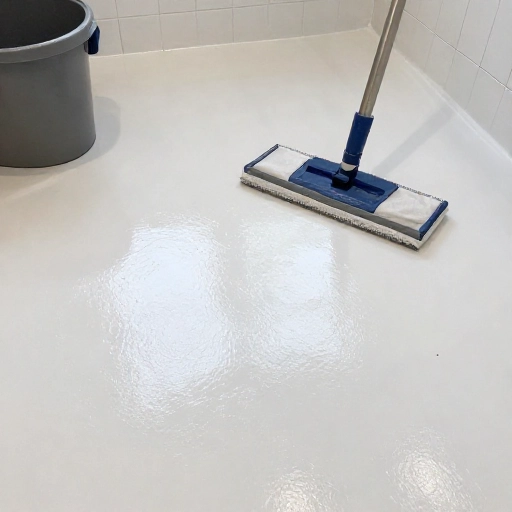
Skip the carpet entirely in the main boarding areas. It traps hair, smells, and bacteria. Instead, look for slip-resistant, sealed concrete or high-grade luxury vinyl tile (LVT).
Seal all grout lines. This is a pro-tip that saves you a headache. Unsealed grout is a sponge for urine, and that’s a smell you’ll never get out.
Consider floor drains in every suite. This allows you to hose down the space without worrying about water damage. It’s a game-changer for deep cleaning days.
4. Think About The “Soundscape”
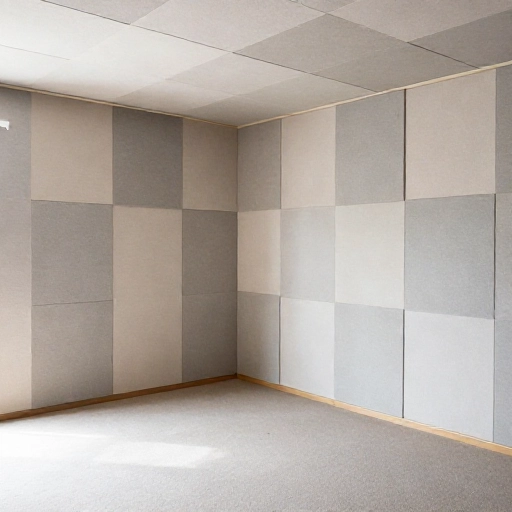
Have you ever been in a kennel at feeding time? It’s pure chaos. The echo of barking can be overwhelming for the animals and your staff. Designing for acoustics is just as important as designing for looks.
Install acoustic ceiling tiles. They’re cheap and absorb a ton of the high-frequency noise that makes dogs anxious.
Use white noise machines or playing soft, classical music in the common areas. I’ve seen it work wonders—it masks the sounds of doors closing and other dogs barking, which keeps the energy level down.
If you have the budget, consider a “quiet room” that is completely insulated for anxious cats or dogs who need a break from the hustle and bustle.
5. Maximize Natural Light, But Offer Shade
Dogs love to sunbathe, but they also need a cool place to retreat to. A well-lit space boosts everyone’s mood, but you have to be smart about the layout.
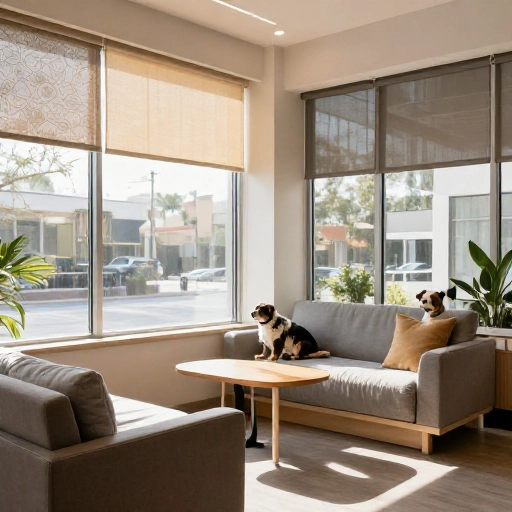
Place windows low enough so that smaller dogs can actually see outside. A window at human eye level is useless to a Chihuahua. A low window ledge or a dog-height viewing window is a huge hit.
In outdoor runs, always provide a shaded structure. A simple shade sail or a solid roof over part of the run ensures that even on the hottest days, your guests aren’t stuck in the direct sun.
Be careful with too much glass in the summer. It can turn the suite into a greenhouse. Use UV-blocking film to keep the temperature regulated.
6. Create A “Home-Style” Living Room Space
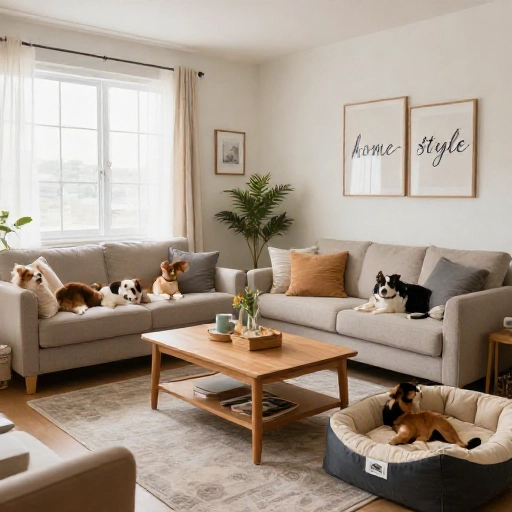
Instead of just having a sterile lobby, build a space that looks like a cozy living room. This is where you win over the owners during the tour.
Think comfy couches, soft rugs, and coffee tables. When a potential client walks in, they want to see that their dog will be lounging, not just locked in a cage.
This space can double as a meet-and-greet area where families can spend time with their pet before they leave or after they pick them up.
Use durable, washable slipcovers on the furniture. You get the look of a warm home without the fear of muddy paws ruining the fabric.
7. Go Vertical With The Storage
Clutter is the enemy of a calm space. Leashes, food bins, and toys scattered everywhere look messy and can be a tripping hazard. You need specific, smart storage solutions.
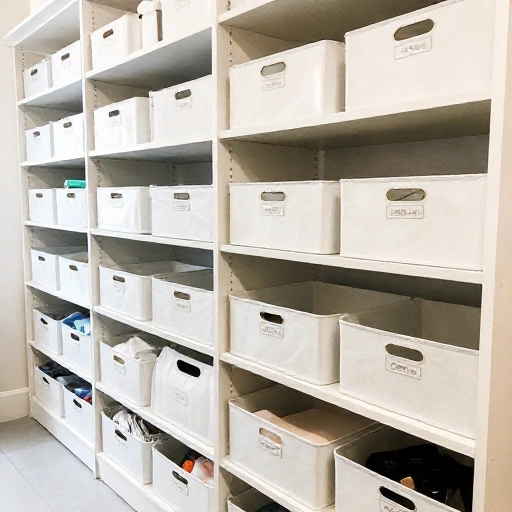
Install wall-mounted cubbies for each pet. Label them with the pet’s name and their food. This keeps everything organized and prevents mix-ups with diets or medications.
Use heavy-duty, sealed bins for food. This keeps pests out and the food fresh. Don’t use clear bins—light can degrade the nutrients in the kibble.
Create a dedicated “laundry room” area hidden away. You’ll be washing towels and bedding constantly, so keeping that mess out of sight is key to maintaining a calm atmosphere.
8. Design A “Decompression” Area For Anxious Pets
Not every dog is a social butterfly. Some just want to be left alone. Designing a space for these introverts is a sign of a truly premium facility.
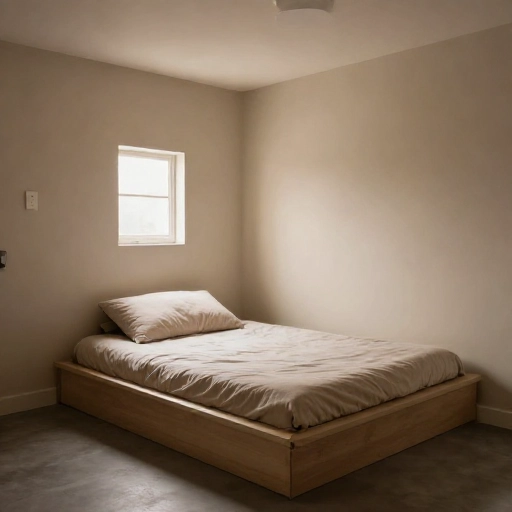
Create a few “quiet suites” that are away from the main kennel hall. These should have solid doors (not glass) to block visual stimulation.
Add a covered “den” inside the suite. A crate or a covered alcove gives them a place to hide if they feel overwhelmed. It’s their personal panic room.
Consider using pheromone diffusers in these areas. They can help take the edge off for dogs that suffer from separation anxiety.
9. Don’t Forget The Kitty Condos
Cats are not just small dogs. They have very different needs, and your design should reflect that. A cat boarding area should feel like a spa, not a zoo.
Separate the cat area from the dog area completely—ideally with a solid wall and a separate entrance so the smells don’t mix. Cats hate smelling dogs.
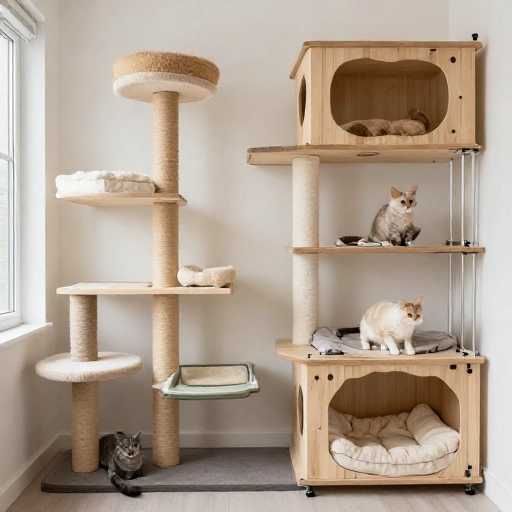
Install vertical climbing shelves and perches inside the condos. Cats feel safe when they are up high. A tall condo with a hidey-hole is much better than a wide, flat one.
Use a “double-door” system for the cat condos. This allows you to open the cage to clean or feed without the cat escaping into the main room.
10. Plan The “Drop-Off” Flow Like A Pro
The first five minutes of a stay are the most stressful. If the drop-off process is chaotic, the dog will pick up on that anxiety. Design your entrance to be smooth and easy.
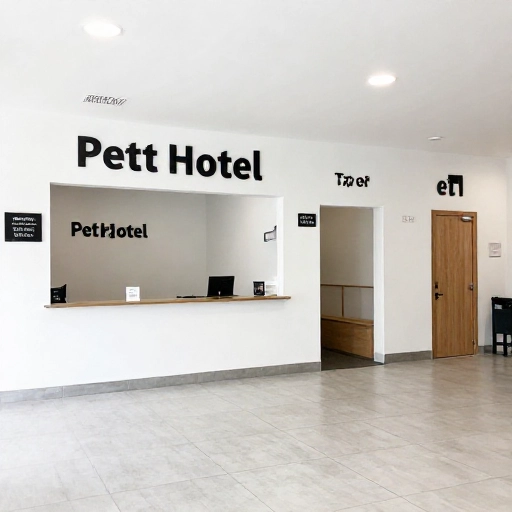
Create a “transition zone” at the entrance. This is a small, neutral space where the owner can hand off the leash to the staff member away from the barking of the main kennel.
Have a separate entrance for pick-up and drop-off if possible. This prevents excited dogs who are leaving from interacting with anxious dogs who are just arriving.
Add a “weigh-in” station right at the front desk. It’s practical and gets the check-in process moving quickly.
Wrapping It Up
Designing a pet hotel is about empathy. It’s about thinking, “How would I feel if I was left here?” When you put yourself in the paws of your guests, the design decisions become much easier. You don’t need a massive budget to make a huge difference; you just need to be intentional.
Focus on reducing stress, maximizing cleanliness, and creating a space that feels safe. Do that, and you won’t just have customers—you’ll have a loyal pack that returns every holiday and weekend. Happy designing!
Frequently Asked Questions
Q1: What is the best flooring for a pet hotel?
Sealed concrete or high-grade luxury vinyl tile (LVT) are the best options. They are durable, waterproof, and easy to sanitize. Avoid carpet and unsealed grout.
Q2: How can I reduce noise in a kennel?
Install acoustic ceiling tiles, use white noise machines, and play soft classical music. Soundproofing the walls in the boarding suites is also very effective for keeping the noise down.
Q3: Should I use glass doors or metal bars for the kennels?
Glass doors are generally better. They reduce visual noise and make the space feel more open and less stressful. Just make sure to use tempered glass for safety.
Q4: How much space does a dog need in a kennel?
As a general rule, the space should be at least three times the size of the dog. They need room to stand up, turn around, and lie down comfortably. Bigger is always better, though.
Q5: Is it necessary to separate cats and dogs?
Yes, absolutely. Cats are prey animals by instinct, and the smell and sound of dogs cause them severe stress. They should be housed in a completely separate, quiet area with its own ventilation.