10 Vet Office Design Ideas That Keep Pets Calm and Owners Coming Back
Walking into a veterinary clinic can be stressful for pets and their humans. The smell, the sounds, the sterile white walls—it all adds up. But I’ve seen firsthand how thoughtful design changes everything. When a space feels warm and safe, tails start wagging before the doctor even walks in.
These ideas aren’t just about looking good. They’re about reducing anxiety, making workflows smoother, and creating a place where both staff and visitors feel comfortable. Whether you’re building from scratch or giving your current clinic a refresh, these ten ideas will transform your space.
1. Soft, Soothing Color Palettes
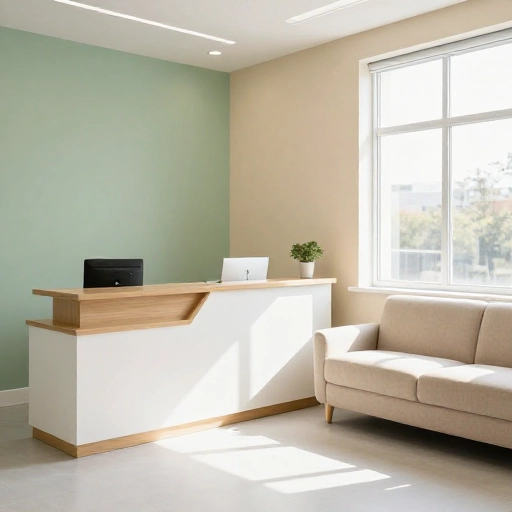
Ditch the all-white clinical look. I’ve found that soft blues, sage greens, and warm beiges work wonders for calming nervous animals. These colors lower stress for pets and create a spa-like vibe for owners.
Try painting an accent wall in a muted teal or using warm wood tones on the front desk. Even small touches like colored storage bins or art prints can shift the mood. Avoid bright reds or oranges—they can agitate animals and make waiting feel longer.
2. Soundproof Exam Rooms
Barking triggers barking. One anxious dog can set off the whole waiting room. I recommend adding soundproof panels or acoustic tiles to exam rooms and treatment areas. It’s a game-changer.
Soft-close cabinet doors and quiet flooring (like luxury vinyl plank) also cut down on noise. Play calming music or white noise in common areas. Your staff will thank you when they can hear heartbeats without shouting.
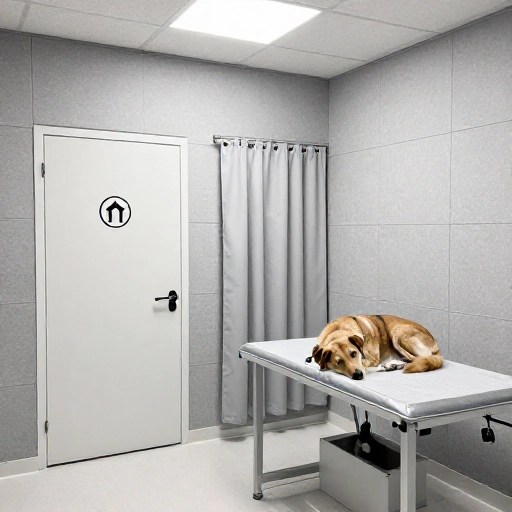
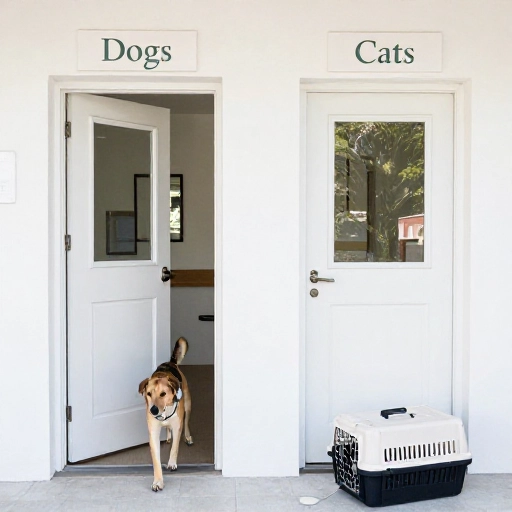
3. Separate Entrances for Dogs and Cats
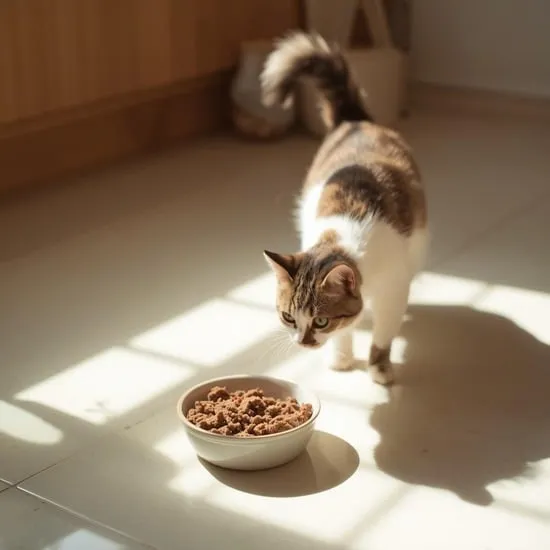
This is one of the smartest moves you can make. Cats hate seeing dogs, and dogs get overly excited around cats. A simple side door or separate waiting zone for felines reduces stress for both species.
If your space is tight, use room dividers or staggered appointment times. Even a designated “cat corner” with high perches and visual barriers helps. Your feline patients will purr instead of hide.
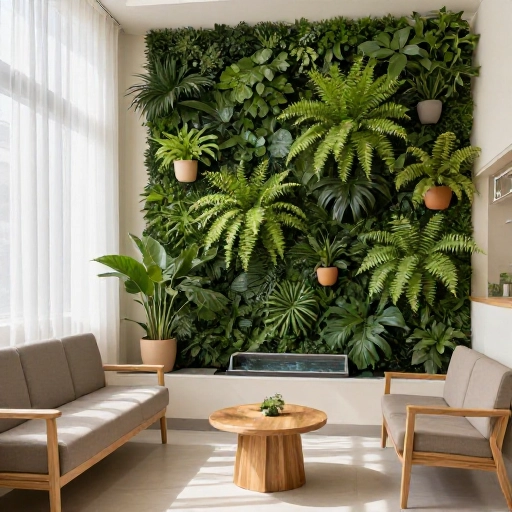
4. Biophilic Design Elements
Plants, natural light, and water features do wonders. I once visited a clinic with a small indoor fountain in the lobby. Every pet that came in seemed to relax just listening to the trickling water.
Use low-maintenance plants like snake plants or pothos (keep them out of reach). Skylights or large windows bring in daylight, which helps regulate animals’ sleep cycles. Even nature-themed wall murals can trick the brain into feeling calmer.
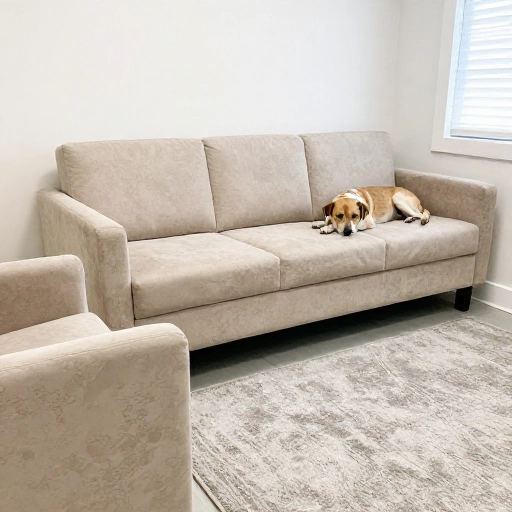
5. Comfortable, Washable Seating
Hard plastic chairs scream “waiting room.” Swap them for cushioned seating with removable, washable covers. I prefer sofas and armchairs in durable, pet-friendly fabrics like microfiber or outdoor-grade polyester.
Add a few low benches for kids or small dog owners. Place a basket of soft blankets for anxious pets to burrow in. Comfortable seating makes a 15-minute wait feel like five.
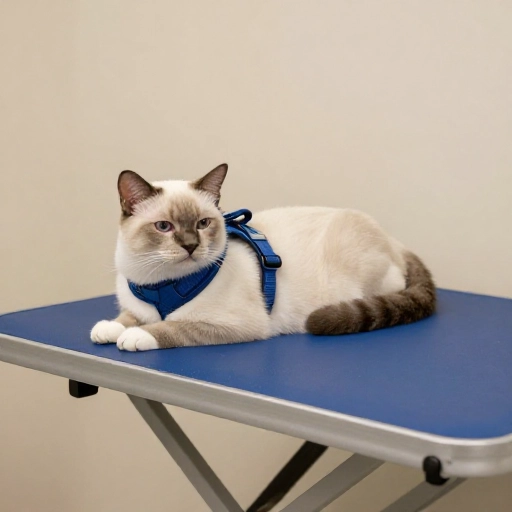
6. Low-Stress Exam Tables
Cold metal tables are scary. Heated, non-slip surfaces are welcoming. I recommend tables with adjustable heights so you can examine large dogs at waist level and small pets right at your side.
Some clinics use yoga mats on top of tables for grip and warmth. Others have built-in scales that don’t require lifting. A gentle, warm surface tells the animal they’re safe.
7. Calming Scents (Used Carefully)
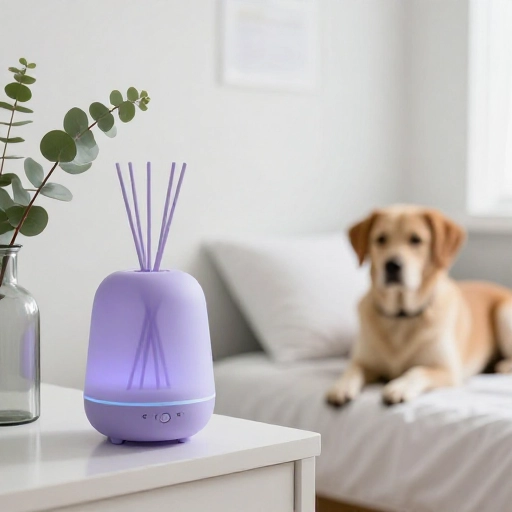
Essential oils can help, but you have to choose wisely. Lavender and chamomile are generally safe for dogs when diluted. Never use tea tree or citrus around cats—they’re toxic.
I suggest using a diffuser in the lobby or exam rooms, but keep it subtle. Better yet, offer calming pheromone diffusers (like Adaptil or Feliway) in waiting areas. They work wonders without any scent at all.
8. Clear, Gentle Signage
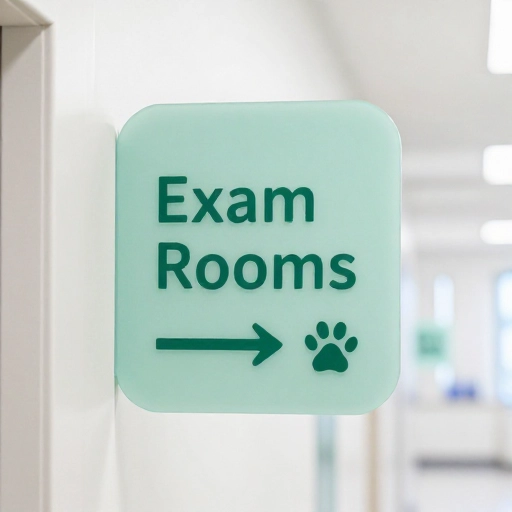
Pet owners are often distracted and worried. Make signs simple, friendly, and visual. Use icons alongside text—a paw print for “wait here,” a water bowl icon for “hydration station.”
Keep language positive. Instead of “No Barking,” try “Quiet Zone, Please.” Place signs at eye level (adult and child height). A well-labeled space reduces confusion and helps owners feel in control.
9. Flexible, Multi-Use Spaces
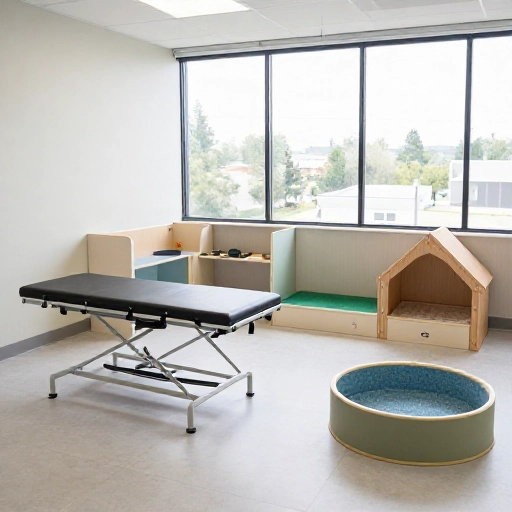
One room can serve many purposes. I love exam rooms that double as treatment or triage spaces. Use mobile carts for supplies and fold-down tables for quick procedures.
Create a quiet corner for euthanasia or difficult conversations—away from the main flow but still accessible. A flexible layout means you’re not wasting space, and every square foot works hard for you.
10. Human-Friendly Amenities
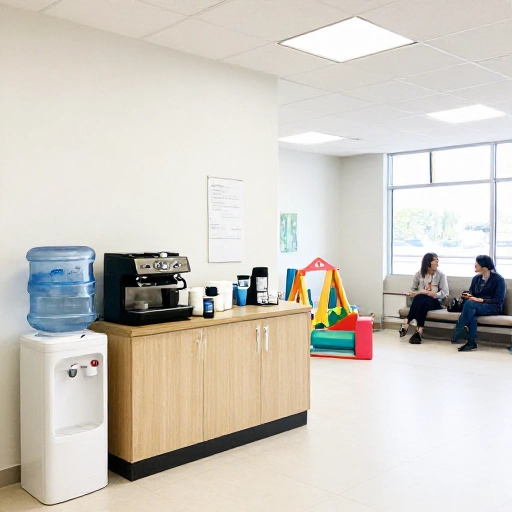
Don’t forget the people. A small coffee station, phone charging ports, and a clean restroom make a huge difference. I’ve seen clinics with a kids’ play corner (with washable toys) that keeps siblings busy.
Offer free water bowls for pets and a few dog treats at the front desk. When owners feel cared for, they’re more patient and loyal. It’s those little touches that get five-star reviews.
Conclusion
Designing a vet office isn’t just about looking professional. It’s about creating a space where healing starts the moment someone walks in. Every soft color, quiet corner, and comfortable seat sends a message: you’re safe here.
Start with one or two changes. Maybe swap out those harsh lights or add a plant by the front desk. You’ll be amazed at how quickly pets and people respond. And when they feel good, they keep coming back—and bringing their friends.
Frequently Asked Questions
What is the best flooring for a vet office?
Luxury vinyl plank or sheet vinyl is ideal. It’s waterproof, easy to clean, and softer than tile. Avoid carpet in treatment areas—it traps hair and smells.
How can I make my small vet clinic feel bigger?
Use mirrors, light colors, and minimal furniture. Keep hallways clear and use wall-mounted storage. Open shelving makes spaces feel airier than closed cabinets.
Do calming scents really work on anxious pets?
Yes, when used correctly. Lavender and pheromone diffusers have been shown to lower stress in dogs. Always check with a vet before using essential oils around cats.
What lighting is best for exam rooms?
Dimmable LED lights are best. Bright lighting is needed for procedures, but dimmer settings help calm pets during exams. Avoid fluorescent flickering—it stresses animals.
How much does it cost to redesign a vet office?
It varies widely. Simple changes like paint and new seating can cost a few thousand dollars. Major renovations run $10,000–$50,000+. Start small and prioritize high-impact areas like the waiting room.