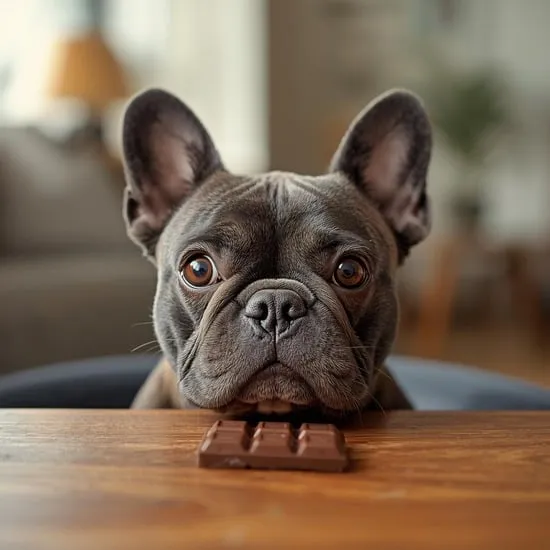
Why Is My Cat Shaking Its Head? 10 Common Ear Issues Explained
If you’ve noticed your cat shaking its head more than usual, it’s a sign you shouldn’t ignore. I’ve been there, watching my own cat with that persistent little head flick, wondering if it’s just a quirky habit or something more. That head shake is their way of telling us something is irritating their sensitive ears.
Our feline friends can’t tell us what’s wrong, so we have to be their detectives. From simple ear wax to more serious infections, a range of issues can cause this behavior. Let’s explore the ten most common reasons, so you can better understand what your kitty might be experiencing and when it’s time to call the vet.
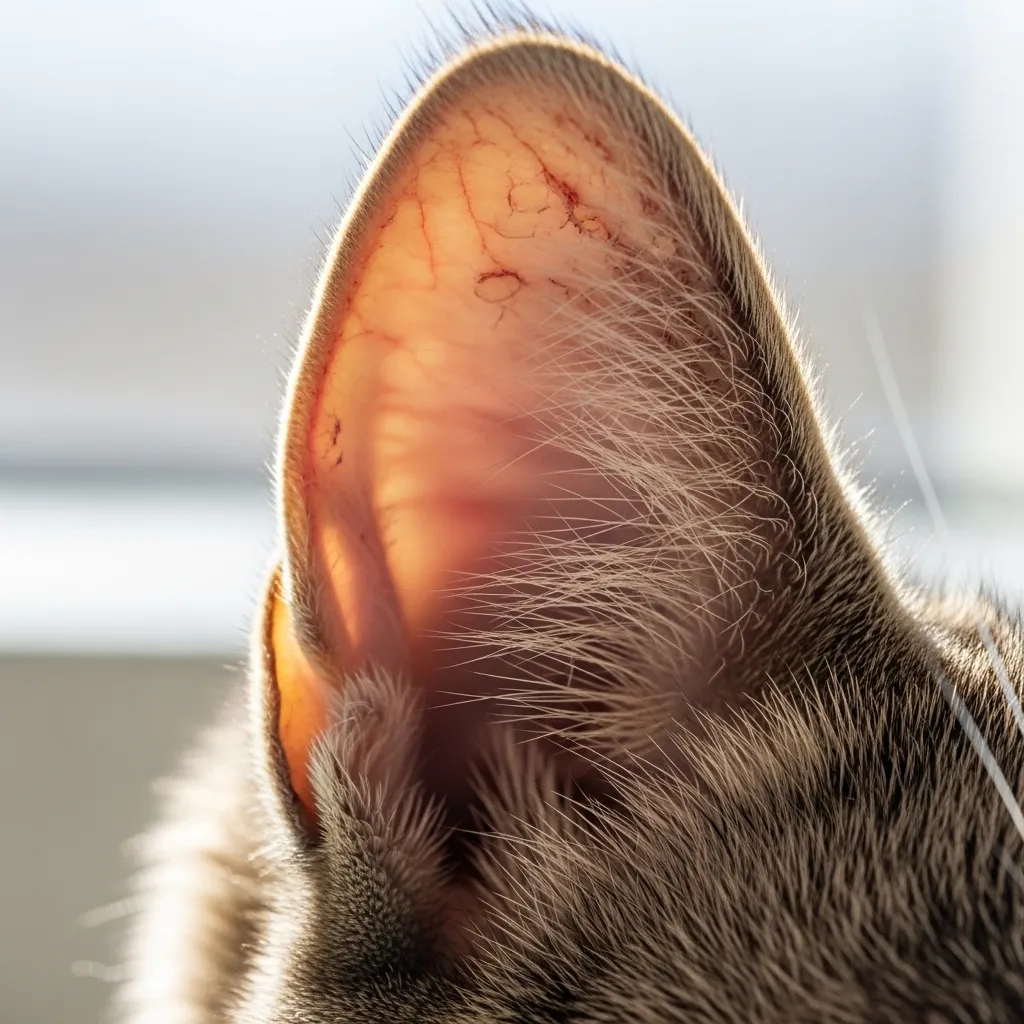
[[IMG:IMG01]]
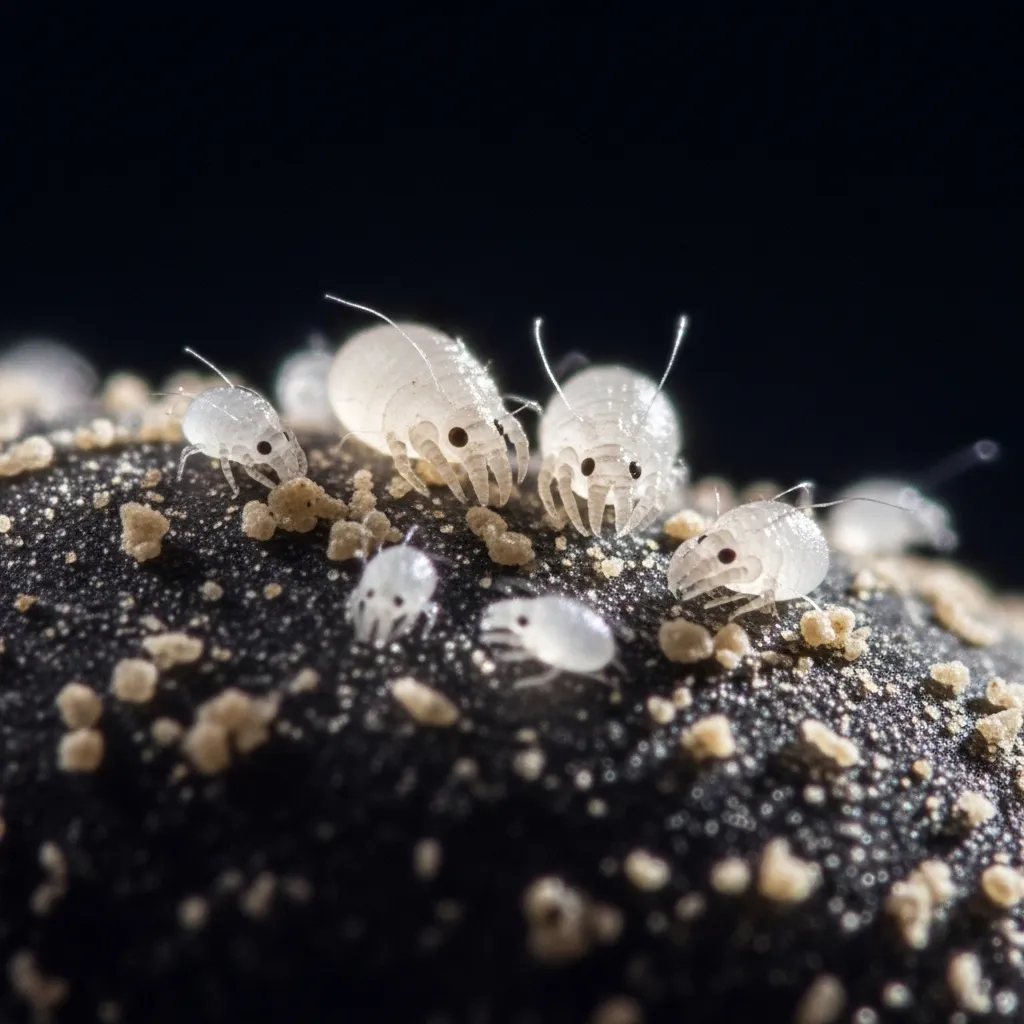
1. Ear Mites: The Tiny Troublemakers
Ear mites are incredibly common, especially in kittens or cats who go outdoors. These microscopic pests set up shop inside the ear canal, causing intense itching. You might see a dark, crumbly debris that looks like coffee grounds.
Your cat will shake their head violently and scratch at their ears, often to the point of creating sores. It’s highly contagious to other pets but thankfully, a vet can provide effective treatment to clear them right up.
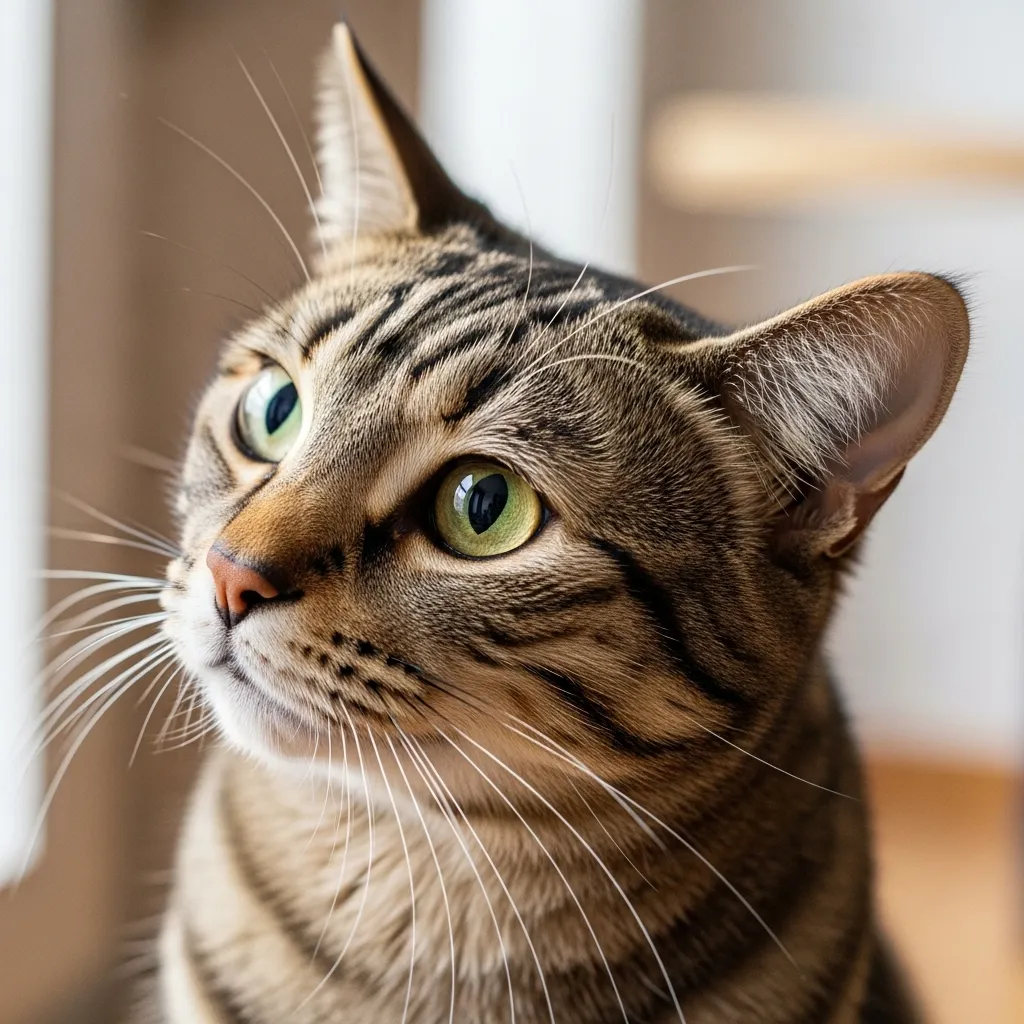
2. Ear Infections: Bacterial or Yeast Overgrowth
Just like us, cats can get ear infections. These are often secondary to another problem, like allergies or mites, that disrupts the healthy ear environment. A yeast infection might produce a smelly, dark wax, while a bacterial one can lead to redness and pus.
Signs include head shaking, pawing at the ear, and a noticeable odor. Never try to treat this at home with leftover medications; your vet needs to identify the exact cause to prescribe the right drops.
3. A Simple Ear Wax Buildup
Sometimes, it’s not an infection but just an overproduction of wax. Some cats are naturally waxier than others. If it builds up, it can feel heavy or itchy, prompting your cat to shake their head to dislodge it.
Regular, gentle cleaning with a vet-approved ear cleaner can help manage this. The key is gentle—never use cotton swabs deep in the ear canal, as you can cause serious damage.
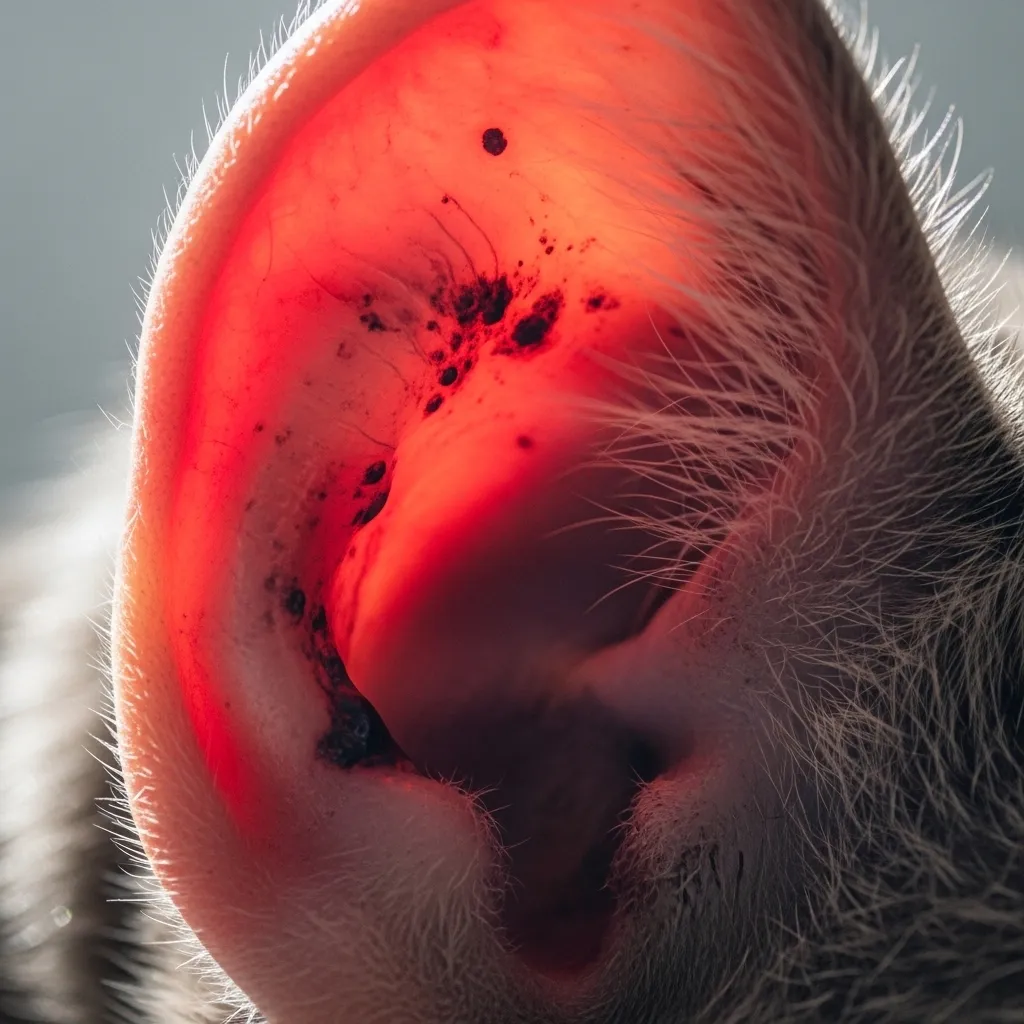
4. Allergies: Itching From the Inside Out
Food or environmental allergies are a major culprit. The inflammation caused by allergies can affect the ear canals, making them red, warm, and very itchy. You might see this alongside other signs like itchy skin or digestive upset.
Managing allergies often involves a process of elimination with your vet to find the trigger, whether it’s a certain protein in their food or pollen in the air.
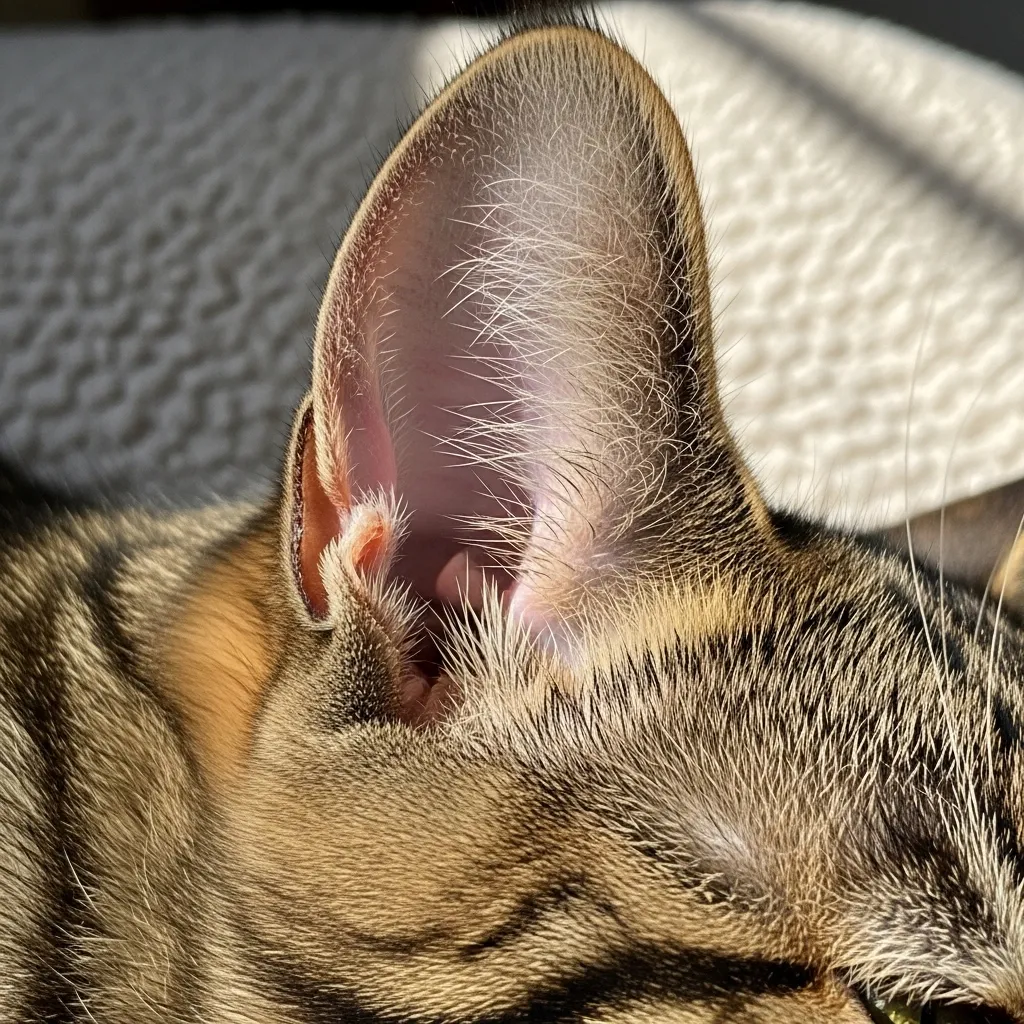
5. Foreign Objects: Grass Seeds and More
For outdoor explorers, a blade of grass or a tiny seed can become lodged deep in the ear. This is a sudden, acute irritant. Your cat will likely shake their head with sudden urgency and may hold their head at a tilt.
This requires a vet visit for safe removal. Trying to dig it out yourself can push the object further in and rupture the eardrum.
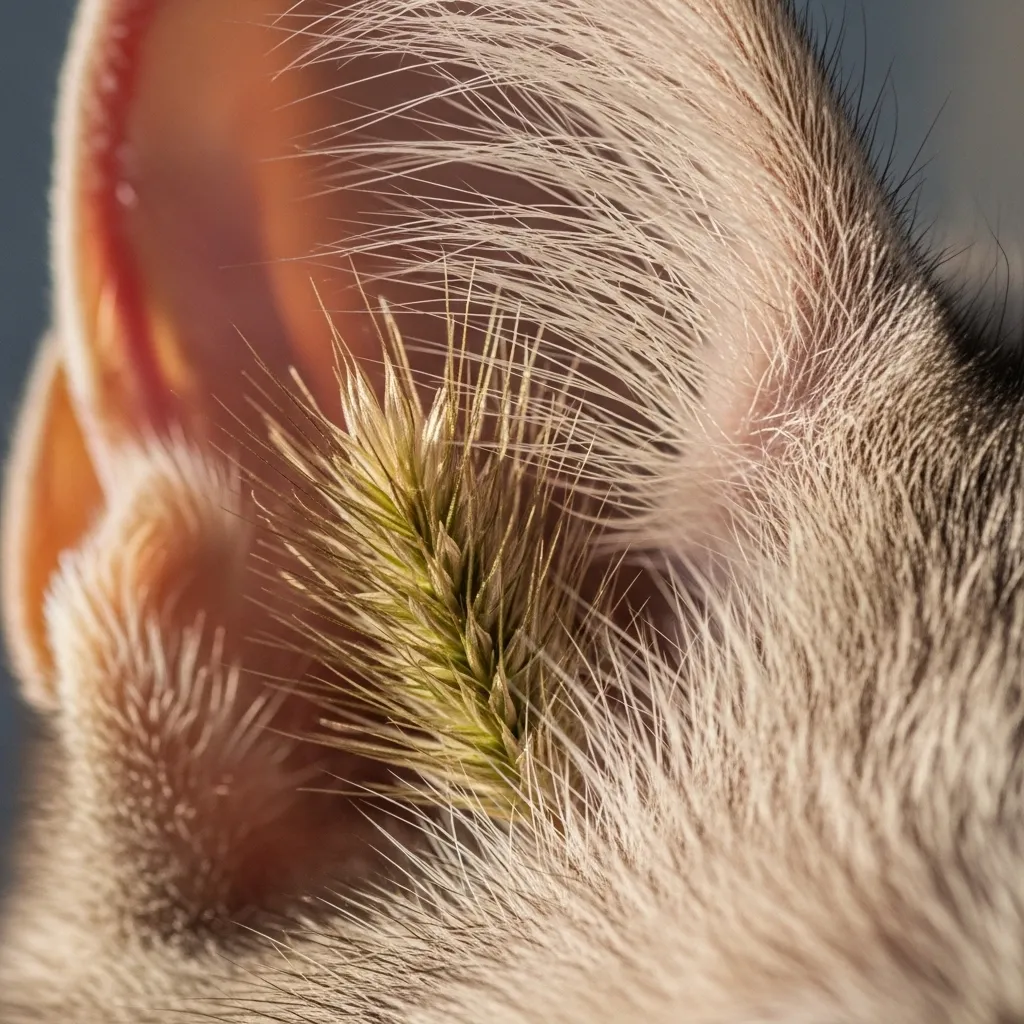
6. Polyps or Growths in the Ear Canal
Benign inflammatory polyps can grow in the middle ear or ear canal, especially in younger cats. These fleshy growths take up space and cause irritation, chronic infection, and that telltale head shaking.
They also often cause a head tilt or loss of balance. Diagnosis usually requires an exam under sedation, and surgical removal is typically the best course of action.
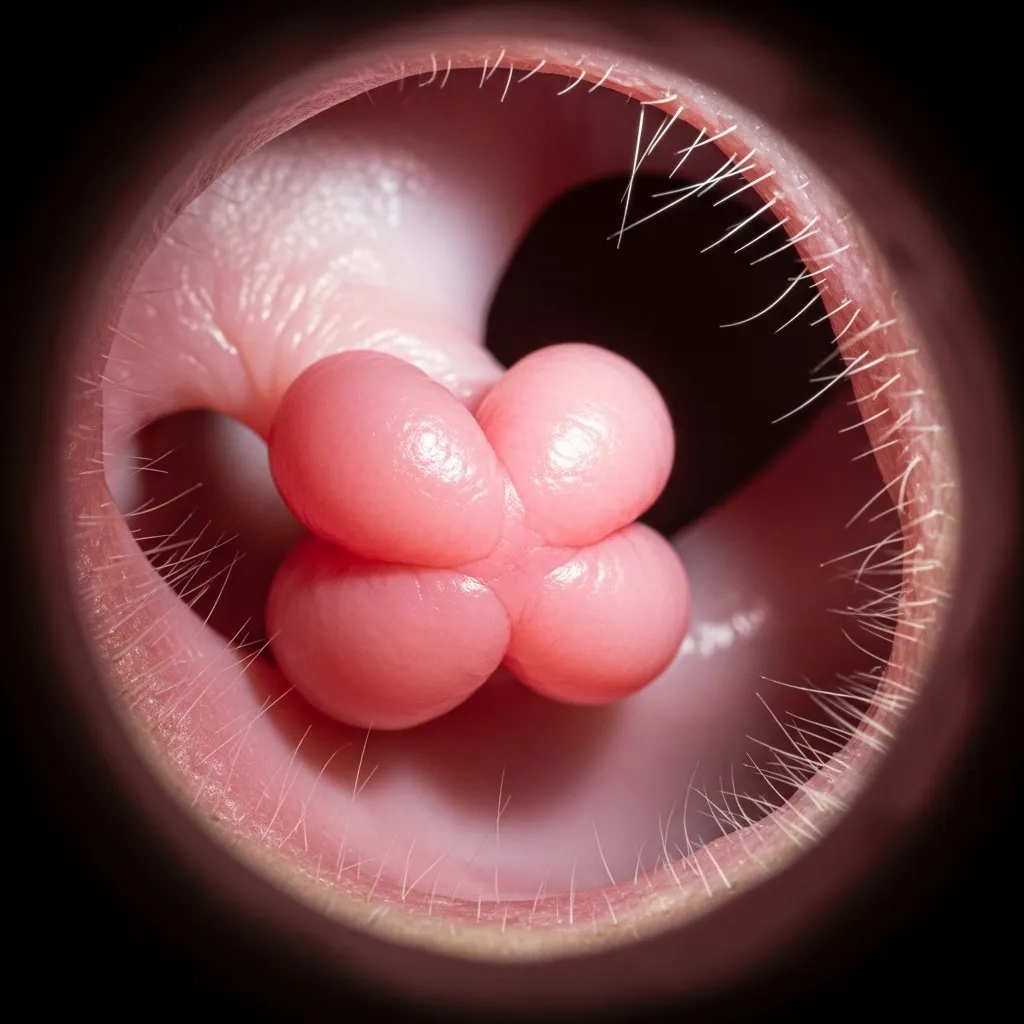
7. Water in the Ears After a Bath
If your head-shaking episode happened right after a bath or a swim, the culprit is likely just water. Moisture trapped in the ear canal feels strange and can lead to infection if not dried properly.
Always place cotton balls gently in your cat’s ears during a bath and dry around the ear flaps thoroughly afterward. Most cats will shake out the water themselves, but keep an eye on it.
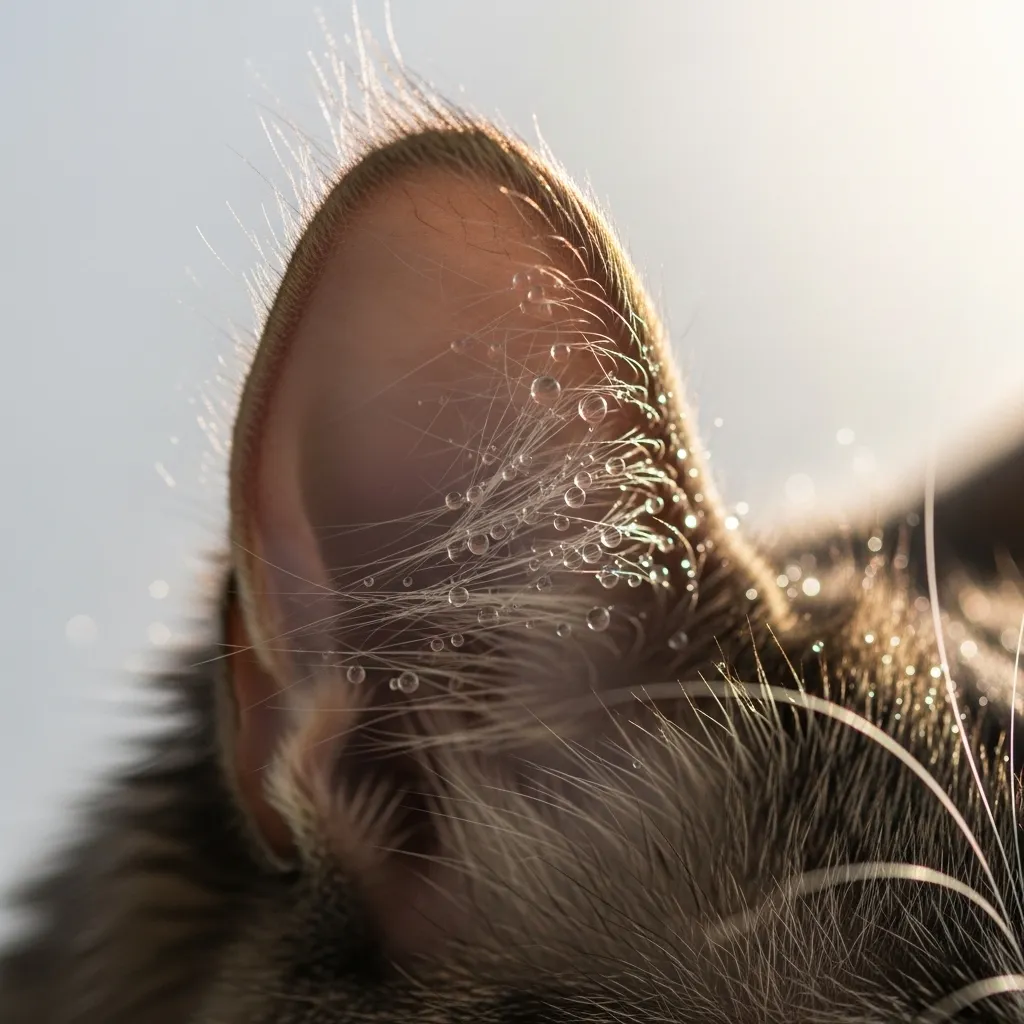
8. Skin Conditions Around the Ear
Problems like mange or severe dermatitis can affect the skin on the outer ear flap (pinna). The intense itching and inflammation here can make your cat shake their head as if the problem is inside the ear.
Check the outer ear for scabs, hair loss, or thickened skin. Treating the underlying skin condition will resolve the head shaking.
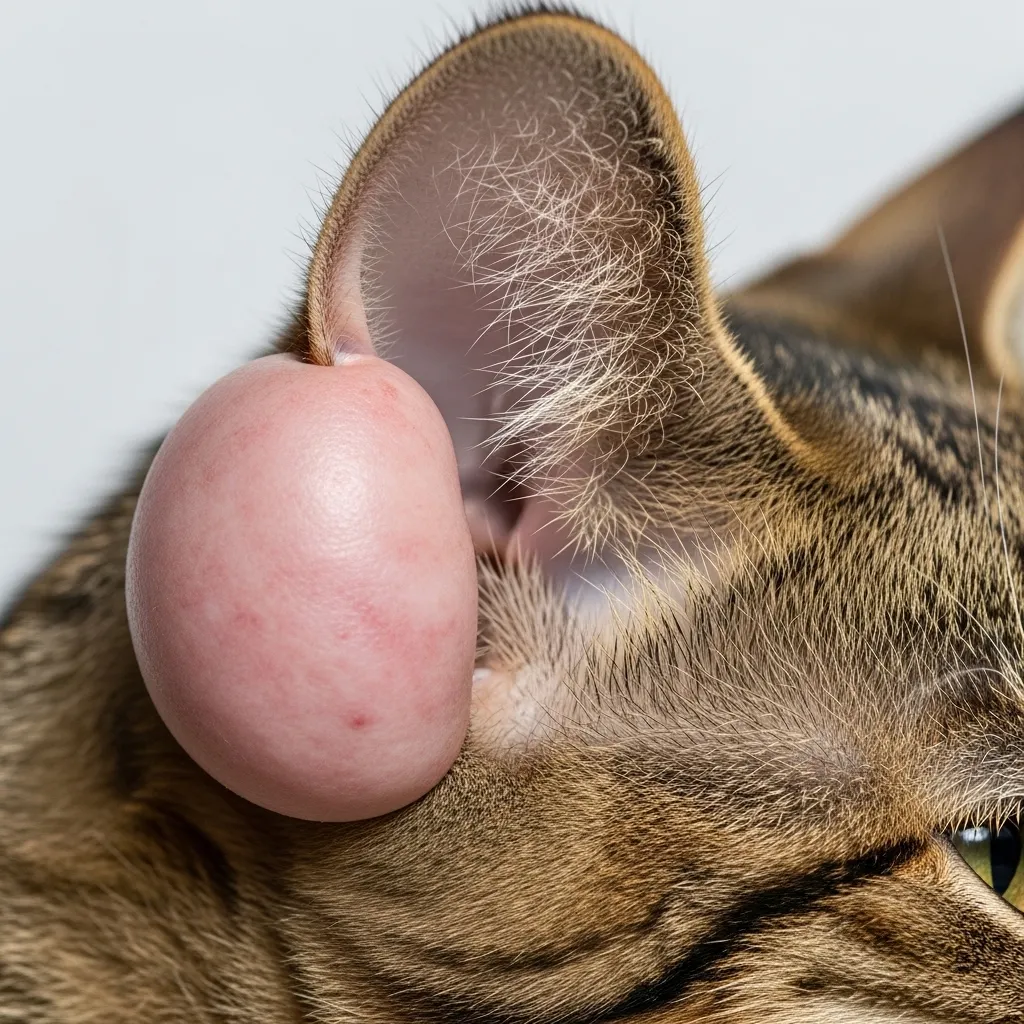
9. An Aural Hematoma: The “Cauliflower Ear”
This is often a result of violent head shaking or scratching. A blood vessel inside the ear flap breaks, causing a painful, fluid-filled swelling that makes the ear look puffy like a pillow.
The hematoma itself needs veterinary attention to drain and prevent permanent “cauliflower” scarring. But crucially, you must also treat the original itch that caused the shaking in the first place.
10. Deep Pain or Neurological Issues
In rarer cases, head shaking can indicate pain from a dental abscess (which is close to the ear) or a neurological problem affecting balance. You might see other signs like difficulty eating or a pronounced, constant head tilt.
This is why a full veterinary exam is so important. They can check your cat’s teeth and neurological responses to rule out these less common but serious causes.
Conclusion & Next Steps
Seeing your cat constantly shake their head is a clear signal to pay attention. While it might be a minor, fixable issue, it’s always best to get a professional diagnosis. I’ve learned that early intervention prevents a lot of discomfort for my cat and avoids more complex problems down the line.
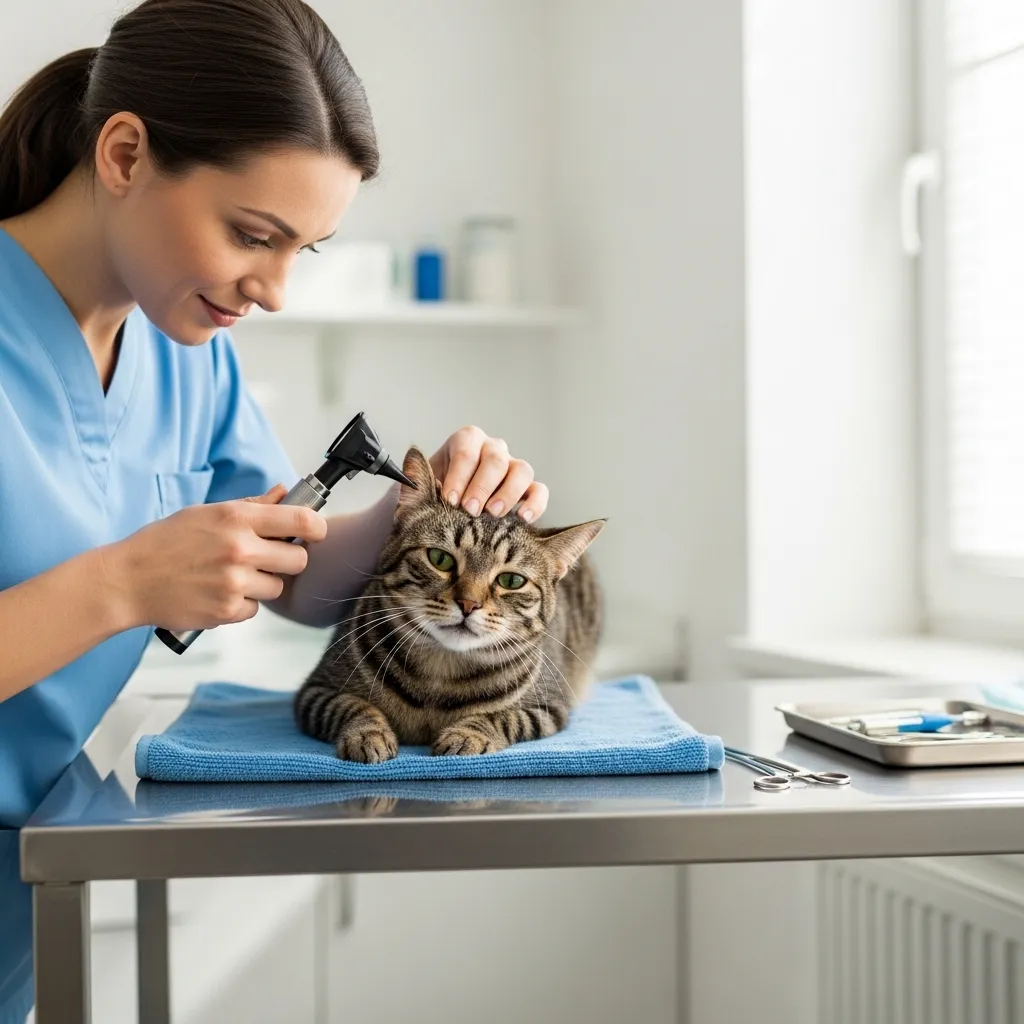
Schedule a vet visit. Before you go, note any other symptoms: Is there discharge? An odor? A head tilt? Your observations are invaluable. With the right care, your feline friend can get back to their quiet, head-shake-free life in no time.
Quick FAQ: Cat Head Shaking
Q: Can I clean my cat’s ears at home?
A: Yes, but only the outer part you can see. Use a vet-recommended cleaner and gauze. Never use cotton swabs inside the ear canal.
Q: Is occasional head shaking normal?
A> A single shake after a nap is fine. Persistent, frequent shaking multiple times a day is not normal and needs checking.
Q: Are some cat breeds more prone to ear issues?
A: Cats with narrow ear canals or folded ears (like Scottish Folds) can be more susceptible to wax buildup and infections.
Q: What happens if I ignore it?
A> Ignoring it can lead to worse infections, painful hematomas, or even permanent hearing damage from a ruptured eardrum.
Q: Will my cat need anesthesia for an ear exam?
A> Not always. For a simple look, no. But if the ear is very painful or needs a deep flush/imaging, sedation may be needed for their comfort and safety.