How Cats Say Sorry: 10 Secret Apologies Your Cat Makes
Ever scolded your cat for knocking a glass off the counter, only to have them give you a slow blink and rub against your leg? You weren’t imagining that shift in energy. Cats absolutely have ways of making amends, but they don’t say “sorry” like humans—or even like dogs with their guilty faces.
Their apologies are subtle, woven into their natural language of body and behavior. As a lifelong cat companion, I’ve learned to spot these quiet peace offerings. Understanding them has deepened my bond with every cat I’ve known. It turns our frustration into appreciation for their unique, feline way of communicating regret or a desire to reconnect.
Let’s decode the secret language of a cat’s apology. Here are the top 10 ways your cat is trying to make things right with you.
[[IMG:IMG01]]
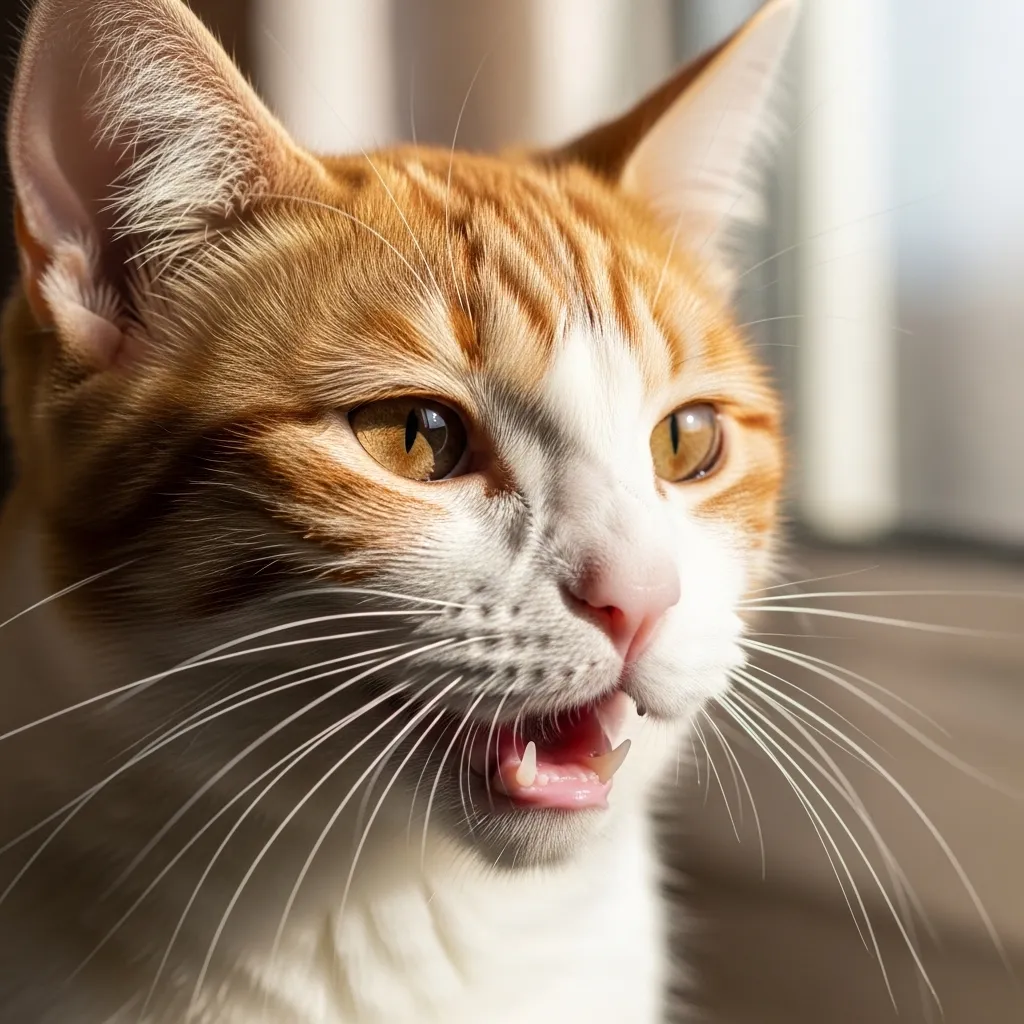
1. The Slow Blink: A “Kitty Kiss” of Peace
This is the most classic and heartfelt apology in cat language. When your cat looks at you and slowly closes and opens its eyes, it’s showing it feels safe and trusts you. In cat terms, maintaining a direct stare is a challenge or a threat.
By softening their gaze with a slow blink, they’re signaling, “I mean no harm. We’re good.” You can even “apologize” back by slowly blinking at them. It’s our most direct way of having a gentle, understanding conversation with them.
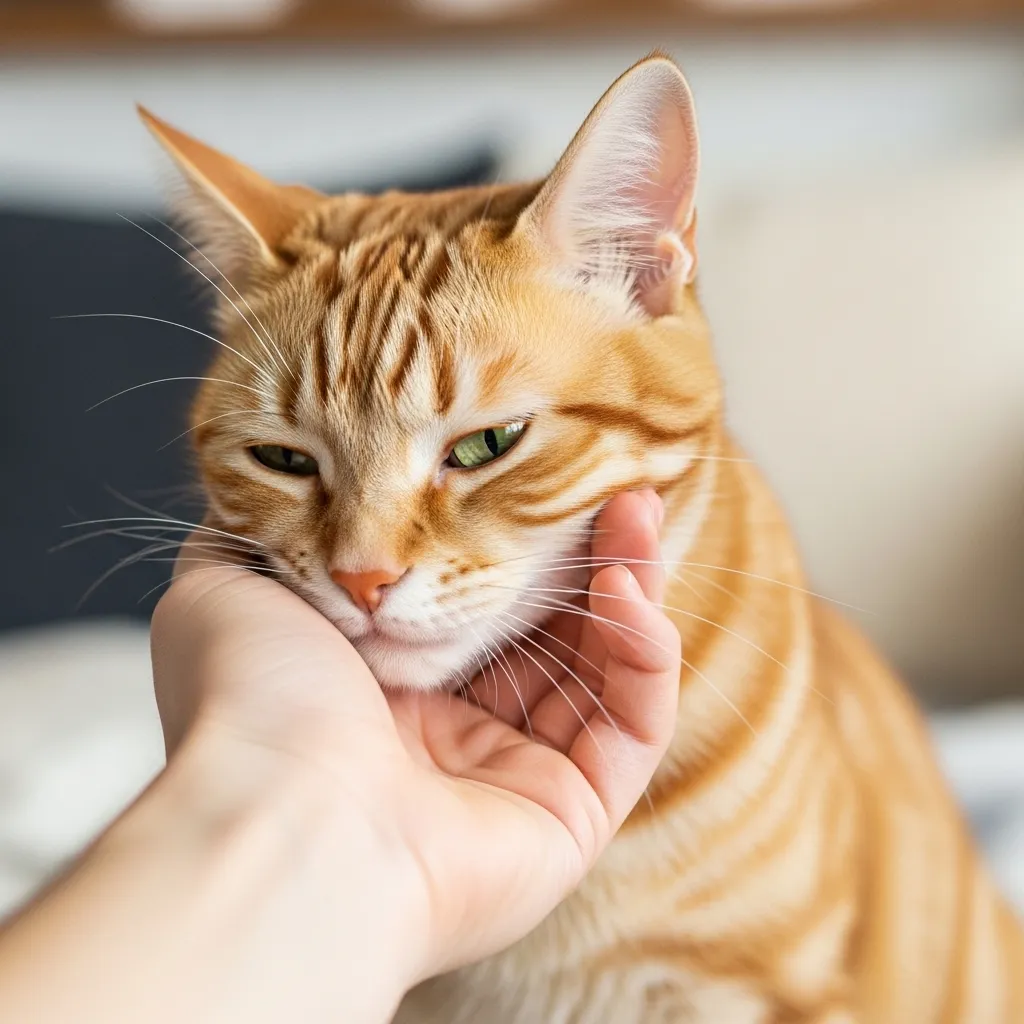
2. The Head Bunt & Cheek Rub
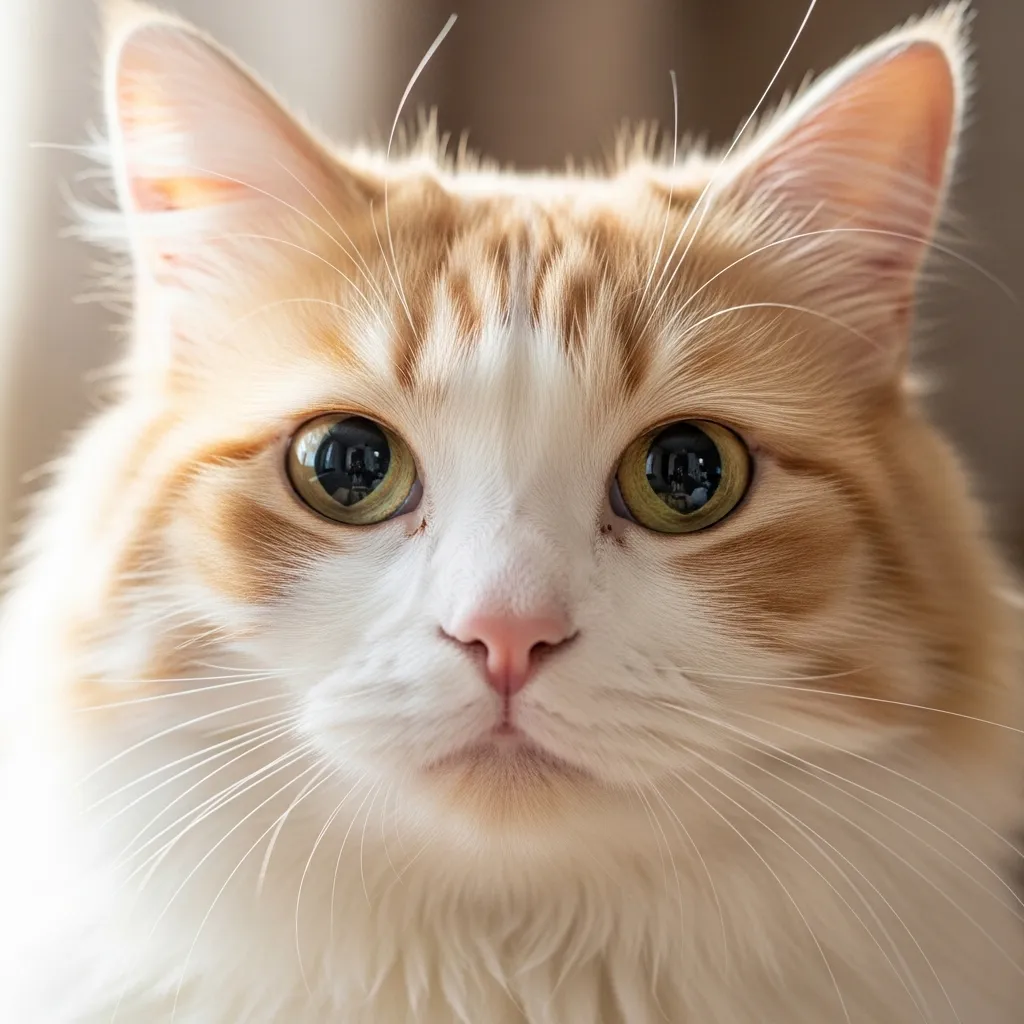
When your cat comes over and bumps its head against you or rubs its cheek on your hand or leg, it’s doing more than seeking affection. They have scent glands in these areas, and they are actively marking you with their familiar scent.
After a tense moment, this is a reaffirming behavior. It’s like they’re saying, “You are mine, and I am yours. Let’s reset.” They are re-establishing the bond and claiming you back into their safe social circle.
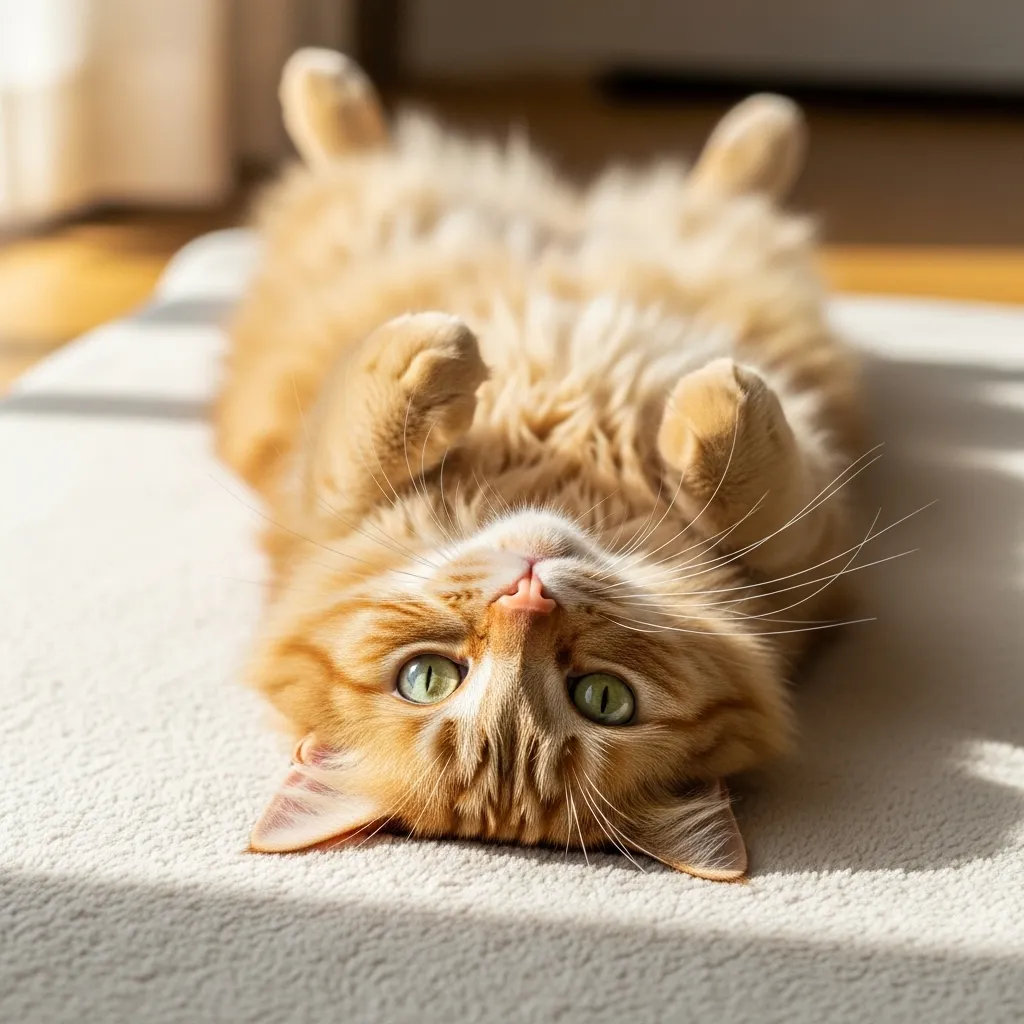
3. Presenting Their Belly (Sometimes)
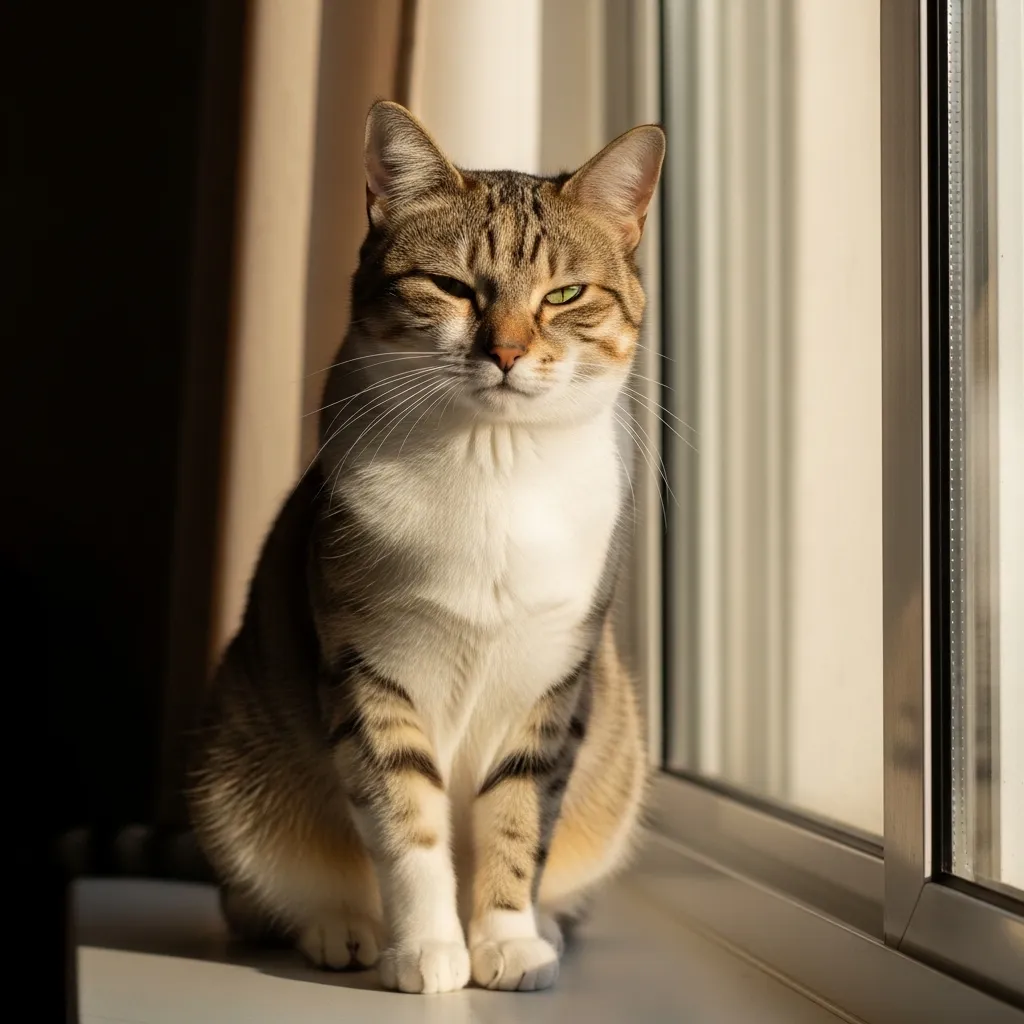
Showing the belly is a sign of ultimate trust in the animal world—it’s their most vulnerable area. If your cat flops over and shows you their belly after doing something you didn’t like, it’s a major peace offering.
A quick note: this is often an invitation for trust, not always a request for a belly rub. Respect the gesture by perhaps just gently petting their head instead. They are showing they feel safe enough to be vulnerable around you again.
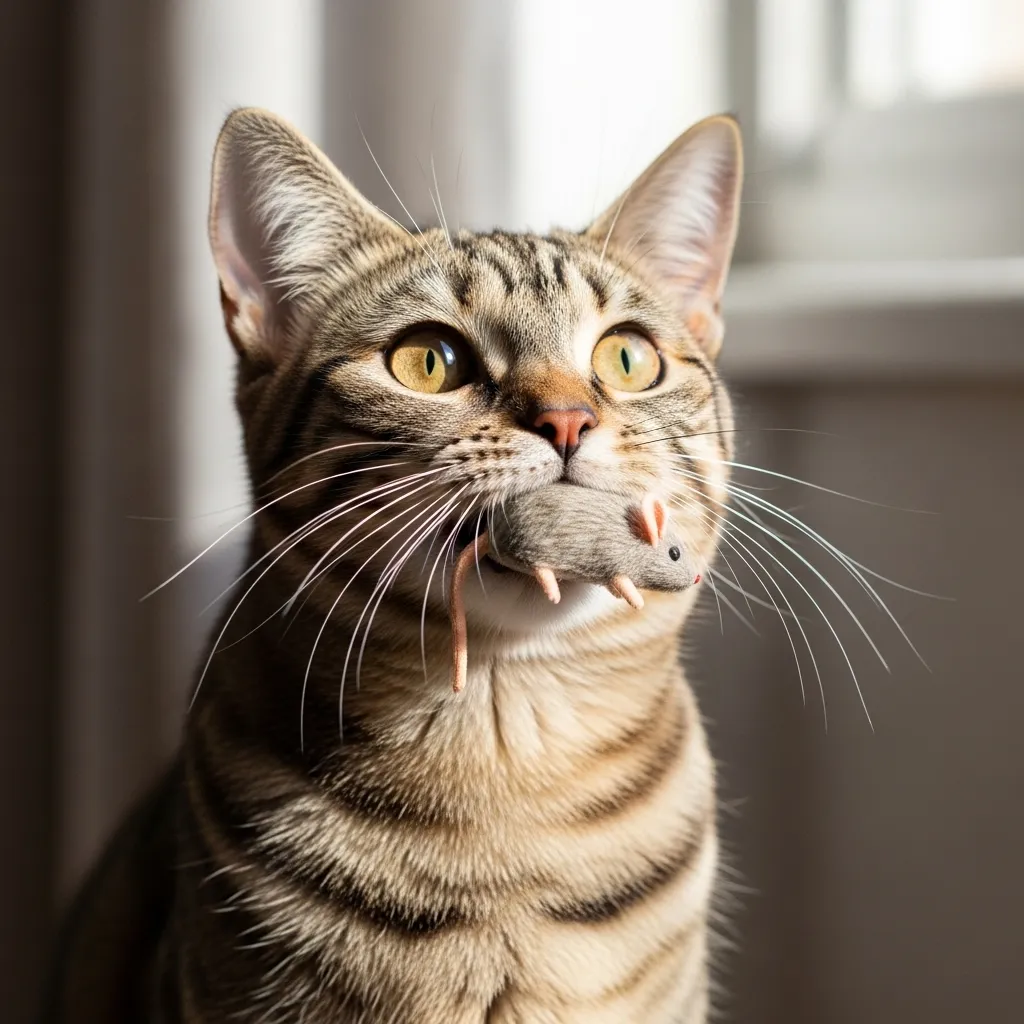
4. Bringing You a “Gift”
While the presentation of a caught toy mouse or, less desirably, a real one, might not feel like an apology to us, it truly is in their mind. You are part of their family, and they are sharing their prized “hunt” with you.
This stems from instinctual behavior of providing for those who can’t hunt. It’s their way of contributing and trying to please you. It’s a profound, if messy, sign of care and reconciliation.
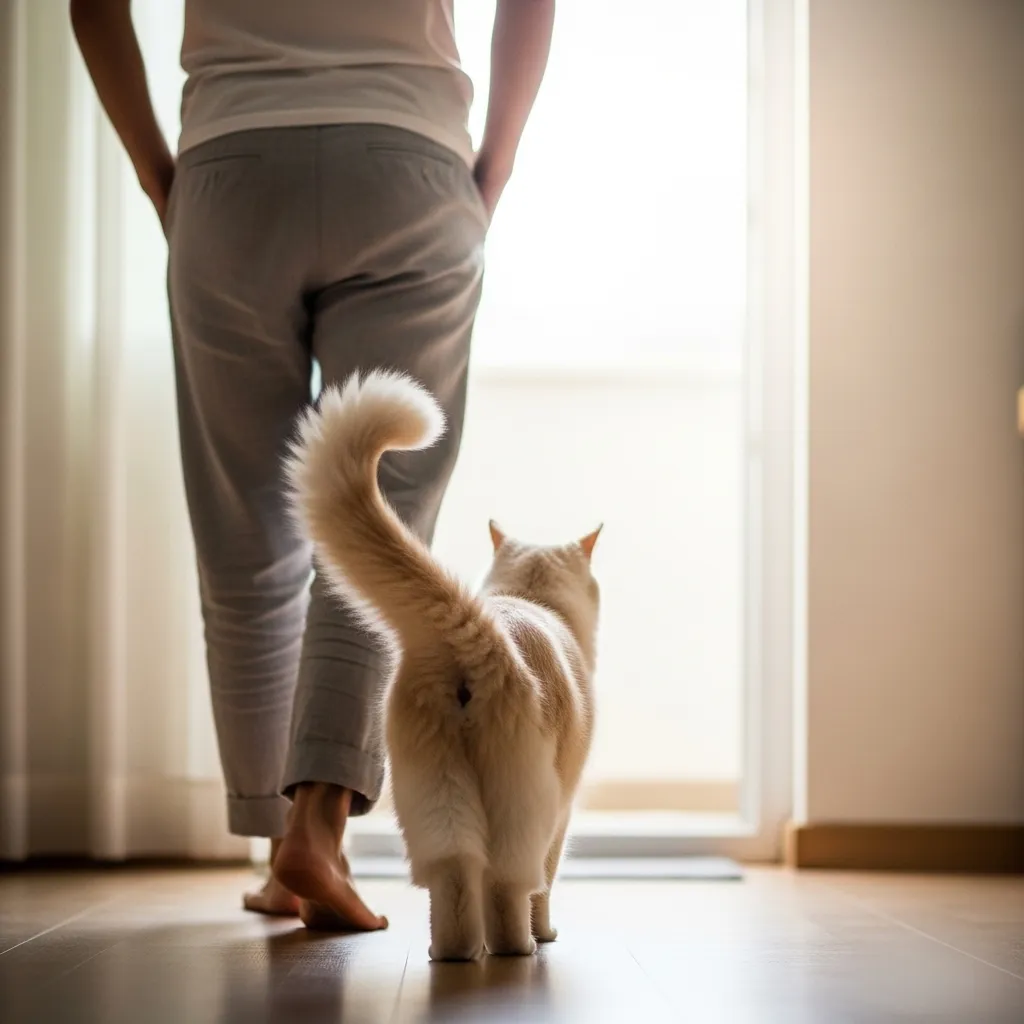
5. Following You Quietly
Does your cat trail after you from room to room after a disagreement, but without demanding anything? This quiet shadowing is a low-key way of reconnecting. They aren’t meowing for food or play; they are simply re-joining your space.
It’s their subtle way of saying, “I still want to be near you.” They are choosing your company over being alone, which is a significant compliment and apology from an independent creature.
6. The Gentle, Non-Demanding Meow
Listen to the tone. A short, soft, chirpy meow or trill directed at you after a scolding is very different from a demanding yowl. This gentle vocalization is a checking-in sound.
It’s like a tentative, “Hello? Are we okay?” It’s an attempt to open a calm line of communication and gauge your mood. Responding in a soft, calm voice can help seal the peaceful truce.
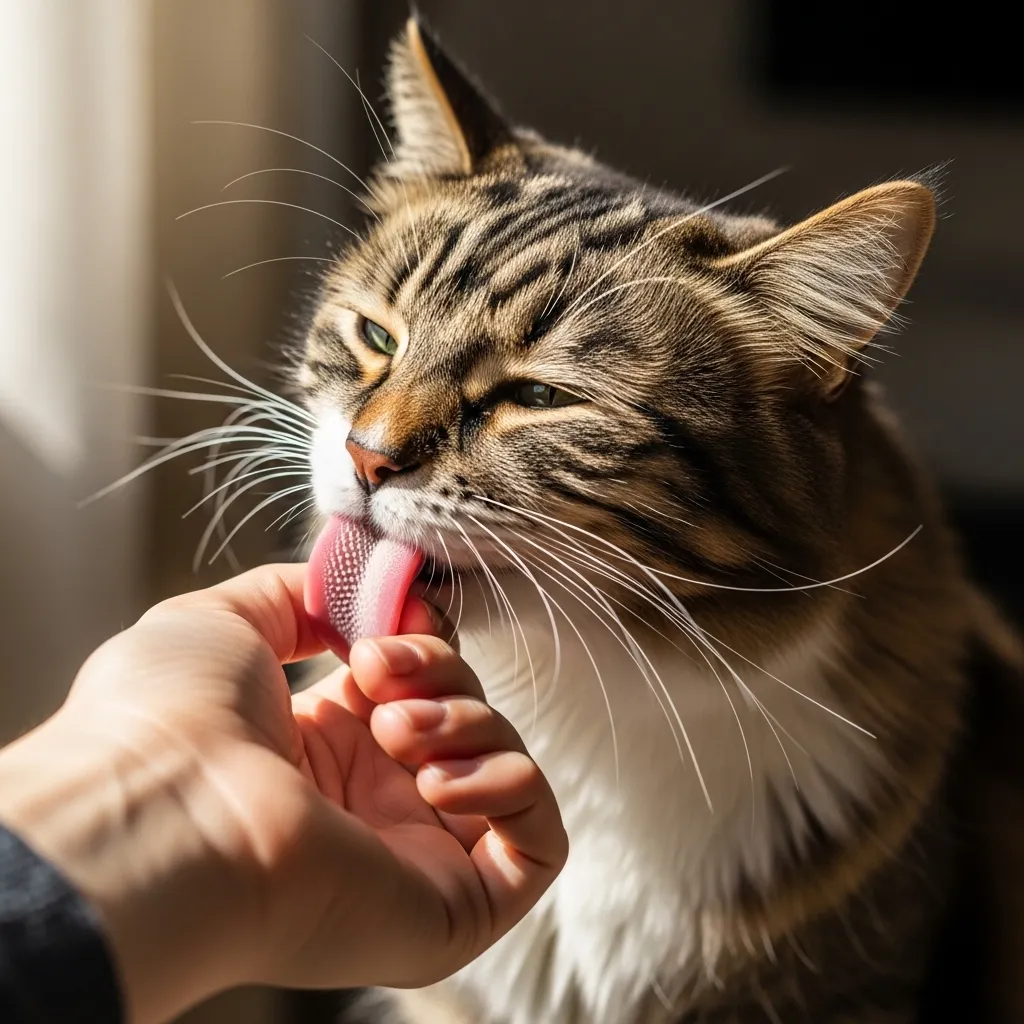
7. Licking Your Hand or Clothes
Grooming is a social bonding activity for cats. When they lick you, they are including you in their “clowder” (family group). It’s a sign of affection and care.
If they do this after you’ve been upset, they are performing a calming, social ritual to smooth things over. They are essentially giving you a kitty bath to make everything right again.
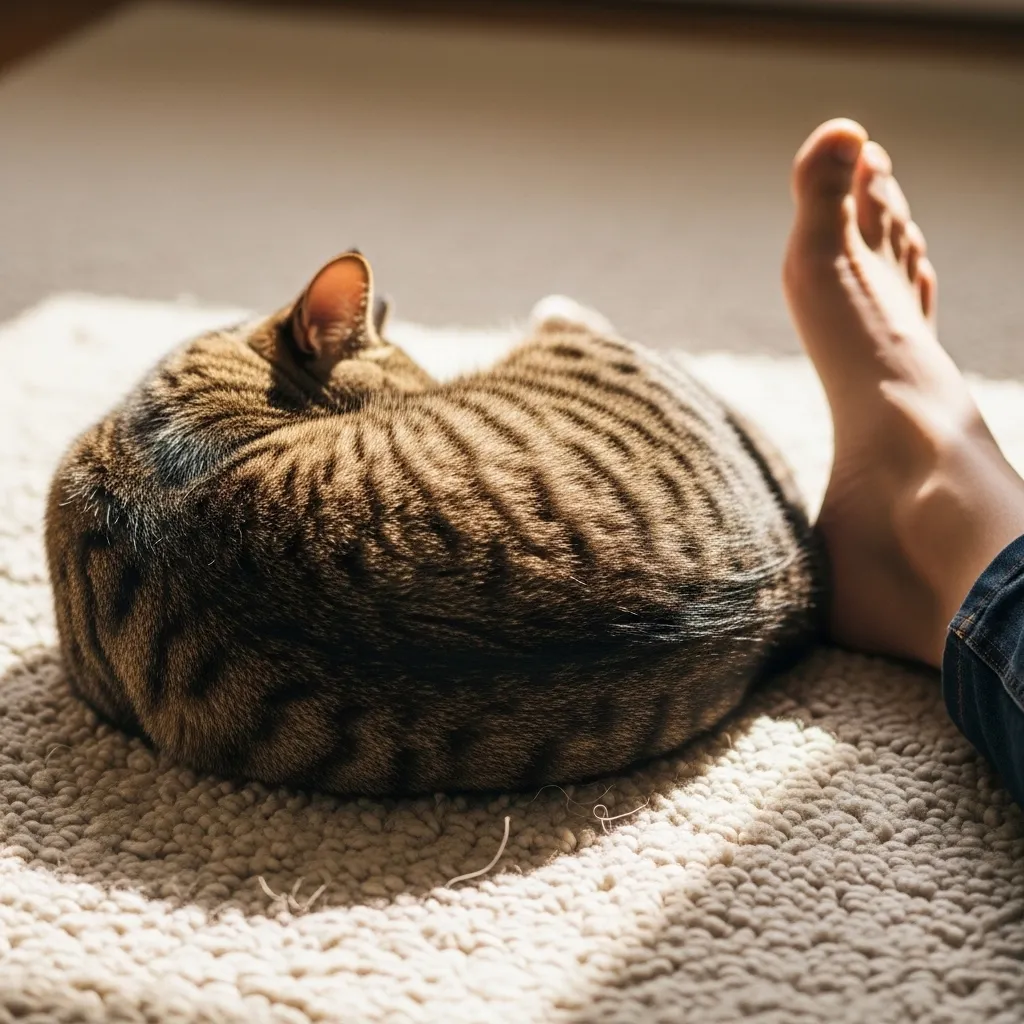
8. Curling Up to Sleep Near You
Sleep is when a cat is most defenseless. Choosing to sleep in your presence, especially after tension, is a powerful display of restored trust. They wouldn’t let their guard down if they still felt threatened or in trouble.
Whether it’s on the couch beside you or at the foot of your bed, this quiet act says, “I feel safe with you. All is forgiven.”
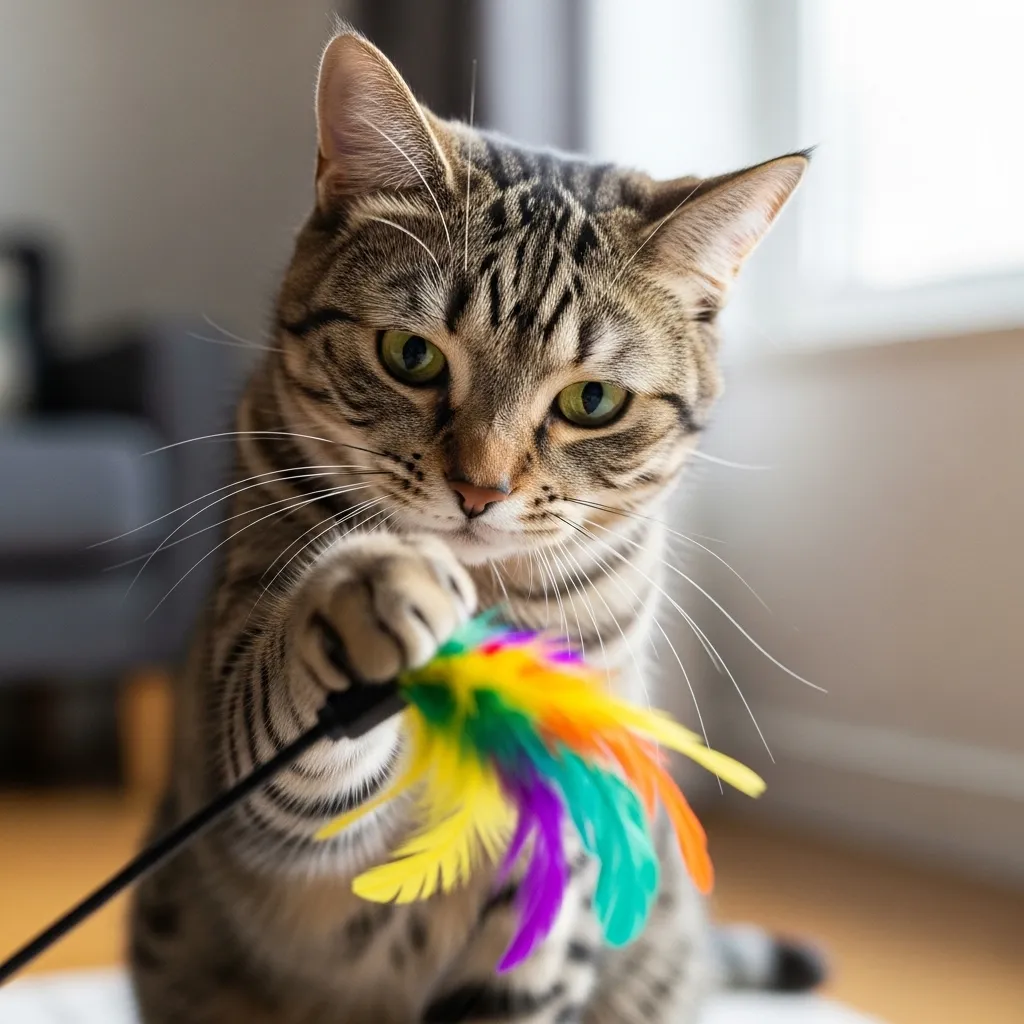
9. Initiating Play with Their Favorite Toy
Play is a positive, bonding experience. By bringing you a wand toy or batting a ball toward you, your cat is proposing a “fun truce.” They are trying to engage you in a happy, shared activity to replace the negative vibes.
It’s their way of hitting the reset button and saying, “Let’s do something together that makes us both happy.”
10. Just Giving You Space
This might seem counterintuitive, but for a cat, sometimes the best apology is a respectful retreat. If they’ve been overly boisterous or annoying and then quietly go to another room to nap, they are self-regulating.
They are recognizing the social tension and removing themselves to let things cool down. It’s a mature feline way of de-escalating the situation, which is a form of respect.
Conclusion: Speaking Their Language of Love
Learning to see these behaviors as apologies has completely changed how I relate to my cats. They aren’t being aloof or holding grudges; they are constantly communicating in their own subtle way. By accepting their peace offerings—a slow blink back, a gentle pet after a head bunt—we acknowledge their effort and strengthen our incredible bond.
The key is to let go of the human expectation for a verbal “sorry.” Their apologies are written in the language of trust, scent, and quiet companionship. When you start to see it, you’ll realize your cat says “I’m sorry” more often than you ever thought.
FAQs: How Cats Say Sorry
Q: Do cats actually feel guilt?
A: Science suggests cats don’t feel complex guilt like humans. Their “apologies” are more about social repair and restoring peaceful bonds after they sense your displeasure.
Q: My cat ignores me after I tell them “no.” Are they sulking?
A: Probably not sulking in a vengeful way. They likely sense the tension and are giving you (and themselves) space, which is actually a form of feline conflict resolution.
Q: Should I “apologize” to my cat?
A> Absolutely! Use their language. Offer slow blinks, speak in a soft tone, and engage in a calm, positive activity like a gentle petting session or play.
Q: What if my cat never shows these behaviors?
A> All cats are different. Some are more demonstrative than others. Your cat’s apology might be as simple as just coming back into the same room as you after a while. Look for their personal version of reconnection.
Q: Will punishing my cat make them understand?
A> No. Cats don’t connect punishment with past actions. It only creates fear and damages your bond. Redirecting behavior and praising the good is always more effective than yelling or scolding.