How to Make Cat Gravy: 10 Purr-fect Recipes Your Kitty Will Love
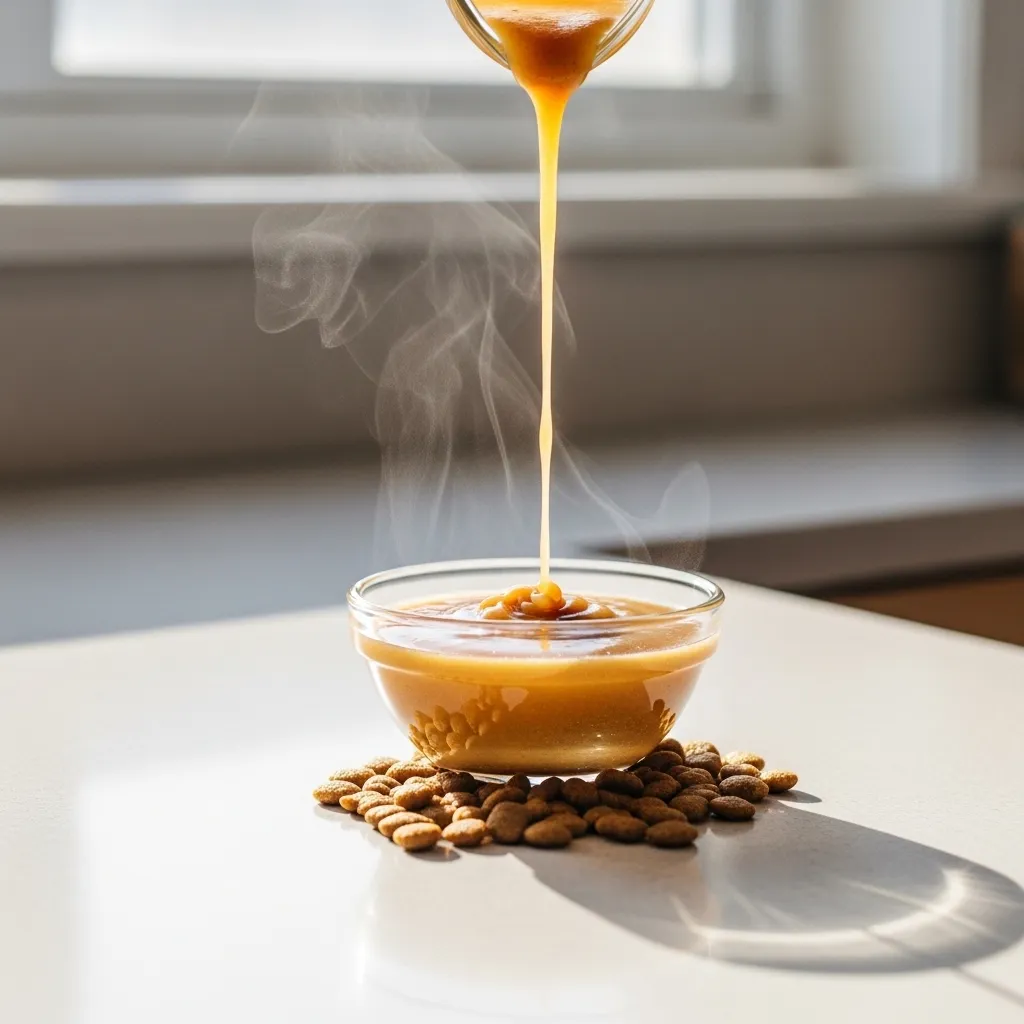
I used to watch my cat, Whiskers, lick the gravy off her food and leave the rest. Sound familiar? That’s when I realized a simple truth: cats are gravy connoisseurs. Making your own cat gravy isn’t just a treat; it’s a way to add moisture, flavor, and a little extra love to their meals, especially for picky eaters or senior cats who need encouragement to drink more.
The best part? You control the ingredients. No mysterious additives, just wholesome, kitty-safe goodness. It’s easier than you think, and I’ve spent months testing recipes in my own kitchen. From super simple broths to nutrient-packed purées, here are my top 10 tried-and-true ways to make cat gravy that will have your feline friend meowing for more.
1. The Simple Chicken Broth Gravy
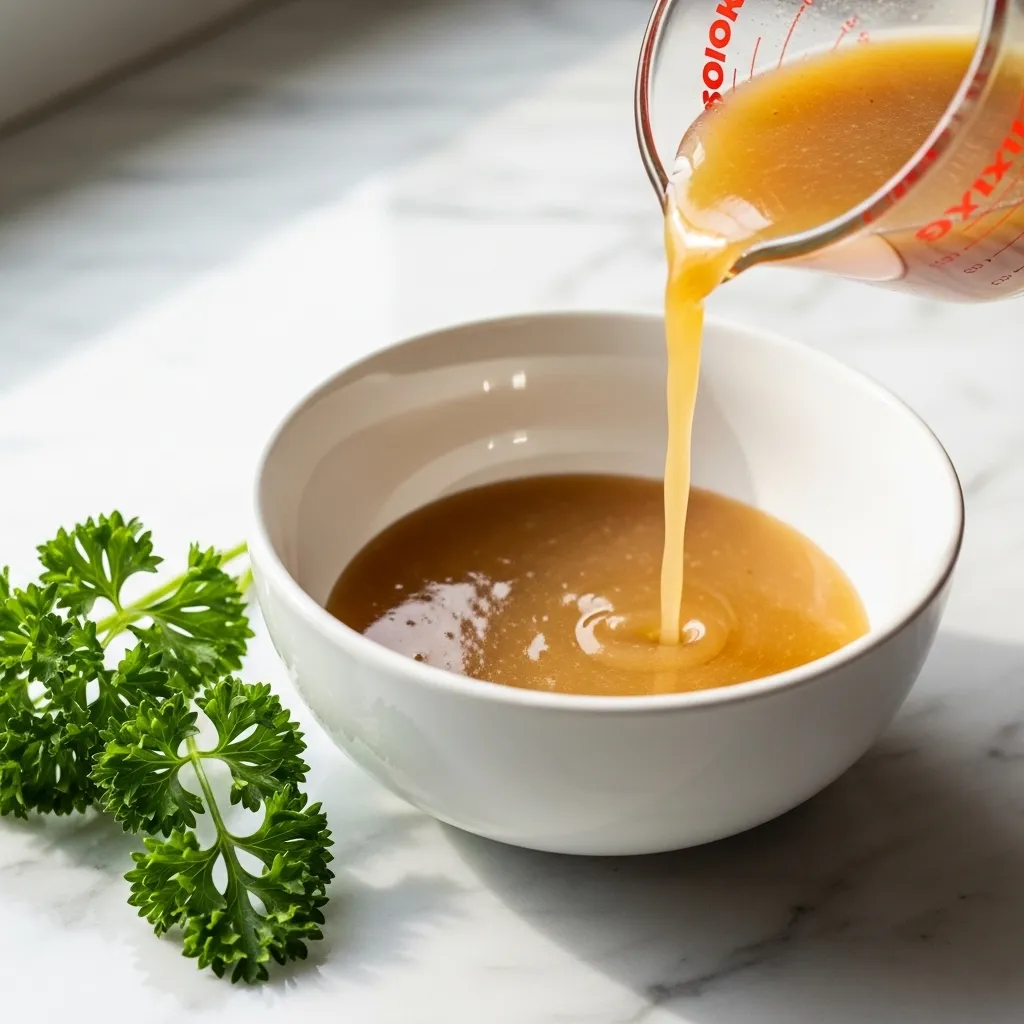
This is my absolute go-to, a foolproof recipe that uses just two ingredients. It’s light, fragrant, and perfect for drizzling over dry food or serving as a little hydrating snack.
All you need is plain, boneless, skinless chicken breast and water. Simmer the chicken until fully cooked, then remove it for your own use (like a salad topping!). The leftover broth is liquid gold for cats. Let it cool completely and skim off any fat.
Pro Tip: Never add salt, onions, garlic, or seasonings. Keep it utterly plain. Store this clear broth in the fridge for up to 3 days.
2. The Tuna Drizzle “Jus”
For a serious flavor explosion, this tuna drizzle is unbeatable. It leverages the power of tuna water, that magical liquid in the can that drives cats wild.
Simply take a can of tuna in water (not oil!), and drain the water into a small bowl. You can use it as-is, or for a thicker consistency, mix a teaspoon of the drained tuna water with a bit of warm water. Mash a tiny flake of the actual tuna into it for extra texture.
Remember: This is a high-value treat, not an everyday meal. Use it sparingly to make a special impression or hide medication.
[[IMG:IMG:IMG03]]
3. Pumpkin & Turkey Purée Gravy
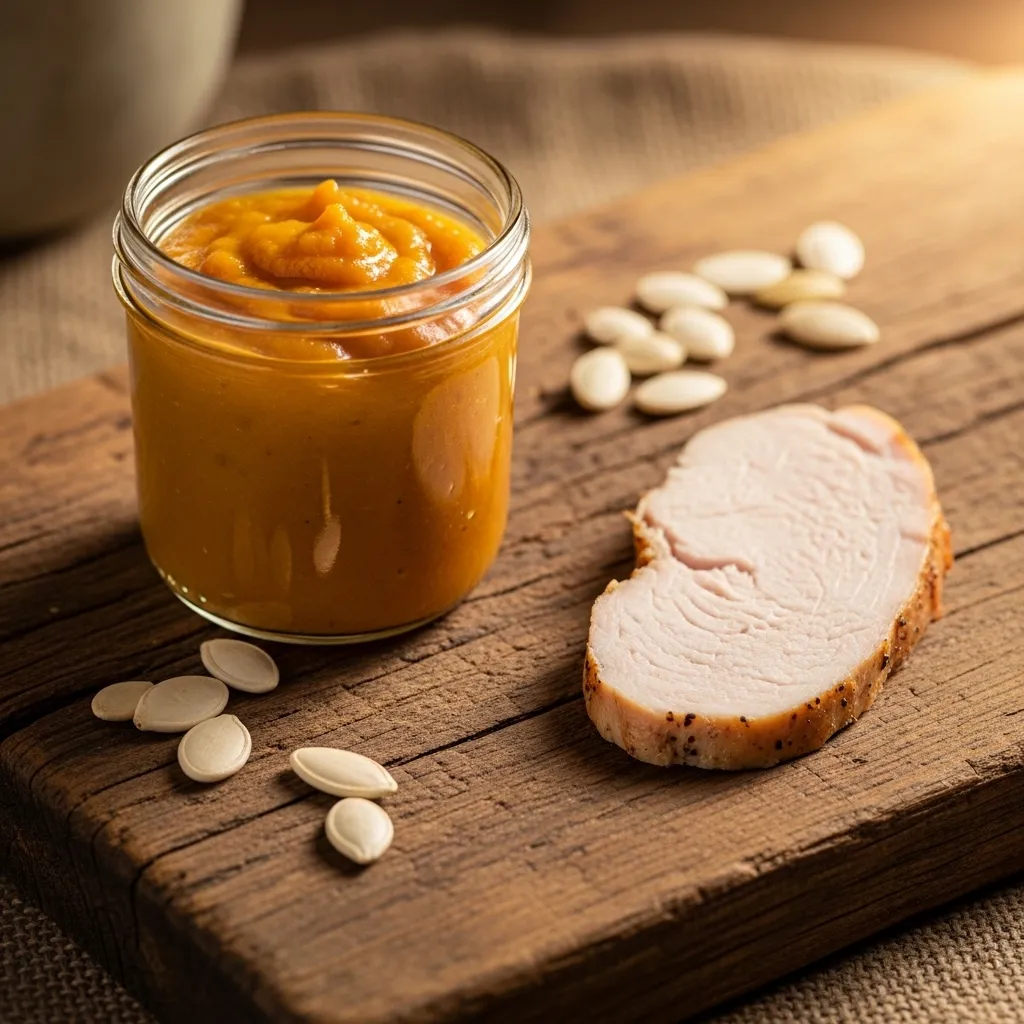
This is a powerhouse gravy, especially good for digestion. Plain pumpkin purée (not pie filling!) is full of fiber, and turkey is a lean protein.
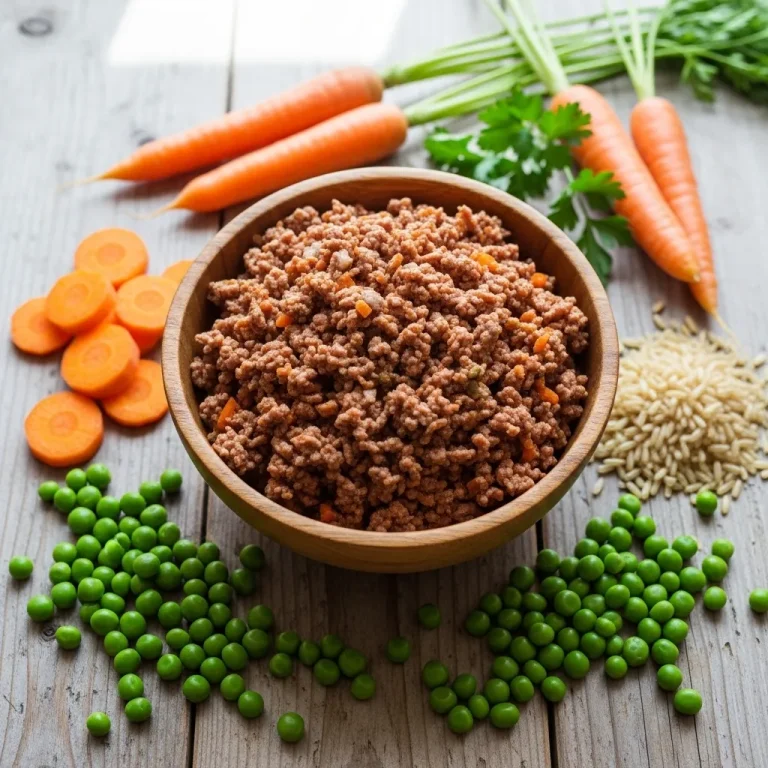
Cook some ground turkey until it’s thoroughly browned and crumbled. In a blender, combine a few tablespoons of the cooked turkey with a spoonful of pumpkin purée and some warm water. Blend until smooth. The result is a thick, orange-hued gravy that’s as healthy as it is delicious.
It’s a fantastic option for cats with sensitive stomachs or to help with hairballs.
4. The Bone Broth Elixir
For a nutrient-dense option, slow-simmered bone broth is incredible. It’s rich in collagen and minerals that support joint health. I make a big batch and freeze it in ice cube trays.
Use raw beef marrow bones or chicken necks/feet (ask your butcher). Roast them in the oven first for deeper flavor, then cover with water in a slow cooker. Cook on low for 24 hours. Strain meticulously to remove every tiny bone fragment. The cooled broth will become gelatinous—a sign of great collagen content!
Warm a cube-sized portion before serving. They’ll lap it up like a precious elixir.
5. Sardine Surprise Gravy
Sardines are a wonderful source of omega-3 fatty acids for a shiny coat. This gravy is surprisingly simple and packed with healthy fats.
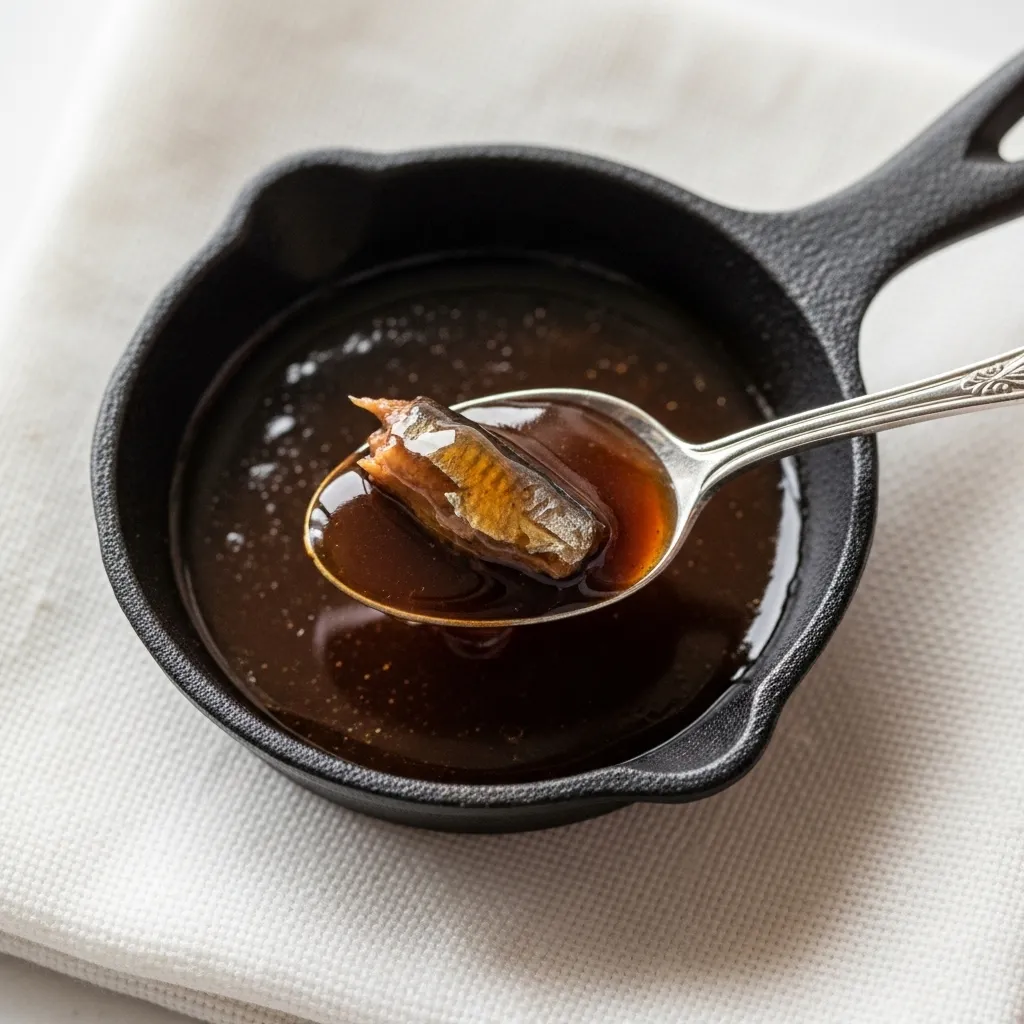
Get sardines packed in water or spring water. Open the can and pour the entire contents, fish and water, into a bowl. Use a fork to mash everything together into a loose, chunky gravy. For a smoother version, give it a quick pulse in the blender.
The strong smell is irresistible to most cats. Just a tablespoon mixed into their regular food works wonders.
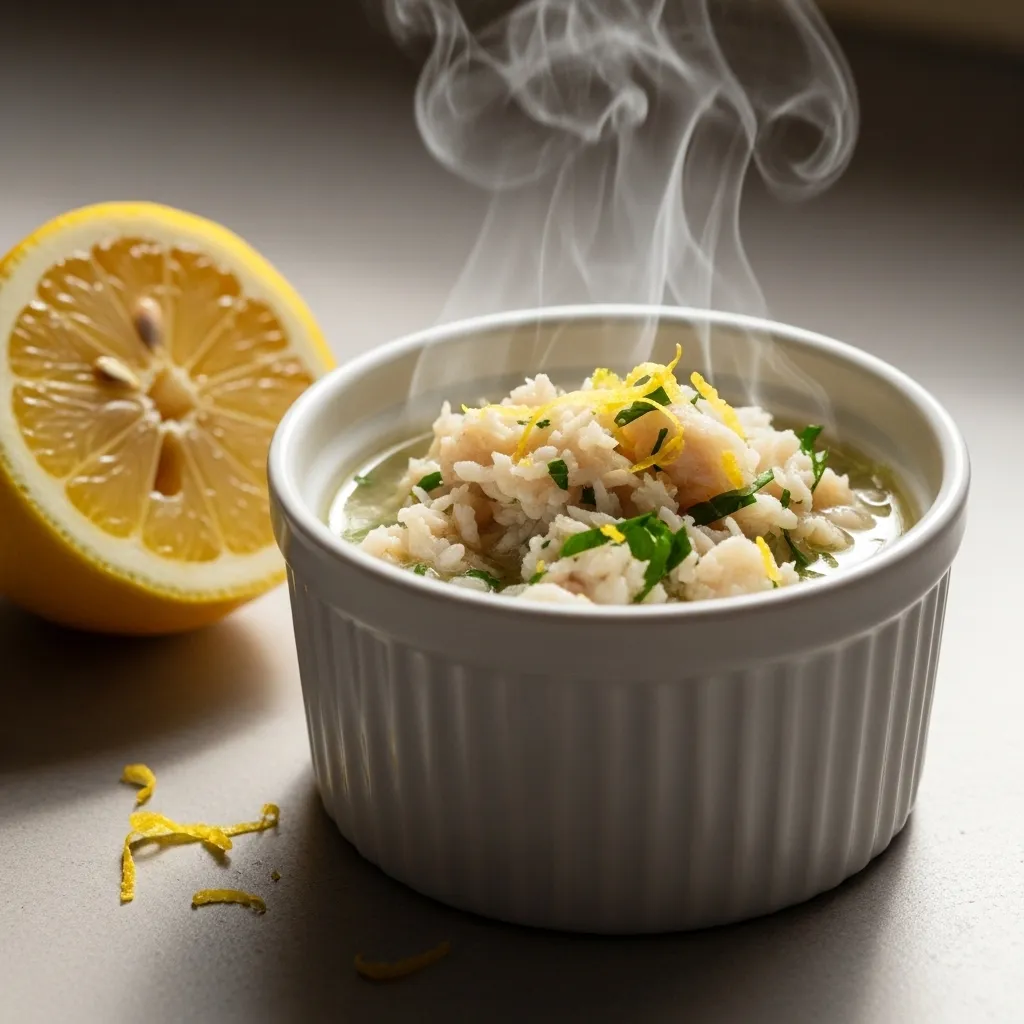
6. The “Leftover Fish” Steam Gravy
When I cook a plain white fish like cod or haddock for myself, I always set aside an unseasoned piece for this gravy. It’s a zero-waste win!
Steam or poach a small piece of fish in just a couple tablespoons of water. Once the fish is cooked, remove it. The water left in the pan is now infused with a mild fish flavor. Let it cool, and that’s your gravy!
You can flake a bit of the cooked fish back into the liquid for substance. It’s delicate and perfect for senior cats.
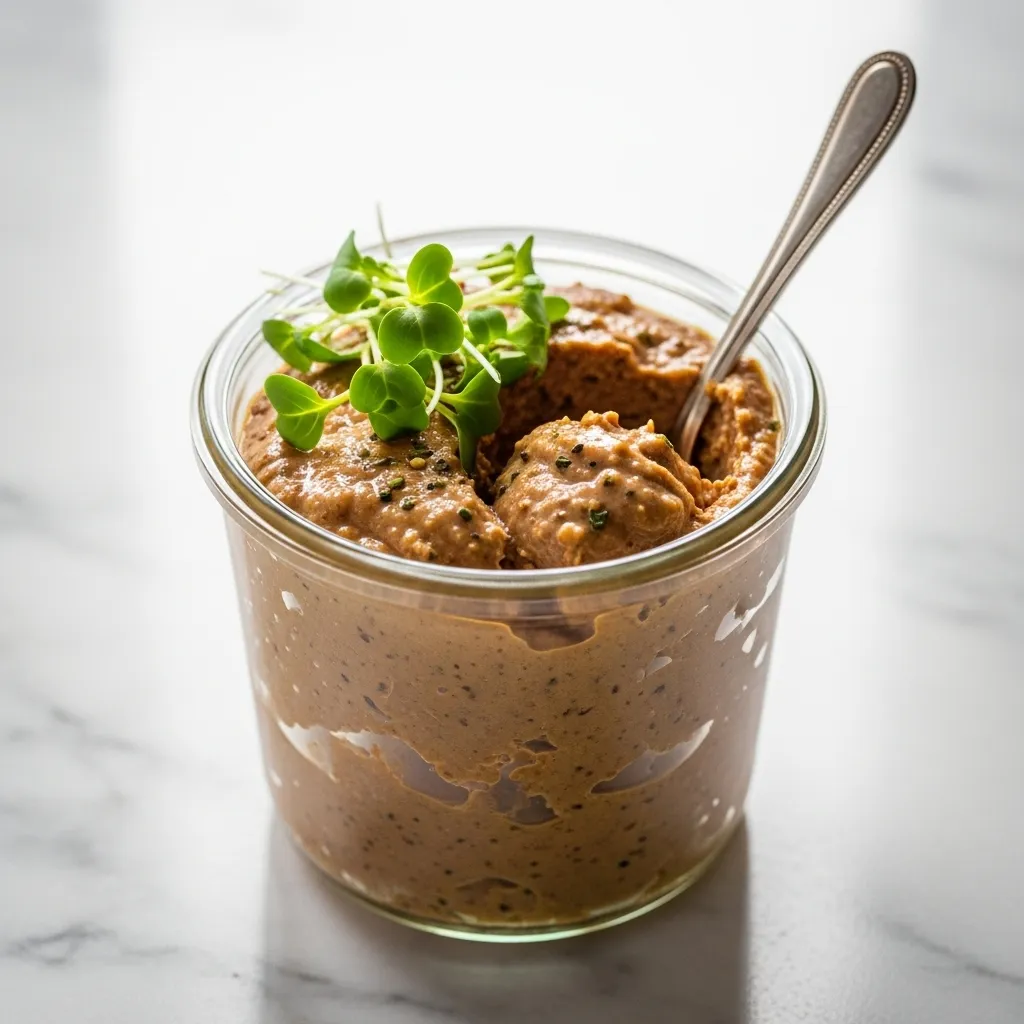
7. Chicken Liver Pâté Style
Chicken liver is a superfood for cats, loaded with iron and vitamins. This makes a very rich, dark gravy that’s ideal for weight gain or as an occasional supplement.
Boil or sauté a few chicken livers until fully cooked through (no pink inside). Blend the cooked livers with enough warm water to create a smooth, pourable pâté consistency. It will be very dark and aromatic.
Because it’s so rich, start with just a teaspoon mixed into their food. A little goes a very long way.
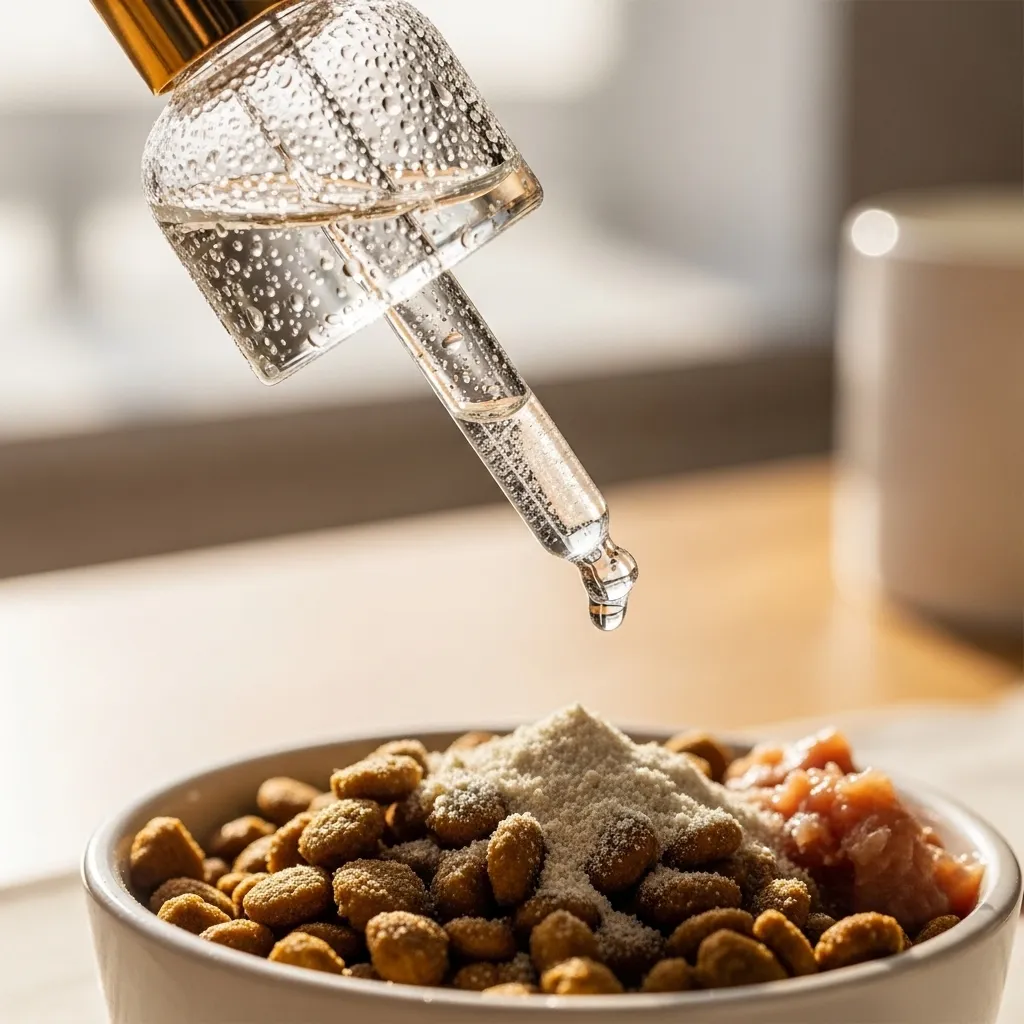
8. The Hydration Booster: Water & Food Topper
Sometimes the simplest method is the best. If you use a high-quality wet food as a topper, you can turn it into an instant gravy.
Take a portion of your cat’s favorite pâté-style wet food. Add a few tablespoons of warm water and whisk or mash vigorously until it becomes a creamy, gravy-like soup. This guarantees they’ll consume the whole meal and get extra hydration.
It’s my secret trick for getting my cat to drink more, especially during hot weather.
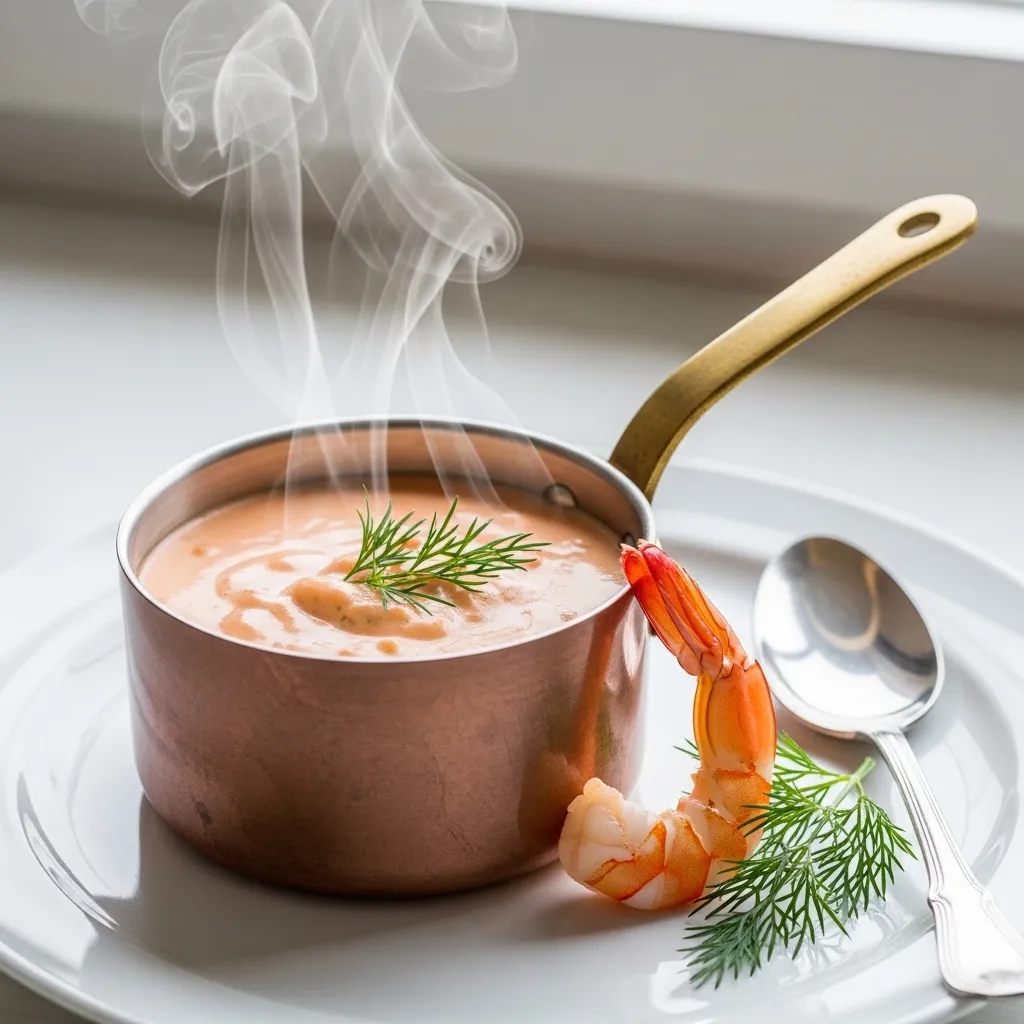
9. Shrimp Bisque (Cat-Style!)
A single shrimp can create a luxurious gravy for your feline friend. It’s a special-occasion treat that feels decadent.
Peel one or two raw shrimp. Boil them in a half cup of water for just 2-3 minutes until they turn pink. Remove the shrimp (you can chop them up as a topper). The leftover boiling water is now a light, seafood-infused broth.
Let it cool completely. The subtle shrimp scent is usually a huge hit. Ensure the shrimp is plain, with no salt or seasoning.
10. The Veggie Boost Purée
While cats are obligate carnivores, a small amount of cat-safe veggie purée can add vitamins and thicken a gravy beautifully. I use this to mix with meat broths.
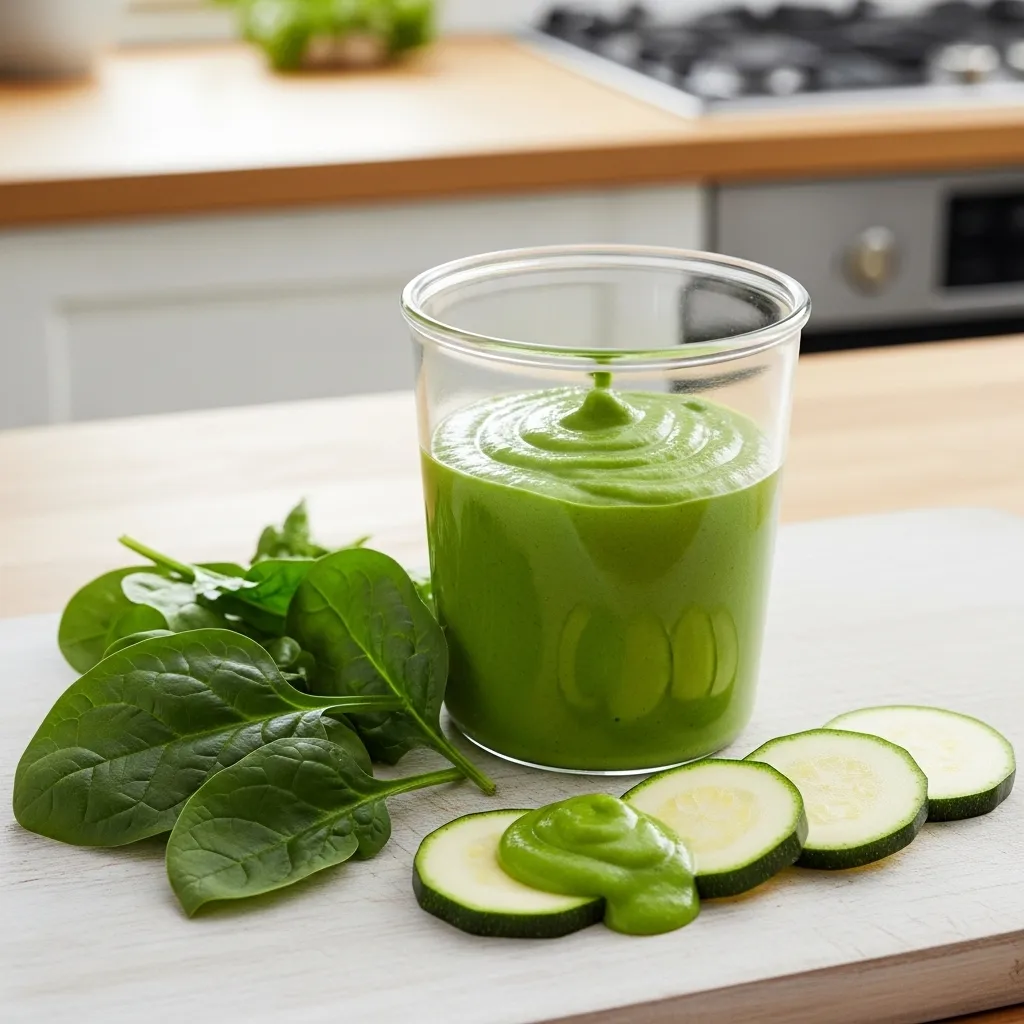
Steam a few pieces of carrot or zucchini until very soft. Purée them with a splash of water until completely smooth. This creates a mild, slightly sweet base.
I then mix a spoonful of this veggie purée with a meat-based broth (like the chicken broth from idea #1) to create a thicker, nutrient-blended gravy that’s still primarily meat-focused.
Conclusion: A Bowl Full of Love
Making cat gravy has become one of my favorite ways to bond with Whiskers. Seeing her excitement at mealtime is priceless. Whether you choose the simplicity of chicken broth or the richness of a liver pâté, you’re giving your cat a hydration boost, enhanced flavor, and the comfort of knowing you made it just for them. Start simple, observe what they love, and have fun with it! Your efforts will be rewarded with plenty of purrs and head-butts.
FAQs: Your Cat Gravy Questions Answered
Q: Can I store homemade cat gravy?
A: Yes! Always store it in a sealed container in the refrigerator. Most meat-based gravies will last 2-3 days. For longer storage, freeze it in ice cube trays for easy single-serving portions.
Q: Are onions or garlic okay for flavor?
A: Never. Onions, garlic, leeks, and chives are toxic to cats and can cause serious health issues. Always stick to plain meats, fish, and cat-safe veggies like pumpkin or carrot.
Q: How much gravy should I give my cat?
A> Think of it as a supplement or topper, not a full meal. Start with 1-2 tablespoons per serving mixed into their regular food. It shouldn’t replace their balanced diet.
Q: My cat is on a special diet. Can they have gravy?
A> Always check with your veterinarian first, especially for cats with kidney disease, allergies, or other health conditions. They can advise on safe ingredients.
Q: Can I use broth from my own cooking?
A> Only if it’s 100% plain, with no salt, spices, onion, or garlic. The broth from your salted Sunday roast is not safe. It’s always safest to make a separate, unseasoned batch just for your cat.