10 Healthy Dog Snacks Your Pup Will Actually Love

Let’s be real—our dogs know exactly when we’re in the kitchen. That little nose appears out of nowhere, and those big eyes make it almost impossible to say no. I’ve been there more times than I can count, crumbling under the guilt of sharing something I probably shouldn’t.
The good news? You don’t have to feel bad anymore. There are so many healthy, simple snacks that dogs absolutely adore, and most of them are probably sitting in your fridge or pantry right now. These aren’t fancy treat recipes you’ll never make—they’re real food ideas that take minutes to prepare.
I’ve tested these snacks with my own picky pup (who once turned her nose up at a store-bought sweet potato chew). Every single one got a tail-wagging approval. Ready to ditch the processed stuff? Let’s dive in.
1. Frozen Blueberry Bites
This is my go-to on hot summer days. Blueberries are packed with antioxidants, fiber, and vitamins C and K. They’re tiny, so they’re perfect for training treats or just a quick, refreshing snack.
I grab a handful of fresh or frozen blueberries (unsweetened, always) and pop them in a bowl. If your dog is extra picky, try mashing a few first so the juice gets them interested. My dog loves chasing them across the kitchen floor—it’s a snack and a game in one.
Pro tip: start with 3–5 berries for a small dog, a few more for a big one. Too many can upset their tummy.
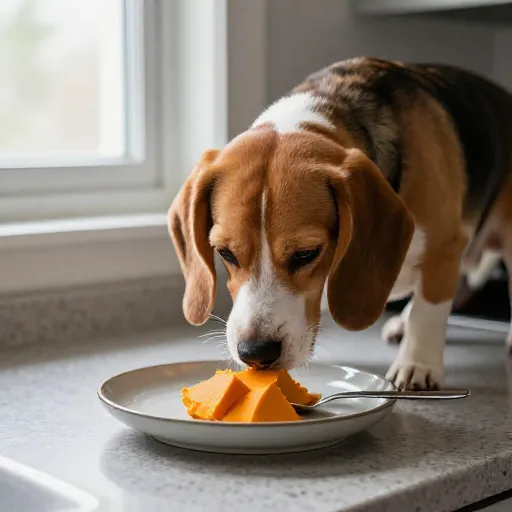
2. Plain Pumpkin Spoonfuls
Canned pumpkin (not pumpkin pie filling!) is a miracle worker for dog digestion. It’s full of fiber and beta-carotene, and most dogs think it tastes like dessert. I keep a can in my pantry at all times.
I just scoop out a spoonful and let my dog lick it straight from the spoon. Sometimes I freeze little dollops on a baking sheet for a cool, chewy treat. If your dog has an upset stomach, this is often the first thing vets recommend.
Make sure it’s 100% pure pumpkin with no added sugar, salt, or spices.
3. Carrot Crunch Sticks
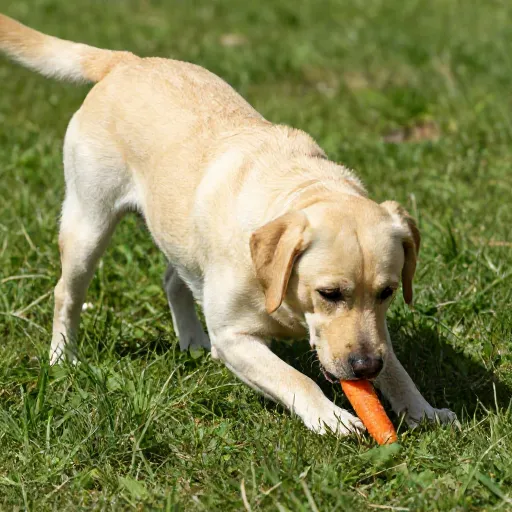
Carrots are nature’s dental chew. They’re low in calories, high in vitamin A, and the crunch helps scrape off plaque. My dog goes absolutely wild when she hears me peeling a carrot.
I just wash a carrot, cut it into stick shapes (or leave it whole for a bigger dog), and hand it over. For smaller pups, slice into thin rounds. Baby carrots work great too—no prep needed.
One note: always supervise your dog with any hard, crunchy treat to prevent choking.
4. Apple Slices (No Seeds)
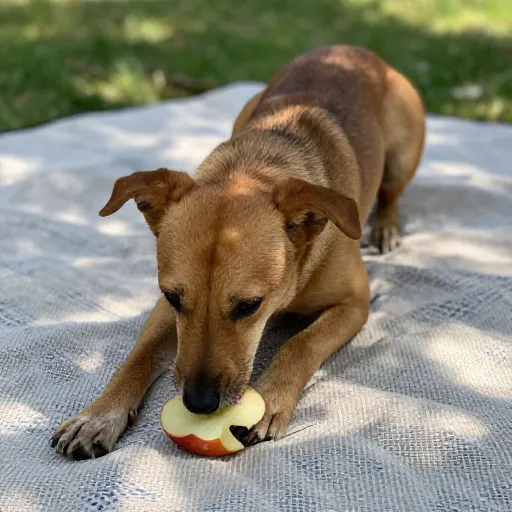
Apples are sweet, crisp, and full of vitamins A and C. They’re also low in protein and fat, making them a great option for dogs who need to watch their weight. I slice up a fresh apple and share a few pieces.
Just remove the core and all seeds first—apple seeds contain trace amounts of cyanide, which is toxic in large quantities. The flesh is totally safe and delicious. My dog prefers red apples, but any variety works.
A few thin slices is plenty. Too much apple can cause an upset stomach due to the natural sugar.
5. Plain Cooked Chicken Strips
When I want to give my dog something truly special, I boil a chicken breast and shred it into strips. It’s pure protein, no additives, and my dog acts like I just handed her a steak. This is perfect for training or as a high-value reward.
I boil the chicken until fully cooked (no salt, no oil, no seasoning), let it cool, and tear it into small, bite-sized pieces. You can store leftovers in the fridge for about three days, or freeze them for later.
Chicken is great for dogs with sensitive stomachs too. Just don’t overdo it—it should be a treat, not a meal replacement.

6. Frozen Greek Yogurt Drops
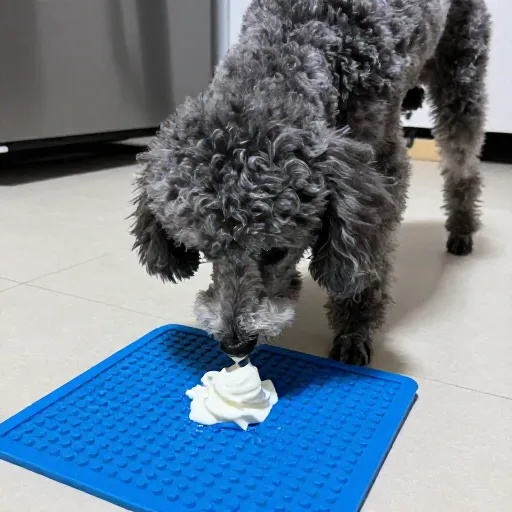
Plain Greek yogurt is packed with probiotics and calcium, which are amazing for your dog’s gut and bones. I buy the plain, unsweetened kind (no xylitol, ever). Then I drop tiny spoonfuls onto a parchment-lined baking sheet and freeze them.
After a couple of hours, I pop them off and store them in a freezer bag. My dog loves these as a cool afternoon snack. You can even mix in a little mashed banana or pumpkin before freezing for extra flavor.
Just make sure your dog isn’t lactose intolerant. Start with one small drop to see how they handle it.
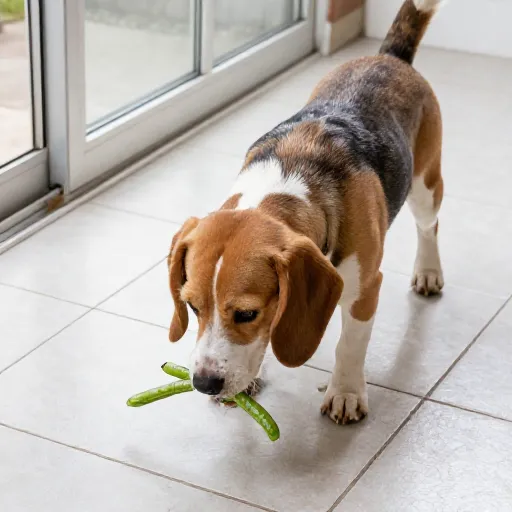
7. Green Bean Crunch
Green beans are a low-calorie, high-fiber snack that most dogs enjoy. I use fresh or frozen green beans (canned ones are fine too, but only if they’re no-salt-added). They’re crunchy, satisfying, and full of vitamins.
I just rinse them, snap off the ends, and serve them raw or lightly steamed. My dog loves the way they snap when she bites into them. It’s a great option for dogs who need to shed a few pounds—they feel like a treat but have almost no calories.
Frozen green beans are especially fun on a warm day. They double as a teething soother for puppies.
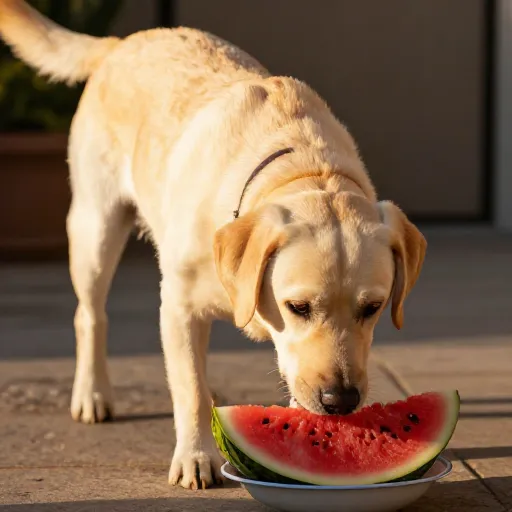
8. Watermelon Cubes (Seedless)
Watermelon is mostly water, so it’s incredibly hydrating and refreshing. It’s also full of vitamins A, B6, and C. I cut the rind off completely, remove any seeds, and cube the red flesh into small pieces.
My dog goes nuts for watermelon. I swear she can hear me cutting it from across the house. Just keep the pieces small to avoid choking, and never give them the rind—it’s tough to digest.
A few cubes are plenty. Too much can cause loose stools because of the high water content.
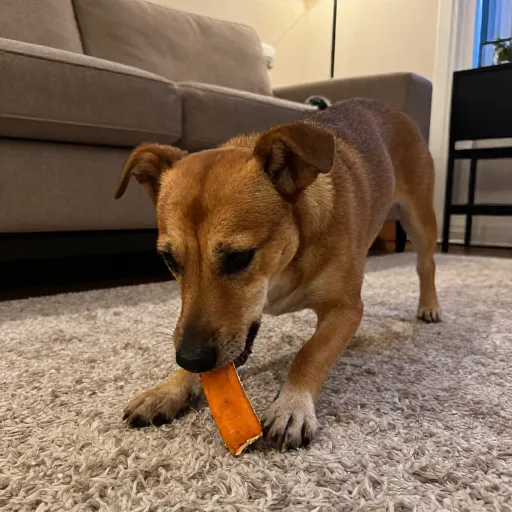
9. Sweet Potato Chews
Sweet potatoes are rich in fiber, vitamins, and beta-carotene. They make amazing homemade chews that are way healthier than store-bought rawhide. I slice a sweet potato into thin, fry-like strips, then bake them at 250°F (120°C) for about two hours.
The low heat dries them out without burning them, giving you a chewy, leathery treat that lasts. My dog will gnaw on one of these for a good 20 minutes. It’s great for dental health and keeps her entertained.
Store them in an airtight container in the fridge. They’ll last about a week—if your dog doesn’t eat them all first.
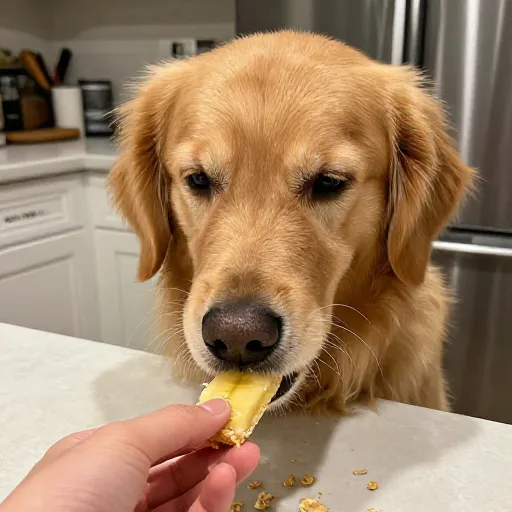
10. Banana & Oat Bites
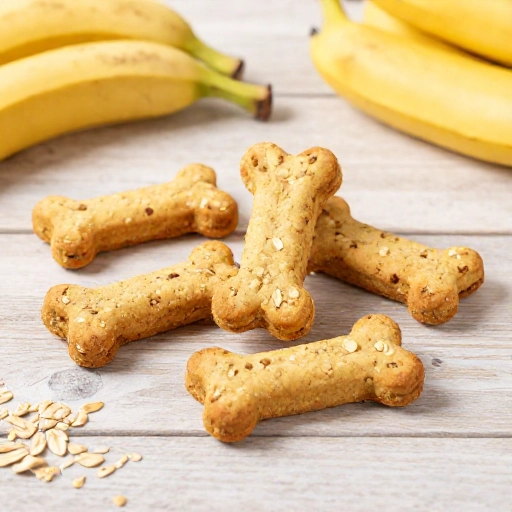
This is the closest I get to “baking” for my dog. I mash one ripe banana and mix in about a cup of plain rolled oats until it forms a dough. Then I roll it into tiny balls (about the size of a marble) and refrigerate them for an hour.
That’s it. No sugar, no flour, nothing weird. Banana provides potassium and natural sweetness, while oats offer fiber. My dog does a little happy dance every time she sees me pulling out the banana.
These keep in the fridge for about five days, or you can freeze them for a couple of months.
Conclusion
Making healthy dog snacks doesn’t have to be complicated or expensive. Most of these ideas take less than five minutes of prep, and they use ingredients you probably already have at home. Your dog doesn’t care if the treat looks perfect—they just want something yummy from you.
I’ve swapped out processed treats for these whole-food snacks, and honestly, my dog seems happier and healthier. Her coat is shinier, her digestion is better, and she still gets excited every time I open the fridge. It’s a win for both of us.
Start with one or two ideas from this list and see what your pup likes best. Every dog is different, and that’s part of the fun. Happy snacking!
[[IMG:IMG12]]
Frequently Asked Questions
Can I give my dog these snacks every day?
Yes, but in moderation. Treats should make up no more than 10% of your dog’s daily calorie intake. A few blueberries or carrot sticks are fine daily, but richer treats like chicken or yogurt should be given a few times a week.
What fruits are toxic to dogs?
Grapes, raisins, and cherries are toxic and should never be given. Also avoid citrus fruits in large amounts, and always remove pits, seeds, and cores from fruits like apples, peaches, and mangoes.
Is it safe to feed my dog raw vegetables?
Most raw veggies like carrots, green beans, and cucumber are perfectly safe. Hard veggies should be cut into small pieces to prevent choking. Avoid raw potatoes and onions entirely.
Can I use frozen fruits as treats?
Absolutely. Frozen blueberries, strawberries, and watermelon cubes are great, especially in hot weather. Just make sure they’re plain and unsweetened. Always supervise your dog with frozen treats.
How do I know if a snack is causing an allergic reaction?
Watch for signs like itching, red skin, vomiting, or diarrhea after introducing a new food. Start with one new snack at a time and wait 24 hours before trying another. If you see any reaction, stop feeding that snack and talk to your vet.